Explore our elite range of aromatic and modified PUA resins, optimized for vacuum metallization, wood finishes, 3D printing, and high-adhesion plastic spray coatings.
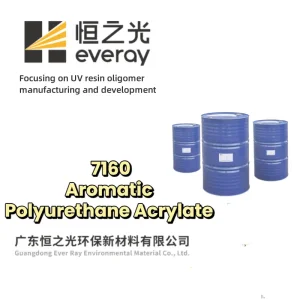
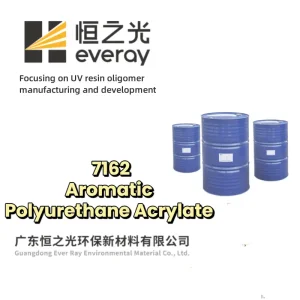
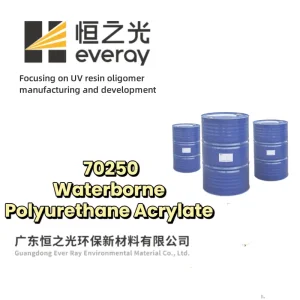
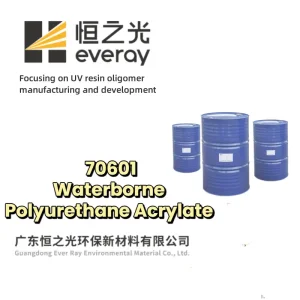
In radiation curing technologies, Aromatic Polyurethane Acrylate (Aromatic PUA) Oligomers serve as the structural backbone for applications demanding high hardness, outstanding chemical resistance, and rapid radical photopolymerization rates. Mechanically synthesized through the reaction of diisocyanates, polyols, and hydroxyl-functional acrylates, the insertion of aromatic structures (typically toluene diisocyanate - TDI or diphenylmethane diisocyanate - MDI derivatives) imparts remarkable rigidity and speed compared to aliphatic counterparts.
The presence of benzene rings in the oligomeric chain optimizes molecular stacking, resulting in coatings that exhibit high scratch resistance, structural density, and enhanced thermal performance. However, due to the photolytic sensitivity of aromatic compounds to yellowing, these oligomers are strategically utilized in indoor applications, dark-pigmented systems, and high-performance basecoats for metalized coatings.
Ensures zero VOC emissions, complying with international environmental safety protocols.
Dual advanced manufacturing centers in Guangdong supporting massive B2B logistics.
Formulators face the critical decision of balancing cure speed, cost-effectiveness, and yellowing resistance. The choice of oligomer defines the final crosslinking density of the cured film. The table below represents a core technical comparison intended to aid B2B purchasing agents and chemical engineers in product selection.
| Parameters | Aromatic PUA (e.g., Ever Ray 7113A / 7160) | Aliphatic PUA | Epoxy Acrylates (Comparison Reference) |
|---|---|---|---|
| Photopolymerization Rate | Excellent / Highly Reactive | Moderate to High | Very High |
| Surface Hardness & Tg | High (Tg up to 80°C - 120°C) | Moderate (Tg up to 40°C - 70°C) | Extremely High (Tg > 120°C) |
| Yellowing Resistance | Restricted (Indoor Application Only) | Outstanding (Outdoor / Light Stability) | Poor |
| Substrate Adhesion (ABS, PC, PVC) | Superior (Hydrogen bonding + low shrinkage) | Good | Moderate / Low on Plastics |
| Cost Index | Highly Competitive / Cost-effective | Premium Pricing | Low Cost / Basic Grade |
Global logistics and raw chemical component pricing fluctuate continuously. Working directly with a Chinese chemical synthesis factory like Ever Ray stabilizes bulk acquisition overheads via raw monomer integration.
Using standard distributed control systems (DCS), our reactors enforce strict temperature profiles down to ±0.5°C during the polyaddition phase, eliminating structural deviation from batch to batch.
With ISO 14001 certification, Ever Ray maintains active environmental safety protocols, filtering and processing manufacturing byproducts cleanly, avoiding common regulatory plant shutdowns.
Why do international formulation laboratories choose Chinese raw material suppliers? The answer lies in integrated manufacturing corridors. Since the main feedstock chemicals, such as acrylic acid, isocyanates, and polyester glycols, are manufactured locally at scale, supply chain delays are minimized.
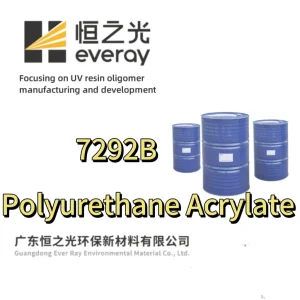
Additionally, the technical depth of specialized engineers enables customized synthesis. For instance, modifying the molecular weight of Aromatic PA UV-resin 7162 or adjusting the viscosity parameters of PUA 7291B is easily executed via our R&D team to fit specific client processes, bypassing middle-distributor markups.
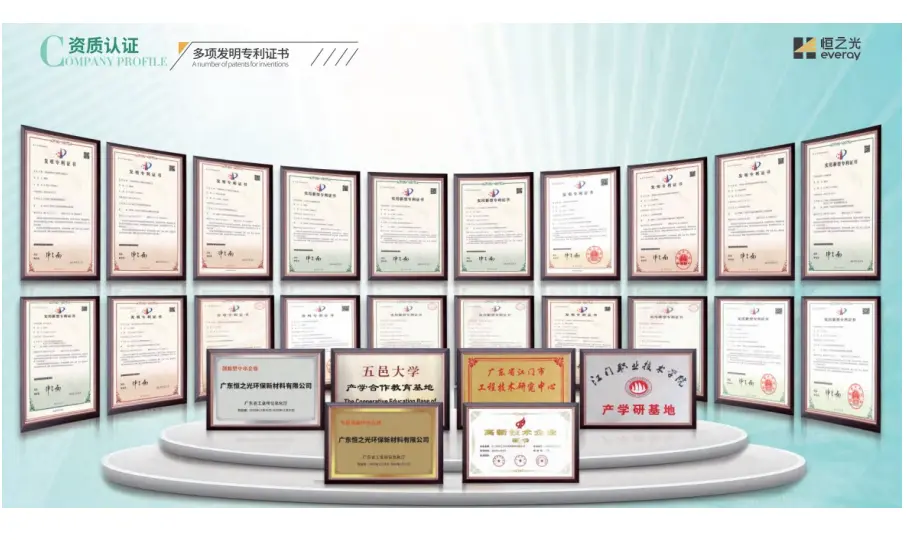
Guangdong Ever Ray maintains more than 15 active technicians specialized in high-performance radiation curing systems. We hold over 10 invention patents and practical patents, emphasizing waterborne UV developments, low-yellowing acrylic compositions, and high-tack pressure-sensitive adhesive (PSA) oligomers.
Established in 2006, Guangdong Ever Ray Environmental Material Co., Ltd. is a leading high-tech enterprise focusing on the R&D and manufacturing of oligomers for UV curable resin. Our production portfolio includes epoxy acrylate, polyurethane acrylate (waterborne, aliphatic urethane, aromatic urethane), polyester acrylate, pure acrylate, and other special functional modified acrylate oligomers.
We operate two production bases: one is in Jiangmen, Guangdong, with a production area of about 10,000 square meters. The second and larger facility is in Yunfu, Guangdong, covering around 40,000 square meters. Both factories feature complete quality control, storage, and logistics supporting facilities, delivering an annual production capacity exceeding 20,000 tons.
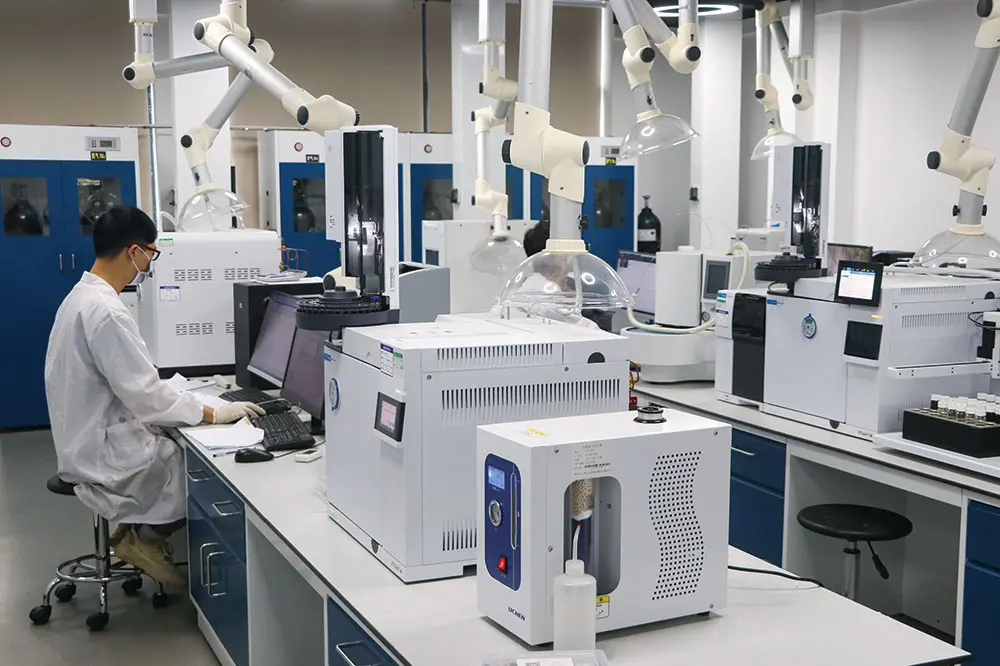
To ensure rigid quality control, our facilities operate under the ISO9001 quality management system and ISO14001 environmental management system, managed via a flexible DCS fully computerized control system. We select premium raw materials globally and consult with domestic UV experts to guarantee output stability and production safety.
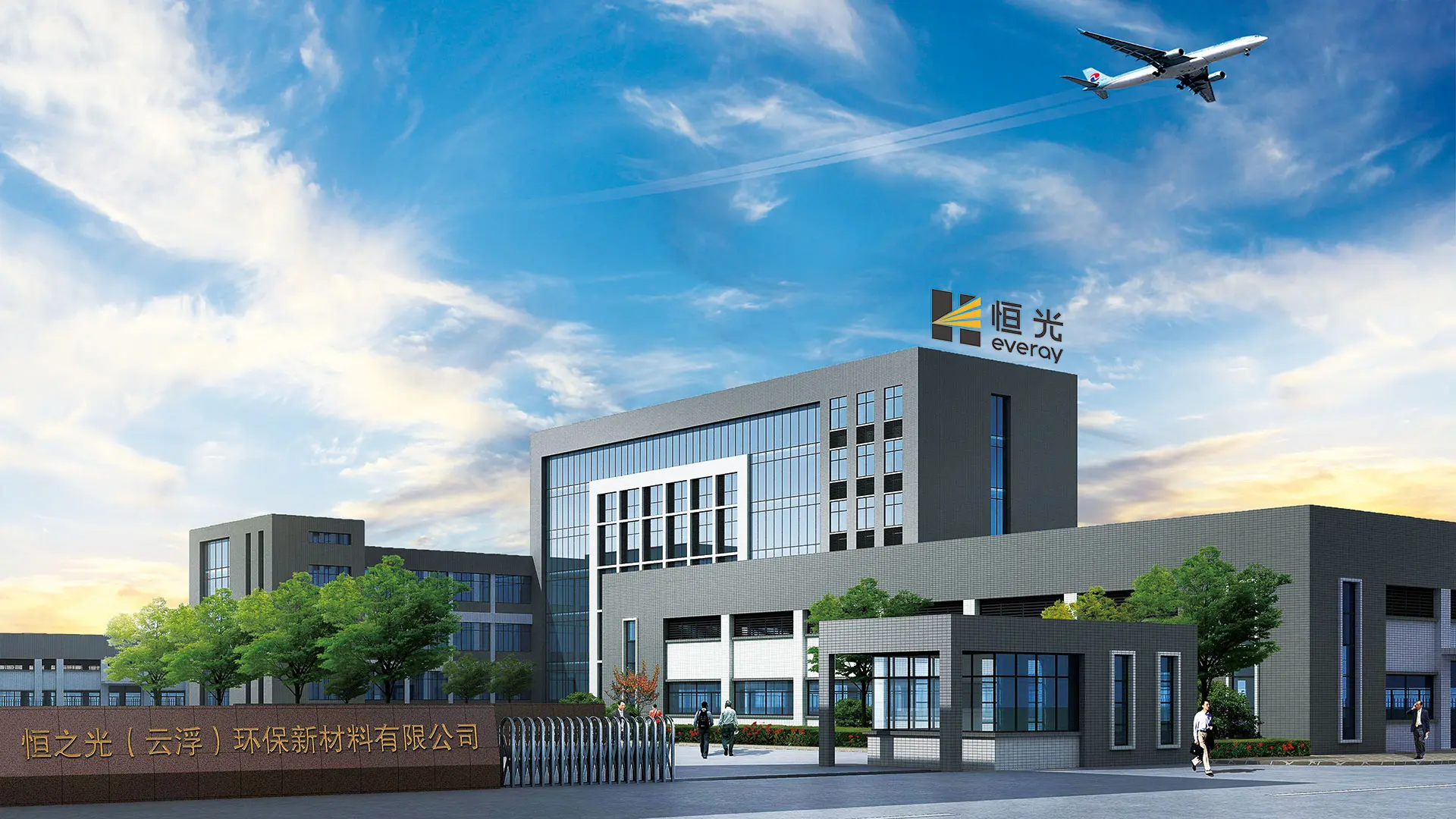
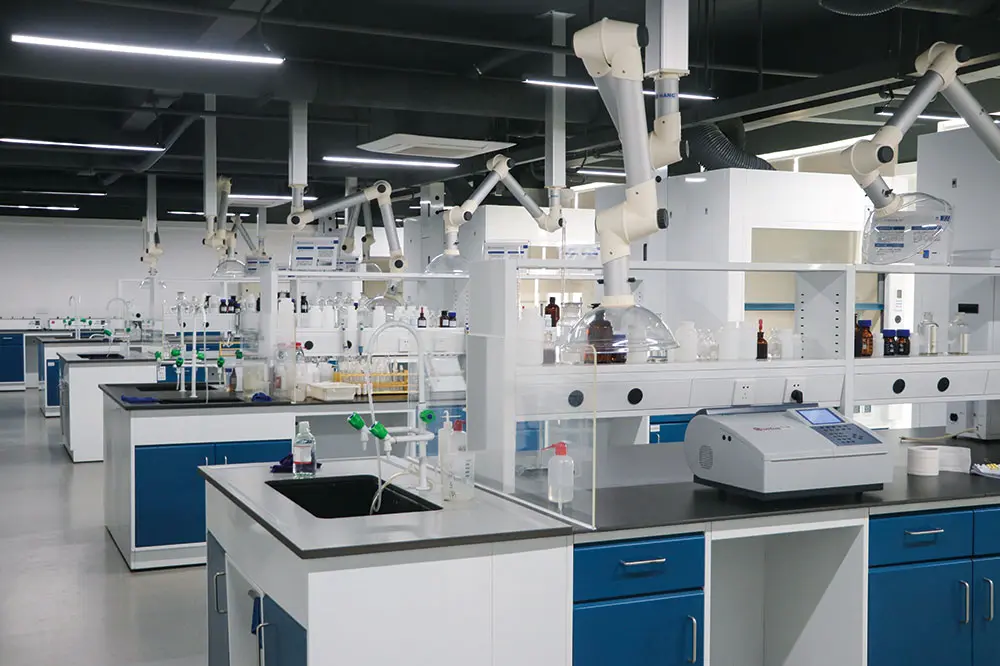
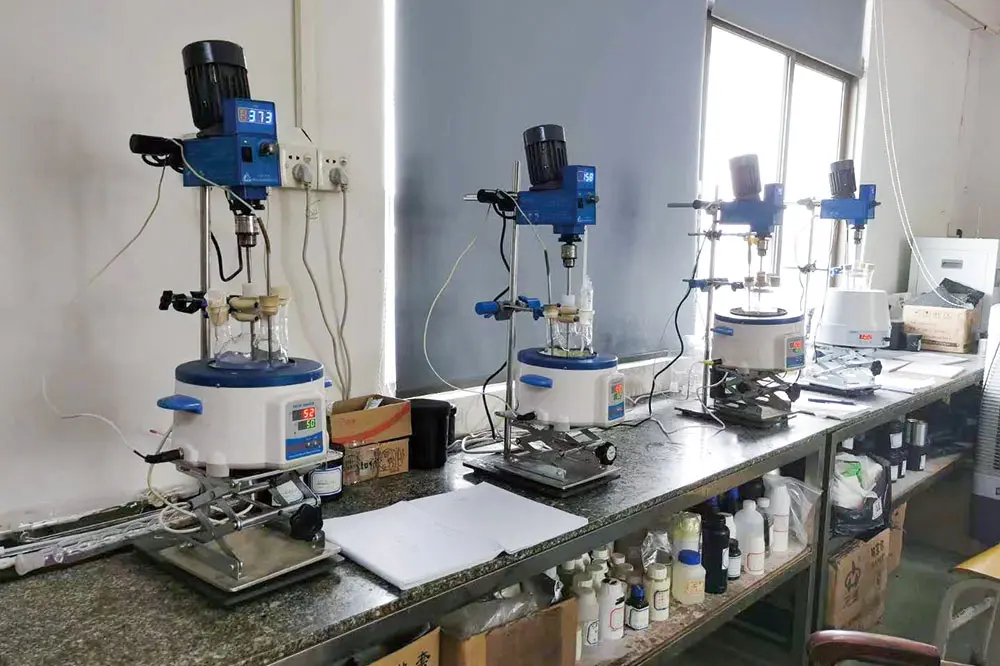
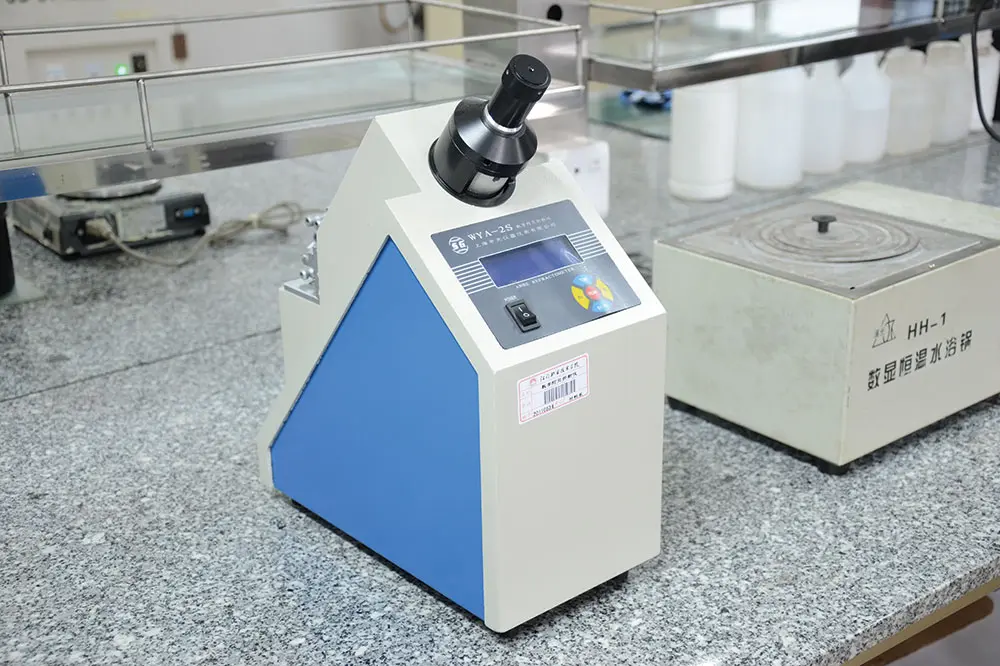
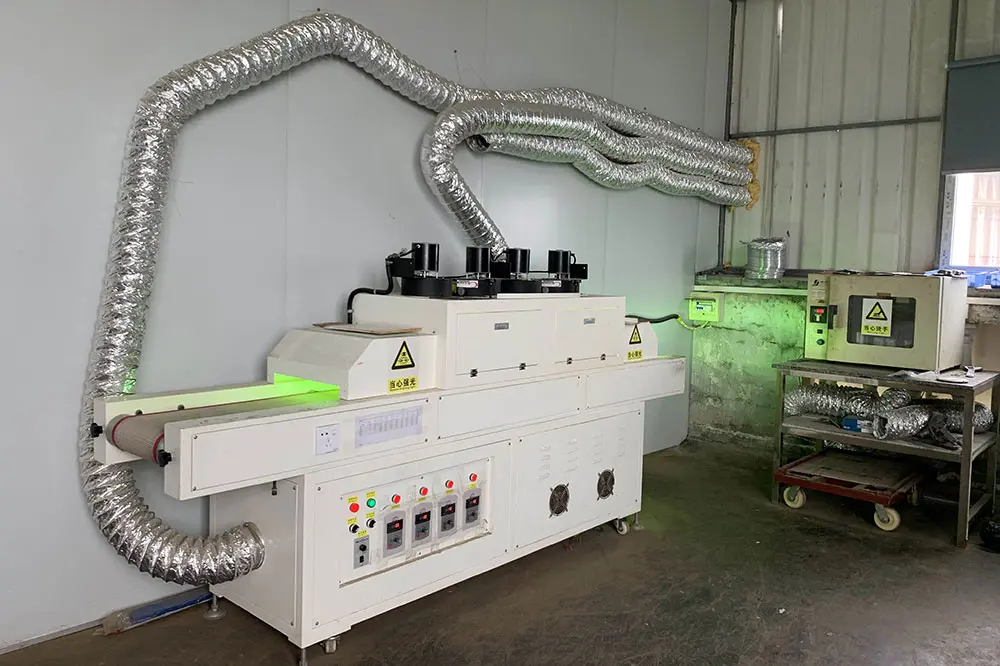
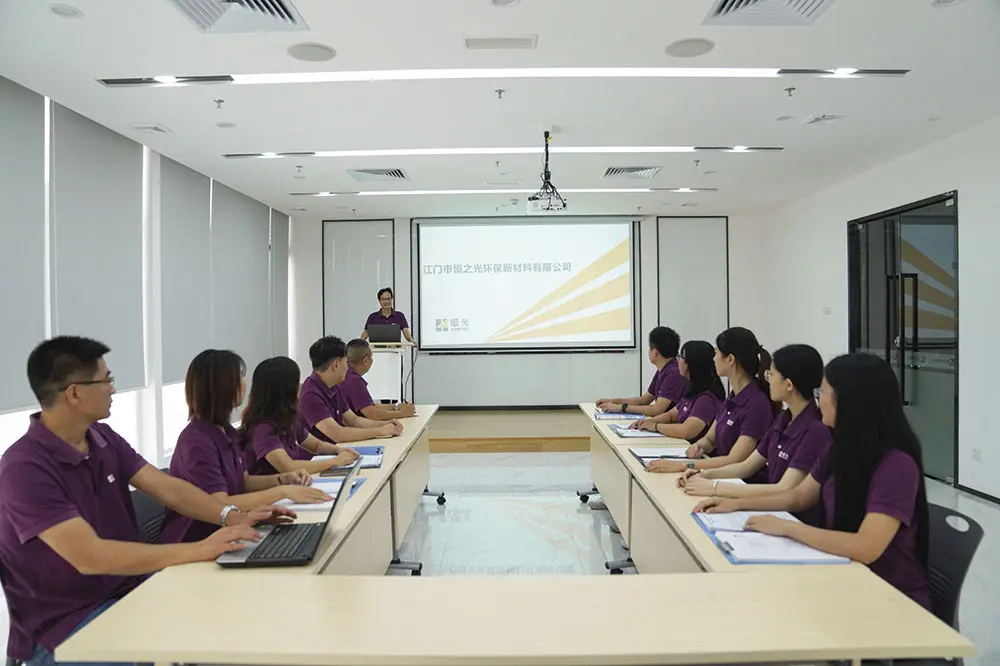
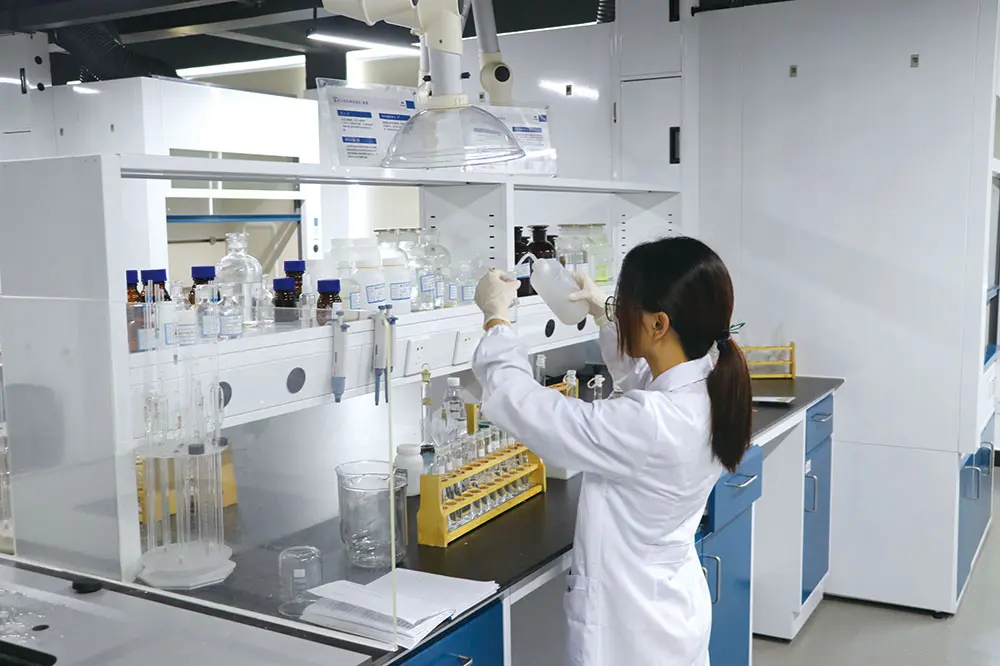
Our state-of-the-art facility layout features advanced reactors, QA labs, and safe chemical storage depots. See some of our core operational environments below:
Aromatic Polyurethane Acrylate Oligomers function as primary vehicles across multiple coating techniques. Choosing the correct formulation balances surface hardness, scratch resistance, chemical crosslinking speed, and raw material costs.
For plastic substrates like ABS, polycarbonate (PC), and polystyrene (PS), vacuum metallization requires prime adhesion. The base coat must level out substrate imperfections and provide a highly reactive, chemical-resistant platform for sputtered metal atoms. Resins like Aromatic PA UV-resin 7113A and 7911 ensure that subsequent aluminum or chrome layers display exceptional gloss and zero delamination under peel testing.
In industrial wood furniture processing lines, speed is critical. Incorporating Aromatic PA UV-resin 7160 or 7162 into wood varnishes increases curing speed and provides excellent resistance to household chemicals, water, and heat. Similarly, UV offset and screen inks benefit from the low viscosity and high dispersibility properties of these oligomers.
In SLA/LCD 3D printing technologies, low volumetric shrinkage, fast cure speed, and high green strength are essential. Modified resins like 70250 and waterborne alternatives (e.g., 70601 Waterborne UV-resin) deliver sharp detail resolution and easy cleanability, suitable for high-resolution stereolithography.
When sourcing aromatic polyurethane acrylate oligomers globally, industrial buyers should verify several chemical characteristics beyond basic price-per-kilogram rates. To guarantee success on downstream production lines, ensure that your supplier provides verified parameters for:
The global chemical industry faces strict VOC regulations. Traditional solvent-borne coatings are transitioning to 100% solids UV-curing and waterborne UV systems. Ever Ray’s active development of eco-conscious resins, including waterborne 70251 and modified polyester acrylates, supports global compliance efforts while maintaining high physical performance.
Additionally, compatibility with energy-efficient LED-UV curing systems (emitting at 365nm, 385nm, or 395nm wavelengths) is key. The high reactivity of aromatic PUA systems makes them suitable for LED-curable formulations, which often face oxygen inhibition issues at low light intensities.
Technical answers for chemical distributors, procurement agents, and laboratory formulators.
The difference lies in the diisocyanate backbone. Aromatic polyurethane acrylates use aromatic diisocyanates like TDI or MDI, containing benzene rings that offer high hardness, faster curing, and cost-effective synthesis. Aliphatic polyurethane acrylates utilize aliphatic diisocyanates (such as IPDI or HDI), providing superior outdoor weathering and yellowing resistance, though typically at a higher raw material cost.
Vacuum metallization requires high interfacial adhesion on plastics (like ABS or PC) and heat stability during sputtering. Aromatic PUA oligomers offer strong polar interactions and hydrogen bonding from urethane linkages, coupled with high cure speeds and minimal shrinkage. This prevents the metal film from cracking, bubbling, or peeling.
Our production is managed via a computerized Distributed Control System (DCS) at our Yunfu facility. This system monitors synthesis temperatures, feed rates, and vacuum pressure. Combined with ISO 9001 quality audits, each batch undergoes complete testing for viscosity, color index, acid value, and cure rate before shipment.
Yes. Our R&D team can customize viscosity profiles either by modifying the polymer molecular weight during synthesis or by blending specific reactive diluent monomers (such as TMPTA, TPGDA, or IBOA) to meet target values for coating lines.
Advanced formulations including polyester acrylates, epoxy acrylates, and specialty oligomers for various industrial curing profiles.
 Ever Ray