Explore our elite selection of high-reactivity oligomers designed for printing inks, advanced industrial coatings, and excimer laser systems.
Polyester acrylate oligomers constitute a vital family of radiation-curable materials, bridging the gap between functional performance and formulation flexibility. Chemically derived through the esterification of multi-functional polyols (such as polyether polyols or polyester polyols) with polycarboxylic acids, subsequently capped with acrylic acid, these oligomers possess a versatile backbone structure.
The core performance of polyester acrylates lies in their molecular architecture. By tweaking the degree of branching, the polyol composition, and the functionality (number of acrylic double bonds per molecule), chemical engineers can dial in specific mechanical characteristics. For instance, difunctional polyester acrylates exhibit remarkable flexibility and elongation, whereas multi-functional variants (tetra-, hexa-, or octa-functional) promote high crosslinking density, leading to superior hardness and outstanding chemical resistance.
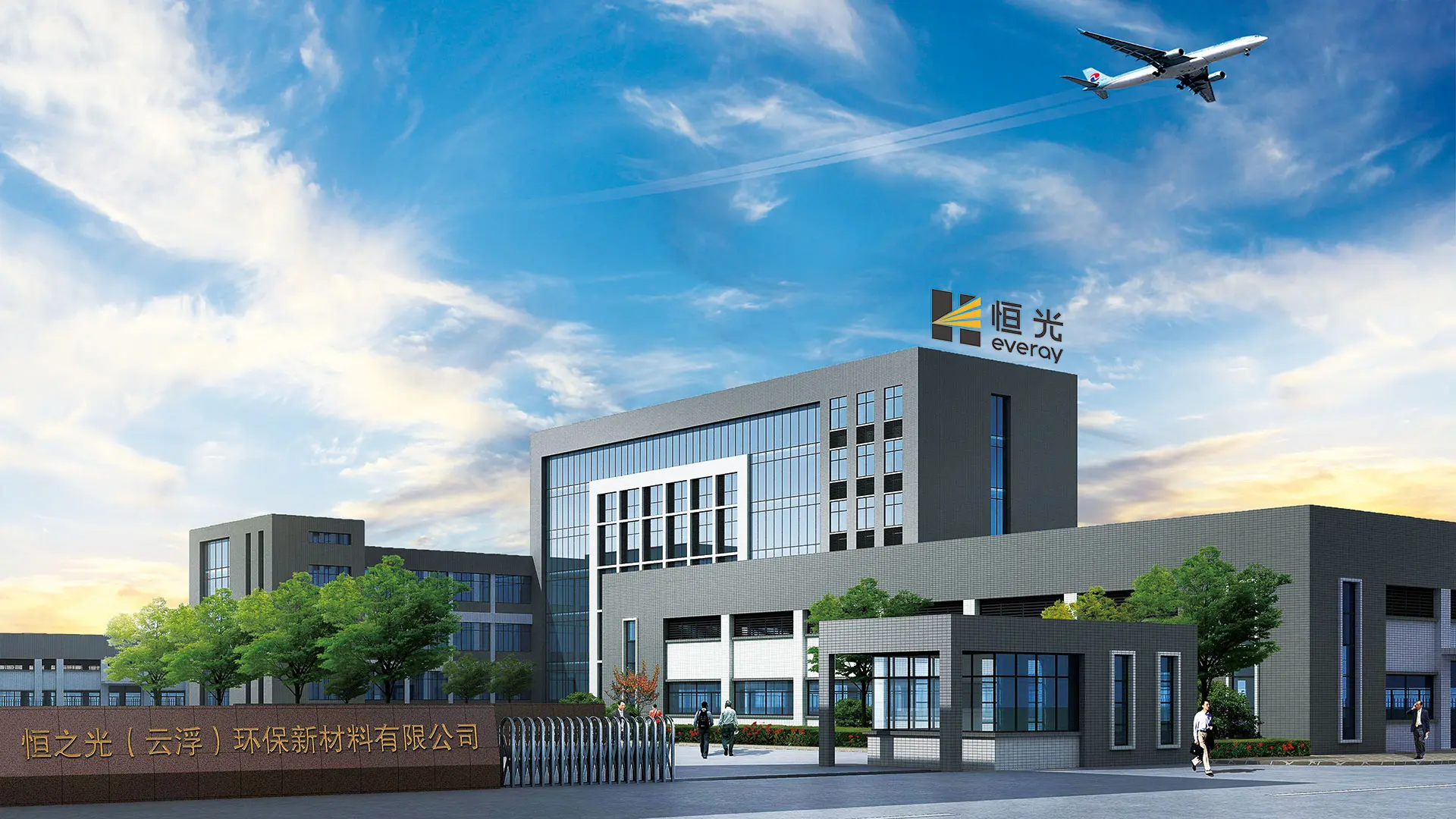
How specific chemical systems address local engineering requirements in advanced manufacturing.
In wood finishes, polyester acrylates are preferred due to their superb wetting properties on cellulose and excellent grain definition. Products like the high-efficiency 5311A and 5319A-1 provide a balanced profile of scratch resistance and flexibility to withstand environmental expansion and contraction of timber substrates.
For high-speed lithographic and flexographic printing, ink transfer and pigment wetting are critical. Oligomers such as 5332F, 5335F, and 5403DF are molecularly modified to yield excellent rheology, low misting tendency, and remarkable compatibility with copper phthalocyanine and carbon black pigments.
The formulation of soft-feel, super-matte coatings requires precise surface shrinkage. Oligomer 53036 is specifically engineered to interact with 172nm excimer laser radiation. Micro-folding occurs at the surface under inert gas environments, producing a velvet skin-feel finish without relying heavily on silica matting agents.
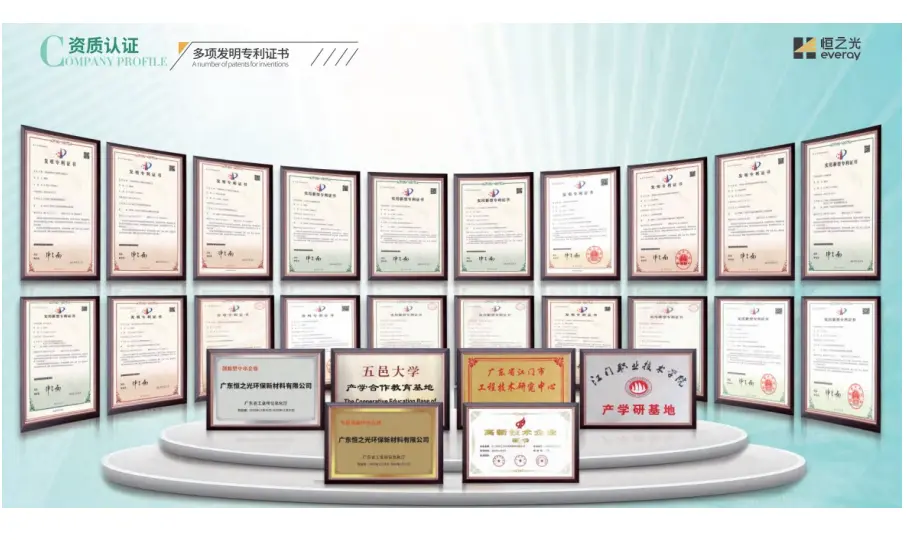
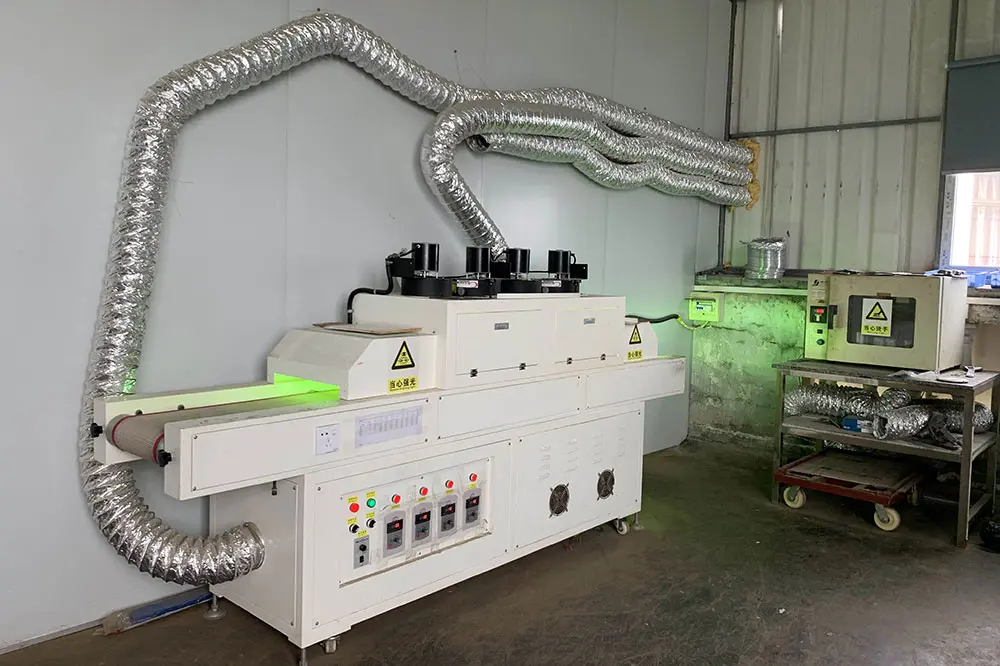
Global raw material buyers seek two things: batch-to-batch consistency and economic scale. Guangdong Ever Ray Environmental Material Co., Ltd. addresses these demands through its dual manufacturing bases located in Jiangmen and Yunfu, Guangdong, China. Spanning a combined area of 50,000 square meters, our facility ensures continuity of supply even during regional logistics or operational transitions.
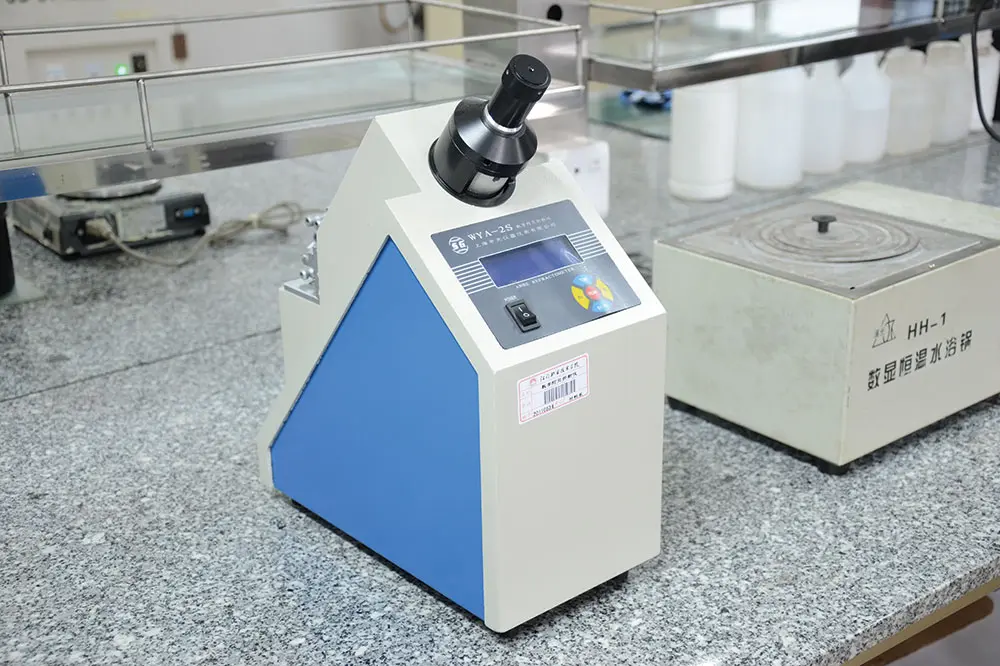
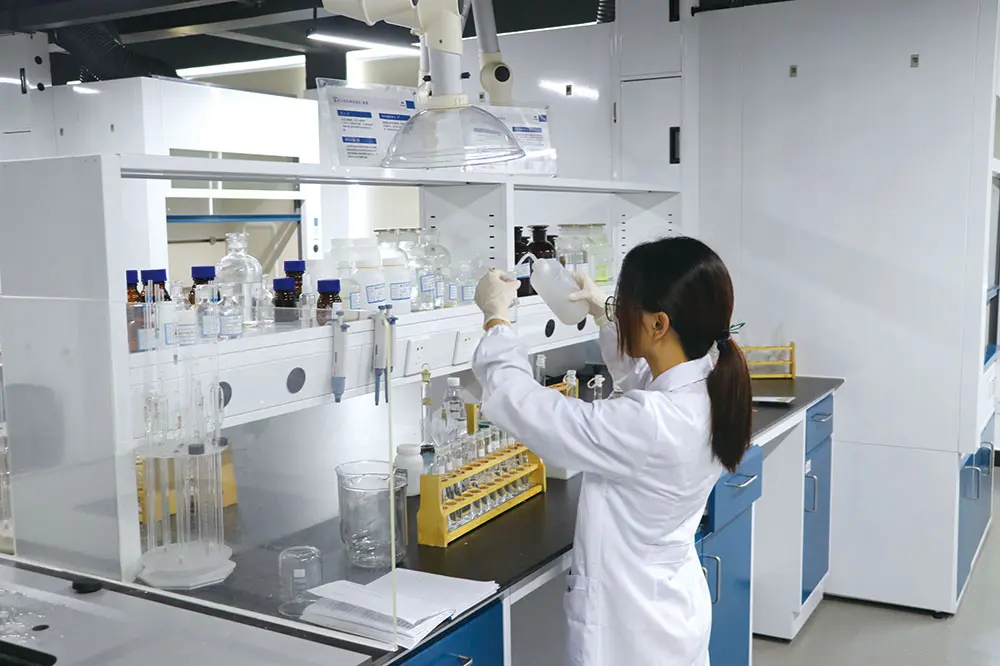
By implementing a fully computerized **DCS (Distributed Control System)**, the entire polymerization process is closely monitored—controlling temperature, reaction duration, raw material feeding speeds, and pressure points within tight limits. This rigorous automation ensures that critical values such as viscosity, acid index, and color values are maintained within tight specifications for every single batch.
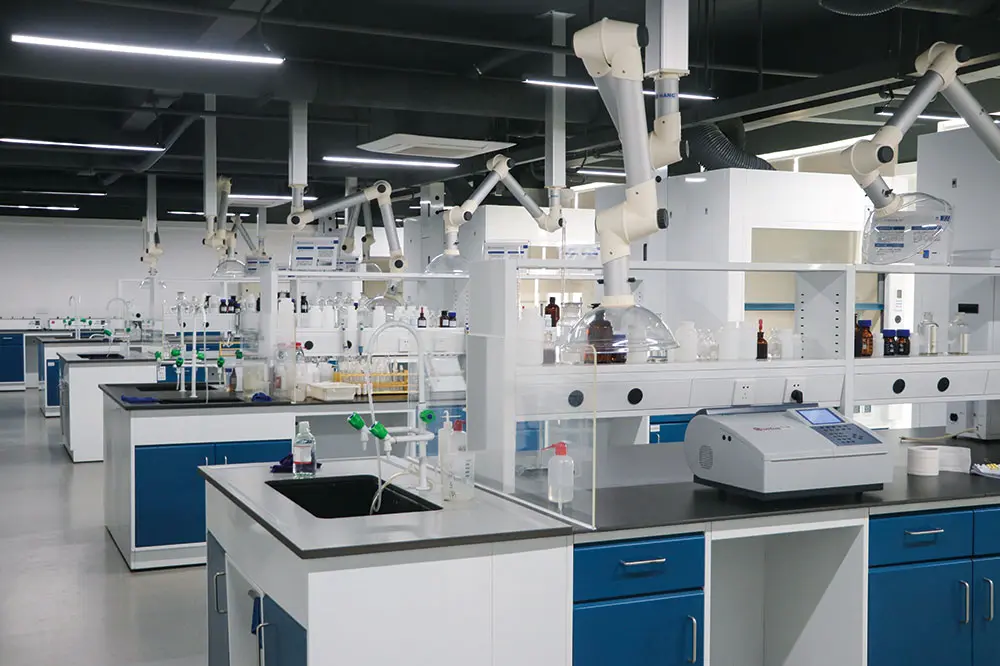
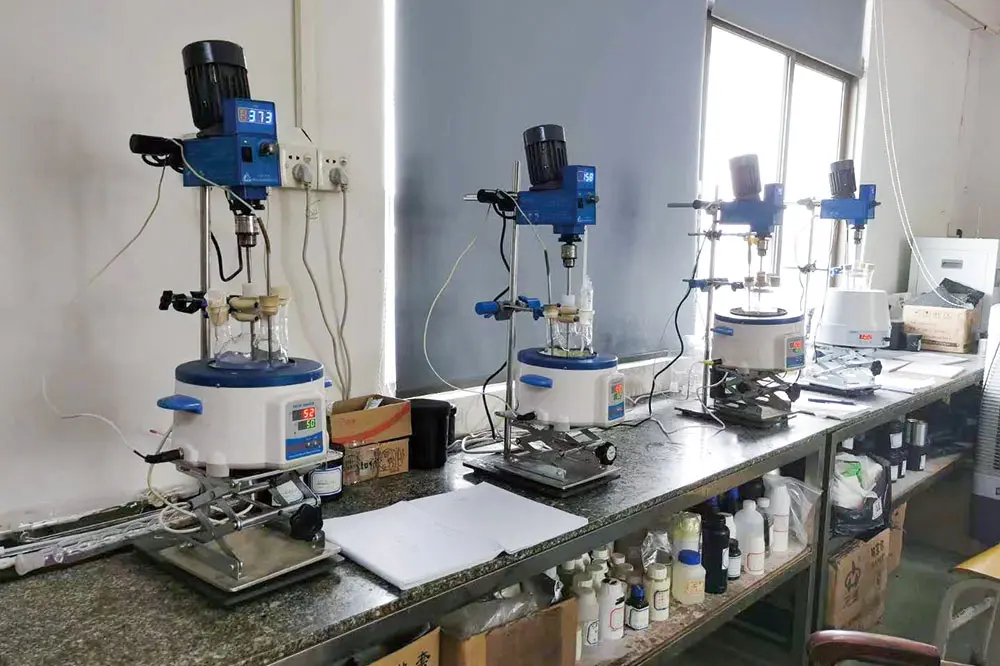
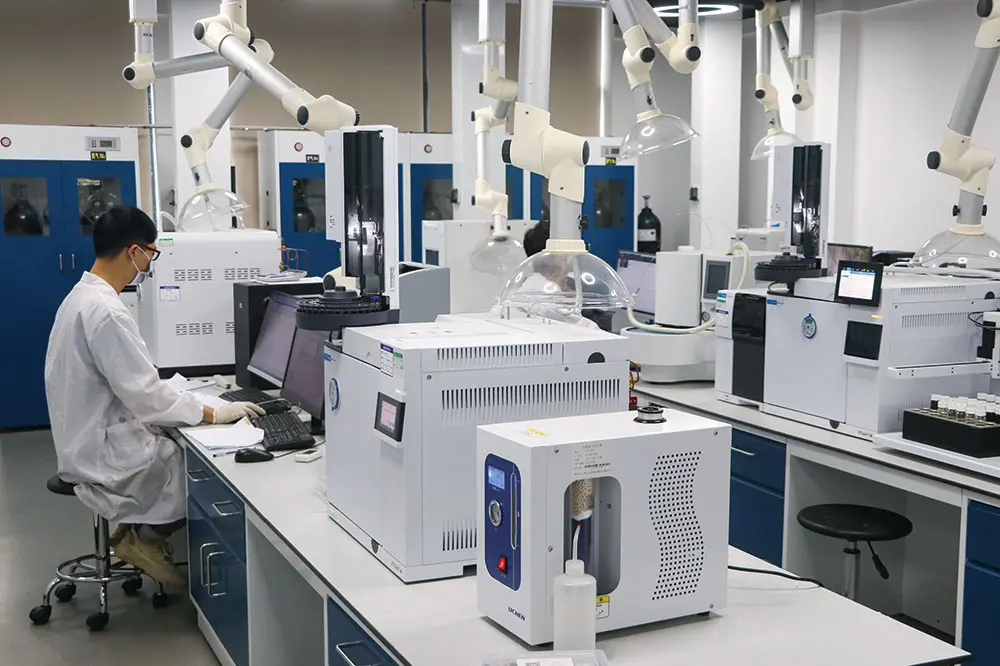
How environmental frameworks and legislative requirements drive the evolution of radical polymerization systems.
Global regulatory pressure is shifting chemical design towards bio-based raw materials. By replacing petrochemical polycarboxylic acids or glycols with plant-based alternatives, future polyester acrylates aim to lower the carbon footprint without sacrificing UV reactivity or mechanical resistance.
Especially for modern food packaging applications, low-odor monomers and low-migration oligomers are mandatory. Custom solutions like the 5017 and 5218 minimize volatile organic residuals, preventing food contamination via vapor transfer or migration through thin films.
The industry transition from traditional medium-pressure mercury lamps to monochromatic UV-LED curing systems (e.g., 365nm, 385nm, 395nm) requires polyester acrylates with enhanced surface and deep-cure response. Formulating high double-bond reactivity oligomers ensures rapid throughput under low-energy exposure.
Addressing critical formulation, chemistry, and processing inquiries from senior chemists and procurement specialists.
Review the second half of our specialized catalog, featuring solutions optimized for industrial wood coatings, varnishes, and flexographic systems.
 Ever Ray