Hyperbranched acrylate oligomers represent a milestone in polymer design. Unlike standard linear or branched oligomers, hyperbranched structures feature highly branched, globular architectures with high end-group density. This chemical topology leads to a set of unique performance characteristics:
These properties are critical in demanding applications, including optical films, flexible packaging, 3D printing (SLA/DLP), automotive clear coats, and wood coatings that require excellent hardness, scratch resistance, and chemical stability.
Conventional oligomers face a persistent trade-off between viscosity and crosslinking density. Increasing functionality usually results in high viscosity, which requires dangerous monomer dilution. Hyperbranched architectures break this limitation, enabling highly functional, high-molecular-weight systems with manageable viscosity.
Explore the first range of our high-quality epoxy acrylates, polyurethane acrylates, and special hyperbranched UV oligomers engineered for ultimate durability, chemical resistance, and curing speeds.
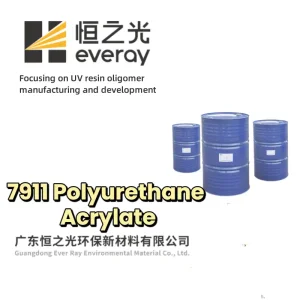
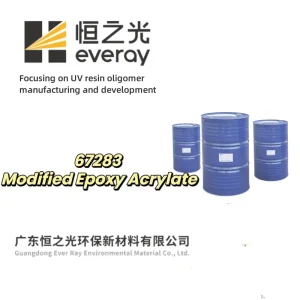
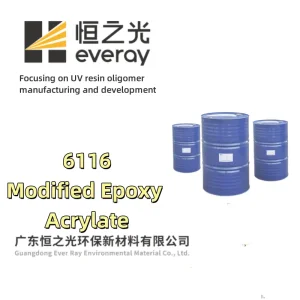
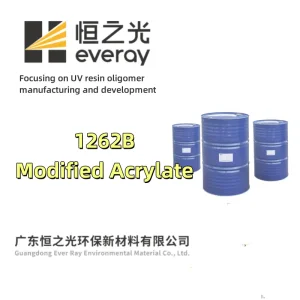
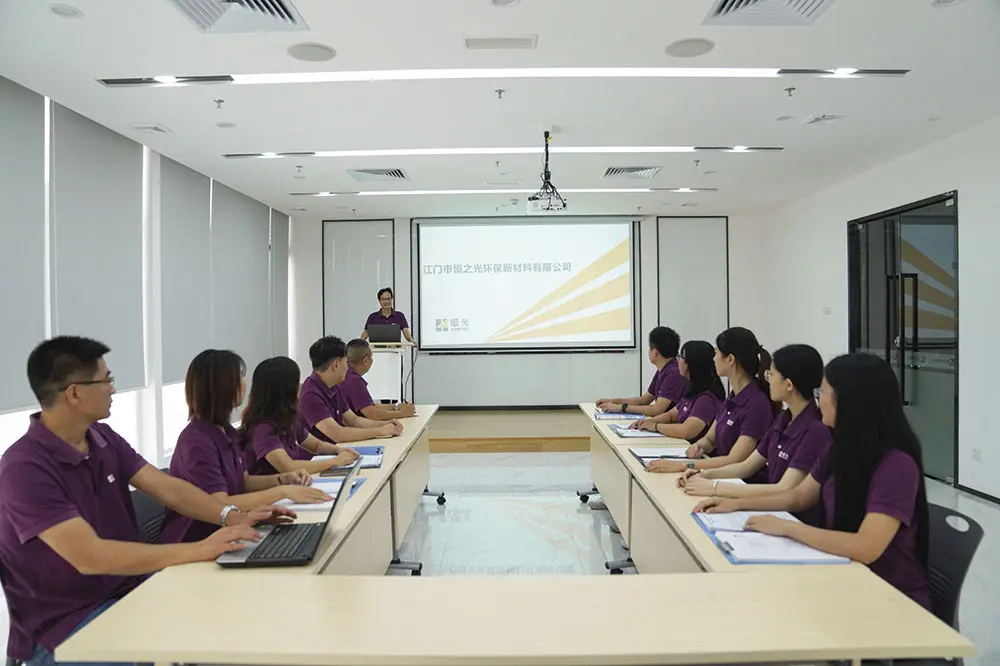
Guangdong Ever Ray Environmental Material Co., Ltd. — A high-tech pioneer in UV-curable materials, driving green chemical solutions since 2006.
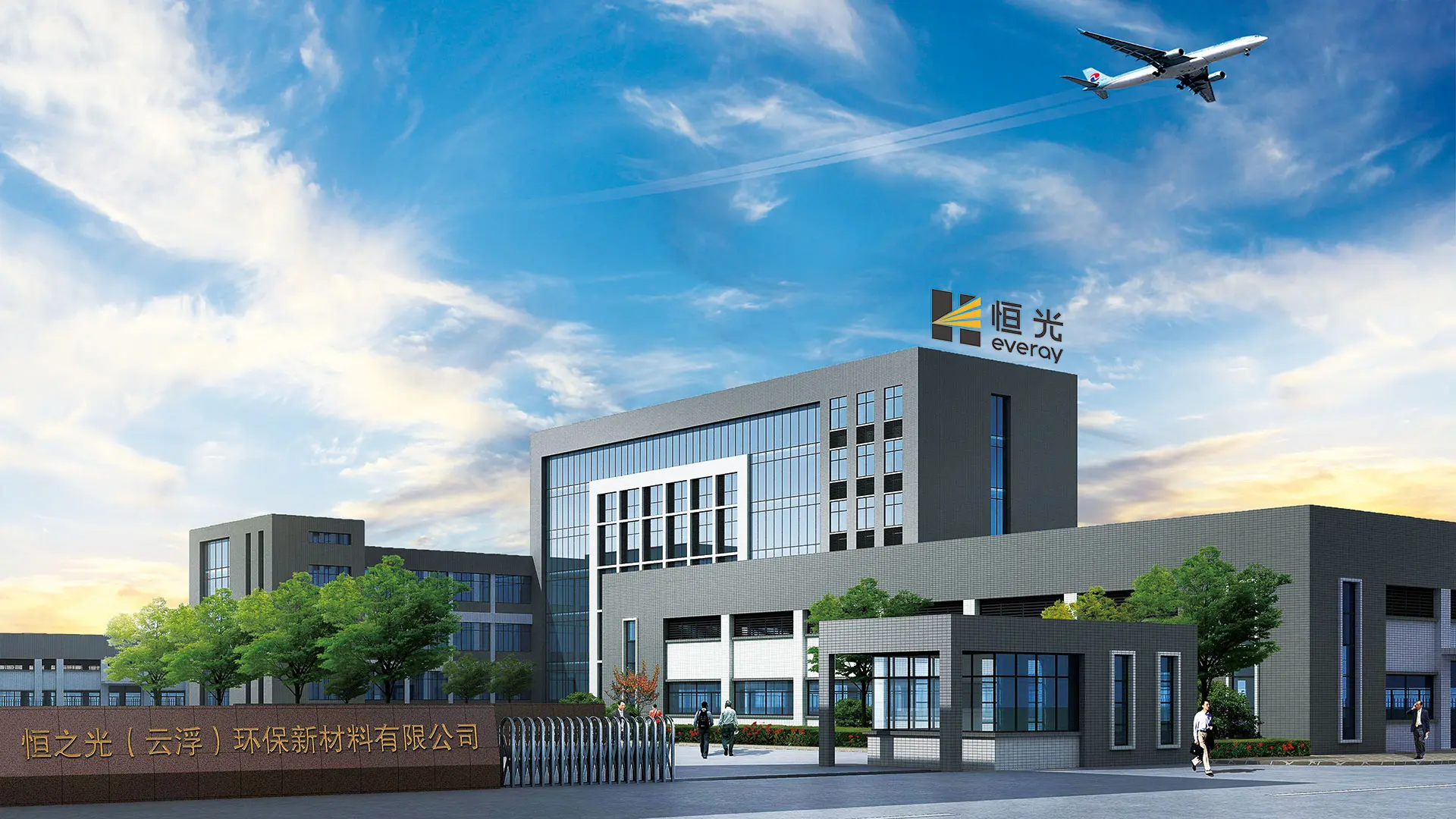
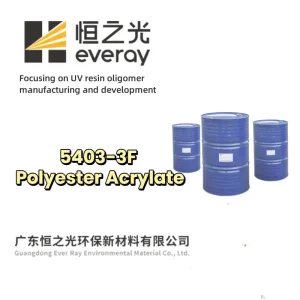
Established in 2006, Guangdong Ever Ray Environmental Material Co., Ltd. is a nationally recognized high-tech enterprise. We focus exclusively on the research, development, and high-volume manufacturing of oligomers for UV-curable resins, including epoxy acrylates, polyurethane acrylates (waterborne, aliphatic urethane, and aromatic urethane variants), polyester acrylates, pure acrylates, and special functionalized hyperbranched acrylate oligomers.
Over nearly two decades, we have aligned our manufacturing capability with stringent quality control standards, ensuring that our clients receive consistent chemistry batch after batch. We operate under the ISO9001 quality management system and ISO14001 environmental management system, using automated processes to minimize emissions and energy consumption.
To support high-volume supply contracts, Ever Ray operates two strategic production bases:
Both plants are equipped with a state-of-the-art DCS fully computerized control system. This ensures real-time control over polymerization temperatures, pressure parameters, feed rates, and raw material addition, eliminating batch-to-batch inconsistencies.
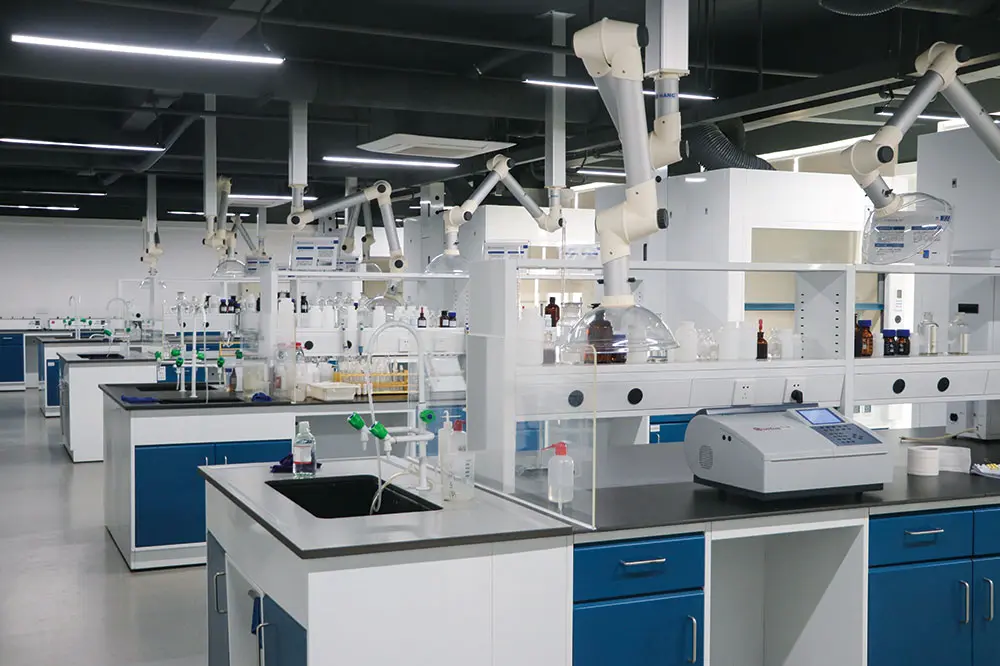
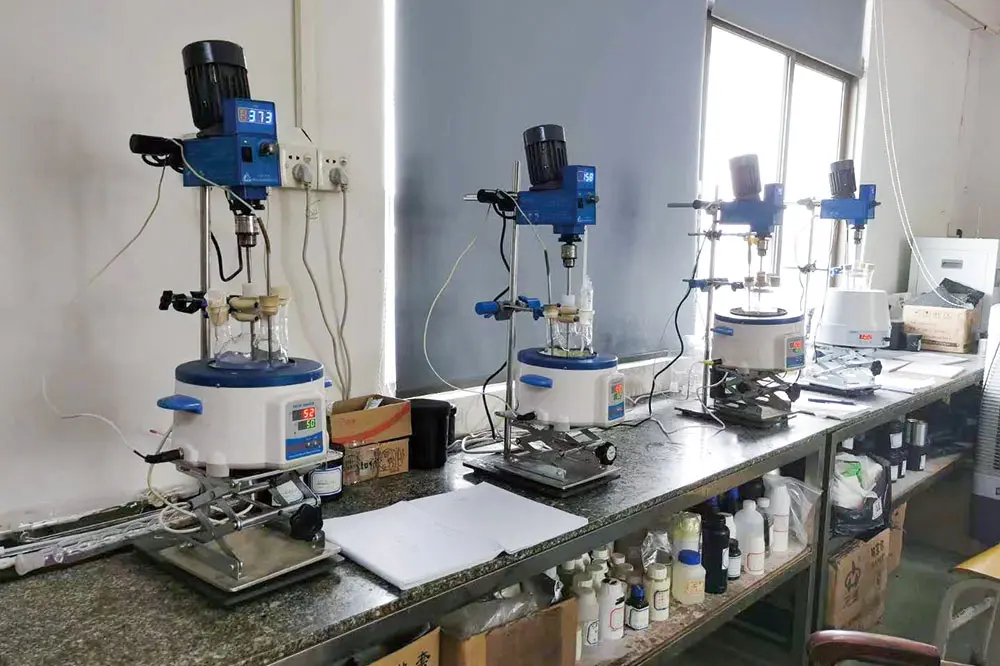
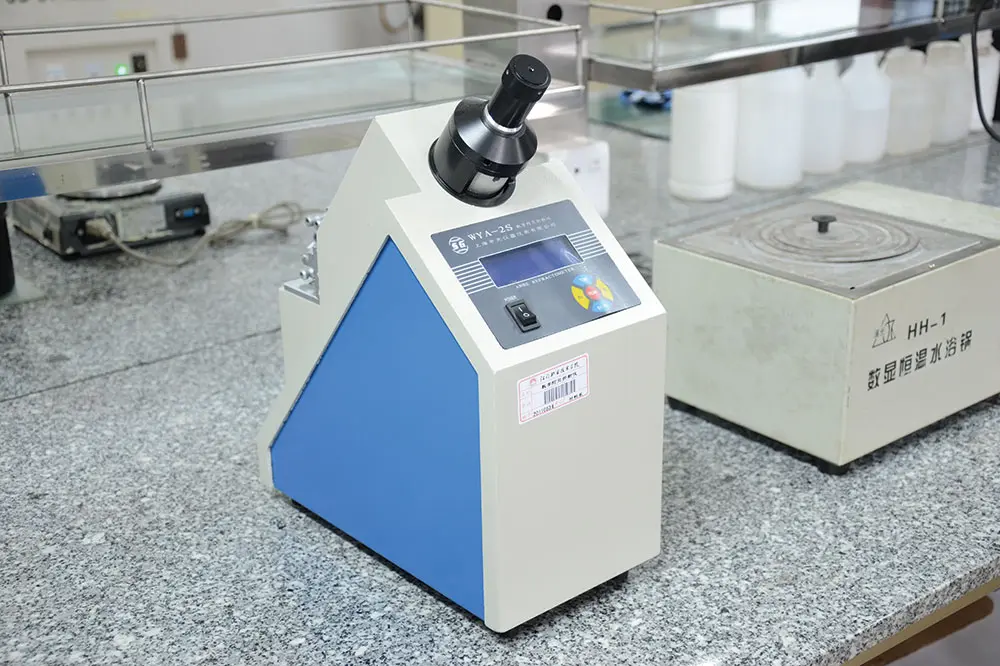
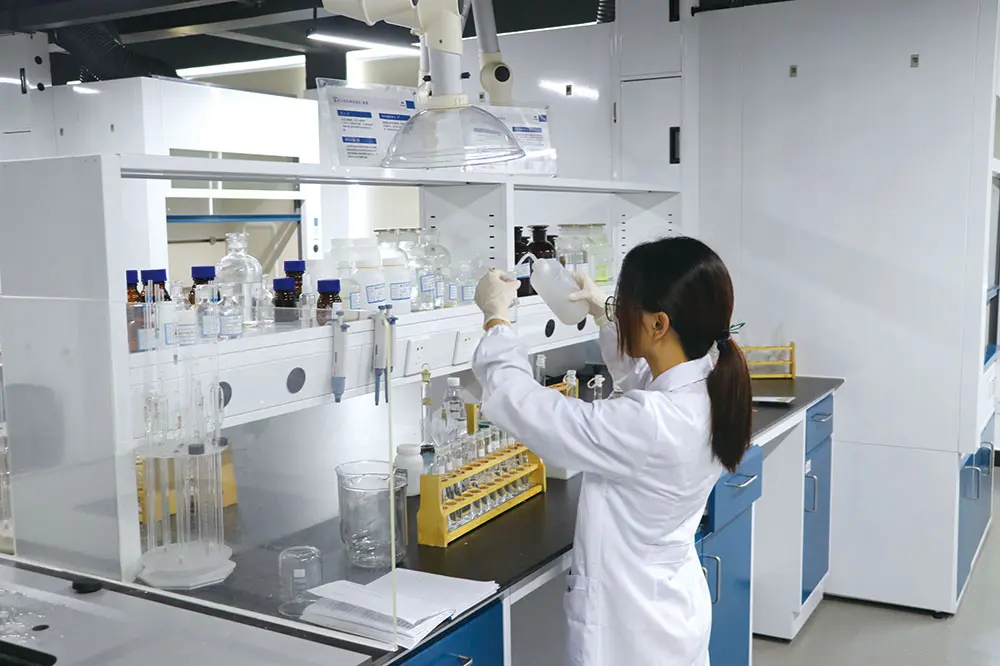
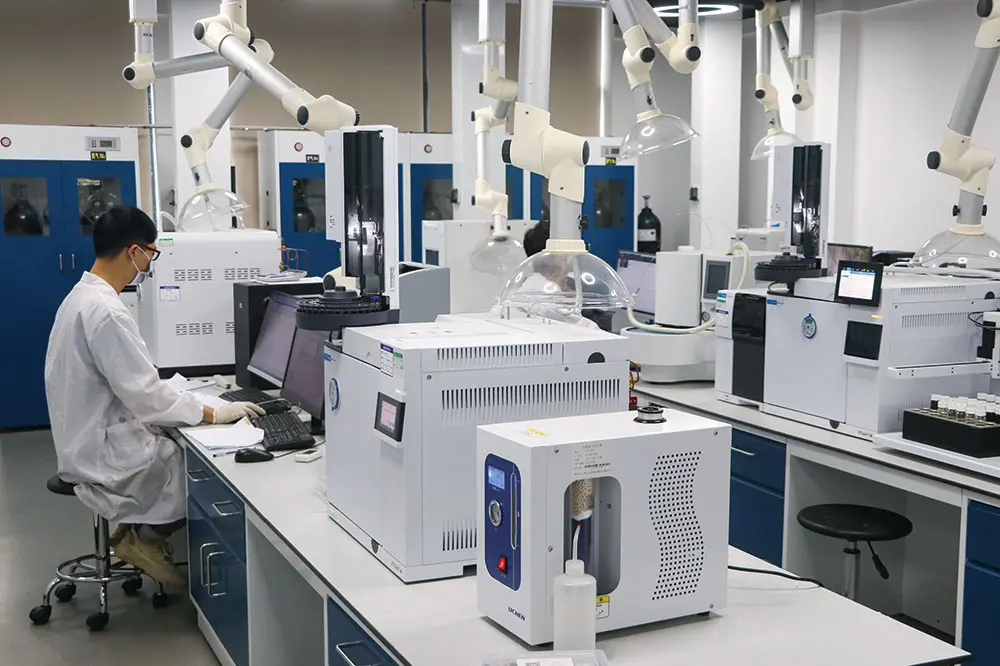
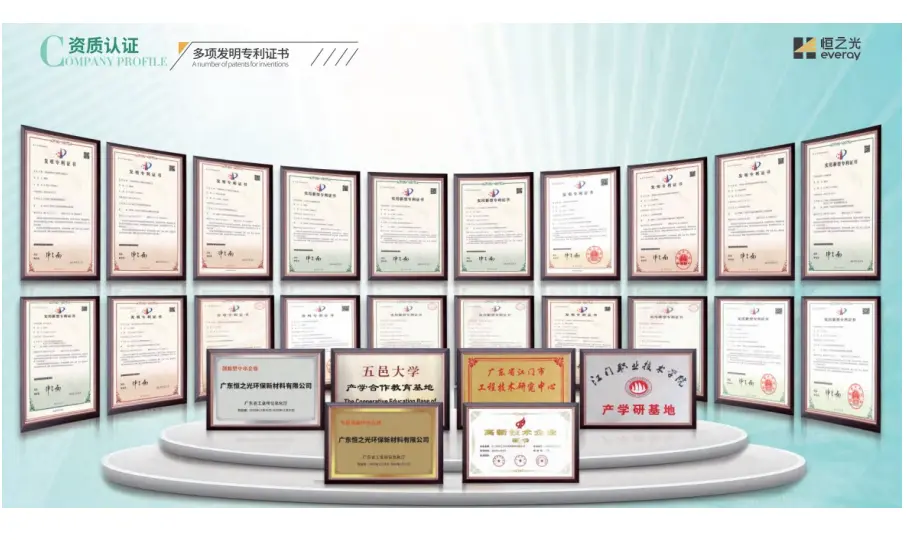
Our commitment to intellectual property and innovation is evidenced by our portfolio of more than 10 invention and utility patents. Our R&D department features a dedicated group of 15+ professional coating and polymer technicians. By selecting premium raw materials and partnering with domestic UV material research institutes, we develop tailored formulations to meet specific cost constraints or high-performance parameters.
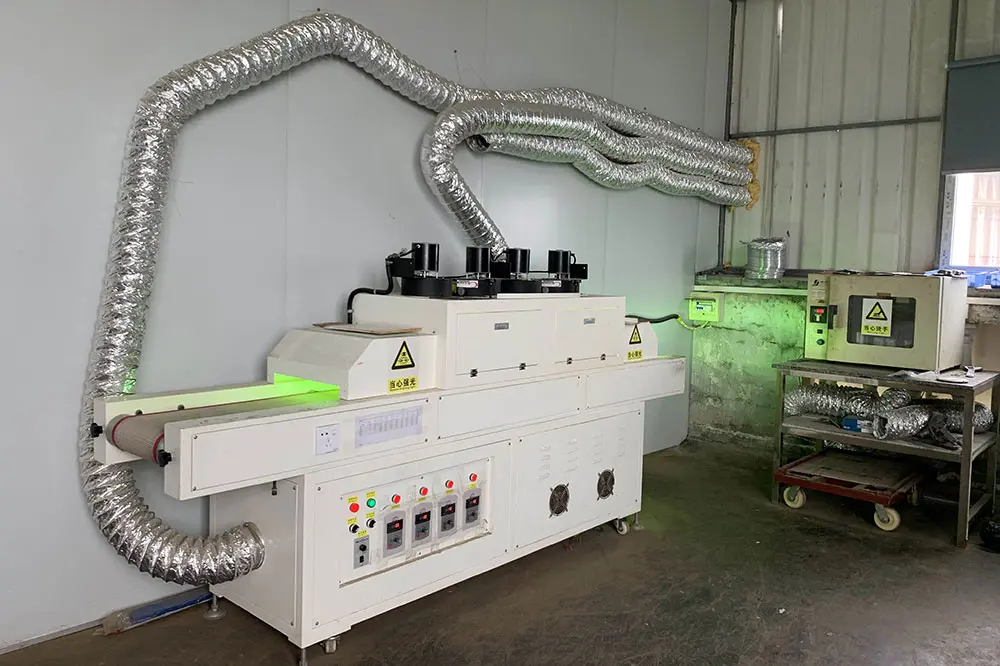
Adapting polymer chemistry to meet the demands of global environmental regulations and advanced manufacturing processes.
Traditional mercury vapor lamps generate significant heat and ozone, which raises environmental and operational concerns. Modern lines are transitioning to LED-UV curing systems (typically operating at 365nm, 385nm, or 395nm). Hyperbranched acrylate oligomers offer high functionality, which helps counter the oxygen inhibition and lower peak intensities associated with LED systems, ensuring a tack-free finish at high line speeds.
Global regulatory frameworks (such as China's GB30981-2020, EU REACH, and US SCAQMD regulations) restrict Volatile Organic Compound (VOC) emissions. The low viscosity of hyperbranched acrylates allows formulators to design high-solids or 100% reactive UV-curable coatings, reducing the need for volatile thinning solvents while maintaining optimal application viscosity.
Modern functional electronics and high-speed packaging require protective clear coats with high refractive indexes, excellent adhesion to untreated substrates (PET, PMMA, metalized films), and good flexibility. Hyperbranched acrylates are engineered with specific chemical links that resist yellowing, retain high transparency, and provide reliable adhesion across varying substrates.
| Property Parameter | Standard Aliphatic Polyester Acrylate | Standard Epoxy Acrylate | Hyperbranched Acrylate Oligomer (e.g., 4600) |
|---|---|---|---|
| Viscosity (mPa.s at 25°C) | Medium-High (5,000 – 15,000) | Very High (20,000 – 80,000) | Low-Medium (1,500 – 4,500) |
| Functionality (Acrylate Groups) | 2 to 4 | 2 | 6 to 12+ |
| Volume Shrinkage (%) | 5% – 8% | 4% – 7% | < 2.5% |
| Cure Rate (Reactivity) | Moderate | Fast | Ultra-Fast (excellent surface curing) |
| Surface Hardness & Resistance | Good flexibility, lower hardness | High hardness, brittle | High hardness + excellent scratch resistance |
Industrial procurement teams look for suppliers that can provide consistent product quality, stable supply chains, and regulatory compliance. At Ever Ray, we address these priorities through structured operations:
Operating two manufacturing plants with a total capacity exceeding 20,000 tons annually allows us to handle large-volume orders and maintain stable buffer stock, mitigating supply chain disruptions.
We supply technical documentation to support global compliance requirements. Our products comply with EU REACH registration guidelines, RoHS directives, TSCA, and regional VOC frameworks.
We provide custom tailoring of viscosity, reactivity, and monomer dilution to match our clients' specific application requirements.
Our products are packaged to maintain stability during transport and storage:
How Guangdong Ever Ray is innovating today to address tomorrow's challenges in green chemistry and advanced manufacturing.
To reduce dependence on fossil fuels, our R&D pipeline is evaluating bio-derived polyols (such as glycerol, sorbitol, and dimer acids) as core components for next-generation hyperbranched structures, aiming to achieve bio-carbon content exceeding 40% without compromising performance.
To address the challenge of curing shadowed areas in complex 3D parts, we are designing hyperbranched oligomers with dual functional groups (e.g., combining acrylate functionality with isocyanate or alkoxysilane terminations) to enable secondary thermal or moisture curing.
High-resolution additive manufacturing requires low-viscosity resins with rapid cure speeds and minimal shrinkage. We are developing hyperbranched polyester and polyurethane acrylates specifically for SLA, DLP, and LCD 3D printing, enabling high dimensional accuracy and clean print details.
Find answers to common technical, logistics, and application questions about our UV-curable oligomers and hyperbranched polymers.
Explore the rest of our product range, containing modified epoxy, polycarbonate, and polyester acrylates for plastic, offset, and wood coatings.
 Ever Ray