Browse our flagship industrial-grade special modified acrylate monomers and oligomer products engineered for high water resistance, low shrinkage, and exceptional adhesion.
The global chemical landscape is witnessing an unprecedented transition from conventional thermal-cured systems to high-efficiency, zero-VOC (Volatile Organic Compounds) radiation curable technologies. Within this macro-trend, Modified Acrylate Monomers and specialized oligomers form the foundation of high-speed industrial curing processes. Standard acrylic monomers, though efficient in viscosity dilution, often struggle with issues such as high volume shrinkage, limited substrate adhesion, and high skin irritancy.
By introducing specific chemical modifications (such as ethoxylation, propoxylation, polyurethane linkages, or epoxy backbones), manufacturers can tailor the fundamental curing profile of these compounds. These custom-engineered structures significantly enhance cross-linking density while reducing internal stress during radical polymerization, making them indispensable in the automotive, electronics, optoelectronics, and packaging sectors.
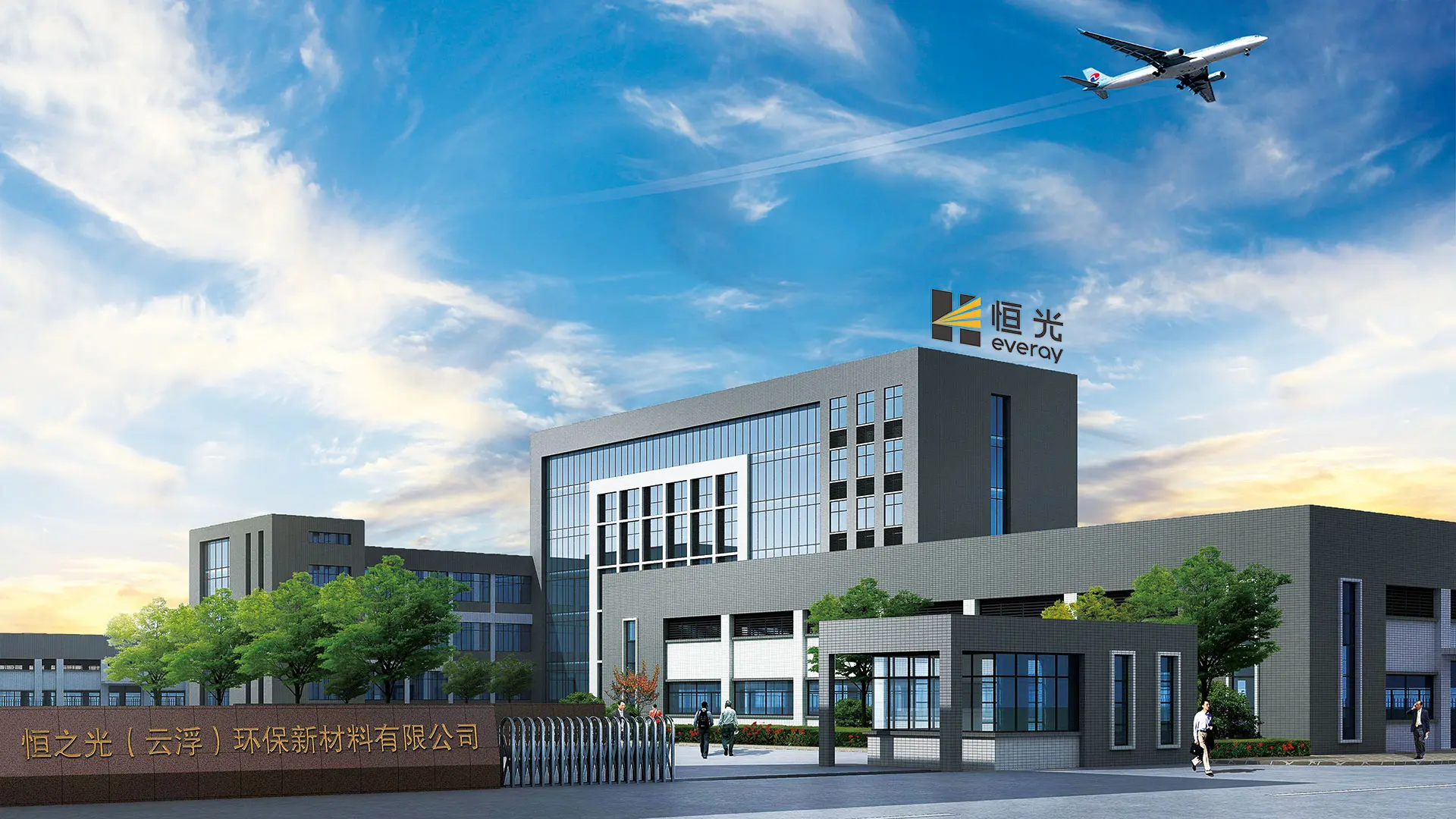
Guangdong Ever Ray Environmental Material Co., Ltd., founded in 2006, is a premier high-tech manufacturer specializing in oligomers for UV-curable systems.
"Guangdong Ever Ray Environmental Material Co., Ltd. established in 2006, is a high-tech enterprise focusing on the R&D and manufacturing of oligomers for UV curable resin such as epoxy acrylate, polyurethane acrylate (water-borne, aliphatic urethane, aromatic urethane), polyester acrylate, pure acrylate and other special functional modify acrylate oligomers."
We operate two modern, state-of-the-art production bases in South China: our facility in Jiangmen, Guangdong, spans over 10,000 square meters, while our larger facility in Yunfu, Guangdong, encompasses 40,000 square meters. The factories are designed with fully automated DCS computerized control systems, ensuring precise temperature regulation, esterification feed rates, and batch consistency.
With a collective annual capacity exceeding 20,000 tons and more than 10 dedicated production lines, we support international chemical distributors and coating manufacturers with short lead times and highly stable batch-to-batch quality, working under ISO9001 and ISO14001 certification frameworks.
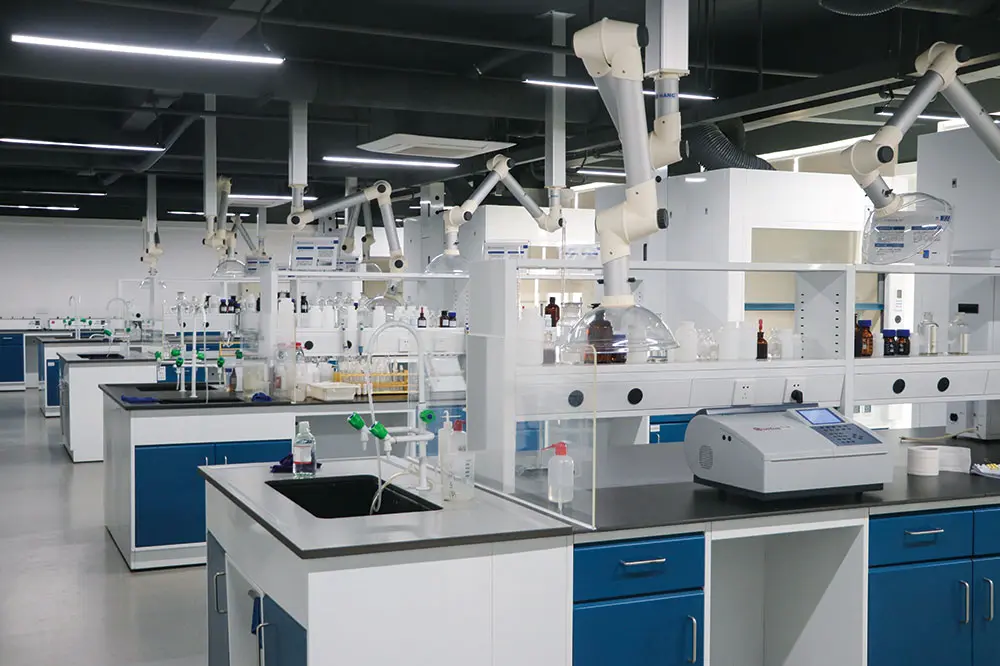
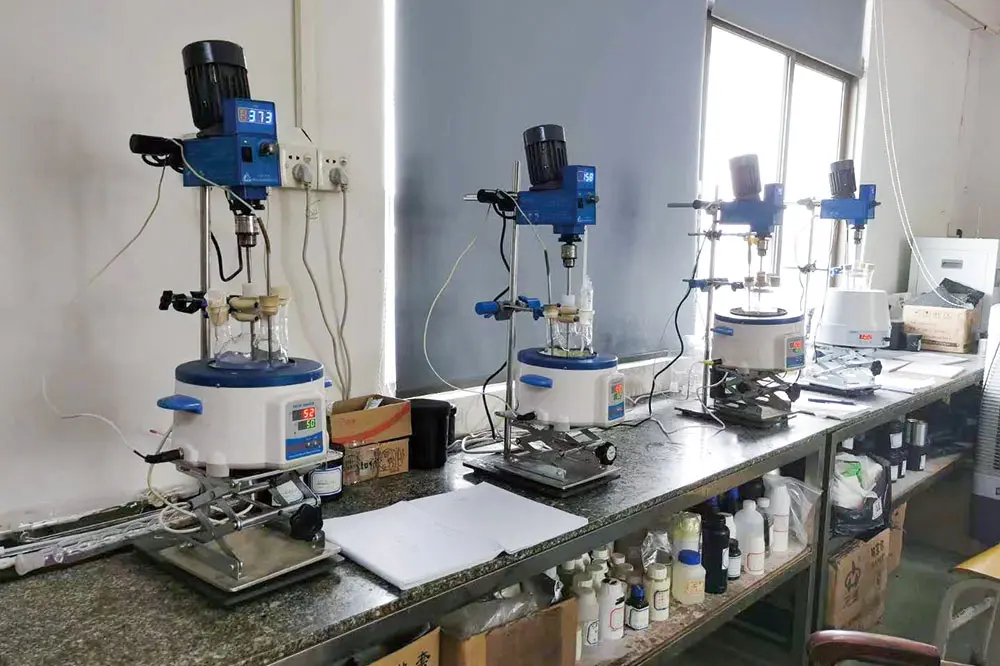
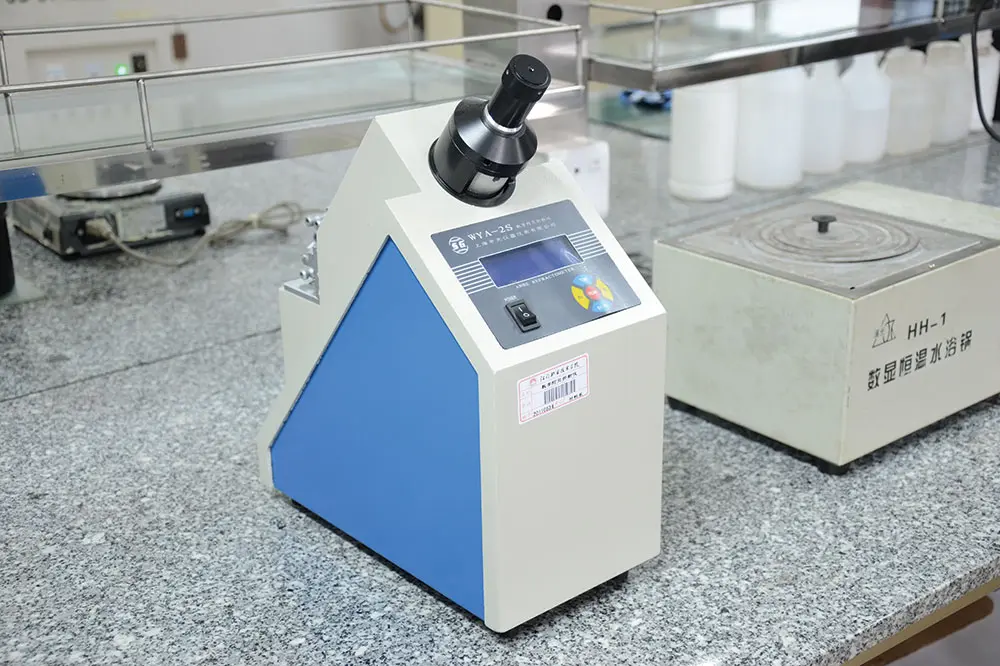
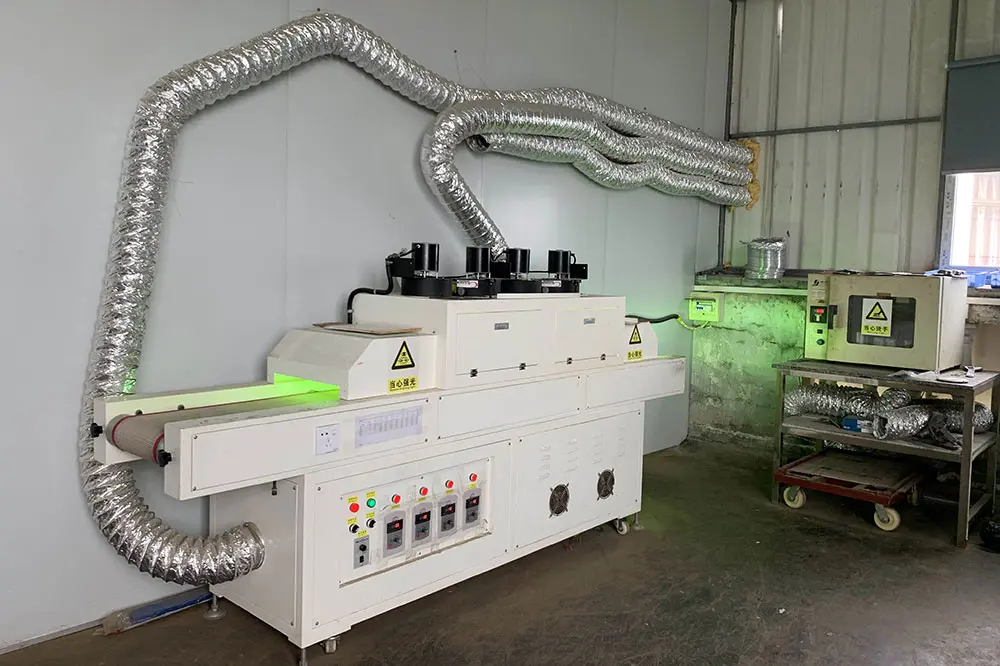
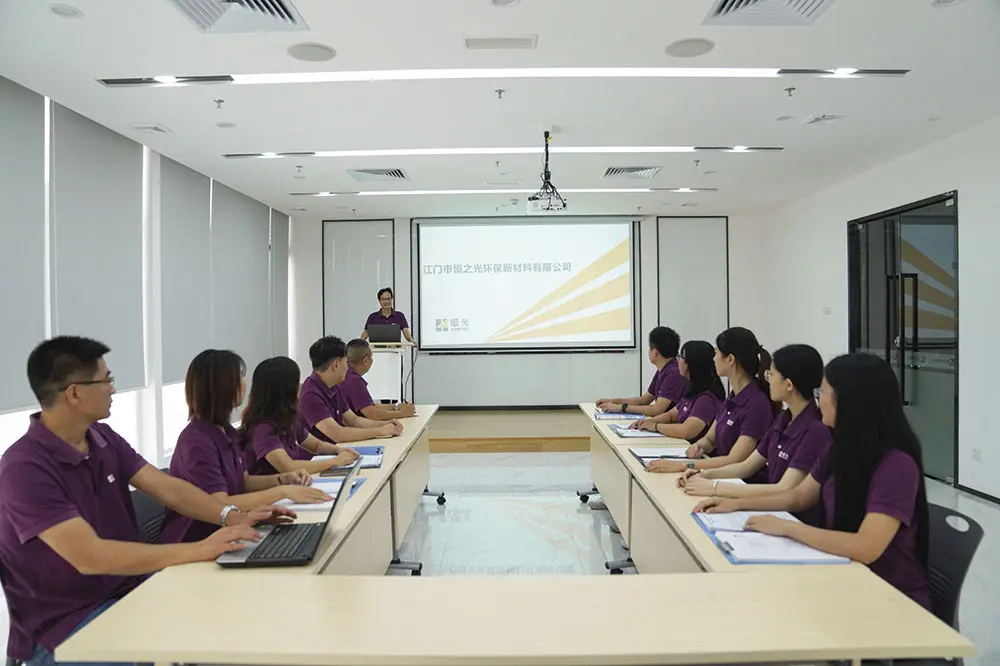
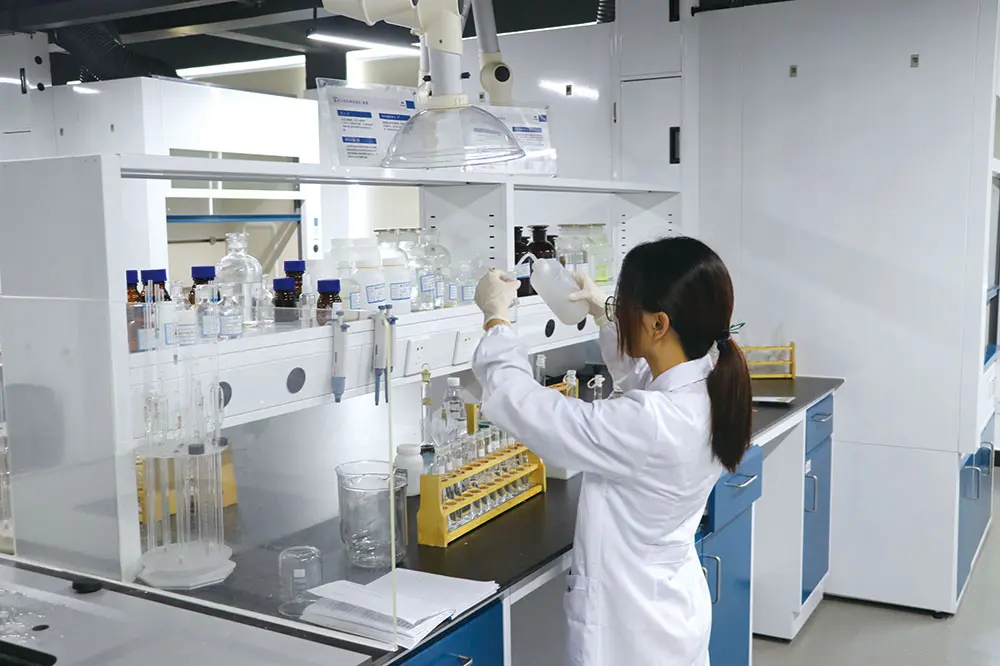
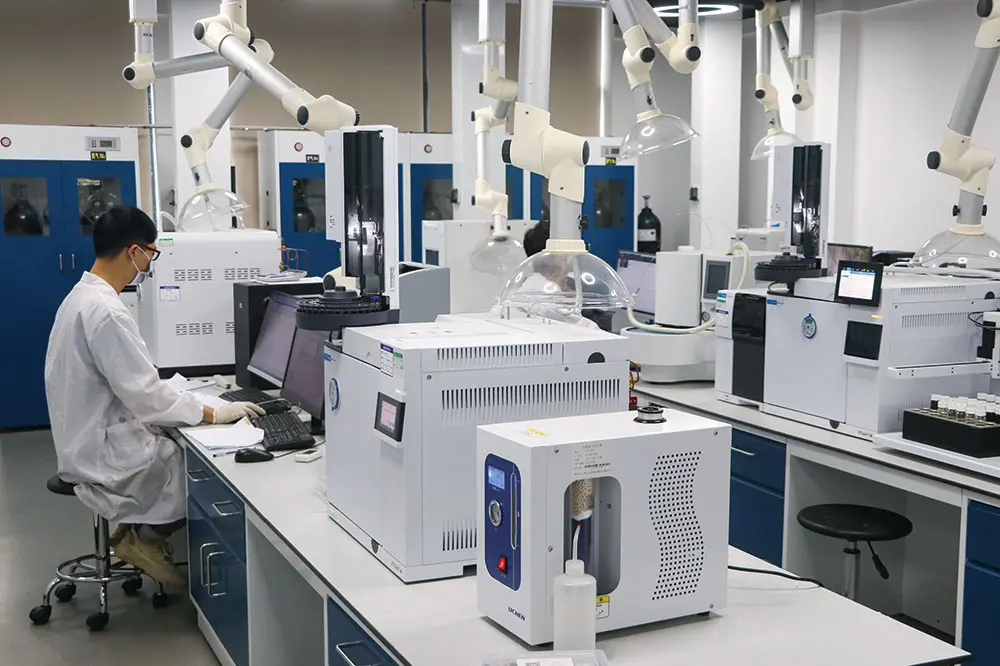
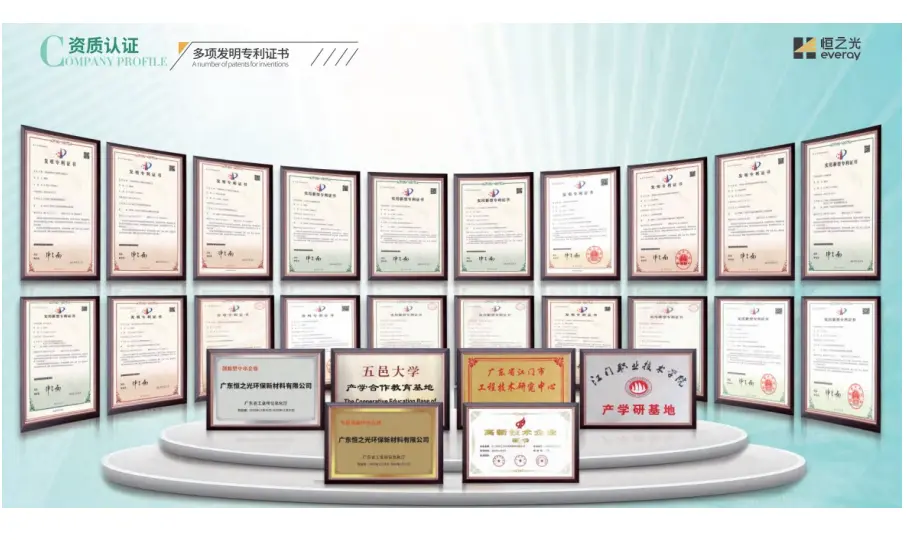
Our technical team consists of more than 15 senior chemical engineers and research specialists holding more than 10 utility and invention patents. We dedicate our efforts to maximizing curing speeds, mechanical abrasion resistance, and chemical shielding profiles of coatings applied to substrates ranging from premium woodwork to consumer electronic plastics, automotive lenses, glass packaging, and structural adhesives.
Understanding why global industrial procurers partner with Chinese factories for specialty acrylates and UV oligomers.
Our strategic location in Guangdong gives us direct access to essential feedstocks, including acrylic acid, polyols, and various organic solvents, shielding our buyers from sharp raw material pricing swings.
Fully computerized DCS manufacturing units guarantee that crucial reactions like polycondensation and esterification proceed under strict, automated control to avoid human errors and batch variance.
Our dedicated research team can adjust the molecular weight, hydroxyl density, and backbone structure of oligomers within short cycles, accommodating low-volume custom modifications for special runs.
How our modified acrylate monomers and oligomers solve specific engineering problems across different industries.
In electronic components, low heat release, fast UV curing, and minimal shrinkage are non-negotiable. Our modified polyurethane and epoxy acrylates offer robust adhesion to plastics like polycarbonate (PC), ABS, and glass, preventing film peeling during environmental thermal cycling tests.
Formulating inks for water transfer printing requires resins with exceptional water-ink balance, high pigment wetting, and rapid curing. Our modified polyester and polyether acrylates ensure clear color presentation and strong bonding to metallic or plastic foils.
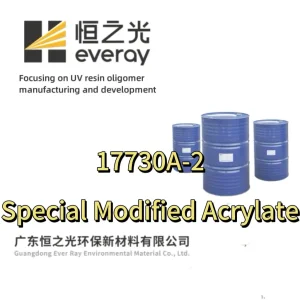
Glass surfaces are notoriously difficult for radical UV-curable molecules to grip due to their low surface energy. Our special modified resins (such as the 17730A-2 series) incorporate functional anchor groups that bond chemically with glass, preventing delamination under high humidity or boiling tests.
| Polymer Group | Cure Rate | Shrinkage Rate | Primary Substrate Adhesion | Special Physical Characteristics |
|---|---|---|---|---|
| Epoxy Acrylate (e.g., 9104, 6160M-3) | Excellent / Ultra-fast | Medium to High (4% - 8%) | Metals, Glass, Rigid Plastics | Superior surface hardness, high gloss, chemical barrier resistance. |
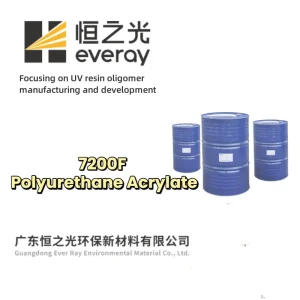
| Polyurethane Acrylate (e.g., 7200F, 7913) | Fast to Moderate | Low to Medium (2% - 5%) | ABS, Polycarbonate, Wood | Impact resistance, flexibility, non-yellowing characteristics. |
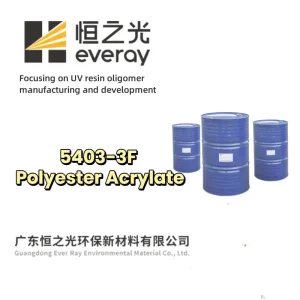
| Polyester Acrylate (e.g., 5403-3F, 5016) | Moderate | Low (1.5% - 3.5%) | Paper, Packaging Boards, Foils | Low viscosity, high dilution, excellent pigment wetting properties. |
| Modified Monomers / Oligomers | Fast | Very Low (< 1.5%) | Glass, Metals, High-density Plastics | Water resistance, low skin irritation, exceptional adhesion promoters. |
Modern material science points toward three dominant focus areas in radiation curation: Bio-based acrylates, UV-LED curing compatibility, and Dual-cure chemistries.
Global environmental guidelines push chemical factories to replace fossil-fuel-based polyols with biological components derived from vegetable oils or natural polymers. At the same time, the transition from high-temperature mercury lamps to low-energy UV-LED lights requires acrylate oligomers to have faster surface curing kinetics to counter oxygen inhibition.
Ever Ray's R&D center focuses on modifying standard acrylate backbones to shift their light absorption ranges toward the 365nm to 395nm wavelengths. This allows formulators to cure coatings completely even under lower light intensities, making energy-saving curing lines feasible.
Crucial technical checkpoints for industrial sourcing of UV-curable monomers and oligomers.
Ensure the viscosity matches your mixing equipment. High viscosity epoxy or urethane acrylates require compatible reactive diluents to adjust consistency without affecting the final coating's physical properties.
Clarify whether your curing lines use traditional medium-pressure mercury arc lamps or newer UV-LED lamps. Certain modified monomers are tailored to prevent oxygen inhibition in low-energy environments.
For optoelectronics and glass coatings, specify low-shrinkage oligomers. Higher molecular weight monomers or ethoxylated variations can help keep film shrinkage below 2%, preventing film warping and adhesion loss.
Direct technical answers from Ever Ray's laboratory regarding product application, storage, and material selection.
Explore additional specialty UV-curable monomers and oligomers tailored for durable topcoats, packaging inks, offset printing, and high-performance adhesives.
 Ever Ray