High-purity UV monomer oligomers engineered for superior brightness, structural flexibility, and high-velocity curing.
Epoxy Acrylate Oligomers serve as the cornerstone of radiation-curable formulation technology. By reacting epoxy backbones—predominantly Bisphenol A diglycidyl ether (BADGE) or novolac resins—with acrylic acids, chemical engineers synthesize oligomers that inherit the toughness of epoxies and the lightning-fast curing velocity of acrylates. This unique hybrid structure yields terminal double bonds that polymerize instantly via free-radical systems upon UV light exposure.
Standard Bisphenol A epoxy acrylates deliver high hardness, remarkable gloss, excellent chemical barrier resistance, and high tensile strength. However, unmodified variants can suffer from inherent brittleness and elevated shrinkage stress. At Guangdong Ever Ray Environmental Material Co., Ltd., our R&D team addresses these pain points by developing modified structures (including polyether, polyurethane, and polyester modifications) to balance curing rate, crosslink density, and film flexibility.
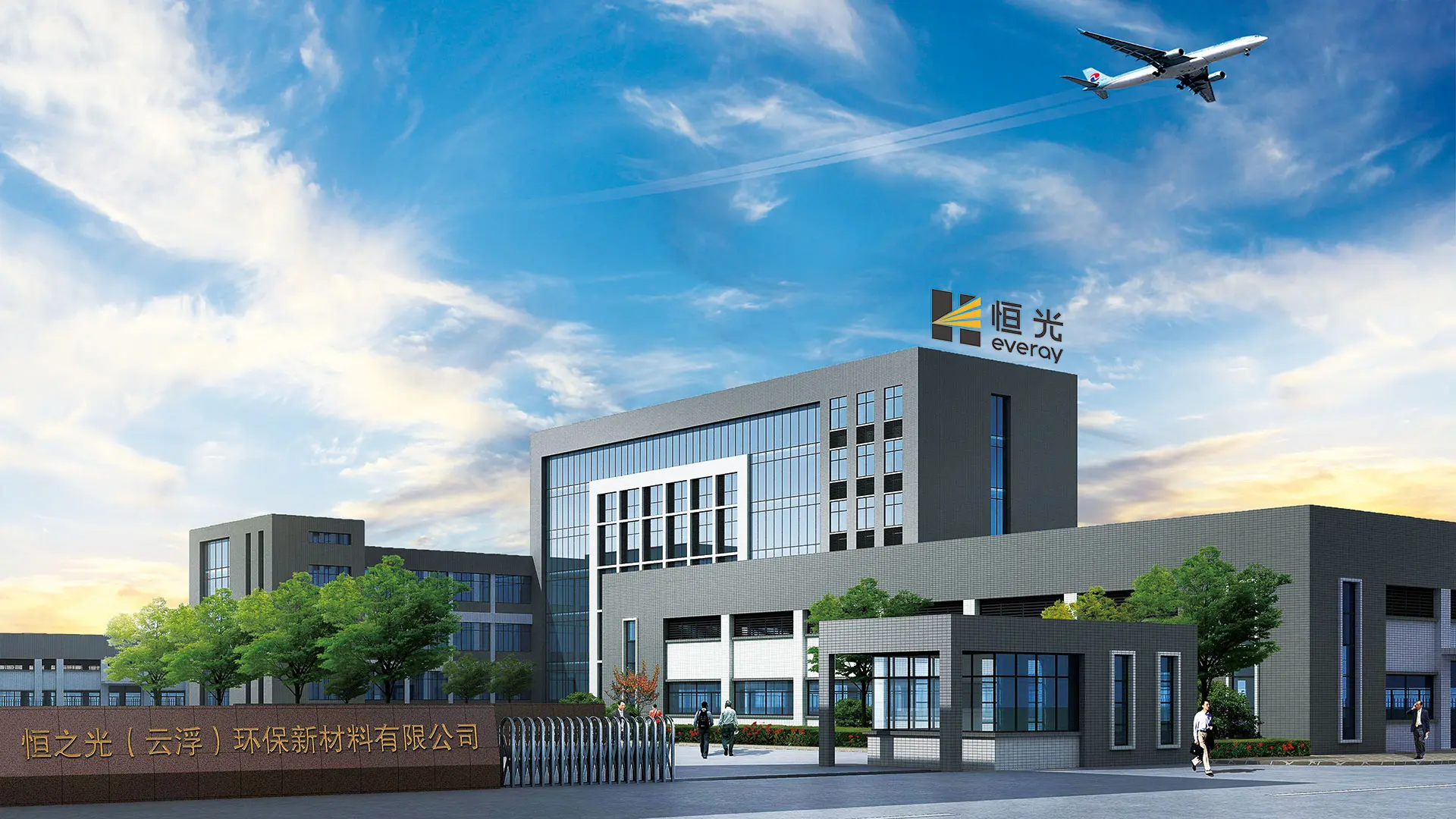
A premier high-tech enterprise pioneered in UV-curing oligomer synthesis since 2006.
Established in 2006, Guangdong Ever Ray Environmental Material Co., Ltd. is a specialized high-tech enterprise focusing on the research, development, and high-volume manufacture of state-of-the-art oligomers for UV curable systems. Our core product matrix includes epoxy acrylates, polyurethane acrylates (ranging from waterborne, aliphatic urethane to aromatic urethane), polyester acrylates, pure acrylates, and a spectrum of customized special functional modified acrylate oligomers.
We focus on a harmonious integration of advanced technology and environmental protection, pursuing sustainable green chemistries. Serving global markets, we tailor custom oligomer chemistries to deliver high reactivity, excellent chemical resistance, and exceptional optical clarity to meet performance and regulatory targets globally.
Our manufacturing operations are divided across two modern chemical bases to secure supply chain stability:
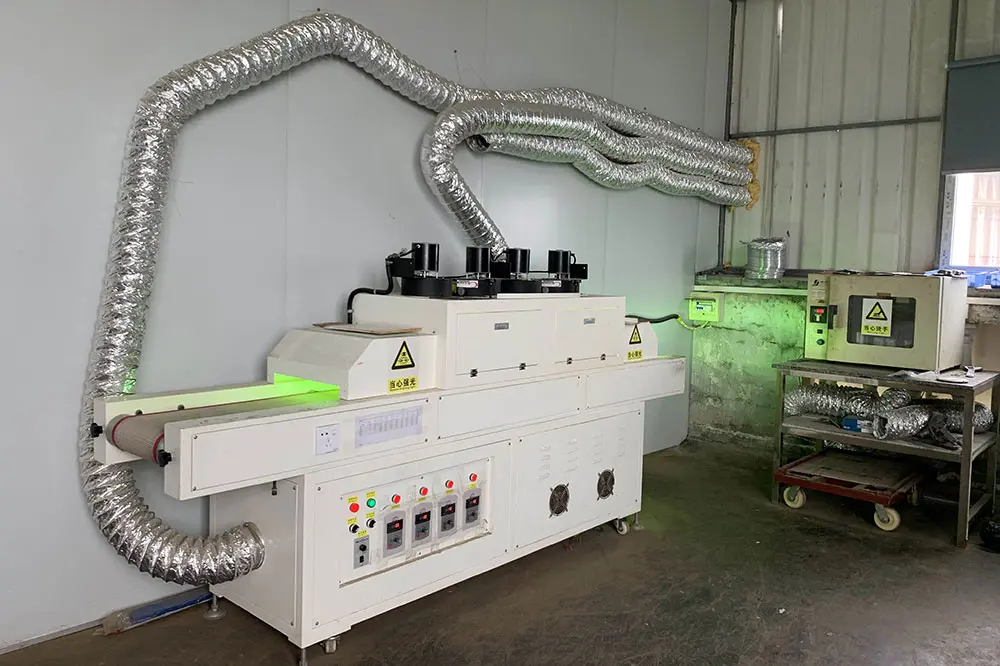
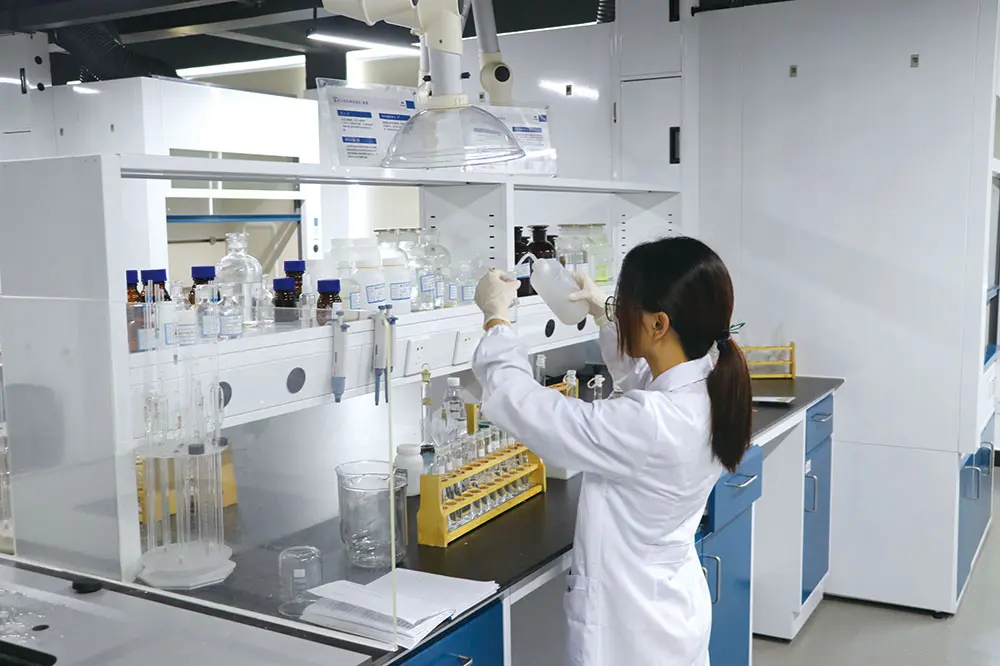
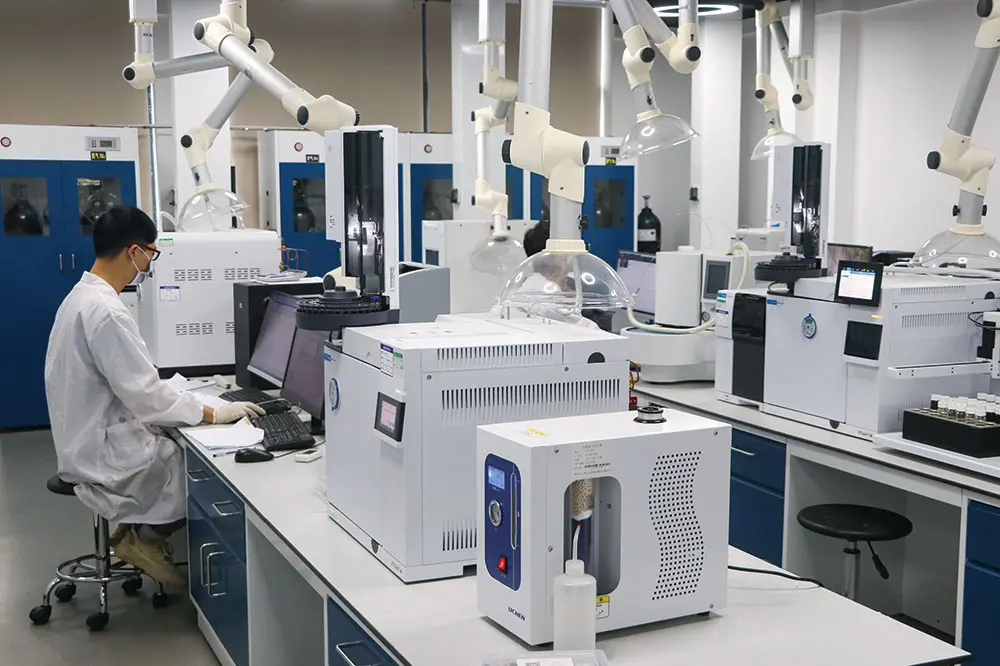
To ensure zero defect runs, our plants employ a fully computerized DCS (Distributed Control System). Both plants are certified under ISO9001 Quality Management and ISO14001 Environmental Management Systems, selecting high-grade raw materials to ensure consistent viscosity, molecular weight distribution, and curing characteristics.
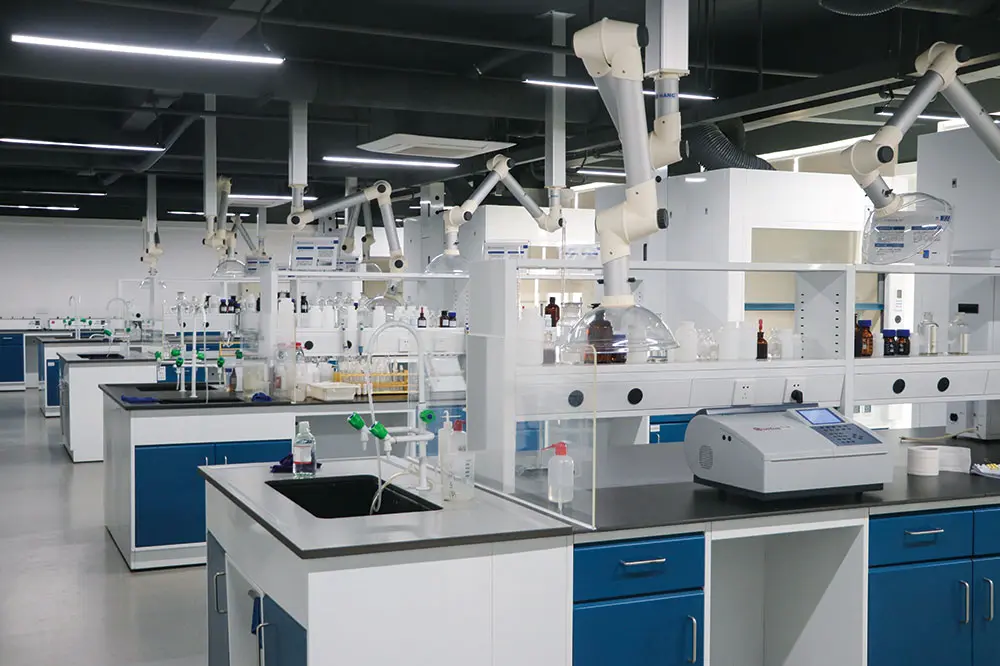
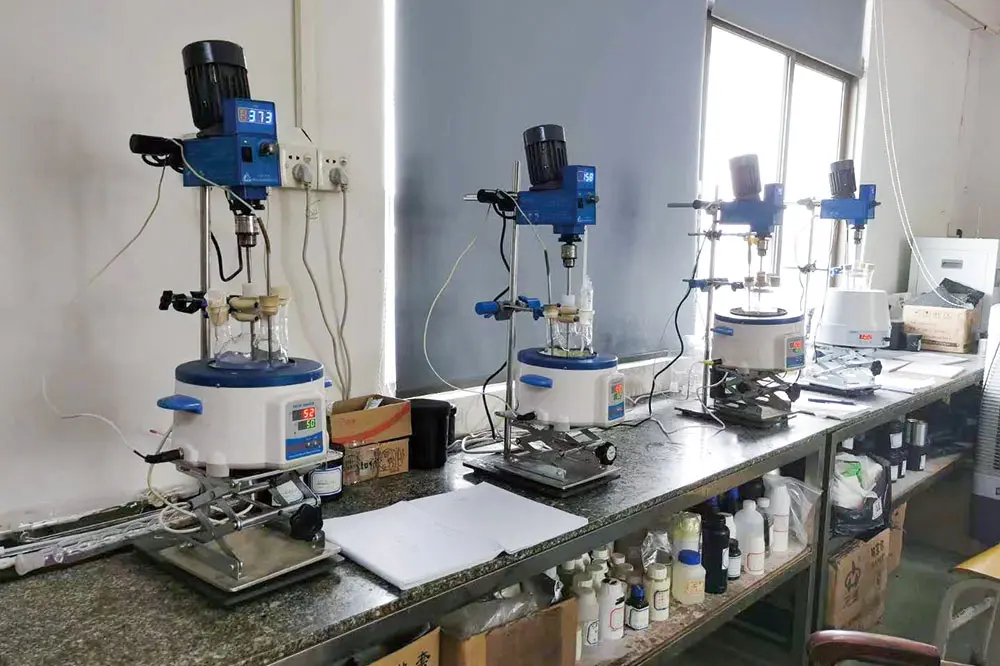
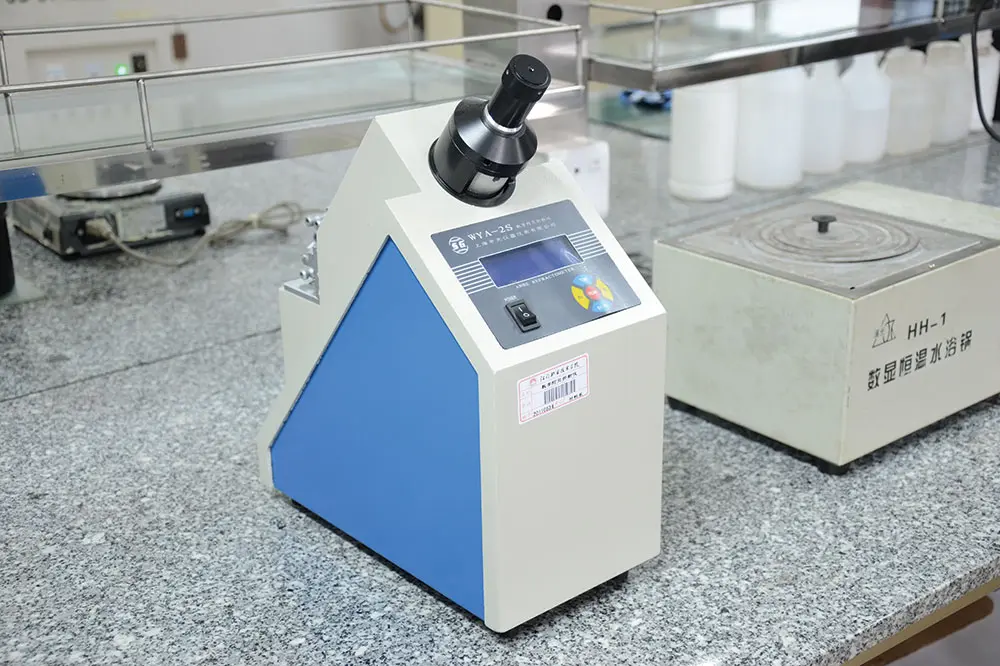
Delivering high-efficiency curing formulations across high-demand industrial sectors.
Epoxy acrylates yield the extreme surface hardness and scratch resistance required for wood floors and cabinet coatings. In response to industry demands, we offer modified oligomers with low shrinkage profiles to eliminate wood deformation while maintaining excellent adhesion.
Fast printing lines demand rapid radical polymerization. Our oligomers deliver high double-bond density and optimal pigment wetting properties. This ensures rapid ink curing and excellent print resolution across paper, plastics, and metal foils.
For electronic assemblies, shadowless and UV structural adhesives require high thermal resistance and dielectric stability. Our low-yellowing formulations, such as 6200D and 6271, are engineered to prevent optical degradation over time.
Coating polycarbonate, ABS, and PMMA substrates demands low stress during cure to prevent cracking. Modified oligomers provide the necessary structural flexibility to maintain coating integrity on curved plastic surfaces.
Compare key parameters of representative Epoxy Acrylate Oligomer grades to select the optimal candidate for your formulation.
| Oligomer Code | Viscosity (mPa.s @ 25°C) | Functionality | Primary Feature & Application Focus | Yellowing Risk |
|---|---|---|---|---|
| 6100D | 15,000 - 25,000 | 2 | High curing speed, superior gloss and scratch resistance for UV paper inks. | Medium |
| 6102 | 8,000 - 15,000 | 2 | Modified structure for lower shrinkage, optimized for high-build UV wood coatings. | Medium |
| 6116 | 10,000 - 18,000 | 2 | Broad substrate compatibility, excellent choice for printing inks and metal overprint varnishes. | Low-Medium |
| 6271 | 5,000 - 10,000 | 2 | Highly modified epoxy acrylate featuring very low yellowing risk. Perfect for optical adhesives. | Extremely Low |
| 6300 | 2,000 - 5,000 | 2 | Low viscosity profile, reducing monomer dilution demand in paper varnishes. | Medium |
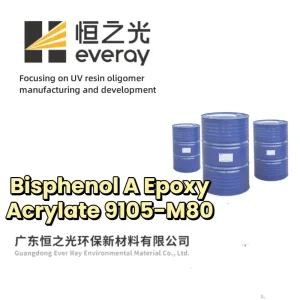
| 9104 / 9105M-80 | Semi-solid / 80% Cut | 2 | Bisphenol A based core resins. Delivers ultimate hardness and chemical resistance. | Standard |
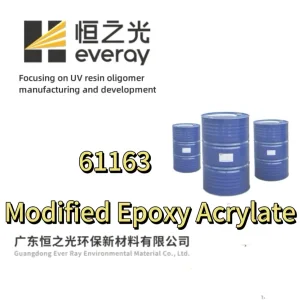
| 61163 | 3,000 - 6,000 | 2 | High solid content, low viscosity, non-yellowing. Formulated for high-durability coatings. | Low |
The demand for energy-efficient curing processes is driving the global shift toward UV-LED curing technologies. Epoxy acrylate oligomers are key components in this transition. However, fluctuating petrochemical feedstocks and regulatory shifts under international REACH and RoHS protocols present supply chain risks for ink and coating formulators.
Our dual-base layout (Jiangmen and Yunfu sites) offers built-in production redundancy to mitigate these risks. With an annual capacity of 20,000 tons, we provide stable material supply even during periods of high demand. Our close partnerships with regional shipping lines ensure reliable delivery to global distribution hubs across the Americas, Europe, and Southeast Asia.
Environmental regulations are driving the replacement of traditional solvent-borne systems with 100% solid UV formulations. Our epoxy acrylate oligomers contain zero volatile organic solvents, supporting formulators in meeting national VOC emissions standards without sacrificing cure speeds.
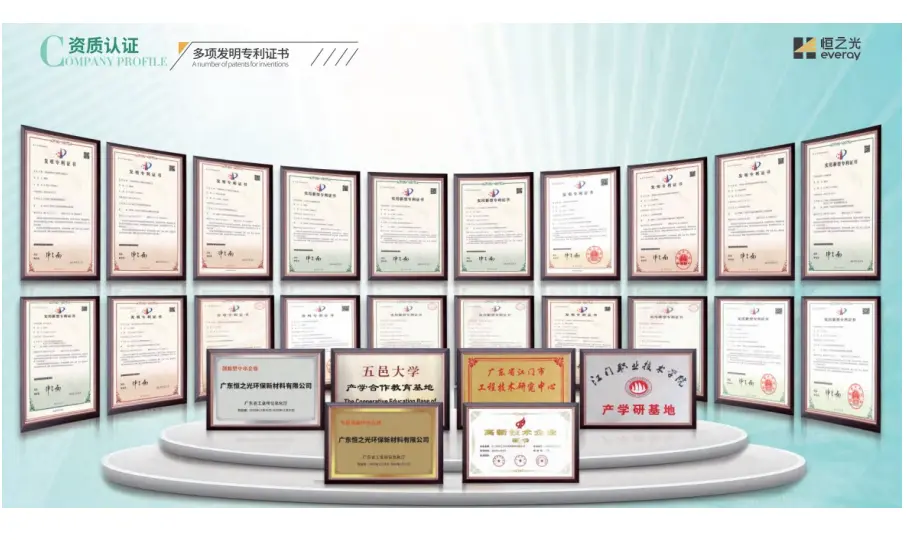
Providing localized technical support and regulatory alignment across global regions.
We keep track of REACH registrations and European chemical regulations. Our low-residual-monomer oligomers are designed to comply with European safety rules, supporting our partners' compliance efforts.
Our products meet TSCA listings and US EPA requirements. We formulate specialized oligomers that address low skin-irritation hazards, ensuring compliance with local industrial hygiene practices.
Operating near primary manufacturing hubs in Southern China, our Yunfu base ensures rapid shipping options and comprehensive logistics services throughout Asia-Pacific markets.
We offer direct support through customized formulation consulting, sample matching, on-site curing trials, and troubleshooting to solve adhesion or yellowing issues.
Next-generation chemistries driving UV curing technology forward.
As the coating industry moves toward sustainable processes, Guangdong Ever Ray is focusing its R&D on several key development areas:
"We focus on technology and environmental protection coexisting in harmony, taking science and technology as our driving force for future development. We continue to pursue excellence and support a sustainable green living environment in our daily lives."
- Ever Ray Technical Directorate
Answers to common questions about using, selecting, and processing epoxy acrylate oligomers.
Explore our high-performance modified and bisphenol-A based core oligomers developed for high-end coatings and inks.
 Ever Ray