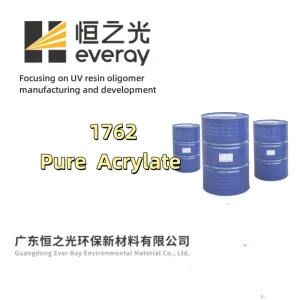
Hot Product Manufacturers & Factories

Decentralized Global Supply Chain, Precision Oligomer Engineering, and Advanced UV-Curing System Synthesis.

Global UV-Curable Resin Market & Technical Trends

Exploring the core chemical shifts towards sustainable, VOC-free, and high-performance oligomeric structures.

Eco-System Sustainability

Global regulatory bodies like EPA and REACH are restricting traditional VOC-emitting solvent systems. UV-curable oligomers offer 100% solid conversions, satisfying environmental audits without compromising crosslink density or curing velocity.

Dual-Cure Chemistry Shifts

Integration of moisture-curing and thermal-curing mechanisms within standard UV formulations allows complete chemical conversion in deep shaded areas, eliminating unreacted monomers in complex geometries.

Extreme Reactivity Profiles

Next-generation modified epoxy and polyester acrylates exhibit tailored molecular weight distributions, optimizing the double bond density for ultra-rapid UV-LED surface cures under low light energy conditions.
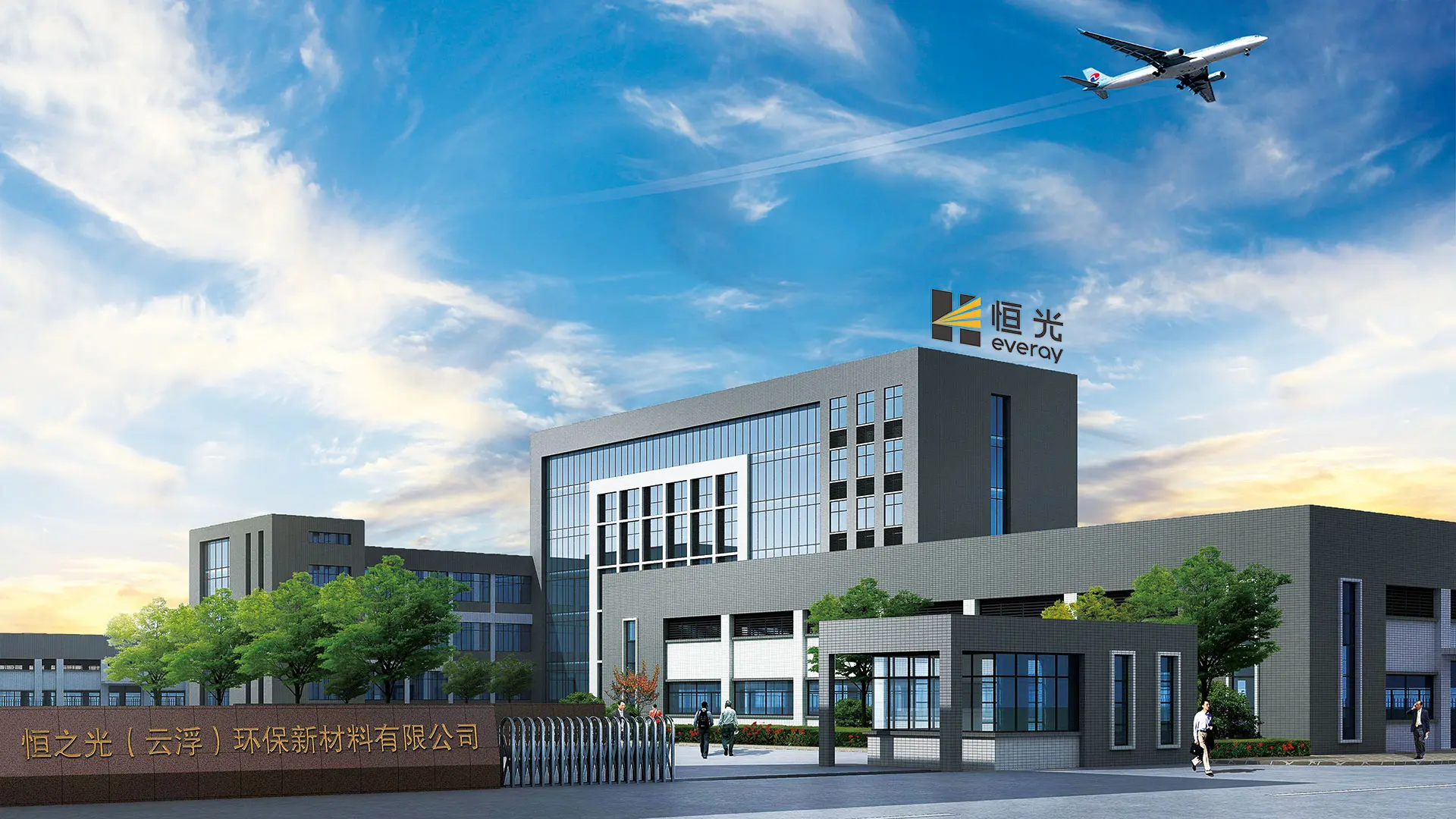
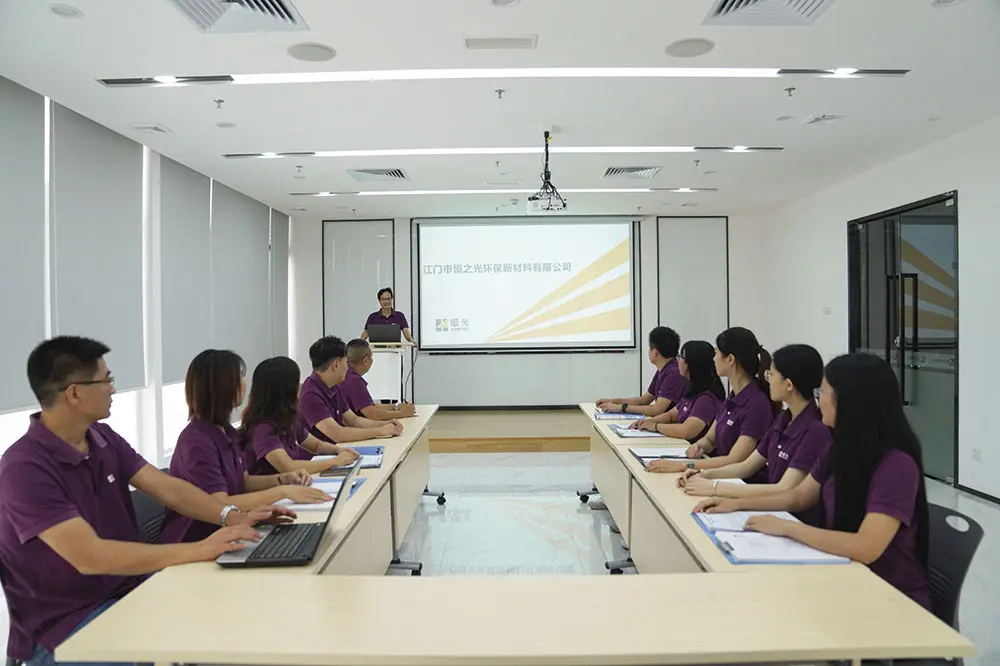
Guangdong Ever Ray Environmental Material Co. Ltd. Facility
MANUFACTURING EXCELLENCE

China Industry 4.0: Supply Chain Resilience & Efficiency

Established in 2006, Guangdong Ever Ray Environmental Material Co., Ltd. stands as a primary high-tech benchmark enterprise focusing on the research, development, and high-volume synthesis of specialty UV-curable oligomers.

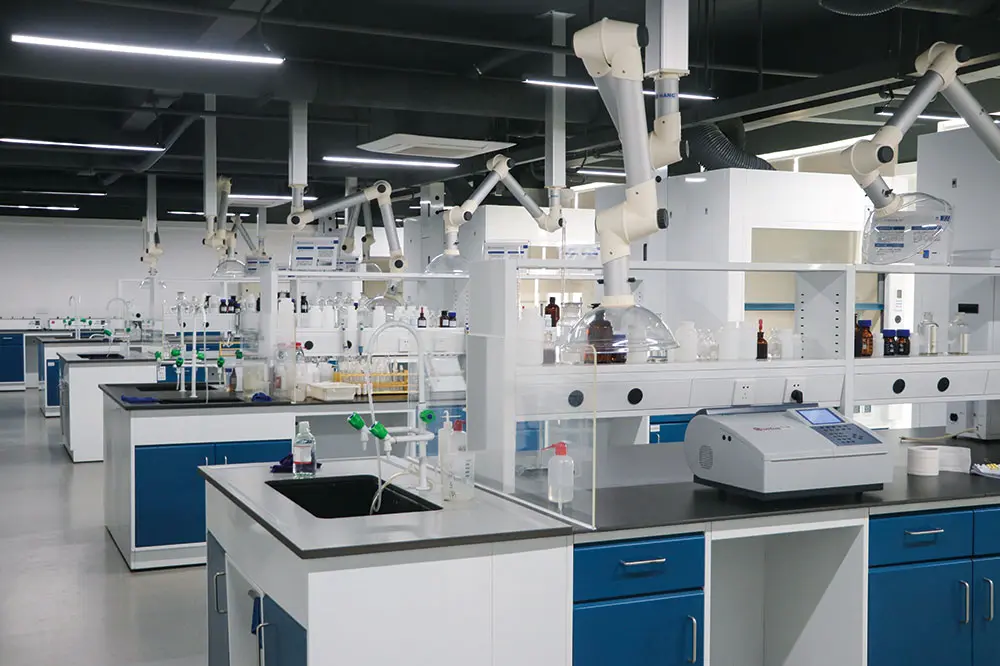
By integrating dual large-scale manufacturing footprints with a fully computerized Distributed Control System (DCS), we secure high repeatability, reduce synthetic variance between production batches, and guarantee logistics supply continuity for global tier-one coating formulators.

50k+
Total Sq. Meters
20k+
Tons Annual Output
15+
R&D Researchers

Technological Matrices & Oligomer Synthesis Chemistry

A rigorous engineering comparison between fundamental oligomer lines manufactured by Guangdong Ever Ray.
Oligomer Type
Primary Technical Attributes
Optimal Target Application
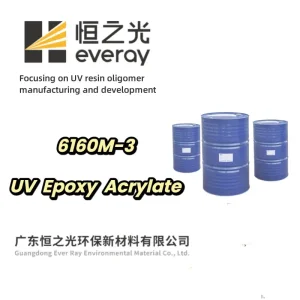
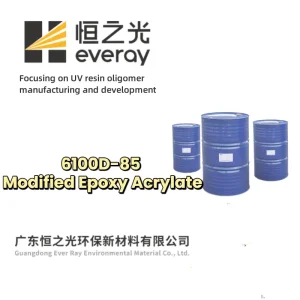
Epoxy Acrylate (e.g., 6160M-3, 6100D-85)
Outstanding hardness, ultra-fast curing velocity, high surface gloss, and robust chemical/acid resistance. May exhibit minor yellowing under heavy UV exposure.
Wood coatings, heavy machinery primers, rigid plastic topcoats, metal decorative varnishes.
Polyurethane Acrylate (e.g., 7200F, 7600)
Exceptional elasticity, chemical resistance, anti-yellowing performance, and superior abrasion resistance. Highly customizable crosslink density.
Automotive clearcoats, optical films, PVC flooring coatings, high-end electronics packaging.
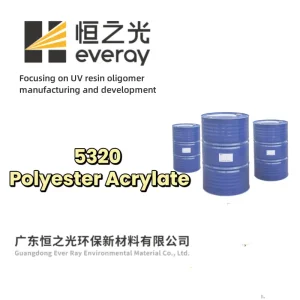
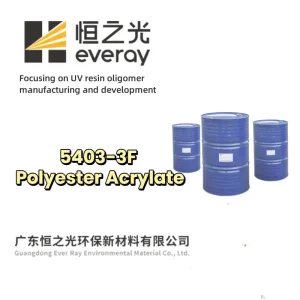
Polyester Acrylate (e.g., 5320, 5403-3F)
Outstanding ink receptivity, pigment wetting characteristics, balanced hydrophilicity/lipophilicity, and moderate viscosity profiles.
Lithographic UV offset inks, screen inks, flexographic packaging varnishes.
APPLICATION VERSATILITY

Localized Industrial Application & Formulation Matching

Industrial coatings vary substantially by zone, application setup, and localized climate profiles. Our technical department bridges this gap by customizing rheological behavior and radical cure mechanisms:

  • Wood & Engineered Timber: Fast curing modified epoxy acrylates like 6100D-85 provide scratch resistance and instant stackability at the end of conveyor lines.
  • PVC & Resilient Flooring: Using 1262B and 1290H allows topcoats to balance low shrinkage, anti-curling properties, and high mechanical abrasion limits.
  • High-Speed Lithography & Packaging: Polyester acrylates like 5403-3F optimize the delicate water-ink balance required for lithographic UV offset presses, eliminating ink emulsification.
  • Vacuum Metallization & Plating: Oligomer 1730 provides high interlayer adhesion and excellent mirror effects on metallic substrates.

With 10+ core invention patents and a dedicated 15-person technician group, we formulation-match to optimize cure efficiency, minimize raw material waste, and support eco-friendly transitions.

Global Procurement & Operational Excellence In UV Chemistry

1. Mitigating Procurement Risks through Strategic Redundancy

Modern industrial suppliers operate in an environment characterized by unpredictable maritime logistics, environmental audits, and fluctuating raw material costs. Ever Ray mitigates these disruptions by establishing a multi-layered manufacturing configuration. With our 10,000 square meter plant in Jiangmen alongside our 40,000 square meter facility in Yunfu, we offer dual-base manufacturing redundancy. This structure protects clients from local grid shutdowns, regional compliance audits, or supply-chain bottlenecks.

2. DCS Digitalization and Micro-Batch Quality Consistency

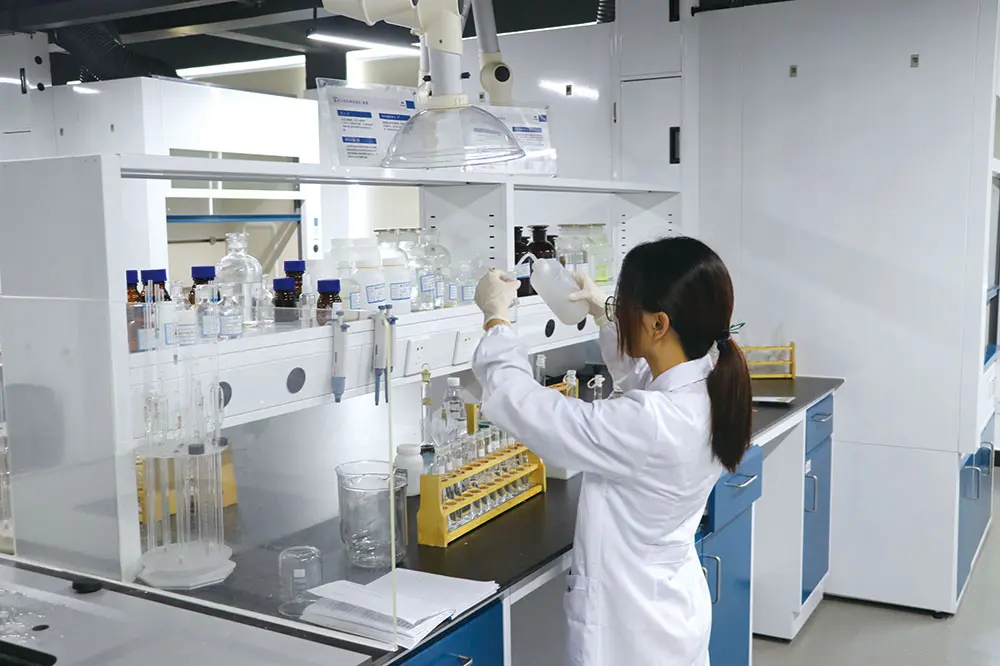
Industrial-grade polymerization reactions are sensitive to thermal profiles, raw material feeding speeds, and pressure differentials. Variations in batch synthesis can result in issues like skinning, high viscosity, or insufficient curing. Ever Ray utilizes computerized DCS (Distributed Control Systems) to monitor critical control metrics during esterification and condensation reactions. The system automates temperature regulation and monomer dosing, achieving molecular weight distributions that align precisely with technical benchmarks.

3. Tailoring Photopolymerization Kinetics

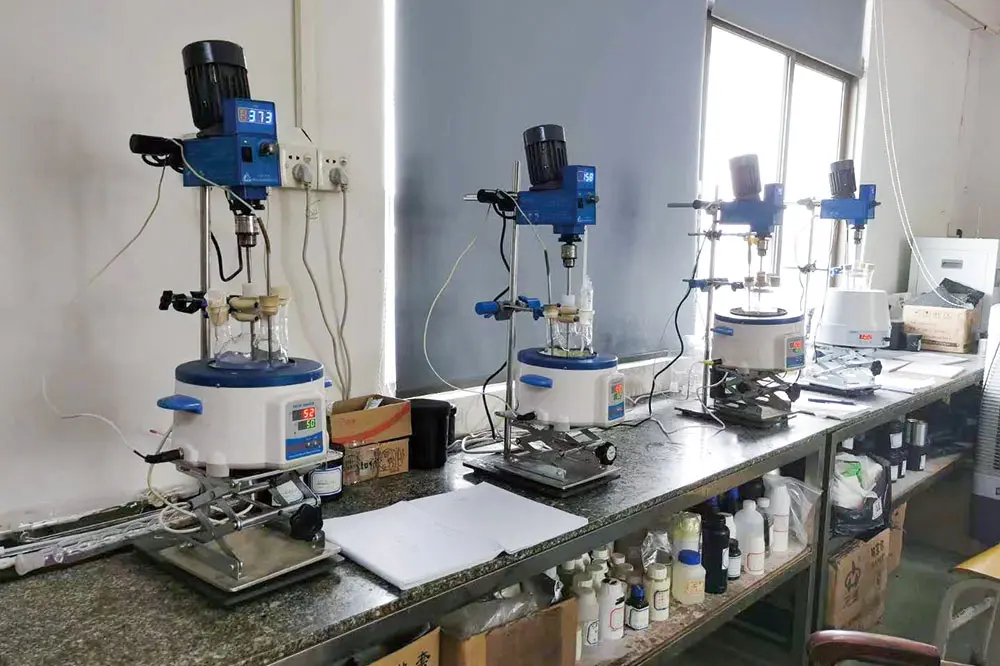
Our technical research focuses on optimizing the photopolymerization reaction rate. Formulations must cure rapidly under UV radiation without developing high internal shrinkage stress, which can compromise adhesion. Through chemical modification of the oligomer backbone, our R&D team balances the concentration of reactive double bonds with structural flexibility. This approach enables manufacturers of electronics, packaging, and flooring to increase production line speeds while ensuring strong adhesion to challenging substrates.

Corporate Vision & Environmental Stewardship

We are dedicated to the harmonized coexistence of technology and environmental protection. Guided by green chemistry principles, we design our manufacturing processes to lower energy consumption, eliminate waste generation, and supply oligomers that help our customers meet global environmental standards.
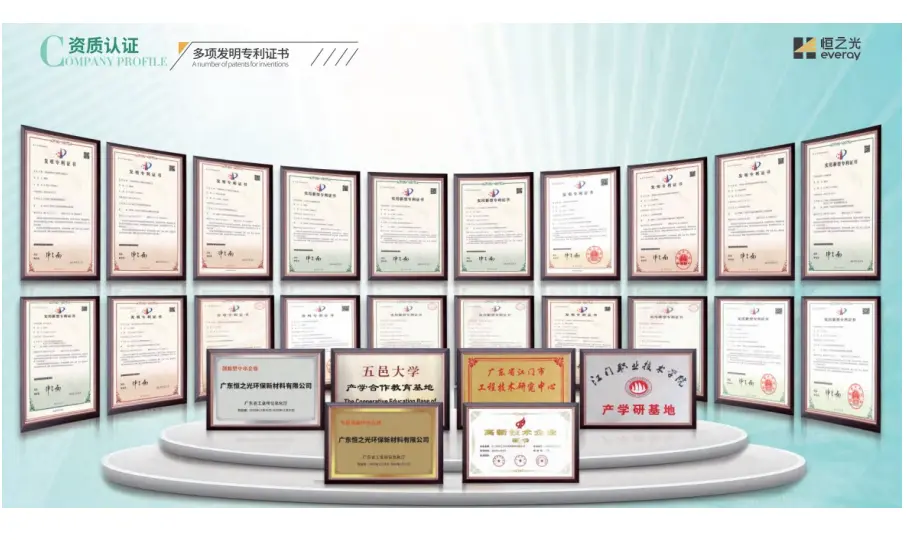
Ever Ray Environmental Material Co. Certification and Quality Flow

Expert FAQ: Technical & Operational Insights

Addressing core integration, viscosity adjustment, batch stability, and customization queries.

What is the typical lead time for custom oligomer modification?

For standard formulations, shipping is arranged directly from our warehouse stocks within 7-10 business days. Custom polymer synthesis modifications—such as adjusting viscosity, optimizing radical reactivity, or modifying chemical structures—require a 3 to 4 week window. This period allows for initial laboratory synthesis, verification of film performance, and batch scaling runs.

How do you guarantee quality consistency across batch shipments?

Quality control is managed under our ISO 9001 and ISO 14001 certified management structures. Production lines rely on DCS automated processes to control reactant feeding, temperatures, and pressure levels. Every batch undergoes testing for viscosity, acid value, color scale (Gardner), and curing speed. We record retention samples for all shipments to maintain traceability.

Which oligomers work best for wood coatings subjected to high physical wear?

For parquet and premium wood coatings, we recommend epoxy acrylates like 6100D-85 or polyurethane acrylates such as 7296-1. These oligomers provide a high concentration of reactive double bonds, resulting in a dense crosslinked matrix that resists scratch wear and household chemical exposure.

How do polyester acrylates support lithographic ink performance?

Polyester acrylates (e.g., 5403-3F) are engineered to balance hydrophilic and lipophilic properties. This balance is critical for lithographic offset printing, as it prevents the UV ink from emulsifying in the dampening solution, ensuring sharp print dots and stable long-run press operation.
All Hot Product Products