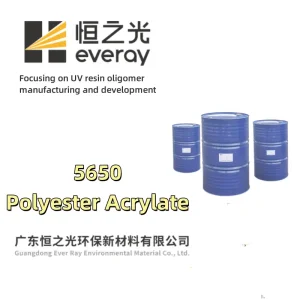
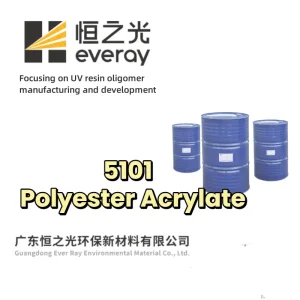
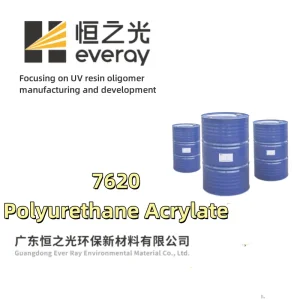
Explore our flagship selection of UV curable oligomers and resins engineered for superior reactivity, adhesion, and surface hardness across printing inks, varnishes, and industrial coatings.
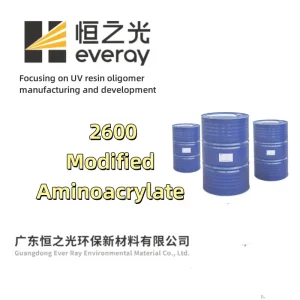
Guangdong Ever Ray Environmental Material Co., Ltd., established in 2006, is a leading high-tech enterprise focusing on the R&D and manufacturing of oligomers for UV curable resin. Our comprehensive product portfolio includes epoxy acrylate, polyurethane acrylate (water-borne, aliphatic urethane, aromatic urethane), polyester acrylate, pure acrylate, and specialized functional modified acrylate oligomers designed to optimize curability, mechanical properties, and formulation economies.
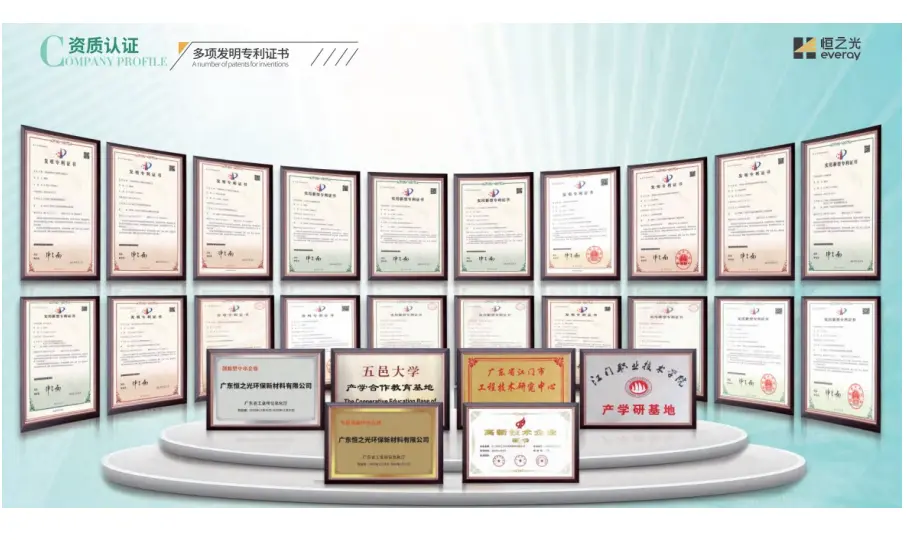
With over 10 invention patents and practical patents, supported by more than 15 dedicated technicians in our R&D department, we focus on delivering high reactivity, chemical resistance, and exceptional gloss for wood coatings, plastics, printing inks, and industrial adhesives. We are committed to harmonizing technological innovation with environmental preservation, driving green chemistry solutions globally.
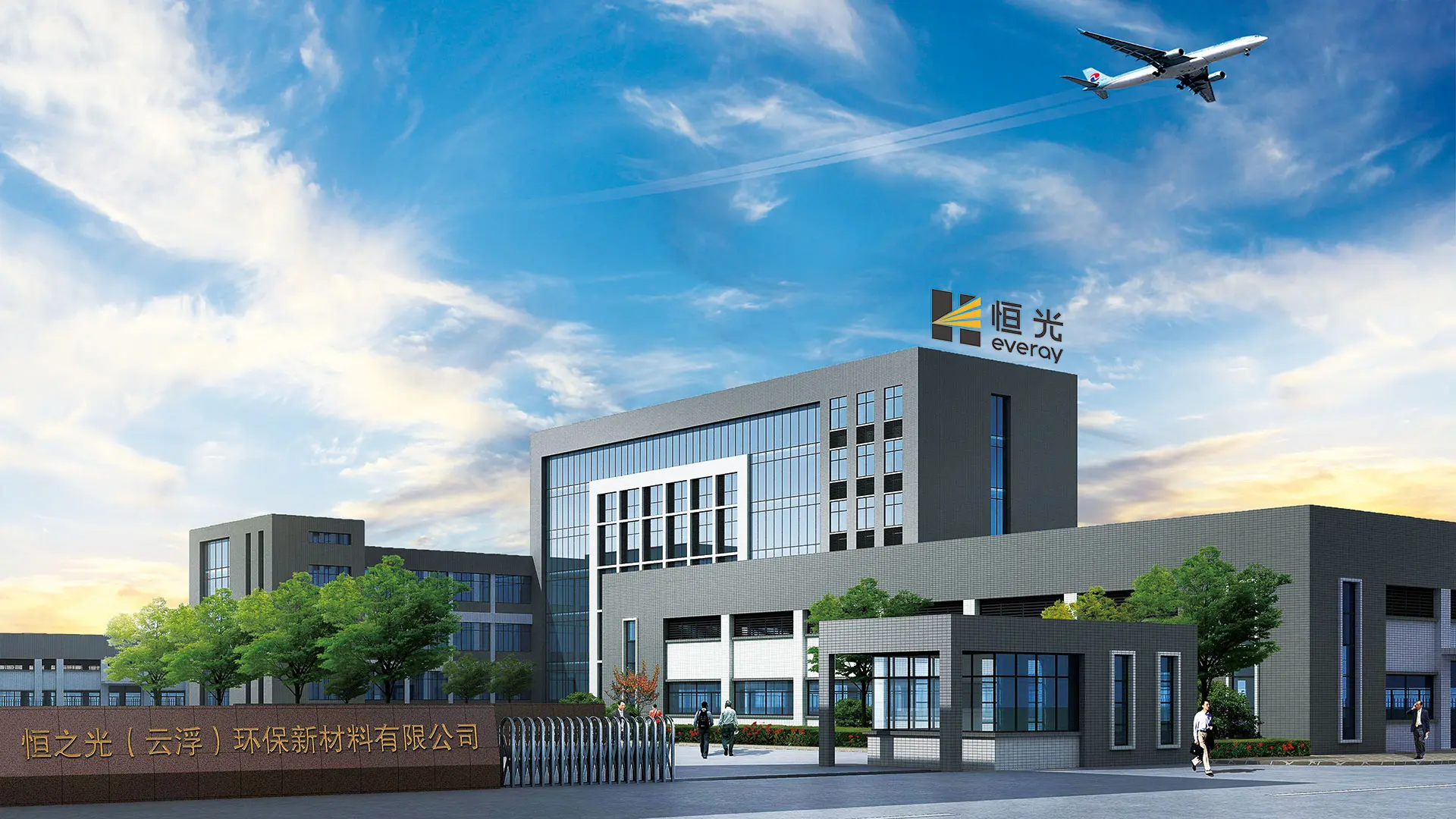
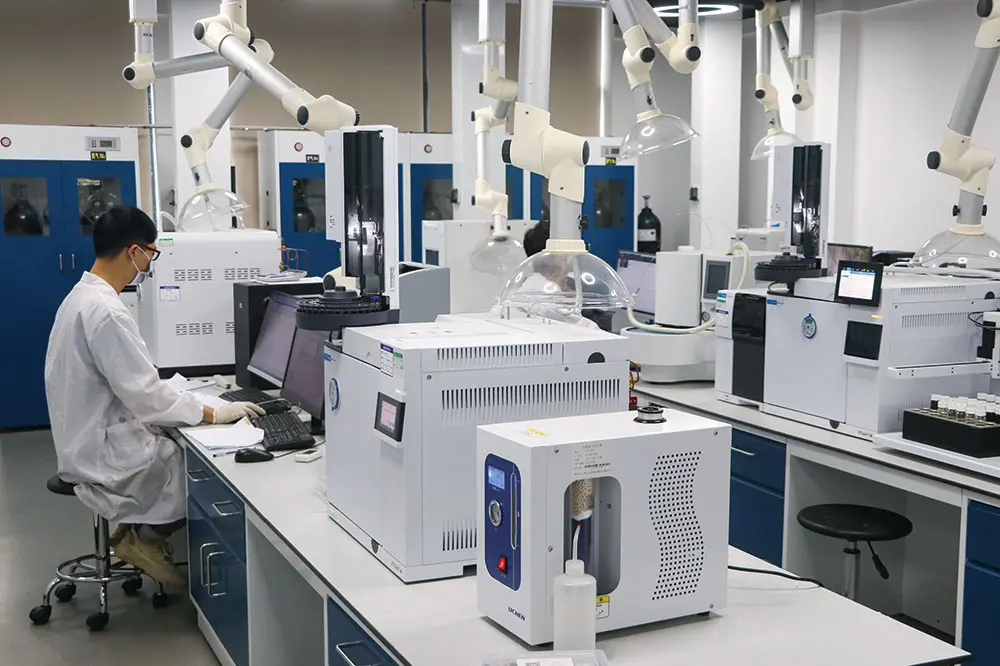
We operate two state-of-the-art production bases. Our primary facility in Jiangmen, Guangdong spans approximately 10,000 square meters. Our second facility in Yunfu, Guangdong encompasses around 40,000 square meters, fully equipped with centralized quality control laboratories, massive storage facilities, and advanced logistics support. Our combined annual production capacity exceeds 20,000 tons across more than 10 highly automated production lines. All manufacturing systems run under ISO9001 Quality Management and ISO14001 Environmental Management Systems, using a fully computerized DCS (Distributed Control System) to ensure batch-to-batch consistency and process safety.
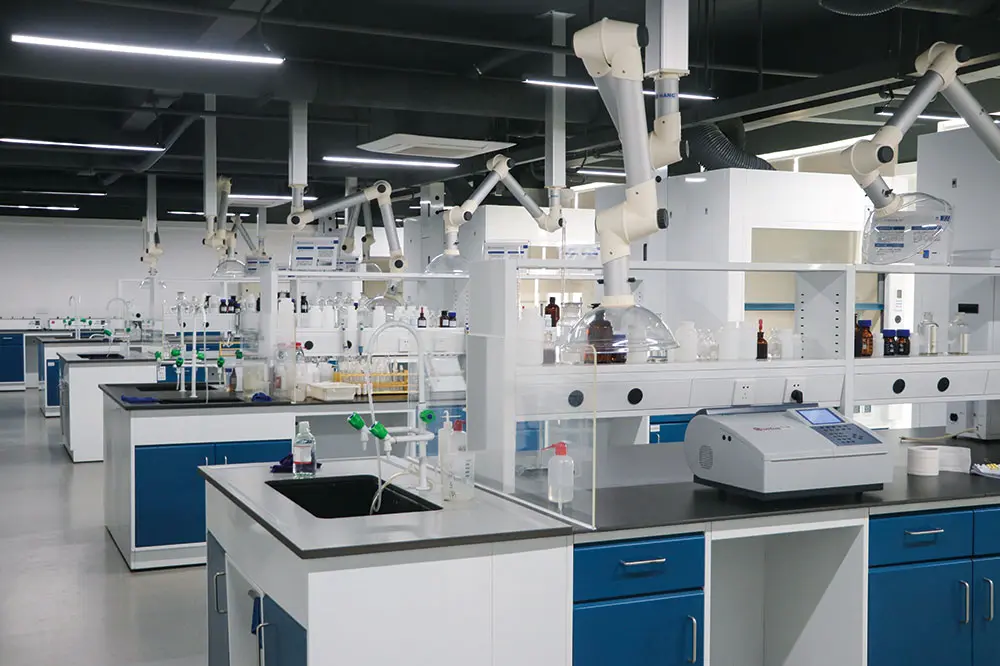
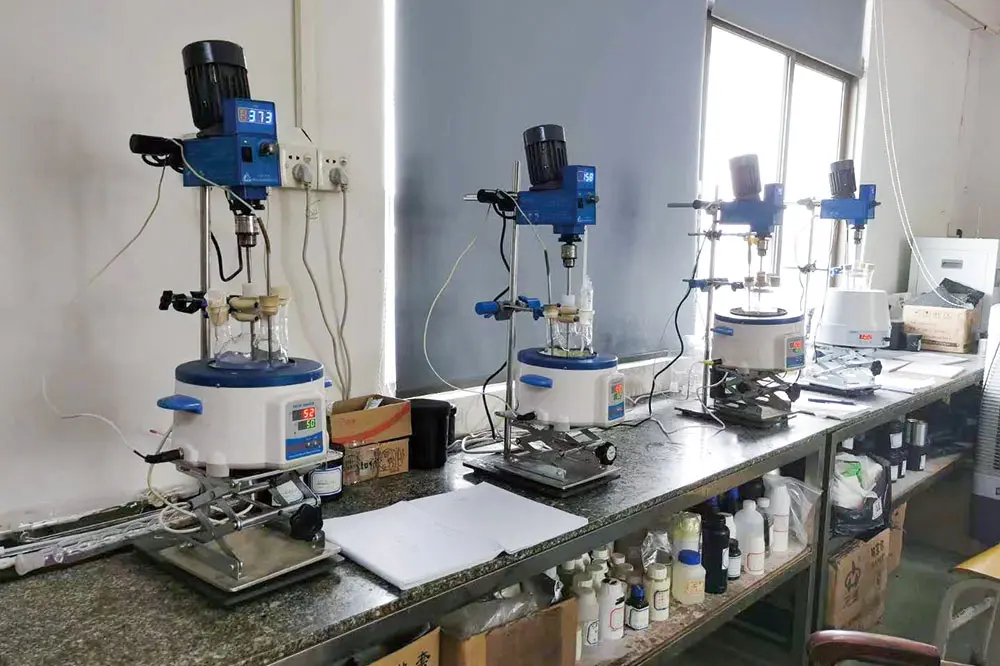
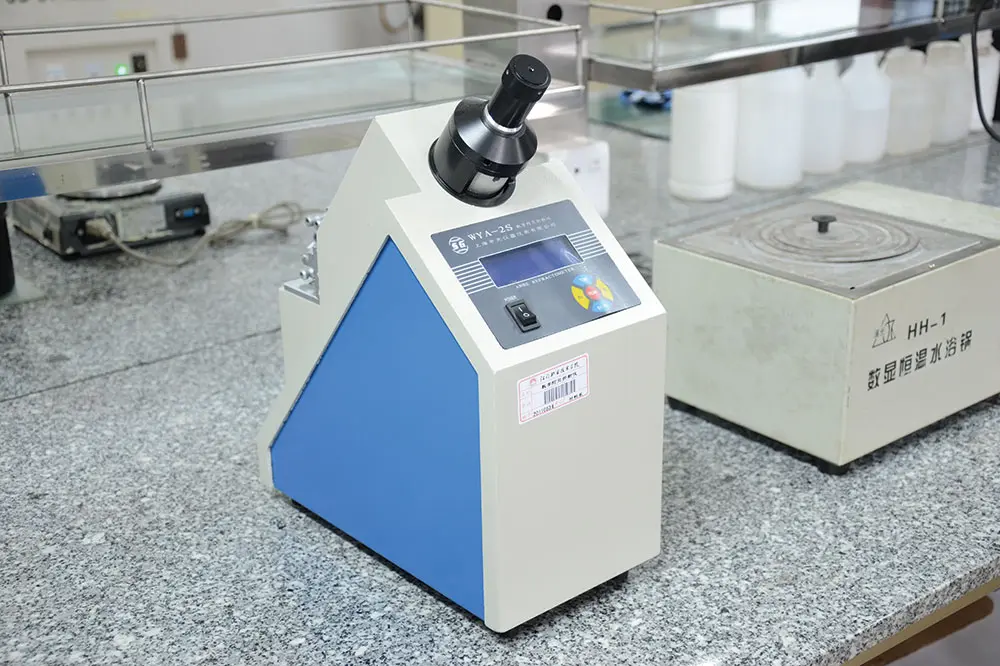
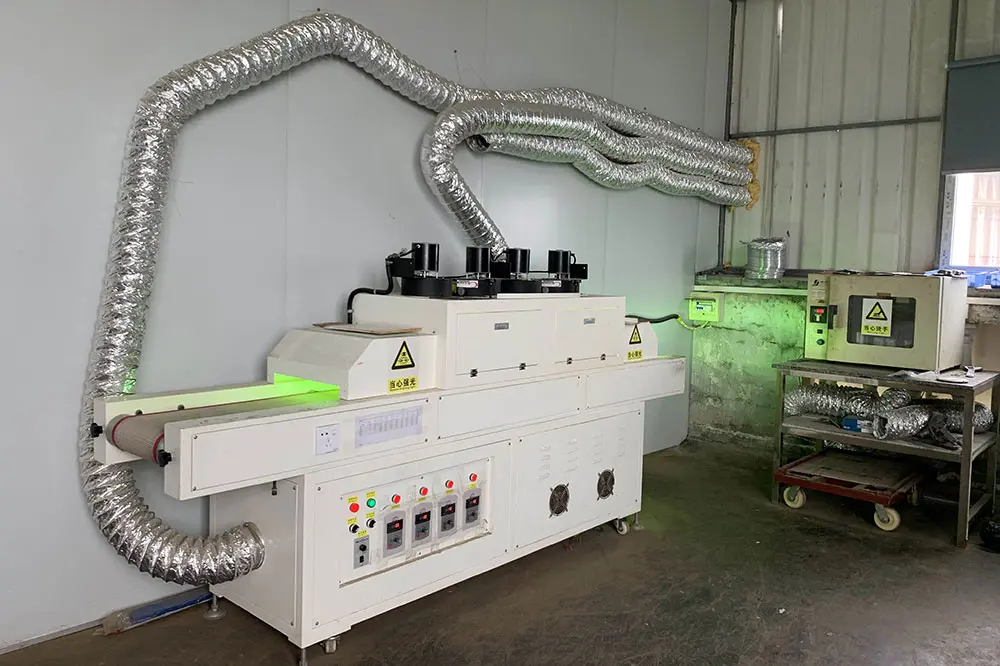
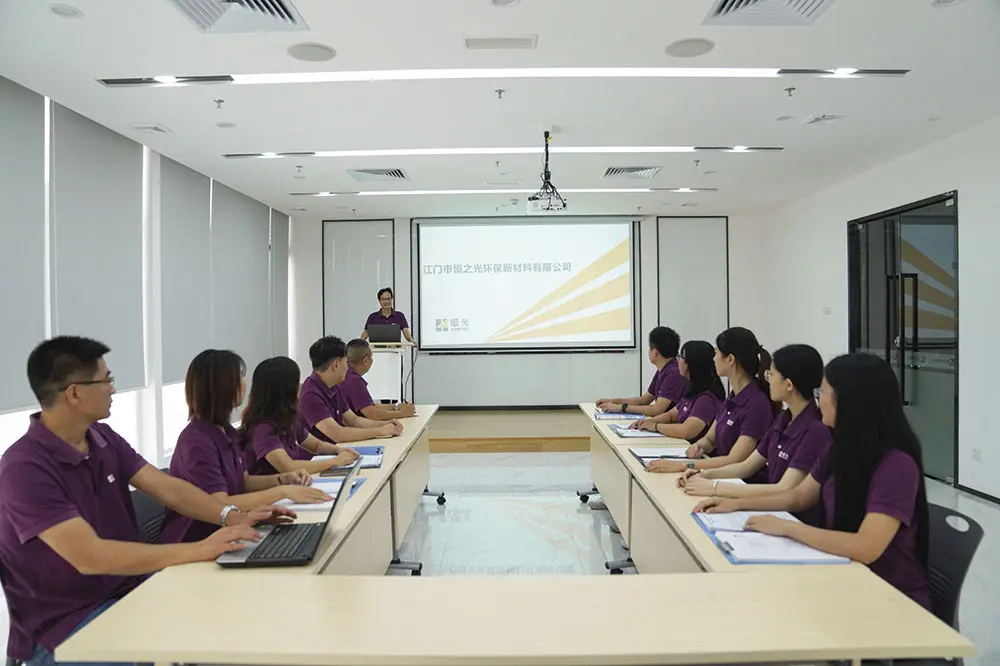
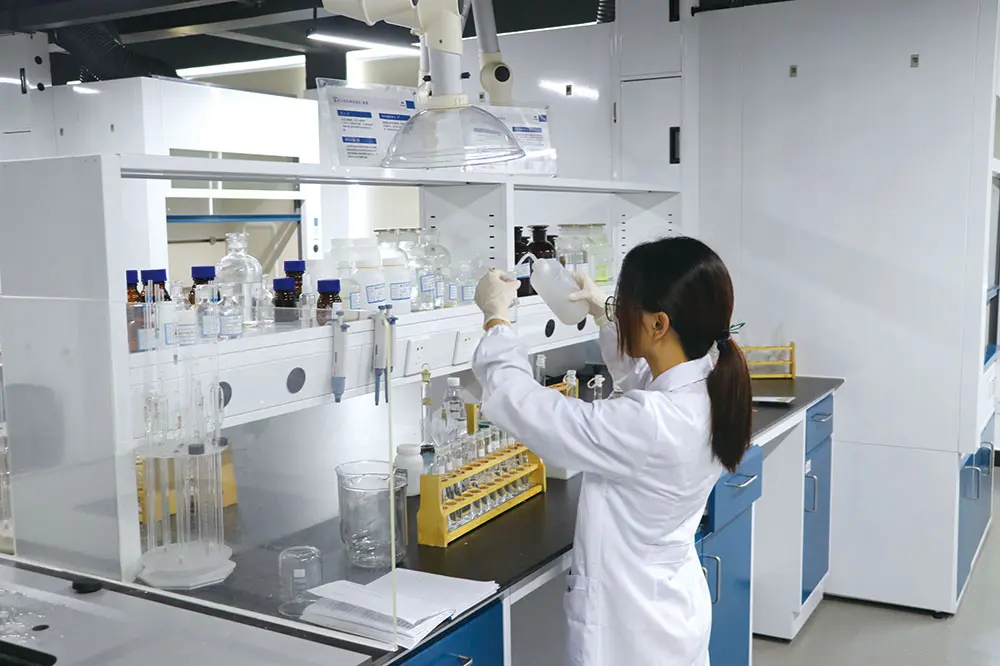
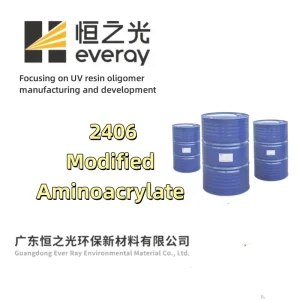
Amino acrylate oligomers represent a critical class of modified resin backbones in the UV/EB curing industry. By chemically integrating tertiary amine groups directly into the acrylic oligomer chain, these materials perform dual functions: acting as film-forming binders and as highly active amine synergists.
When exposed to ultraviolet light, photoinitiators (such as Type II Benzophenone) absorb light energy and enter an excited triplet state. The tertiary amine structures on the amino acrylate oligomer act as proton donors, initiating rapid hydrogen abstraction.
Atmospheric oxygen severely inhibits surface curing by reacting with initiating radicals to form stable, non-reactive peroxy radicals. The amine segments react with these peroxy radicals, converting them into active carbon-centered radicals, effectively consuming local oxygen.
By overcoming oxygen inhibition at the surface interface, the amino acrylate oligomer speeds up cure rates, increases cross-linking density, and prevents surface tackiness, yielding high surface hardness and chemical resistance.
Strategic sourcing directors in multinational ink, coating, and adhesive companies evaluate amino acrylate oligomer suppliers based on strict performance and risk mitigation metrics. Below is an overview of key specification criteria used during the sourcing and validation phases:
| Evaluation Parameter | Technical Specification Target | Formulation Significance |
|---|---|---|
| Amine Value (mg KOH/g) | 40 - 120 (Customizable depending on grade) | Dictates oxygen scavenging efficiency and crosslink density. |
| Viscosity (mPa.s @ 25°C) | 1,500 - 45,000 (Low to high range options) | Affects solvent-free dilution limits and monomer adjustment levels. |
| Color (Gardner) | ≤ 1 (Ultra-clear, low-yellowing formulations) | Critical for high-end optical films, overprint varnishes, and clear wood coats. |
| Residual Acrylic Acid | < 500 ppm (Low-odor profiles) | Prevents skin irritation, skin sensitization, and strong odor emissions. |
| Functionality | 2 to 4 Acrylate groups per chain | Balances flexibility against scratch resistance and shrinkage. |
Furthermore, global purchasers prioritize supply chain redundancy. With dual manufacturing hubs in Jiangmen and Yunfu, Guangdong Ever Ray provides security of supply. If regional shipping disruptions occur, we can shift production between our ISO-certified facilities to maintain continuous delivery schedules.
Amino acrylate oligomers are key components across various manufacturing sectors. Below are the primary application solutions we provide to industrial formulators worldwide:
Enhances pigment wetting, reduces viscosity, and ensures sharp print definition by accelerating high-speed curing in air.
Provides scratch resistance, chemical barrier properties, and rapid line speed curing for furniture and cabinetry.
Delivers strong adhesion to low surface energy substrates like PET, PC, and PMMA without yellowing.
Improves bonding strength and controls shrinkage stress during polymerization for glass and metal bonds.
Navigating global chemical regulations requires experienced regulatory compliance teams. Guangdong Ever Ray ensures that all shipments and product grades meet destination market standards:
REACH, RoHS, and TSCA Compliance: Our export grades are pre-registered or compliant with key international frameworks, including EU REACH, US TSCA, and Korean K-REACH. This simplifies importation and customs clearance for global buyers.
ISO Standardized Production: Our facilities in Jiangmen and Yunfu operate under ISO 9001:2015 Quality Management Systems and ISO 14001:2015 Environmental Management Systems. These audits verify that our chemical synthesis practices prioritize safety, waste minimization, and quality consistency.
The UV-curing industry is transitioning toward safer, highly sustainable chemistries. Our R&D team targets three key developmental pathways to keep our customers at the forefront of the market:
Integrating renewable, bio-derived raw materials into our amino acrylate chemical backbone. Our goal is to increase bio-based content to >45% while maintaining rapid curing properties.
Adapting amino acrylates to cure efficiently under longer LED wavelengths (365nm, 395nm). This system eliminates ozone generation, lowers energy consumption, and reduces heat stress on thin films.
Developing hyperbranched amino acrylate structures with extremely low intrinsic viscosities, minimizing the need for reactive monomer diluents and optimizing final film safety properties.
Tertiary amine additives are low-molecular-weight molecules that do not polymerize into the matrix, which can cause post-cure migration, odor, and skin irritation. Amino acrylate oligomers feature copolymerized tertiary amine sites directly on the polymer chain. They react and crosslink into the cured polymer network, accelerating surface curing without introducing volatile components or risk of migration.
Yellowing is often caused by the oxidation of residual free amines and the formation of nitrogen oxides during UV exposure or storage. Guangdong Ever Ray utilizes specialized chemical synthesis techniques and stabilizers to control the amine concentration and polymer structure. This ensures low yellowing values, making these resins suitable for high-end optical films and clear wood varnishes.
Yes, but they must meet specific migration limits and regulatory standards. Because the amine synergist is chemically bound to the oligomer chain, migration is minimal compared to monomeric amine synergists. Formulators must select specific low-migration grades and verify compliance with regional food contact regulations (such as Nestlé guidance and Swiss Ordinance limits).
Our Jiangmen and Yunfu production plants utilize automated DCS (Distributed Control Systems) for computerized monitoring of reaction temperature, feed rates, pressure, and processing times. Each batch undergoes rigorous testing for viscosity, color value, acid value, and cure rate prior to packaging, ensuring reliable performance in automated coating lines.
Amino acrylates should be stored in original, sealed containers in a cool, dry, well-ventilated area away from direct sunlight, UV sources, and temperatures exceeding 40°C. Since they contain reactive acrylic groups, exposure to high heat or light can initiate premature gelation. Under correct storage conditions, our oligomers maintain a shelf life of 12 months.
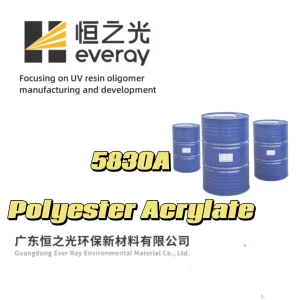
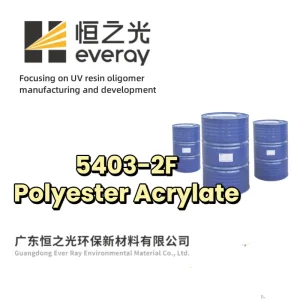
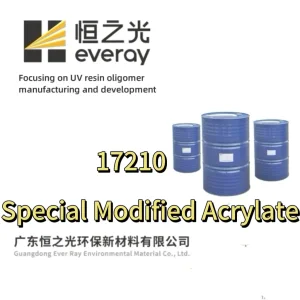
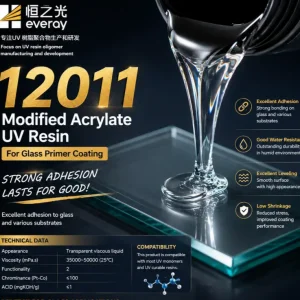
Explore our secondary line of specialized UV-curable oligomers, engineered to address challenging applications such as high-temperature vacuum plating, durable adhesion to glass, and low-shrinkage inks.
 Ever Ray