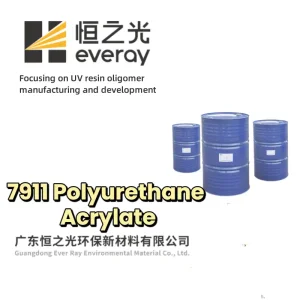
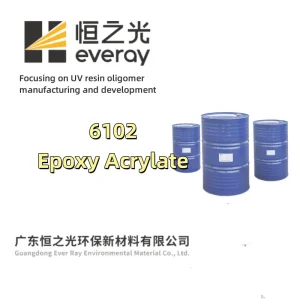
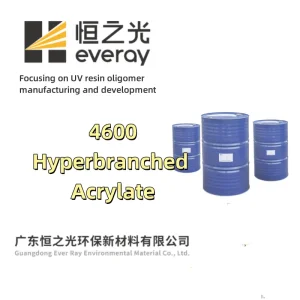
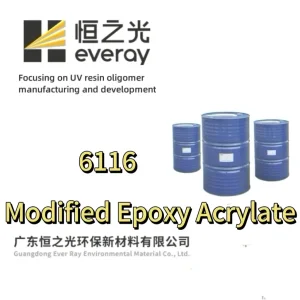
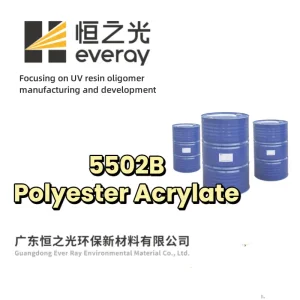
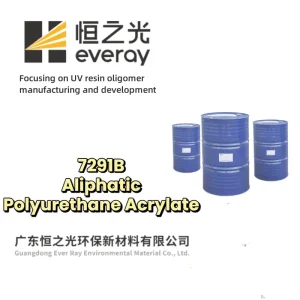
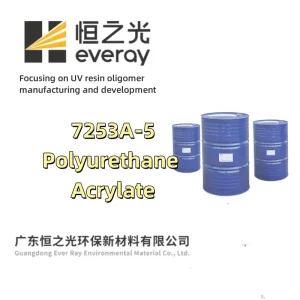
Explore our core range of high-performance epoxy acrylates, polyester acrylates, and specialty oligomers engineered for robust industrial application.
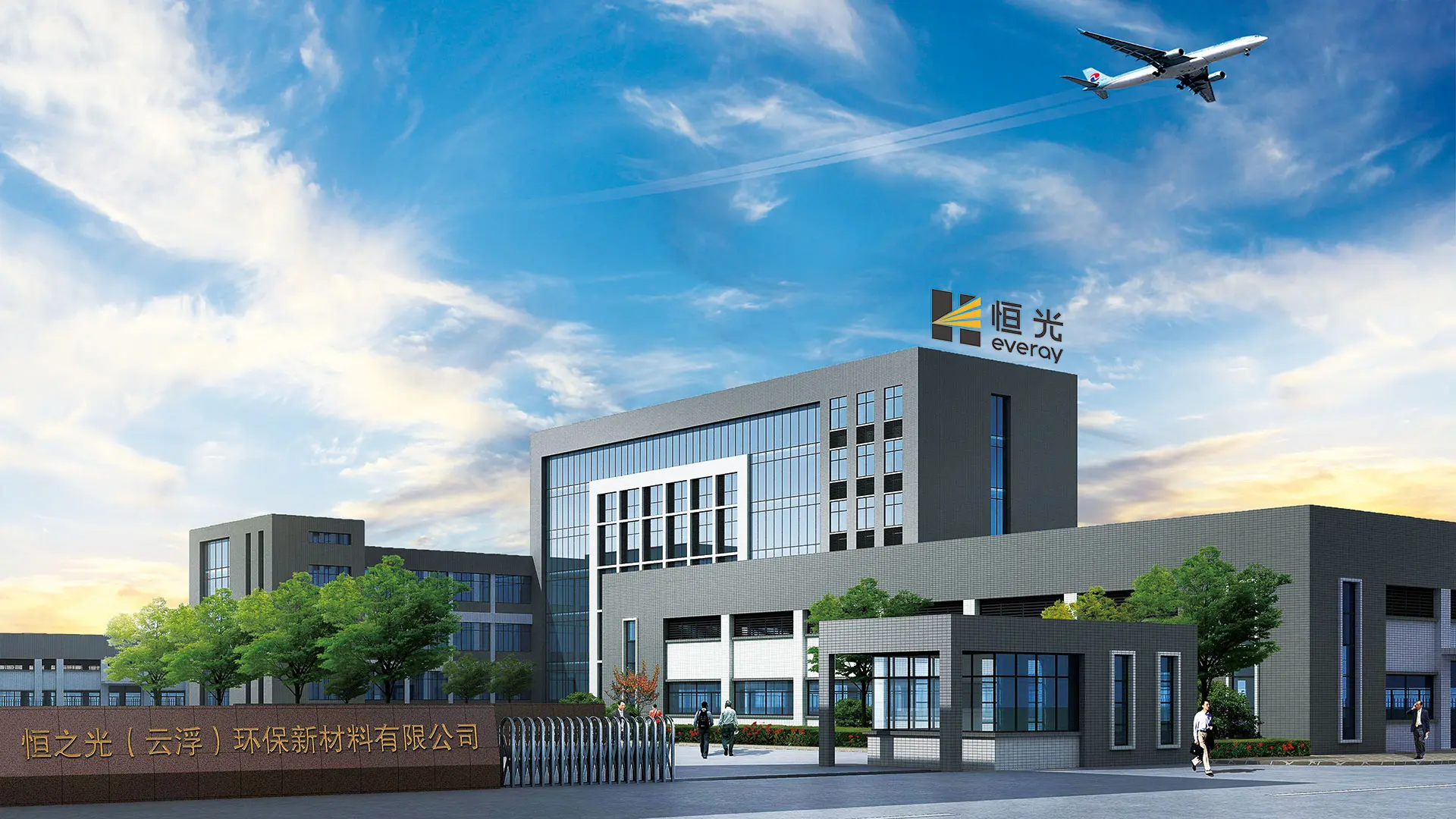
Established in 2006, Guangdong Ever Ray Environmental Material Co., Ltd. is a leading high-tech enterprise specializing in the research, development, and high-volume manufacture of oligomers for UV curable systems. Our production portfolio includes top-tier epoxy acrylate, polyurethane acrylate (waterborne, aliphatic urethane, aromatic urethane), polyester acrylate, pure acrylate, and other specialty functionalized monomers designed to meet complex chemistry challenges.
Underpinned by rigorous quality standards and an ethos of sustainable, green development, we formulate solutions that deliver exceptional mechanical properties, chemical resistance, and weathering tolerance to markets across Asia, Europe, and the Americas.
To support global supply chains, we operate two primary manufacturing facilities in Guangdong Province:
Our combined annual production capacity exceeds 20,000 metric tons, managed via 10+ state-of-the-art production lines. Operationally, our facilities conform strictly to ISO9001 Quality Management Systems and ISO14001 Environmental Management Systems, regulated by advanced DCS (Distributed Control System) fully computerized automation to guarantee structural uniformity and minimize batch-to-batch variance.
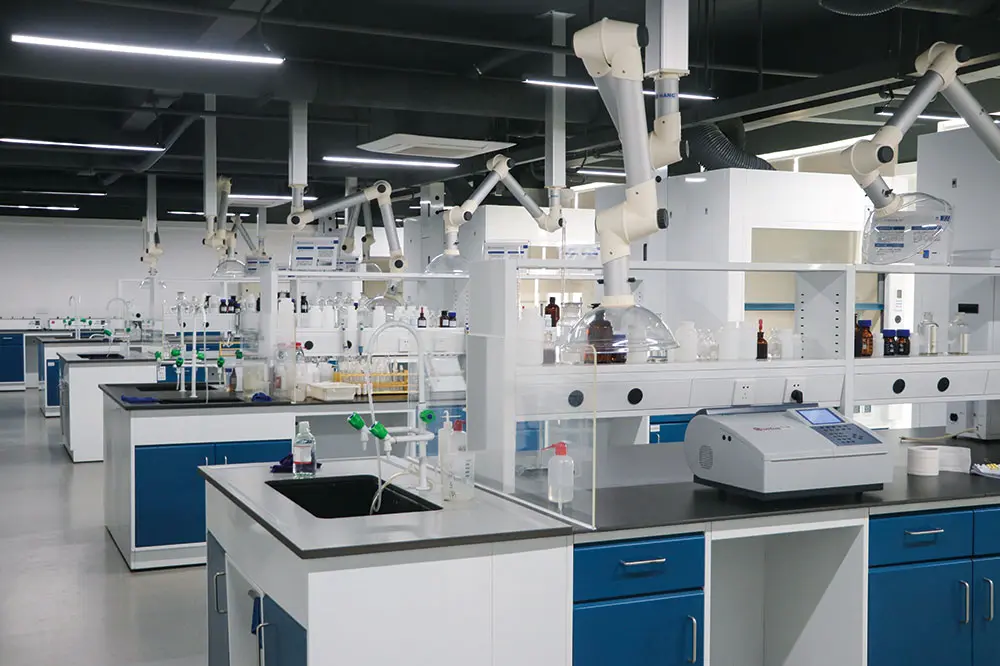
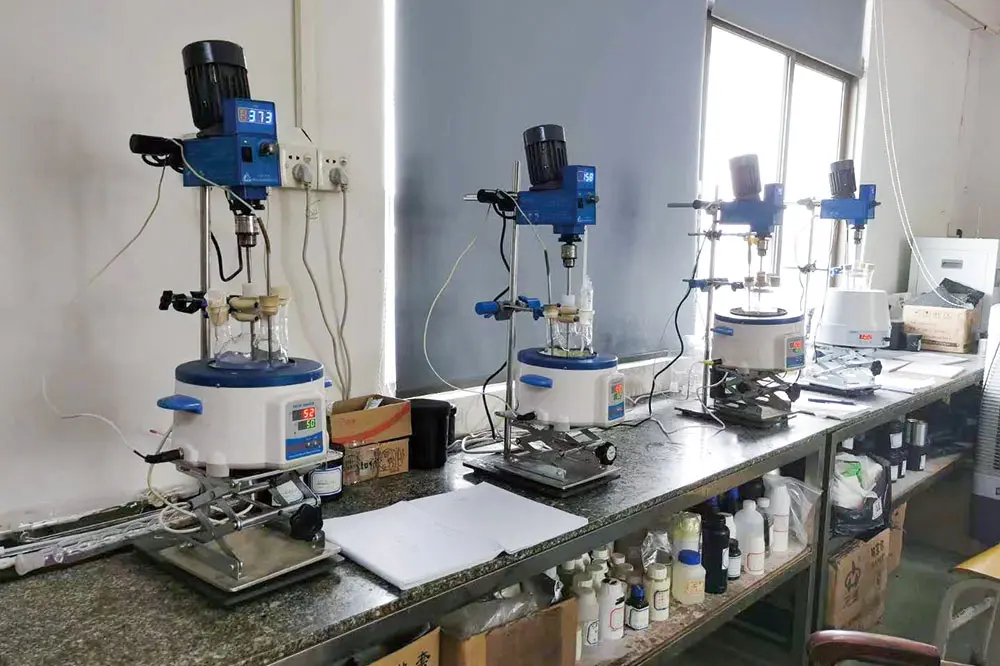
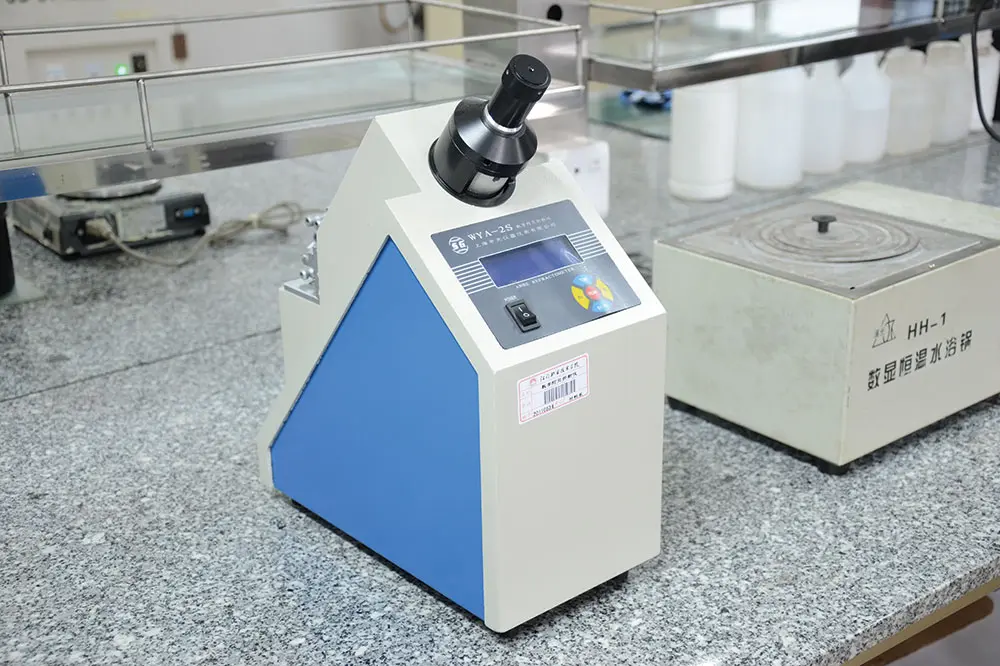
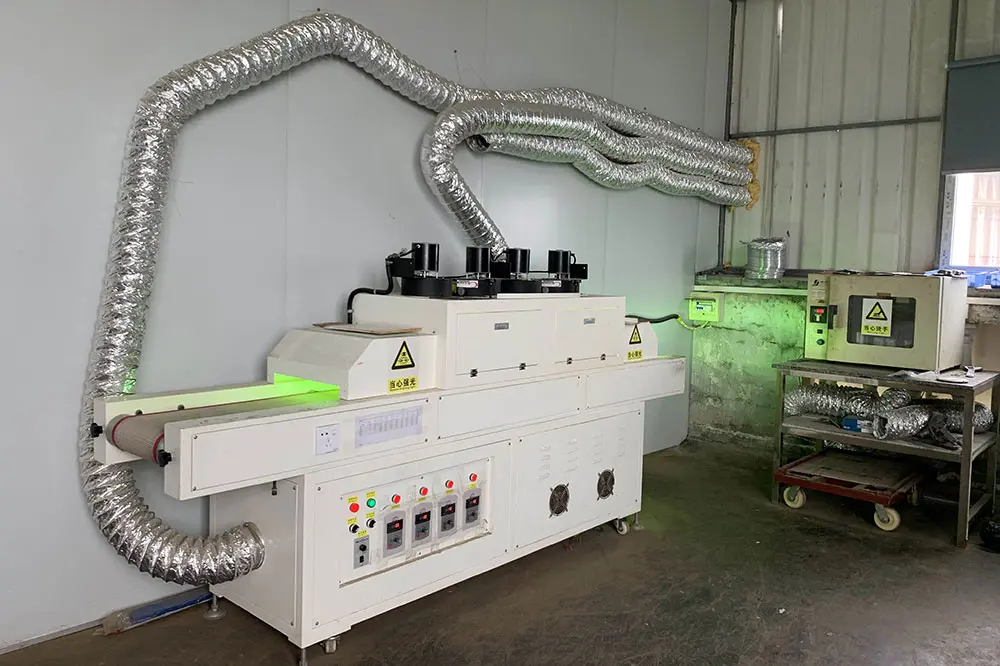
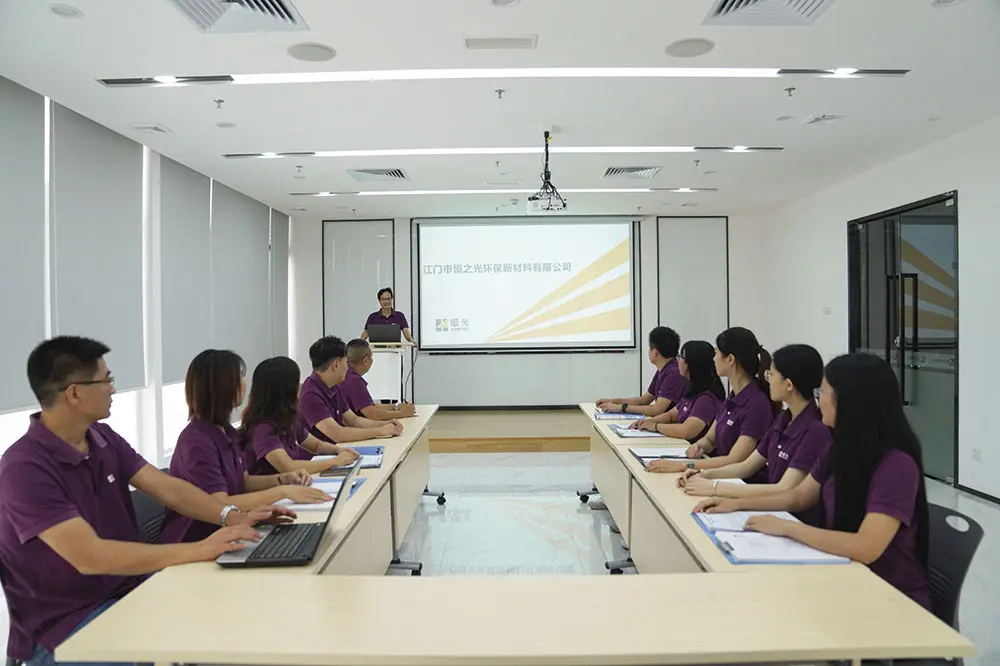
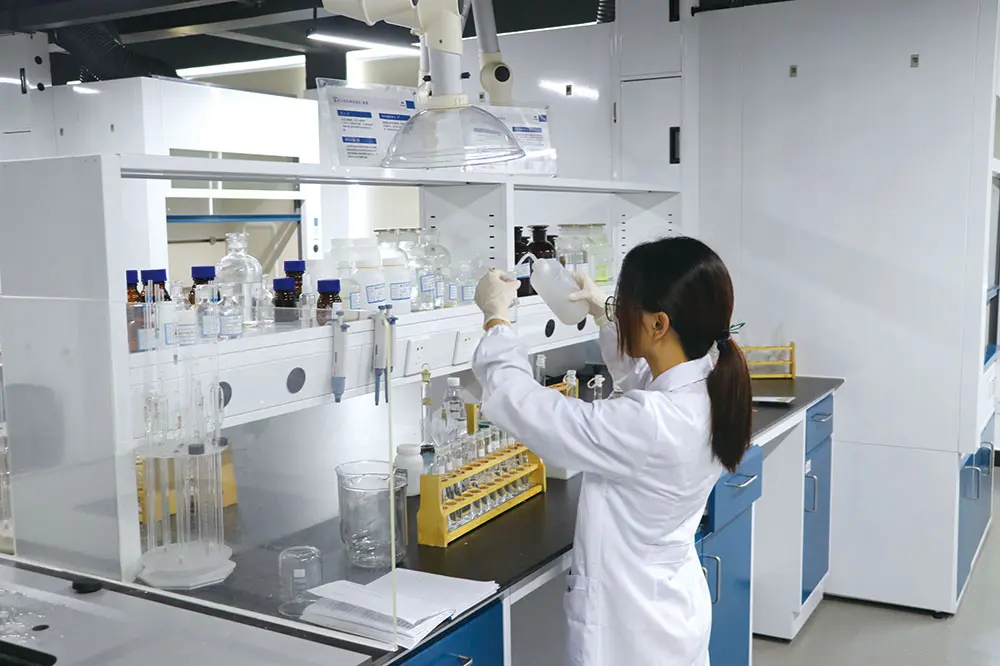
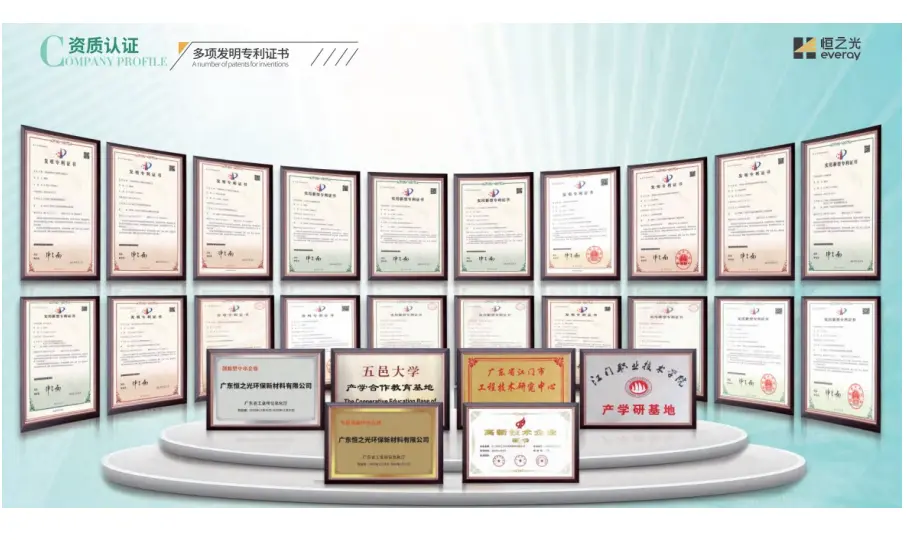
Our dedicated R&D department employs more than 15 chemical technicians. We hold over 10 invention and utility patents that protect our proprietary resin architectures. By using high-quality chemical precursors sourced from established global suppliers, our formulation experts create oligomers that maximize reactivity, enhance chemical durability, and reduce shrinkage.
Year Established
Total Facility Sq.m
Annual Tons Capacity
Invention Patents
Understanding the molecular properties that deliver superior long-term weatherability and coating integrity.
Unlike aromatic urethanes (which contain benzene rings that degrade under UV light into quinoid structures), aliphatic polyurethane relies on straight-chain or cyclic carbon structures. This chemical profile prevents yellowing and resists photo-oxidation under intense solar exposure.
Aliphatic polyurethane acrylates (PUAs) balance hardness and elasticity. They show high tensile strength, impact resistance, and elongation-at-break, preventing cracks in coatings applied to flexible plastics or metals subjected to thermal expansion.
The crosslinked urethane linkages create a robust barrier against water, acids, bases, solvents, and salt spray. This chemical stability is vital for aerospace finishes, marine topcoats, and heavy industrial machinery protection.
When formulating industrial coatings, selecting the correct oligomer base is critical. Below is a comparative matrix illustrating the mechanical and environmental performance of different UV-curable oligomer classes:
| Property | Aliphatic Urethane Acrylate | Aromatic Urethane Acrylate | Epoxy Acrylate | Polyester Acrylate |
|---|---|---|---|---|
| UV/Yellowing Resistance | Excellent (Non-yellowing) | Poor (Yellows rapidly) | Moderate | Good |
| Flexibility & Toughness | High to Very High | Moderate | Brittle (Low elongation) | Moderate to High |
| Curing Speed | Moderate to High | High | Very High | High |
| Adhesion to Metals/Plastics | Excellent | Good | Moderate | Good |
| Chemical Resistance | Excellent | Excellent | Outstanding | Moderate |
How Ever Ray combines scale, automation, and cost efficiencies to optimize your chemical supply chain.
Our Yunfu factory uses a fully computerized DCS (Distributed Control System). This setup controls temperatures, feed rates, pressure profiles, and reaction endpoints, reducing operator error and ensuring high consistency from batch to batch.
Located in the heart of China’s chemical manufacturing clusters, we enjoy proximity to essential raw materials like isocyanates (IPDI, HDI, HMDI) and diverse acrylate monomers. This secure supply chain reduces transport delays and isolates buyers from global raw material cost swings.
We combine environmental initiatives with cost optimization. Developing low-VOC, waterborne UV resins allows us to support clients facing strict environmental regulations while lowering production costs via scale.
Stay ahead of regulatory mandates and technical demands changing the industrial paint landscape.
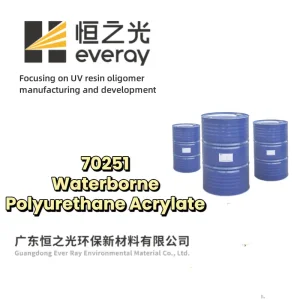
The push for zero-VOC environments has accelerated waterborne UV-curable polyurethane dispersion (PUD) development. These systems combine the safety of water-based coatings with the fast curing speed and high hardness of UV technology. Our Waterborne 70251 UV-resin shows how waterborne formulations can achieve high print quality and adhesion.
Standard UV curing requires direct light exposure, leaving shadows uncured. Dual-cure formulations resolve this by combining UV polymerization with secondary heat or moisture curing mechanisms. Aliphatic polyurethane backbones fit this application well, enabling durable protection for complex three-dimensional substrates.
To reduce viscosity without adding volatile monomer diluents, chemists use hyperbranched polymers. These highly branched structures feature low solution viscosity and high chemical reactivity due to their multiple end groups. This helps formulators meet strict emissions targets without sacrificing curing speeds.
How our oligomer portfolio addresses real-world challenges across automotive, consumer electronics, and structural packaging sectors.
Wood coatings require high hardness to resist scratching and good flexibility to handle natural expansion. Formulating with epoxy acrylates like our 6102 UV Resin improves toughness, scratch resistance, and curing speeds on high-volume production lines.
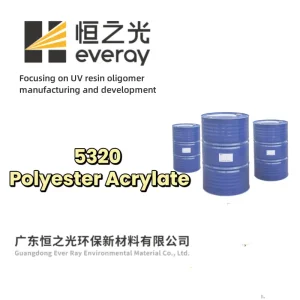
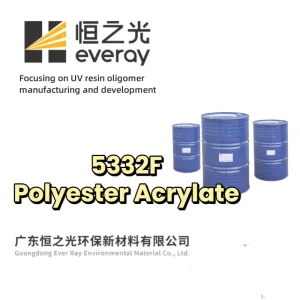
Fast press runs require printing inks that cure quickly and wet substrates effectively. Oligomers like our Polyester Acrylate 5332F and 5320 Polyester Acrylate provide good pigment dispersion and fast curing, supporting sharp image reproduction on high-speed offset equipment.
Exterior automotive components require high resistance to stone chips, road chemicals, and solar radiation. Aliphatic polyurethane acrylates provide long-term weatherability, keeping clearcoats glossy and preventing yellowing over the vehicle's lifespan.
The Challenge: Achieving stable adhesion on non-ferrous metals like aluminum or galvanized steel often requires toxic wash primers or lengthy baking schedules.
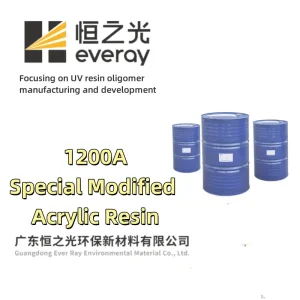
The Solution: Our 1200A UV Resin was developed specifically to address adhesion challenges on density-board primers and metal substrates. Formulators blending 1200A into their primers report excellent cross-cut adhesion ratings (5B/GT0), fast UV curing times, and high resistance to humidity and salt fog.
Crucial metrics, quality indicators, and regulatory considerations for supply chain managers and formulation chemists.
When importing polyurethane or polyester acrylates, sourcing managers should verify the following parameters in the Certificate of Analysis (CoA):
Ensuring compliance with local environmental and chemical transport regulations is vital:
Answers to common chemistry, storage, and application questions from coating chemists and procurement specialists.
Aliphatic polyurethane oligomers do not contain benzene ring structures, which are susceptible to UV radiation damage. Aromatic systems degrade and yellow quickly under solar exposure due to photochemical oxidation. Aliphatic formulations preserve color, gloss, and physical properties during long-term outdoor exposure.
Balancing these properties involves modifying the polyol segment length and adjusting the functional group density of the polyurethane acrylate (PUA). High-functionality oligomers yield high crosslink density, increasing hardness and chemical resistance. In contrast, longer polyol backbones increase elasticity and impact strength. Formulations often blend high-functionality oligomers with flexible components like PUA 7291B or 5502B Polyester Acrylate to meet specific performance requirements.
UV curable oligomers must be protected from light and heat to prevent premature polymerization. Store them in original, tightly sealed, opaque containers (typically steel or high-density plastic drums) at temperatures below 35°C. Avoid exposing products to direct sunlight, spark sources, or high humidity during storage.
We use a Distributed Control System (DCS) at our Yunfu plant to automate synthesis parameters, including temperature profiles, feed rates, and vacuum pressure. Each production batch undergoes strict quality control testing (checking viscosity, acid value, color, and curing speed) against standard reference batches before release, ensuring stable product performance.
Yes, modern waterborne UV polyurethane dispersions (PUDs) offer comparable performance. They form a tack-free film through water evaporation, which is then cured under UV light to create a crosslinked network. This provides high scratch resistance, chemical resistance, and adhesion with minimal VOC emissions. Our Waterborne 70251 UV-resin demonstrates these properties in wood coatings, plastic finishes, and 3D printing applications.
Explore our high-durability polyurethane acrylates and specialty resins designed for demanding industrial environments.
 Ever Ray