Premium UV Curable Resin Oligomers & Functional Monomers
Aliphatic urethane acrylates represent the pinnacle of performance in radiation-curable coatings, inks, and structural adhesives. Unlike their aromatic counterparts, which contain benzene rings prone to chromophore formation under UV light exposure, aliphatic urethane acrylates are synthesized using saturated linear, cyclic, or branched aliphatic diisocyanates (such as IPDI, HDI, or H12MDI). This chemical configuration renders them exceptionally transparent and practically immune to weathering-induced yellowing, making them the industry standard for outdoor applications and protective topcoats.
Formulating with aliphatic urethane acrylates allows chemical engineers to achieve a delicate balance of physical characteristics. The urethane linkages introduce hydrogen bonding within the cured polymer matrix, imparting toughness, excellent adhesion, and scratch resistance. The acrylic functionalities ensure fast UV-crosslinking density under standard industrial mercury vapor lamps or LED curing arrays.
Key properties include:
| Structural Unit | Aromatic Acrylates | Aliphatic Acrylates |
|---|---|---|
| Weatherability | Poor (Prone to yellowing) | Excellent (Non-yellowing) |
| Flexibility / Tg | Medium-High Tg, Brittle | Highly customizable (Low to High Tg) |
| Cost Profile | Economical | Premium / Performance-driven |
| Adhesion Energy | Good on rigid substrates | Exceptional on flexible substrates |
The global market for UV-curable oligomers has experienced a massive shift over the last decade. Strict environmental mandates from organizations like the European Chemicals Agency (ECHA) and the US EPA targeting the elimination of volatile organic compounds (VOCs) have pushed industrial manufacturers away from solvent-based coatings toward 100% solids UV-curing systems.
Standard UV curing relies on high-power mercury lamps. The industry is moving rapidly toward LED curing arrays emitting at 365nm, 385nm, or 395nm. Modern aliphatic urethane acrylates are now engineered with optimized photo-responsiveness to cure thoroughly without oxygen inhibition under these low-energy light sources.
Regulatory agencies and eco-conscious brands are demanding higher biorenewable carbon content (BRC) in coatings. Advanced manufacturers are incorporating bio-succinic acid, bio-propylene glycol, and natural oils to synthesize aliphatic oligomers with up to 50% renewable feedstocks.
Industrial components are getting smaller and more complex. Formulators rely on dual-cure systems combining thermal cure mechanism (isocyanate or epoxy reaction) with free-radical UV polymerization, enabling shadow-curing in three-dimensional manufacturing spaces.
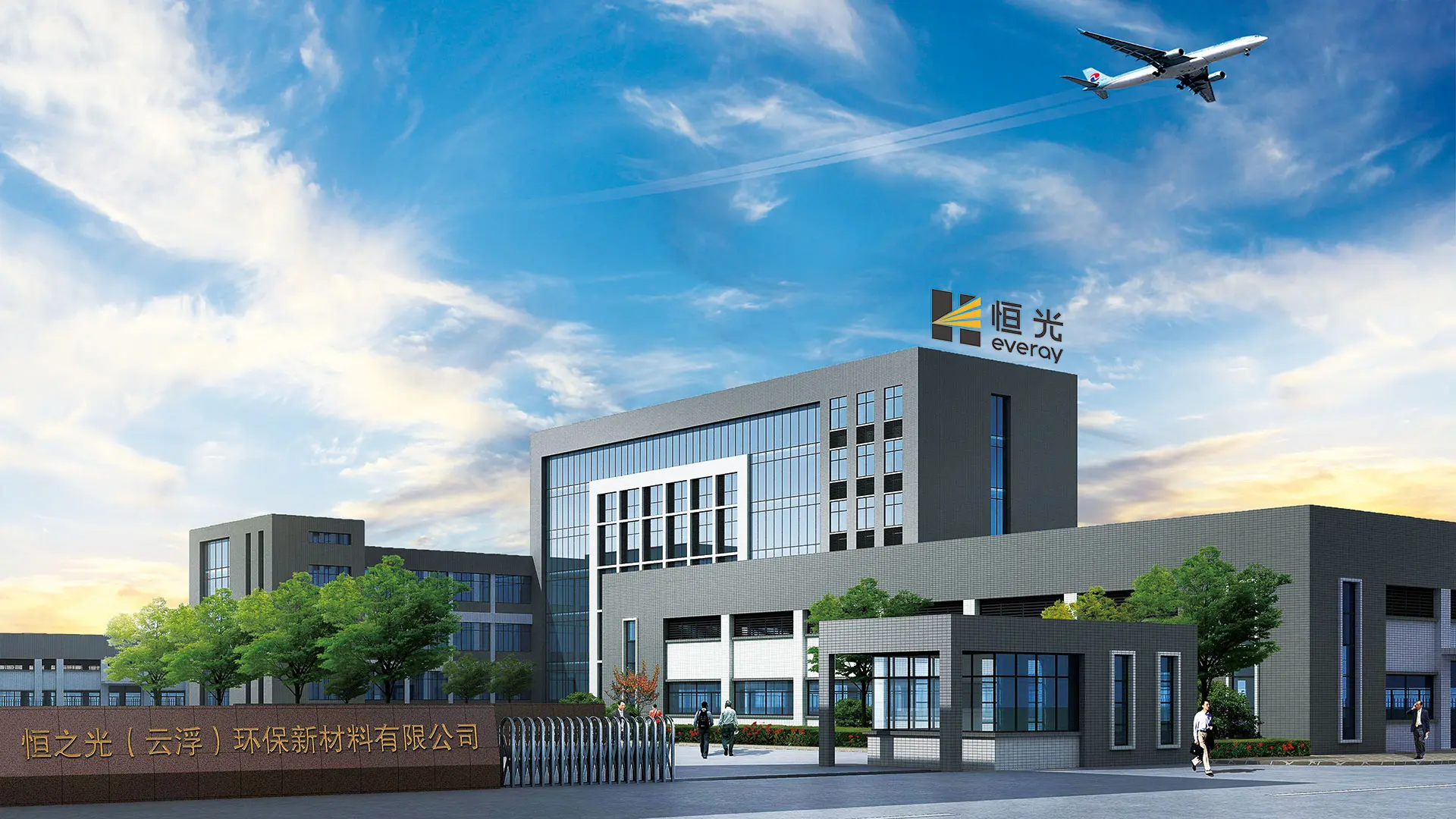
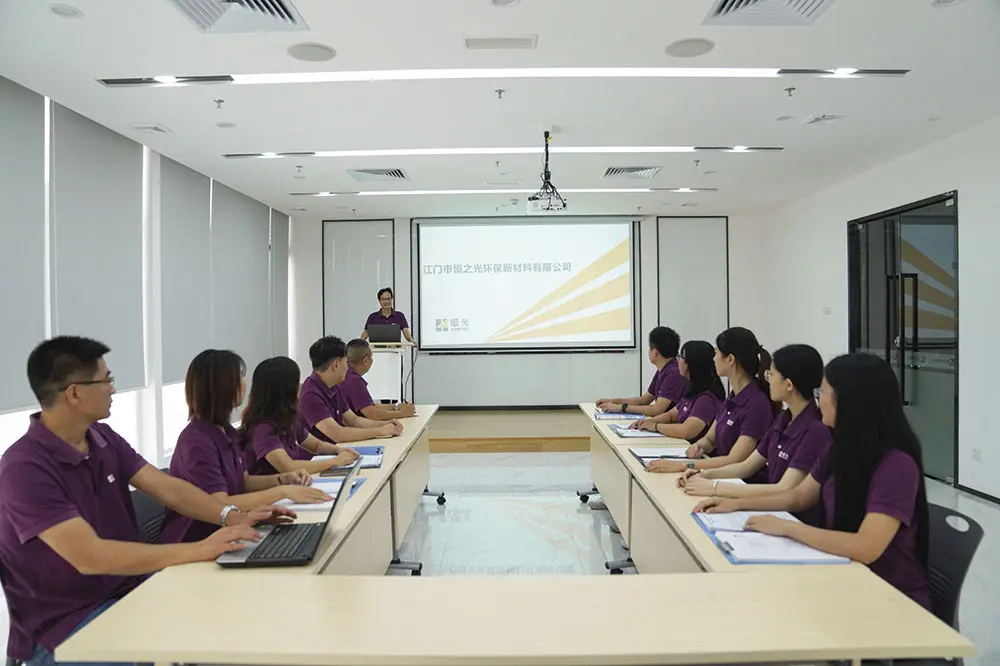
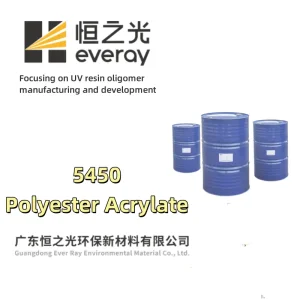
Guangdong Ever Ray Environmental Material Co., Ltd. established in 2006, is a high-tech enterprise focusing on the R&D and manufacturing of oligomers for UV curable resin such as epoxy acrylate, polyurethane acrylate (water borne, aliphatic urethane, aromatic urethane), polyester acrylate, pure acrylate and other special functional modify acrylate oligomers.
We are supplying different formulations for customers to meet their requests not only from the product's functional capability but also from the cost-saving aspect. We are focusing on technology and environmental protection coexisting in harmony, firmly taking science and technology as our driving force in our future development, continuing to pursue excellence and keeping a sustainable green living environment in our daily life.
Established
Production Footprint
Annual Production Capacity
Invention Patents
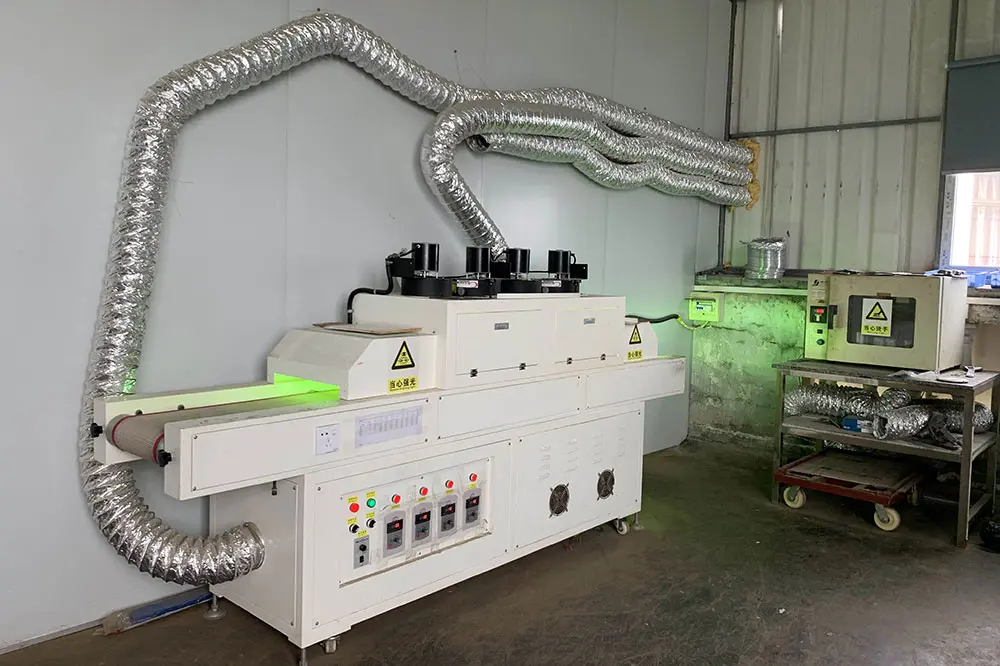
We have two production bases, one is in Jiangmen, Guangdong, production area is about 10,000 square meters, while the other is in Yunfu Guangdong which production area is around 40,000 square meters, complete with quality control, storage and logistics supporting facilities, annual production capacity is more than 20,000 tons with more than 10 production lines.
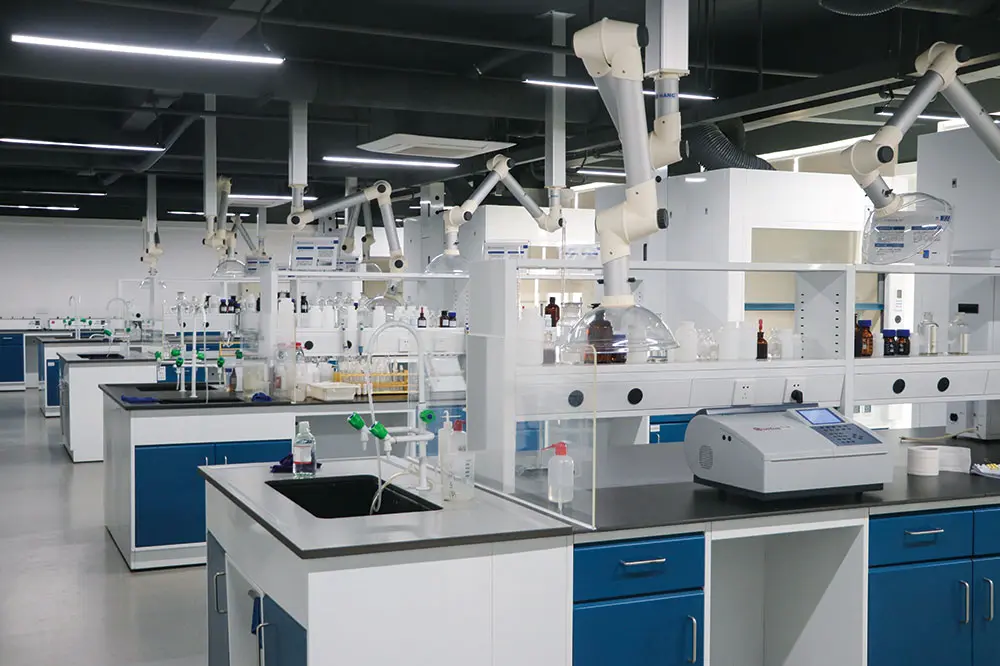
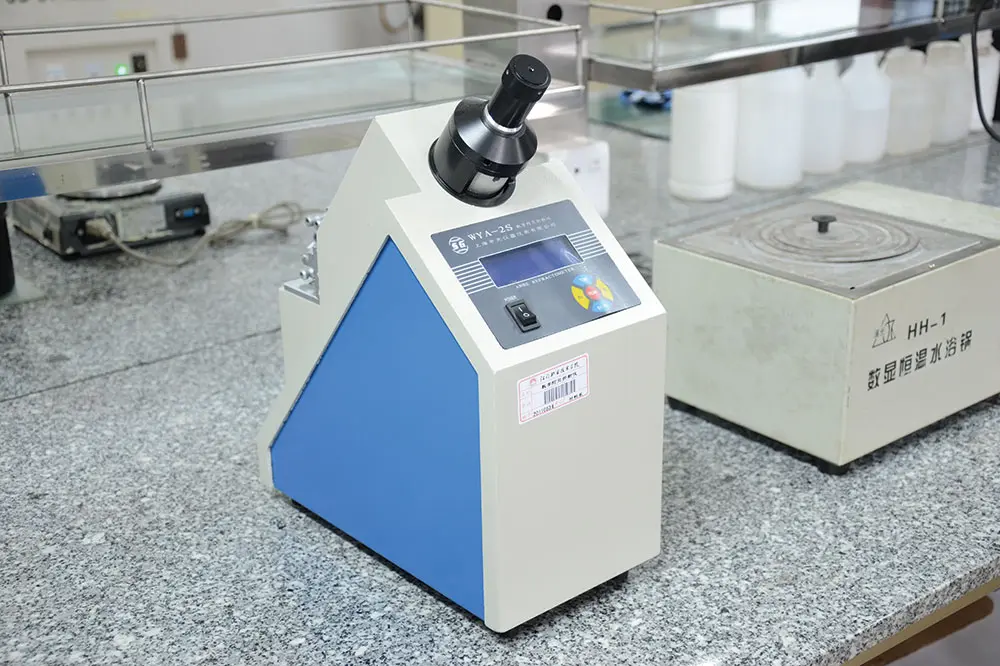
To ensure the quality control, our factory is under the ISO9001 quality management system and ISO14001 environmental management system together with a flexible and advanced DCS fully computerized control system. Moreover, we select high-quality domestic and foreign raw materials, adopt advanced scientific management methods, and hire domestic UV material experts for guidance to ensure production safety and product quality stability.
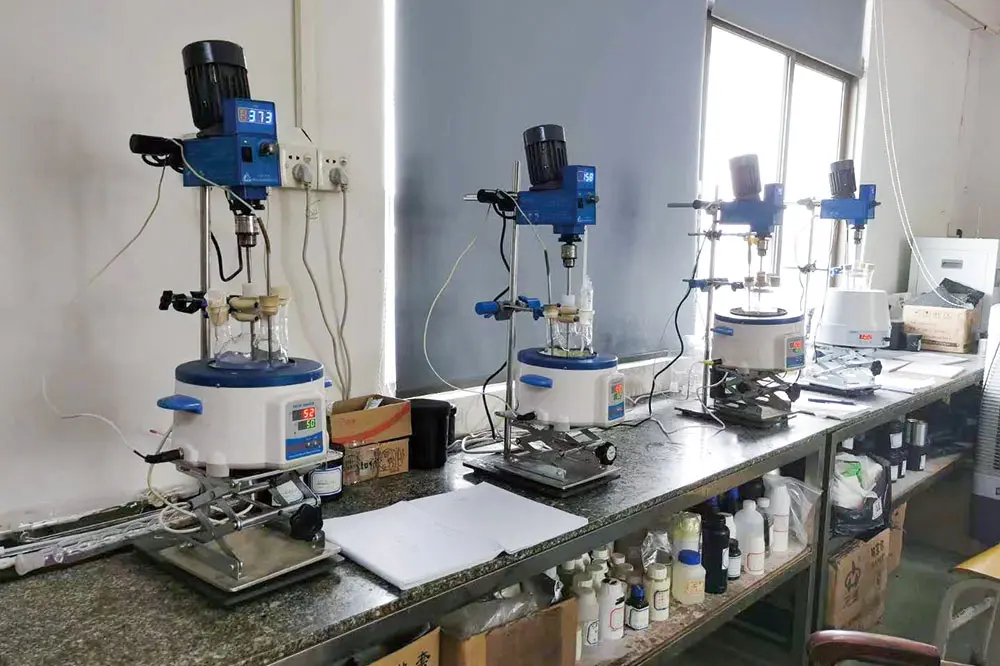
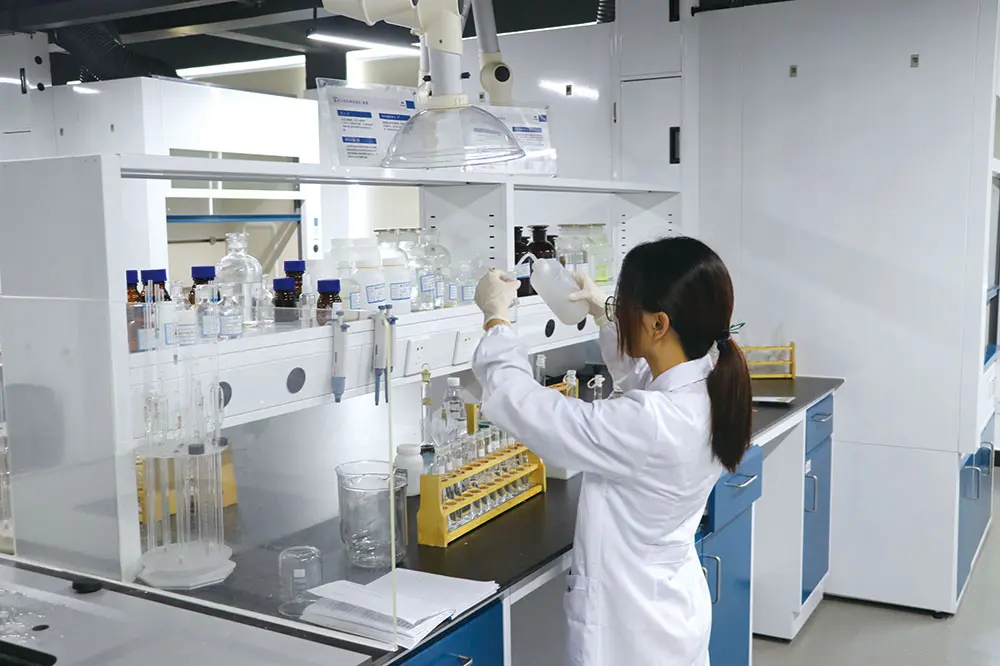
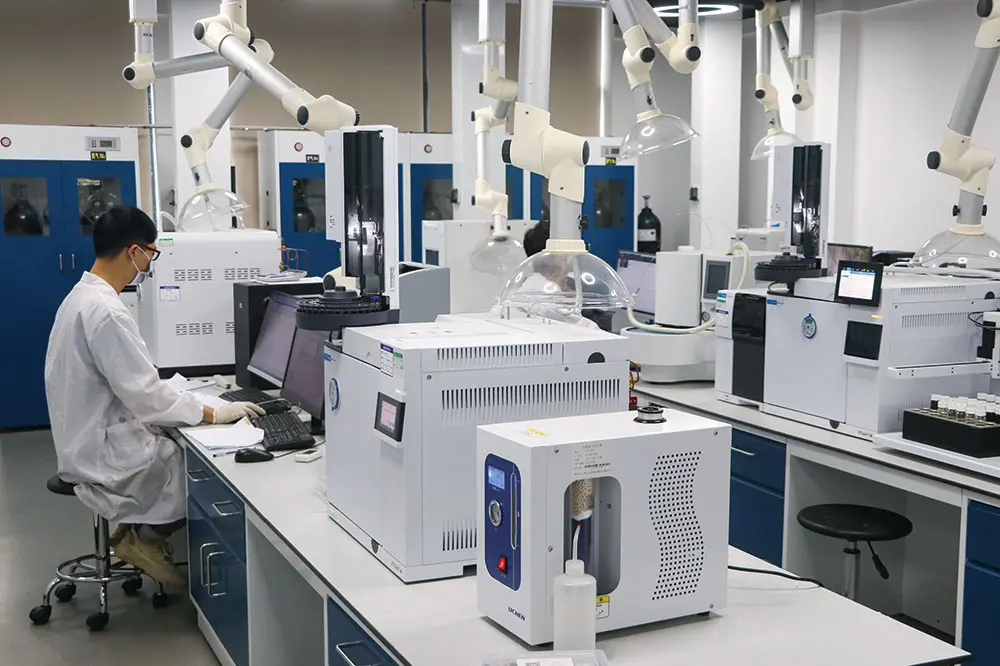
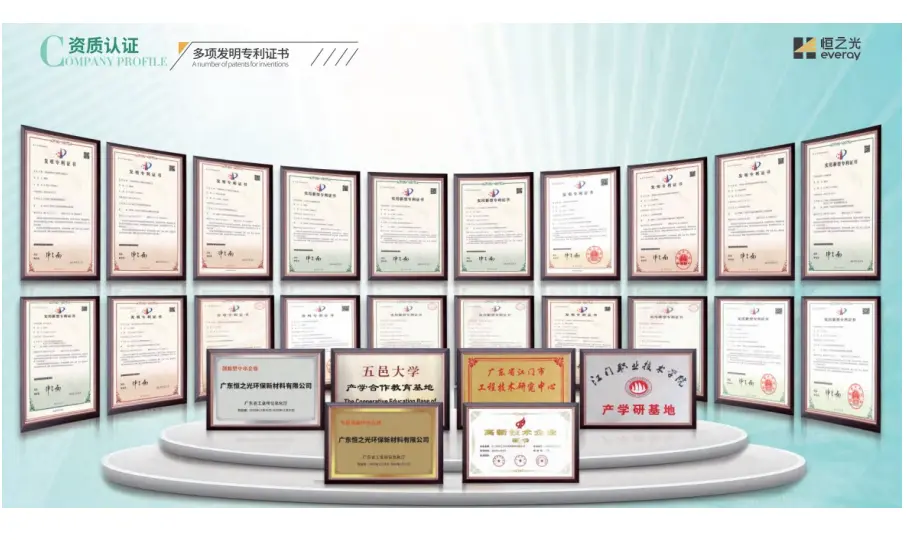
We have more than 10 inventions patents and practical patents, with more than 15 technicians in our R&D department, we are providing high reactivity, chemical resistance, and high gloss to formulations for a wide variety of applications, including wood coatings, plastic, inks, adhesives, etc.
Aliphatic urethane acrylates are engineered for demanding performance applications. Depending on the functionality (ranging from difunctional to hexafunctional) and molecular weight, these resins can be customized to suit specific regional and industrial conditions.
In SLA, DLP, and LCD 3D printing, aliphatic urethane acrylates provide the necessary balance between structural rigidity and impact resistance. Unlike brittle epoxy systems, they yield high-toughness functional prototypes, dental models, and durable end-use consumer parts.
Premium auto body coatings require exceptional gloss retention, resistance to UV degradation, and resistance to environmental elements. Aliphatic resins provide self-healing properties, preventing minor surface micro-scratches from dulling the surface finish.
For screen printing, flexo, and packaging graphics, ink formulations need optimal pigment wetting, high reactivity, and superior adhesion to plastics like BOPP, PET, and PVC. Our polyester/urethane acrylate variants prevent ink peeling, ensuring scratch-resistant prints.
As the radiation-curable chemistry domain progresses, the roadmap of Guangdong Ever Ray focuses on long-term sustainability and performance scalability.
Advancing waterborne UV-curable polyurethane acrylates (PUDs). Eliminating monomer dilution to meet stricter toy packaging safety and low-migration food contact regulations globally.
Transitioning aliphatic structural polyols to plant-derived alternatives, reducing dependency on fossil-based petrochemicals by 30% without sacrificing cure speed or physical hardness.
Developing specialized aliphatic monomers for next-generation optical film coatings, AR/VR displays, and optoelectronic micro-potting resins requiring superior optical clarity and high refractivity.
To maximize efficiency, our R&D center works directly with clients to solve problems like shrinkage and low adhesion. Traditional high-functionality acrylates exhibit volumetric shrinkage up to 8% during curing. Our low-shrinkage aliphatic polyurethane lines (e.g., 73008) integrate flexible soft segments that absorb polymerization stresses, preserving the integrity of thin film applications and adhesion to metal substrates.
Guangdong Ever Ray provides end-to-end resin formulation optimization designed to resolve cost and performance bottlenecks for our global manufacturing partners.
Customizing oligomer-to-monomer ratios to achieve ideal processing viscosities without compromising the physical properties of the dry film.
Balancing aliphatic and aromatic prepolymer fractions to design cost-effective coatings that deliver excellent non-yellowing and weather-resistant performance.
Developing high-solid formulations with lower monomer concentrations, minimizing odor and volatility for cleaner and safer plant operations.
Answers to common technical queries about Aliphatic Urethane Acrylate Resin formulation and procurement.
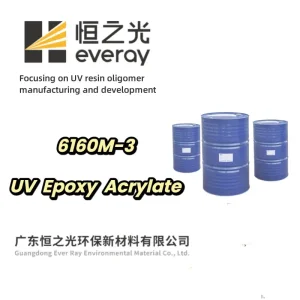
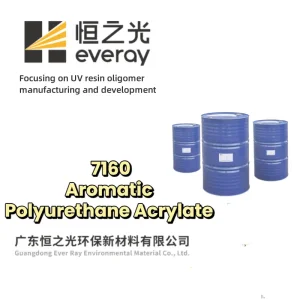
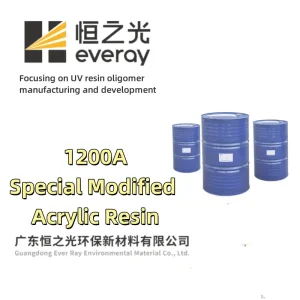
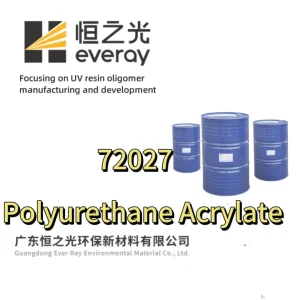
Premium Polyurethane, Polyester & Epoxy Acrylates for Specialized Formulations
 Ever Ray