High-performance reactive resins designed for outstanding adhesion, moisture resistance, and mechanical properties.
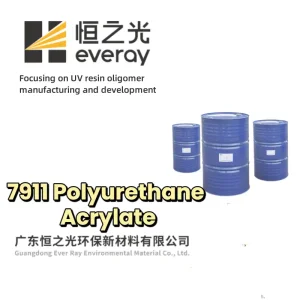
In high-demand industrial packaging, consumer electronics, and automotive applications, standard ultraviolet (UV) curable coatings often suffer from rapid degradation when exposed to boiling water or high-humidity sterilization cycles. This structural failure typically presents as adhesion loss, micro-cracking, blistering, or surface cloudiness. Achieving true "boil water resistance" requires specialized structural engineering at the macromolecular level.
Under hydrothermal stress, water molecules act as plasticizers, penetrating the cured network and disrupting hydrogen bonds between the polymer chains. If the coating is formulated with ester linkages that are susceptible to hydrolysis, the chemical integrity of the film collapses. To prevent this, leading chemical manufacturers develop high-performance UV-curable oligomers—specifically designed aliphatic polyurethane acrylates and modified polyester acrylates. These resins exhibit superior hydrophobic properties, low volume shrinkage upon curing, and a high density of crosslinking that effectively bars the migration of water molecules.
Guangdong Ever Ray Environmental Material Co., Ltd. — Your Trusted R&D and Manufacturing Partner
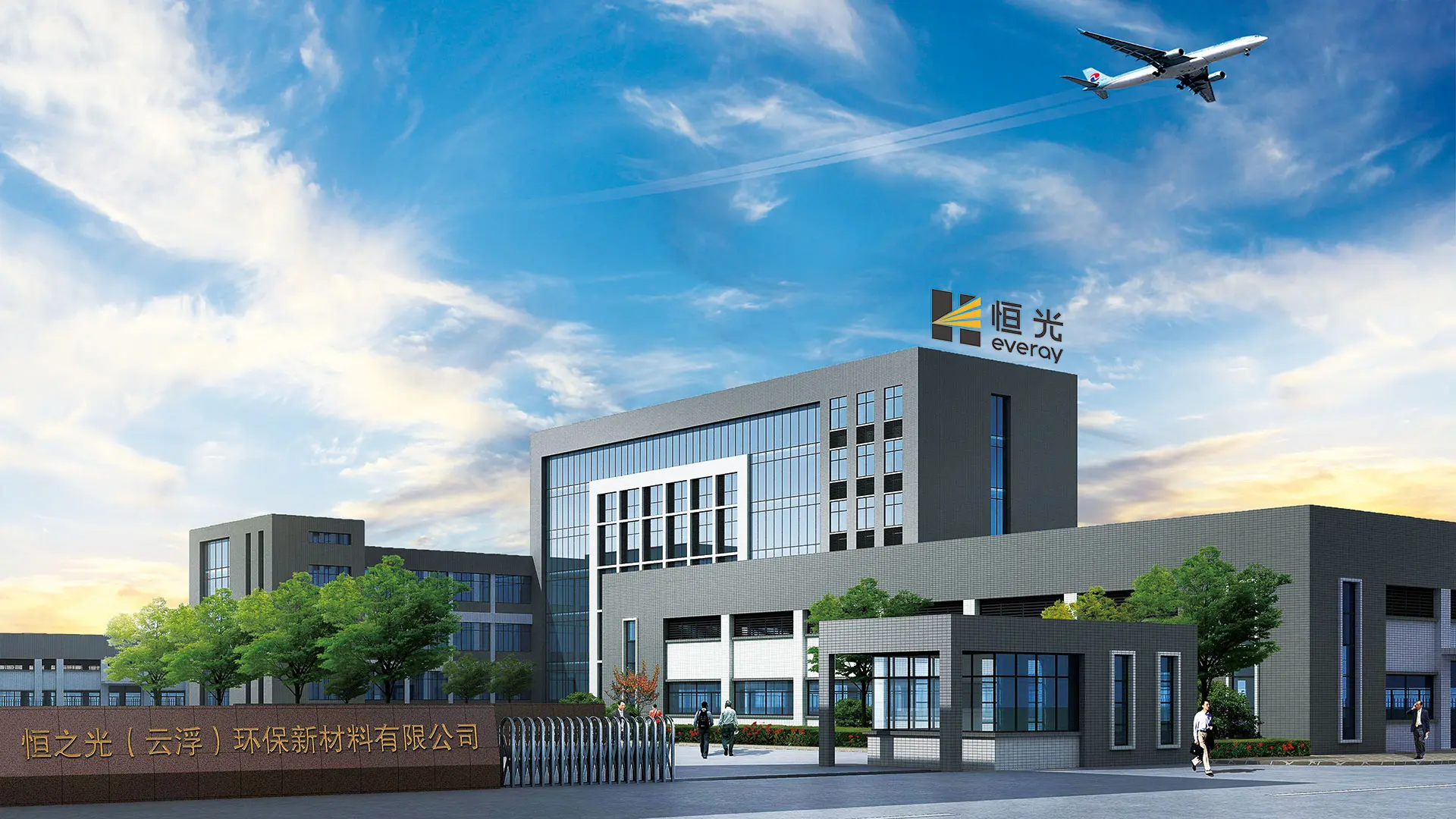
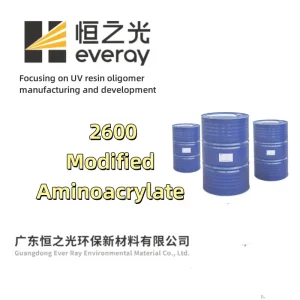
Guangdong Ever Ray Environmental Material Co., Ltd. established in 2006, is a high-tech enterprise focusing on the R&D and manufacturing of oligomers for UV curable resin such as epoxy acrylate, polyurethane acrylate (water borne, aliphatic urethane, aromatic urethane), polyester acrylate, pure acrylate, and other special functional modified acrylate oligomers.
We combine advanced polymer chemistry with rigorous quality control parameters to synthesize resins that solve real-world coating issues, especially under thermal and moisture stresses. Over nearly two decades, we have continuously optimized our formulations to achieve the perfect balance of cure rate, mechanical toughness, and hydrolytic stability.
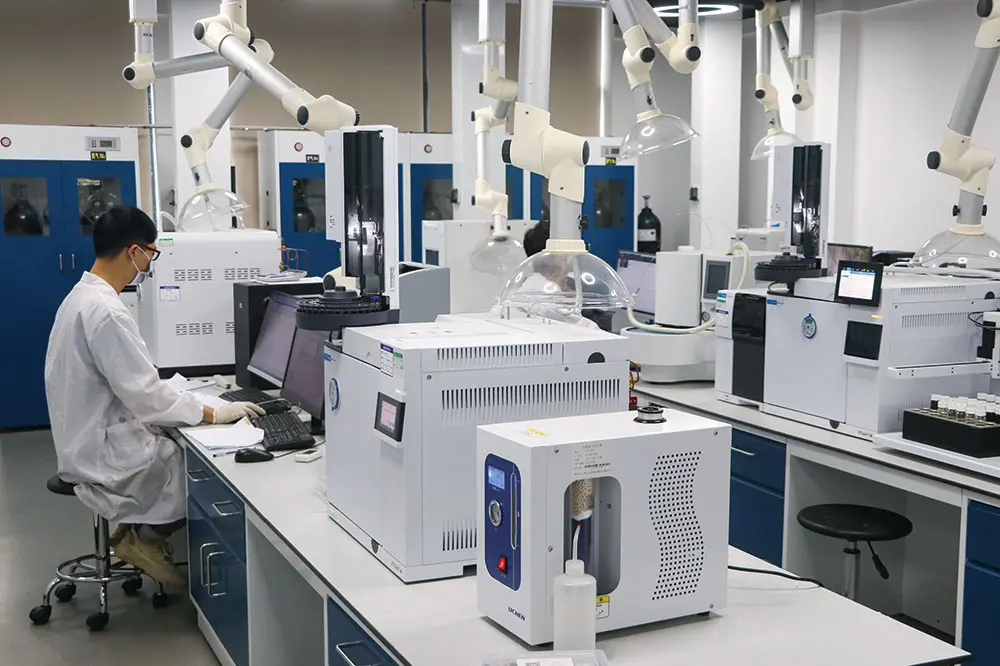
We have two production bases, one is in Jiangmen, Guangdong, production area is about 10,000 square meters, while the other is in Yunfu, Guangdong which production area is around 40,000 square meters, complete with quality control, storage and logistics supporting facilities. The annual production capacity is more than 20,000 tons with more than 10 production lines. To ensure quality control, the factory operates under the ISO9001 quality management system and ISO14001 environmental management system together with a flexible and advanced DCS fully computerized control system. Moreover, we select high-quality domestic and foreign raw materials, adopt advanced scientific management methods, and hire domestic UV material experts for guidance to ensure production safety and product quality stability.
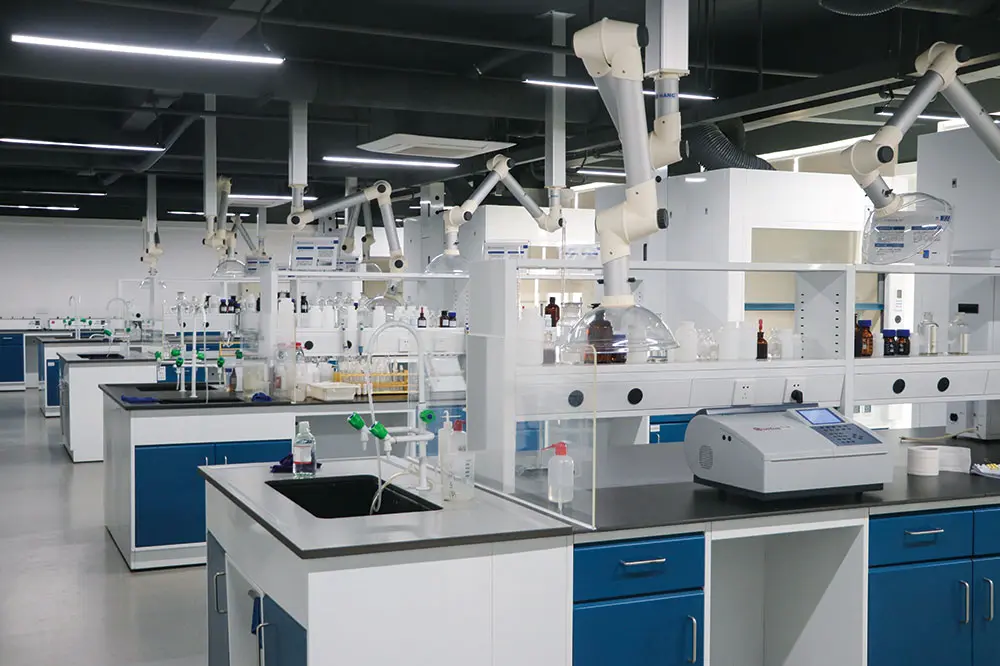
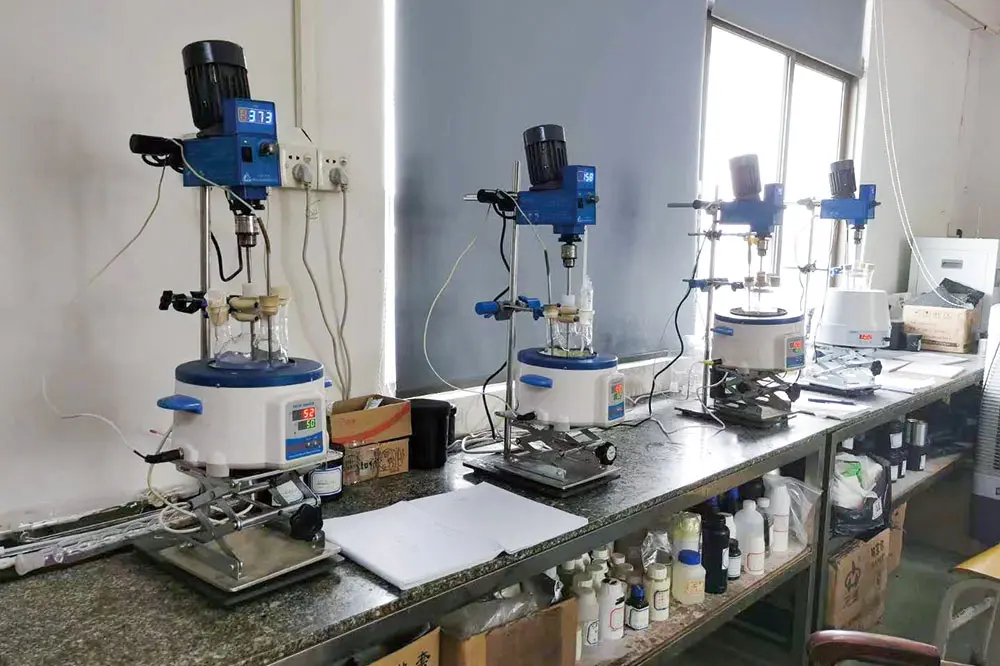
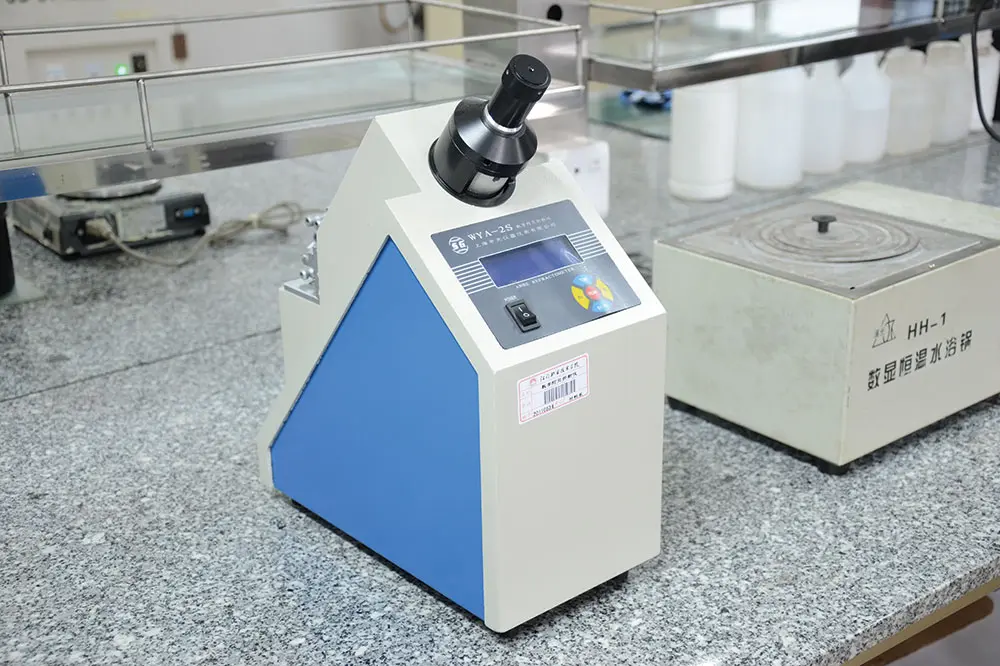
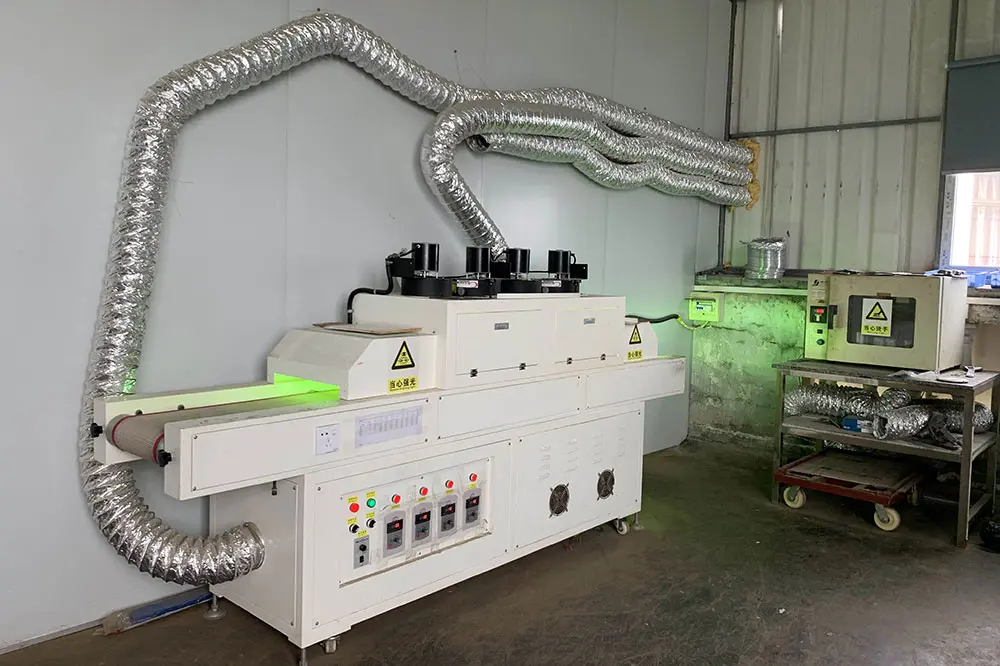
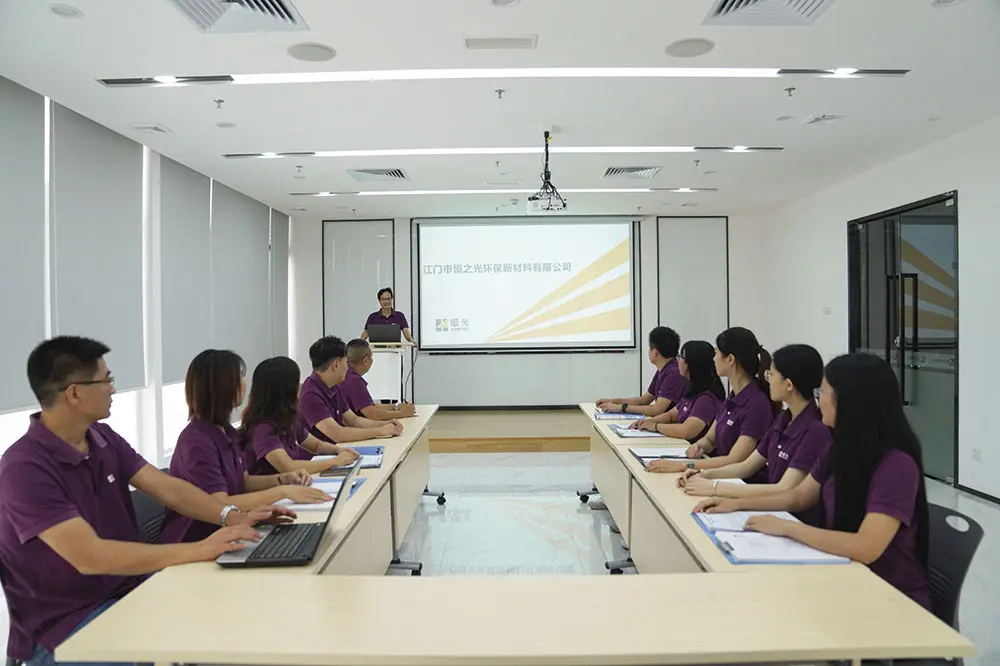
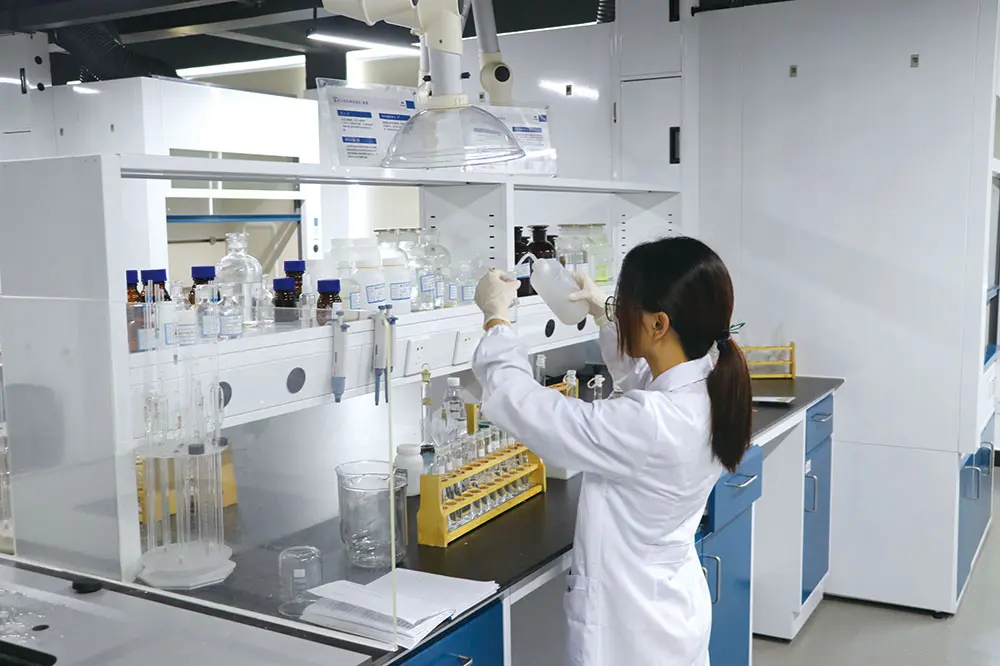
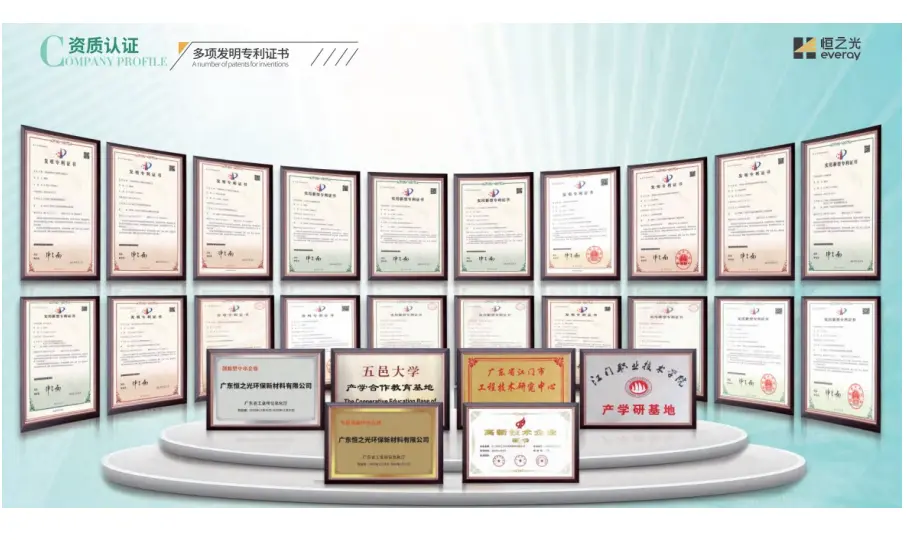
We have more than 10 invention patents and practical patents, with more than 15 technicians in our R&D department. We are providing high reactivity, chemical resistance, and high gloss to formulations for a wide variety of applications, including wood coatings, plastic, inks, adhesives, etc. We are supplying different formulations for customers to meet their requests not only from the product's functional capability but also from the cost-saving aspect. We are focusing on technology and environmental protection coexisting in harmony, firmly taking science and technology as our driving force in our future development, and continuing to pursue excellence and keep a sustainable green living environment in our daily life.
Key evolutionary vectors shaping the global landscape of boil water resistant UV resins.
Modern developers are shifting away from traditional ester links toward ether, polycarbonate, and urethane configurations. These structures provide natural defense mechanisms against water-induced degradation, maintaining adhesion profiles even during 4-hour boiling tests.
For complex three-dimensional components, complex geometry shades can limit direct UV exposure. Implementing dual-curing mechanics guarantees complete crosslinking in shadow areas, preventing moisture ingress at weak molecular points.
Under international environmental guidance, formulations are progressing toward waterborne UV and 100% solid systems. By replacing volatile monomers, manufacturers retain structural integrity without introducing solvent entrapment risks.
Choosing the correct oligomer matrix determines the target surface resistance. Below is an engineering comparison illustrating polymer behavior under thermal shock and boiling water conditions:
| Parameters | Standard Epoxy / Polyester Acrylates | Ever Ray Boil Water Resistant Polyurethane Acrylates | Target Applications |
|---|---|---|---|
| Hydrolytic Stability | Poor; ester bonds undergo rapid hydrolysis. | Excellent; polyurethane and specialized backbone structures. | Autoclave medical tools, beverage tins, outdoor trim. |
| Boil Test Adhesion (ASTM D3359) | Drops from 5B to 1B after 30-min boil. | Maintains 5B/4B rating after 2-hour boil. | Cosmetic packaging, glassware coatings, high-moisture labels. |
| Volume Curing Shrinkage | High (6% - 10%); causes internal stress. | Low (1.5% - 4%); minimizes micro-void formation. | Polycarbonate, PMMA, and metallic substrates. |
| Tg (Glass Transition Temp) | Variable; tends to drop significantly when wet. | High (90°C - 120°C); preserves film hardness under steam. | Kitchen surfaces, automotive consoles, electronics cases. |
B2B importers, chemical formulators, and processing factories evaluate raw materials based on application feasibility and structural stability. When purchasing boil water resistant resins, procurement departments prioritize these factors:
With our production footprint in Yunfu and Jiangmen, we secure raw material availability and provide scalable volume capabilities. A computerized DCS infrastructure keeps batch-to-batch variations below 2%, delivering reliable stability across bulk deliveries. For global paint factories, this represents a reliable chemical supply chain free from unexpected production disruptions.
Different industrial niches require tailored responses to humidity and high-temperature stress. Our application engineering team designs specific system solutions to address these specialized challenges:
Premium glass containers face demanding pasteurization and packaging sterilization processes. Our UV resins form a robust, high-gloss barrier that prevents water penetration, keeping decorative surface prints and metallic finishes flawless.
External components undergo severe environmental shifts, including direct sunlight and heavy rain. Using aliphatic polyurethane oligomers prevents weather-induced yellowing and maintains finish flexibility through thermal cycles.
Devices like smartwatches require sweat-resistant, non-allergenic coatings. Ever Ray's low-migration UV formulations combine safe skin-contact compliance with high resistance to chemical and moisture damage.
Expanding globally requires adhering to strict regulatory frameworks. Guangdong Ever Ray Environmental Material Co., Ltd. is committed to helping customers achieve chemical compliance in their local markets:
Professional formulation solutions and chemical troubleshooting from Ever Ray specialists.
Explore our diverse chemical portfolio, including excimer-compatible resins, dual-cure oligomers, and hardcoats.
 Ever Ray