High-performance formulations featuring fast curing, low shrinkage, chemical resistance, and high-gloss properties developed by our R&D center.
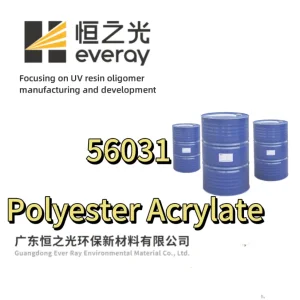
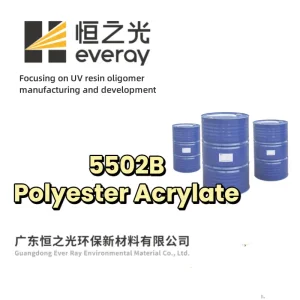
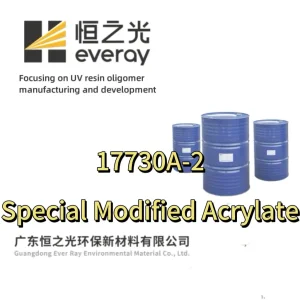
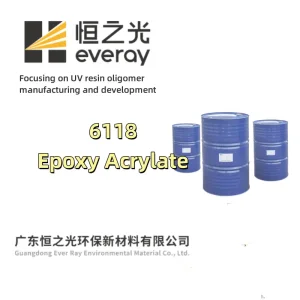
The global industrial polymer market is undergoing a structural paradigm shift. Traditional solvent-borne systems are rapidly giving way to radiation-cured systems, catalyzed by stringent VOC limits worldwide and the corporate push towards carbon neutrality. Specifically, the craft UV resin and commercial photopolymer markets are expanding at unprecedented rates.
Once relegated to localized DIY applications, the formulation of craft UV resin now demands complex industrial-grade chemical control. As consumer demand for non-yellowing, safe-handling, fast-curing craft resins surges, manufacturers are under immense pressure to source high-grade epoxy acrylates, polyurethane acrylates, and polyester oligomers directly from primary chemical synthesizers.
"By moving away from volatile organic compounds, modern UV-curable technology reduces emissions while providing instantaneous cure-on-demand processing. This is a game-changer for consumer electronics packaging, custom woodworking, high-precision crafts, and printed laminates."
Additionally, the rapid market uptake of LED-UV curing systems operating at wavelengths of 365nm to 405nm requires specialized photosensitization profiles. Manufacturers are responding by engineering photo-initiator packages and oligomer backbones that achieve deep curing penetration without generating high exothermic reaction temperatures.
Decoupling key performance indicators (KPIs) in B2B chemical procurement for UV-curing oligomers and craft resins.
B2B procurers prioritize strict viscosity control. High-speed automatic filling lines for retail craft UV resin require consistency from batch to batch. Whether utilizing low-viscosity diluents or high-solid polyester acrylates, stable viscosity ensures zero nozzle clogging, uniform film thickness, and consistent self-leveling behavior.
Yellowing is the single greatest failure point of standard epoxy oligomers. Sourcing departments seek specialized aliphatic polyurethane acrylates (PUA) and advanced additive formulations that maintain optical clarity (low Gardner Index) even after extensive ultraviolet exposure, simulating outdoor weathering.
During photopolymerization, rapid crosslinking generates heat. High heat release can melt plastic molds, release irritating fumes, and cause dimensional warp. Sourcing agents choose lower-reactivity oligomers or customized hybrid polymers to achieve safe, low-heat curing profile curves.
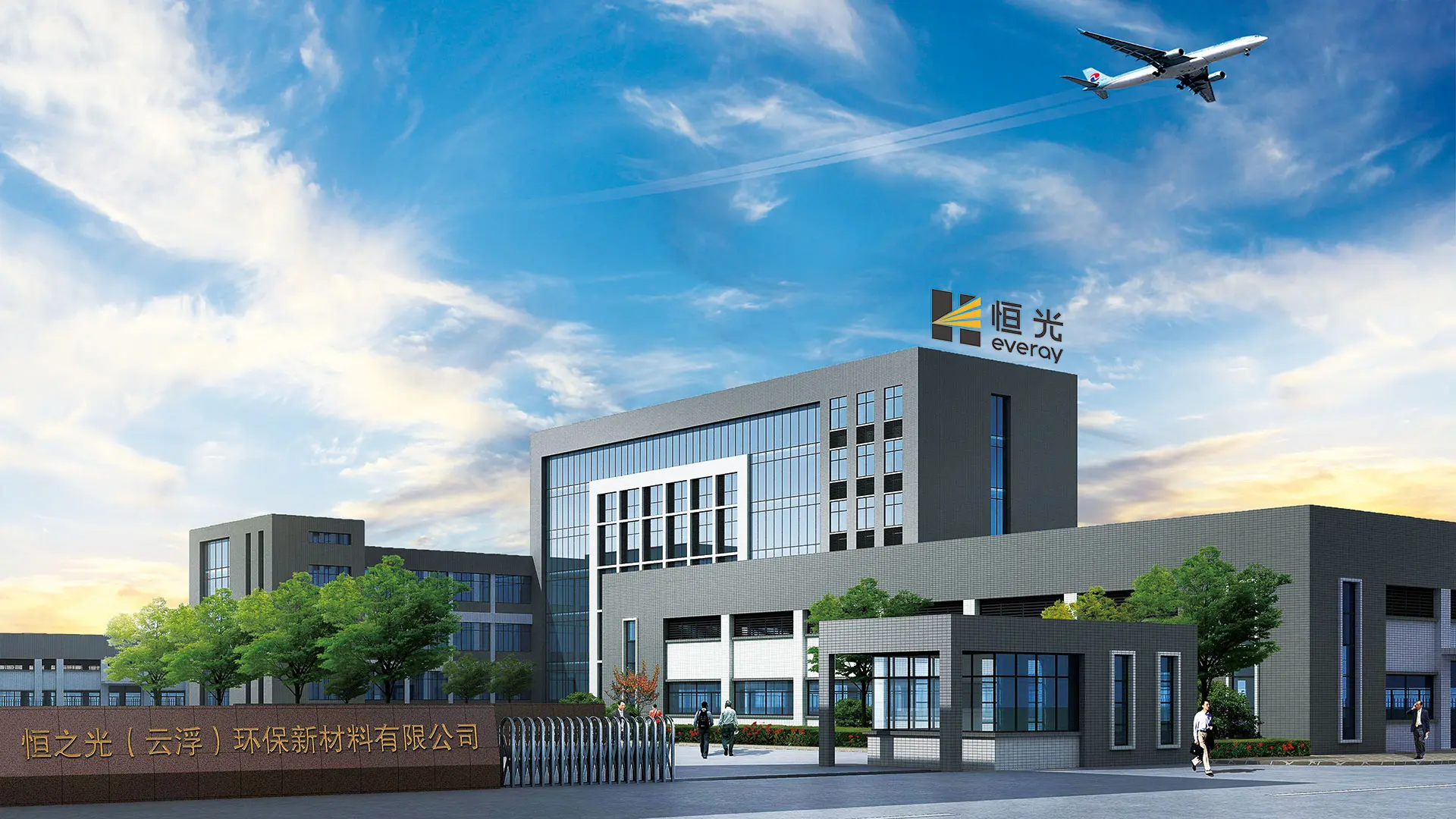
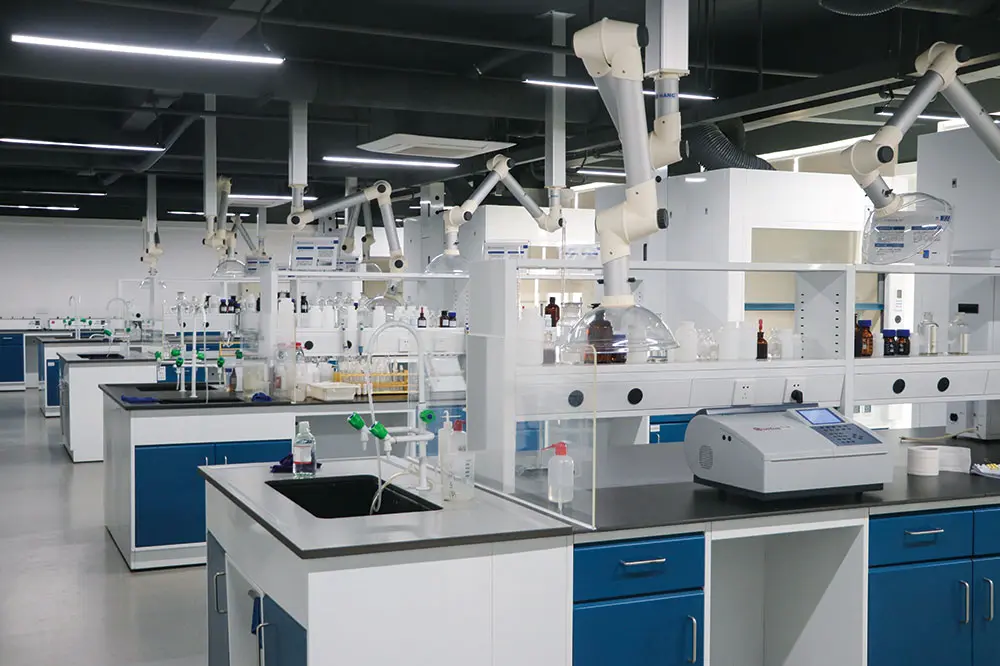
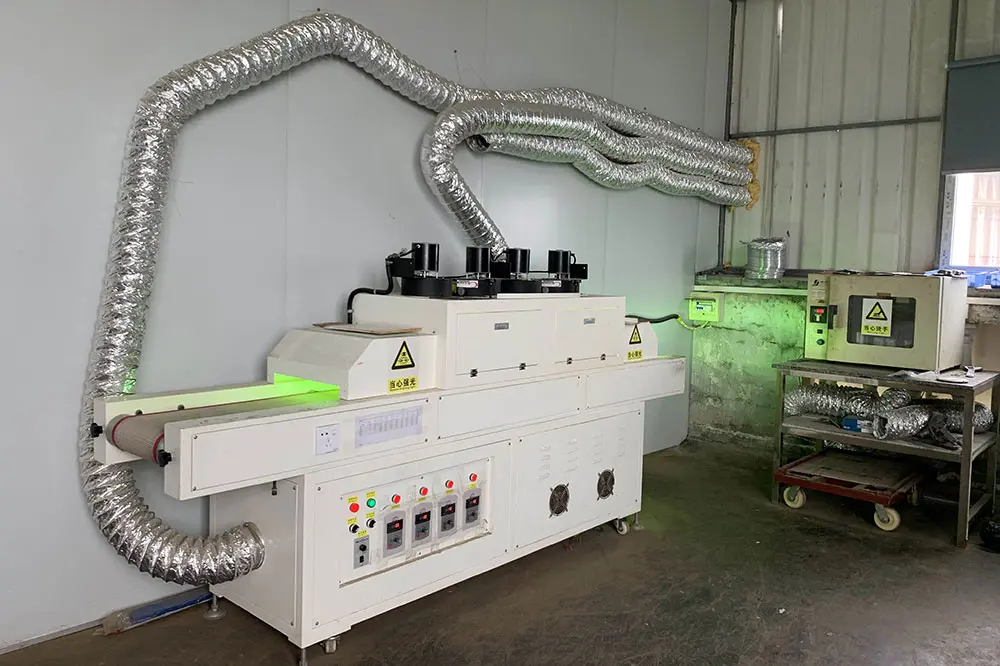
Guangdong Ever Ray Environmental Material Co., Ltd. has developed two world-class manufacturing bases to address global capacity concerns. Our Jiangmen plant covers 10,000 square meters, whereas our flagship Yunfu facility spans 40,000 square meters. Integrating ISO9001 and ISO14001 certification frameworks, our factories leverage high-performance DCS fully computerized control configurations to deliver unmatched batch consistency.
In the chemical sector, supply chain continuity is vital. Guangdong Ever Ray’s deployment of advanced automation minimizes manual loading errors, maximizing chemical synthesis stability. By employing high-grade local raw materials integrated with selective imports, we shield our clients from localized raw material price surges.
Our infrastructure supports 10+ high-volume synthesis reactor lines. With an annual capacity exceeding 20,000 tons of oligomers, we cater to bulk industrial suppliers, private-label distributors, and large-scale manufacturing operations across Europe, North America, and Southeast Asia.
Exploring structural differences between oligomer families and their downstream application characteristics.
Craft UV resins require a balance between high optical transparency, low surface tackiness, and rapid polymerization under consumer UV flashlights (typically 395nm-405nm). To achieve this, chemists combine multiple oligomer bases:
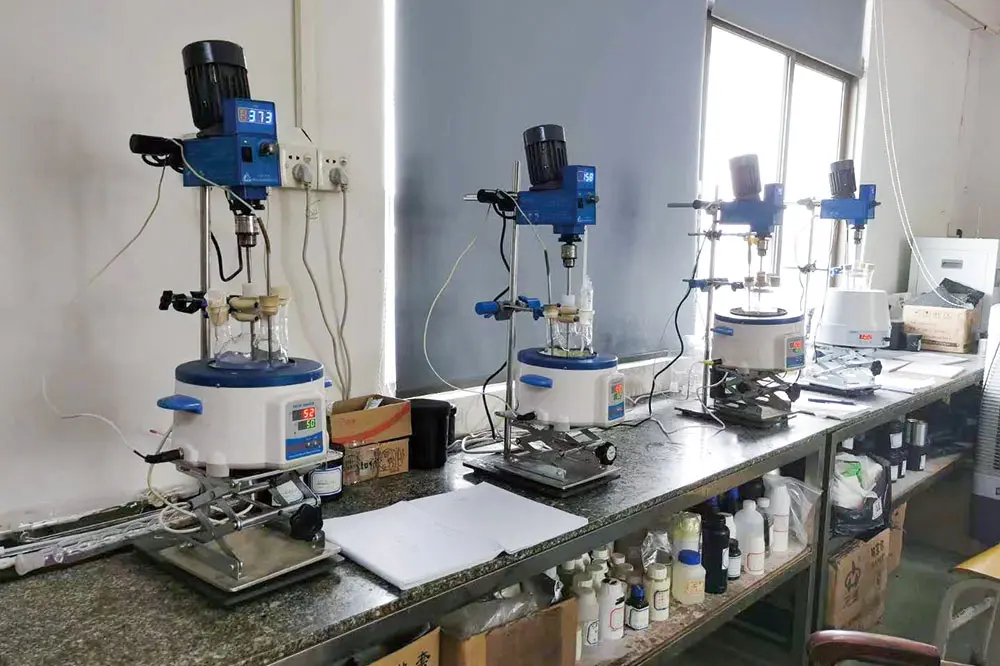
Our formulation engineering team customizes cure times, glass transition temperatures (Tg), volumetric shrinkage, and shore hardness indices. This scientific rigor yields craft resins that behave consistently under variable environmental conditions.
• Shrinkage rate: Controlled to < 2.5% to avoid internal stress warping.
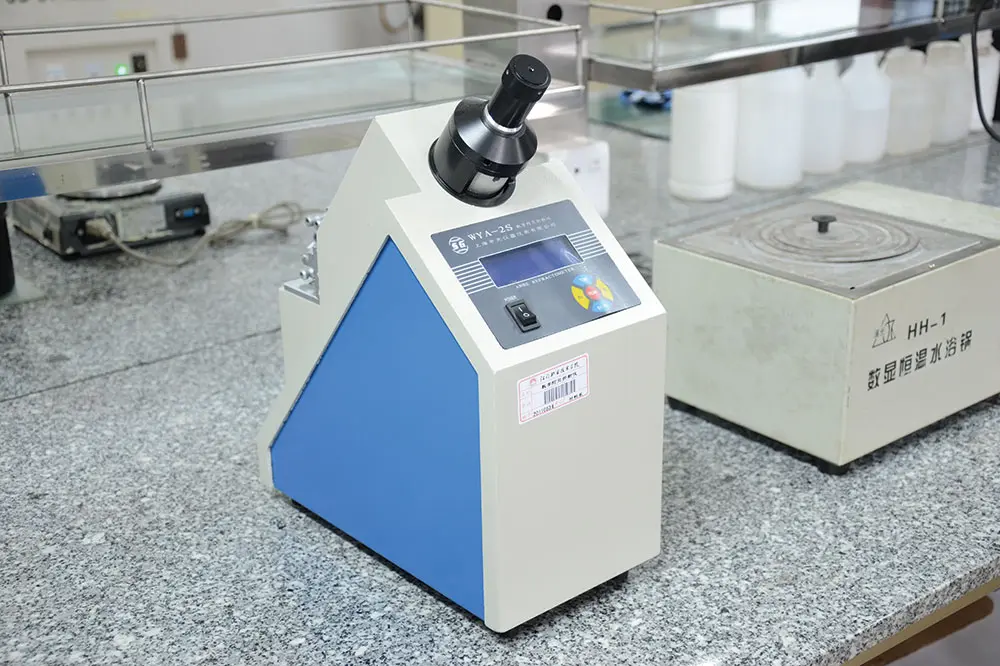
• Refractive Index: Maintained at 1.48 to 1.52 for gemstone-like clarity.
• Skin Irritation Index (PII): Minimized to ensure consumer safety.
• Cure Exotherm: Regulated to prevent bubbling and off-gassing.
From heavy industry coating lines to small-scale artisan workshops, our UV resin solutions span across diverse sectors.
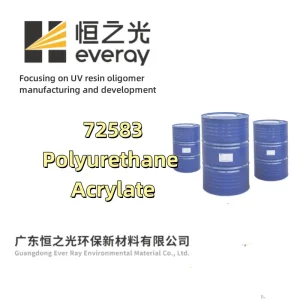
Protecting consumer electronics demands excellent scratch resistance. Our modified epoxy acrylates and polyurethane acrylates (e.g., 72583) provide durable, fingerprint-resistant finishes on mobile shells, laptops, and smart appliances.
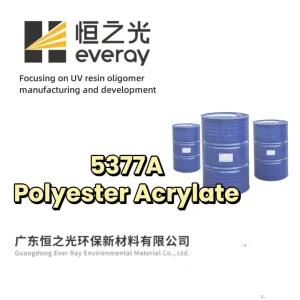
Flexo, gravure, and offset printing lines demand rapid cure speeds. Our low-viscosity polyester acrylates (e.g., 5336B, 5377A) offer strong pigment wetting and chemical stability, enabling crisp, smudge-free printing at production line rates.
Artisans and manufacturers of jewelry, keychains, and custom tabletops need thick-pour capability and high gloss. Our specialized craft UV resin formulas resist bubbles and maintain clarity without shrinkage-induced edge curling.
Guangdong Ever Ray Environmental Material Co., Ltd., established in 2006, is a high-tech enterprise focusing on the R&D and manufacturing of oligomers for UV curable resin. Our extensive chemical portfolio includes epoxy acrylate, polyurethane acrylate (waterborne, aliphatic urethane, aromatic urethane), polyester acrylate, pure acrylate, and other special functional modified acrylate oligomers.
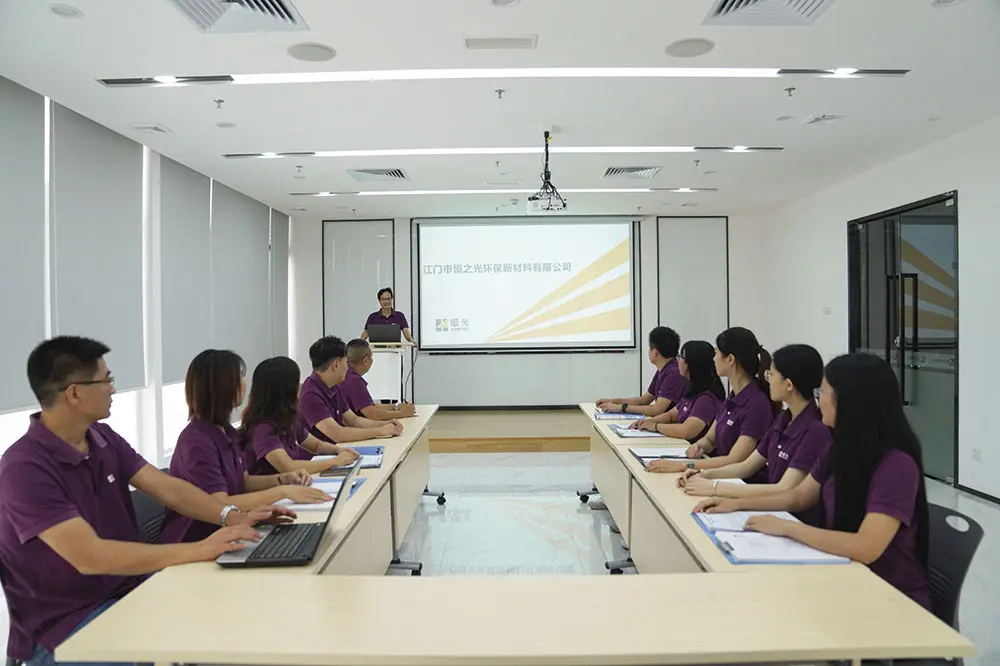
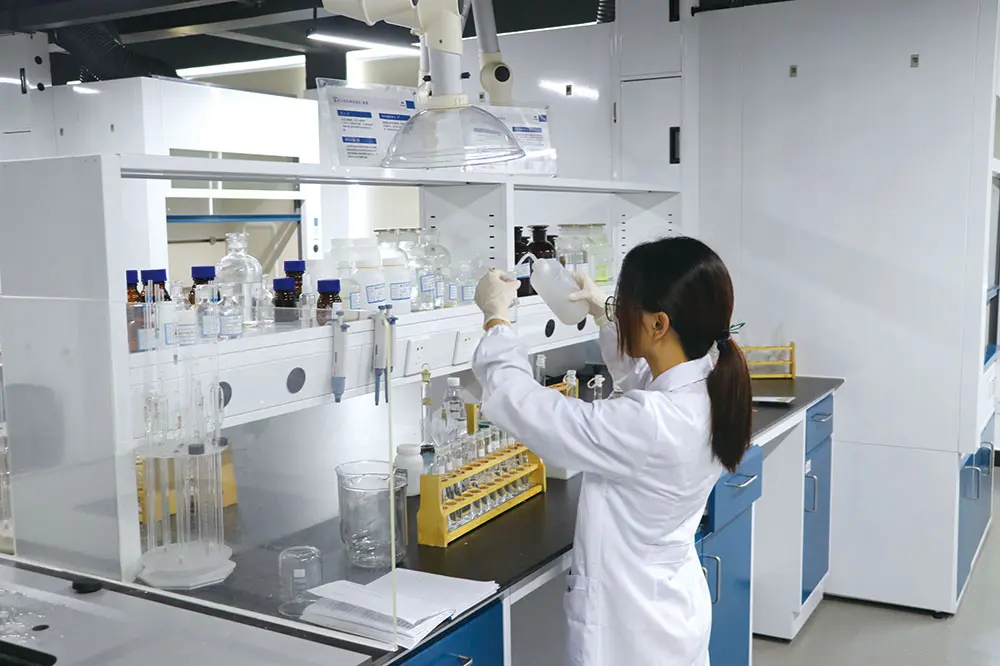
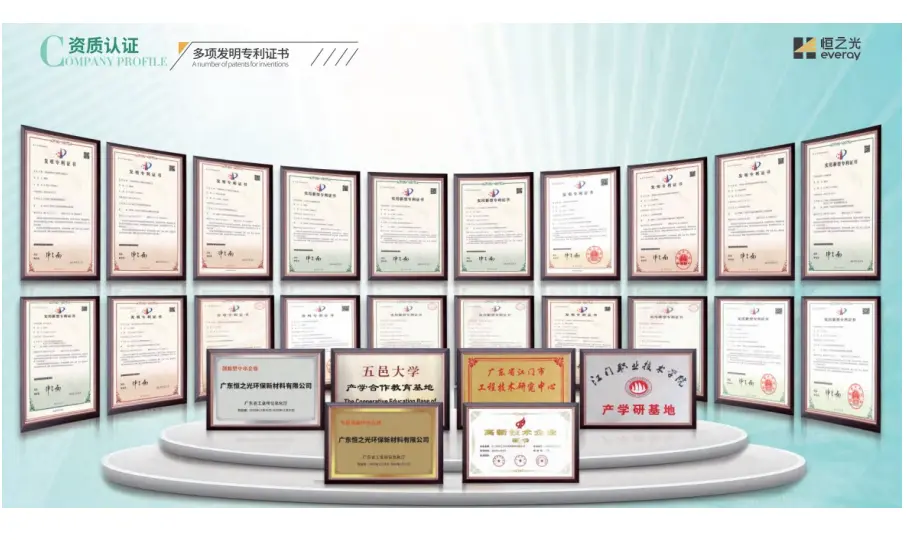
With more than 10 inventions patents and practical patents, and a dedicated team of over 15 technicians in our R&D department, we specialize in delivering high reactivity, chemical resistance, and high gloss formulations for diverse applications including wood coatings, plastics, inks, and adhesives.
We work closely with customers to develop custom formulations that meet specific performance criteria while keeping material costs low. At Ever Ray, we focus on the harmony between technology and environmental protection, driving sustainable developments in green chemistry.
Technical reference guide for procurement officers and formulation scientists.
Aliphatic polyurethane acrylates (such as those used in high-end coatings) feature linear or cyclic hydrocarbon structures that do not absorb UV light. This makes them highly resistant to yellowing, ideal for exterior coatings and craft resins. Aromatic polyurethane acrylates contain benzene rings, which cure faster and offer cost advantages, but tend to yellow under UV exposure over time.
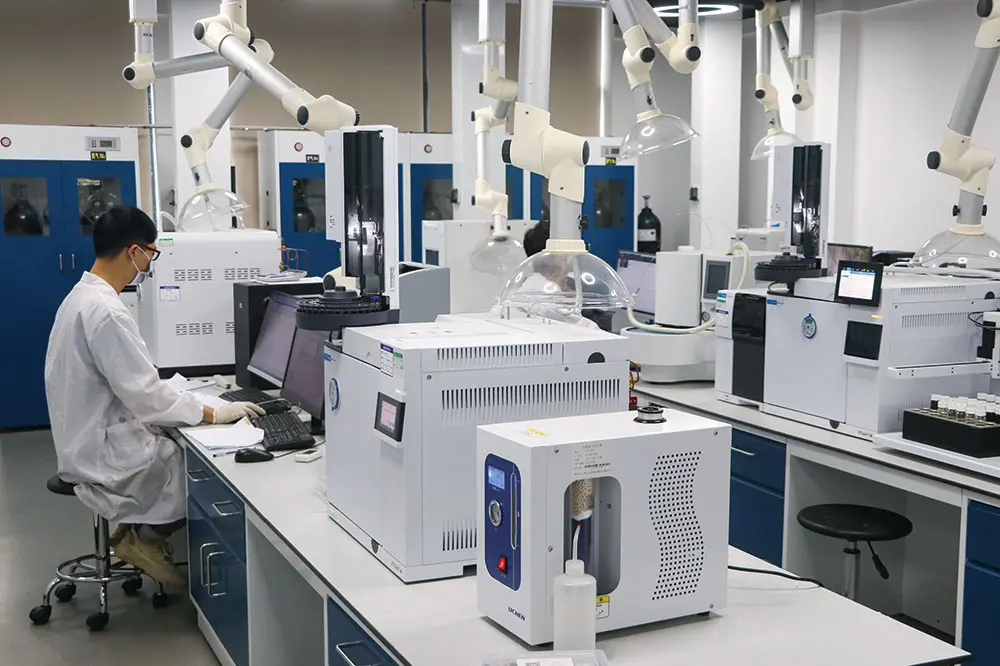
All synthesis processes are monitored via our DCS fully computerized system. Our R&D technicians measure and record viscosity indices for every batch using digital Brookfield viscometers, maintaining a strict tolerance of ±5% of the target specification.
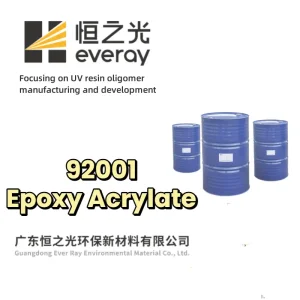
Yes, many of our oligomers, including Epoxy Acrylate 92001 and Polyester Acrylate 5501, are modified to optimize absorption bands for LED-UV sources operating at 385nm to 405nm, ensuring efficient curing with minimal energy consumption.
By implementing advanced thin-film molecular evaporation and vacuum stripping processes during manufacture. This removes residual unreacted monomers, solvent impurities, and odorous volatile byproducts, creating a resin suitable for consumer crafts and indoor applications.
Our R&D department, consisting of 15+ technicians with over 10 invention patents, routinely collaborates with global clients to develop custom oligomer structures, tailoring parameters like reactivity, hardness, flexibility, and cost structure.
Discover our specialized range of polyester acrylates, adhesion promoters, and functional oligomers designed for demanding chemical environments.
 Ever Ray