The global manufacturing ecosystem is witnessing an unprecedented paradigm shift towards high-efficiency, environmentally compliant raw materials. Epoxy acrylates and UV-curable oligomers have emerged as the cornerstone of high-speed industrial processing, where instantaneous polymerization, VOC elimination, and exceptional durability are mandatory. Enterprise buyers look past simple cost-per-kilogram parameters to focus heavily on chemical uniformity, reactivity kinetics, and raw material purity.
From micro-electronics encapsulation to automotive coatings and heavy-duty structural packaging, purchasing agents must source materials that offer dual-benefit profiles: excellent mechanical properties combined with minimal shrinkage. Variations in batch-to-batch polymer density or trace impurities in standard resins can cause micro-cracks in coatings, structural delamination, or print failure in high-speed offset printing presses, resulting in significant operational downtime.
Integrating a direct manufacturer ensures consistent control over molecular weight distribution and monomer conversion rates. As factories globally face strict decarbonization mandates, acquiring UV-curable chemistries that cure under low-energy LED light sources has become a primary target. Direct factory partners like Guangdong Ever Ray offer specialized technical consultations to match oligomer formulations with specific photoinitiator packages and target light wavelengths, facilitating rapid qualification cycles for global supply chains.
Traditional acrylates experience severe volume contraction during free-radical polymerization. Our modified epoxy acrylates utilize sterically hindered monomer designs that absorb curing stresses, resulting in minimal shrink ratios, making them ideal for delicate optical bonds and glass-substrate laminates.
By customizing our prepolymers' functionality, we calibrate the double-bond concentration to achieve exceptional chemical resistance. This produces hard, cross-linked barriers that resist harsh industrial solvents, high-temperature exposures, and abrasive wear.
Our advanced reactive dilution methodologies enable high solid contents with exceptionally low operating viscosities. This delivers superior leveling properties, making coatings easy to spray, roll, or print without requiring VOC-intensive organic solvents.
Established in 2006, Guangdong Ever Ray Environmental Material Co., Ltd. is a high-tech enterprise dedicated to the research, development, and high-volume manufacturing of oligomers for UV-curable resins. Our product portfolio includes advanced modified epoxy acrylates, aliphatic/aromatic polyurethane acrylates (including waterborne formulations), polyester acrylates, pure acrylates, and specialty functional monomers designed for demanding industrial operations.
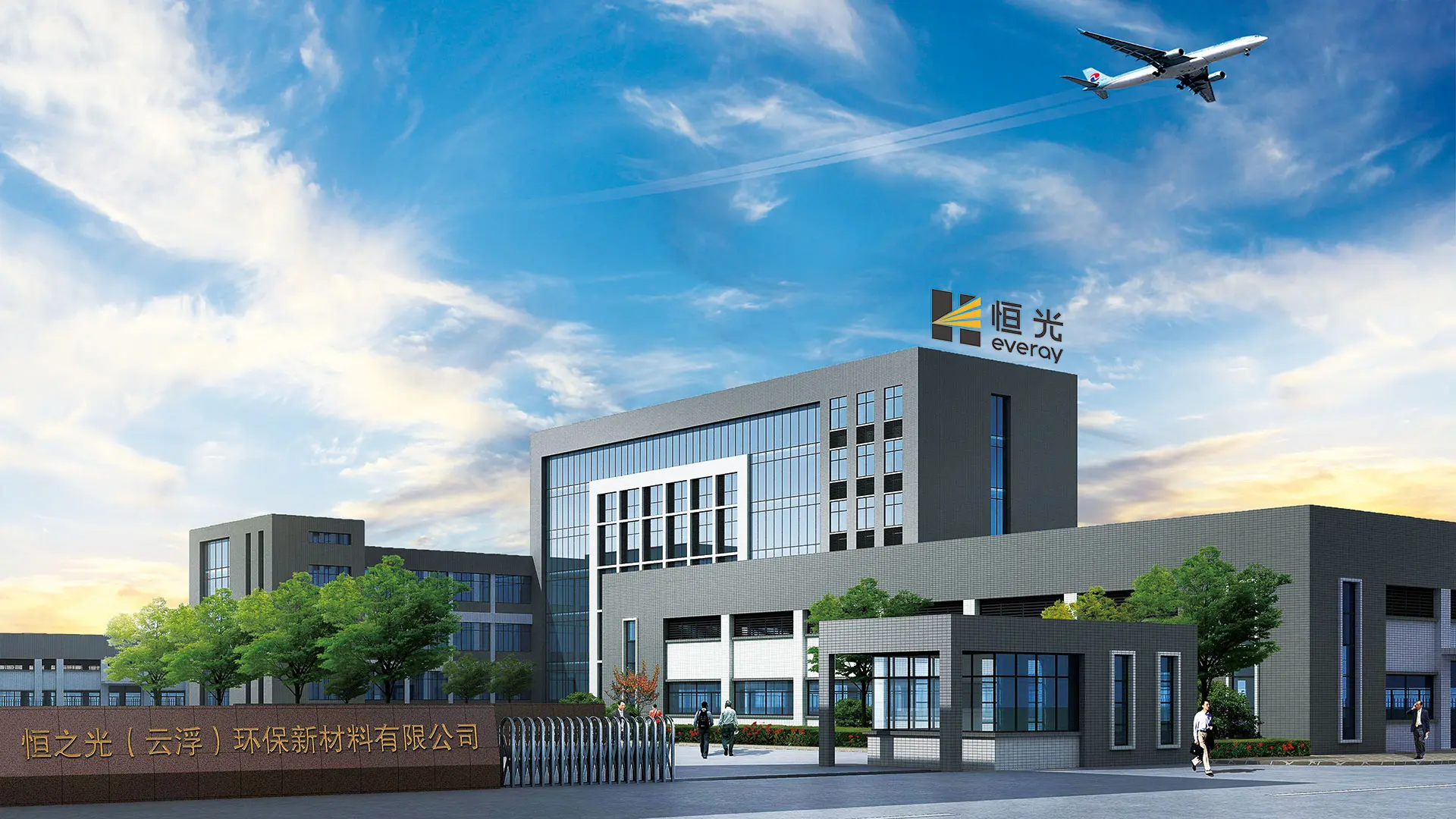
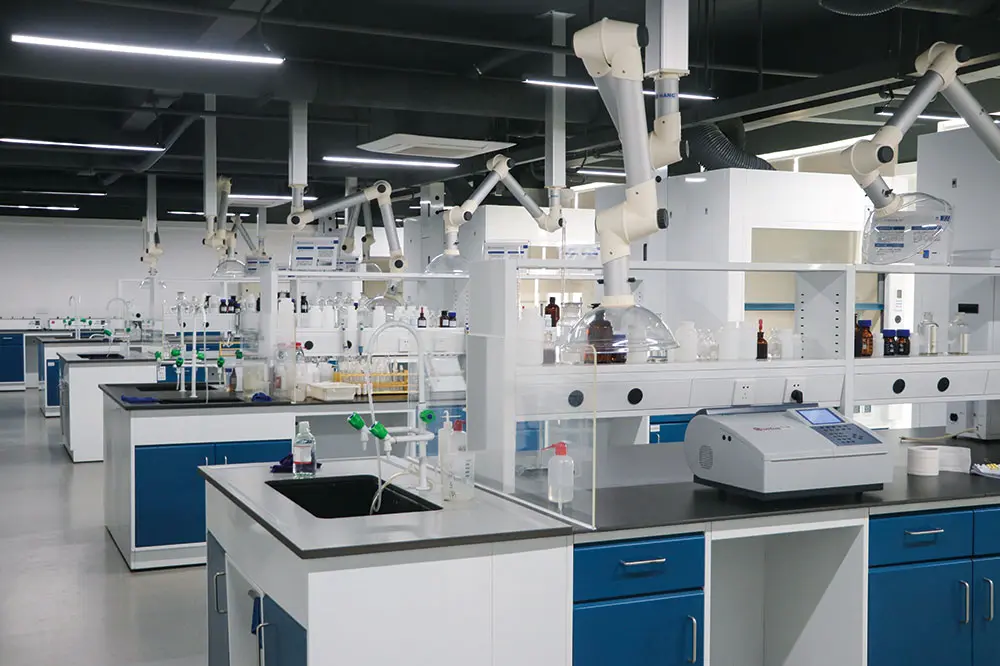
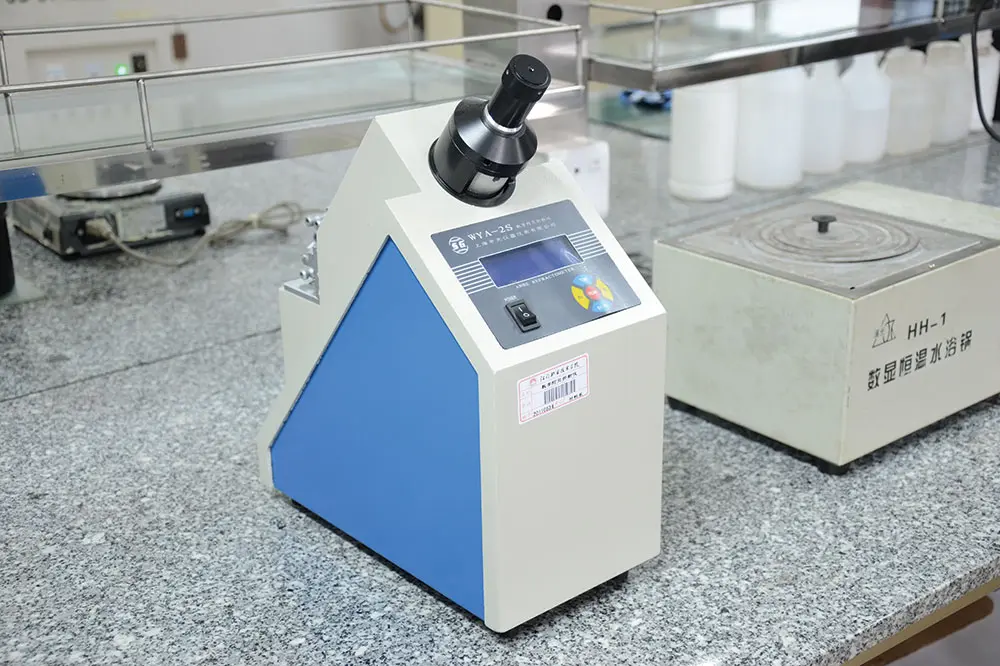
To ensure high production volumes and stable product quality, we operate two manufacturing facilities: our 10,000 square meter plant in Jiangmen, Guangdong, and our flagship 40,000 square meter facility in Yunfu, Guangdong. Equipped with advanced QC laboratories, extensive storage yards, and dedicated chemical logistics infrastructure, our combined annual capacity exceeds 20,000 tons across more than 10 fully automated production lines.
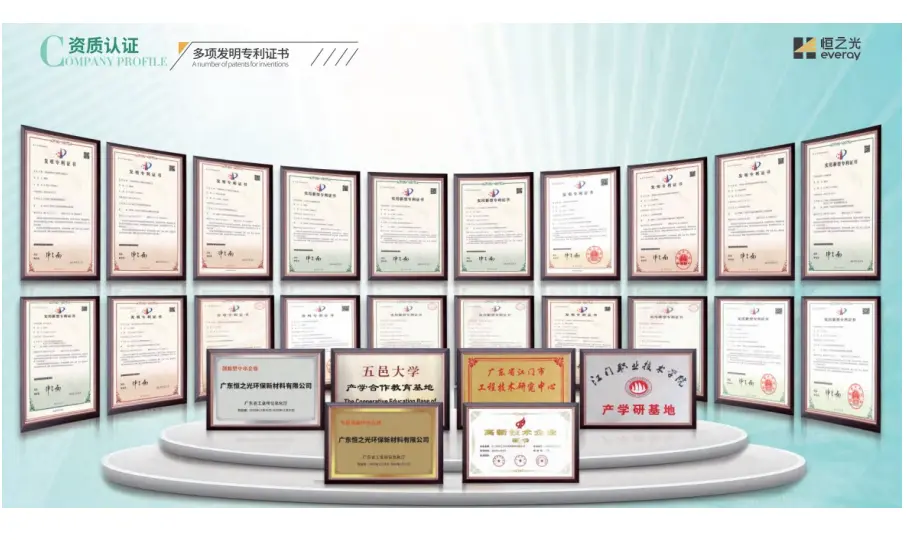
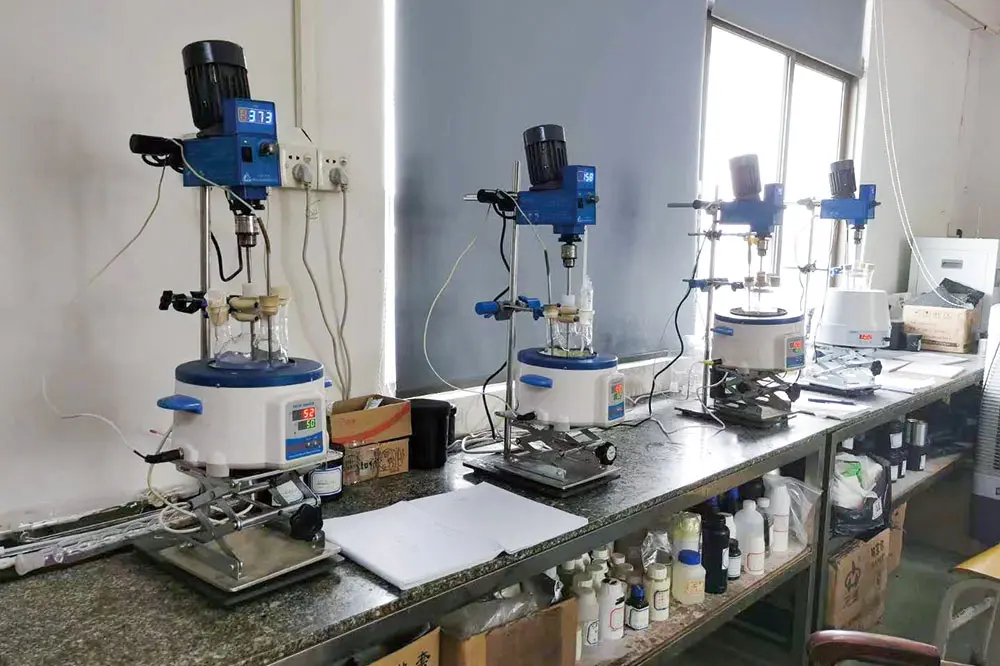
Both manufacturing facilities operate under strict ISO9001 Quality Management and ISO14001 Environmental Management protocols. Our synthesis processes are controlled via dynamic DCS computerized feedback systems, which precisely regulate temperatures, reaction times, and feeding rates. We source premium industrial raw materials, collaborate with domestic UV chemistry experts, and leverage our 15+ in-house technicians to secure stable product quality.
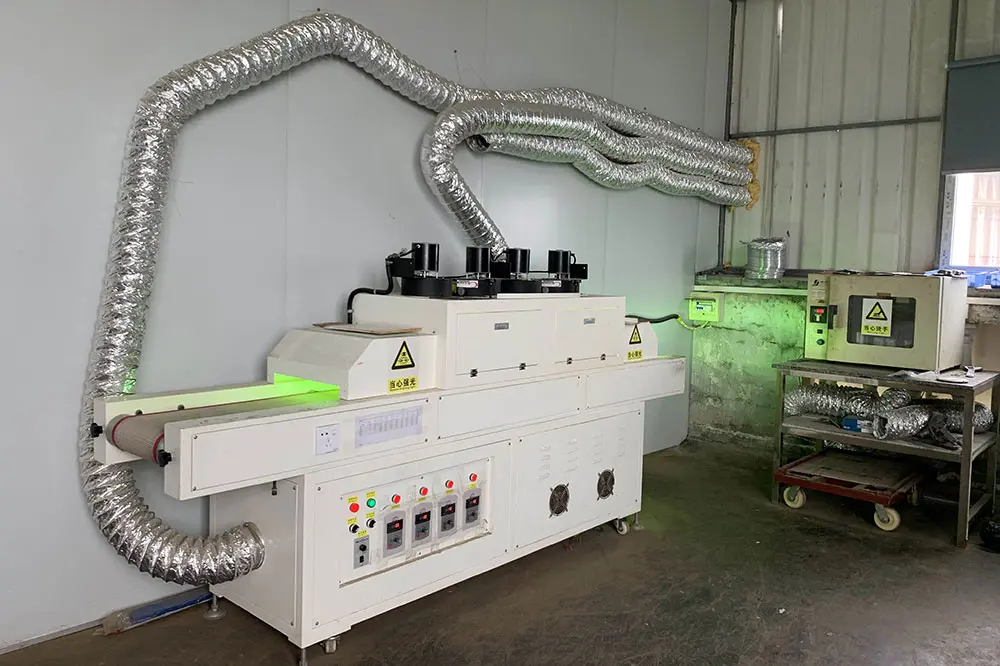
Industrial applications require raw materials customized for specific end-use environments. Traditional coatings fail when subjected to mechanical stresses, chemical cleanings, or temperature extremes. Our specialized UV-curable oligomers and epoxy acrylates address these challenges across various sectors:
Modern automotive interiors and consumer electronics rely on specialized polycarbonate and ABS components. Standard resins suffer from weak adhesion to these non-porous surfaces. Our modified polyacrylates are synthesized with carboxyl and hydroxyl functional groups to enhance interfacial adhesion, maintaining durable bonds without requiring chemical primers or flame treatments.
High-speed press operations running at 500 meters per minute require inks that cure instantly under UV irradiation. Our low-viscosity polyester acrylates, such as the 5335F, provide rapid pigment wetting, stable emulsion rheology, and sharp dot definition, preventing ink misting or smearing during high-speed printing runs.
Wood furniture and industrial flooring require scratch-resistant finishes that preserve the underlying natural grain. Our epoxidized soybean oil acrylates (ESOA) and fast-curing modified epoxy acrylates deliver high cross-linking density, producing tough barriers that resist household chemicals, moisture ingress, and abrasive wear.
Stereolithography (SLA) and Digital Light Processing (DLP) systems require resins with precise cure depths and low volumetric shrinkage. Our high-reactivity monomer blends and specialty oligomers prevent part warping and curing-induced stresses, ensuring high dimensional stability and detail retention for prototypes and functional components.
The global chemical industry is transitioning toward bio-based feedstocks and low-carbon production methods. Our R&D division is focused on substituting fossil-derived intermediates with renewable alternatives. Utilizing plant-based resources like epoxidized soybean oil allows us to manufacture high-efficiency oligomers that lower carbon footprints without compromising performance.
Our developmental roadmap focuses on two core engineering objectives: reducing system odors and optimizing LED-UV cure properties. As LED light sources replace mercury lamps to conserve energy, we modify our oligomer backbone chemistry to enhance light absorption and reactivity in the 365nm to 395nm spectrum. This enables clean curing at lower energy doses and eliminates residual odors, a key requirement for interior coatings and food-grade packaging.
Increasing use of bio-derived precursors in our main epoxy acrylate and polyester lines to assist global buyers in meeting their environmental targets.
Expanding our range of emulsified polyurethane acrylate oligomers to allow formulations using water as a diluent, eliminating organic solvents entirely.
Seeking food-contact regulatory approvals for offset and packaging oligomers to support clean and safe use in food packaging applications.
Entering international markets requires strict compliance with complex chemical safety regulations. Guangdong Ever Ray designs its chemical syntheses to comply with global environmental frameworks, including REACH, TSCA, RoHS, and GHS standards. Our quality control team issues complete Safety Data Sheets (SDS) and technical data reports to streamline customs clearance and ensure safe handling at destination facilities.
We configure our packaging to suit diverse operating scales, offering standardized 200kg drums, 1000kg IBC totes, and bulk tank cars. With direct access to South China's deepwater ports, we ship products worldwide with short lead times. We also provide dedicated post-sale technical support, sending experienced chemical engineers to assist clients with formulation adjustments, viscosity tuning, and curing setup optimizations directly at their facilities.
 Ever Ray