Premium grade UV monomers and oligomers direct from our ISO 9001 and ISO 14001 certified production bases.
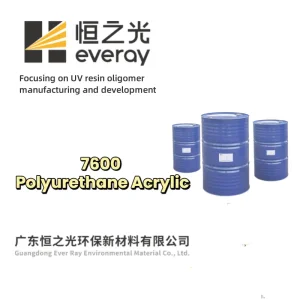
A technical overview of polymer structures, crosslinking kinetics, and performance dynamics in advanced surface coatings.
Modern industrial coatings demand an uncompromising balance of chemical durability, cure speed, and substrate adhesion. Standard epoxy resins have long been favored for their robustness, yet their high brittleness and slow cure profiles limit their application in fast-paced production environments. By synthetically modifying the molecular backbone of epoxy resins with acrylate functionalities, chemistry engineers create a hybrid class of oligomers that crosslink instantaneously via free-radical polymerization under UV light while maintaining the superior mechanical properties of the epoxy core.
"Epoxy modification allows formulators to customize crosslink density, surface tension, and molecular weight distribution. This results in coatings that possess excellent adhesion to difficult substrates, high flexibility, and outstanding chemical resistance without emitting VOCs."
Whether you require high-gloss finishes for automotive parts, chemical-resistant varnishes for flexible packaging, or flexible, low-yellowing formulations for electronics, buying epoxy-modified products from a certified manufacturer ensures your formulations meet modern performance benchmarks. Let's delve into the core technical benefits of epoxy modified systems:
Addressing the strict processing challenges of global manufacturing sectors through specialized chemical synthesis.
Plastics like polycarbonate (PC) and ABS pose major adhesion challenges due to low surface energy. Utilizing specialized products like 7162 Aromatic PA UV-resin or 7230E Polyurethane Acrylate provides superior surface wetting, excellent vacuum plating compatibility, and long-term durability for consumer electronics and automotive interiors.
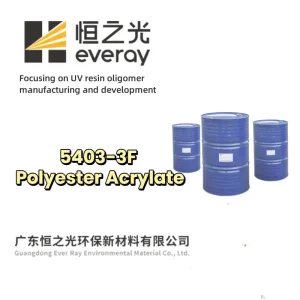
For flexographic and screen printing inks, the balance between speed, ink flow, and water-ink stability is critical. Incorporating Polyester Acrylate 5377A or 5403-3F Polyester Acrylate enables crisp resolution, low odor, and stable viscosity under high shear, allowing printers to run operations at maximum speeds without risk of ink misting or curing failures.
Standard wood coatings face issues with shrinking and lack of mechanical flexibility. Products like 6116 Low Viscosity Oligomer and 6102 UV Resin are designed specifically for matte wood finishes, delivering an optimal balance of low shrinkage, excellent leveling, and durability without requiring high amounts of volatile organic solvents.
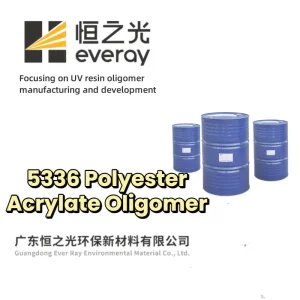
Guangdong Ever Ray Environmental Material Co., Ltd., established in 2006, is a high-tech enterprise focusing on the R&D and manufacturing of oligomers for UV curable resin such as epoxy acrylate, polyurethane acrylate (water-borne, aliphatic urethane, aromatic urethane), polyester acrylate, pure acrylate, and other special functional modified acrylate oligomers.
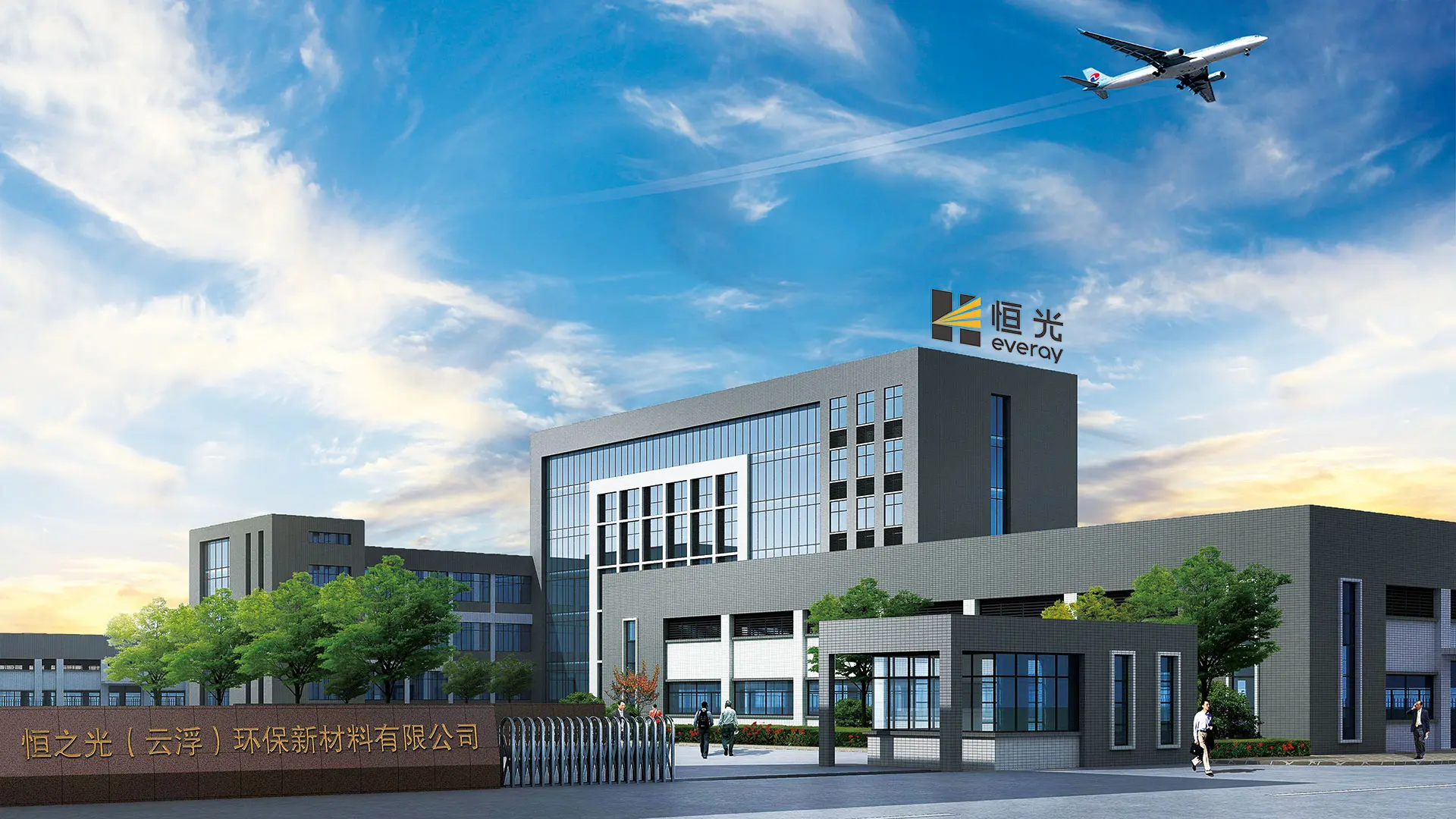
To support global supply chains, we operate two manufacturing complexes in Guangdong, China. Our Jiangmen plant covers 10,000 square meters, while our modern Yunfu facility spans 40,000 square meters. Both facilities feature comprehensive quality control laboratories, massive storage facilities, and integrated logistics infrastructure to ensure fast delivery schedules worldwide.
Our operations are managed under strict ISO9001 and ISO14001 Quality and Environmental Management Systems. All polymer reactions are governed by a flexible and advanced DCS fully computerized control system, reducing human error and ensuring unmatched batch-to-batch stability.
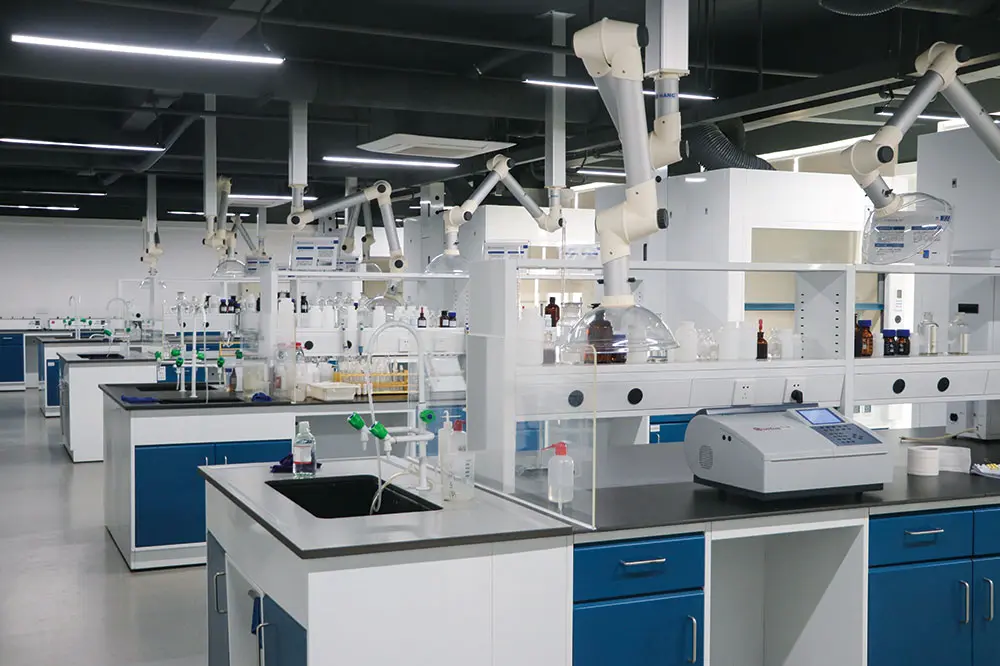
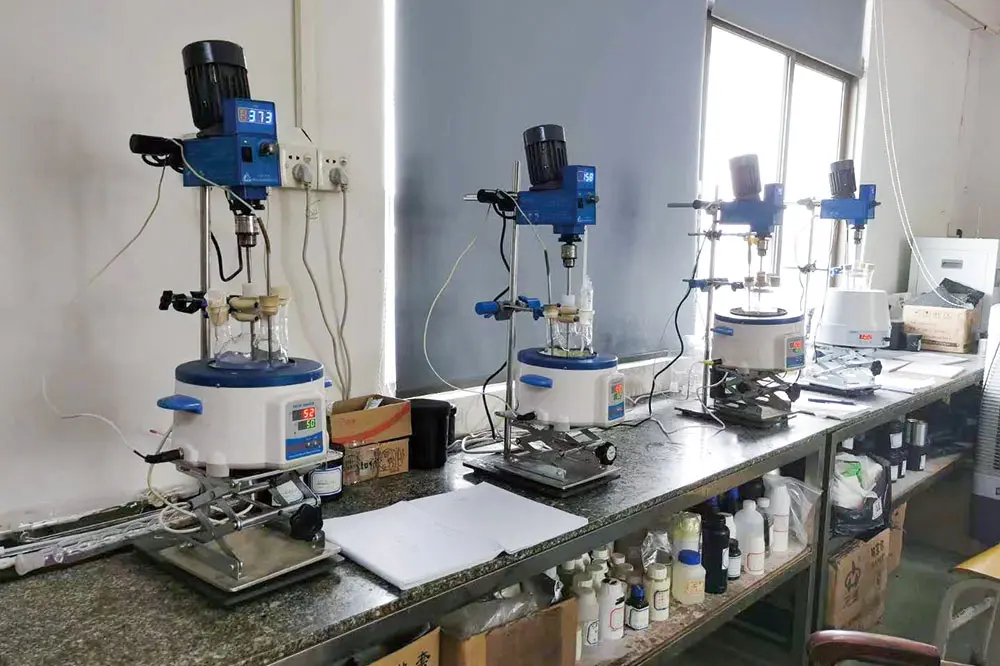
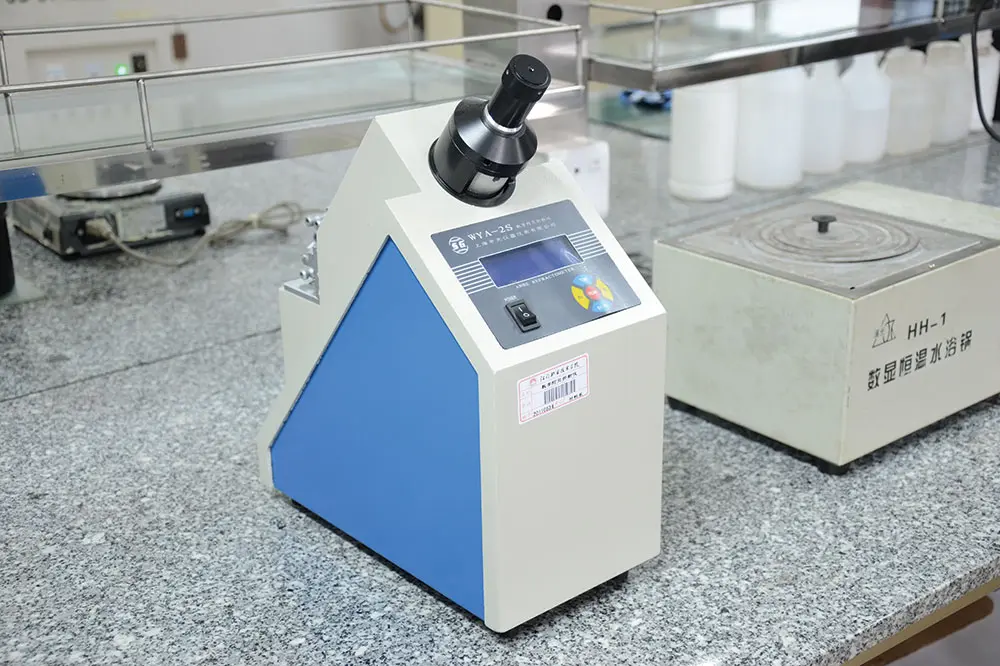
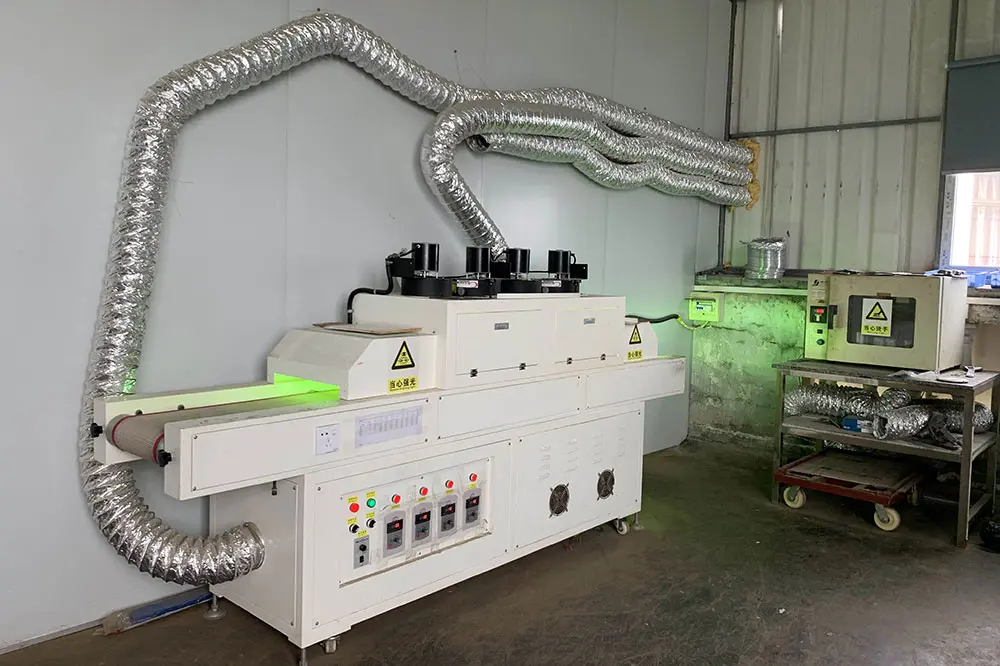
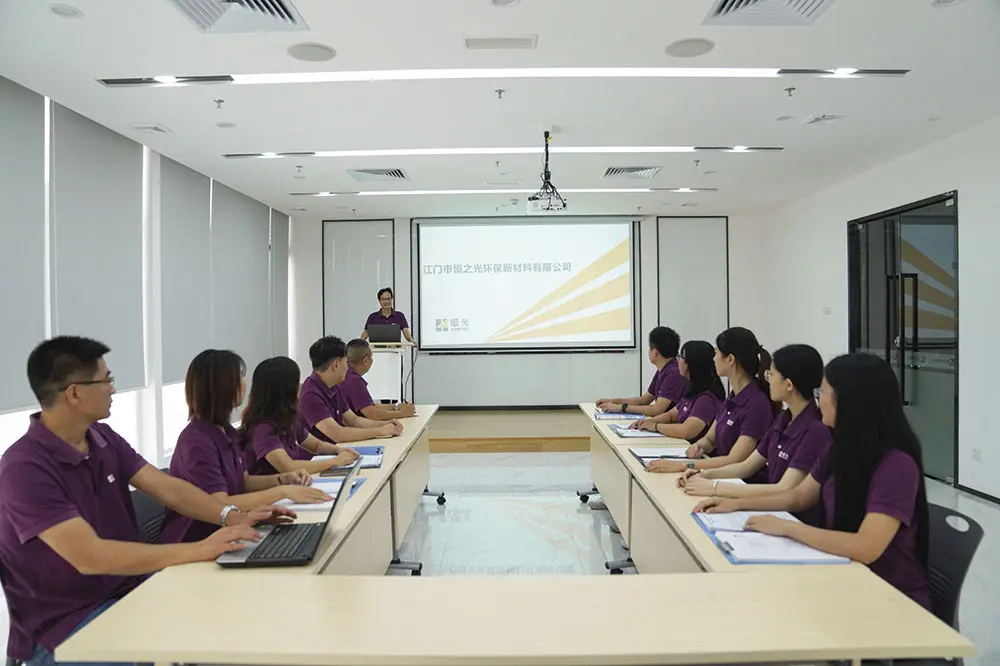
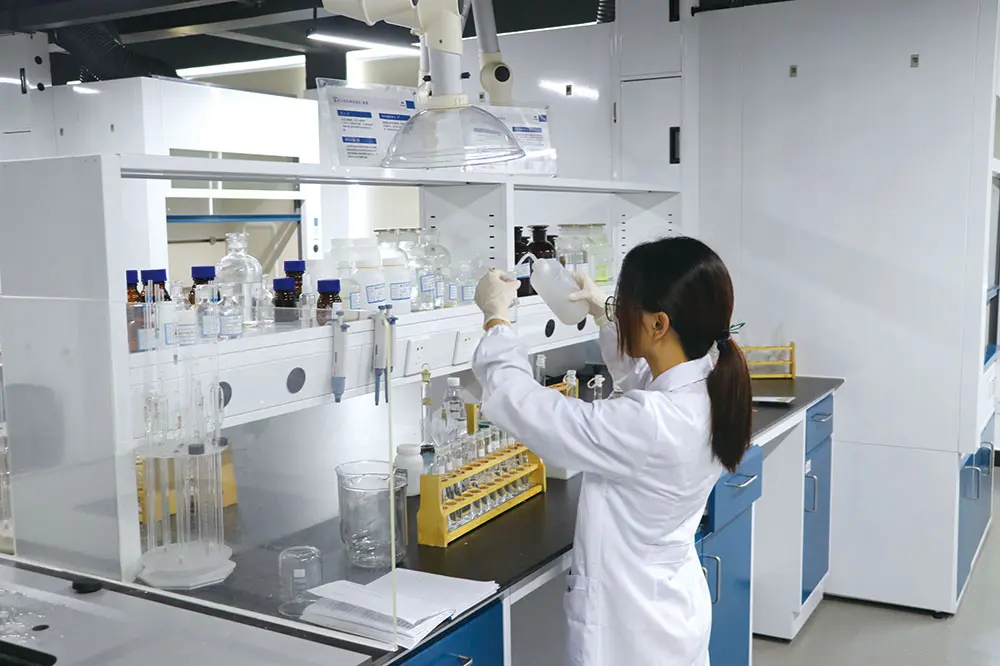
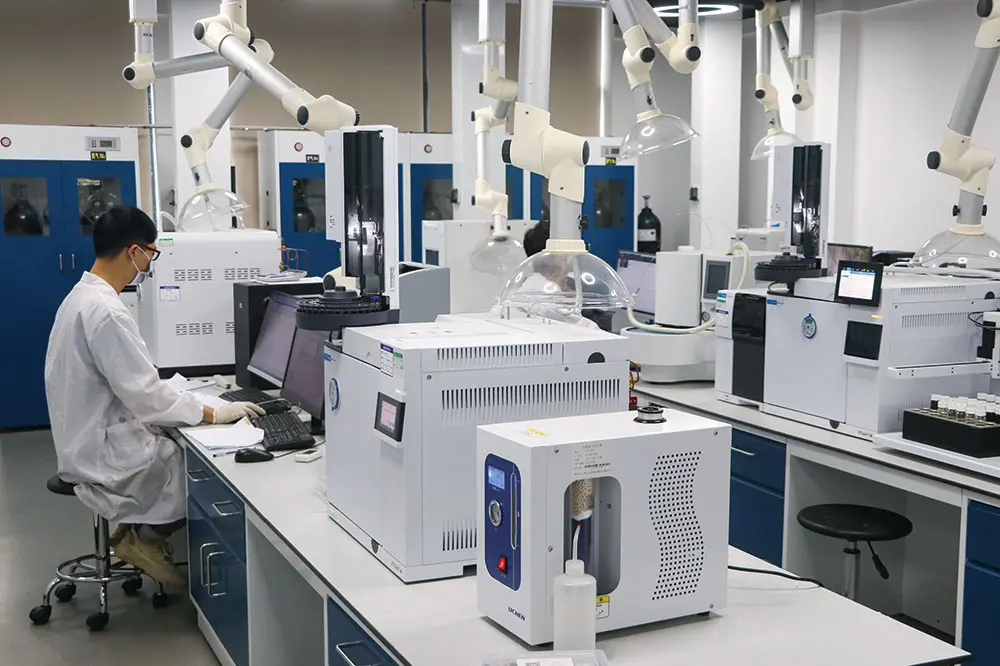
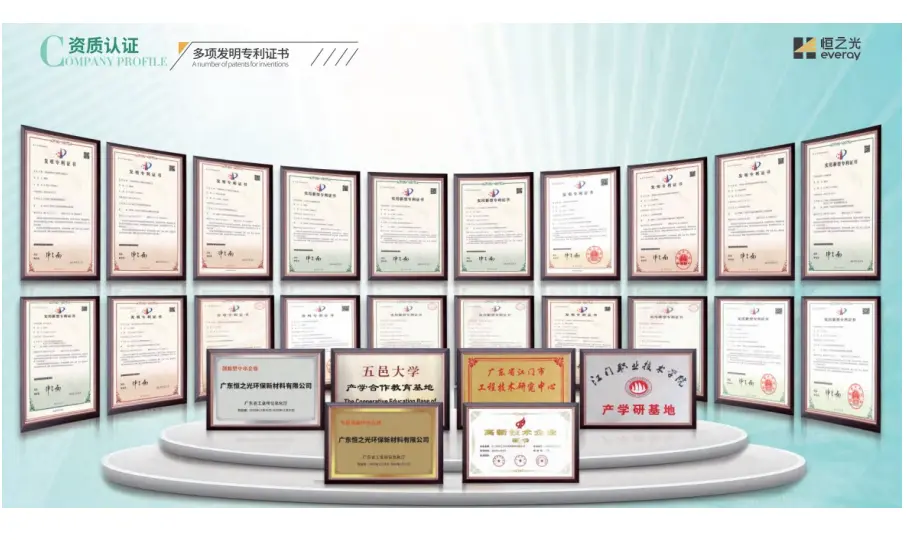
With a dedicated R&D department staffed by over 15 highly skilled technicians and chemical engineers, and armed with more than 10 invention and practical patents, Ever Ray continues to push the boundaries of green coatings technology. We understand that tomorrow's chemical solutions must balance performance and environmental responsibility.
We are actively increasing the use of renewable resources in our polymer syntheses. For instance, our 6720 Epoxidized Soybean Oil Acrylate (ESOA) is a bio-based UV coating oligomer designed for paper and wood finishes, lowering reliance on fossil fuels without compromising mechanical strength.
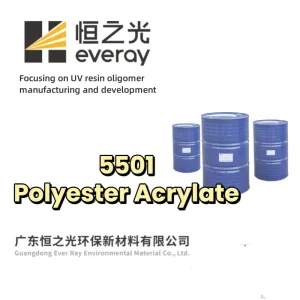
Mercury lamp systems consume high amounts of energy and produce ozone. Our technical roadmap focuses on modifying polyester and polyurethane acrylates to react efficiently at 365nm and 395nm UV wavelengths. This makes products like Polyester Acrylate 5501 ideal for low-energy LED-UV wood curing systems.
For B2B procurement professionals, sourcing specialty resins involves meeting strict chemical regulations. Ever Ray supports overseas buyers through:
Expert insights addressing key processing, shrinkage, and curing issues in industrial UV coatings.
Explore our high-efficiency water-ink balance resins, bio-based solutions, and low-viscosity diluent alternatives.
 Ever Ray