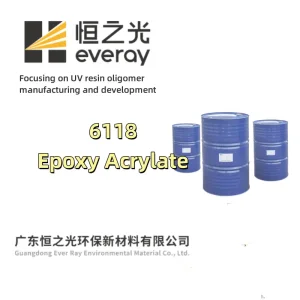
Buy Modified Acrylate for Glass Coating: Suppliers & Product Solutions

High-Adhesion UV-Curable Resin Technologies & Interfacial Science for Global Glass Applications

The Science of Interfacial Adhesion: Modified Acrylate Oligomers for Glass Substrates

Glass is inherently one of the most challenging substrates for organic coatings. Its high surface energy, hydrophilic nature, and lack of organic functional groups create a barrier for traditional polymer adhesion. Under humid conditions, water molecules quickly penetrate the coating-glass interface, breaking hydrogen bonds and causing catastrophic adhesion failure. To overcome this limitation, specialized modified acrylate oligomers are engineered to establish covalent chemical linkages across the inorganic-organic boundary.

By incorporating specific functional groups—such as carboxyl, phosphate ester, or alkoxysilane linkages—into the backbone of epoxy, polyurethane, or polyester acrylates, modern chemical formulators can produce coatings that form direct chemical bonds with the silanol (Si-OH) groups on the glass surface. These modified oligomers minimize volume shrinkage during UV polymerization, a primary cause of internal stress that pulls coatings away from the glass. The result is a robust, moisture-resistant, and scratch-resistant cured film that meets the stringent requirements of high-performance glass decoration, automotive glazing, and electronics cover plates.

5B
Cross-Hatch Adhesion Rating (ASTM D3359)
< 3%
Low Volume Shrinkage Rate
240h+
Boiling Water Resistance
9H
Surface Hardness Compatibility

Macro Industry Solutions: Engineering Applications of Modified Acrylates

Across global manufacturing sectors, the demand for highly functional, durable glass coatings is growing rapidly. From high-tech display interfaces to heavy-duty architectural installations, specialized modified acrylate resins provide targeted solutions to address specific mechanical and environmental challenges:
Optoelectronics & Touch Displays
For smart screen glass and anti-glare filters, modified acrylates function as optical primers and hard-coats. They deliver excellent light transmittance (transparency >92%), low haze, and dual-cure capabilities (UV/Thermal) to ensure full polymerization in shadowed border printing regions.
Automotive Smart Glazing
Automotive head-up displays (HUD) and side-window treatments require superior environmental durability. Formulations built with aliphatic polyurethane modified acrylates offer outstanding resistance to UV degradation, preventing yellowing and cracking under direct sunlight while retaining impact energy absorption characteristics.
Cosmetic Packaging & Decorative Bottles
Glass containers for luxury cosmetics demand deep color vibrancy and chemical resistance to alcohol, perfume oils, and physical abrasion. Epoxy and polyester modified acrylates are designed to accept high pigment loading while maintaining rapid UV curing cycles, supporting automated, high-speed silk-screen and spray lines.
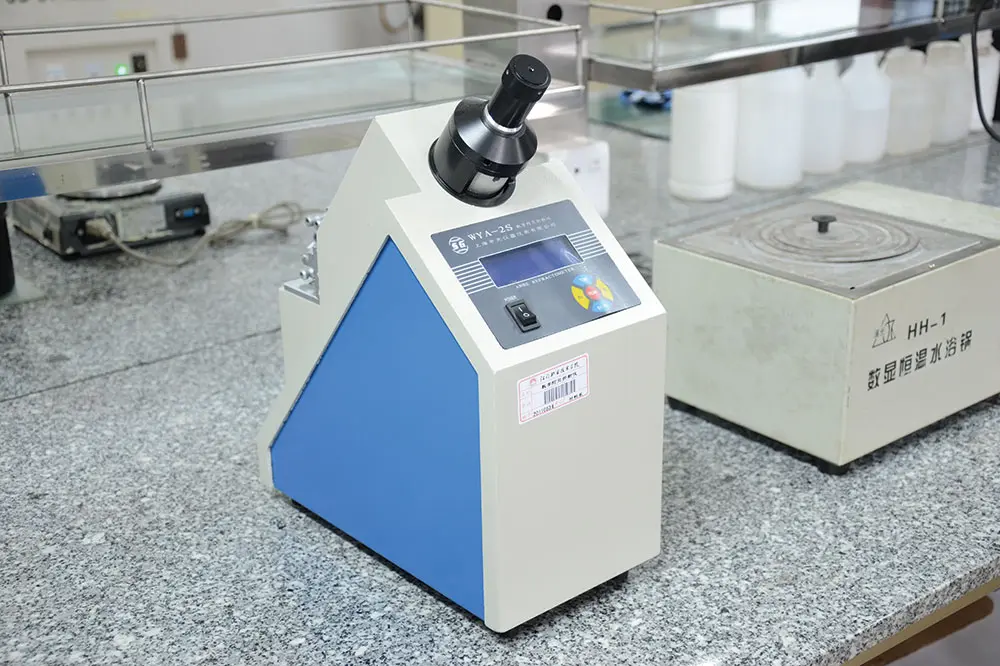
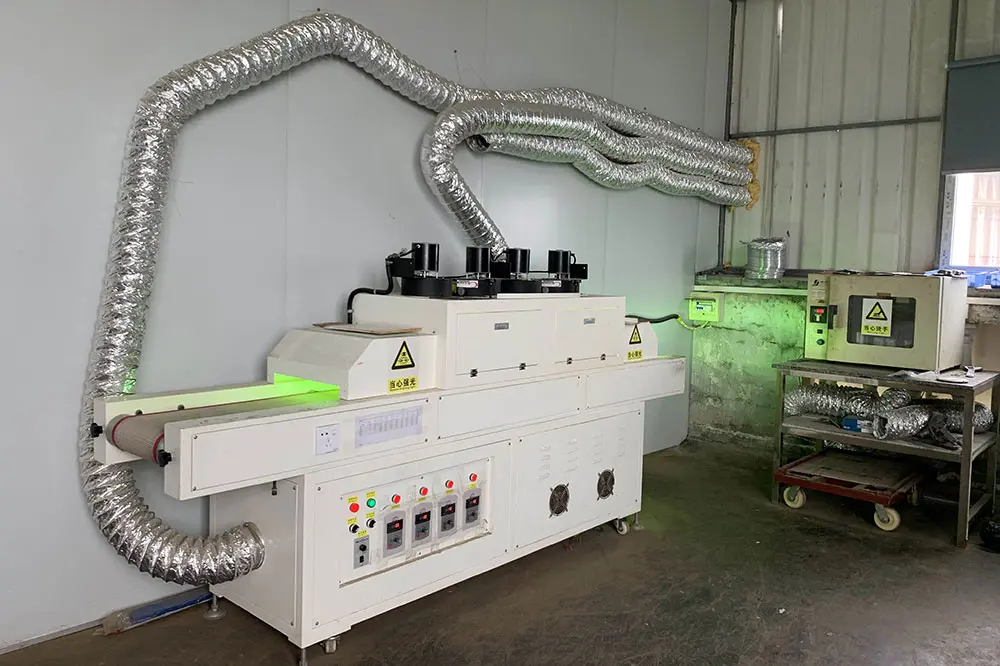
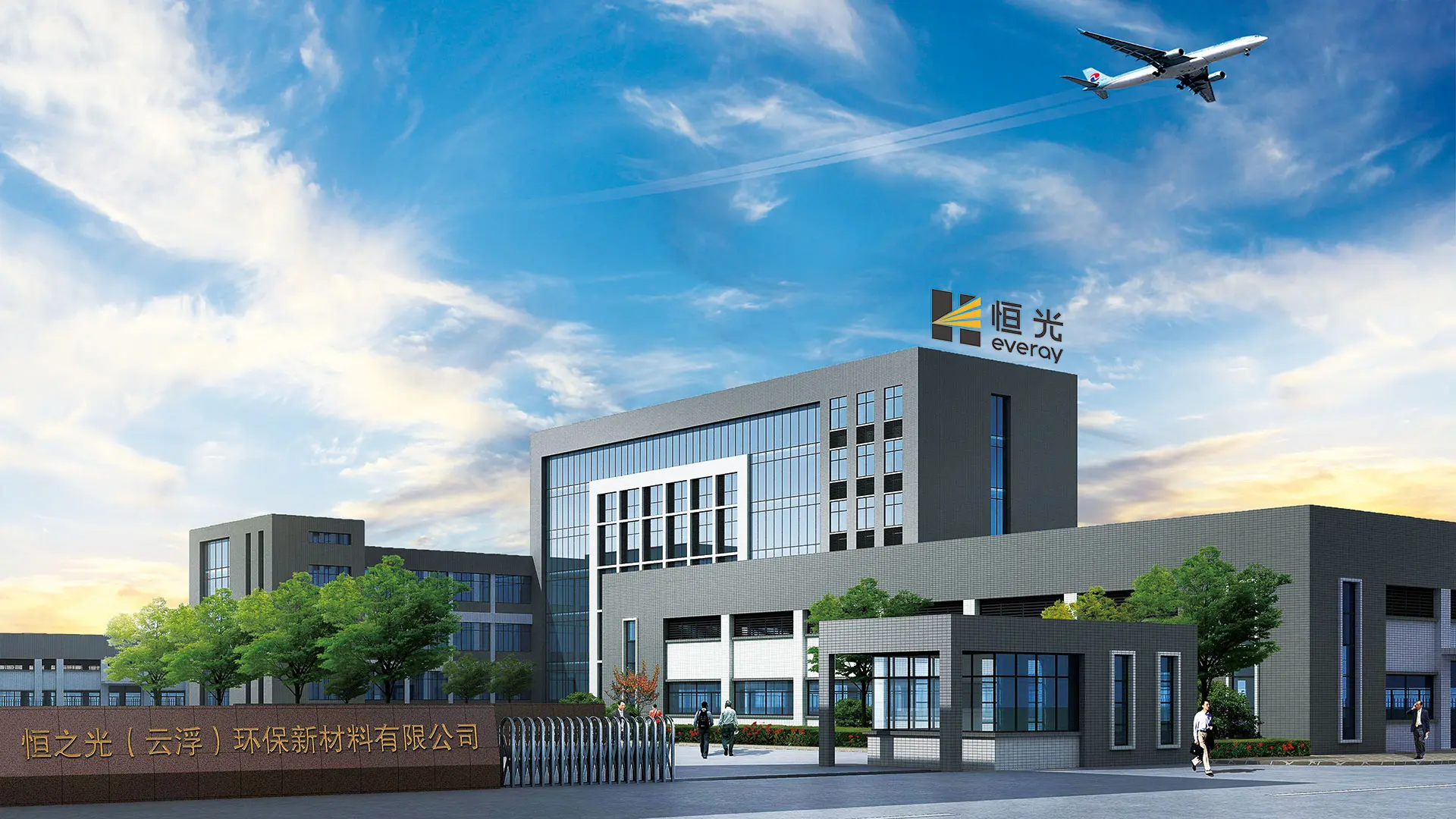
Ever Ray Production Facility

About Guangdong Ever Ray

Established in 2006, Guangdong Ever Ray Environmental Material Co., Ltd. is a national high-tech enterprise dedicated to the R&D and manufacturing of high-performance oligomers for UV-curable resins. Our diverse chemical portfolio includes modified epoxy acrylates, polyurethane acrylates (waterborne, aliphatic, and aromatic urethane), polyester acrylates, pure acrylates, and specialty functional modified acrylate oligomers.

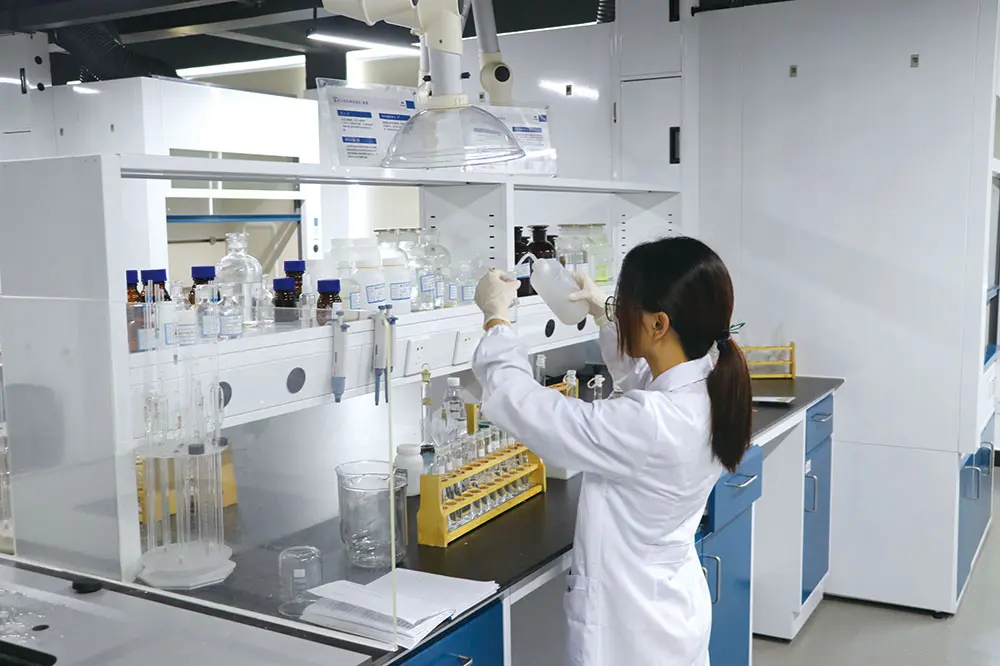
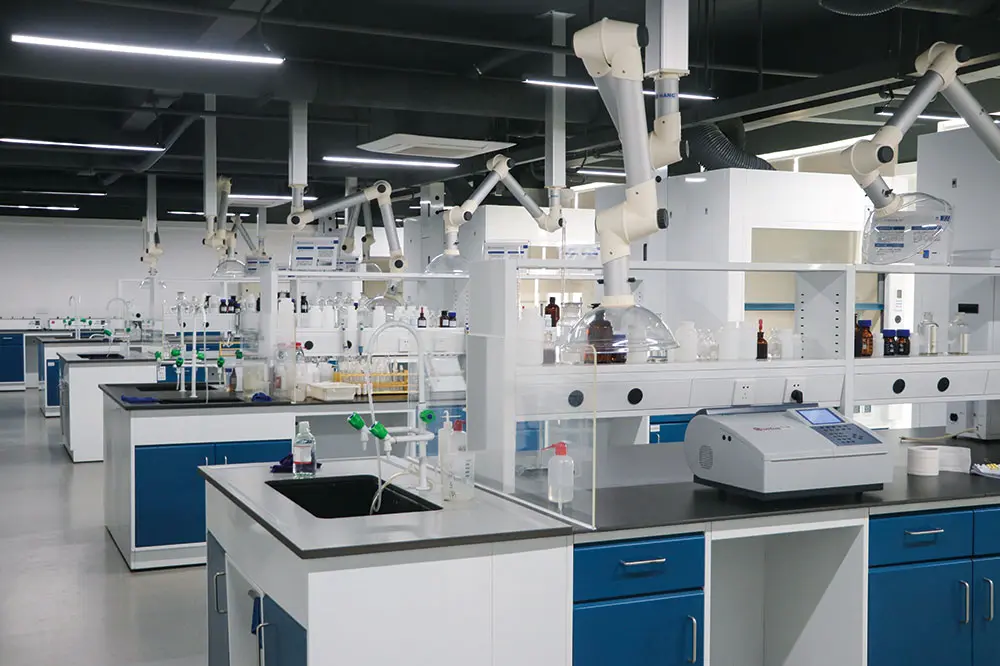
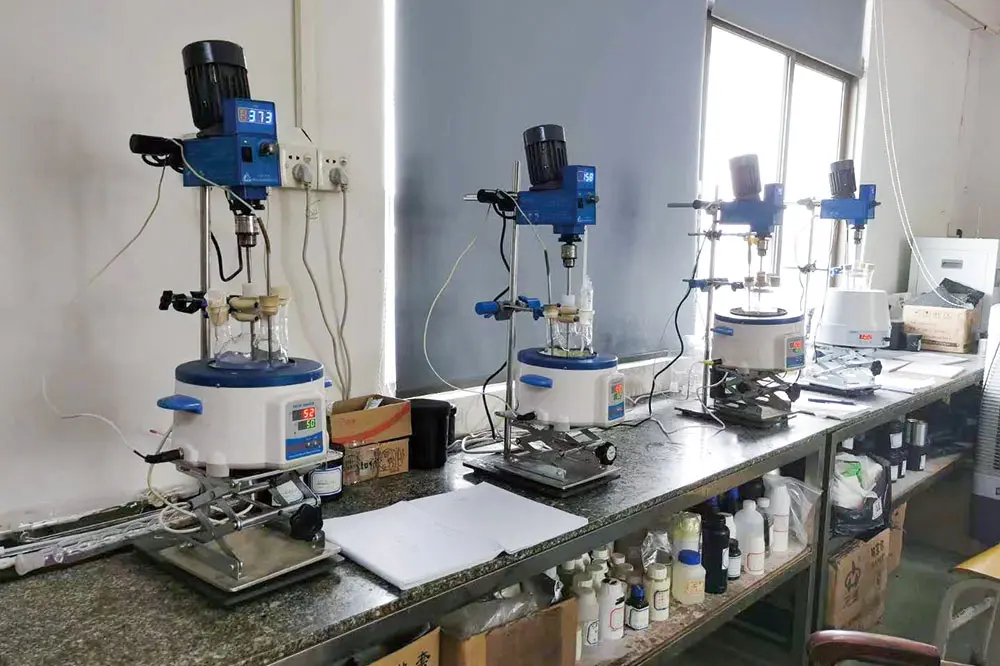
Our commitment to innovation is supported by a dedicated R&D division of more than 15 senior chemical engineers and materials scientists. We hold over 10 invention and utility model patents, positioning us at the forefront of the radiation curing market. We tailor formulations to meet specific performance targets—such as high reactivity, chemical resistance, and gloss—while optimizing cost efficiency for our customers.

China Factory 4.0: Supply Chain Resilience & Manufacturing Capacity

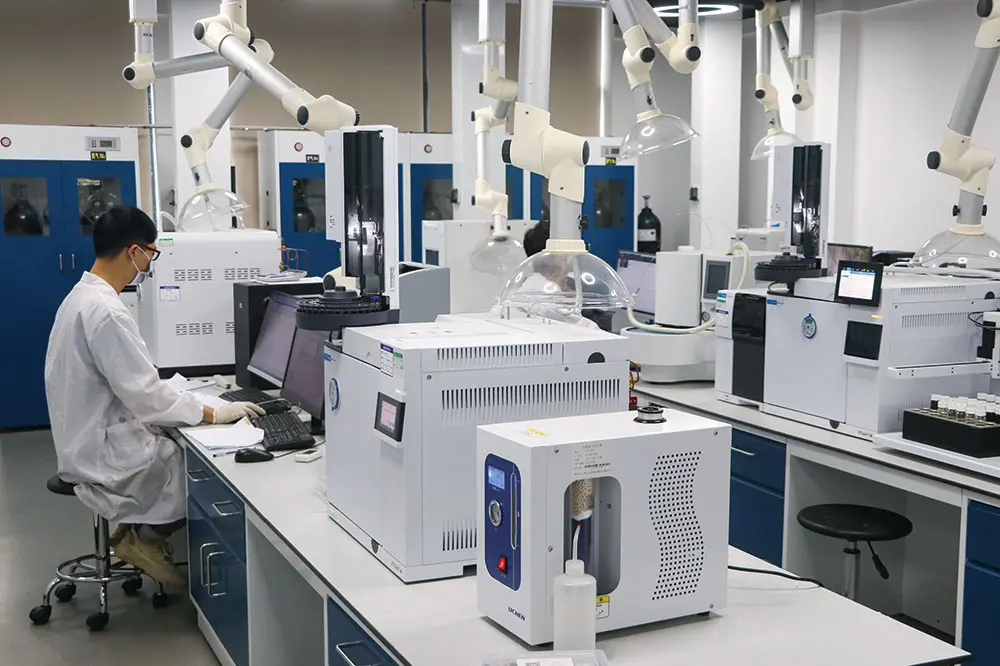
Reliable chemistry requires precision manufacturing. Guangdong Ever Ray operates two specialized production bases in Guangdong province. Our first site in Jiangmen covers an area of 10,000 square meters, focused on agile manufacturing of customized batches. To meet growing global demand, our second facility in Yunfu spans 40,000 square meters, featuring advanced automated production, warehousing, and logistics infrastructure.

Operating under the ISO9001 Quality Management System and ISO14001 Environmental Management System, our plants run on a fully computerized DCS (Distributed Control System). This automated control system monitors temperature, monomer feeding rates, and reaction cycles in real-time, ensuring batch-to-batch consistency and minimizing human error. With over 10 automated lines, our annual capacity exceeds 20,000 metric tons, providing a stable supply chain for international buyers.
Technology Roadmap & Future Outlook (2025–2030)

The radiation curing industry is undergoing major transitions, driven by carbon neutrality mandates, environmental safety, and energy efficiency. Our R&D group focuses on three key technological areas to support these industry shifts:

1. Low-Energy UV LED Curing Adaptation

Traditional medium-pressure mercury lamps consume high amounts of energy and produce ozone. We are redesigning the molecular structure of our modified acrylates to increase surface reactivity under 365nm and 395nm UV LED wavelengths, enabling faster curing at lower light intensities.

2. Bio-Based & Sustainable Carbon Sourcing

To support global carbon-reduction goals, our lab is synthesising modified acrylates containing renewably sourced raw materials (such as bio-based succinic acid and cardanol derivatives), targeting a bio-carbon content of 30% to 50% without compromising adhesion or chemical resistance.

3. Waterborne UV-Curable Systems (Zero-VOC)

We are expanding our range of waterborne polyurethane dispersion (PUD) acrylates. These systems allow formulators to use water as a viscosity reducer instead of monomeric diluents, minimizing skin irritation, odor, and volatile organic compound (VOC) emissions during processing.

Global Enterprise Procurement & Regulatory Compliance

For multinational corporations and Tier 1 industrial suppliers, buying modified acrylates requires strict alignment with global safety, quality, and environmental regulations. Ever Ray ensures seamless compliance across key areas:
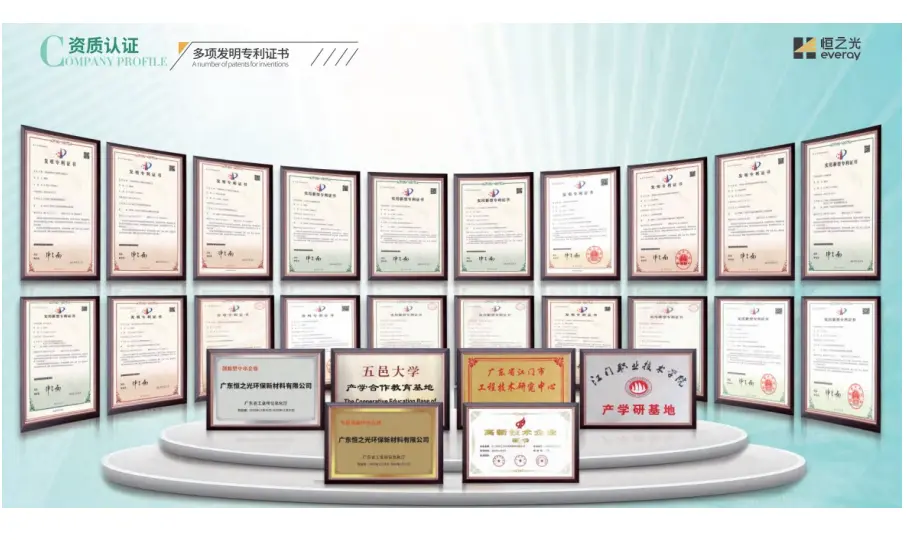
  • REACH & TSCA Status: We actively register our core oligomer components to comply with the European REACH regulations and the US Toxic Substances Control Act (TSCA), facilitating hassle-free importation and custom clearance.
  • RoHS & Halogen-Free Mandates: All raw materials undergo screening to guarantee that our final products are free of restricted heavy metals (lead, cadmium, mercury, hexavalent chromium) and polybrominated biphenyls, meeting strict standards for consumer electronics coatings.
  • GHS-Compliant Documentation: We provide comprehensive safety datasheets (SDS) in multiple languages, offering detailed safety profiles, handling instructions, and chemical transport classifications.
  • Flexible Bulk Packaging Options: Products are packaged to protect chemical stability during long-distance transit. Packaging options include 200kg steel drums and 1000kg IBC containers.

Compliance Certificates

Technical FAQ & Formulation Troubleshooting

Why does UV coating on glass lose adhesion after humidity or water boiling tests?
Glass surfaces are naturally hydrophilic and absorb water vapor, which forms a microscopic film of moisture that displaces organic polymers. Additionally, standard acrylates suffer from polymerization shrinkage, which creates internal stress and weakens physical bonds. Modified acrylates address this by incorporating silane coupling agents or phosphate esters that form covalent chemical bonds (Si-O-Si) with the glass surface, resisting displacement by water.
How does Ever Ray guarantee chemical stability and prevent gelation in transit?
We use high-quality stabilizers and polymerization inhibitors in our oligomers to prevent thermal polymerization during transit and storage. Our raw materials are carefully selected, and we use a fully computerized DCS system to ensure tight control over reaction temperatures and chemical purity.
What is the typical shelf life of modified acrylate oligomers?
Under recommended storage conditions (cool, dry, ventilated area, away from direct sunlight and temperatures below 35°C), our modified acrylates remain stable for at least 12 months. Some high-reactivity grades may require storage between 5°C and 25°C to maximize stability.
Which type of oligomer is best for high chemical resistance (e.g., alcohol rubs)?
For demanding applications like cosmetic glass packaging, modified epoxy acrylates and highly functional polyurethane acrylates are recommended. These oligomers cure to form dense polymer networks with high cross-link density, preventing organic solvents like ethanol or fragrance oils from swelling and degrading the coating.
How can formulators balance high surface hardness with flexibility on glass substrates?
The balance is achieved by blending high-Tg, high-functionality epoxy acrylates (which provide hardness and scratch resistance) with flexible aliphatic polyurethane acrylates or low-viscosity polyester acrylates. This combination helps relax internal stress during UV curing, maintaining adhesion while achieving the desired surface hardness.