High-efficiency, chemical-resistant, and speed-optimized prepolymers direct from our smart production lines.
The transition toward radiation-curable systems is one of the most significant shifts in modern industrial material science. Historically dependent on thermal curing ovens that run on natural gas and emit substantial volatile organic compounds (VOCs), global manufacturing is rapidly standardizing on ultraviolet (UV) photopolymerization. UV cure epoxy resins, particularly modified epoxy acrylates and polyurethane acrylates, are at the epicenter of this transformation.
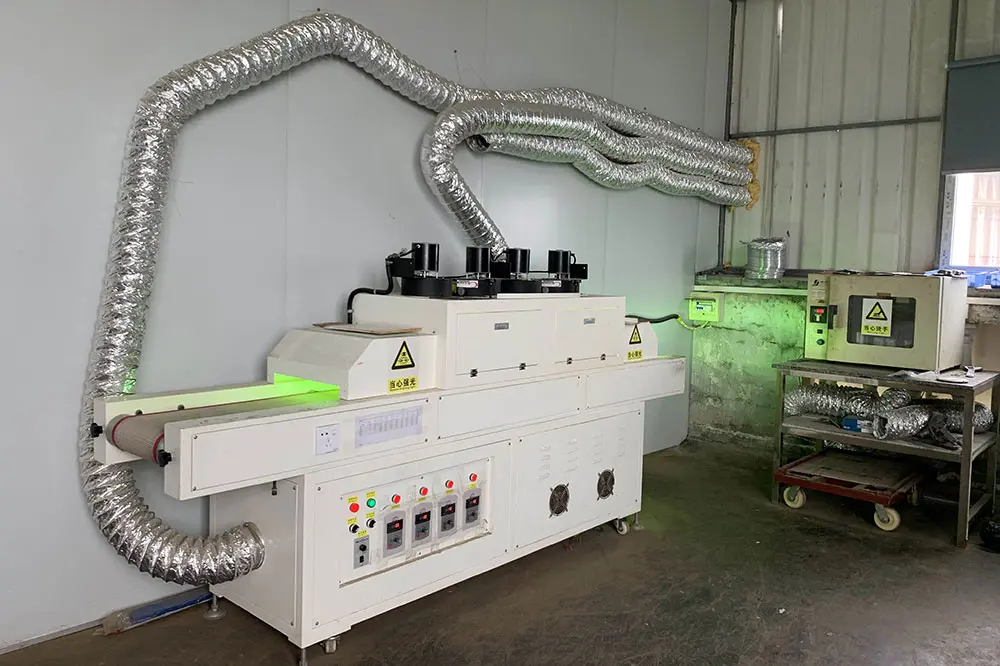
From an ecological and economic perspective, UV curing technology reduces energy consumption by up to 75% compared to thermal drying, while compressing production floor footprints. The core chemistry utilizes oligomers which, upon exposure to UV light wavelengths (typically 200nm to 400nm, or through modern LED UV emission at 365nm/395nm), cross-link in milliseconds. This instantaneous cure cycle unlocks massive throughput gains for downstream coaters, electronics manufacturers, and high-speed packaging printing factories.
Traditional solvents are eliminated. UV oligomers act as both structural backbones and active diluents, ensuring eco-compliance with EU RoHS, REACH, and EPA guidelines.
Dramatically improves line speeds in roll-to-roll packaging, wood finishing lines, and automated electronics assembly lines without the need for cooling zones.
Configurable for diverse parameters: high gloss, yellowing resistance, multi-substrate adhesion (plastics, metals, glass), and excimer laser compatibility.
When purchasing managers seek to buy UV cure epoxy at scale, supply chain continuity and pricing predictability are paramount. China, specifically the Pearl River Delta industrial hub in Guangdong, hosts the world's most integrated chemical cluster for radiation-curable raw materials.
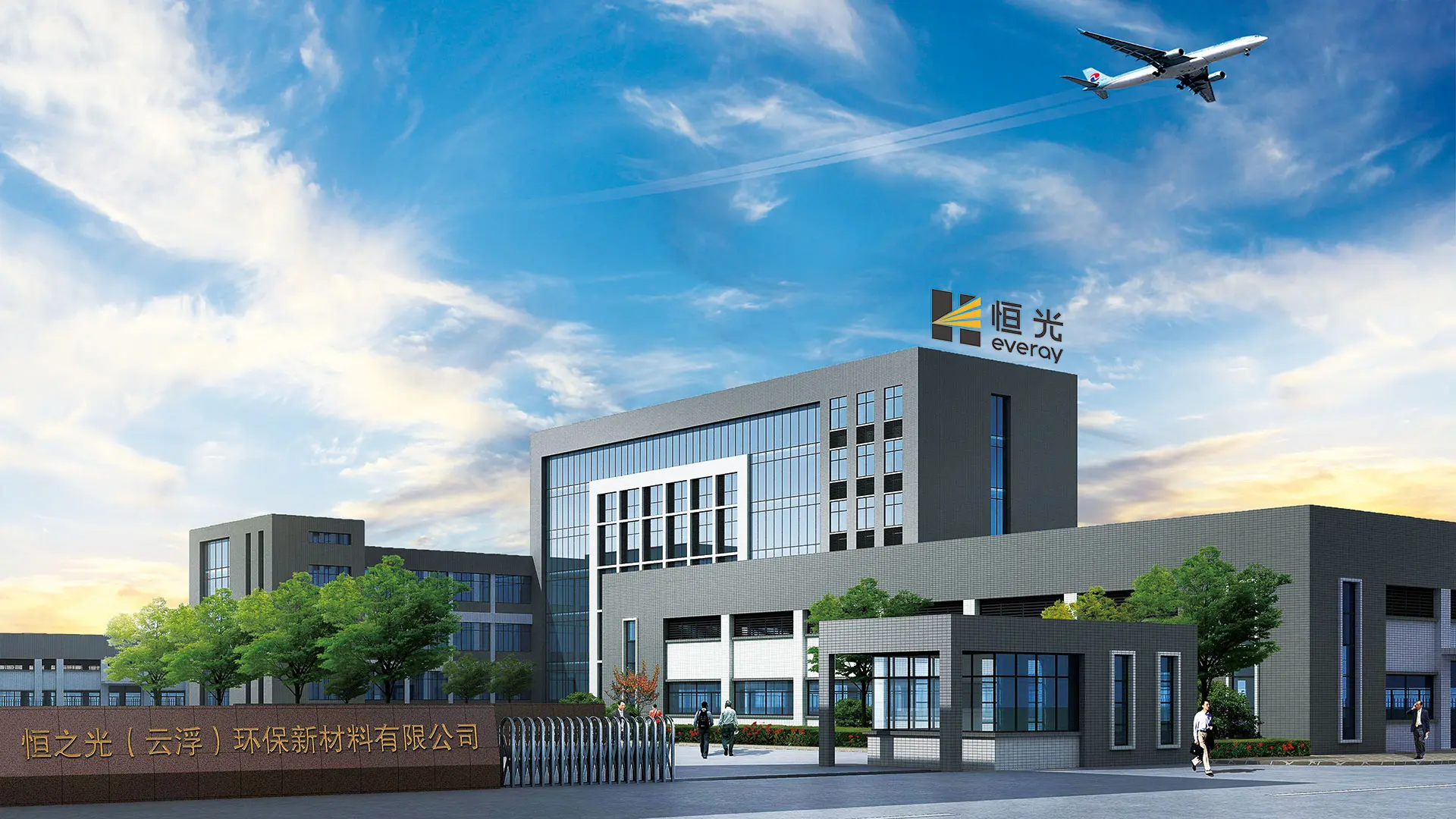
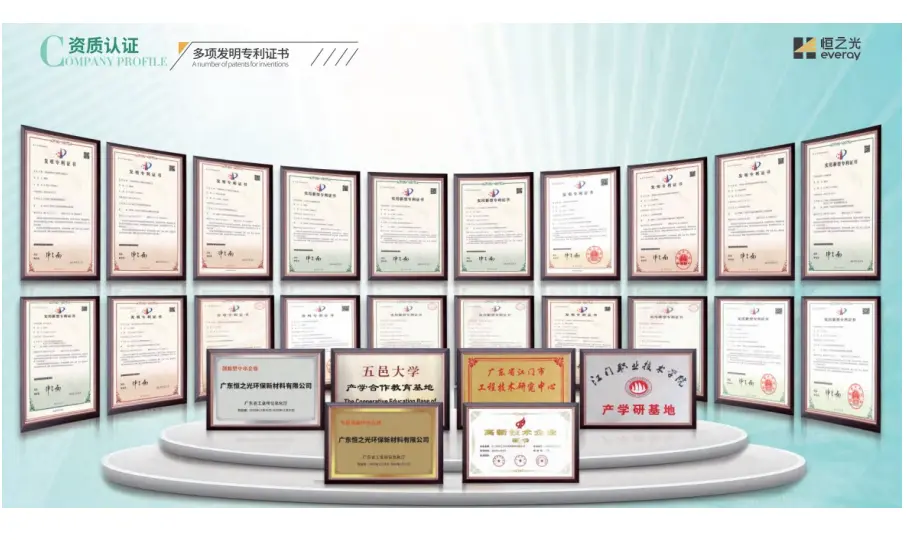
Guangdong Ever Ray Environmental Material Co., Ltd. operates in this ecosystem, leveraging structural raw material supply chains to secure consistent acrylic monomer feedstock. The production of advanced oligomers—such as modified epoxy acrylates, aliphatic/aromatic polyurethane acrylates, and hyperbranched polyester acrylates—demands highly controlled reaction protocols. By utilizing advanced Distributed Control Systems (DCS), Chinese factories run continuous-batch loops that minimize variations in batch-to-batch viscosity and molecular weight distribution.
Understanding the differences in chemical properties and mechanical outputs across primary UV-curable families.
| Resin / Oligomer Family | Primary Advantages | Key Shortcomings | Typical Industrial Applications |
|---|---|---|---|
| Epoxy Acrylate (Standard & Modified) | Ultra-fast cure speed, high hardness, superb chemical resistance, economical. | Higher shrinkage, limited flexibility, potential yellowing in sunlight. | Paper varnishes, wood coatings, metal inks, structural adhesives. |
| Aliphatic Urethane Acrylate | Excellent yellowing resistance, high elasticity, superior weatherability. | Higher viscosity, premium cost structures. | Automotive coatings, optical film varnishes, mobile phone casings. |
| Polyester Acrylate | Excellent pigment wetting, low viscosity profile, balanced flexibility. | Moderate chemical resistance, variable cure speed. | Lithographic printing inks, plastic varnishes, excimer laser coatings. |
| Pure Acrylate / Hybrids | Low odor, high surface cure capability, balanced properties. | Variable adhesion values on non-polar plastics. | Low-odor food packaging inks, screen printing adhesives. |
Industrial applications present distinct chemical challenges. A coating system designed for vacuum-plated automotive parts cannot share the same molecular configuration as a potting compound for high-reliability consumer electronics.
Substrates coated via Physical Vapor Deposition require intermediate primers and topcoats with exceptional adhesion. Oligomers like 7230E Polyurethane Acrylate prevent delamination between metallic sputtered layers and polycarbonate or ABS plastic bodies, maintaining a high optical gloss.
Cationic and modified free-radical epoxy resins like 61003A provide low shrinking profiles and high dielectric isolation. Optimized for LED-UV spectrum emission (365nm to 395nm), they cure rapidly in thick sections, encapsulating microcircuits from moisture ingress and mechanical shocks.
Innovative skin-feel coatings require 172nm excimer laser micro-folding. Low-viscosity, high-functionality polyester acrylates like 53036 polymerize beneath nitrogen-purged environments to create velvety matte structures, perfect for premium automotive dashboards and consumer goods.
Explore specialized formulas designed for multi-substrate bonding, paper varnishing, and yellowing resistance.
Expert technical answers to assist chemical buyers, formulators, and plant engineers in making informed procurement decisions.
Standard epoxy acrylates (often synthesized from Bisphenol A diglycidyl ether) offer exceptional hardness and extremely high reactivity, but suffer from high shrinkage rates (up to 8-10%) and poor flexibility. Modified epoxy acrylates incorporate structural modifiers (such as fatty acids, polyethers, or urethanes) to reduce shrinkage, improve flexibility, and enhance adhesion to challenging plastic or metal substrates without compromising curing speed.
We operate fully integrated DCS computerized control systems at our Jiangmen and Yunfu plants. Viscosity deviations in UV oligomers are primarily caused by temperature instability during esterification and residual monomers. The DCS strictly controls the temperature curves within ±0.5°C and automates catalyst addition, ensuring every bulk batch matches the technical data sheet (TDS) specifications.
For applications requiring high outdoor durability and non-yellowing profiles, aliphatic polyurethane acrylates (such as our 72923 or 7402 series) should be selected. Aliphatic structures lack the conjugated aromatic benzene rings found in standard bisphenol-A epoxy acrylates, preventing photo-oxidative degradation when exposed to sunlight.
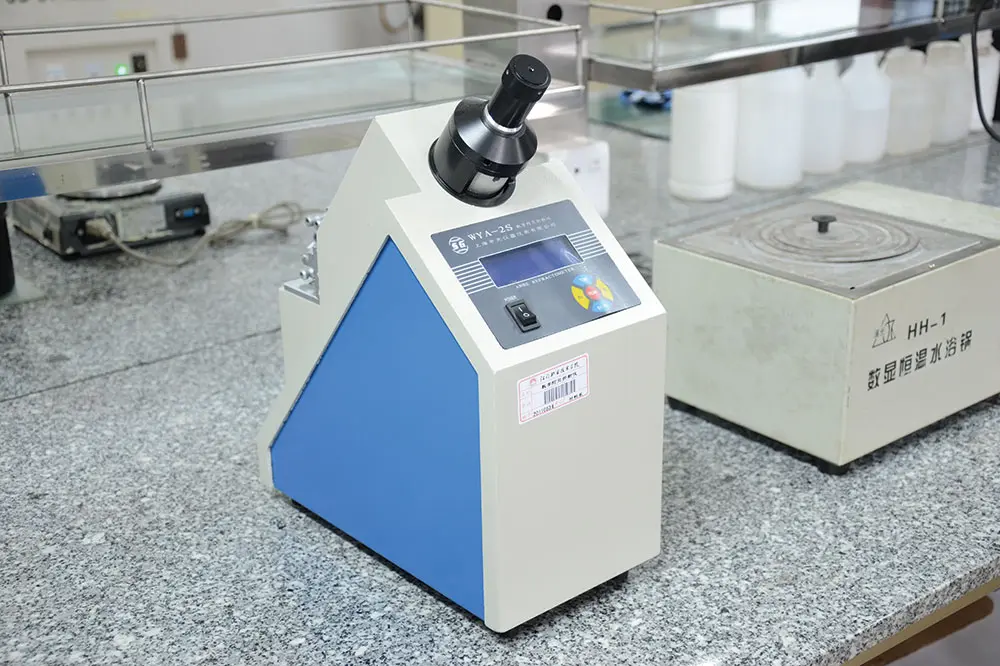
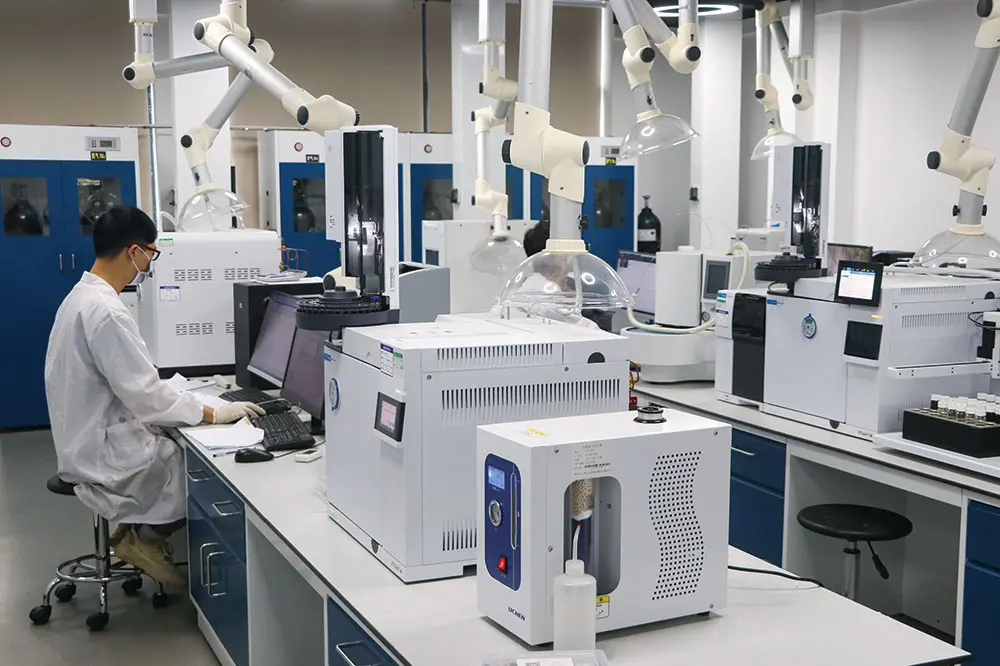
Every shipment batch undergoes comprehensive inspection: Viscosity analysis (Brookfield DV2T), Acid value calculation, Cure speed checks under standardized UV-LED exposure setups, Adhesion testing on target substrates, and Color metrics (Gardner scale). Compliance documents, including COAs, safety data sheets (SDS) meeting GHS requirements, and VOC declarations, accompany all exports.
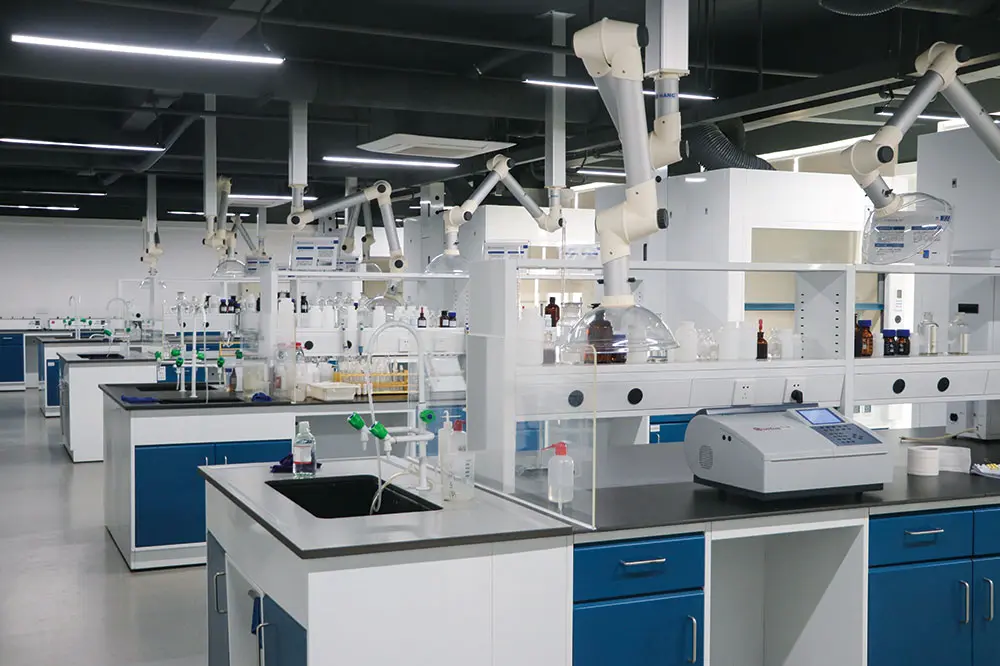
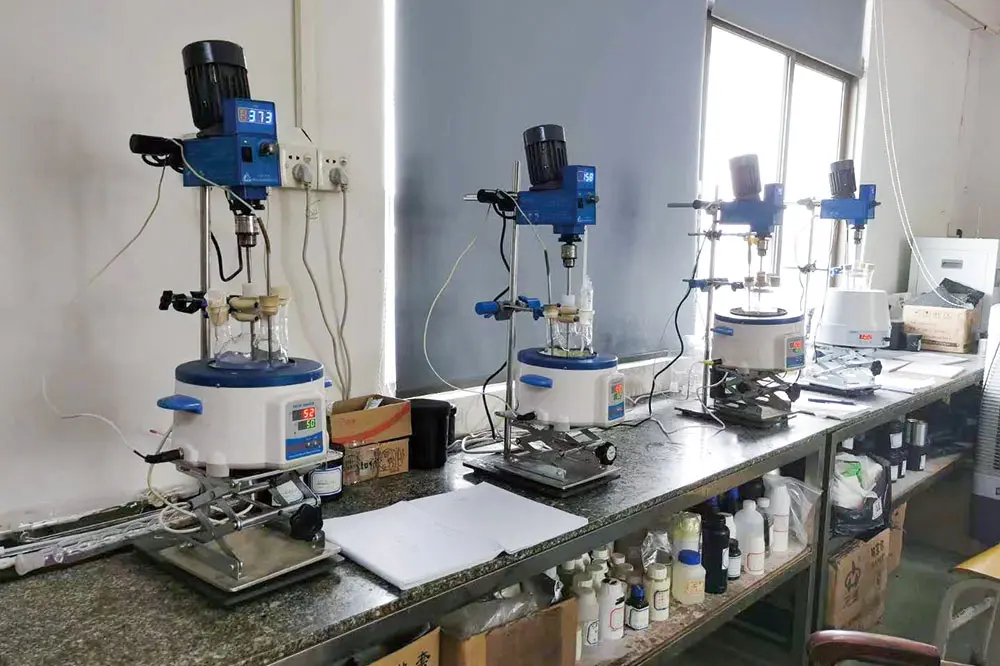
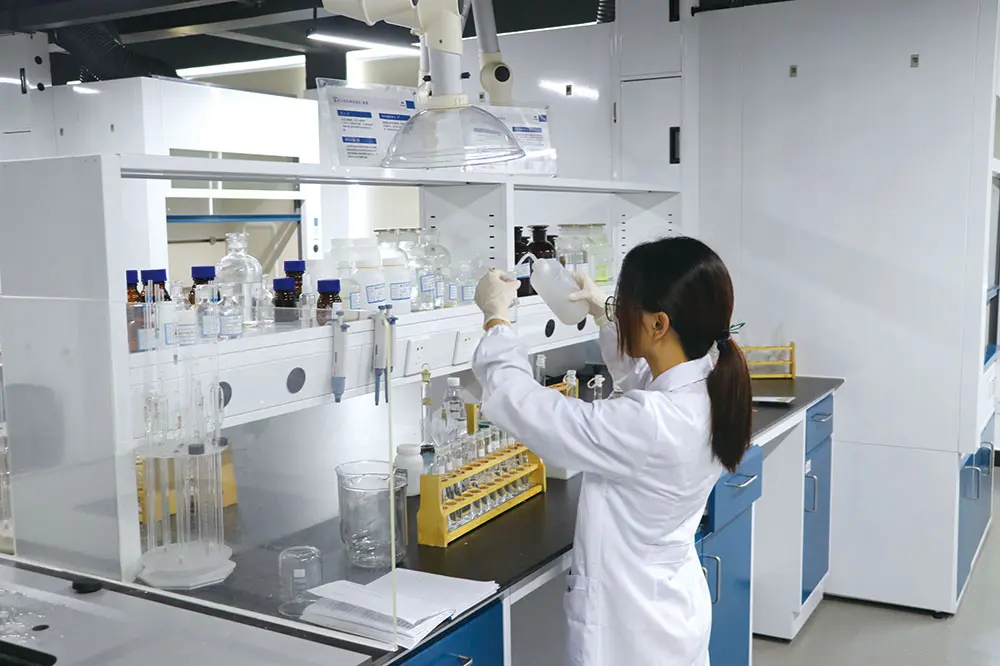
Yes, our R&D department houses over 15 senior chemical engineers. We can customize molecular weights, double-bond density, and viscosity levels to meet specific target applications (e.g., excimer laser systems, vacuum metallization, peelable adhesives). Please supply your targeted performance metrics and processing parameters to our technical support team.
 Ever Ray