Buy Wood Epoxy Manufacturer & Factories

Global Industrial Guide for High-Performance UV Curable Resins, Epoxy Acrylates & Polyurethane Oligomers for Advanced Wood Coatings and Surface Finishes

About Our Company

Guangdong Ever Ray Environmental Material Co., Ltd. (Est. 2006)

Guangdong Ever Ray Environmental Material Co., Ltd., established in 2006, is a premier high-tech enterprise focusing on the research, development, and advanced manufacturing of oligomers for UV curable resin. Our product portfolio includes top-grade epoxy acrylate, polyurethane acrylate (waterborne, aliphatic urethane, aromatic urethane), polyester acrylate, pure acrylate, and custom special functional modified acrylate oligomers designed to meet strict industrial specifications.

With over 18 years of technical expertise, our formulations deliver high reactivity, excellent chemical resistance, and superior surface gloss. We support key downstream markets including industrial wood coatings, plastics, printing inks, and packaging adhesives.
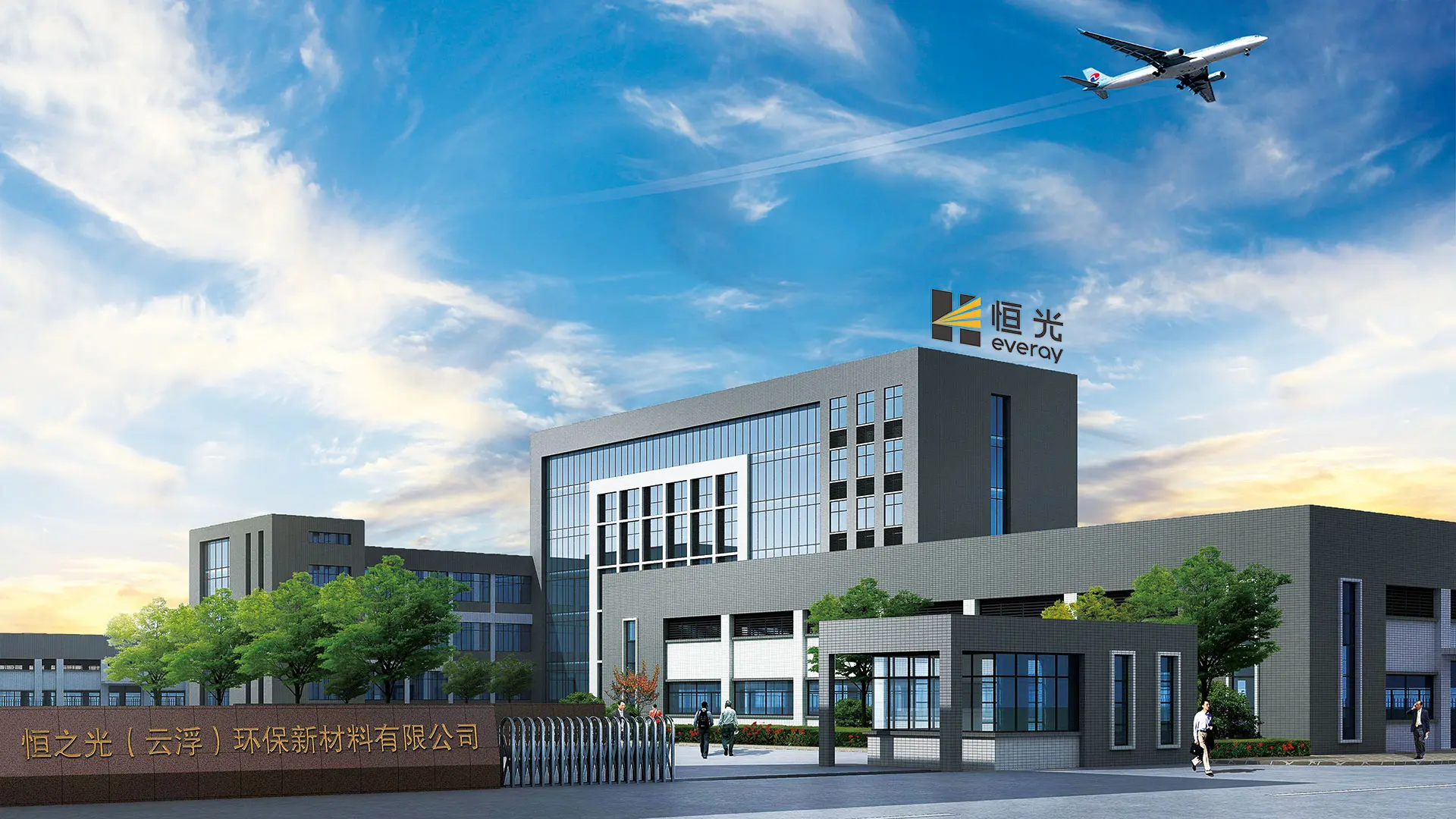
Ever Ray Office Building

Productive Capacity & Quality Assurance

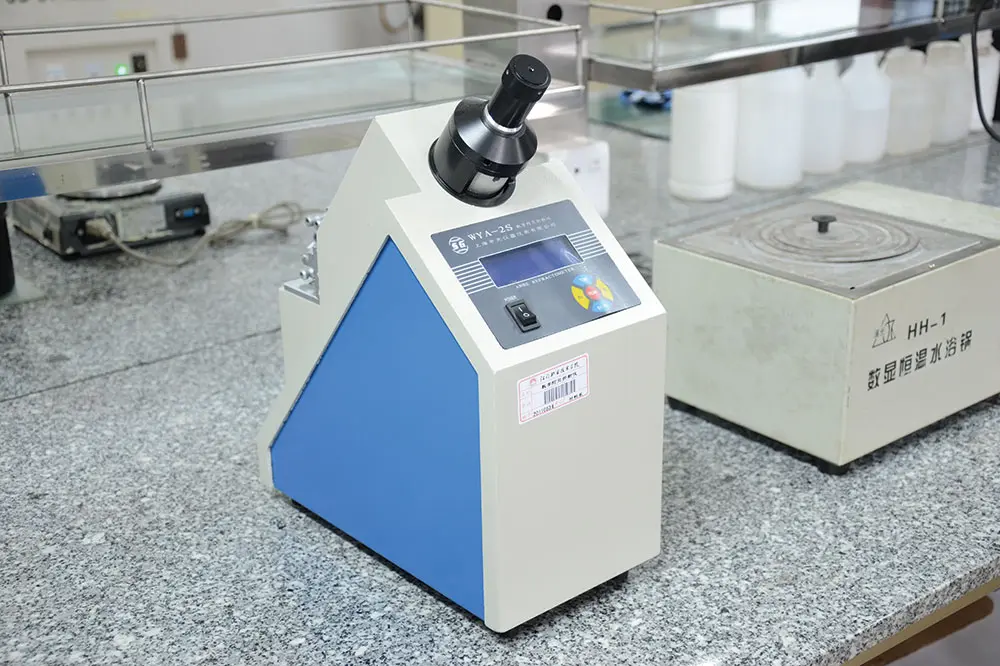
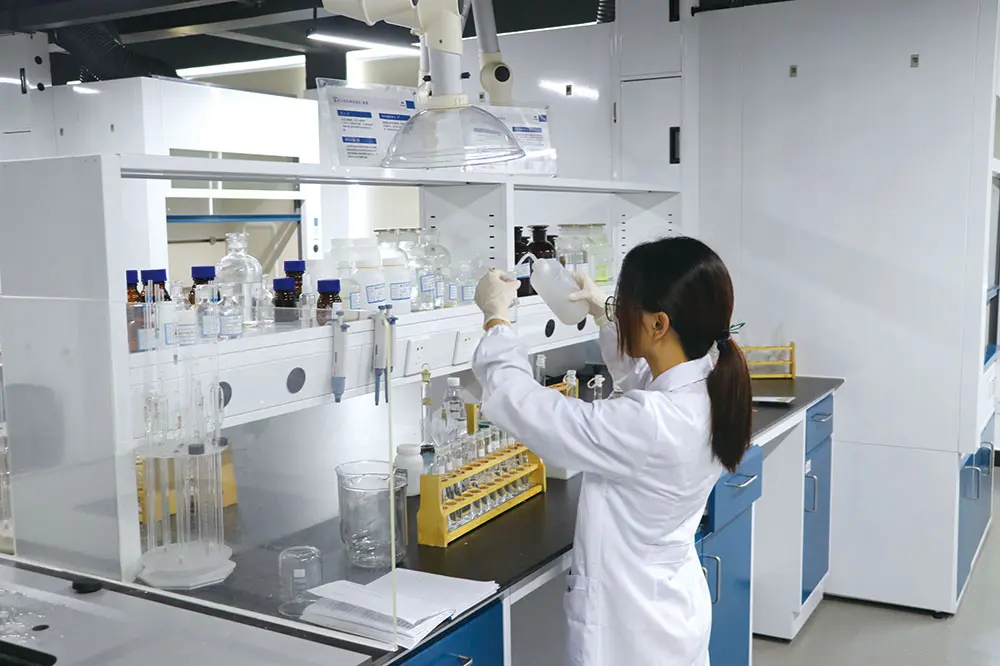
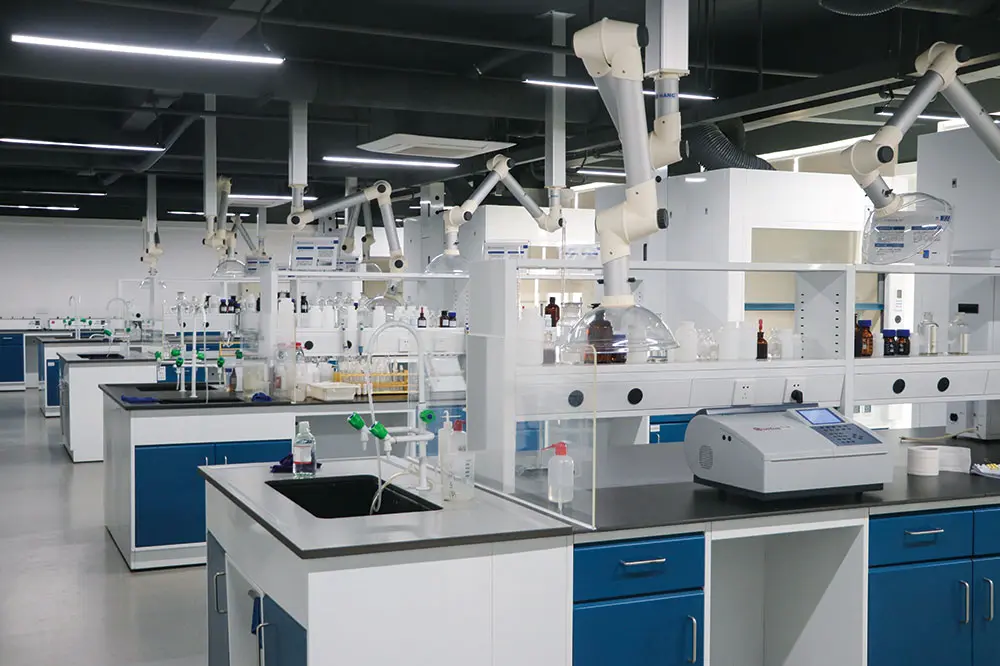
We operate two modern production bases in Guangdong province. The first facility in Jiangmen covers a production area of approximately 10,000 square meters. The second, larger base in Yunfu spans 40,000 square meters. Both facilities feature comprehensive quality control laboratories, massive storage facilities, and advanced logistics support.

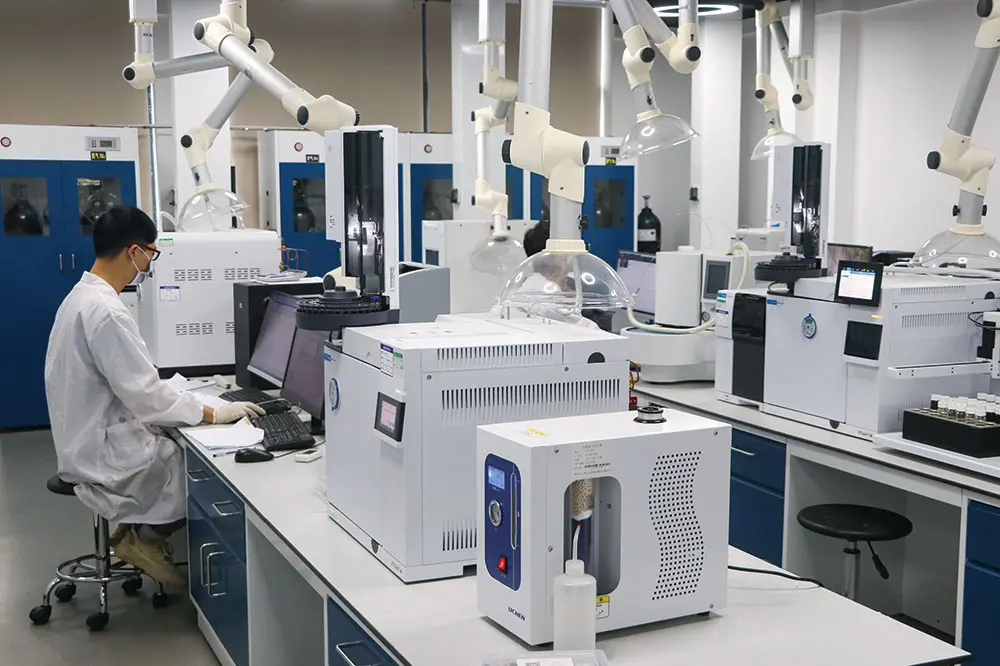
Our annual production capacity exceeds 20,000 tons across more than 10 dedicated production lines. To ensure consistency, safety, and ecological safety, our factories operate under the strict governance of ISO9001 Quality Management System and ISO14001 Environmental Management System, powered by advanced DCS fully computerized control systems.
20,000+
Annual Tons Capacity
50,000+
Sqm Production Footprint
15+
R&D Technicians
10+
Invention Patents

Technical Whitepaper: Wood Epoxy & UV Curable Resin Formulations

A Comprehensive Industry Guide to Chemistry, Curing Kinetics, and Manufacturing Advantages
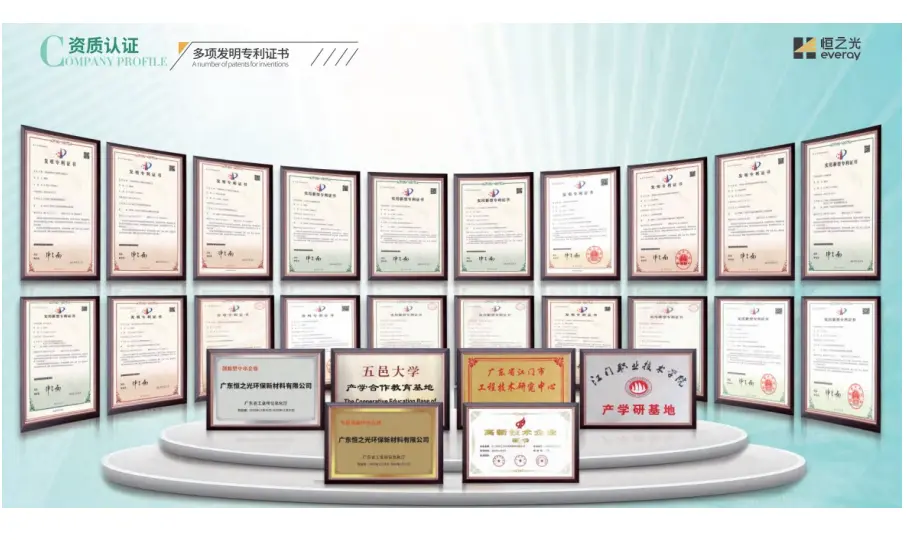
Chemical Patents and Technical Certifications

1. Understanding Wood Epoxy & Acrylic Oligomer Chemistries

In modern industrial coatings, wood epoxy resins and acrylic oligomers form the backbone of high-performance surface finishes. When evaluating materials from a qualified manufacturer, understanding the underlying chemical classification is essential. These oligomers are divided into three primary categories:

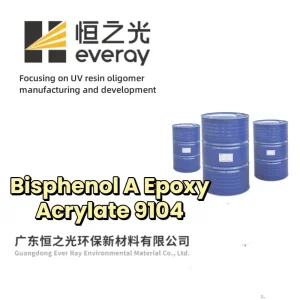
  • Epoxy Acrylates (e.g., Bisphenol A Epoxy Acrylate 9104): Synthesized by the reaction of acrylic acid with epoxy resins. They provide high reactivity, excellent hardness, rapid cure rates, and superior chemical resistance. They are widely used as the primary binder in roller-coated filler and sealer coatings for interior wooden furniture.
  • Polyurethane Acrylates (PUA): Formed by reacting diisocyanates with polyols and hydroxyl-functional acrylates. They are sub-categorized into aliphatic and aromatic types. Aliphatic PUAs offer excellent flexibility and outstanding outdoor weathering resistance, making them ideal for high-end non-yellowing finishes, nail polishes, and exterior wood treatments. Aromatic PUAs offer rapid cure and high hardness at a more economical price point, perfect for indoor substrate primers.
  • Polyester Acrylates: Characterized by low viscosity, excellent pigment wetting properties, and high flexibility. They are widely specified in printing inks, overprint varnishes (OPVs), and specialized excimer laser coatings to achieve a velvet-like matte touch.

2. Why Choose China Factories for Wood Epoxy & UV Resins?

As a major hub for global polymer synthesis, China-based factories offer unmatched advantages in technical refinement, supply chain stability, and cost optimization:

  • Raw Material Integration: Factories in Guangdong operate within localized chemical clusters, providing direct access to essential precursors like acrylic acid, bisphenol A, and various polyols. This reduces logistics costs and protects production timelines from raw material shortages.
  • Scale and Automation: Advanced production facilities, like Ever Ray's 40,000-square-meter Yunfu factory, feature automated DCS (Distributed Control Systems) to manage pressure, temperature, and material feeds. This technology ensures batch-to-batch consistency and high volume capabilities.
  • R&D Specialization: Chinese chemical manufacturers invest heavily in custom synthesis, allowing buyers to adjust parameters such as viscosity, curing speed, yellowing resistance, and substrate adhesion to fit their exact specifications.

3. Macro-Industry Solutions & Localized Application Scenarios

Modern wood finishing lines require tailored solutions to match specific application technologies:

  • Automated Flat Line Roller Coating: Used for solid wood flooring and cabinet panels. High-solid, low-viscosity modified acrylates are applied at high speeds, requiring instant UV curing to enable immediate stacking and packing.
  • Excimer Laser Matte Finishing: Achieving a deep matte finish (gloss levels below 5 GU) without relying on heavy matting agents requires specialized polyester acrylates (such as 53036). Under 172nm excimer UV light, these resins create a micro-folded surface structure that scatters light, resulting in a scratch-resistant, soft-touch surface.
  • Multi-Substrate Bonding Adhesives: For composite designs bonding wood to plastics (PC, ABS) or metal inserts, dual-cure resins (like 72021E) provide reliable crosslinking in shaded areas, preventing adhesion failure under mechanical stress.

4. Global Procurement Requirements & Supply Chain Safety

Purchasing UV-curable resins for international manufacturing requires careful attention to regulatory compliance:

  • Regulatory Compliance: Industrial oligomers must comply with REACH (Europe), TSCA (USA), and local environmental protection regulations regarding VOC emissions.
  • Technical Documentation: Reputable manufacturers provide detailed Technical Data Sheets (TDS), Safety Data Sheets (SDS) matching GHS standards, and certificate of analysis (COA) documents for every production batch.
  • Logistics of Hazardous & Non-Hazardous Chemicals: Although many UV oligomers are classified as non-hazardous for transport, they are sensitive to temperature and light. Trustworthy factories use climate-controlled shipping containers and light-blocking drums to prevent premature polymerization during transport.

Technology & Formulation Advantages

Innovative Material Engineering for Demanding Global Industrial Markets

Custom Polymer Synthesis

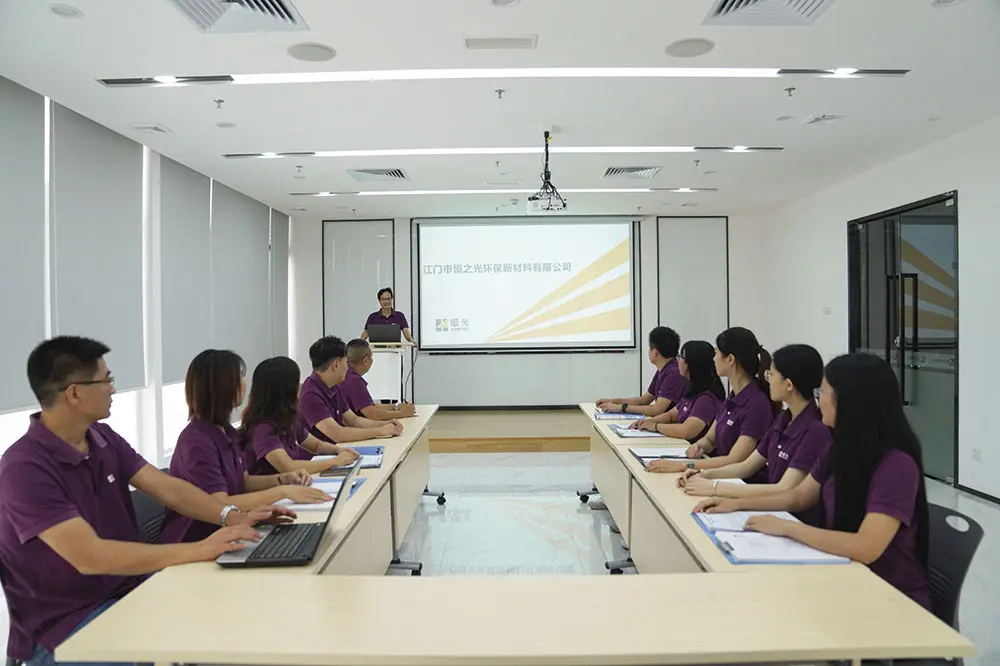
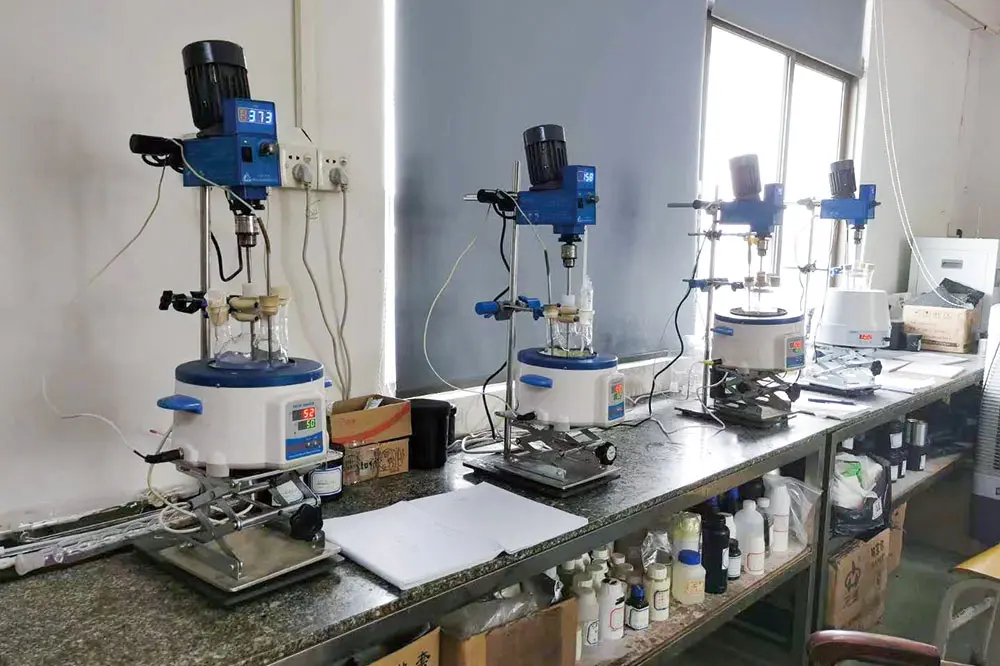
Our team of 15+ specialized R&D technicians designs targeted monomer dilutions, polymer backbones, and molecular weight distributions to match your target viscosity and curing rates.

Strict Quality Control

Operated under ISO9001 and ISO14001 certification. Raw materials are checked before processing, and advanced DCS control ensures uniform quality in every production run.

Optimized Curing Efficiency

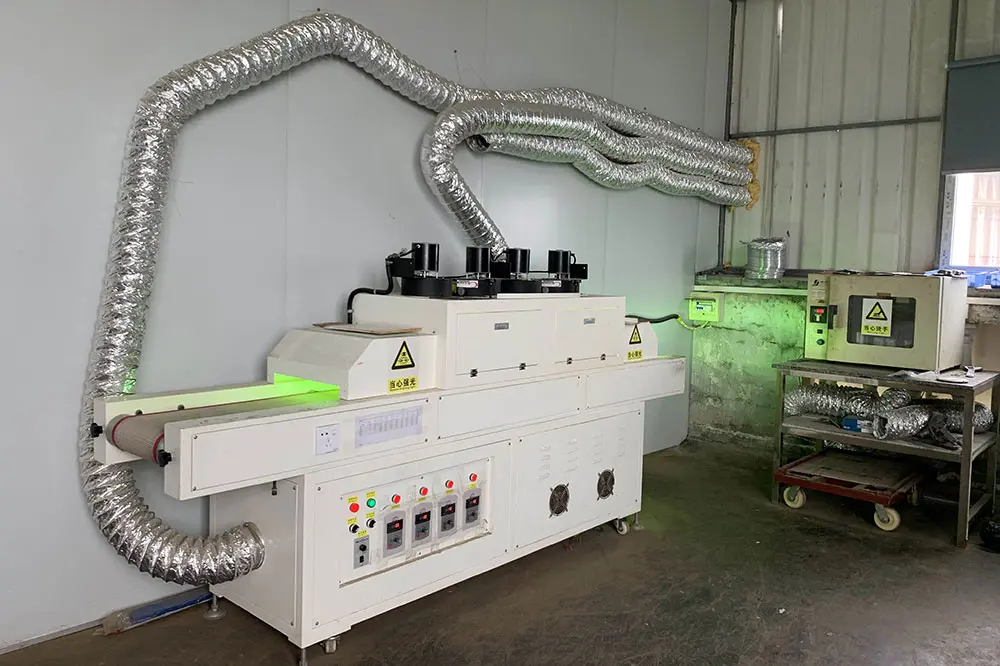
Formulations are developed to maximize double-bond conversion under standard mercury, LED, or excimer UV lamps, helping to minimize energy use on curing lines.

Frequently Asked Questions & Technical Insights

Addressing Common Inquiries from Procurement Managers, Chemical Engineers, and Global Buyers

Q1: What are the main differences between Epoxy Acrylate and Polyurethane Acrylate (PUA) in wood coatings?
Epoxy acrylates (such as Bisphenol A Epoxy Acrylate 9104) are chosen for their fast curing speed, high hardness, and cost efficiency. They are ideal for sealers and filler layers in wood processing. However, they can be brittle and are prone to yellowing under UV exposure. Polyurethane acrylates (PUAs) offer much better flexibility, impact resistance, and weatherability. Aliphatic PUAs do not yellow over time, making them the preferred choice for high-end clear topcoats on light-colored wood veneers and exterior applications.
Q2: How does Guangdong Ever Ray ensure batch-to-batch consistency in high-volume shipments?
Consistency is maintained using our DCS (Distributed Control System) automation, which closely monitors reaction temperatures, feeding speeds, and processing times. Additionally, we run comprehensive laboratory checks on raw materials and evaluate finished products for key parameters such as viscosity, acid value, color, and reactivity before dispatching shipments from our Yunfu and Jiangmen factories.
Q3: Can your UV resins be customized for application on difficult, low-surface-energy substrates?
Yes. We formulate modified acrylate oligomers and polyurethane acrylates (such as our 72021E multi-substrate bonding resin) specifically to enhance adhesion on challenging substrates like ABS, PC, and treated metal foils. By adjusting the monomer composition and incorporating polar functional groups, we can modify the surface tension of the resin to improve wetting and bonding.
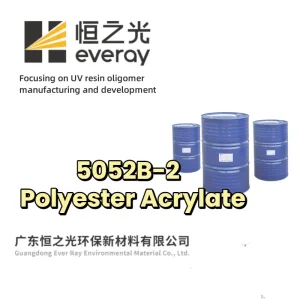
Q4: What is the benefit of low-viscosity polyester acrylates like 5052B-2?
Low-viscosity polyester acrylates reduce the need for volatile monomer diluents, helping you formulate coatings with lower VOC levels. They provide good pigment wetting, high flexibility, and help maintain high curing speeds, which makes them suitable for thin-film applications on plastic, paper, and wood substrates.
Q5: How does excimer laser technology achieve a matte finish, and which resin is recommended?
Excimer laser curing uses 172nm wavelength UV light to cure only the top layer of the wet coating, causing it to shrink and micro-fold. A secondary standard UV lamp then cures the rest of the coating. Our 53036 Polyester Acrylate UV resin is specifically designed to support this micro-folding effect, yielding durable matte surfaces with high scratch resistance and a soft-touch feel.
Q6: Are Ever Ray products compliant with global environmental standards like REACH and RoHS?
Yes. As a dedicated eco-friendly materials developer established in 2006, all our oligomers and resins are formulated to comply with REACH and RoHS standards. We provide complete Safety Data Sheets (SDS) and material certifications to help you navigate international import regulations.
Q7: What packaging options are available for bulk international orders?
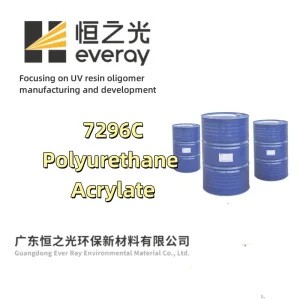
We offer standard steel drums (typically 200kg) and IBC containers (1000kg) to suit different manufacturing scales. All packaging is light-shielded and sealed to prevent contamination and protect the resins during transit.
Q8: How do we initiate custom product development or request samples?
You can reach out to our team with your specific requirements, including target viscosity, application method (e.g., roller, spray, or screen printing), curing system, and substrate type. Our R&D team will evaluate your needs and prepare sample batches for testing on your production line.