Engineered Resins, Oligomers & Photo-curable Solutions for High-Performance Industrial Applications
The global footwear industry is undergoing a paradigm shift, transitioning from traditional subtractive manufacturing and tooling-dependent injection molding to agile, digital manufacturing processes. At the heart of this revolution is 3D printed footwear material science, a segment that has matured from rapid prototyping into a reliable mass-production alternative.
Major athletic brands, medical orthotics suppliers, and premium fashion houses are actively utilizing vat photopolymerization technologies—such as Digital Light Processing (DLP), Stereolithography (SLA), and liquid additive manufacturing—to create components with complex geometries, optimized lattices, and customized cushioning properties. Our specialized UV photopolymer resins, built on optimized polyurethane, polyester, and epoxy acrylate backbones, deliver the precise elasticity, fatigue resistance, and rebound required for midsoles, outsoles, and upper reinforcements.
The industrial validation of these materials relies heavily on performance characteristics such as tensile strength, elongation at break, compression set, and energy return. Today's commercial success depends on the synthesis of oligomers that possess low viscosity to facilitate fast printing speeds and high stability to withstand demanding environmental stress conditions.
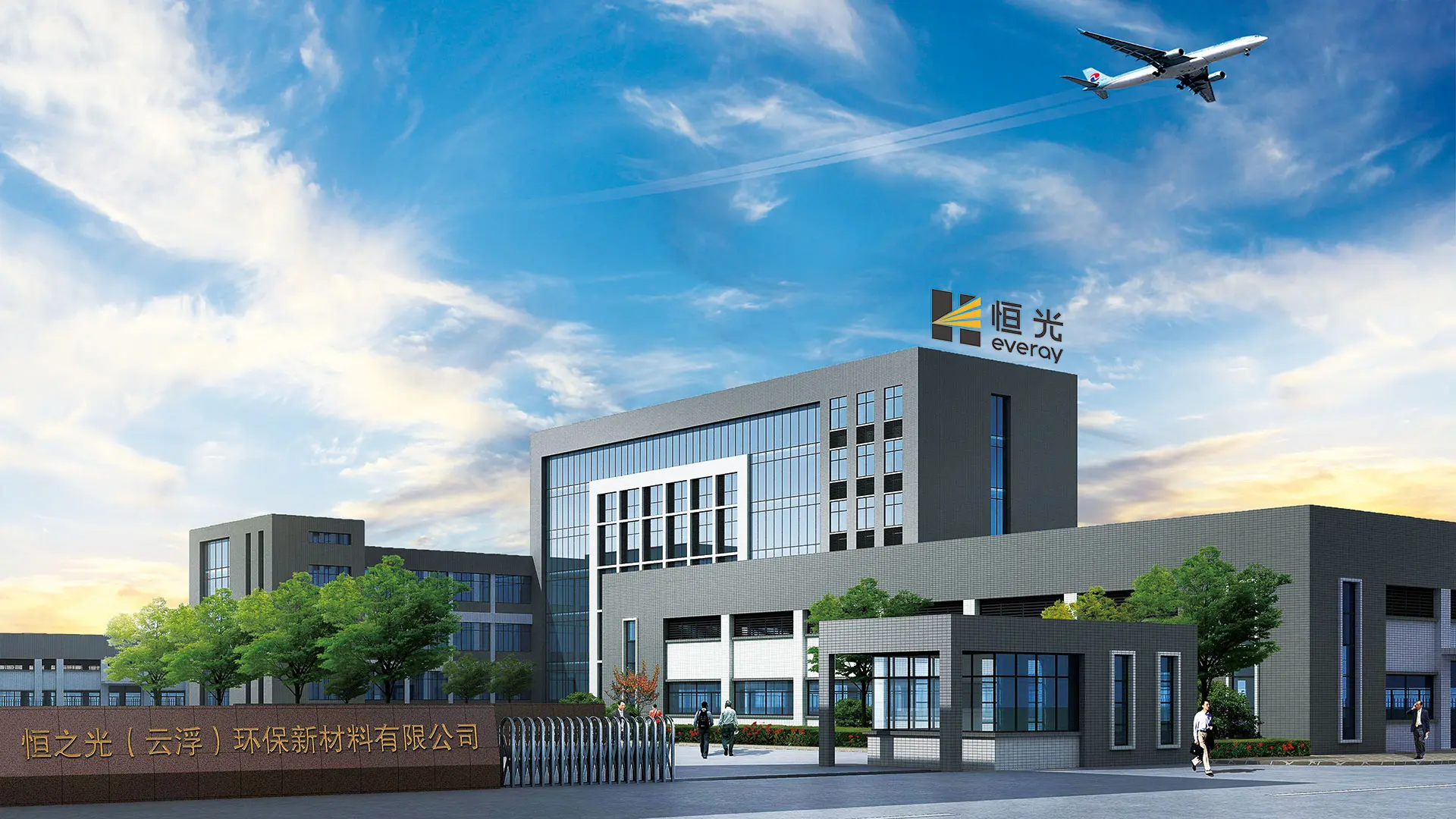
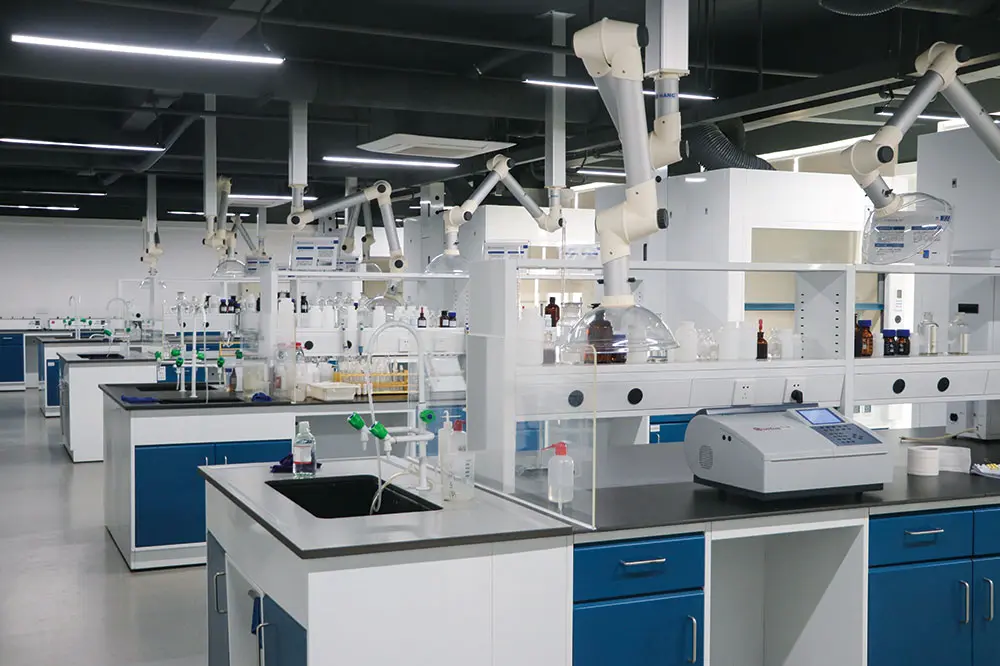
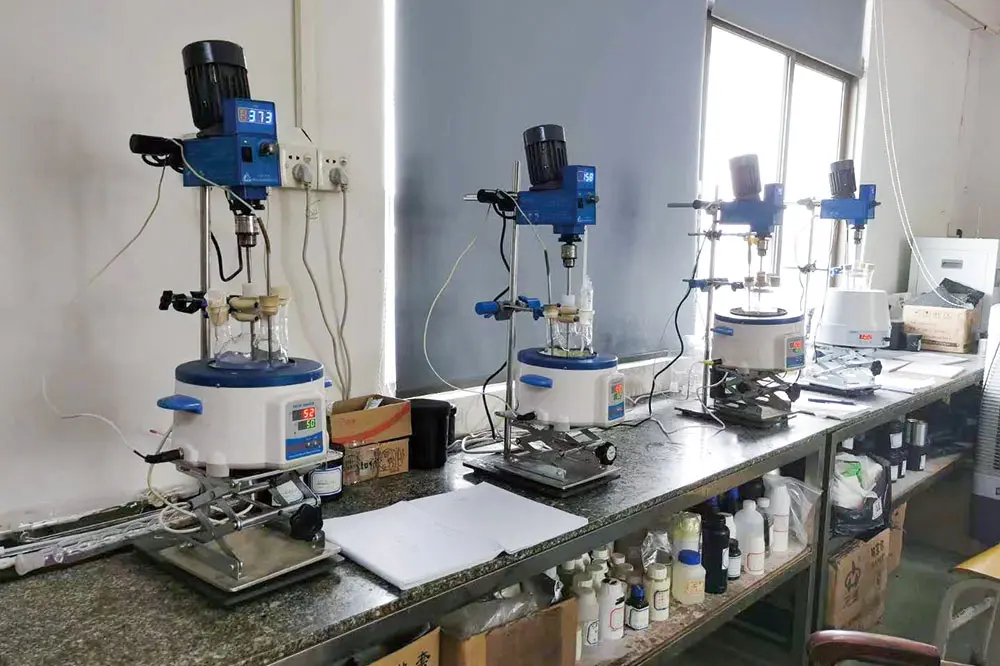
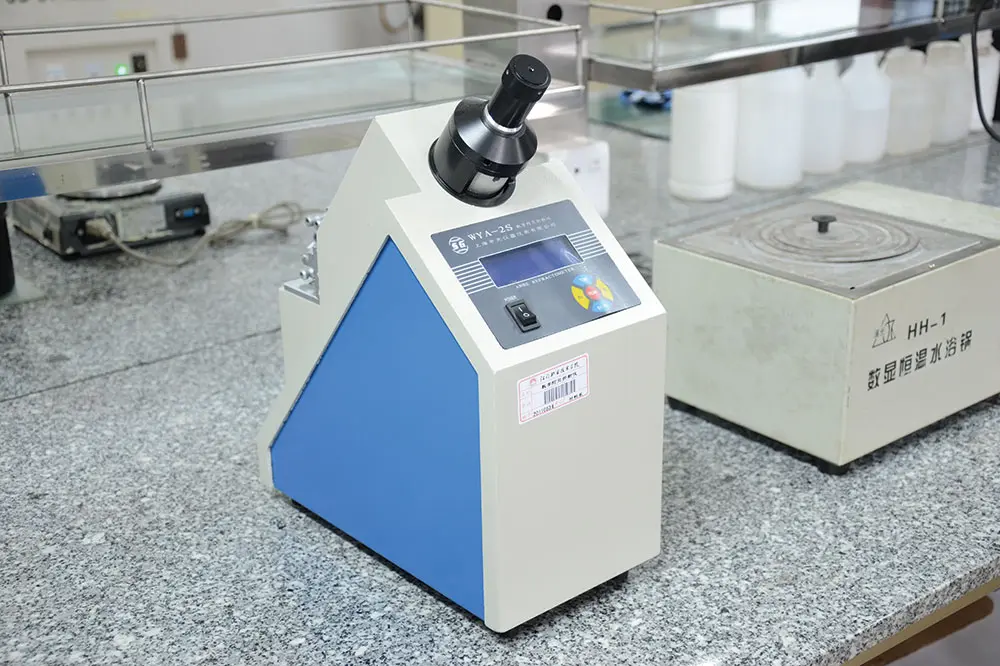
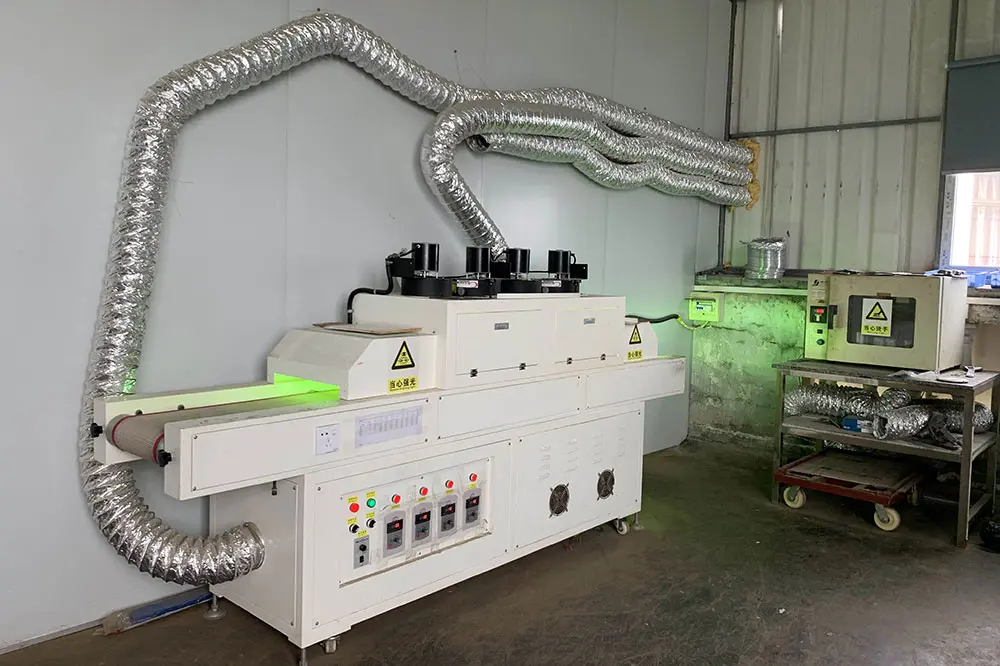
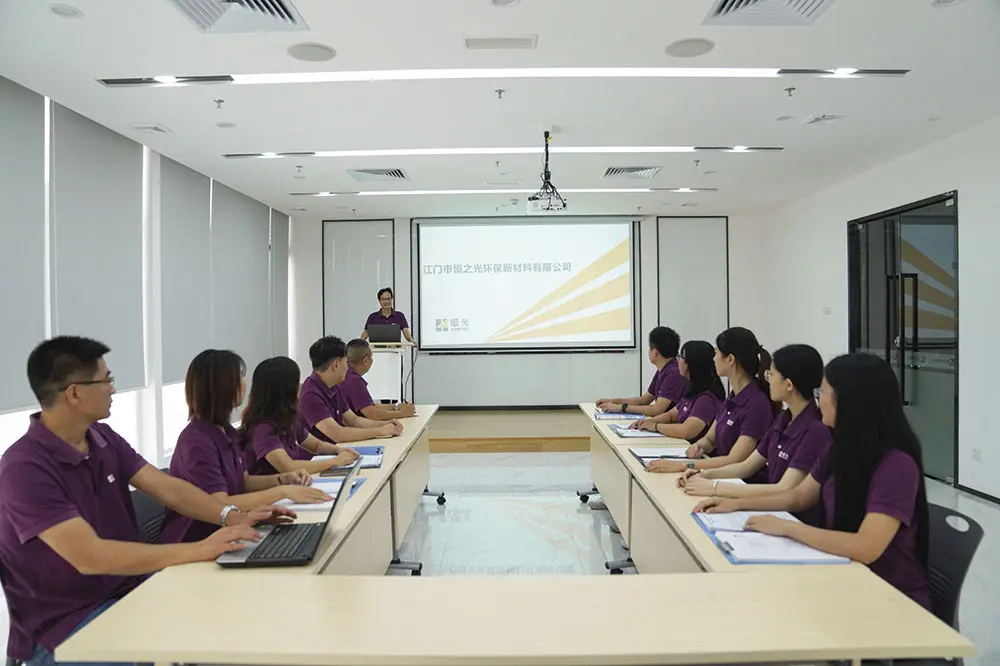
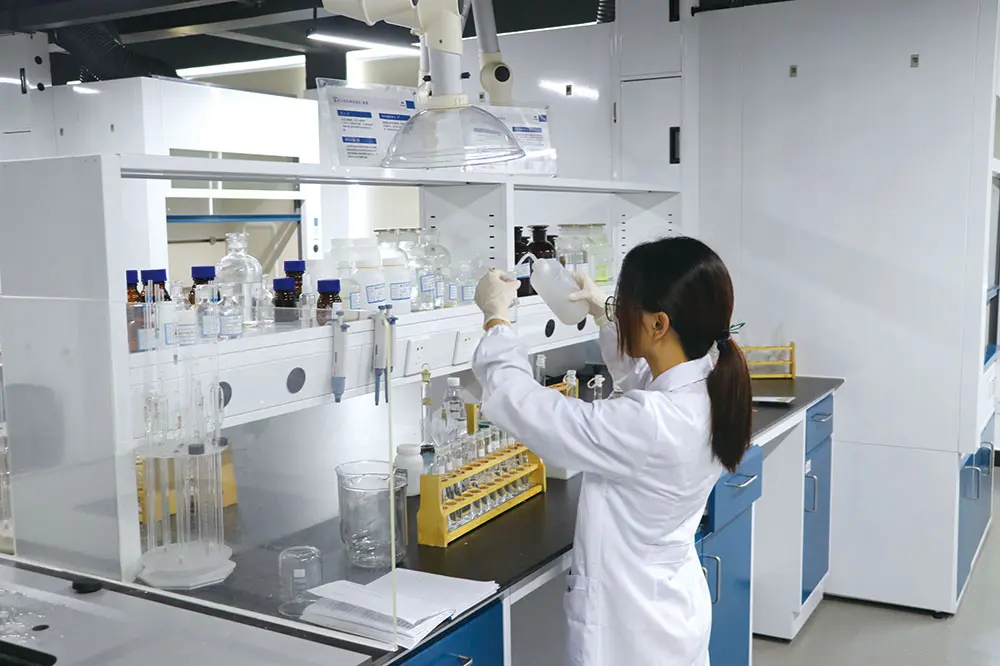
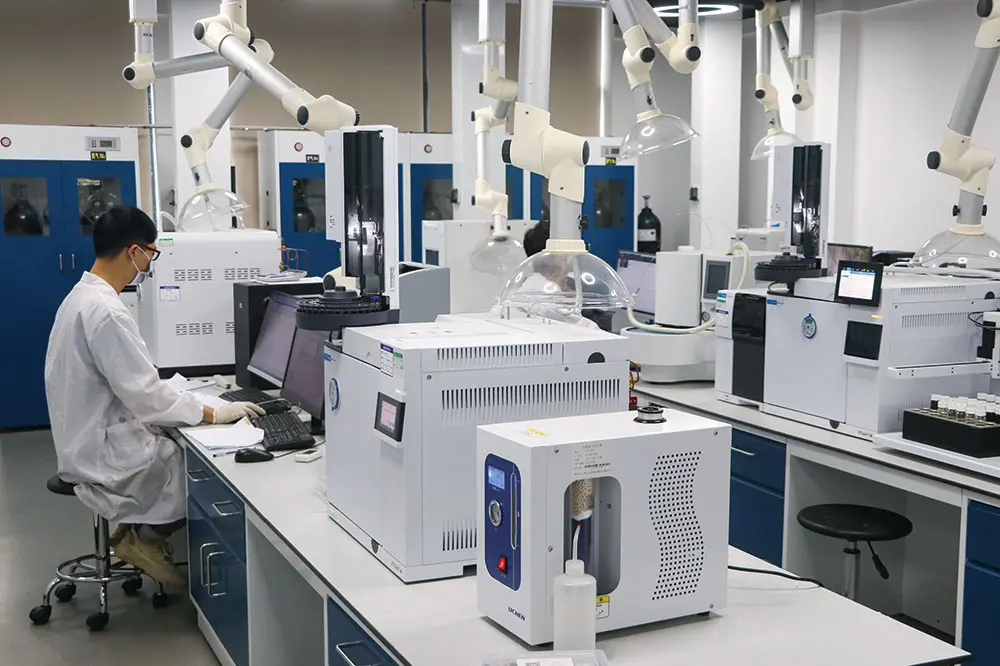
Established in 2006, Guangdong Ever Ray Environmental Material Co., Ltd. is a high-tech enterprise specializing in the R&D and manufacturing of oligomers for UV curable resin. Our comprehensive portfolio includes high-performance epoxy acrylate, polyurethane acrylate (waterborne, aliphatic urethane, aromatic urethane), polyester acrylate, pure acrylate, and specialized functionalized modifying monomers.
Our production infrastructure comprises two specialized facilities. The Jiangmen base (Guangdong) covers approximately 10,000 square meters, while the Yunfu facility (Guangdong) spans around 40,000 square meters. These plants feature integrated quality control, storage, and logistics operations. With an annual production capacity exceeding 20,000 tons supported by more than 10 automated lines, we ensure consistent delivery for large-volume industrial demands.
Operating under ISO9001 and ISO14001 certification frameworks, our factories leverage a fully computerized Distributed Control System (DCS) to manage polymerization reactions with high precision. This system ensures consistent batch quality, low chemical variance, and optimal environmental compliance.
Bridging polymer chemistry with commercial application demands
Using aliphatic polyurethane acrylates to create lattice structures that exhibit minimal compression set and high rebound. This provides optimal energy return and stability for performance running shoes.
Waterborne and flexible oligomer systems formulated for high biocompatibility, precise structural stiffness, and patient-specific pressure distribution, engineered directly from 3D podiatric scans.
Highly cross-linked urethane and epoxy acrylate formulations that provide high abrasion resistance, tear strength, and slip resistance on varied dry and wet surfaces.
China's chemical manufacturing sector offers notable advantages in downstream logistics, raw material integration, and process control. Guangdong Ever Ray capitalizes on these dynamics, sourcing domestic and international raw materials to maintain reliable raw material feeds and mitigate price volatility.
Our Yunfu and Jiangmen bases are situated within mature chemical zones, offering access to high-capacity storage, specialized hazardous material logistics, and close proximity to shipping hubs. This ensures competitive lead times for global orders, whether shipping to South East Asia, Europe, or the Americas.
Furthermore, our advanced DCS system automates temperature controls, dosing sequences, and polymerization times, resulting in high production consistency. By reducing manual processing, we achieve lower volatile organic compound (VOC) emissions, high yield efficiency, and competitive costs for large-scale B2B orders.
1. Transition to Bio-Based and Sustainable Formulations: Brands are seeking alternatives to fossil-fuel-based photopolymers. Our research team focuses on modified natural oils, such as epoxidized soybean oil acrylates, to develop bio-resins with comparable performance to synthetic resins.
2. Higher Post-Curing Speed and Surface Uniformity: Advanced photopolymers must cure uniformly under specific UV wavelengths without showing surface defects or micro-cracks. Developing high-activity oligomers reduces post-curing cycle times, helping to lower overall factory utility costs.
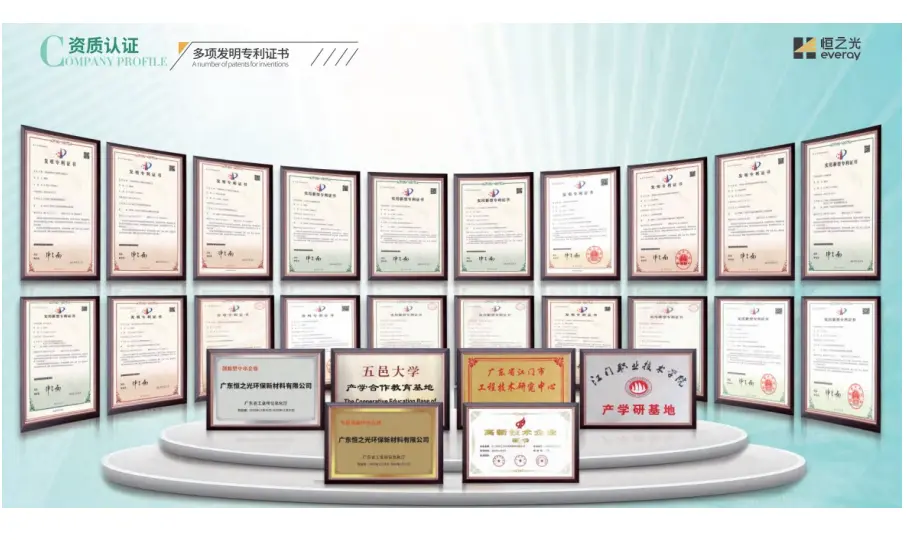
Enterprise procurement teams in the footwear industry require strict adherence to performance metrics, environmental standards, and quality control. At Guangdong Ever Ray, we align our product development and manufacturing processes with these rigorous requirements to ensure seamless supply chain integration.
Batch-to-batch consistency is critical to avoid printing failures on high-speed industrial SLA and DLP production lines. We test oligomer batches using GPC (Gel Permeation Chromatography) and FTIR (Fourier Transform Infrared) spectroscopy to verify molecular weight distribution and conversion rates.
Our raw materials comply with international regulations, including REACH, RoHS, and California Proposition 65. Our formulations prioritize low VOC emission levels and contain no restricted heavy metals or toxic plastification agents, ensuring safety during handling and product use.
We test our materials for structural stability over extended use cycles. Testing protocols include evaluating flex fatigue (over 100,000 compression cycles), abrasion resistance, and weathering performance to ensure parts resist yellowing and degradation.
Addressing the common chemistry and engineering questions from B2B buyers and footwear designers
Explore our full range of chemical solutions for industrial manufacturing and coatings
 Ever Ray