Select advanced oligomers engineered to drive precision, durability, and high reactivity in modern 3D printing inks.
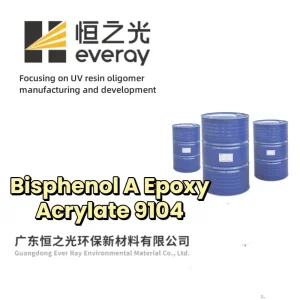
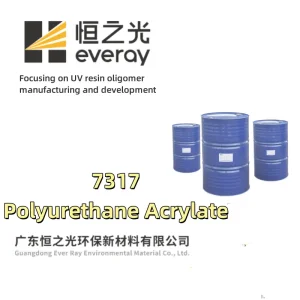
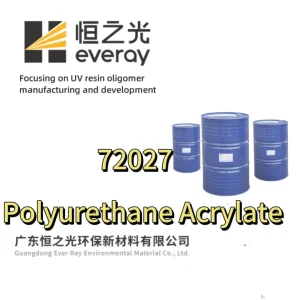
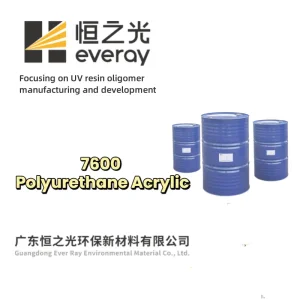
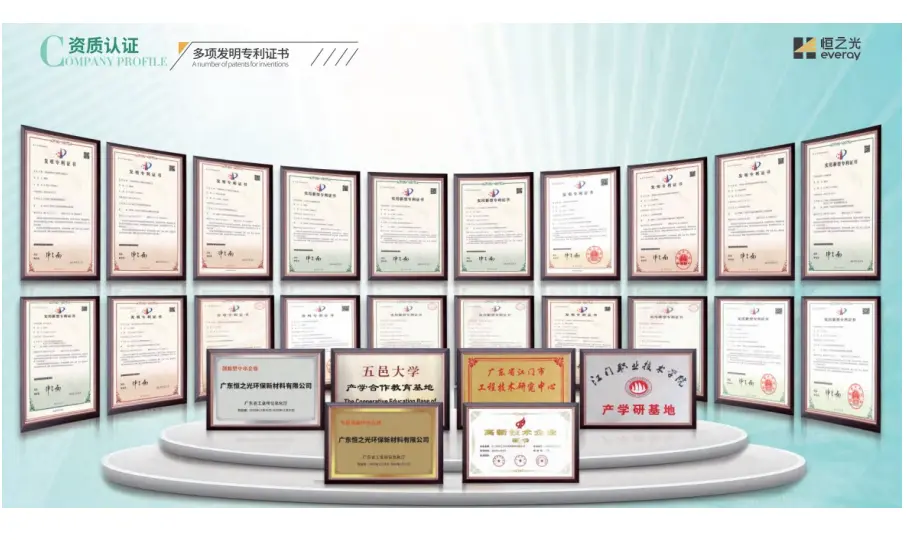
We are a recognized national high-tech enterprise dedicated to the intensive R&D, synthetic engineering, and manufacturing of specialized oligomers for UV-curable resin systems. Our technology portfolio focuses on highly customized chemical pathways including Epoxy Acrylate, Polyurethane Acrylate (waterborne, aliphatic urethane, and aromatic urethane), Polyester Acrylate, Pure Acrylate, and various other functional modified acrylate oligomers.
By operating at the intersection of material science and precision engineering, we enable formulation chemists and 3D printing ink manufacturers worldwide to achieve superior curing speed, high mechanical resilience, low volumetric shrinkage, and customized flexibility profile characteristics.
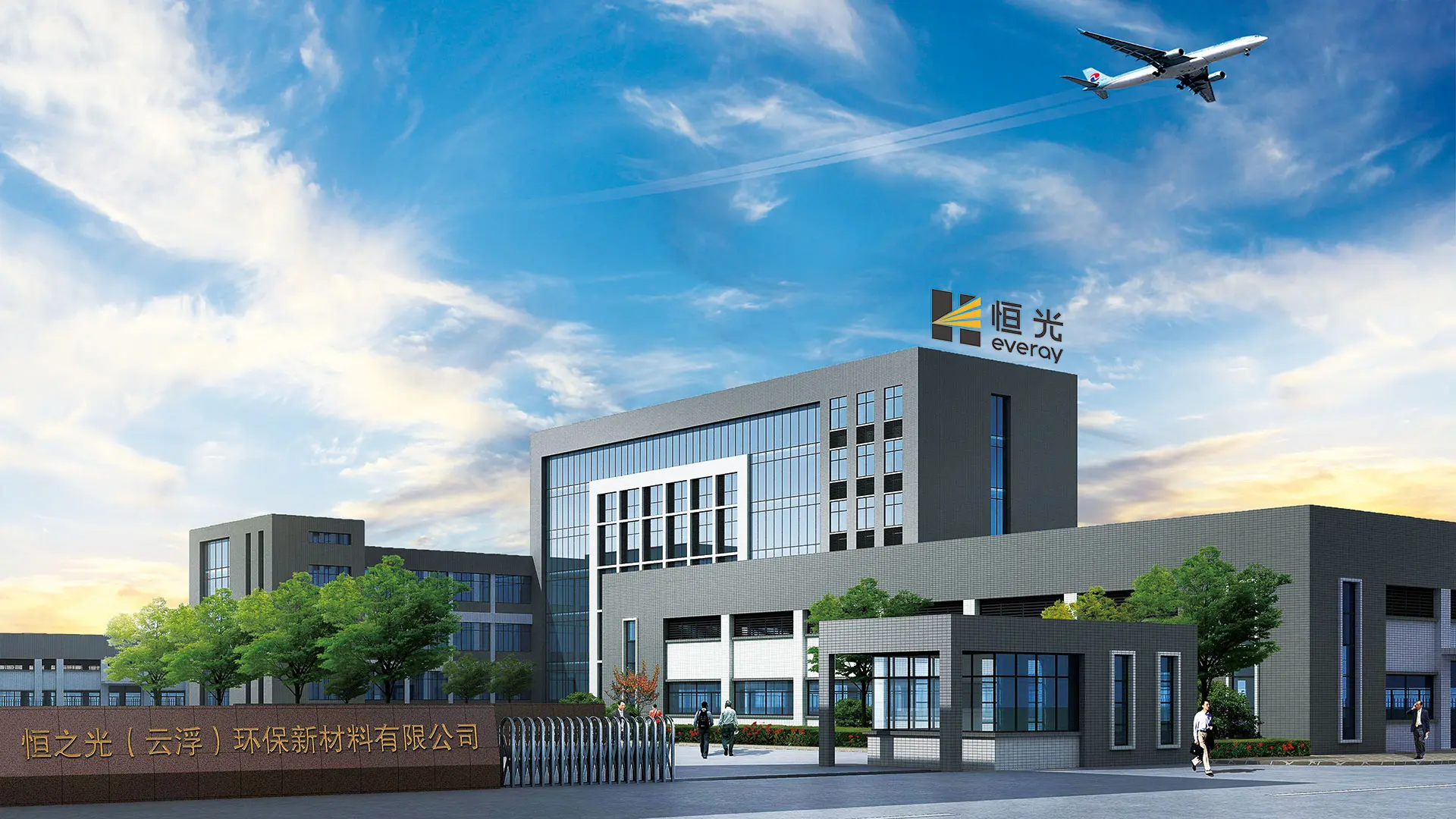
Strategic infrastructure layout supporting massive global demand with consistent quality standards.
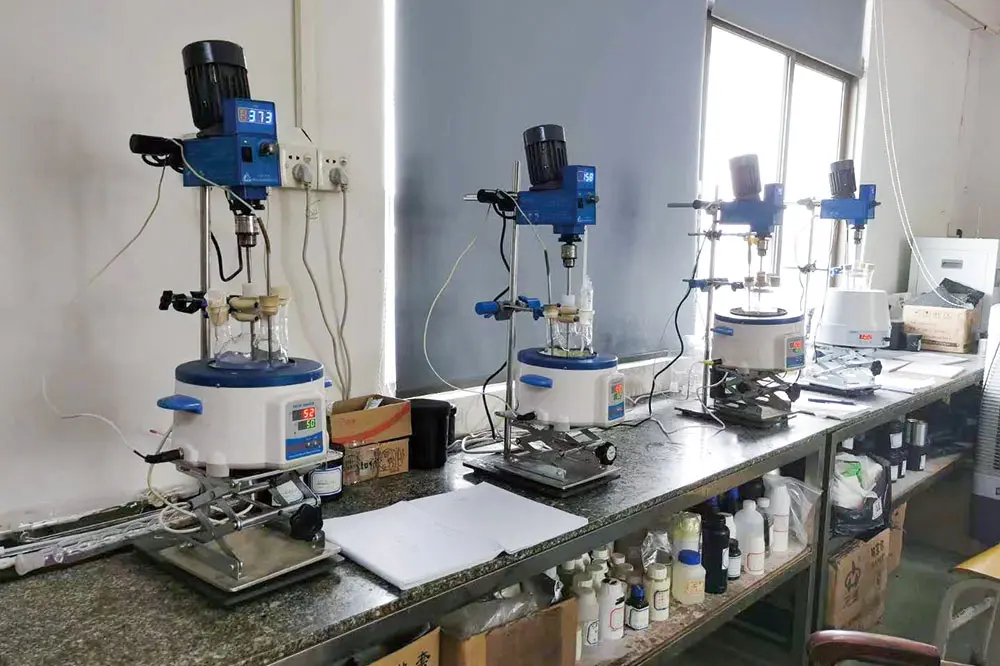
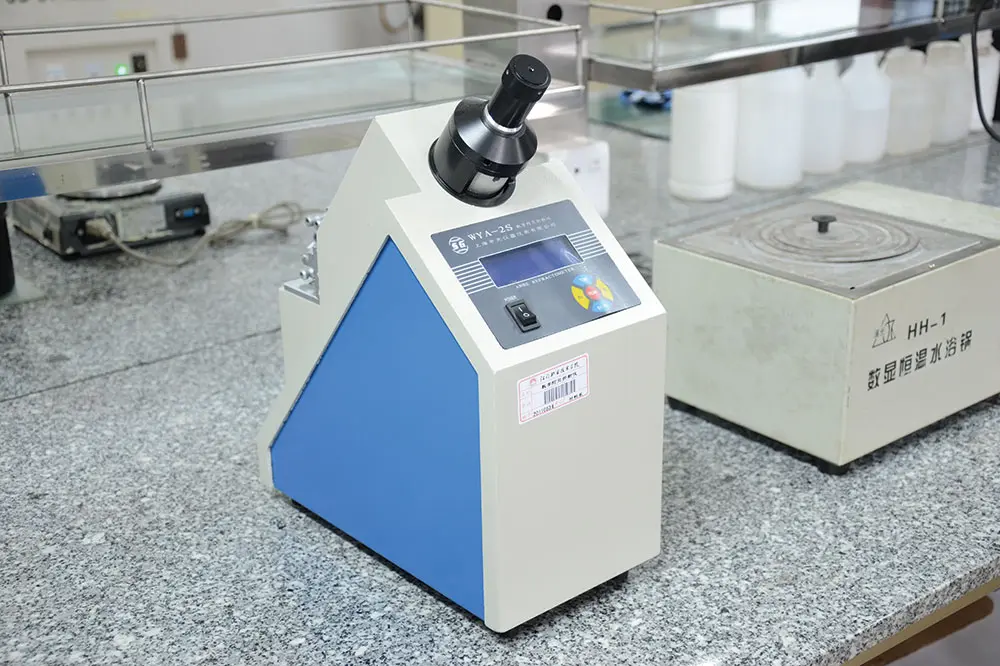
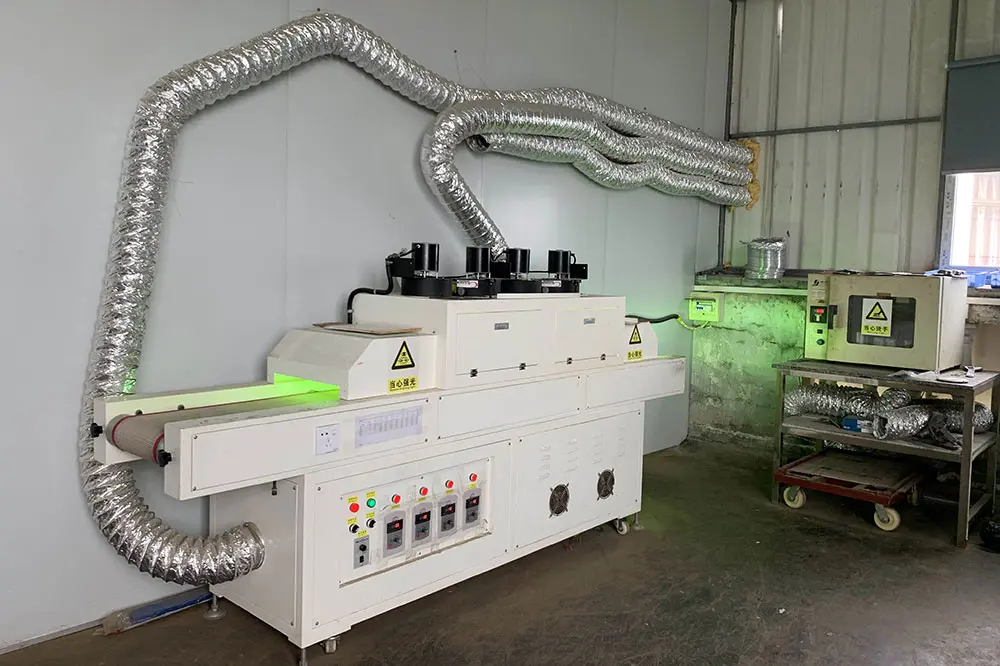
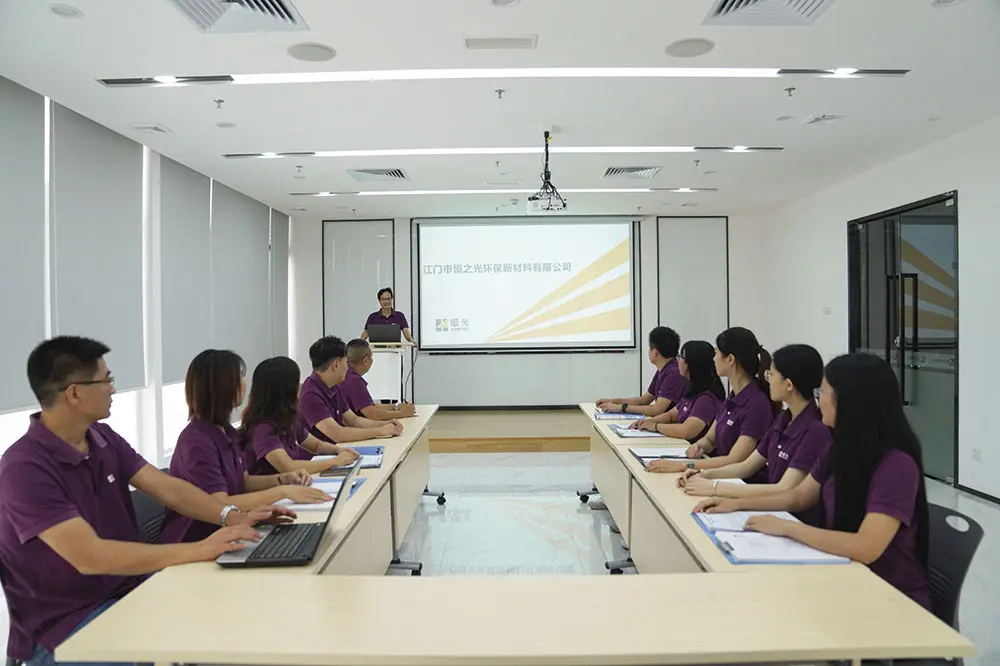
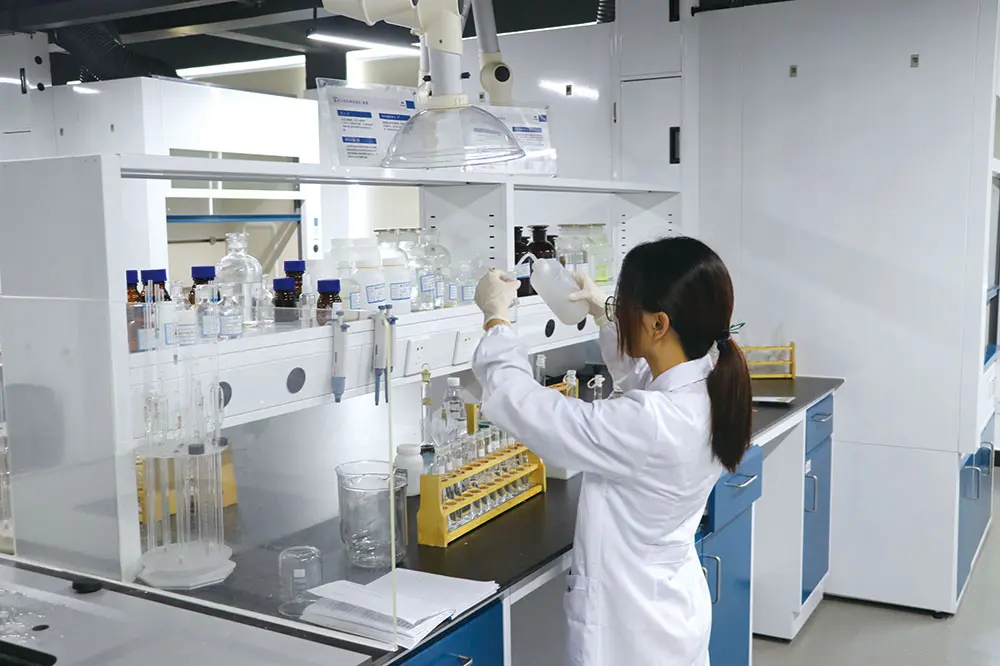
To provide reliable supply continuity for international industrial buyers, Ever Ray operates two modern manufacturing sites located in Guangdong, China:
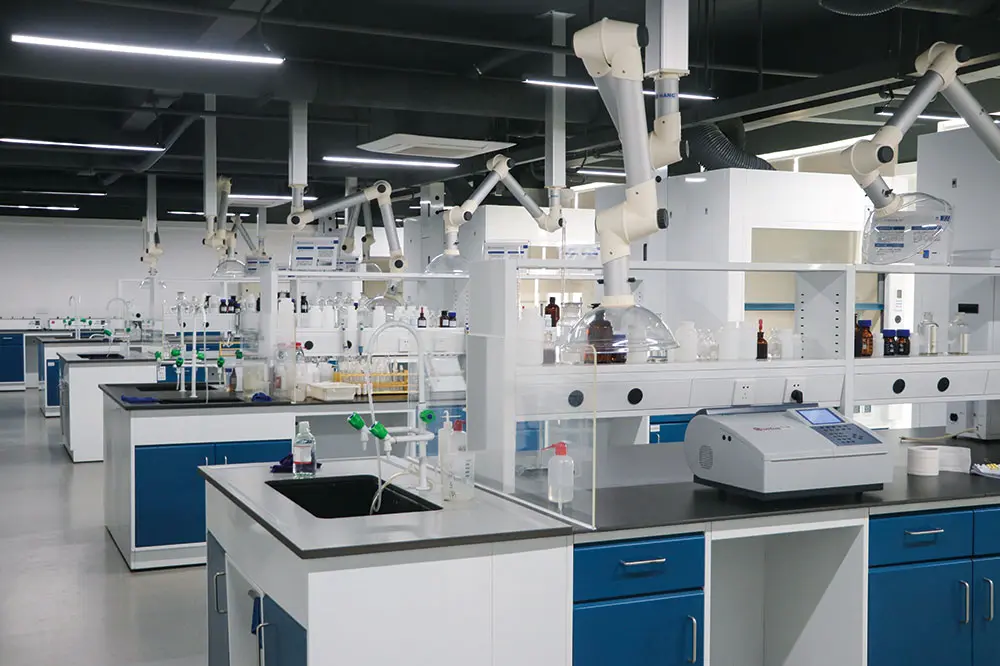
Our facilities leverage a sophisticated, fully computerized DCS (Distributed Control System). This digital automation eliminates batch-to-batch deviations, allowing us to hit precise target molecular weights, polydispersity indexes, and viscosity parameters across our 10+ active production lines, giving us an annual output capability exceeding 20,000 metric tons.
Combined Facilities Footprint
Annual Production Capacity
Senior Materials Technicians
Invention & Utility Patents
The global industrial sectors are transitioning rapidly from rapid prototyping to mass additive manufacturing. This paradigm shift places extreme demands on the underlying photopolymerization chemistry of 3D printing inks. As a specialized oligomer manufacturer, Ever Ray works directly at the raw-material level to resolve the fundamental trade-offs between speed, mechanical properties, structural resolution, and environmental safety.
Demands low viscosity, high reactivity, and ultra-low shrinkage. Epoxy acrylates and low-molecular-weight polyester acrylates provide fast curing and high surface hardness.
Requires balanced cure-kinetics to avoid over-curing adjacent voxels. Aliphatic polyurethane acrylates are preferred to achieve high impact resistance and prevent yellowing.
Requires jetting reliability at elevated temperatures. Low viscosity polyester acrylate oligomers (such as 5052B-2) and hyperbranched monomers ensure optimal fluid dynamics.
Oligomers form the molecular backbone of any UV-curable 3D printing formulation. While monomers primarily control the viscosity and solvating power, oligomers determine the physical properties of the printed object: its modulus, elongation, tensile strength, thermal stability, and environmental resistance. Ever Ray specializes in developing high-purity oligomers that exhibit targeted performance vectors:
A primary challenge in high-resolution 3D printing is maintaining dimensional accuracy. During photopolymerization, molecules draw closer together as covalent bonds replace van der Waals forces, leading to shrinkage. If the shrinkage is too high, parts warp, crack, or delaminate from the build plate.
Ever Ray has engineered specific low-shrinkage oligomers like 17701 Low Shrinkage Modified Acrylate Oligomer and 5026F Polyester Acrylate. By optimizing the molecular weight distribution (MWD) and limiting reactive group density without compromising cure speed, we allow formulation chemists to develop inks that retain highly accurate geometric dimensions, crucial for microfluidics, dental prosthetics, and aerospace components.
| Oligomer Grade | Polymer Chemistry Type | Viscosity Range (mPa·s / 25°C) | Key Performance Indicators | Target 3D Application |
|---|---|---|---|---|
| 9104 | Bisphenol A Epoxy Acrylate | High / Blend-Dependent | Ultra-fast cure speed, high hardness, chemical resistance | SLA structural resins, hard coatings |
| 7296-1 | Polyurethane Acrylate | Medium to High | Exceptional impact and wear resistance, flexibility | Tough/Functional prototyping |
| 5052B-2 | Polyester Acrylate | Low (100 - 500) | Excellent dilution capability, low shrinkage, good wetting | Jetting 3D Inks, paper & plastic UV systems |
| 17701 | Modified Acrylate Oligomer | Medium | Extremely low shrinkage, strong substrate adhesion | Offset & film inks, precision optical parts |
| 4600 | Hyperbranched Acrylic | Low | High crosslink density, scratch resistance, low viscosity | High-resolution SLA/DLP, scratch-resistant varnishes |
The 3D printing ink sector is transitioning from standard prototyping resins to specialized, high-performance functional materials. Our R&D roadmap focuses on three technological shifts:
How our advanced domestic supply chain guarantees cost efficiency, steady logistics, and consistent batch quality.
Operating out of Guangdong, the industrial heartland of China, Ever Ray leverages an ultra-integrated ecosystem of raw materials, upstream monomers, and high-capacity logistics networks. This geographic advantage translates into direct benefits for our global partners:
Supporting diverse application engineering demands across key target regions.
Focuses on high-strength, high-toughness functional prototypes. Aliphatic polyurethane acrylate resins like 7600 provide excellent mechanical reliability under dynamic stress and thermal loads.
Toughness & HDTRequires strict biocompatibility, low levels of residual monomer migration, and zero yellowing for clear aligner models. Special modified acrylate systems deliver highly precise, skin-safe parts.
ISO 10993 / Low OdorRequires fast turnarounds, low-cost scaling, and excellent adhesion to diverse plastics. Polyester acrylates like 5052B-2 offer high reactivity at minimal production costs.
High Reactivity & AdhesionEnsuring safe, compliant, and friction-free international chemical supply chains.
Navigating chemical import regulations is critical for global manufacturers. Ever Ray is fully integrated into the global compliance infrastructure, ensuring that all shipped oligomers conform to international safety protocols:
Technical insights to help formulate superior 3D printing inks and photopolymers.
Select from our comprehensive list of high-performance chemical materials developed to enhance industrial coatings, adhesives, and inks.
 Ever Ray