Explore our first selection of high-performance acrylic oligomers tailored for water transfer printing, offset inks, excimer lasers, and industrial coatings.
Analyzing the shift towards VOC-free UV systems, functional customization, and sustainable raw material matrices.
Global regulatory mandates targeting carbon neutrality are accelerating the adoption of sustainable resins. Modern formulations actively substitute petro-derived carbon blocks with renewable, plant-sourced prepolymers without compromising crosslink density, mechanical properties, or curing efficiency.
The industrial coatings sector is shifting heavily toward ultra-matte, soft-touch coatings utilizing 172nm excimer laser technology. Developing custom polyester and polyurethane acrylates that react predictably to partial surface curing is critical to achieving high scratch resistance and low gloss levels.
Overcoming shadow-curing limitations in complex three-dimensional structures (such as electronics and 3D-printed footwear) requires oligomers capable of both moisture/thermal curing and radical ultraviolet photo-polymerization, bridging the gap between geometric limits and curing depth.
From advanced electronics packaging to automotive interior components, we provide high-purity oligomers matching complex processing parameters.
For high-end consumer electronics, adhesion to polycarbonate (PC), PMMA, and metallic bases is critical. Our specialized UV-curing resins (e.g., 7620 & 1730 series) provide outstanding intercoat adhesion, high hardness, and anti-yellowing performance under thermal cycling.
Inks require rapid viscosity reduction with reactive diluents without losing pigment wetting ability. Our polyester acrylates, such as the 5335F and 5332F lines, ensure stable dispersion, high cure speed under LED lamps, and minimal shrinkage to eliminate substrate warping.
3D-printed products, especially elastomeric footwear components, require materials with high tensile strength, ultimate elongation, and minimal volume contraction. The 72017A-8 dual-curing resin provides excellent dimensional stability and rapid green-strength development during stereolithography.
We supply specialized low-viscosity polyester acrylates optimized for 172nm excimer laser matte systems. These oligomers allow precise control over micro-folding surface structures, achieving gloss levels under 5 GU while retaining superior anti-fingerprint and chemical resistance properties.
Our oligomer portfolios satisfy requirements for high dilution capability, low odor, and superior scratch resistance. Formulations using our modified acrylates remain highly flexible, preventing micro-cracking in wood floorboards and plastic casings subject to mechanical stress.
Overcoming the high surface energy and moisture sensitivity of glass requires unique chemical anchoring. Our modified acrylates offer polar functional groups that form covalent bonds with silicate networks, guaranteeing water immersion resistance and excellent cross-cut adhesion ratings.
Established in 2006, Guangdong Ever Ray Environmental Material Co., Ltd. is a leading high-tech enterprise dedicated to the research, development, and manufacturing of premium oligomers for UV-curable systems. Our extensive product portfolio comprises high-grade epoxy acrylates, polyurethane acrylates (including waterborne systems, aliphatic, and aromatic variants), polyester acrylates, pure acrylates, and a wide array of special functional modified acrylate oligomers.
With an unwavering focus on technological innovation and environmental harmony, we leverage advanced scientific methods and hire top-tier domestic UV experts. Our goal is to ensure robust safety protocols, consistent product quality, and cost-effective solutions that support sustainable development without sacrificing chemical performance.
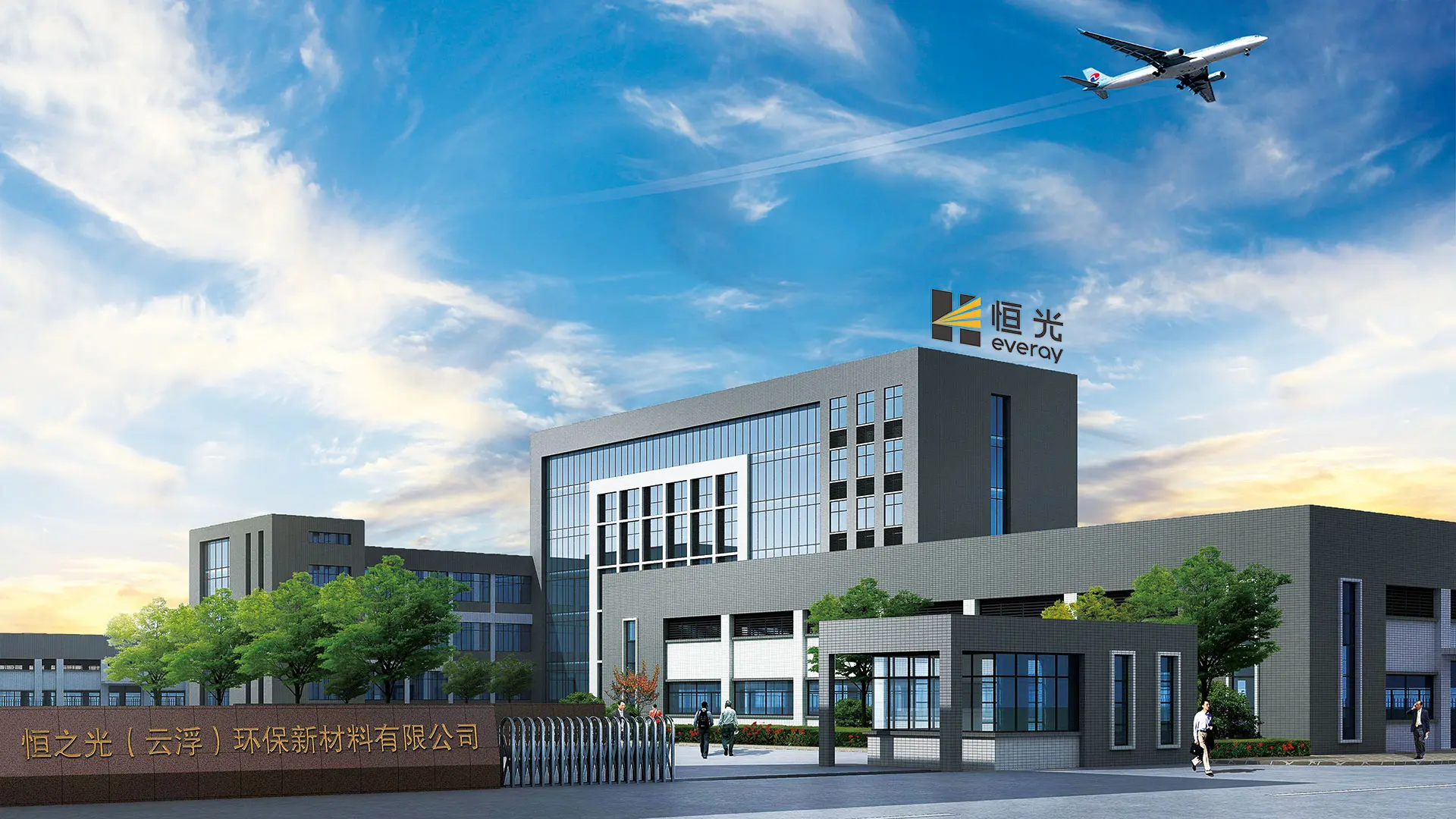
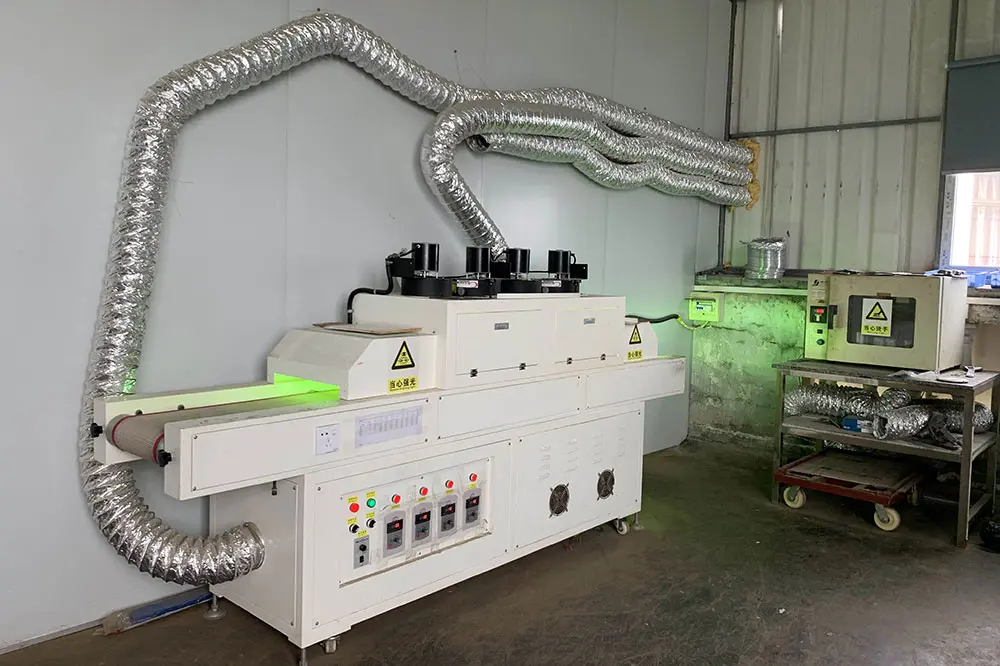
To support global supply lines, we operate two modern production bases: our 10,000-square-meter facility in Jiangmen, Guangdong, and a massive 40,000-square-meter facility in Yunfu, Guangdong. Together, they host more than 10 highly automated production lines with an annual capacity exceeding 20,000 tons. Our manufacturing infrastructure is managed under the ISO9001 Quality Management System and ISO14001 Environmental Management System. We run DCS fully computerized control setups to ensure that all reactions—from raw material loading to polymerization endpoint determination—maintain tight batch-to-batch consistency.
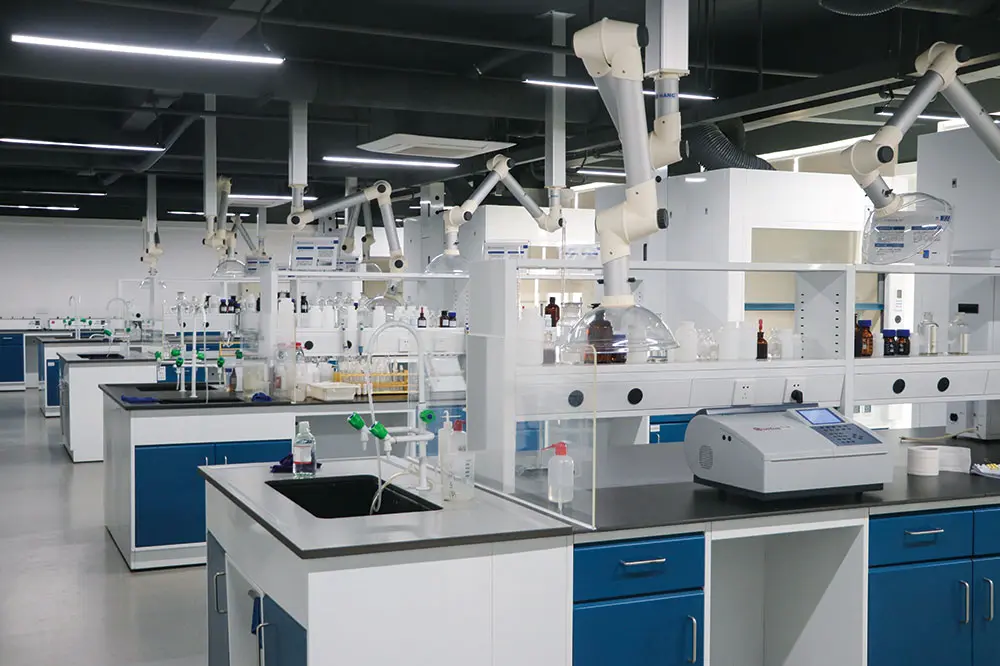
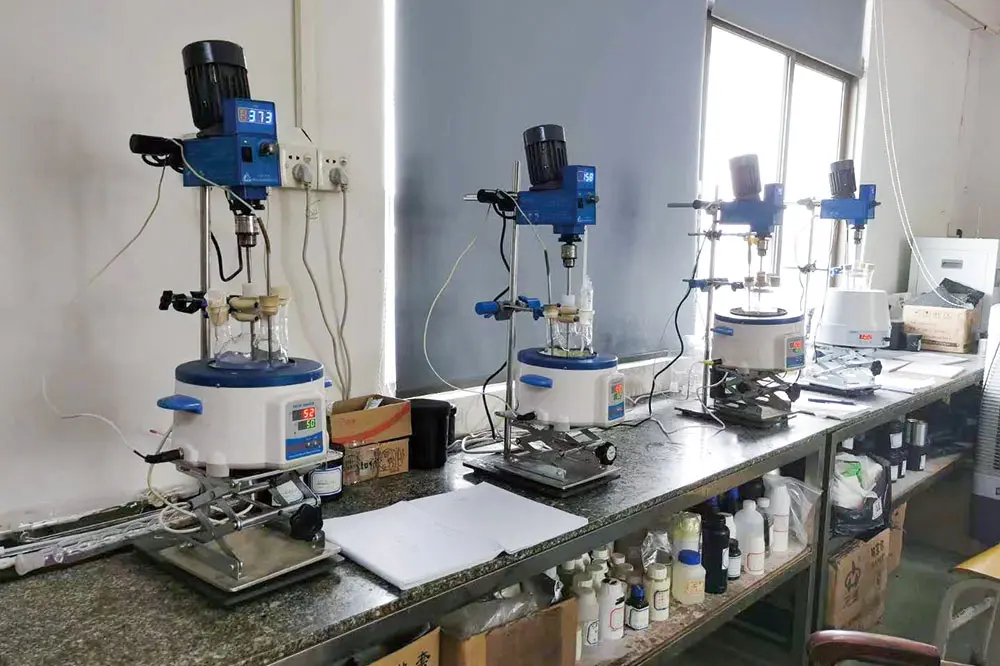
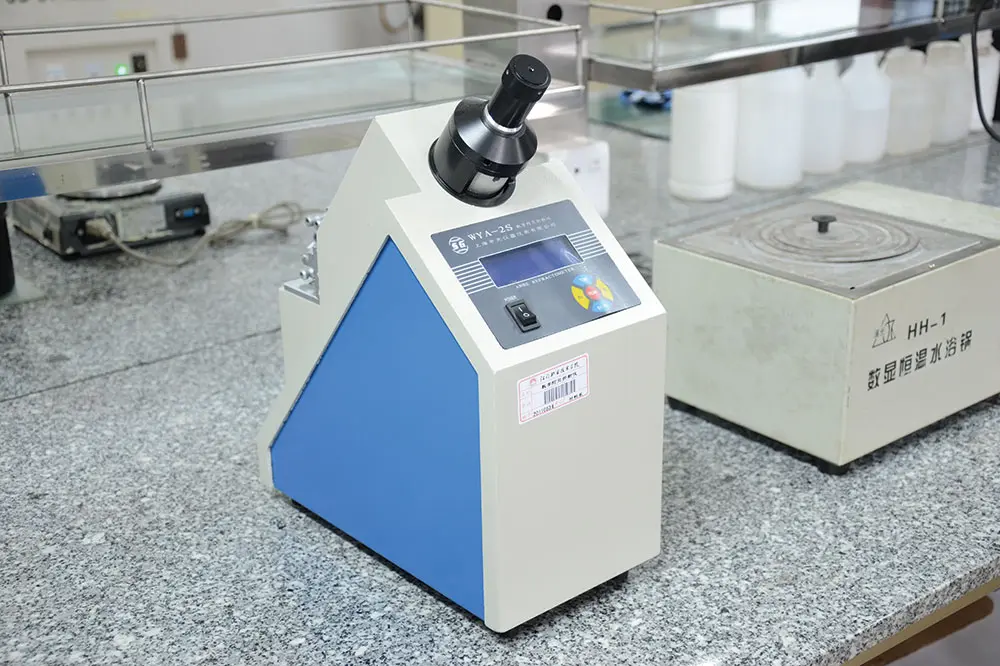
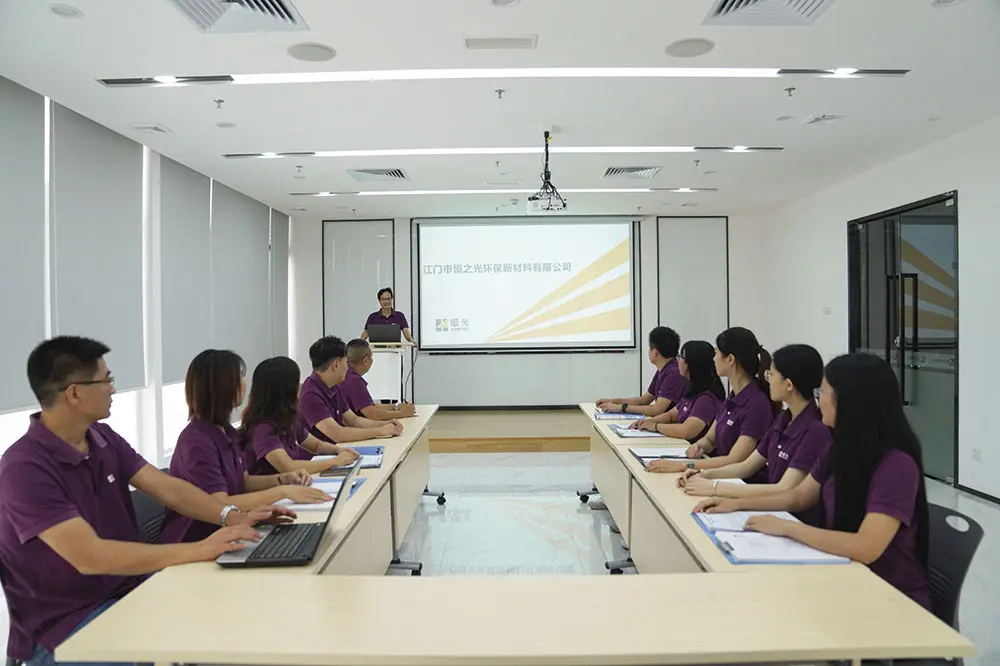
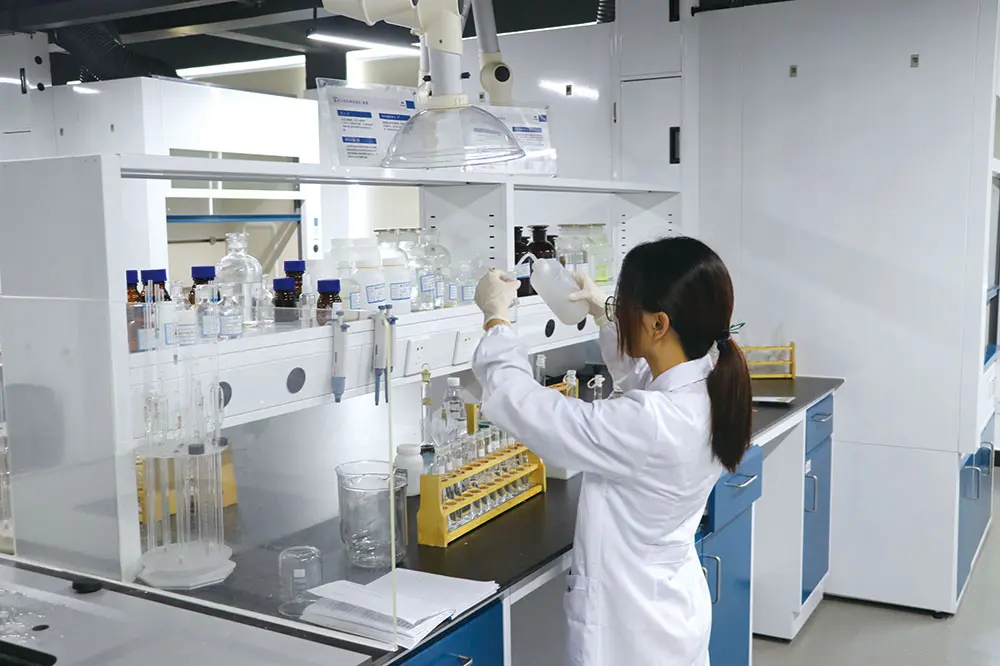
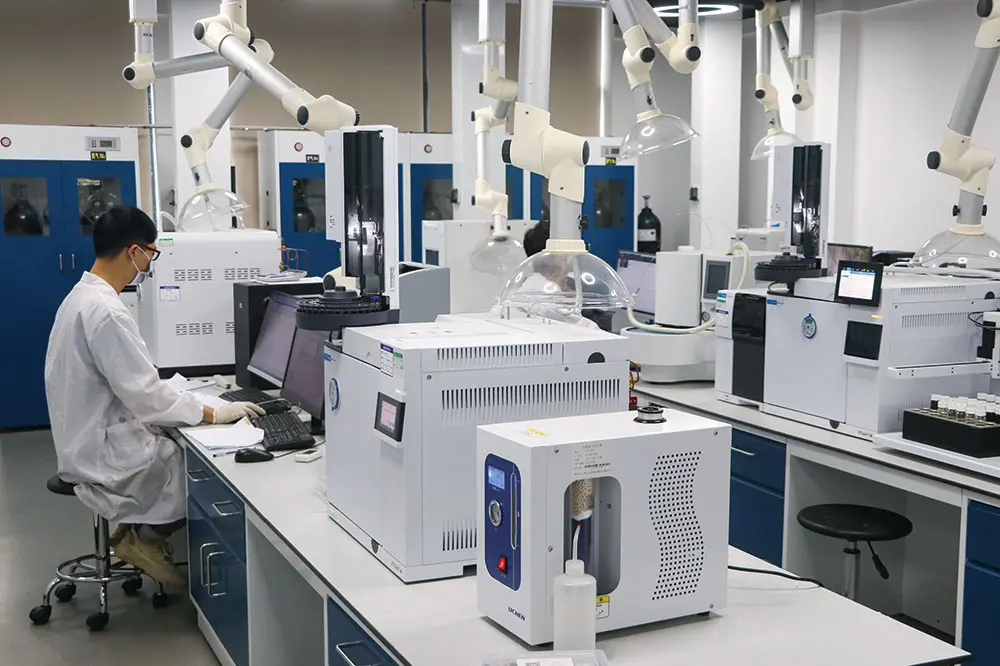
Innovation is key to our survival and growth. Guangdong Ever Ray holds more than 10 invention and utility patents. Backed by an in-house R&D department staffed by over 15 technicians, we support domestic and international partners with fast reaction kinetics, robust chemical resistance, and high gloss retention across wood, plastic, ink, and adhesive formulations. We help optimize parameters not only to meet demanding mechanical specifications but also to lower production costs.
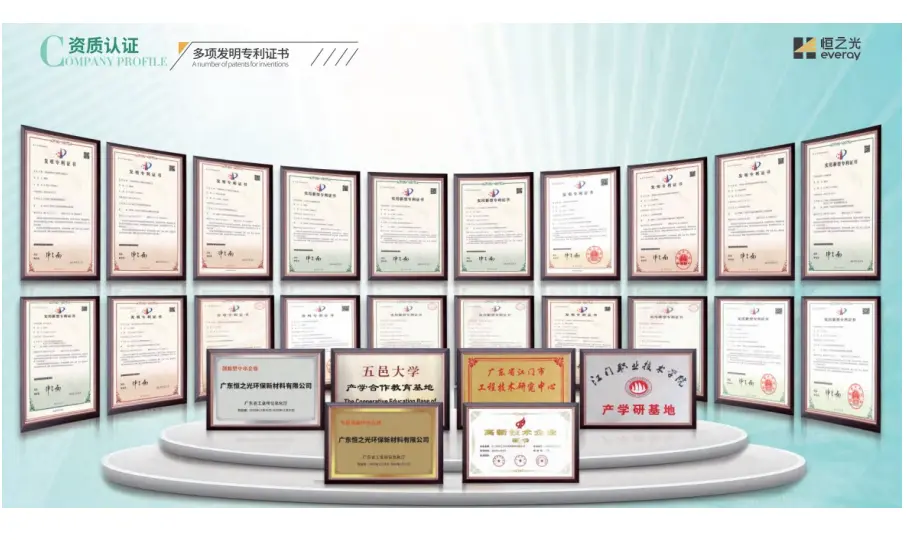
Guangdong Ever Ray Patent Certifications & ISO Quality Standards
Customized chemical packaging, secure export supply chains, and structured support frameworks for procurement departments.
We support multiple container standards, including 20kg steel pails, 200kg drums, and 1000kg IBC totes. Each container is sealed against light and moisture, with temperature-controlled shipping options available to prevent premature gelation in warm climates.
By integrating raw material sourcing with DCS automated process control, we maintain a narrow deviation index on key properties like acid value, viscosity, color, and double-bond density. Each batch is shipped with a comprehensive Certificate of Analysis (COA).
Guangdong Ever Ray provides regulatory support, including REACH registration documentation, RoHS compliance declarations, and detailed Safety Data Sheets (SDS) in multiple languages to streamline international customs clearance.
Pushing the boundaries of radiation-curable coatings to meet upcoming safety standards and industrial performance demands.
Industrial coating operations are aiming to reduce or eliminate low-molecular-weight reactive diluents to minimize skin irritation and extractable components. Our technical roadmap focuses on synthesis routes that yield extremely low viscosity without sacrificing mechanical properties or cure speed, optimizing formulations for direct application.
To support eco-conscious wood coatings and plastic packaging lines, we are expanding our R&D into waterborne UV polyurethane acrylates (UV-PUDs). By dispersing acrylates in water, we eliminate organic solvents, allowing processors to flash dry and UV-cure coatings to achieve high gloss and chemical resistance.
The rise of augmented reality (AR) lenses, optical films, and micro-optoelectronic arrays calls for specialized materials with a high refractive index (RI > 1.6). Our R&D team is incorporating heavy atoms and aromatic structures into modified acrylate oligomers to increase light refraction while maintaining optical clarity.
To address oxygen inhibition—a common challenge where ambient oxygen inhibits radical polymerization at the coating's surface—we are developing cationic-curing epoxy resins and hybrid curing systems. These systems cure reliably in air, ensuring uniform surface hardness and thorough curing across thicker coating layers.
Addressing technical challenges in UV curing, coating adhesion, shrinkage control, and chemical resistance.
Volume shrinkage is caused by the transition of intermolecular van der Waals distances to covalent bonds during radical polymerization. To minimize this, we design oligomers with high molecular weight per double bond (equivalent weight) or incorporate polyester/polyurethane segments that absorb tension. Adding low-shrinkage monomers and choosing special modified acrylate resins (like our low-shrinkage formulations) can significantly reduce internal stress and prevent warping on delicate substrates.
Aliphatic polyurethane acrylates (PUAs) are designed using non-aromatic diisocyanates, which provides excellent resistance to UV light, preventing yellowing and degradation in outdoor applications. They also offer a good balance of hardness and elasticity. Aromatic PUAs, made with aromatic diisocyanates, offer higher cure speed, greater hardness, and better heat resistance at a lower price point. However, they are prone to yellowing under prolonged UV light, making them best suited for interior primers, industrial inks, and indoor wood coatings.
Non-polar substrates lack polar functional groups, which makes physical and chemical bonding difficult. We address this by incorporating polar groups (such as carboxyl, hydroxyl, or phosphoric acid groups) directly into our modified acrylate resin backbones. These groups interact with treated surfaces, while proper wetting is achieved by balancing the oligomer's viscosity with reactive diluents. Corona, flame, or plasma pre-treatment of the plastic substrate is also recommended to maximize adhesion strength.
Guangdong Ever Ray uses a DCS fully computerized control system across our production facilities. The DCS monitors key reaction parameters—including temperature, agitation speed, feed rate, and vacuum pressure—in real time. Additionally, raw materials are sourced from reliable domestic and global suppliers, and every batch must pass a QC inspection. We test for viscosity, acid value, color (Gardner scale), solid content, and cure speed, ensuring that all shipments match the specifications defined in our technical datasheets.
Under nitrogen purge, a 172nm excimer laser emits high-energy UV light that penetrates only the top layer (typically less than 1-2 microns) of the coating. This triggers rapid polymerization and micro-folding of the surface. A secondary UV lamp (such as a medium-pressure mercury or LED lamp) is then used to cure the underlying layers, locking the micro-folds in place. Our 53036 polyester acrylate is optimized to respond quickly to this two-step curing process, yielding an ultra-matte surface (under 5 GU) with high scratch resistance and a soft feel.
Explore our second selection of specialty resins, featuring dual-cure polymers, modified acrylates, and high-performance polyurethane matrices.
 Ever Ray