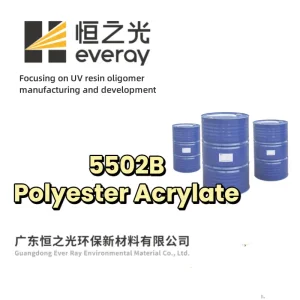
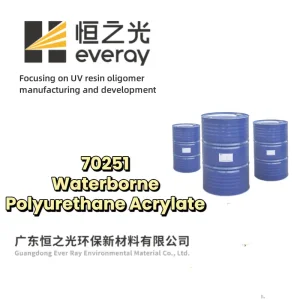
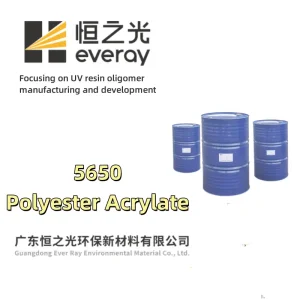
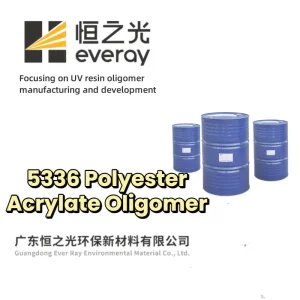
Explore our top-tier aliphatic urethanes, polyester acrylates, and specialty oligomers engineered for rapid curing, extreme chemical resistance, and non-yellowing characteristics.
In the arena of polymer chemistry, aliphatic urethane acrylates represent the pinnacle of performance oligomers designed for radiation curing (UV/EB). Unlike their aromatic counterparts, which utilize benzene ring structures like TDI (toluene diisocyanate) or MDI (methylene diphenyl diisocyanate), aliphatic urethanes are synthesized using saturated chain diisocyanates, such as IPDI (isophorone diisocyanate) or HDI (hexamethylene diisocyanate).
This molecular structural difference is critical. The absence of aromatic rings means there are no conjugated double-bond chromophores capable of absorbing ultraviolet light and degrading into quinone structures. Consequently, aliphatic urethanes boast incomparable weathering capabilities, permanent non-yellowing profiles, and long-term elasticity. Globally, the demand for aliphatic urethane oligomers is witnessing exponential growth. Industrial markets—ranging from automotive coatings to aerospace varnishes, high-end electronics packaging, and optical materials—increasingly rely on the structural integrity that only aliphatic systems can deliver.
Macro-environmental developments and technological evolution shaping industrial manufacturing worldwide.
Global mandates (like REACH in Europe and Clean Air policies in North America/Asia) are pushing industries away from solvent-borne formulations. Aliphatic urethane acrylates facilitate 100% solid systems and waterborne UV configurations, eliminating hazardous air pollutants (HAPs) without sacrificing protective performance.
As electric vehicles (EVs) require protective coatings for battery housings and interior control displays, the need for resins offering low shrinkage, exceptional dielectrics, and high-impact energy dissipation is surging. Aliphatic urethane resins are essential components in these precision-engineered layers.
To achieve carbon neutrality goals, chemical synthesizers are integrating bio-derived polyols (such as castor oil or soybean oil structures like epoxidized soybean oil acrylates) into the aliphatic urethane backbone. This achieves high sustainability metrics without compromising performance.
Understanding how oligomer structure determines final film properties across curing rates, elasticity, and chemical resistance.
The spacing of urethane groups and the molecular weight of the underlying polyol segment (polyether vs. polyester vs. polycarbonate) allow formulators to design everything from highly flexible, elastomeric films for leather and soft plastics, to high-modulus, scratch-resistant hard-coats for consumer electronics.
Functionality determines reaction speeds. Bifunctional aliphatic urethanes provide exceptional flexibility and adhesion to tough substrates, while hexa-functional or nona-functional versions offer ultra-fast curing responses under standard UV lamps and excellent surface hardness ratings (3H - 5H pencil hardness).
By incorporating hydrophilic carboxylic acid or sulfonic acid groups into the urethane chain, we manufacture waterborne aliphatic urethane acrylates. These dispersions dry to a tack-free state before UV exposure, enabling complex three-dimensional geometries to be coated with minimal shrinkage stresses.
How aliphatic urethane chemistries solve complex performance degradation challenges in the real world.
Automotive clear coats demand relentless gloss retention, stone-chip resistance, and UV blocking. Our aliphatic urethane acrylates provide the required weatherability, resisting acid rain, bird droppings, and intense sunlight without hazing or chalking.
Luxury vinyl tile (LVT) and natural wood flooring require scratch resistance and high toughness. Using low-shrinkage aliphatic urethanes prevents warpage during fast UV curing, guaranteeing long-lasting protection on heavy-foot-traffic floors.
From screen-printing inks to vacuum electroplating varnishes, our resins exhibit brilliant adhesion to metals, glass, and difficult plastics (PET, polycarbonate). Low residual odor and rapid reactivity ensure safe, efficient, high-speed line operations.
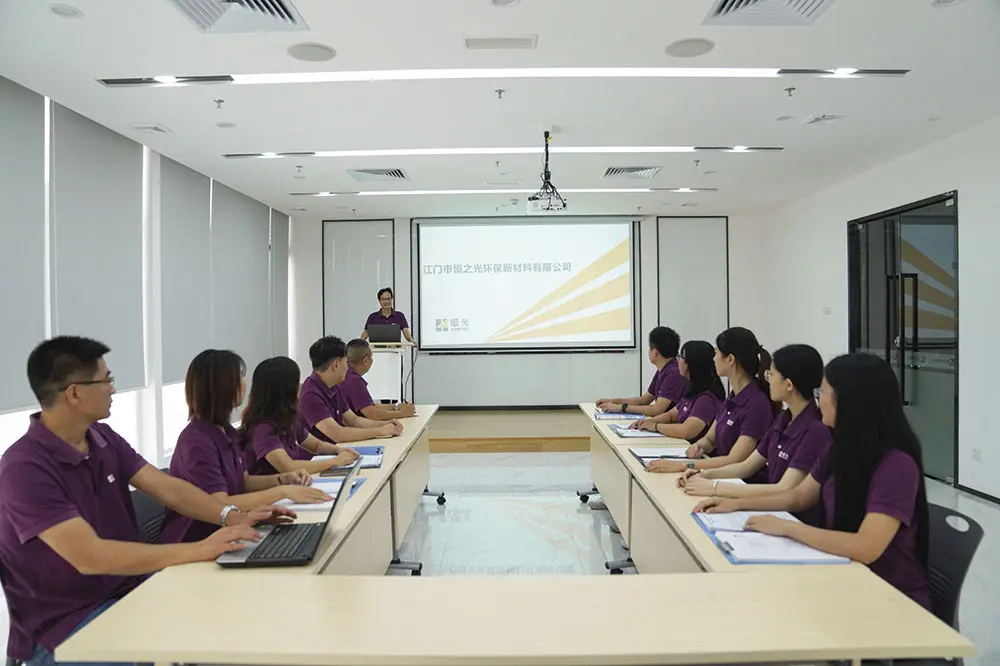
Established in 2006, Guangdong Ever Ray Environmental Material Co., Ltd. is a high-tech enterprise focusing on the R&D and manufacturing of oligomers for UV curable resin. Our extensive product portfolio includes epoxy acrylate, polyurethane acrylate (waterborne, aliphatic urethane, aromatic urethane), polyester acrylate, pure acrylate, and other special functional modified acrylate oligomers.
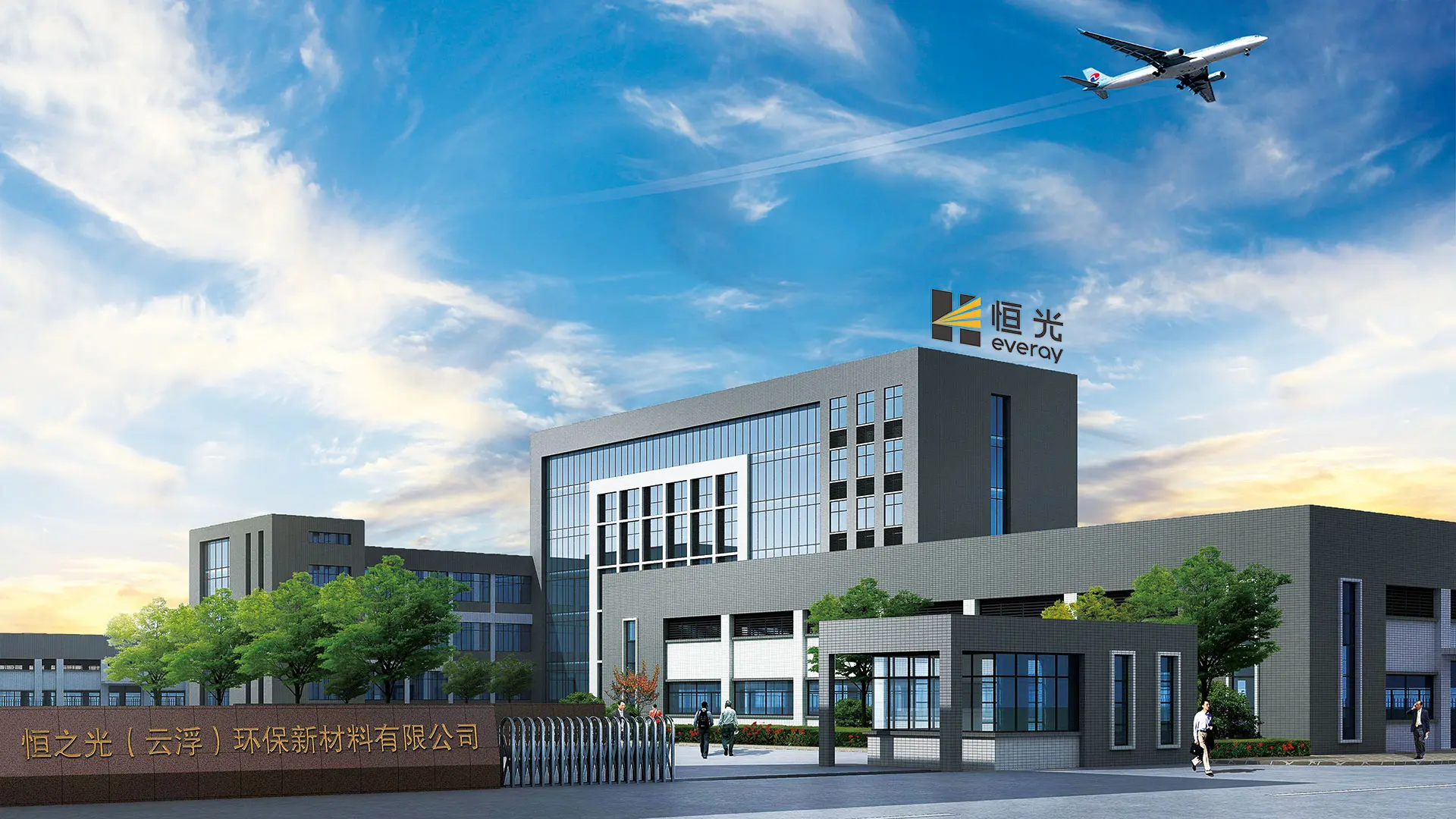
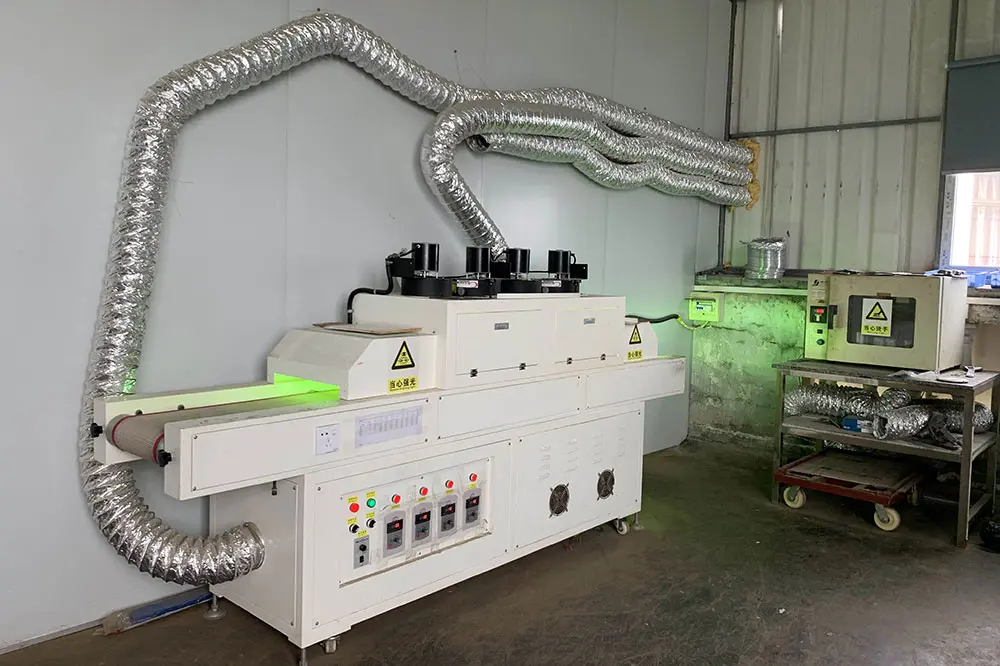
With more than 18 years of specialized polymer design experience, we operate two production bases: one in Jiangmen, Guangdong with a production area of about 10,000 square meters, and another in Yunfu, Guangdong spanning approximately 40,000 square meters. Complete with quality control, storage, and logistics supporting facilities, our annual production capacity exceeds 20,000 tons with more than 10 modern production lines.
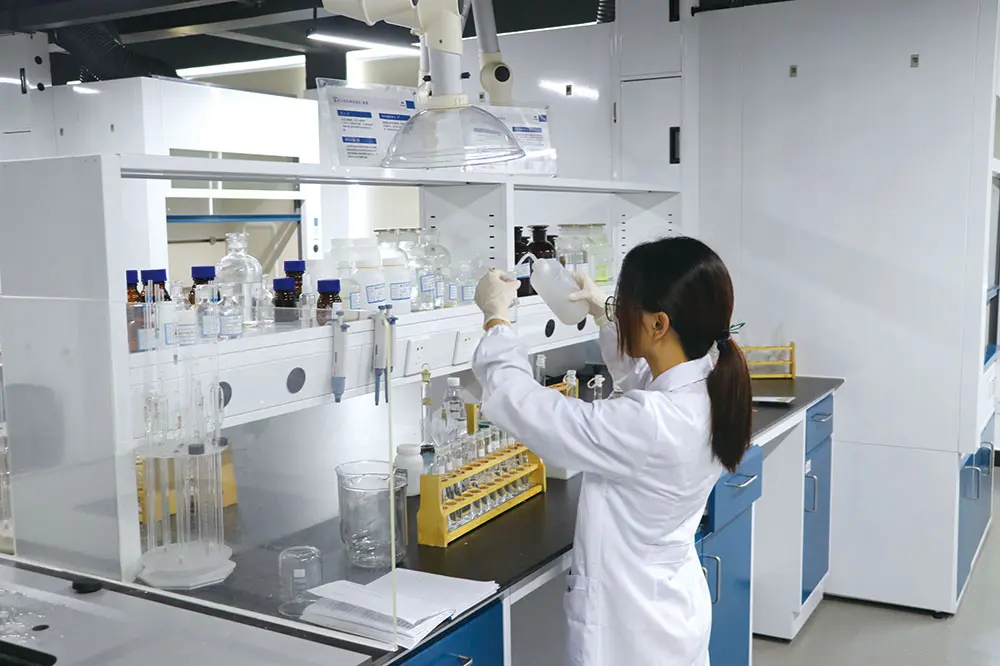
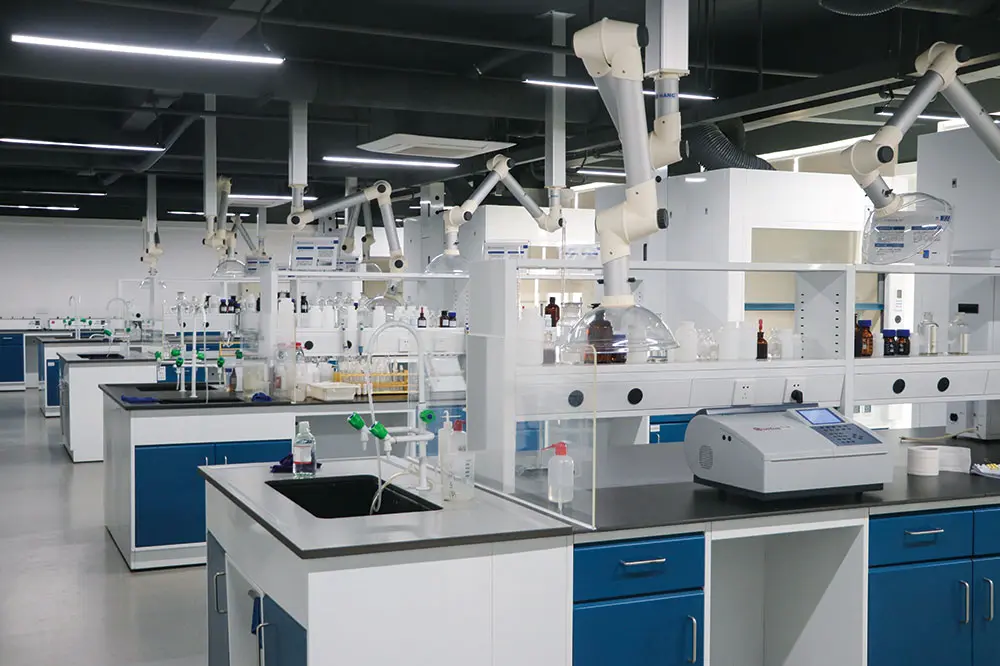
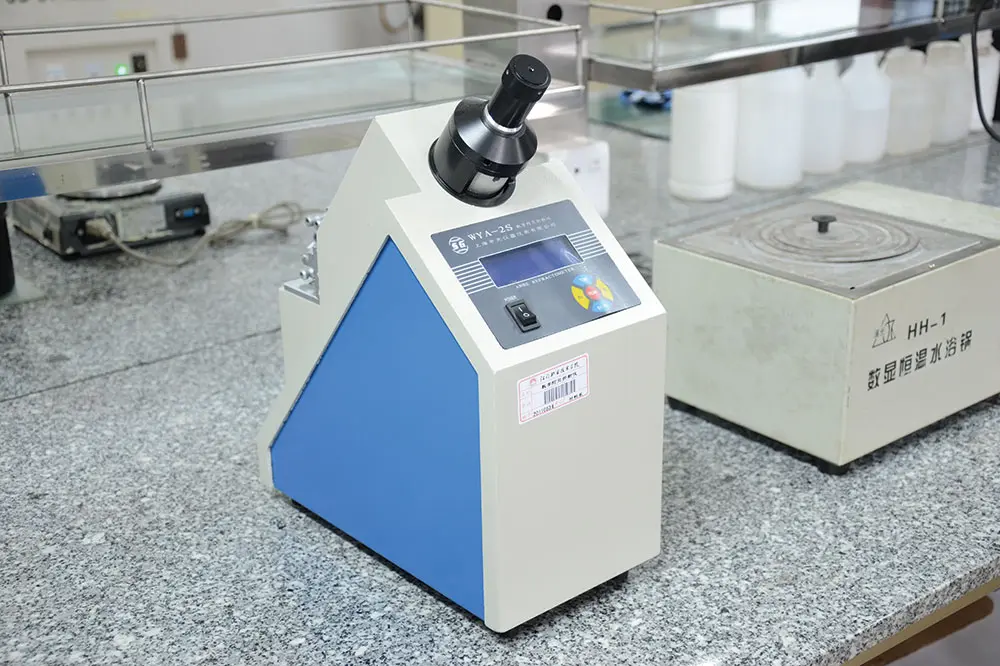
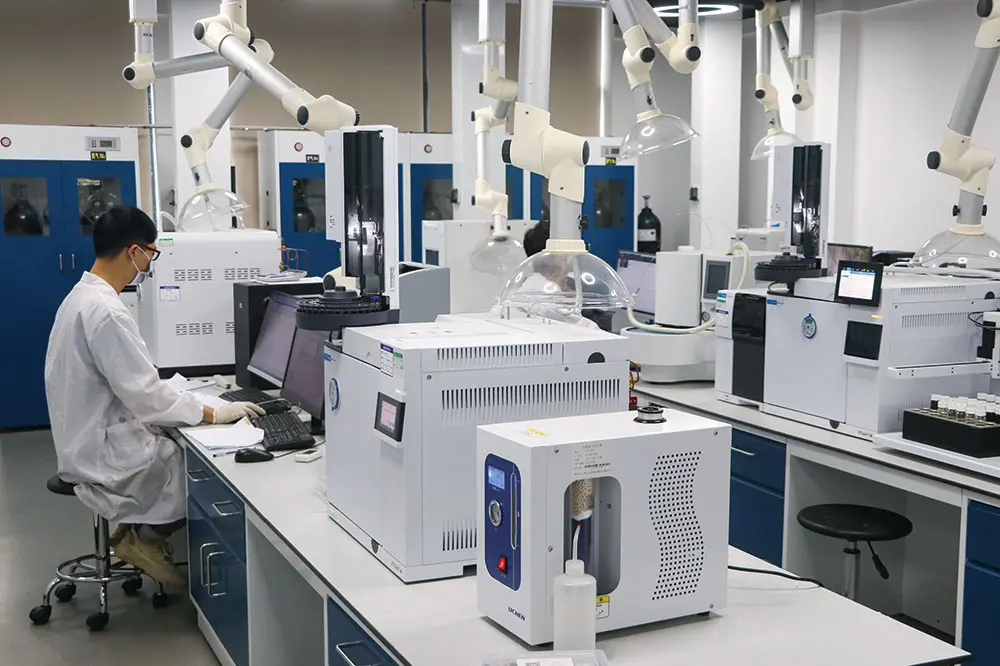
To ensure absolute product quality control and batch consistency, our factories operate under the ISO9001 quality management system and ISO14001 environmental management system. Production is governed by a flexible and advanced DCS fully computerized control system. Moreover, we select high-quality domestic and foreign raw materials, adopt advanced scientific management methods, and consult with domestic UV material experts for guidance to ensure production safety and product stability.
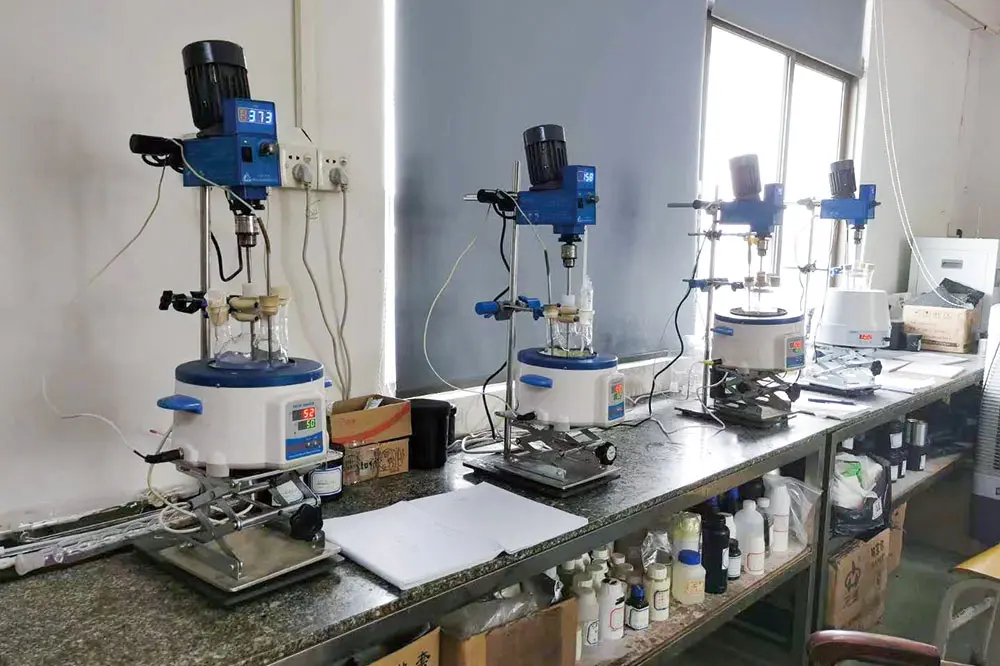
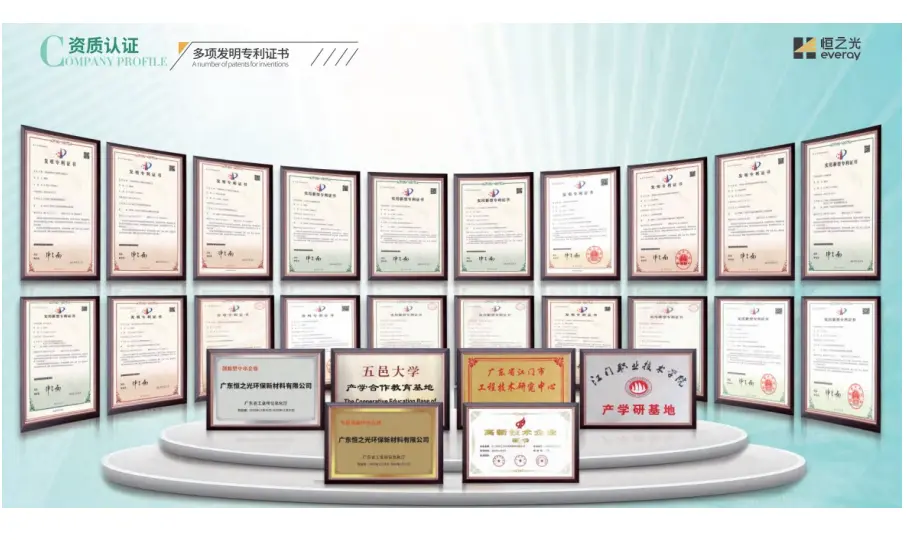
With more than 10 invention patents and practical patents, and a dedicated team of over 15 technicians in our R&D department, we focus on providing high reactivity, chemical resistance, and high gloss to formulations for a wide variety of applications, including wood coatings, plastics, inks, and adhesives. We supply different formulations to meet customer requirements, focusing not only on functional capability but also on cost-saving performance.
Expert technical insights to help engineers and procurement managers resolve formulation and sourcing challenges.
Select from our wide collection of polyester acrylates, epoxy acrylates, vacuum plating resins, and floor-coating systems.
 Ever Ray