High Reactivity • Non-Yellowing Performance • Exceptional Adhesion
The global demand for high-purity, optically clear resins has surged alongside the maturation of high-speed manufacturing technologies. At the heart of this material revolution are UV-curable oligomers—specifically epoxy acrylates, polyurethane acrylates, and polyester acrylates. These chemical backbones dictate the durability, gloss retention, cure velocity, and yellowing resistance of modern coatings, electronics, and structural laminates.
By shifting away from traditional thermally cured systems, industrial operations can now exploit structural cross-linking that occurs in fractions of a second. This efficiency depends entirely on the design of the oligomer's chemical structure. Ensuring optical clarity while maintaining robust mechanical performance requires precision synthesis, eliminating contaminants that trigger refractive scattering or yellowing under persistent ultraviolet exposure.
Est. 2006 • Industrial-Grade Synthesis Base
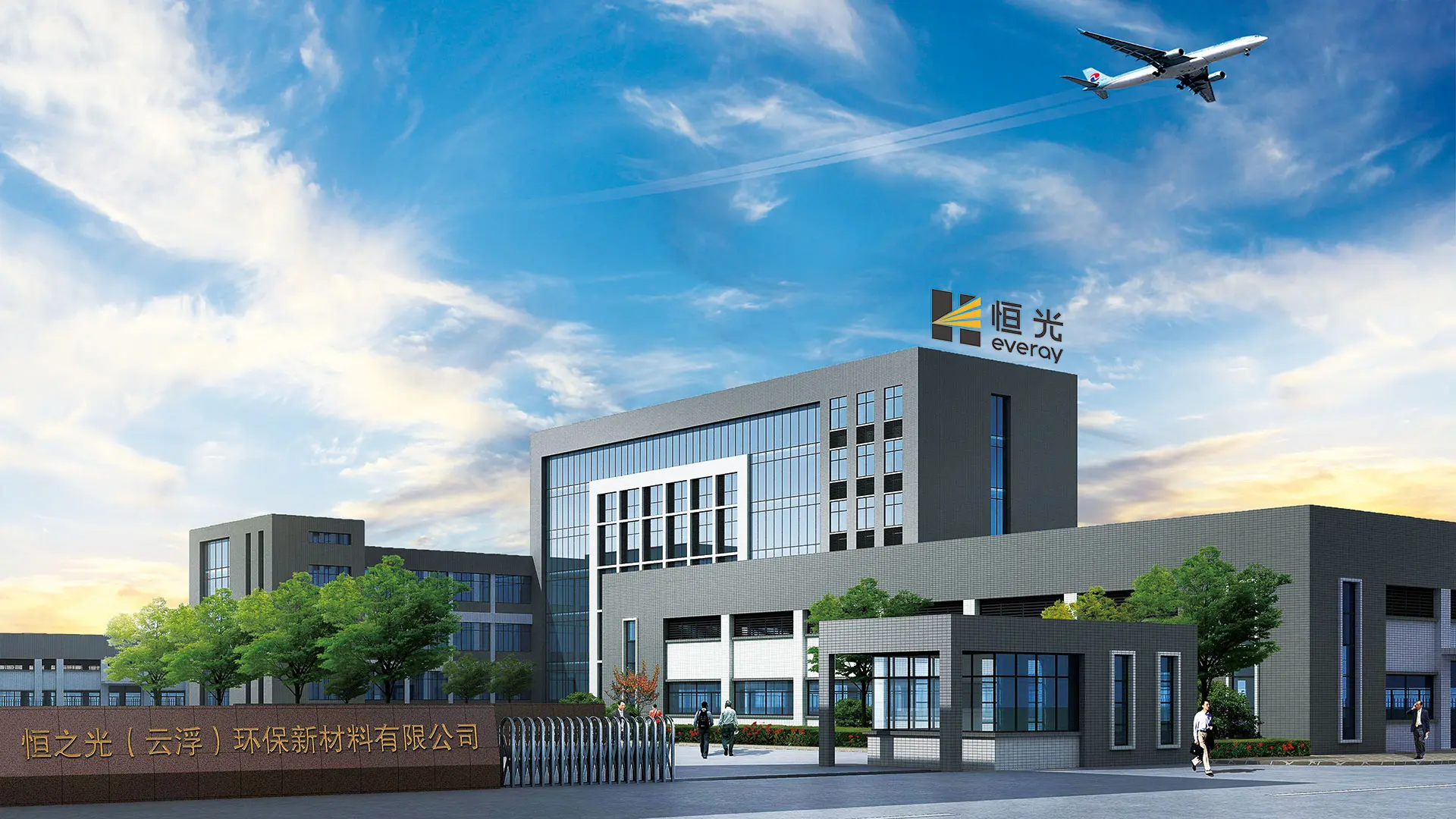
Established in 2006, Guangdong Ever Ray Environmental Material Co., Ltd. is a state-recognized high-tech enterprise dedicated to the research, development, and high-volume manufacture of advanced oligomers for UV curable resin. Our extensive polymer library includes epoxy acrylates, polyurethane acrylates (waterborne UV, aliphatic urethane, and aromatic urethane), polyester acrylates, pure acrylates, and a versatile suite of specialized functionalized modified acrylate oligomers designed to perform under demanding operational specifications.
Ever Ray operates two distinct production bases in Guangdong province to guarantee supply security and scale flexibility for global enterprise networks:
Spanning 10,000 square meters, this facility acts as our agility hub. It handles specialized batch processing, pilot trials for custom customer formulations, and targeted logistics routing for regional accounts. This base is vital for our rapid prototyping work.
Spanning 40,000 square meters, our Yunfu base is engineered for high-volume supply demands. It houses the bulk of our 10+ automated production lines, large-scale quality control departments, raw material storage silos, and logistics facilities.
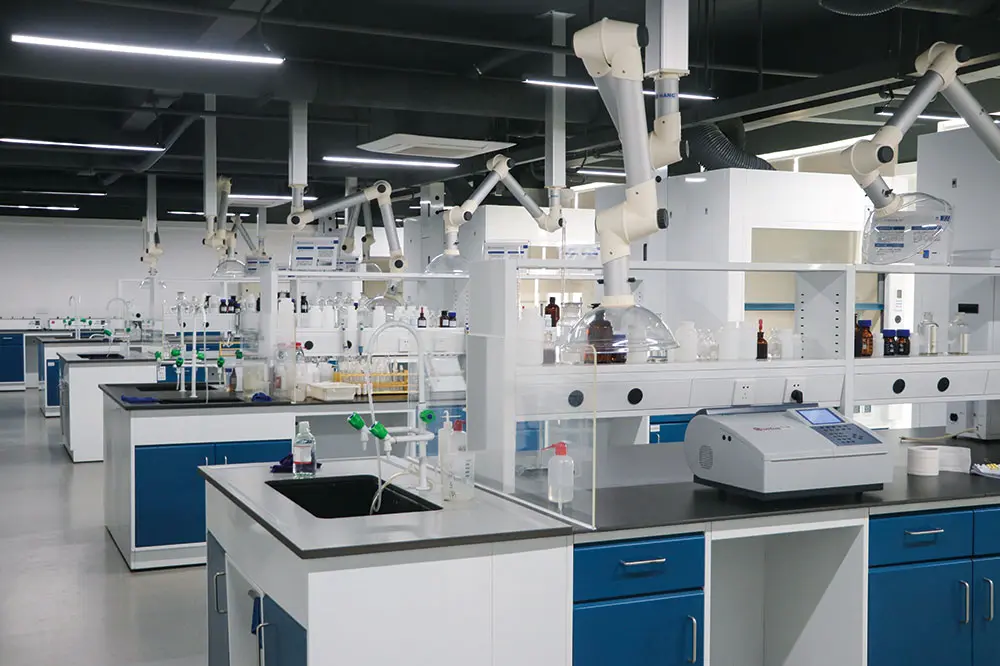
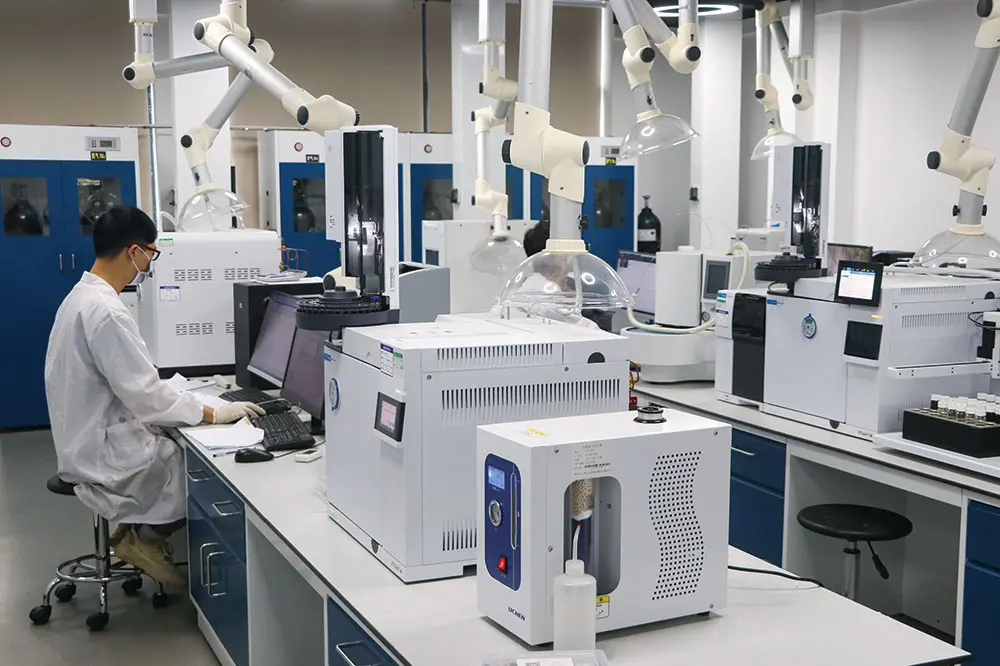
Together, these dual bases yield an annual production capacity exceeding 20,000 tons. Operating under strict adherence to ISO9001 Quality Management and ISO14001 Environmental Management Systems, our facilities are controlled via an advanced, fully computerized DCS (Distributed Control System). This automated control infrastructure ensures that polymerization temperatures, monomer addition rates, and pressure thresholds are maintained precisely to minimize batch-to-batch deviations.
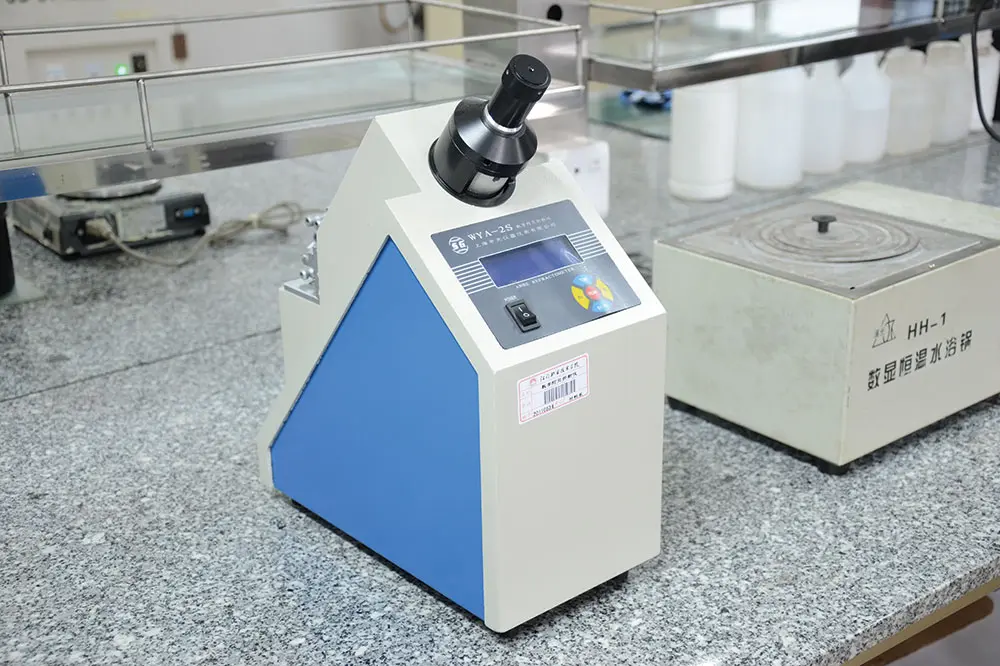
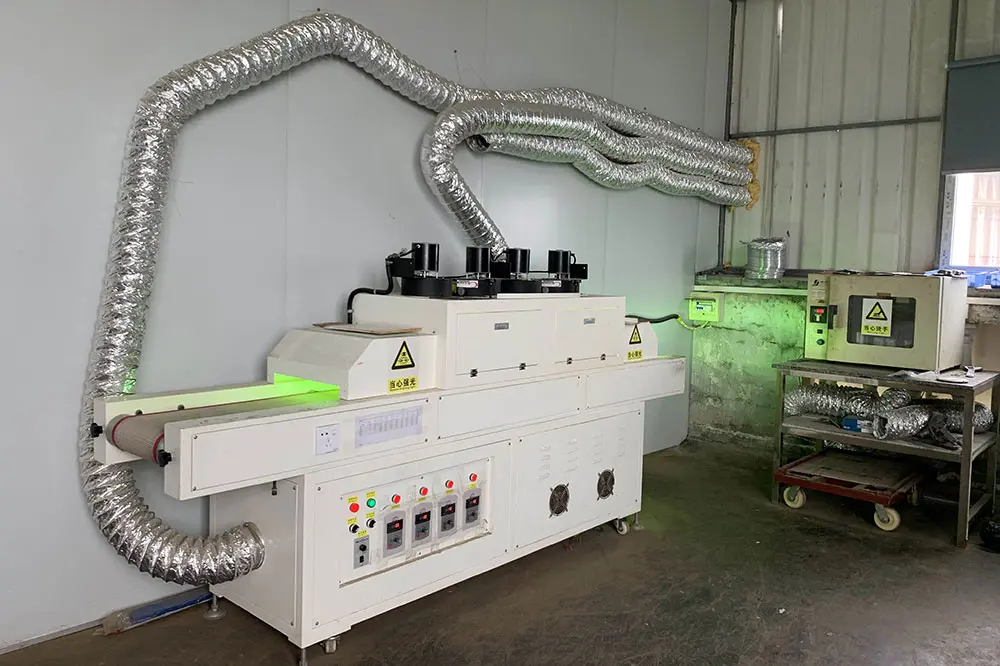
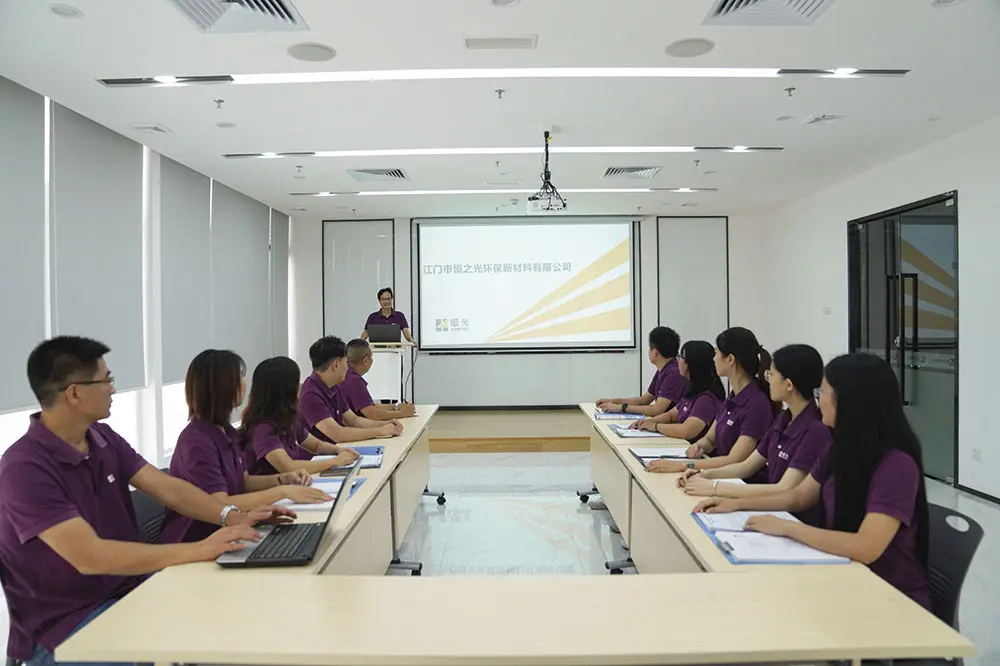
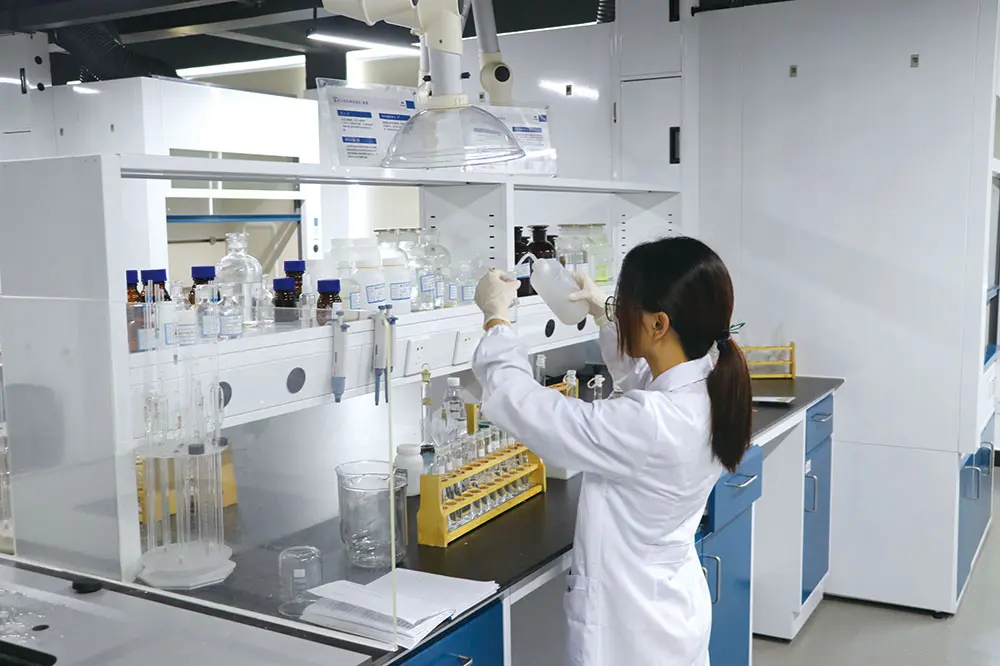
Why Sourcing and Engineering in South China Drives Competitive Advantage
Sourcing UV oligomers from China, particularly from the Pearl River Delta industrial cluster, offers structural advantages for international purchasers. Ever Ray integrates these regional benefits directly into our business model:
The South China chemical corridor offers immediate, local access to critical petrochemical inputs, including acrylic acid, bisphenol-A, diverse diisocyanates (IPDI, HDI, TDI), and polyols. By sourcing locally, we reduce transportation timelines, insulate production from supply shocks, and maintain stable material pricing.
Our Yunfu plant uses modern DCS process controls to manage polymerization reactions. By automating feeding rates, temperature control, and vacuum levels, we prevent the thermal gelation and variations in color values that often affect manual resin manufacturing plants.
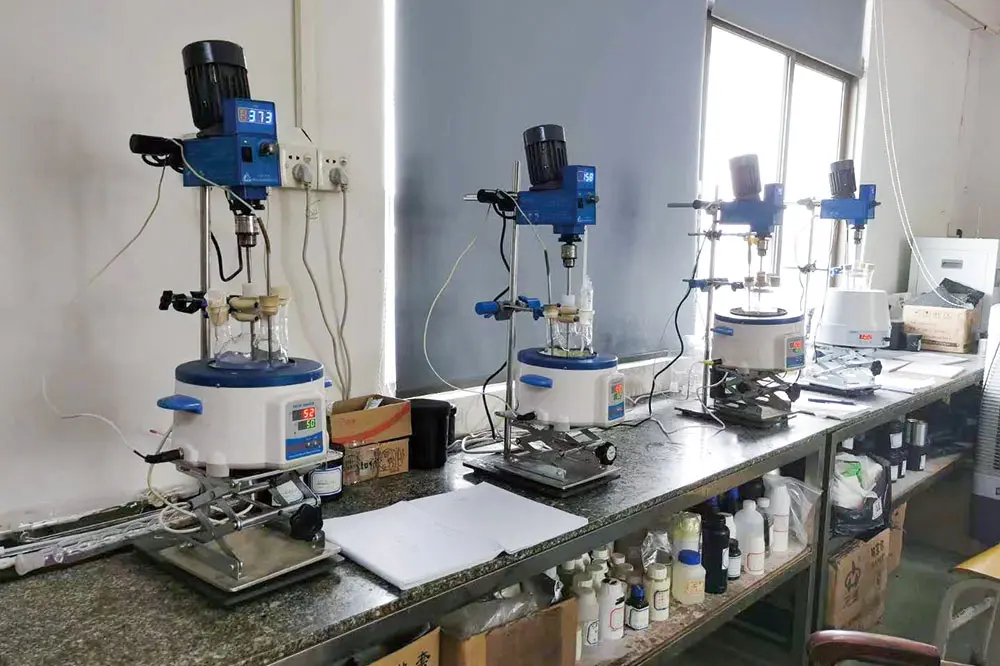
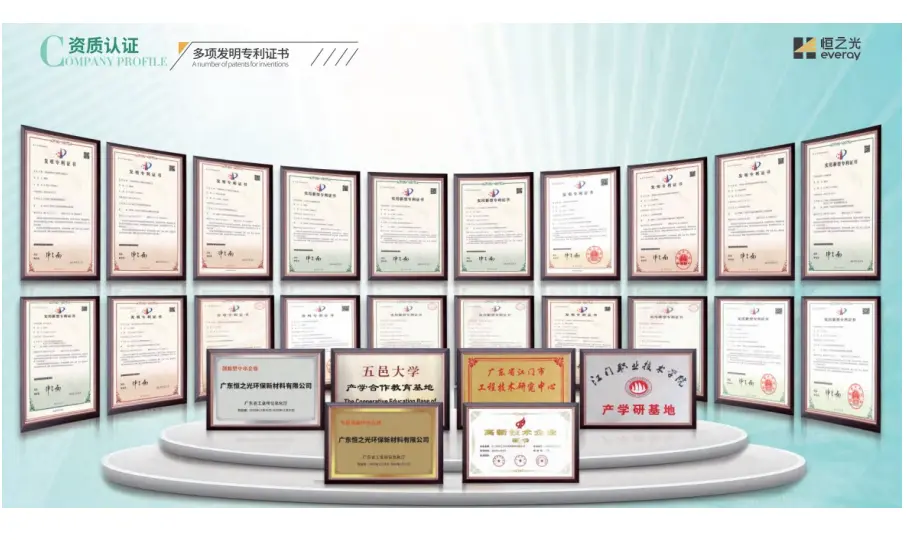
With a dedicated staff of over 15 specialized formulation technicians, we hold more than 10 patents. This technical foundation allows us to quickly design resin properties to match exact customer specs, balancing viscosity parameters, cure energy requirements, and overall costs.
These infrastructure advantages mean we can supply high-quality components, like our 72923 Aliphatic Polyurethane Acrylate (designed for non-yellowing, peelable applications), or our 1730 UV resin (optimized for plastic metallization), at competitive pricing, backed by reliable supply networks.
Optimized Oligomer Architectures for Diverse Industrial Needs
Ever Ray designs high-performance oligomers to solve specific material challenges across key industrial sectors:
Modern touch panels, wearable screens, and automotive displays demand optical adhesives that resist yellowing and thermal stress. Our aliphatic polyurethane acrylates (such as the 72923 series) provide the optical clarity (refractive index matching) and low cure-shrinkage properties required to prevent display distortion and delamination under prolonged sunlight exposure.
Industrial wood finishing systems require rapid line speeds, chemical resistance, and high gloss. Products like 6118 Epoxy Acrylate and 5501 Polyester Acrylate are specifically designed to cure under standard mercury or energy-efficient LED-UV sources. They offer strong surface hardness, scratch resistance, and excellent compatibility with natural wood substrates.
Vacuum metallization coats plastics with reflective, metallic films for cosmetic and protective applications. Our 1730 and 7113A Aromatic Polyurethane Acrylates act as primers that bond strongly with substrates like ABS, polycarbonate, and polystyrene, providing a smooth base layer that prevents micro-cracking and outgassing during metallization.
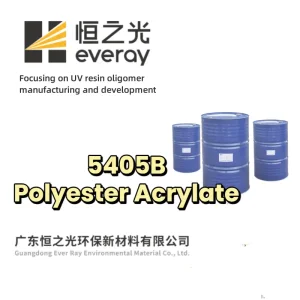
Packaging operations require high-purity resins that cure quickly without leaving migratory chemical residuals. Our polyester acrylates, including the 5335F and 5403-2F, offer pigment-wetting capabilities and rapid radical initiation rates. This makes them ideal for formulating high-speed lithographic and flexographic inks that adhere to coated paperboards and synthetic barrier films.
Decarbonization, LED-Curing, & Green Waterborne Architectures
The UV-curable material sector is adapting to meet new environmental regulations and energy cost constraints. Formulators and purchasing managers are prioritizing three major development avenues:
Traditional medium-pressure mercury arc lamps generate ozone and require significant electrical power. LED-UV curing systems emit single-wavelength light (typically 365nm, 385nm, or 395nm), which consumes less energy and generates minimal heat. Transitioning to LED-UV requires oligomers like our 5501 Polyester Acrylate, which are synthesized to maintain surface-cure performance despite atmospheric oxygen inhibition.
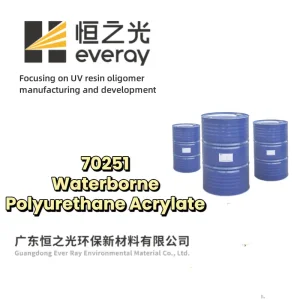
Waterborne UV oligomers combine the VOC-free profile of water-based systems with the rapid cure speed of UV crosslinking. Formulations like our 70251 Waterborne UV Resin allow processors to apply thin coatings to complex wood configurations or plastic parts. They release water via a brief flash-dry stage before entering the curing line, eliminating monomer odors and minimizing solvent emissions.
Global regulatory frameworks such as REACH (Europe) and TSCA (United States) require transparency regarding monomer migration and VOC content. Ever Ray addresses these compliance challenges by using high-purity inputs and optimizing conversion levels during synthesis. This results in oligomers with low levels of free monomer, helping our customers pass regulatory audits.
Direct Solutions to Common Formulation and Procurement Challenges
Yellowing is primarily caused by the thermo-oxidative or UV-induced degradation of aromatic structures within the cured polymer. Polyurethane acrylates formulated with aromatic diisocyanates (such as TDI or MDI) contain benzene rings that form color-producing quinoid structures when exposed to UV radiation.
To prevent yellowing, we utilize aliphatic diisocyanates (such as IPDI or HDI) in resins like our 72923 Polyurethane Acrylate. Aliphatic structures are stable under ultraviolet radiation, ensuring optical clarity over long-term exposure.
Our Distributed Control System (DCS) continuously monitors temperature, pressure, and mass flow rates across our synthesis lines in Yunfu. Acrylic polymerization is highly exothermic; even minor temperature variations can alter the molecular weight distribution, raising viscosity or causing pre-gelation. By automating feed profiles and heat-exchanger cooling loops, the DCS ensures consistent polymer structures, reducing batch-to-batch viscosity variance to within ±5%.
Our 6118 Epoxy Acrylate balances quick reaction speeds with excellent final hardness. Bisphenol-A epoxy backbones provide high density and rigidity, which helps formulations cure rapidly under mercury UV sources. This fast cure rate allows production lines to run at speeds exceeding 50 meters/minute while delivering hard, scratch-resistant finishes.
In SLA and DLP 3D printing, traditional low-viscosity monomer formulations can emit odors and cause skin sensitization. Our 70251 Waterborne UV-resin dispersion uses water as a viscosity-reducing agent. Once applied or printed, the water evaporates before the final UV cure step, resulting in a cleaner work environment, low residual odor, and reduced chemical shrinkage during photopolymerization.
Low-surface-energy plastics present wetting challenges. Formulators can address this by using chlorinated polyester acrylates or modifying their resin selections. Introducing highly polar oligomers, like our 1200A UV Resin, helps establish hydrogen bonding across the polymer-substrate interface, improving mechanical interlocking on plastics, metal substrates, and dense fiberboards.
Polyester Acrylates • Core Reactive Oligomers • Functional Additions
 Ever Ray