Explore our high-performance rapid-cure oligomer portfolio engineered for exceptional adhesion, chemical resistance, and optical clarity across multiple industrial applications.
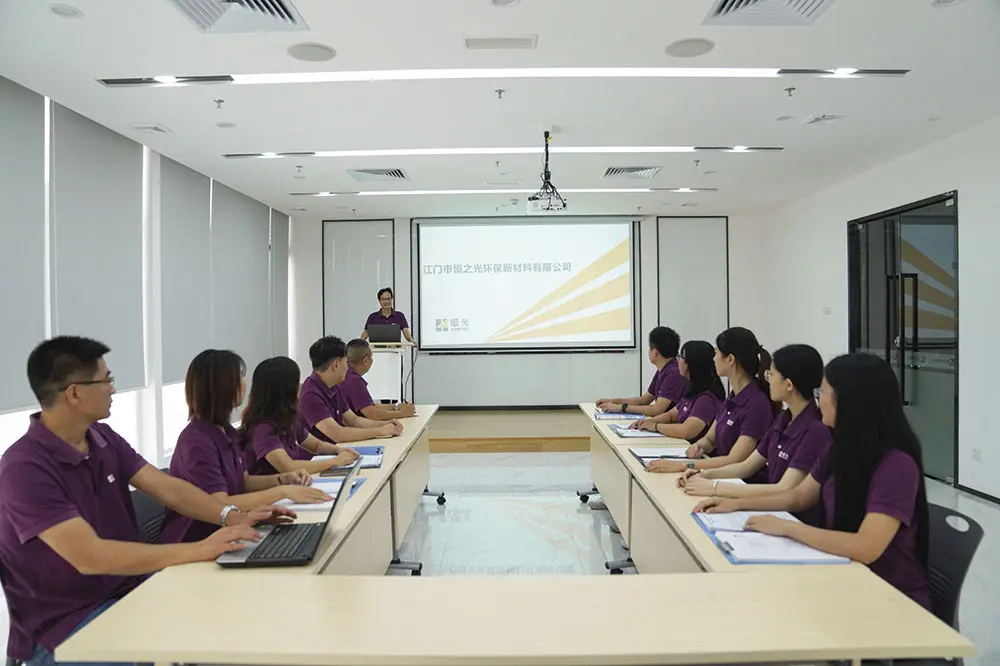
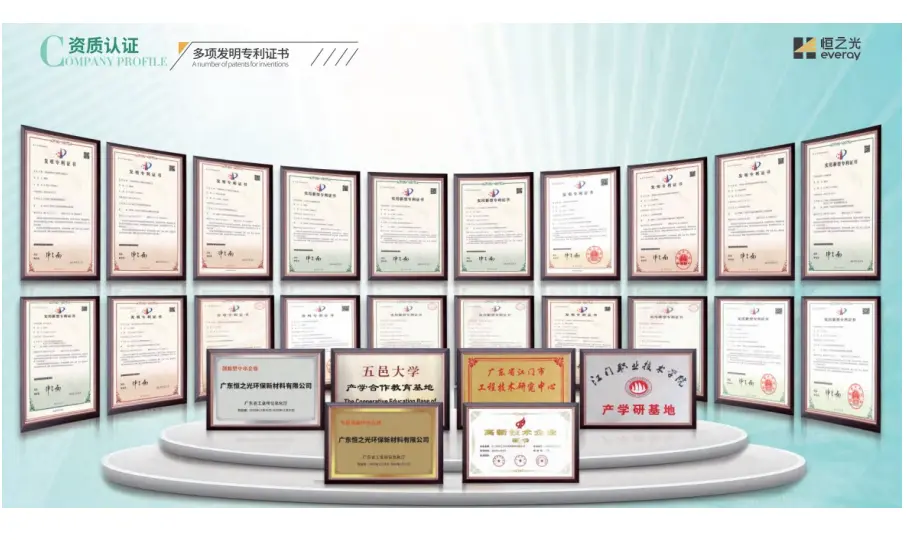
Established in 2006, Guangdong Ever Ray Environmental Material Co., Ltd. is a premier high-tech enterprise dedicated to the R&D, synthesis, and precision manufacturing of premium oligomers for UV-curable systems. Our comprehensive product spectrum ranges from epoxy acrylates, polyurethane acrylates (waterborne, aliphatic urethane, aromatic urethane), polyester acrylates, and pure acrylates to highly specialized functional modified acrylate oligomers designed for high-demanding industrial environments.
Over nearly two decades, we have focused on the harmonious coexistence of technology and ecological stewardship. By relying on science and technical innovation as the driving force of our development, we continue to push structural performance limits while promoting green manufacturing practices.
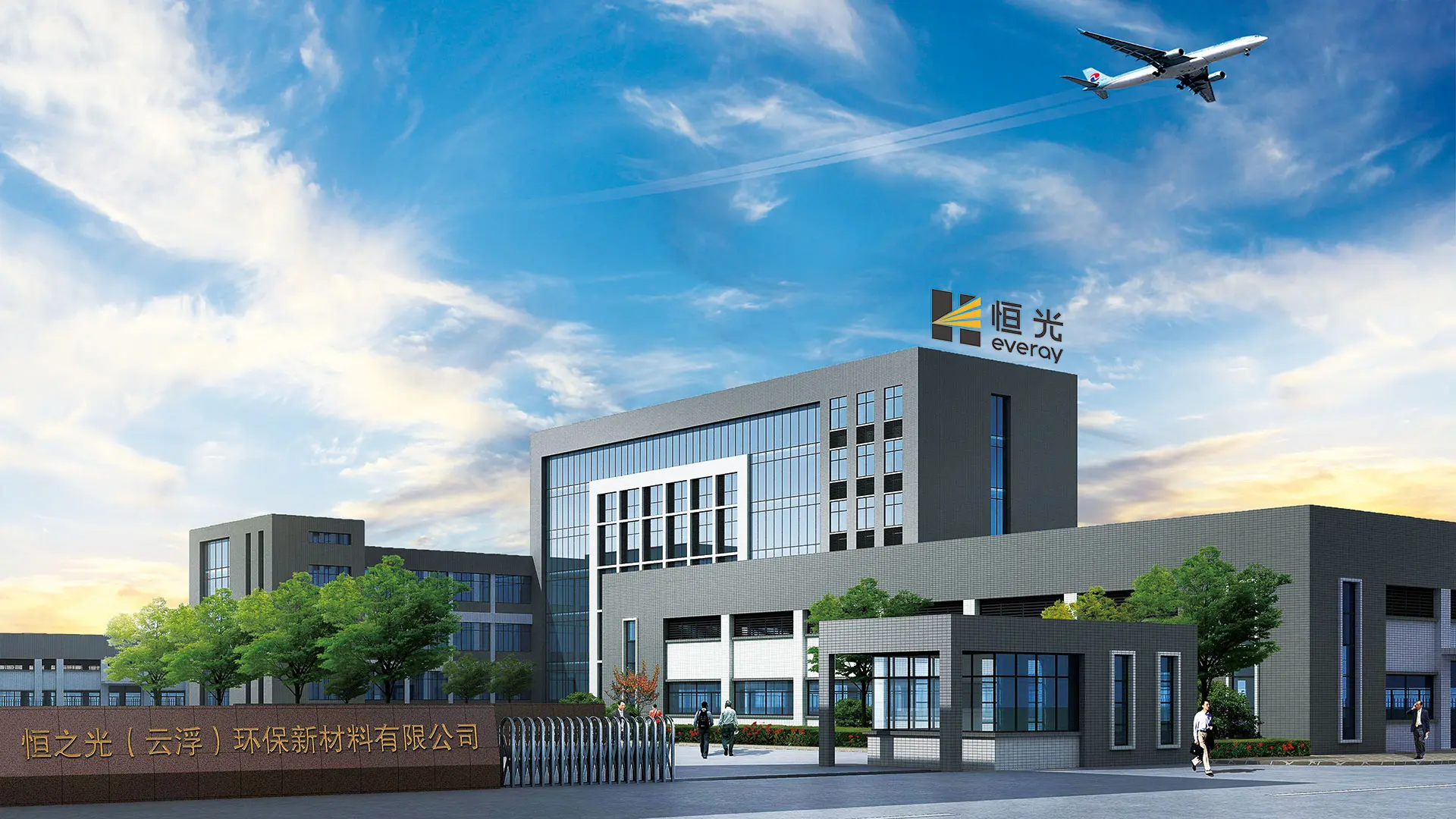
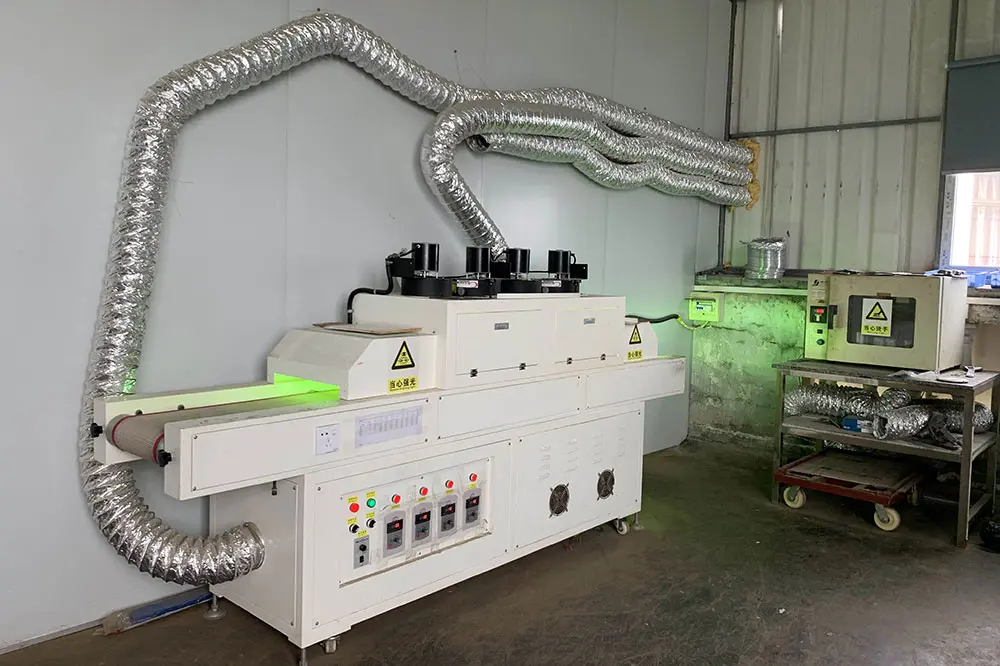
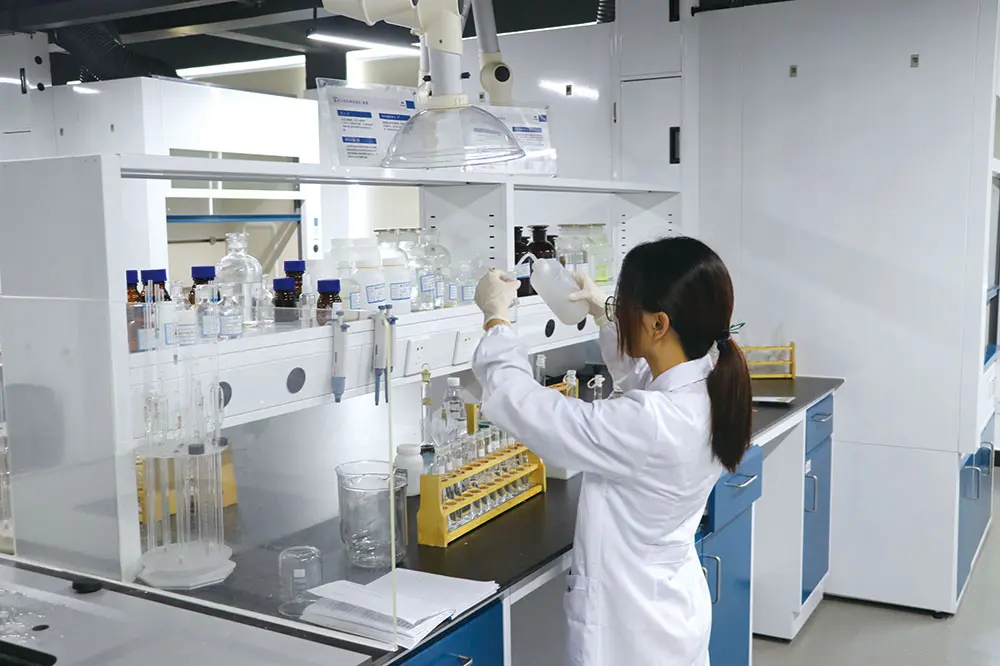
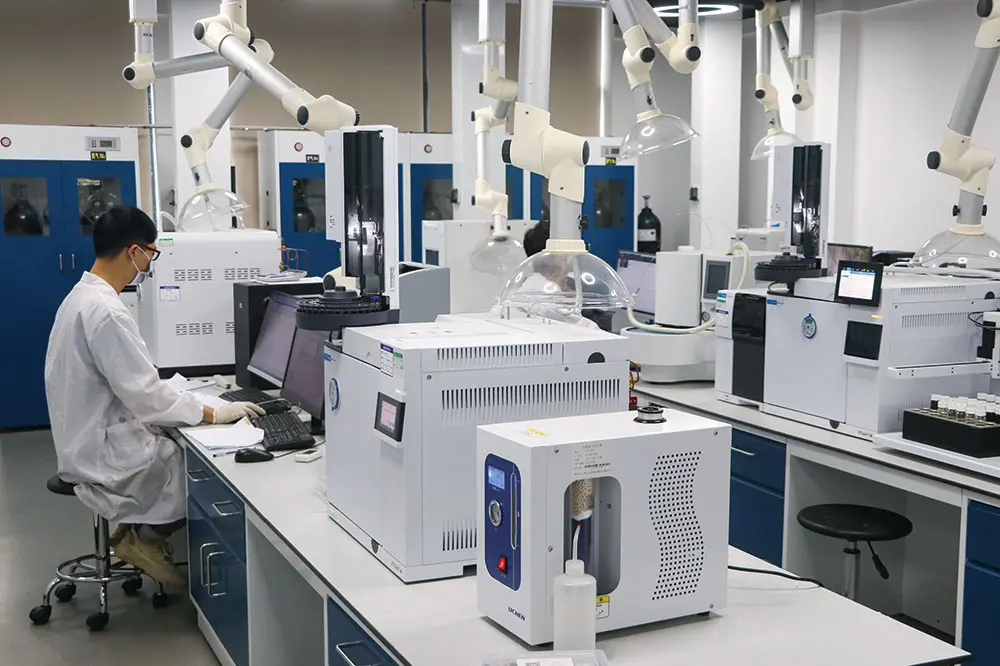
Our manufacturing capacity is split across two state-of-the-art production bases in Guangdong province. The Jiangmen Base covers a built area of over 10,000 square meters, while the high-capacity Yunfu Base expands over 40,000 square meters. Complete with advanced quality control labs, automated packaging lines, and dedicated hazardous goods logistics centers, our facilities reach an annual production volume exceeding 20,000 tons across 10+ operational reaction lines.
To secure extreme batch-to-batch consistency and safe operation, all processes are controlled via custom DCS fully computerized control systems. Operating under the rigorous guidelines of the ISO9001 Quality Management System and the ISO14001 Environmental Management System, we carefully source high-purity inputs domestically and internationally, working closely with academic experts in industrial photopolymers to guarantee the highest safety, reliability, and stability standards in the resin industry.
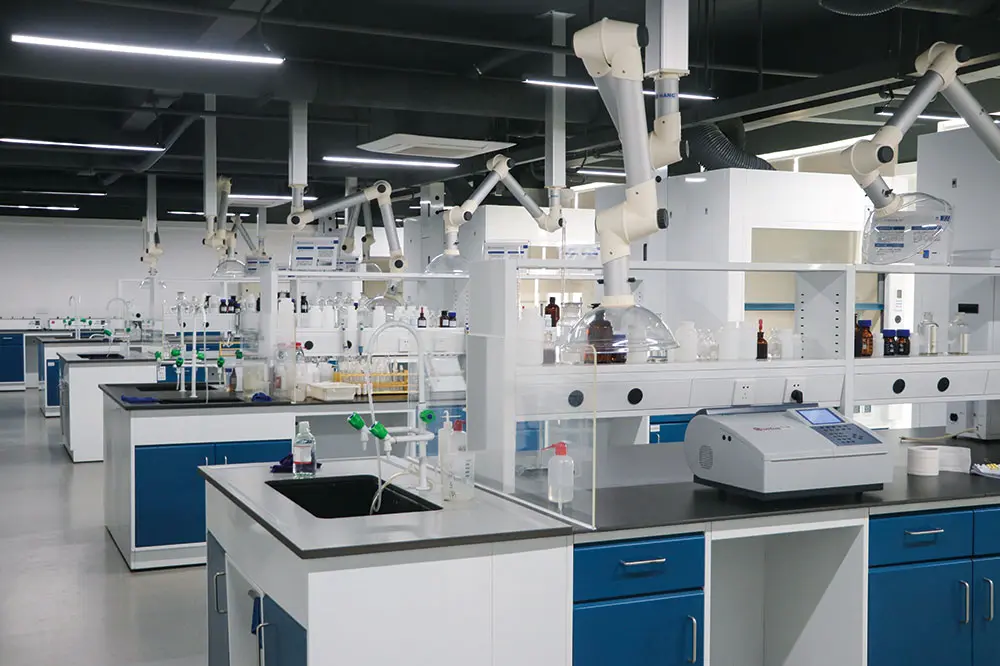
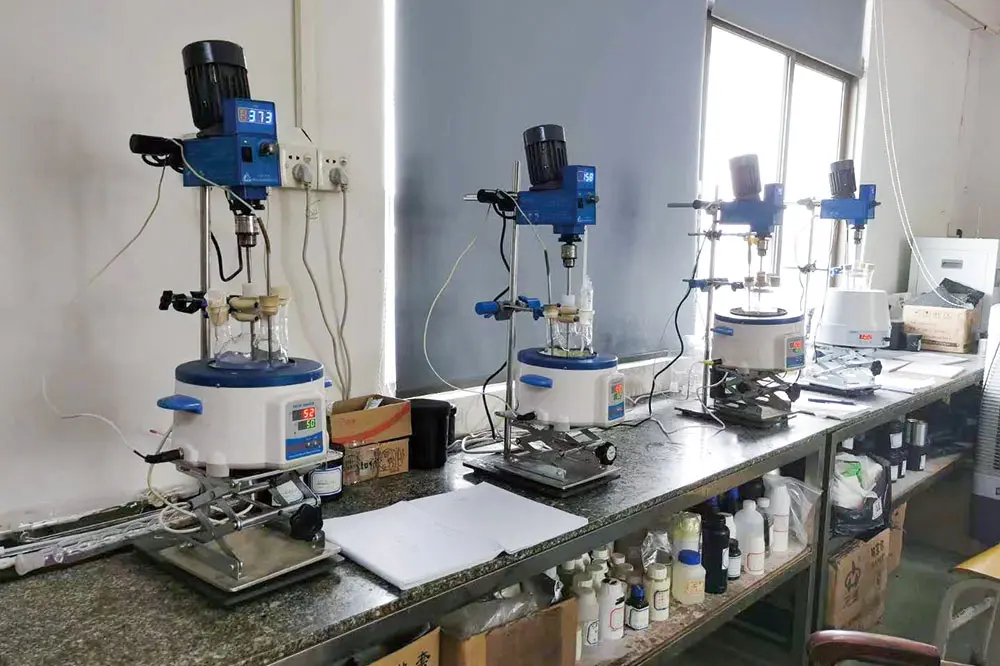
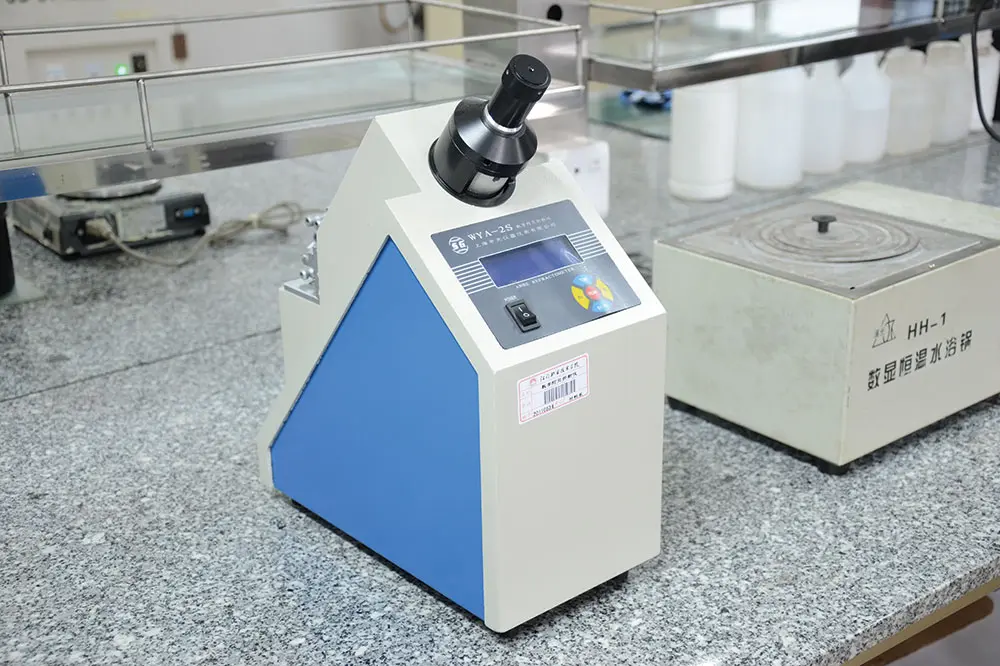
A deeper look into chemistry parameters, structural integrity, procurement considerations, and global supply chain integrations.
The velocity of photopolymerization is determined by the synergy between photoinitiators and functional oligomers. In fast-curing formulations, aliphatic urethane acrylates and polyester acrylates with high acrylic double bond density are preferred. When exposed to specific wavelengths (such as 365nm to 405nm LED-UV systems), rapid radical propagation occurs, transforming liquid oligomers into a solid polymer network within fractions of a second. This reaction requires precise control over volumetric shrinkage, which is managed using specialized monomers and modified oligomer backbones.
The transition from traditional high-pressure mercury lamps to narrow-band LED-UV light sources (typically operating at 395nm or 385nm) is reshaping the industrial curing landscapes. LED-UV curing offers massive benefits: negligible infrared heat emission (saving delicate plastic or wood substrates), instant on/off cycles, and significantly reduced energy consumption. Designing resins optimized for LED curing requires engineering oligomers with high surface cure capability to counteract oxygen inhibition, which often occurs at longer wavelengths.
Industrial operations face tightening volatile organic compound (VOC) limitations worldwide. Waterborne UV-curable polyurethane acrylates (WPUA) address this challenge by using water as the viscosity reducer rather than reactive monomers. Upon thermal evaporation of the water phase, physical drying forms a dust-free intermediate film. This is followed by a brief UV irradiation step to crosslink the structure, resulting in a high-performance, solvent-free coating with superior mechanical wear properties and minimal chemical odor.
In applications where complex geometries create permanent shadow regions, pure photochemical curing may leave uncured resin pockets. Dual-cure systems solve this by incorporating secondary curing reactions (e.g., moisture-cure, thermal-cure, or anaerobic-cure mechanisms). These dual-functional polyurethane acrylates contain both reactive acrylate groups for rapid light curing in accessible areas and free isocyanate groups that link with ambient moisture in dark spaces, ensuring complete polymerization.
A key challenge in the formulation of high-adhesion fast-curing coatings is volumetric shrinkage, which occurs as monomers and oligomers transition from weak van der Waals forces to tight covalent bonds during polymerization. Severe shrinkage causes coating curl, edge lift, and loss of glass/metal adhesion. We mitigate this by using high-molecular-weight aliphatics and modified polyester structures, which reduce double-bond contraction while maintaining rapid surface cure rates.
Attaining reliable adhesion to difficult materials like glass, PET, anodized aluminum, and polycarbonate requires oligomers with built-in polar groups. Phosphate-modified acrylates, acid-functional polymers, and flexible long-chain backbones optimize contact angles and surface wetting. These specialty resins form strong chemical bonds with metal oxides and glass silicates, preventing delamination even under extreme thermal stress, moisture exposure, or solvent tests.
Understanding how industrial scale, raw material vertical integration, and compliance align to support high-volume manufacturing globally.
China’s chemical manufacturing clusters offer unmatched vertical integration. At Ever Ray, we source high-quality raw materials (such as key acrylic monomers, polyols, and catalysts) directly from adjacent chemical production corridors. This ensures stable raw material pipelines and isolates our manufacturing costs from volatile global logistics markets.
Operating high-volume reaction vessels controlled by DCS automation allows us to reduce energy usage per ton, control heat generation during radical polymerization, and eliminate human handling errors. Our close proximity to major shipping hubs in Guangzhou and Shenzhen ensures fast dispatch times, allowing global buyers to maintain lean safety stocks without risking production delays.
Sourcing industrial resins internationally requires strict compliance with global chemical registration standards. We provide complete regulatory documentation to support global distribution and customs clearance:
Our products meet REACH compliance for European markets, TSCA requirements for the United States, and are fully aligned with RoHS and GHS safety standards. Each batch is shipped with a detailed Certificate of Analysis (COA) containing gas chromatography (GC) purity data, viscosity measurements, color values (Gardner scale), and acid values, giving chemical procurement agents full confidence in their incoming raw materials.
How Ever Ray's fast-curing resins solve complex structural, mechanical, and visual demands across modern manufacturing.
In SLA/LCD 3D printing of footwear and flexible elastomeric components, resins must cure rapidly layer-by-layer without losing interlayer adhesion. Our 72017A-8 Dual-Curing UV resin offers low shrinkage and high tensile recovery, allowing modern printers to build complex parts at high speeds. The resulting cured footwear midsoles demonstrate excellent compression rebound and structural integrity over long-term physical stress.
Delicate electronic parts and sensors require low-temperature, ultra-low-stress sealing. High-Quality 73008 Low-Shrinkage Polyurethane Acrylate Resin provides excellent moisture exclusion and electrical insulation. Its rapid UV-cure profile prevents liquid resin migration into sensitive sub-assemblies prior to crosslinking, while its low shrinkage prevents mechanical stress on thin silicon components during thermal cycling.
Wood floorings, automotive plastics, and metal sheets need protective coatings that dry almost instantly under UV light to keep production lines running at high speeds. Resins like 7296C and 5103 provide high surface hardness, scratch resistance, and robust defense against harsh solvents. The resulting finish maintains its gloss and resists yellowing, even when exposed to direct sunlight and heavy foot traffic.
Explore our specialized range of high-performance resins designed for packaging, metallization, and protective varnishes.
Get answers to common technical queries about fast curing resins, polymerization parameters, chemical handling, and global sourcing.
 Ever Ray