Explore our primary collection of high-purity polyurethane and epoxy acrylates engineered for scratch resistance, flexibility, and rapid curing.
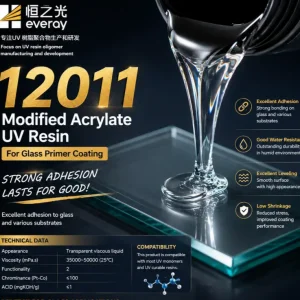
Synthesizing toughness, elasticity, and rapid polymerization kinetics to address modern VOC compliance and mechanical demands.
Global ecological regulations, notably European REACH and US EPA standards, have forced a structural shift from high-VOC solvent-borne polymers to ultraviolet (UV) and electron beam (EB) crosslinkable formulations. The integration of polyurethane acrylates (PUA) and epoxy acrylates (EA) serves as the technological vanguard of this transition. By coupling the extreme surface hardness and chemical inertness of bisphenol-based epoxies with the robust elasticity, elongation, and impact tolerance of polyurethane networks, engineers can design coatings that cure in milliseconds without release of volatile atmospheric contaminants.
This synergistic approach overcomes the classic trade-off in polymer physics: the balance between high tensile strength (rigidity) and strain tolerance (ductility). As industrial applications demand faster throughput cycles, UV-curable PU and Epoxy oligomers provide the raw materials required for instant handling and downstream processing, radically increasing operational efficiency across automated production lines.
Optimizing chemical functionality, molecular weight distribution, and double-bond density for specific coating properties.
Derived primarily from the reaction of bisphenol A diglycidyl ether with acrylic acid, epoxy acrylates form the bedrock of rigid UV coatings. The aromatic rings in the polymer backbone afford exceptional structural stiffness, chemical resistance, and high gloss. Products like 9105A-80 maximize these properties, proving indispensable for heavy-duty metal varnishes, PCB solder resists, and overprint varnishes where scratch protection is paramount.
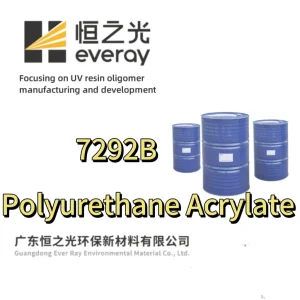
Polyurethane acrylates are categorized by their diisocyanate structure. Aliphatic PUA (e.g., Model 72027 and PUA 7291B) offers unmatched weatherability, non-yellowing characteristics, and UV light stability, ideal for outdoor automotive and optical films. Conversely, aromatic PUA (e.g., Aromatic PA 7162) delivers high-speed curing and enhanced mechanical properties at a more competitive cost, optimized for indoor wood and plastic finishes.
To eliminate the issue of shadowing—where complex three-dimensional geometries block UV light exposure—dual-cure technology utilizes both photochemical and thermal mechanisms. Oligomers like 72017 are engineered to undergo rapid free-radical polymerization under UV light followed by a secondary thermal cross-linking step, guaranteeing complete polymer conversion in shaded areas, a necessity for precision 3D printing and complex electronics assembly.
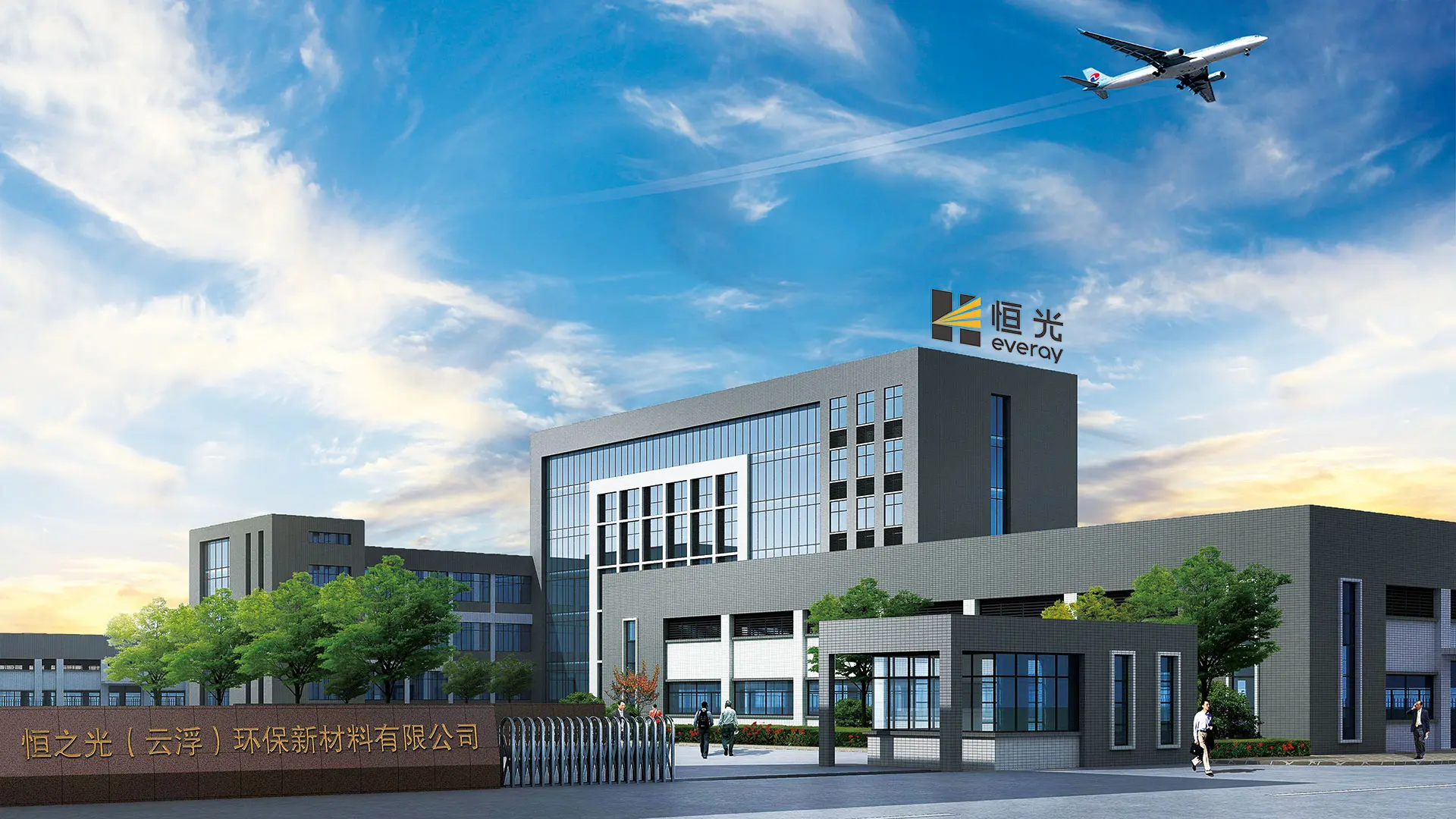
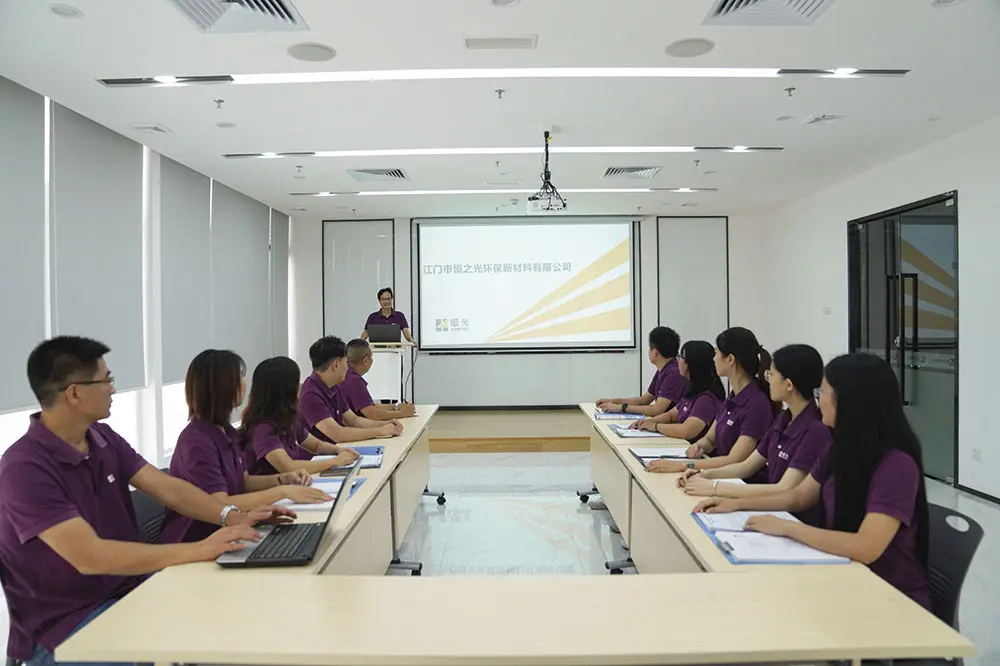
Established in 2006, we are a premier high-tech enterprise focusing on the R&D and manufacturing of oligomers for UV curable resin.
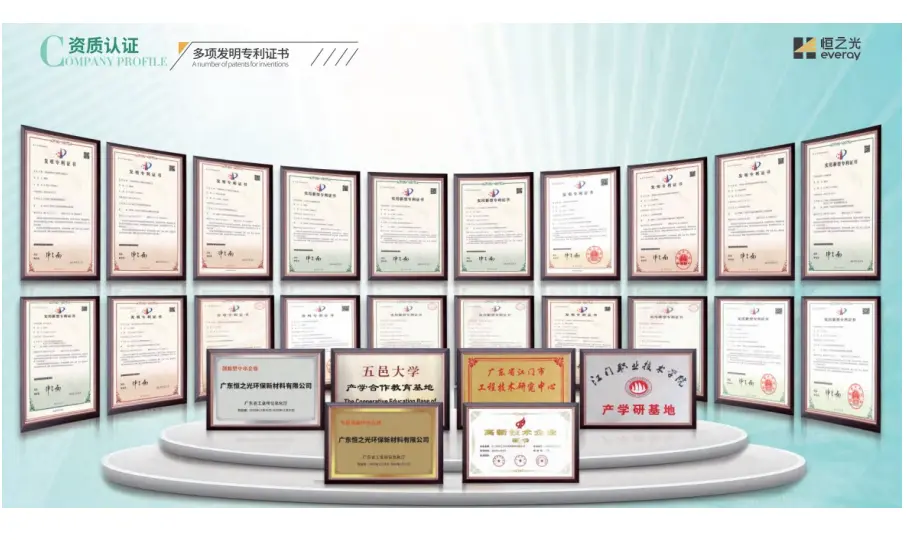
Our comprehensive chemical portfolio encompasses epoxy acrylates, polyurethane acrylates (waterborne, aliphatic urethane, and aromatic urethane versions), polyester acrylates, pure acrylates, and a wide array of specialized functional modified acrylate oligomers. Over nearly two decades of operation, we have maintained a core commitment to bridging the gap between high product functionality and economic optimization, helping industrial coating formulators minimize cost while maximizing end-user performance.
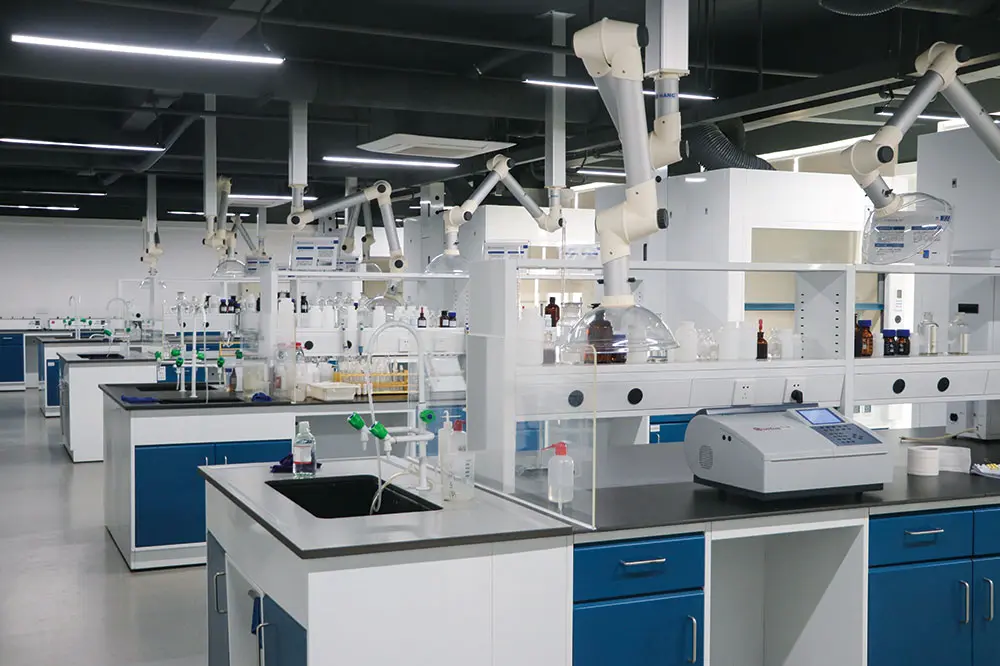
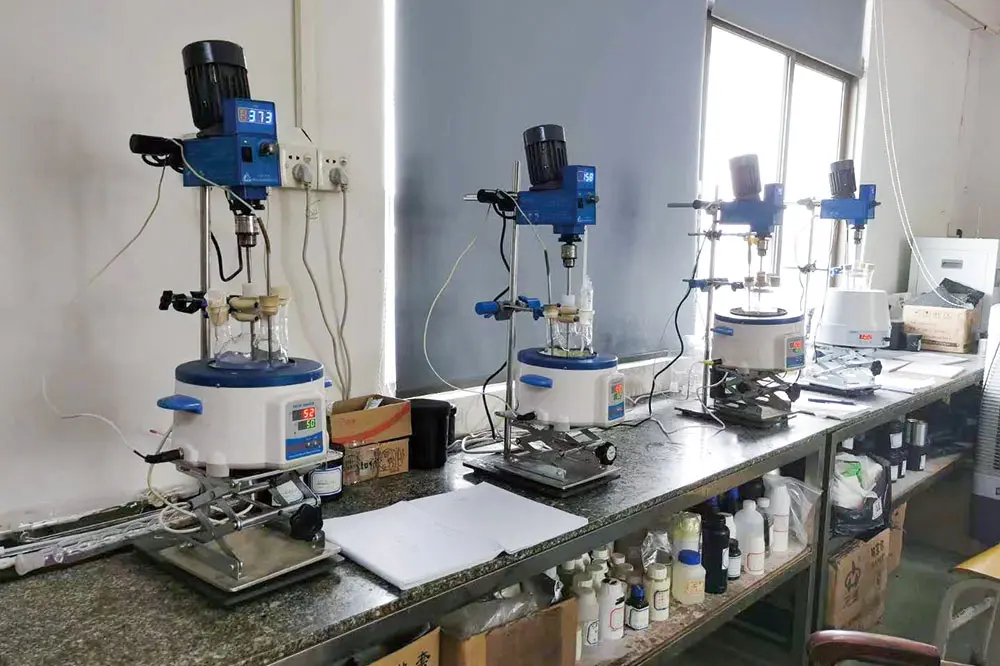
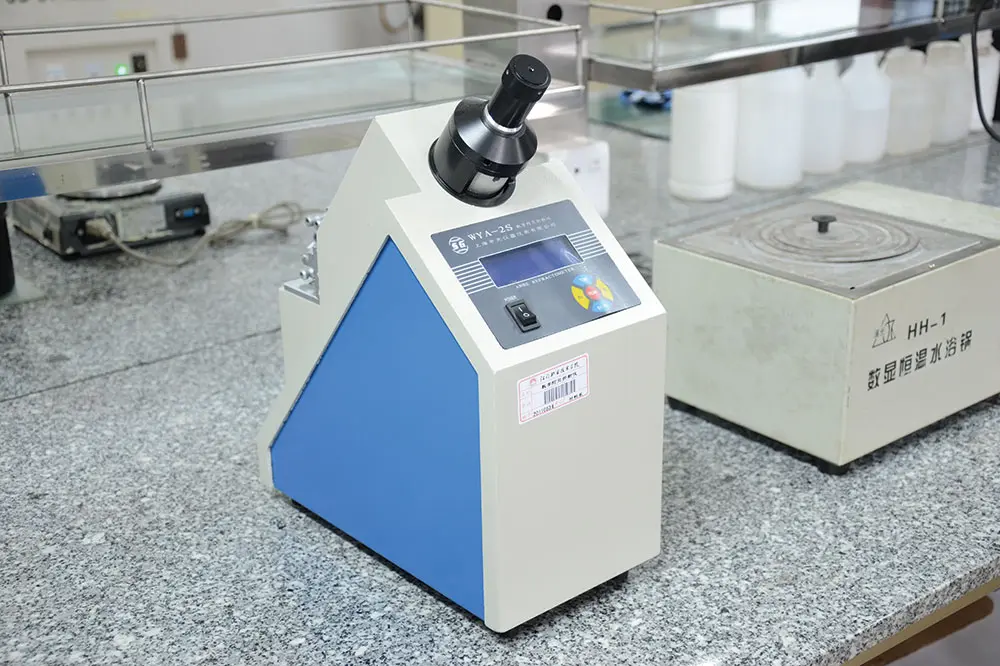
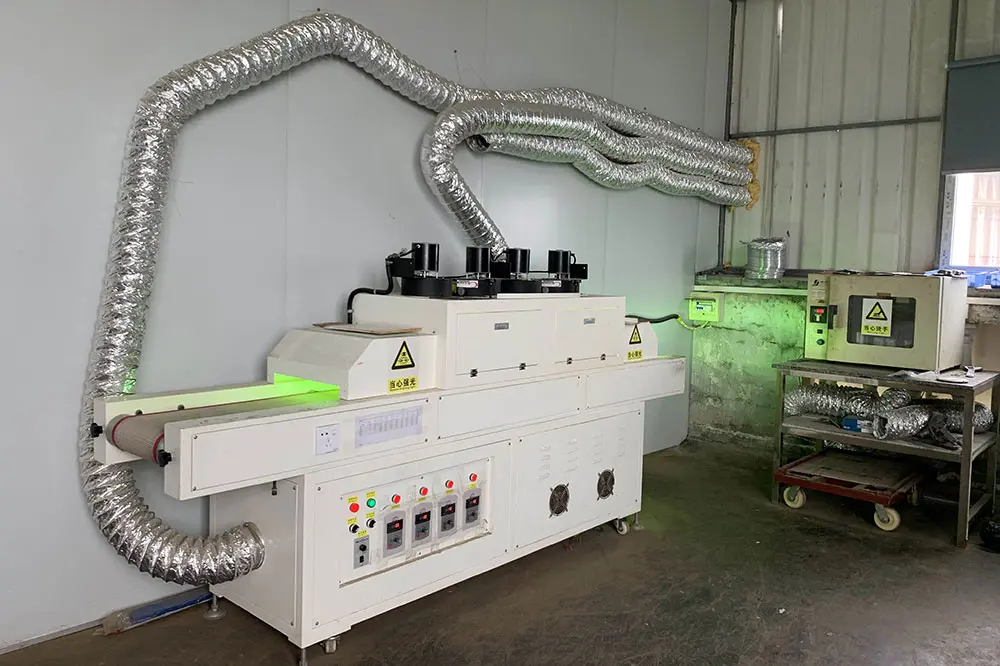
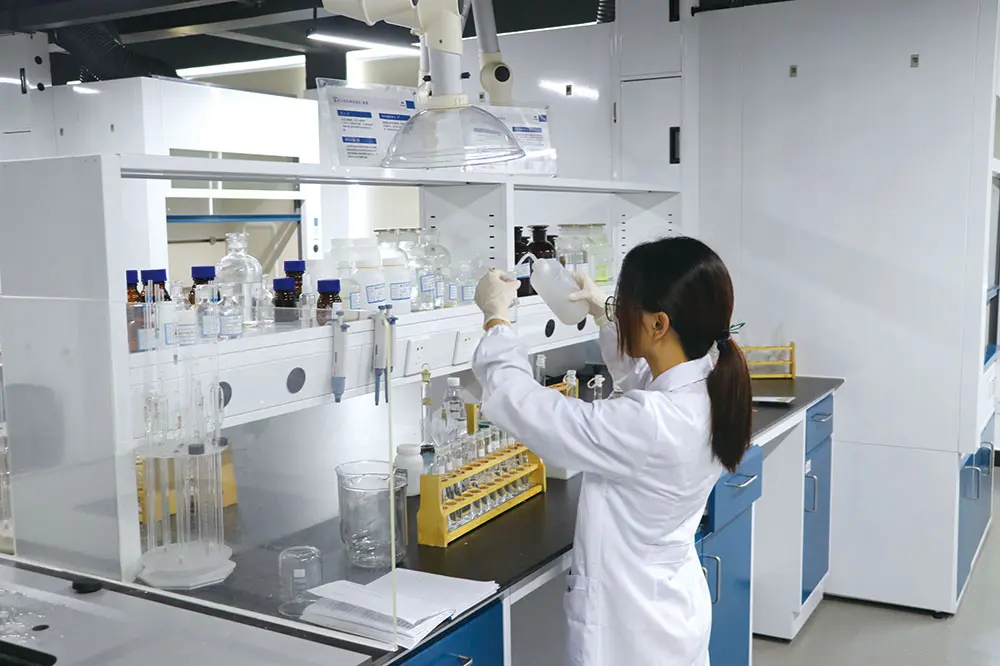
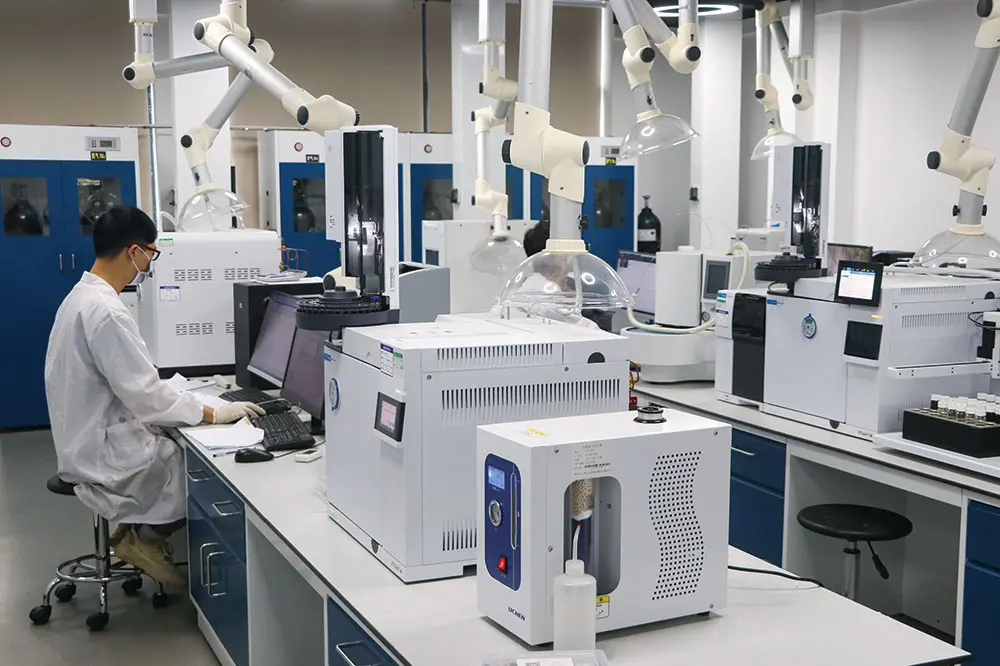
Guangdong Ever Ray operates two state-of-the-art production bases in Southern China:
Ensuring supply-chain stability and stringent regulatory alignment across the Americas, Europe, and Asia-Pacific.
In the globalized chemical landscape, manufacturers of polyurethane (PU) and epoxy coatings face complex compliance matrices. Between regulatory frameworks like REACH, TSCA, and RoHS, and volatile feed-stock pricing, securing a reliable supply of monomeric raw materials and synthesized oligomers is critical to B2B business continuity. At Guangdong Ever Ray, we secure our supply chains through strategic backward integration and raw material sourcing agreements with leading domestic and multinational suppliers. This guarantees that our syntheses—whether aliphatic urethane acrylates, epoxy acrylates, or custom modified resins—maintain consistent composition, minimal batch-to-batch variations, and a predictable cost structure.
Additionally, our Yunfu base utilizes an automated DCS (Distributed Control System). This digital infrastructure continuously monitors key reaction metrics—such as addition temperatures, acid values, viscosity profiles, and monomer conversions—in real-time. By minimizing manual interventions, we reduce errors, eliminate physical bottlenecks, and consistently deliver UV-curable products that conform to strict commercial specifications.
Tailoring molecular design to address critical performance challenges across diverse industries.
Traditional wood varnishes suffer from slow curing speeds and susceptibility to household chemical spills. Formulators utilizing our 7296C UV resin achieve high solvent-resistant and abrasion-resistant finishes. These systems can be applied via roller or spray, curing in seconds under standard UV mercury lamps to form a highly crosslinked, elegant protective layer that retains the natural look of wood.
PVC flooring requires coatings that can withstand continuous mechanical loads and foot traffic without cracking or peeling. Low viscosity oligomers like 1262B are specifically formulated for PVC floor coatings. Their high reactivity and low viscosity allow for thin, even application without solvent dilution, providing a tough, elastomeric surface that protects against micro-scratching.
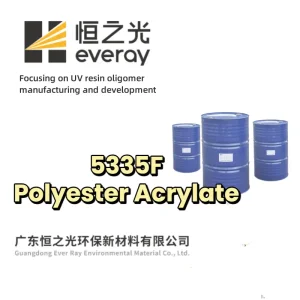
For modern, high-speed offset printing presses, quick drying times and low-odor profiles are critical, especially in consumer packaging. Using a combination of Polyester Acrylate 5335F and A150 UV resin, ink formulators can achieve rapid pigment wet-out, excellent rheology, high gloss, and instant curing, ensuring high-speed production with zero ink offset.
How Guangdong Ever Ray is investing in bio-based materials and advanced curing systems to support a carbon-neutral future.
As the global coating industry aligns with decarbonization goals, the development of sustainable, bio-based UV oligomers is a primary focus. Our R&D team—comprising over 15 skilled polymer chemists and technicians—is currently developing bio-sourced intermediates to partially replace petroleum-derived adipic acid and diisocyanates in our polyurethane synthesis processes. By introducing renewable carbon content without compromising double-bond density or curing efficiency, we help formulators reduce their carbon footprint.
Furthermore, our development pathway includes expanding our waterborne UV polyurethane dispersion (UV-PUD) product lines. Waterborne UV systems combine the environmental benefits of water-based coatings (extremely low viscosity without reactive monomers) with the physical performance of traditional UV systems. This is particularly beneficial for applications like nail gels (7296C, Anti-Yellowing Oligomer) and sensitive plastic applications where monomer contact must be minimized.
Technical solutions to common challenges faced by industrial formulators and chemical purchasing directors.
Further exploration of our specialized series of UV-curing polymers designed for inks, plastics, and high-performance adhesives.
 Ever Ray