Stereolithography (SLA) stands at the vanguard of additive manufacturing, utilizing localized, light-induced polymerization to construct highly intricate three-dimensional structures layer by layer. The performance of the resulting thermoset parts is inherently determined by the chemistry of the liquid resin formulation. High-quality SLA resins consist primarily of reactive oligomers, functional monomers, photoinitiators, and specialized additives. Selecting the precise backbone—whether epoxy acrylates for extreme hardness, aliphatic polyurethane acrylates for weatherability, or polyester acrylates for exceptional flexibility—dictates the crosslinking density and mechanical equilibrium of the final printed element.
In industrial-grade SLA, factors such as shrinkage control, cure speed, and interlayer adhesion are critical parameters. High volumetric shrinkage during polymerization leads to structural warp, internal stresses, and dimensional inaccuracy. To mitigate this, advanced factories deploy oligomer combinations featuring low shrinkage rates, ensuring that the cured resin maintains its configuration under intense post-curing and thermal processing cycles. Viscosity management is another critical variable; low-viscosity resins facilitate rapid self-leveling across the vat surface, reducing cycle times and minimizing mechanical wear on printer recoaters.
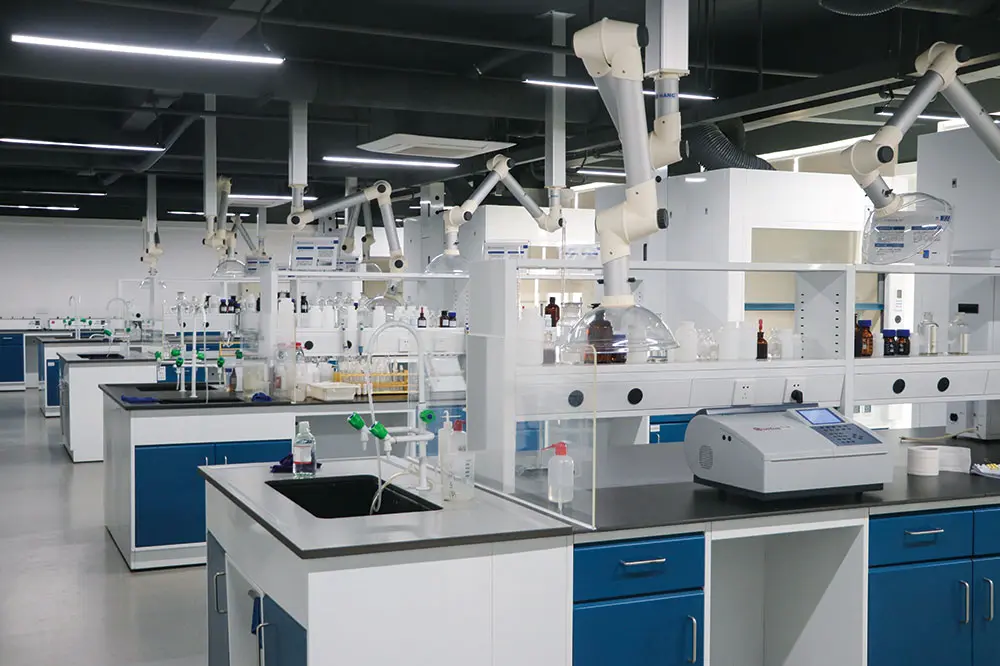
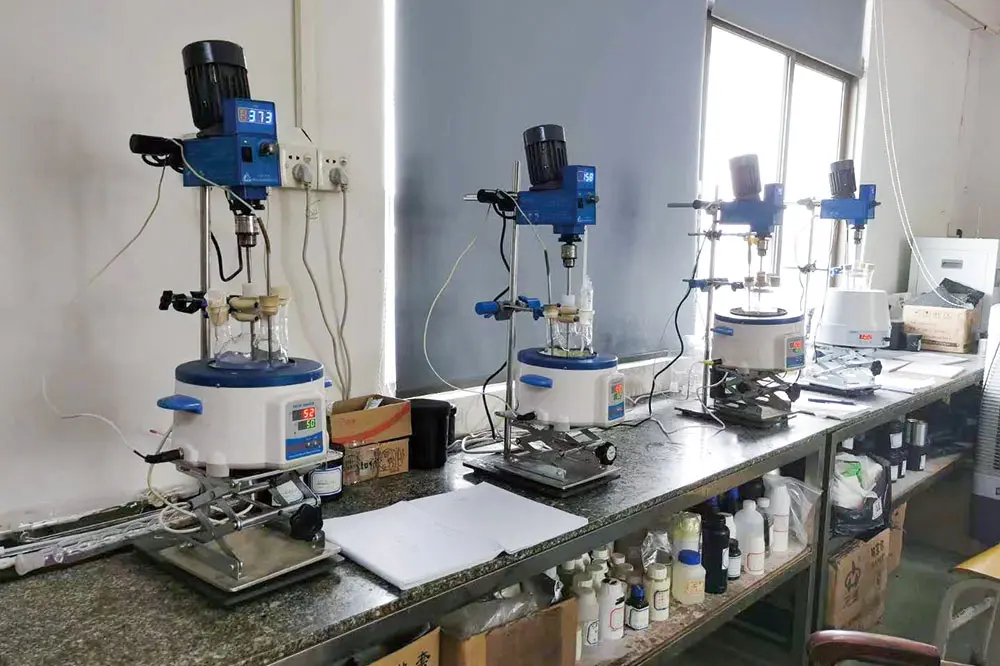
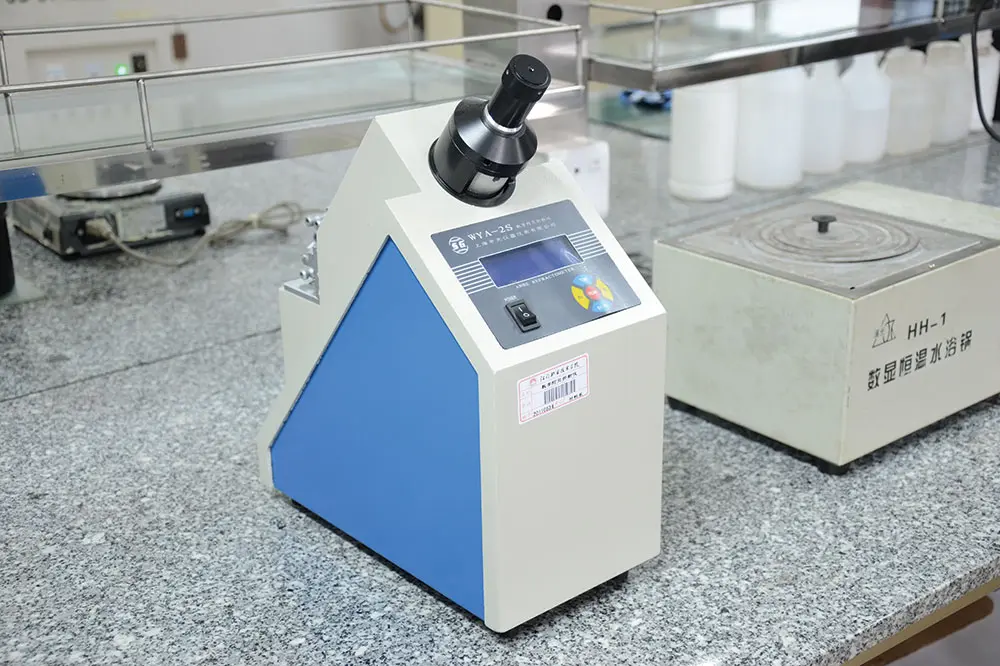
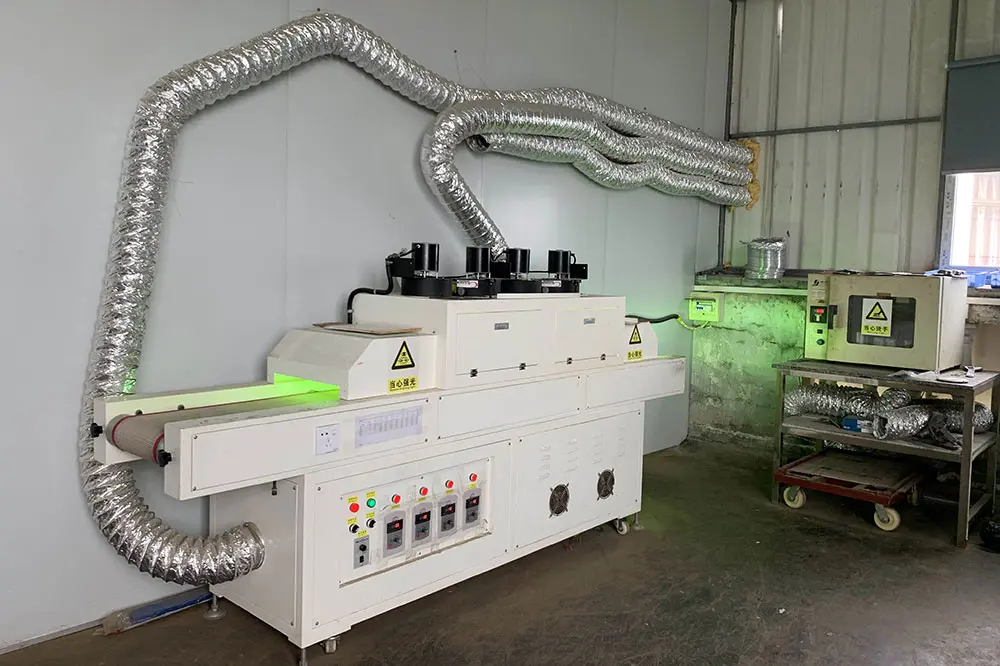
Precision micro-connectors, test fixtures, and structural components demand exceptional thermal stability and minimal isotropic shrinkage. Our specialty oligomers provide a high glass transition temperature (Tg) and low warpage, ensuring exact pitch clearances in high-density electronic assemblies.
For investment casting patterns and temporary silicone molding master forms, resins must cure quickly with excellent dimensional replication and clean burnout properties. Epoxy acrylates formulated with our low-viscosity monomers provide the ideal blend of high green strength and clean ash-free volatilization during firing.
Functional wind-tunnel prototypes and under-the-hood structural mockups are subjected to high mechanical loads and temperature variations. Utilizing our tough aliphatic polyurethane acrylates (PUA) delivers high impact resistance and prevents brittleness over time, ensuring components perform reliably during dynamic testing.
Synthesizing next-generation photo-thermal dual-curing polyurethane acrylate oligomers. These systems utilize UV light for rapid shape setting and thermal treatment to achieve final high-strength crosslinking, overcoming shadowing limitations in intricate structures.
Developing zero-VOC, waterborne UV-curable resins (such as our 70601 Waterborne UV resin). These formulations eliminate hazardous organic solvent emissions during application, significantly improving safety in industrial wood coatings, spray coatings, and 3D printing environments.
Implementing targeted molecular design to block radical decomposition products that lead to discoloration. This technology ensures long-term clarity in optical components, dental guides, and protective coatings exposed to outdoor solar radiation.
 Ever Ray