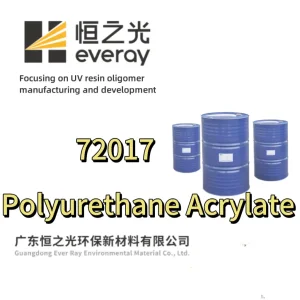
Explore our elite range of low-yellowing, fast-curing, and high-adhesion oligomers designed for robust industrial priming and coating formulations.
In modern industrial manufacturing, achieving robust interface adhesion between specialized topcoats and challenging substrates is a persistent challenge. UV-curable primers have emerged as the standard-setting solution to this issue. Traditional thermal-curing primers face limitations in footprint size, curing speed, and environmental compliance. By contrast, photopolymer-based UV primers leverage instantaneous ultraviolet cross-linking to establish dense molecular bonds with minimal process time.
The performance of a UV primer relies directly on its oligomeric core. Formulations require a careful balance of epoxy acrylates for mechanical hardness, polyurethane acrylates for elastic elongation, and polyester acrylates for substrate wetting. By tailoring the functionality and molecular weight distribution of these oligomers, manufacturers can control shrinkage-induced stress, optimize surface energy match, and prevent adhesive failure.
Our functional monomers and oligomers cure in milliseconds under UV-A, UV-B, or LED-UV emission, minimizing thermal load on sensitive polymer substrates.
By introducing polar functional groups into our modified epoxy and urethane acrylates, our primers anchor effectively to glass, metals, PVC, and PP.
Formulated with high-solid or 100% reactive systems, we assist companies globally in cutting VOC emissions to comply with green building codes and environmental laws.
Established in 2006, Ever Ray is a pioneer in the R&D and production of advanced UV-curable oligomers and resins.
Guangdong Ever Ray Environmental Material Co., Ltd. established in 2006, is a high-tech enterprise focusing on the R&D and manufacturing of oligomers for UV curable resin such as epoxy acrylate, polyurethane acrylate (water borne, aliphatic urethane, aromatic urethane), polyester acrylate, pure acrylate and other special functional modify acrylate oligomers.
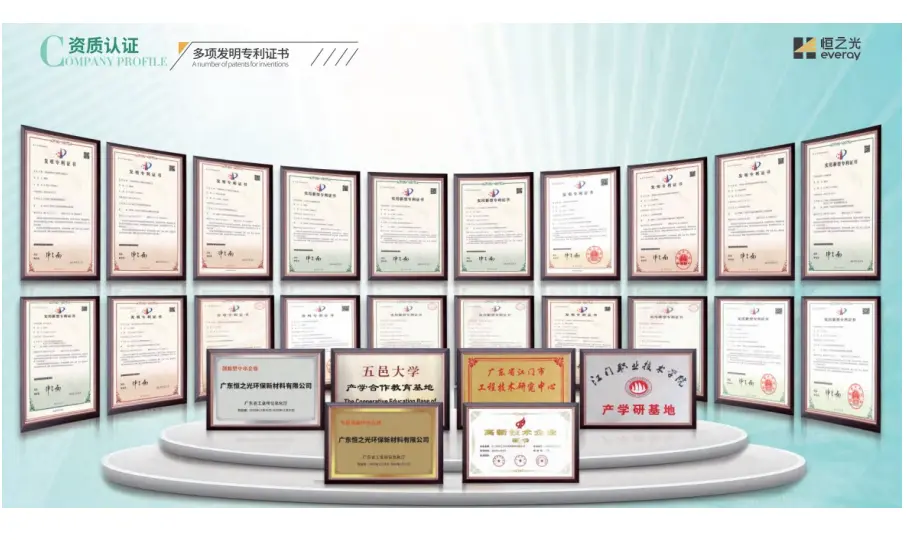
We have more than 10 invention patents and practical patents, with more than 15 dedicated technicians in our R&D department. We provide high reactivity, chemical resistance, and high gloss to formulations for a wide variety of applications, including wood coatings, plastic, inks, adhesives, and more.
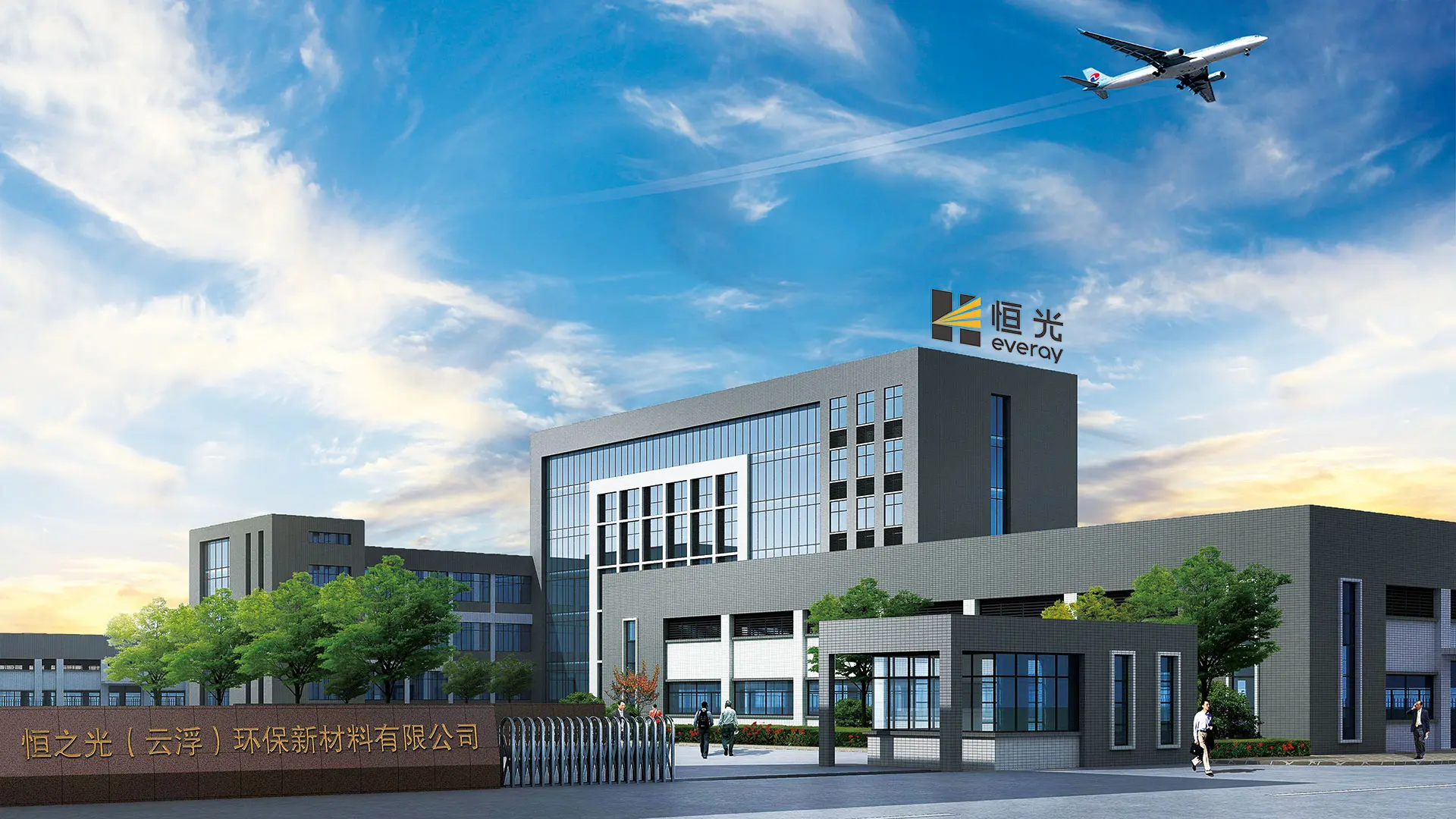
We operate two modern production bases: one is in Jiangmen, Guangdong, with a production area of about 10,000 square meters; the other is in Yunfu, Guangdong, with a production area of around 40,000 square meters. Complete with quality control, storage, and logistics supporting facilities, our annual production capacity exceeds 20,000 tons across more than 10 automated lines.
To ensure rigorous quality control, our factories operate under the ISO9001 quality management system and ISO14001 environmental management system, coupled with a flexible, advanced DCS fully computerized control system. We select premium domestic and foreign raw materials, utilize advanced scientific management, and consult domestic UV material experts to ensure process safety and consistent product quality.
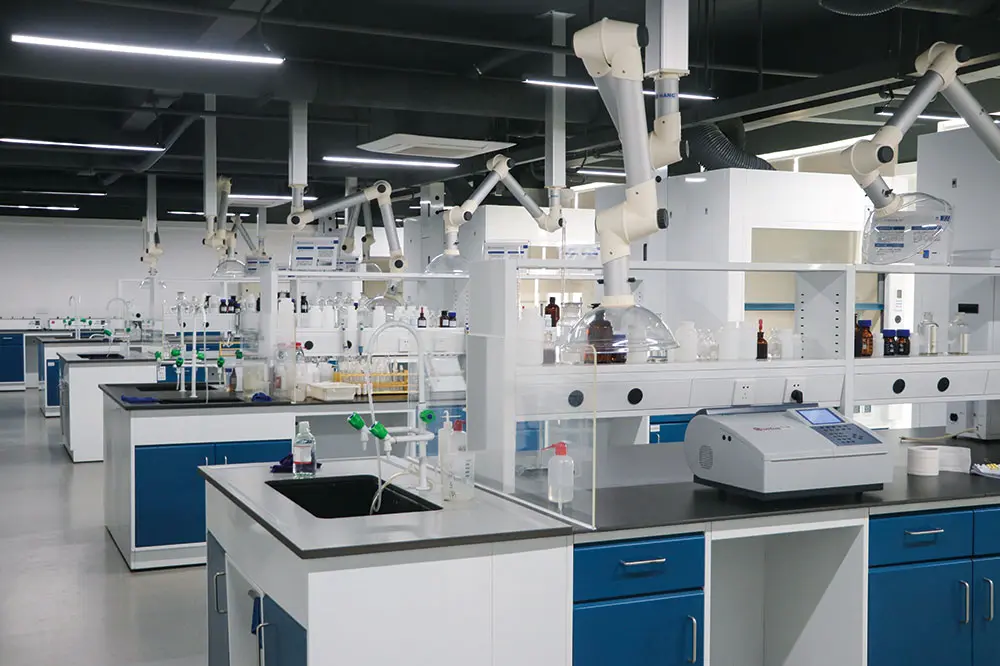
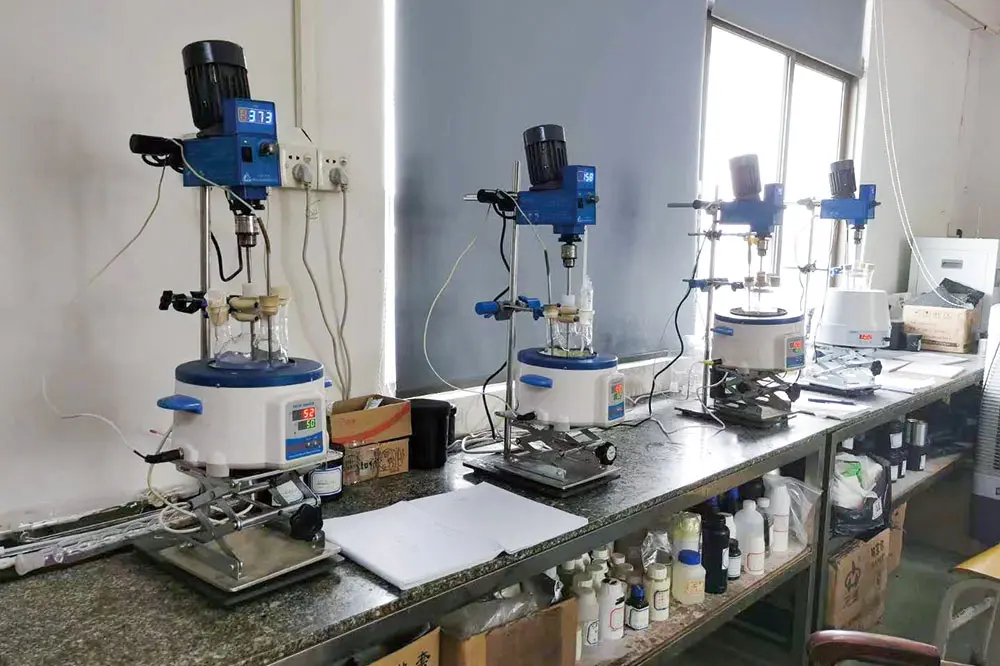
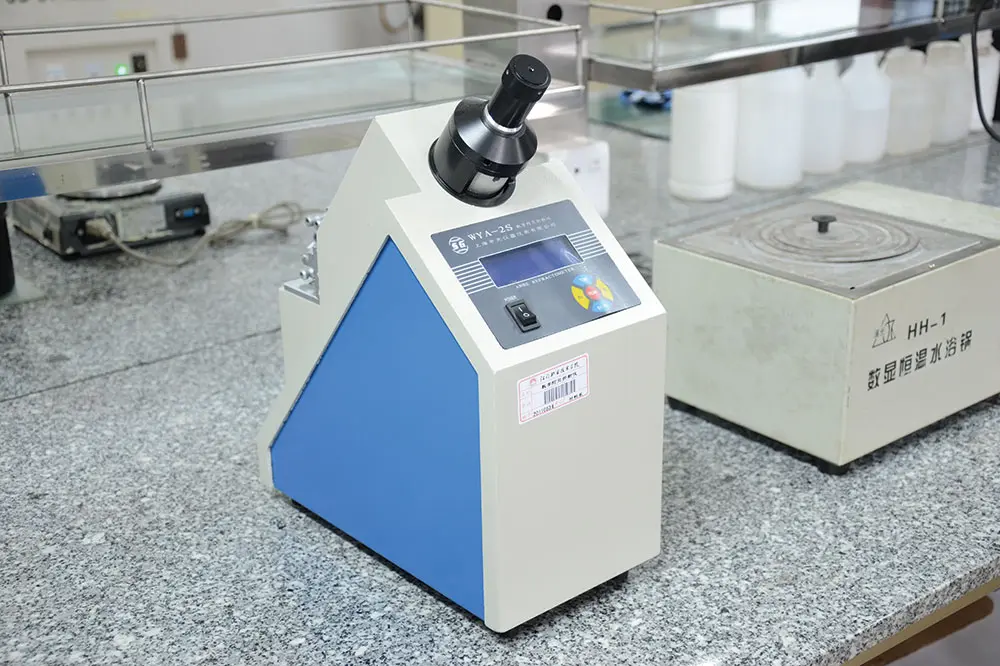
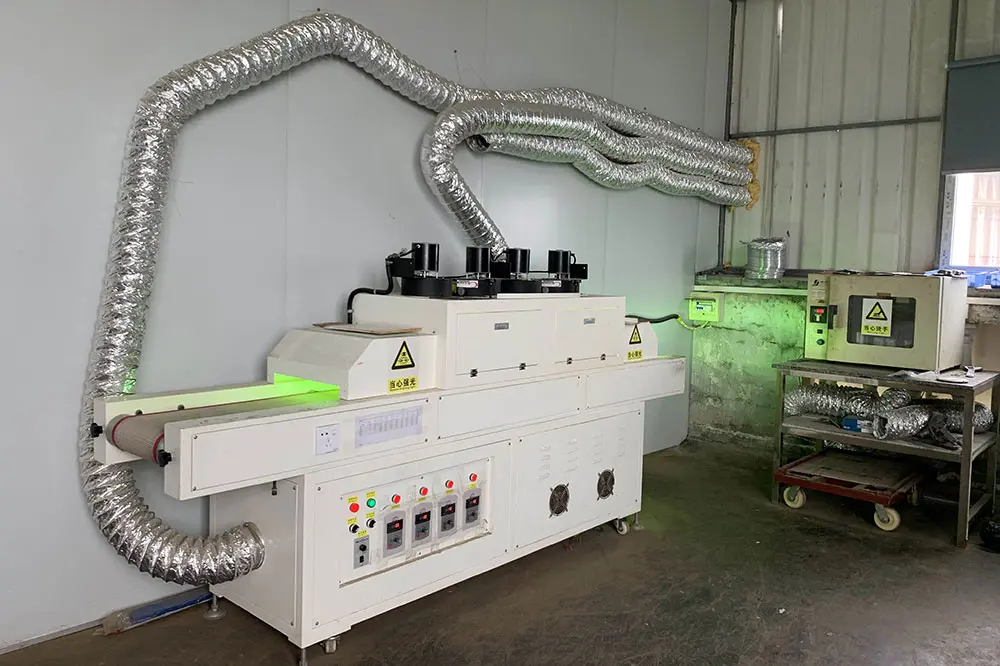
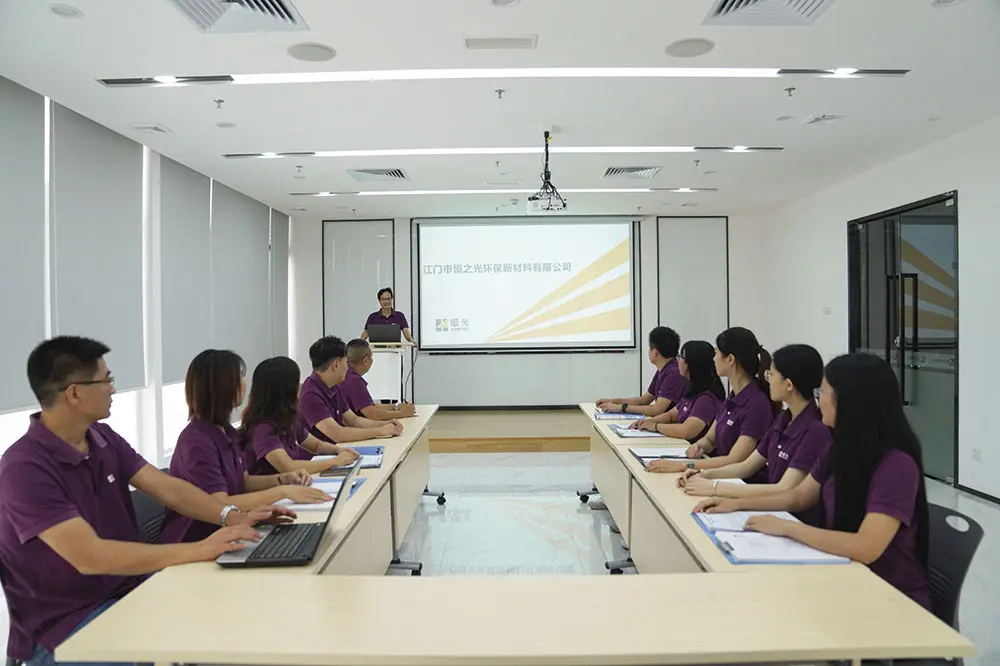
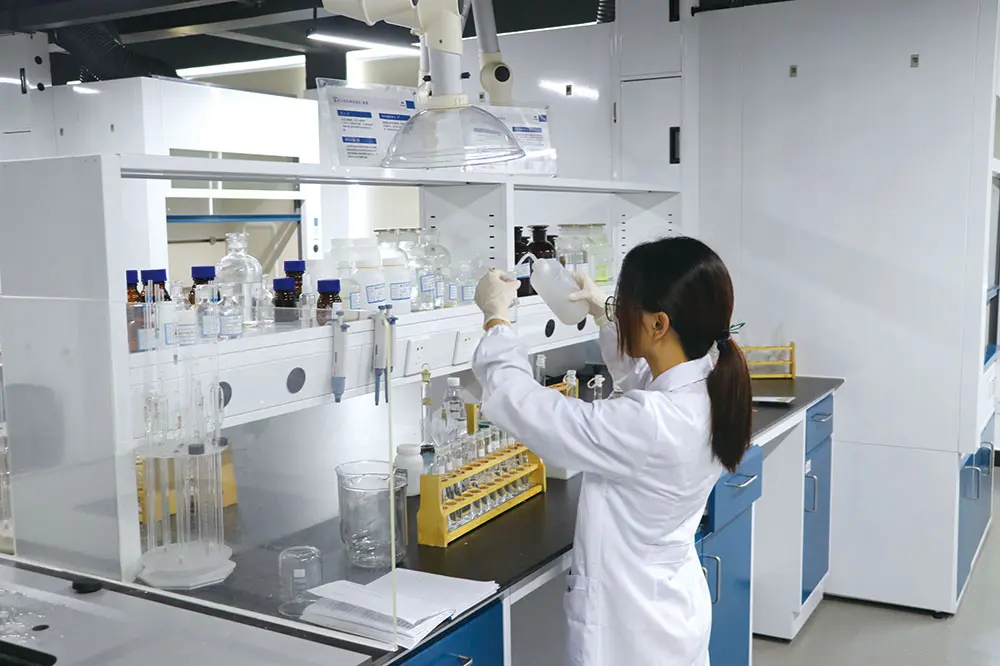
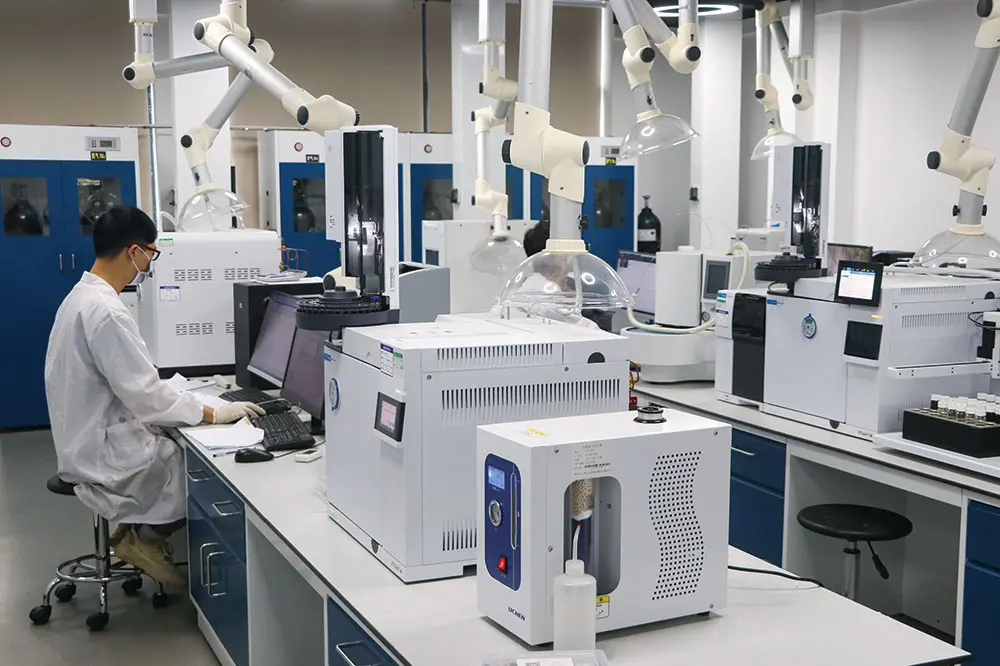
The demand for UV-curable materials continues to rise globally. Strict VOC emission standards set by organizations like the EPA in North America and REACH in Europe are encouraging companies to shift away from traditional solvent-borne thermal primers.
This transition is particularly evident in high-speed, high-output sectors. Industrial assembly lines for consumer electronics, automotive plastics, and luxury packaging depend on instant curing to keep pace with demand. UV primers provide the rapid processing speeds necessary to prevent production bottlenecks.
How our chemistry addresses specific engineering requirements across different regions and industrial sectors.
Automotive fascia, dashboards, and exterior trims often utilize low surface-energy plastics like PP/EPDM. Our specialized polyurethane acrylate resins act as bridging agents, ensuring permanent bond integrity under extreme temperature cycles and moisture tests.
Key oligomers: 6271, 72203AApplying high-gloss chrome or reflective finishes on plastic casing requires base primers with leveling properties and excellent intercoat adhesion. Our vacuum plating oligomers prevent delamination and withstand harsh environmental tests.
Key oligomers: 1730, 7113AFood packaging and labels require low-migration, high-speed curing on non-porous polymer substrates. Our polyester acrylates exhibit low residual odor, fast response rates, and high compatibility with color pigments.
Key oligomers: 5403DF, 5377AAs an industry-leading manufacturer, Ever Ray continues to invest in next-generation photopolymer research to meet emerging market trends. Our R&D initiatives focus on three primary goals:
Traditional UV acrylic curing often faces issues with volume shrinkage, which can weaken interfacial adhesion on non-porous surfaces.
To resolve this, our R&D team has developed low-shrinkage oligomers. By modifying the molecular structure, we balance cross-link density with flexibility, allowing the film to adjust to the substrate rather than pull away from it.
How our localized scale in Guangdong translates into consistent quality, cost savings, and secure supply for our global partners.
Located in the Pearl River Delta industrial cluster, we source key acrylic monomers and raw materials locally. This geographical advantage minimizes logistics times and reduces supply chain risks, allowing us to maintain stable production even during volatile global market conditions.
Our production facilities utilize a DCS fully computerized control system. This system controls polymerization temperatures, addition rates, and pressures to ensure batch-to-batch consistency and reduce safety risks in high-temperature chemical reactions.
With an annual production capacity of over 20,000 tons between our Jiangmen and Yunfu sites, we can easily scale production to meet bulk orders from international customers, offering short lead times and reliable shipping.
Exporting industrial chemical materials requires compliance with international regulatory frameworks. Ever Ray products are accompanied by comprehensive MSDS/SDS sheets, and we ensure our products align with local chemical regulations in target markets.
Beyond compliance, we provide customer-focused technical support. If a formulation requires adjusting to meet specific viscosity, adhesion, or shrinkage specifications, our team of 15+ technicians works directly with client engineers to customize materials for their processes.
Find answers to technical and operational questions regarding Ever Ray's UV resins and monomers.
Explore our specialized formulations for high-performance clear coats, flexible wood varnishes, and 3D printing applications.
 Ever Ray