High-performance UV curable resins optimized for vacuum electroplating primer coats and top coats, ensuring unmatched adhesion, chemical resistance, and high gloss.
Unlocking sustainable, high-precision finishing technologies for automotive, consumer electronics, and structural packaging markets.
Traditional wet chemical electroplating processes are facing stringent global environmental regulations due to toxic heavy metal emissions and chemical waste. Vacuum plating (PVD/thermal evaporation) has emerged as the premier green alternative, producing zero liquid discharge and minimal VOC emissions when paired with high-solid UV basecoats.
The rise of lightweight plastics in the automotive industry (e.g., ABS, PC, PMMA for grilles and decorative trims) drives the need for sophisticated physical vapor deposition. UV curable vacuum electroplating resin guarantees robust adhesion and high gloss finish, filling microscopic surface defects on structural plastics before metal deposition.
Deposition layers (such as aluminum, chromium, or tin) are micro-thin and easily oxidized or scratched. Advanced UV-curable topcoats protect the metal film against corrosion, cosmetics oils, sweat, and abrasive wear, preserving the brilliant mirror-like appearance for years.
A High-Tech Enterprise Pioneer in UV Curable Oligomers & Specialty Resins Since 2006.
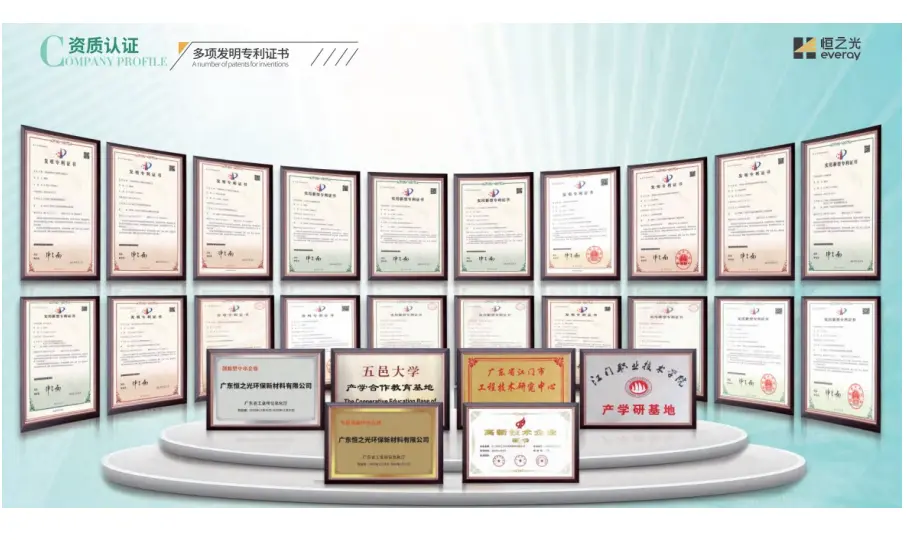
Guangdong Ever Ray Environmental Material Co., Ltd. established in 2006, is a high-tech enterprise focusing on the R&D and manufacturing of oligomers for UV curable resin such as epoxy acrylate, polyurethane acrylate (water-borne, aliphatic urethane, aromatic urethane), polyester acrylate, pure acrylate, and other special functional modified acrylate oligomers.
By leveraging advanced DCS fully computerized control systems, raw material selection expertise, and rigorous quality control methodologies under ISO9001 and ISO14001 certification frameworks, Ever Ray guarantees stable batches and maximum supply security for the global vacuum plating and surface finishing industries.
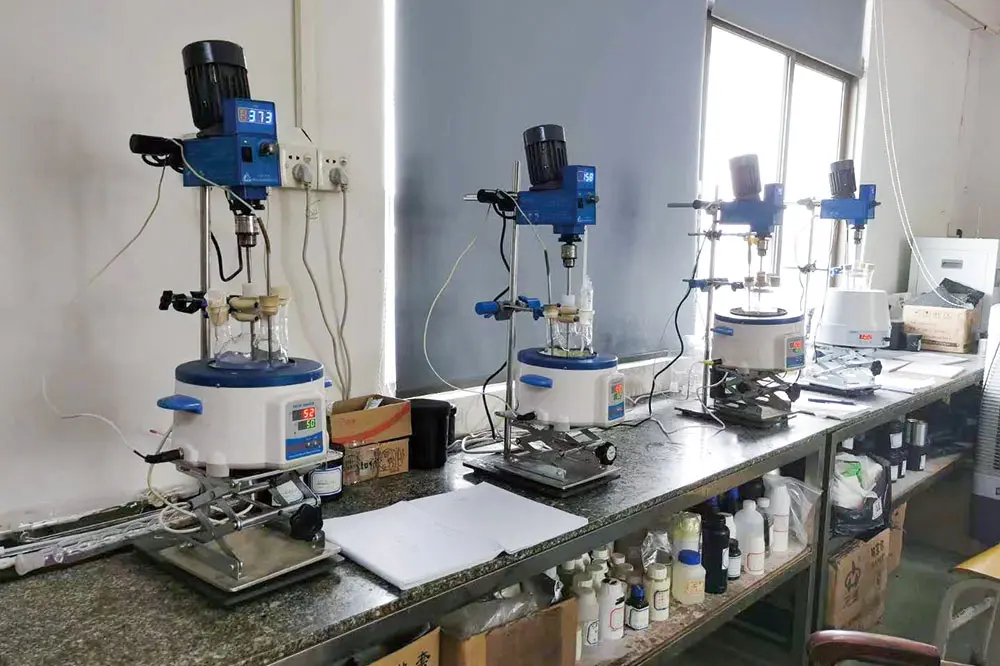
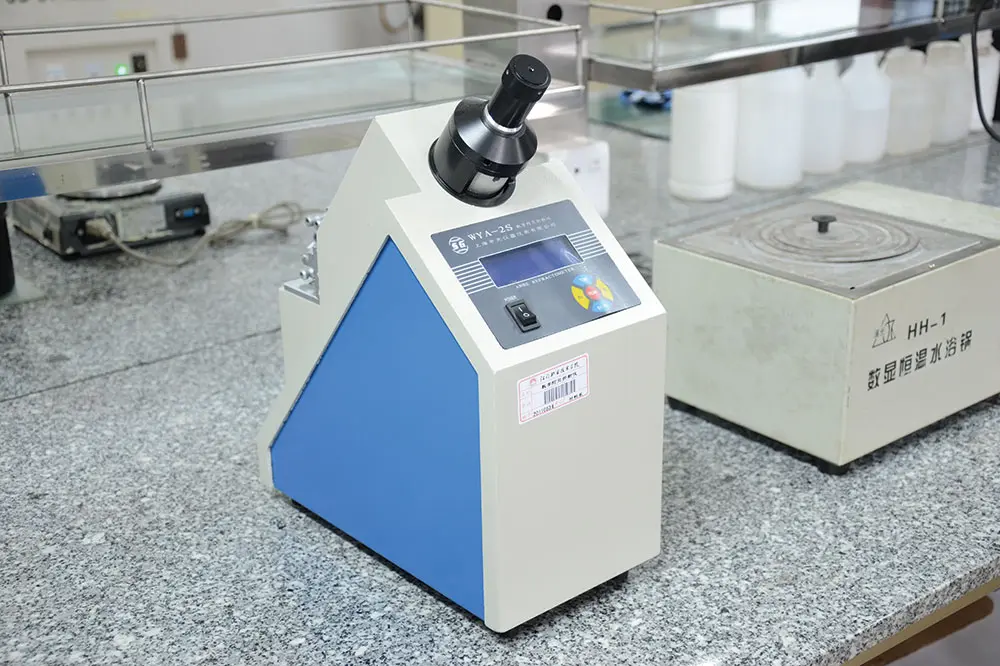
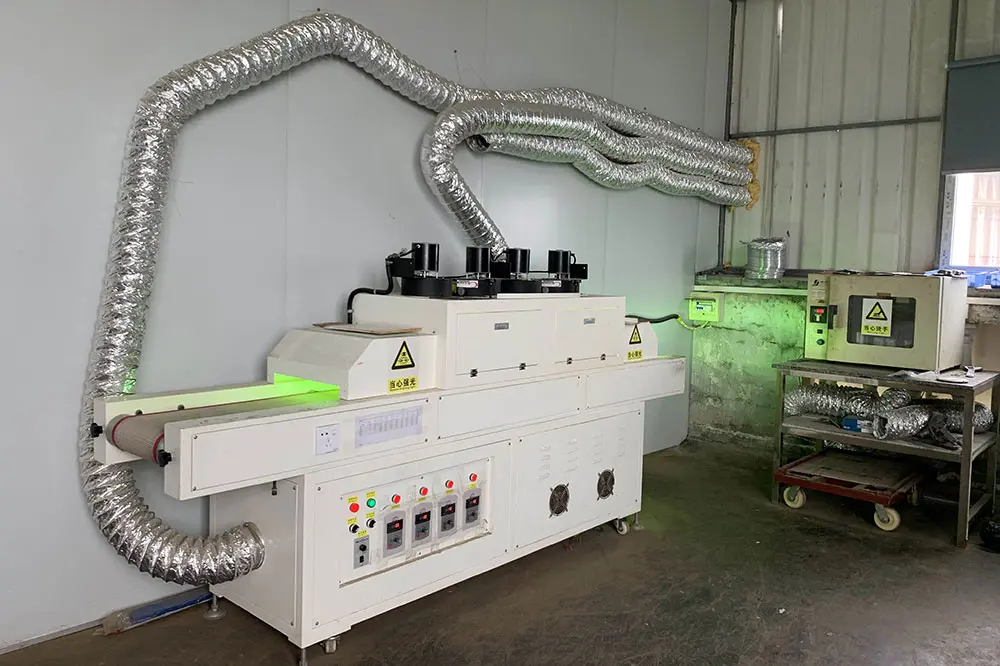
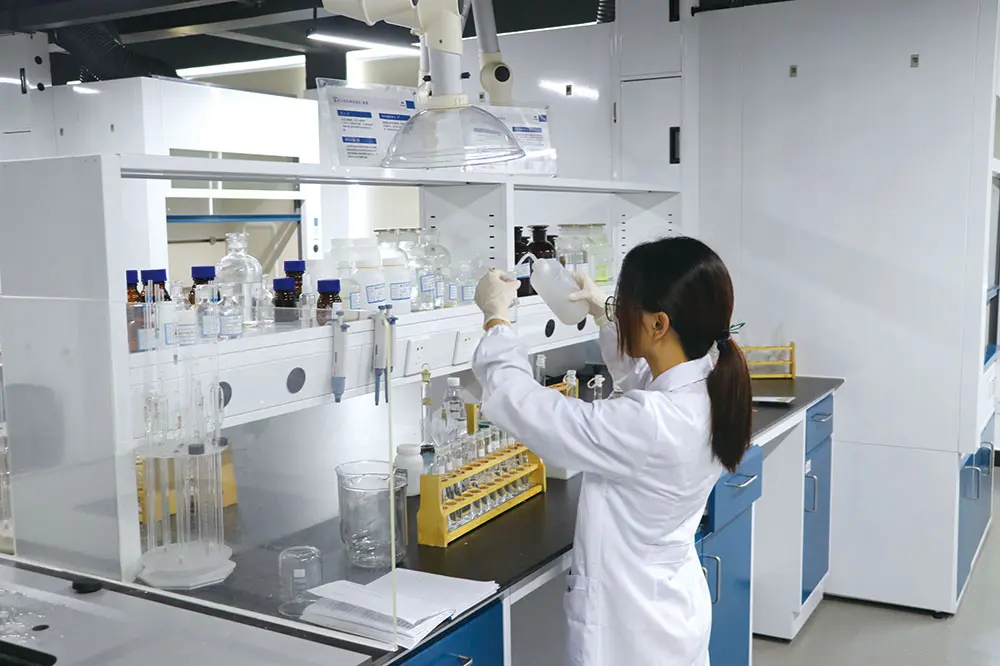
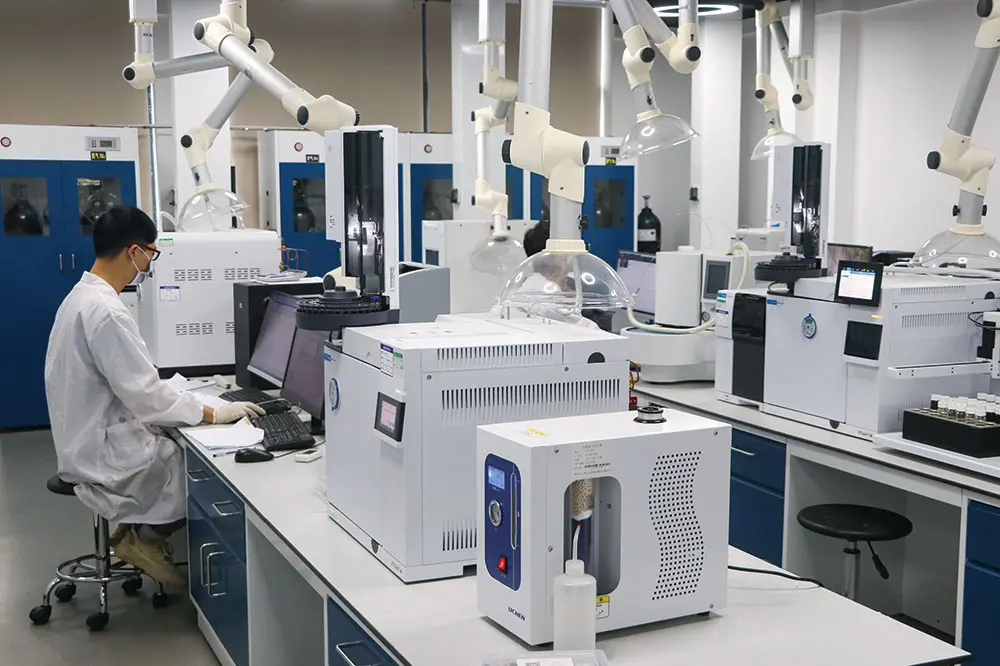
Enabling high-performance barrier coating formulations that resolve adhesion stress, cure shrinkage, and environmental sustainability challenges.
How our dual production hubs in Guangdong guarantee stable, cost-efficient, and global-scale distribution.
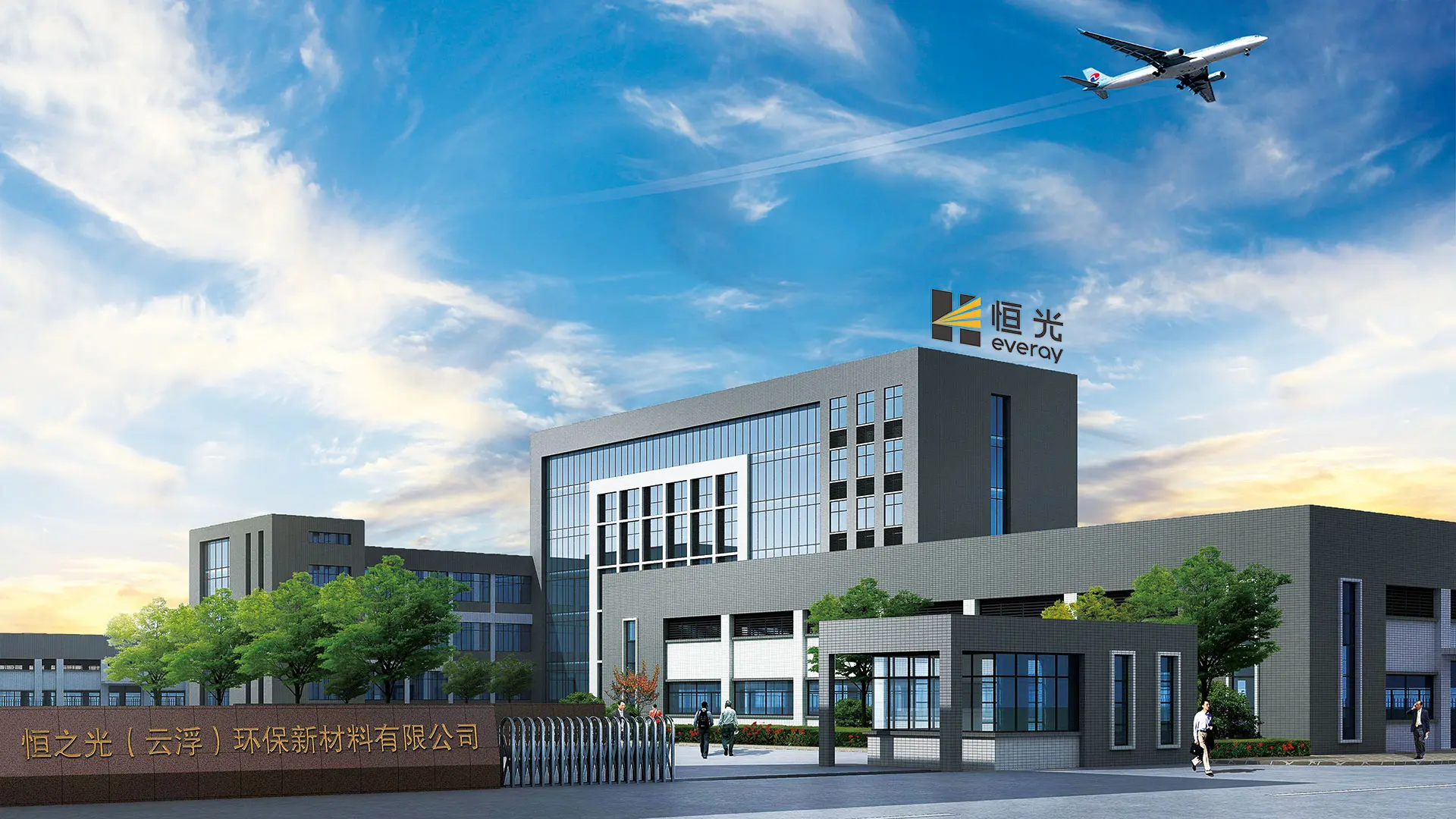
With a 10,000 square meter facility in Jiangmen and an expansive 40,000 square meter factory in Yunfu, Ever Ray mitigates regional manufacturing shutdowns and raw material bottlenecks. Our annual production capacity exceeds 20,000 metric tons across 10+ advanced polymer lines.
Our plants implement the Distributed Control System (DCS) to monitor reactor temperature, pressure, feed rate, and polymer molecular weight distribution. This automation eliminates human variation, providing consistent viscosity, resin color, and cure speed across all shipments.
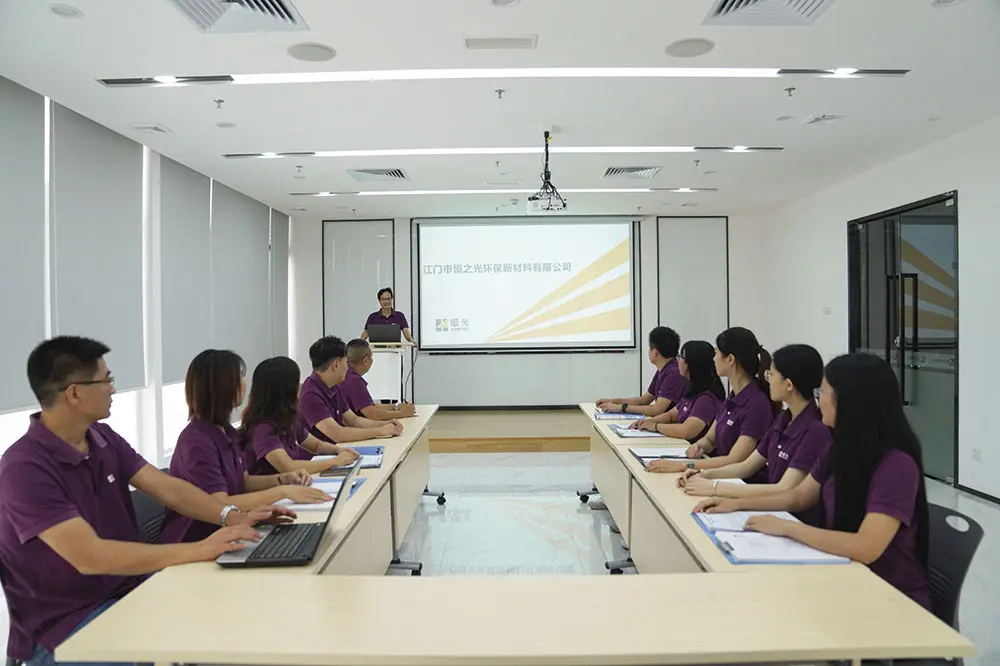
Our internal technical team of 15+ specialists works directly with international blenders, automotive tier-1 coaters, and electronics manufacturers. By synthesizing primary oligomers in-house, we reduce the cost of vacuum plating coatings by up to 25% compared to multi-layered distributor chains.
| Resin Type | Key Applications | Primary Physical Properties | Typical Advantages in Vacuum Plating |
|---|---|---|---|
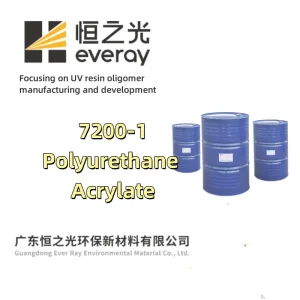
| Aliphatic Polyurethane Acrylate (e.g., 7200-1) | Topcoats (Automotive, Cosmetics) | High flexibility, superb weatherability, non-yellowing | Protects vaporized metals from oxidation, thermal shock and outdoor UV degradation. |
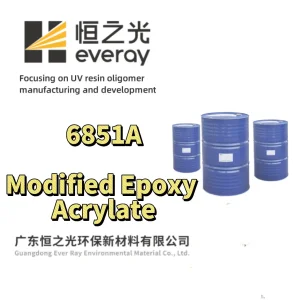
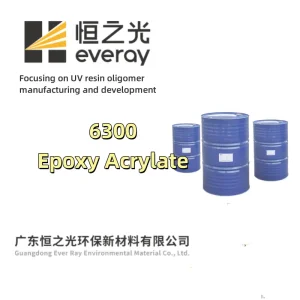
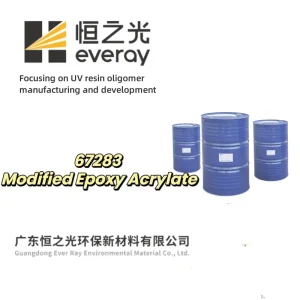
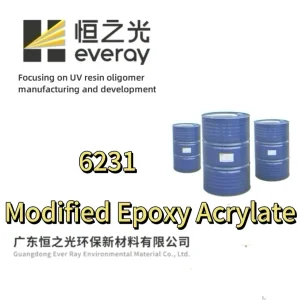
| Modified Epoxy Acrylate (e.g., 6851A, 6231) | Primers (Metals, Glass, Plastic) | Fast curing, high surface hardness, glossiness | Provides a glass-like finish on rough plastic substrates, accelerating processing throughput. |
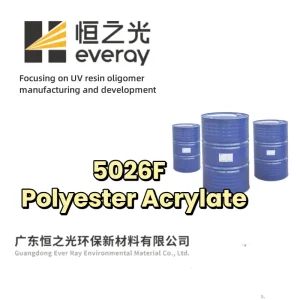
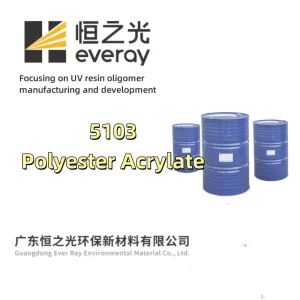
| Polyester Acrylate (e.g., 5026F, 5103) | UV basecoats & inks | Excellent substrate wetting, low volume shrinkage | Prevents warping of thin plastic parts and peeling of the electroplated aluminum film. |
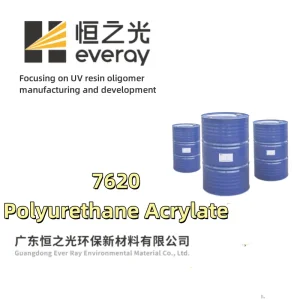
| Electroplating Resin (e.g., 7620) | Vacuum Electroplating Base/Top Coat | Interfacial adhesion, high crosslinking density | Specifically optimized for aluminum sputtering and thermal evaporation. |
Discover how our specialized UV resins enhance vacuum plating across diverse industries.
Exterior trims, front grilles, logos, and headlight reflectors demand intense weatherability. Using Aliphatic Polyurethane Acrylate (like 7200-1) in top coatings ensures the reflective layer withstands stone chips, acid rain, and prolonged sunlight without delamination.
Smartphones, laptops, and smartwatches utilize vacuum metallization to achieve premium metallic textures on lightweight plastic structures. Our fast-curing, low-shrinkage resins preserve dimension stability during cure cycles, preventing assembly errors.
Perfume bottle caps, lipstick tubes, and compact cases rely heavily on vacuum metalization to evoke luxury. Base and topcoats formulated with our modified epoxy acrylates provide resistance to chemical attacks from essential oils, fragrances, and alcohol.
Providing peace of mind through strict compliance, documentation, and technical service.
Ever Ray formulations are synthesized to meet international safety protocols, including REACH registration, RoHS limits, and TSCA compliance, permitting smooth distribution into European and American manufacturing zones.
We provide full material safety data sheets (MSDS), certificates of analysis (COA) for every batch, and technical specification files to satisfy the chemical footprint tracking required by top-tier automotive and electronics OEM audits.
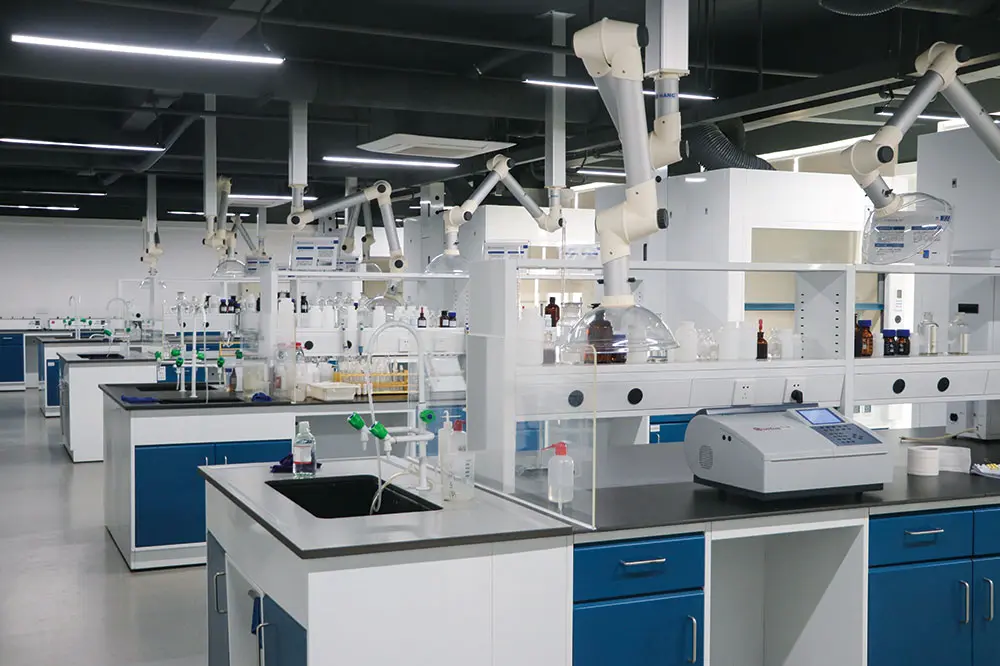
Our lab can recreate actual spray, roll, and vacuum metallization processes. We provide customized viscosity and curing adjustments, troubleshooting compatibility or adhesion failures on special substrates at your production site.
Technical answers from Ever Ray's R&D department on optimizing vacuum metallization coating chemistry.
High-flexibility, anti-yellowing, and chemical-resistant resins tailored for high-demand industrial surface coatings.
 Ever Ray