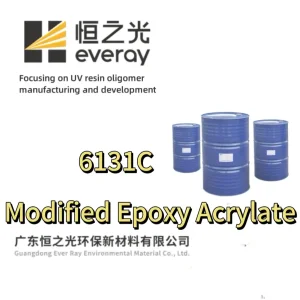
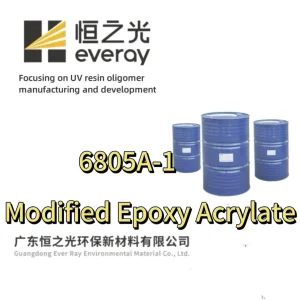
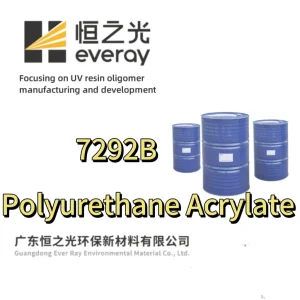
Explore our premium grade selection of UV resins, functional modified acrylic oligomers, and low-shrinkage chemical agents engineered for printing, coatings, and structural adhesives.
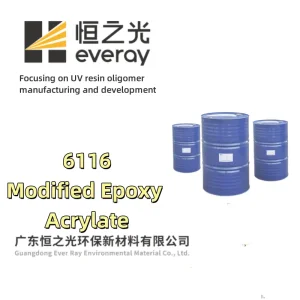
Understanding the market evolution, environmental drivers, and the technological paradigm shift in UV radiation-curable materials.
The global chemical and coatings market is undergoing an unprecedented transition driven by strict environmental regulations and efficiency demands. Acrylic epoxy resins and polyurethane acrylates (PUA) represent the pinnacle of this revolution. These polymer oligomers are critical components in radiation-curing (UV/EB) formulations, which exhibit high reactivity, exceptional mechanical hardness, outstanding chemical resistance, and immediate drying capabilities. Historically valued for structural bonding, the incorporation of acrylate chemistry has broadened their scope into packaging, electronics, automotive components, and medical applications.
Industrial data indicates that the global market for UV-curable resins is growing at a CAGR of 8.5%, fueled by the demand for low-volatile organic compound (VOC) emissions systems. Traditional solvent-borne systems are being replaced due to governmental initiatives such as China's Blue Sky Plan, the EU's REACH regulation, and EPA standards in the United States. In this landscape, modified epoxy acrylates have emerged as the cost-performance benchmark. They offer unparalleled substrate adhesion, high glass transition temperatures (Tg), and rapid polymerization rates, making them indispensable for high-volume automated production lines.
| Property Type | Standard Epoxy Acrylate | Modified Urethane Acrylate | Polyester Acrylate Oligomer |
|---|---|---|---|
| Curing Speed | Extremely Fast (High double-bond density) | Moderate to Fast | Fast to Very Fast |
| Flexibility | Low (Brittle, high Tg) | High (Elastomeric properties) | Moderate |
| Adhesion Profile | Excellent on metal, glass, paper | Superior on plastics, PVC, film | Excellent on paper, board, wood |
| Chemical Resistance | Superior (Outstanding acid/alkali barrier) | Excellent (Solvent resistance) | Good |
Today's formulation strategies require custom adjustments. Raw epoxy resins are combined with aliphatic urethane segments or modified polyester structures to counter natural brittleness without sacrificing cure speed. This level of customization allows manufacturing partners to target applications ranging from food-grade paperboard packaging inks to flexible nail gels and durable exterior protective topcoats.
A trusted global supplier of UV-curable oligomers and specialized acrylic resins, driving chemical innovation since 2006.
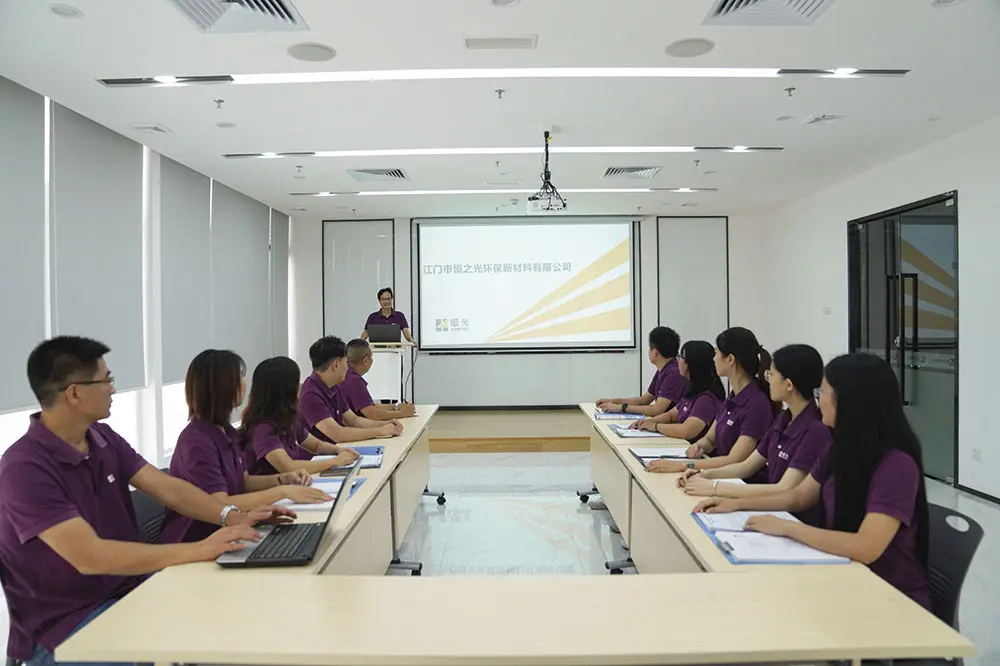
Established in 2006, Guangdong Ever Ray Environmental Material Co., Ltd. is a recognized high-tech enterprise dedicated to the research, development, and manufacturing of high-performance oligomers for UV-curable resins. Our diverse chemical catalog includes epoxy acrylate, polyurethane acrylate (waterborne, aliphatic urethane, and aromatic urethane), polyester acrylate, pure acrylate, and custom functional modified acrylate oligomers designed for modern industrial applications.
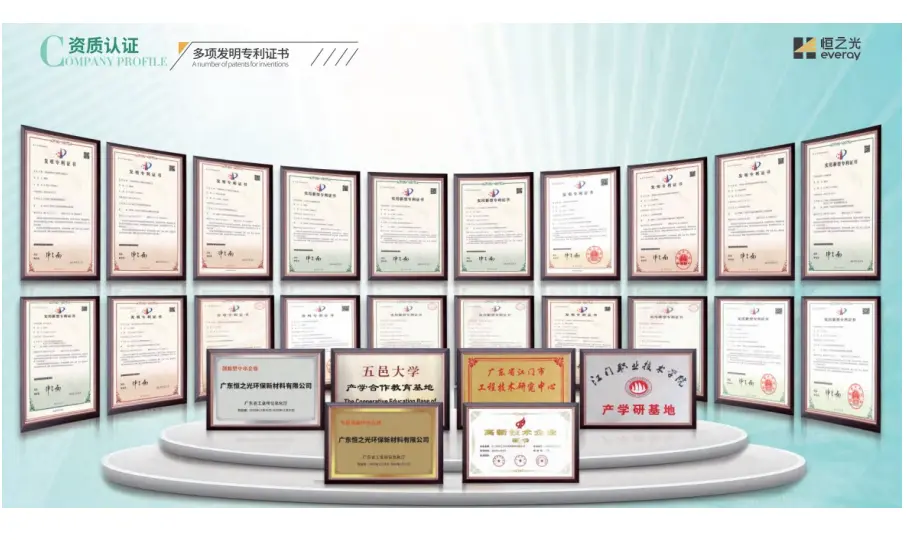
With over 15 dedicated technical experts in our advanced R&D department and more than 10 invention and utility patents, we formulate products that impart high reactivity, chemical barrier resistance, and high gloss to specialized coating systems. We prioritize green chemistry, serving as a reliable partner for organizations upgrading from solvent-based formulations to sustainable UV-curable technology.
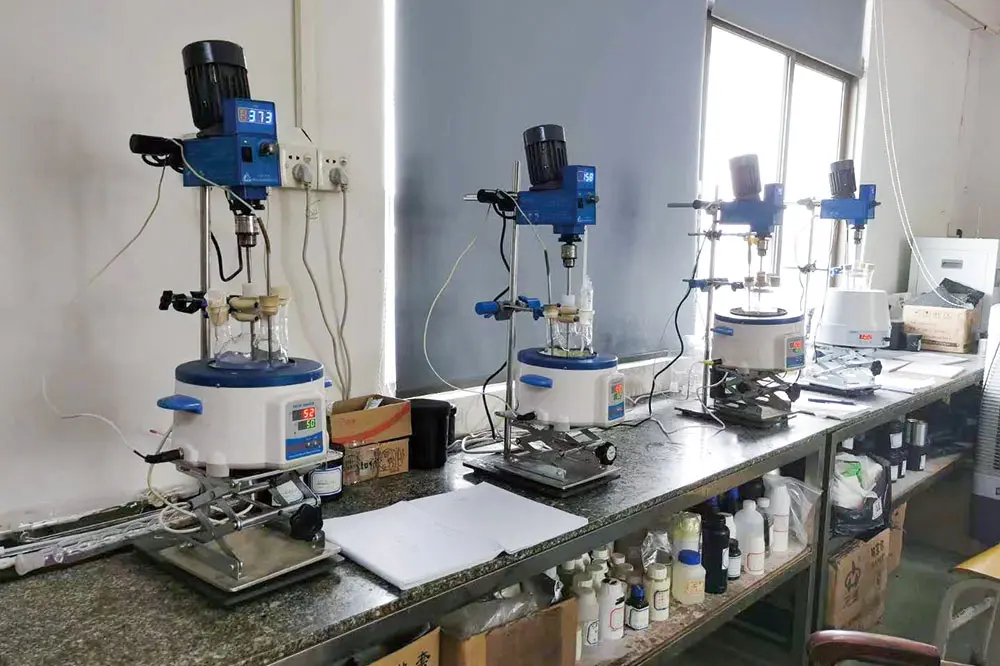
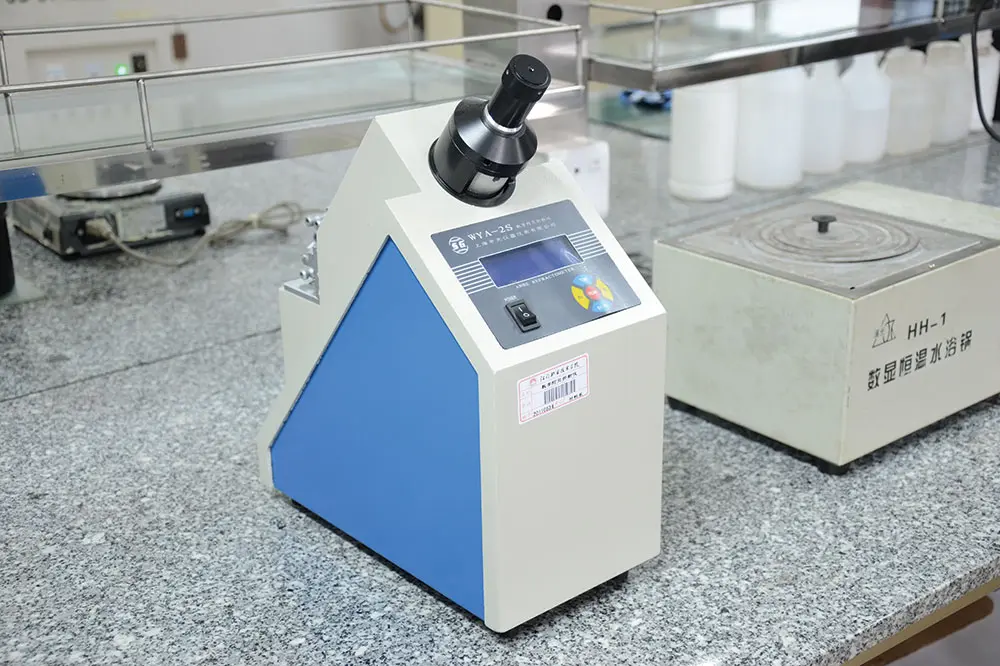
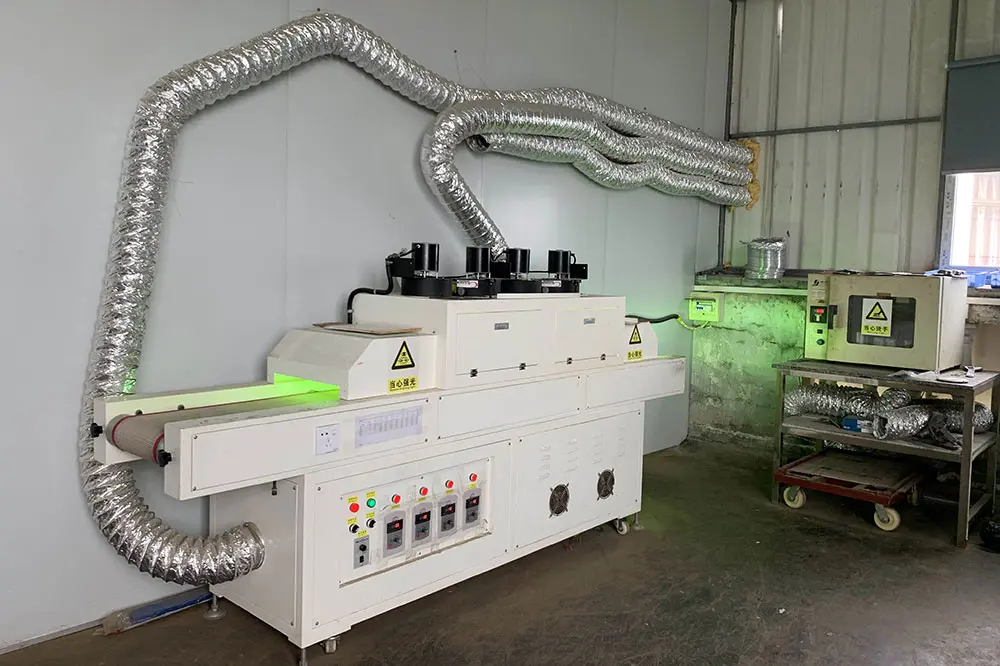
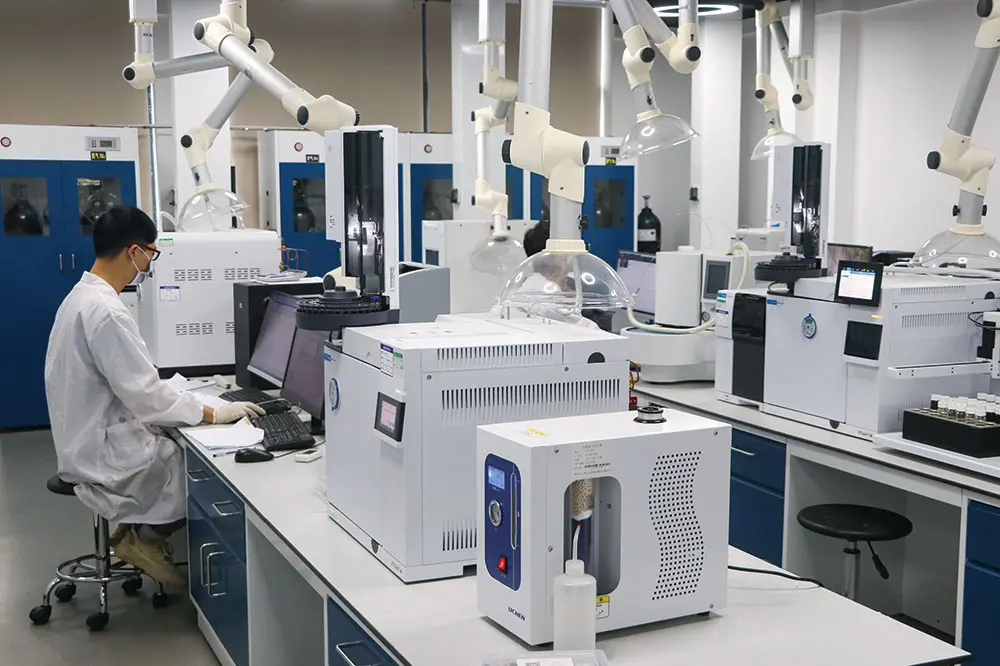
How our dual-base setup, automated computerized manufacturing, and regional supply chain support cost-effective global distribution.
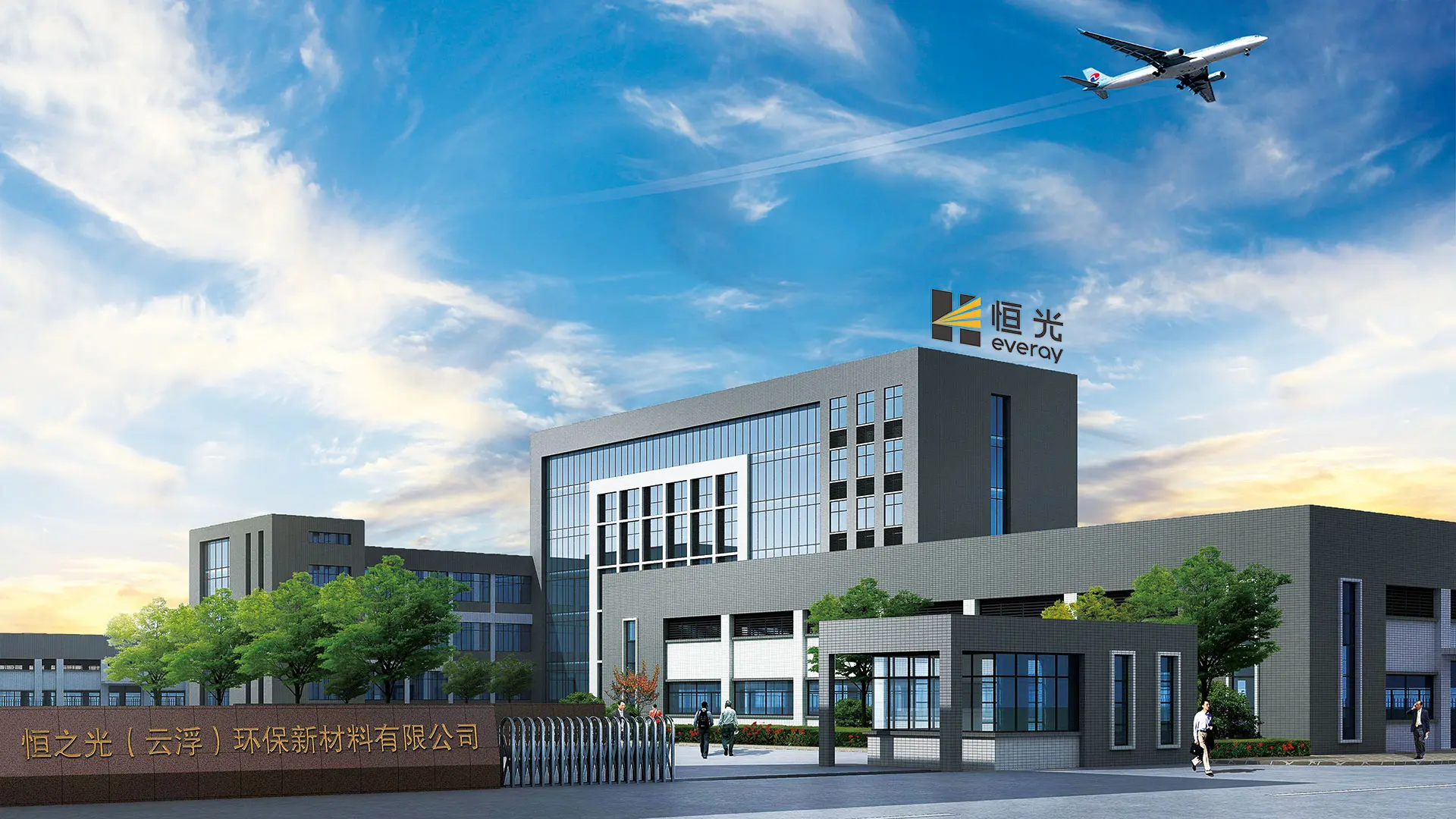
Our infrastructure is divided into two primary production hubs in Guangdong Province. The Jiangmen base spans 10,000 square meters, handling specialized, high-precision chemical synthesis and rapid pilot programs. The larger Yunfu base covers 40,000 square meters, designed for bulk production, storage, and logistics. This dual-base setup allows us to balance flexible custom formulation requests with scalable, high-volume production.
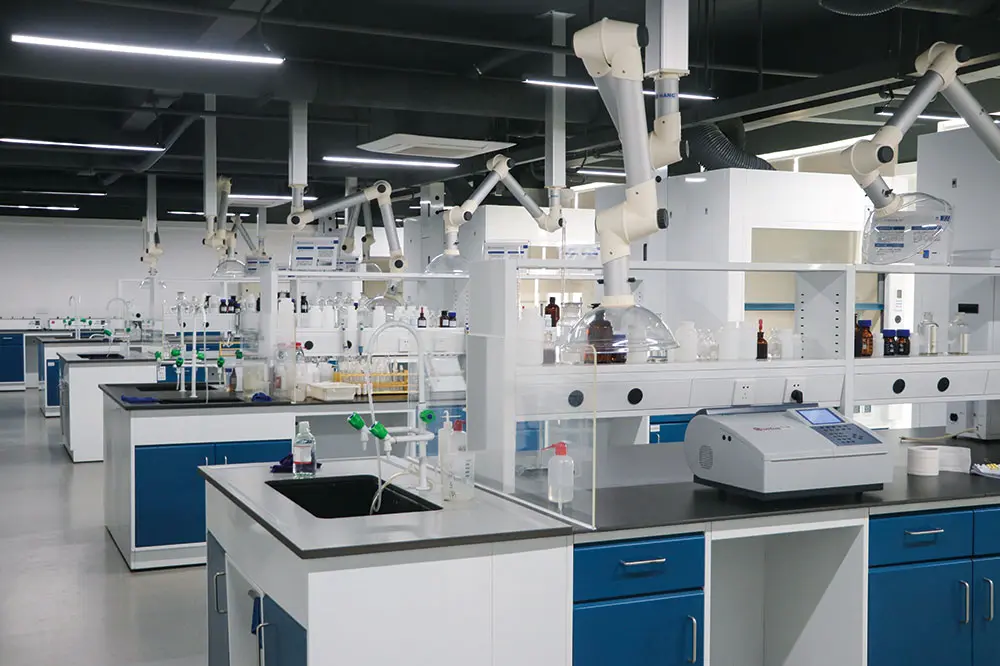
Both facilities operate under ISO9001 Quality Management and ISO14001 Environmental Management Systems. Our chemical synthesis processes use advanced Distributed Control Systems (DCS), fully computerizing reactor feeds, temperature profiles, and reaction times. This minimizes batch-to-batch variation, ensuring high stability in properties like molecular weight distribution, viscosity, and color index.
Guangdong's advanced industrial ecosystem provides direct access to high-grade domestic and international petrochemical raw materials, including bisphenol-A, acrylic acid, TDI, IPDI, and polyols. By combining local supply chain advantages, automated DCS manufacturing, and guidance from domestic UV material experts, we achieve high production yields and cost efficiencies that we pass along to our global partners.
Customizing UV-cured polymers for specific material properties, substrate profiles, and drying speeds.
Offset, flexographic, and screen printing inks require prompt curing, deep pigment wetting, and minimal shrinkage. Our modified acrylates (such as the 17701 and 6805A-1) provide the rheology and adhesion needed for high-speed automated presses, ensuring sharp image retention on paper and plastic films.
Industrial wood finishing and commercial PVC flooring demand strong scratch, abrasion, and chemical resistance. Our low-viscosity polyurethane acrylates (such as 1262B) cure into tough cross-linked networks that protect substrates from heavy foot traffic, household chemicals, and mechanical wear.
Additive manufacturing and electronic potting require low-viscosity resins with minimal volumetric shrinkage and high dimensional stability. Our waterborne UV resins and ABS-like engineering resins (such as 71209A-1) provide the tensile strength and impact resistance required for high-resolution prototype parts.
Cosmetic formulations require low-toxicity, skin-safe profiles, minimal heat generation during curing, and strong adhesion. Our specialized anti-yellowing polyurethane acrylate oligomers offer high flexibility, helping to prevent cracking and lifting under UV/LED curing lamps.
Epoxy acrylates are synthesized via the ring-opening esterification of epoxy resins (typically bisphenol-A diglycidyl ether) with acrylic acid. This reaction converts oxirane rings into highly reactive terminal acrylate groups while generating secondary hydroxyl groups along the backbone:
The resulting hydroxyl groups can be further modified with organic anhydrides or diisocyanates to adjust the polymer's polar profile, flexibility, and compatibility with monomer diluents. For example, modifying the backbone with fatty acid chains reduces viscosity and improves pigment wetting, while modification with diisocyanates introduces urethane groups that improve flexibility and tough adhesion to plastic substrates.
The UV-curable polymer industry is moving toward highly functional materials that provide dual-cure properties, bio-based feedstocks, and waterborne dispersion profiles. We highlight three major research focus areas:
Industrial procurement managers evaluating UV oligomer manufacturers should consider the following key metrics to maintain operational consistency:
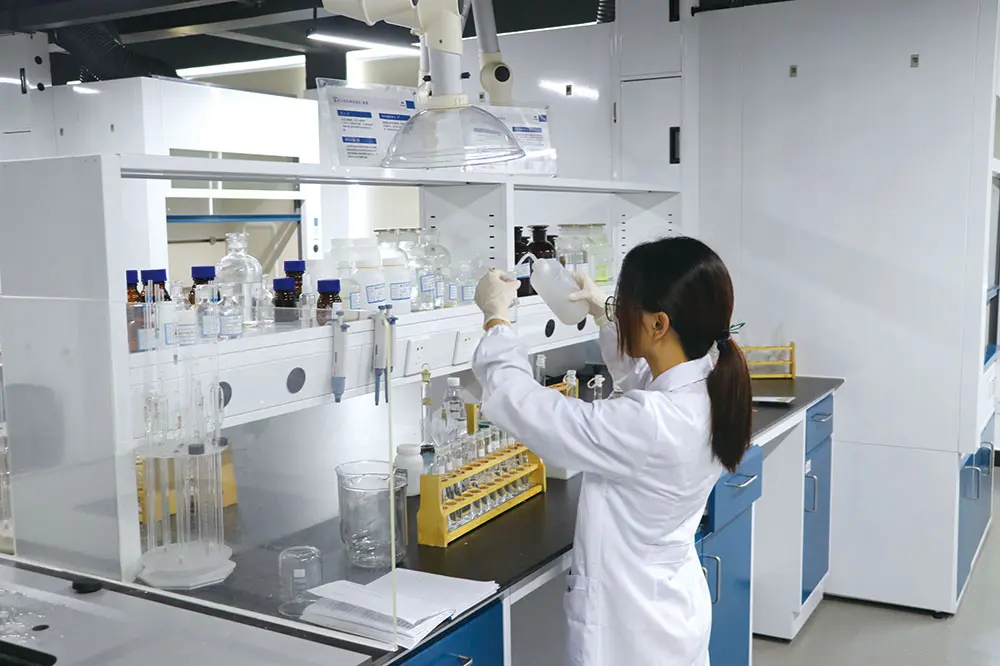
Technical guidance and formulation advice from our R&D laboratory team.
Browse our advanced functional resins, fast-curing polycarbonate acrylates, waterborne options, and specialty oligomers for high-end applications.
 Ever Ray