Explore our premium grade UV-curable resins and specialized oligomers engineered for ultimate adhesion, flexibility, and rapid curing dynamics.
Expertise in Advanced UV Oligomer R&D and Scaled Smart Manufacturing.
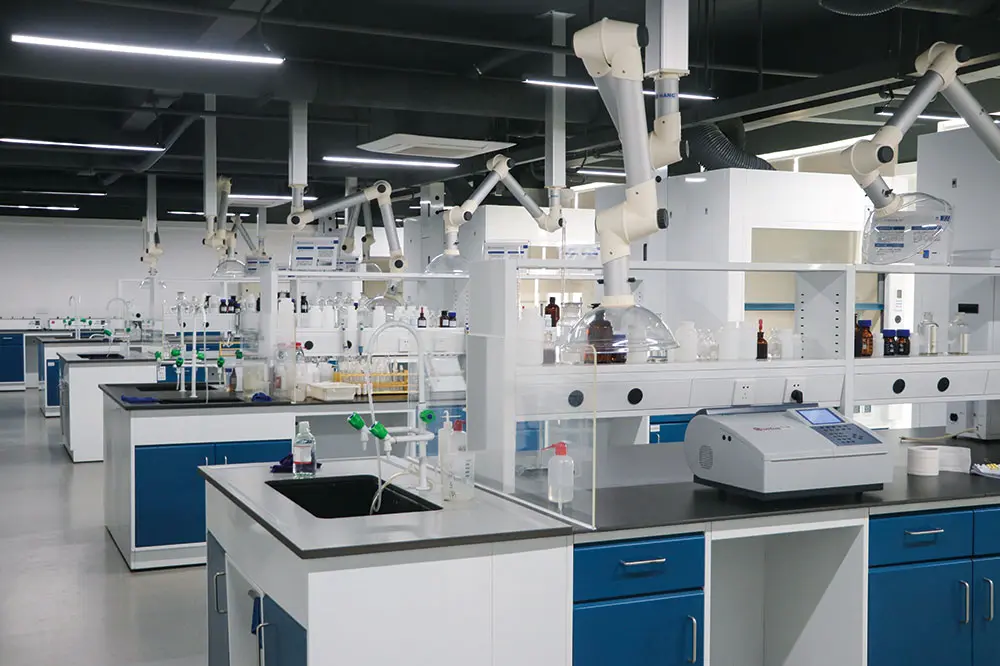
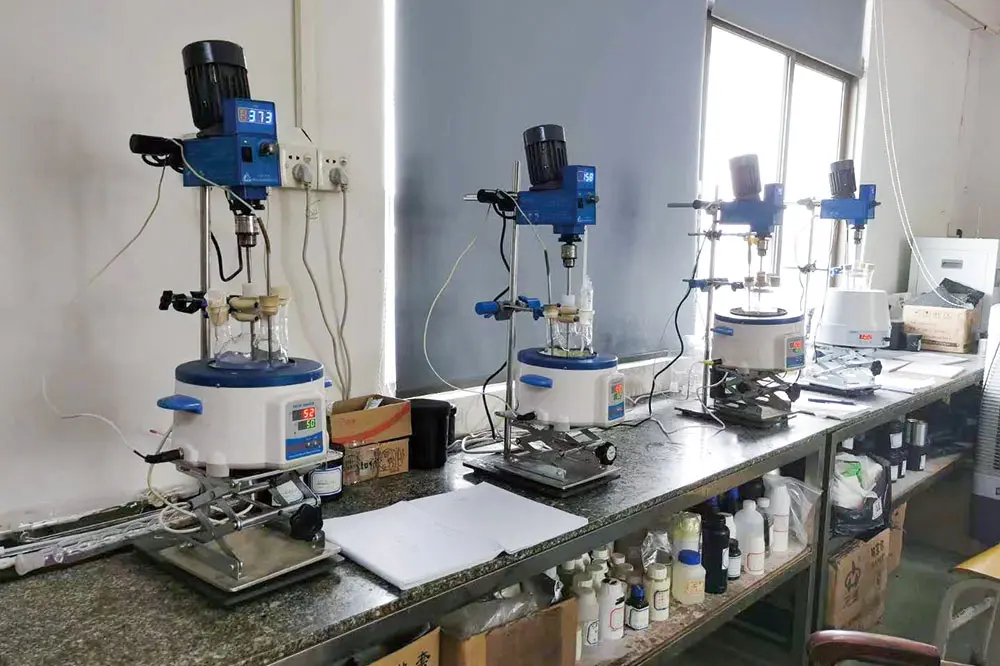
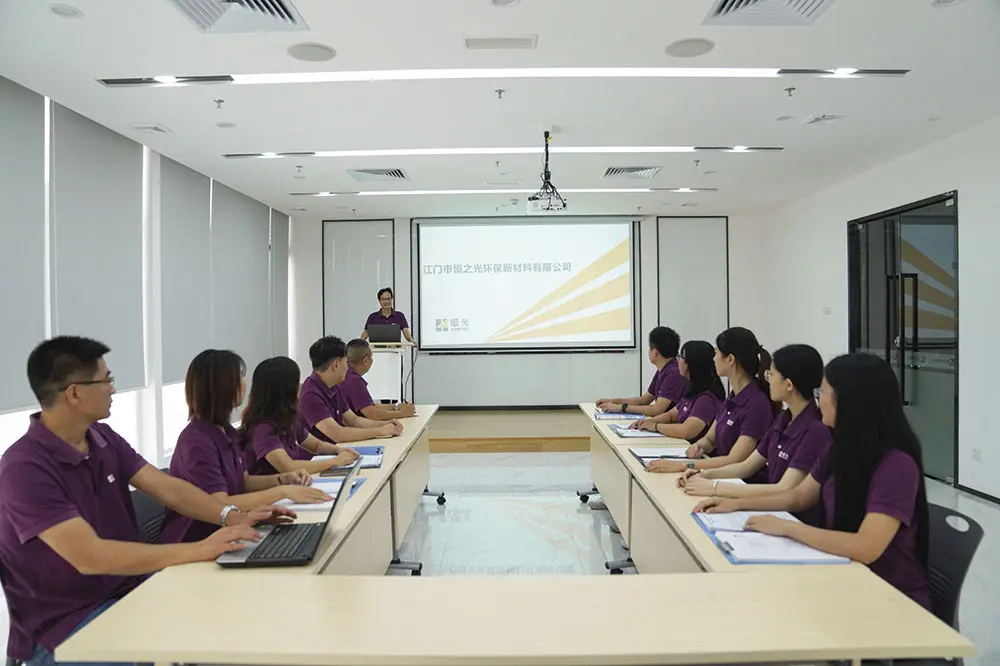
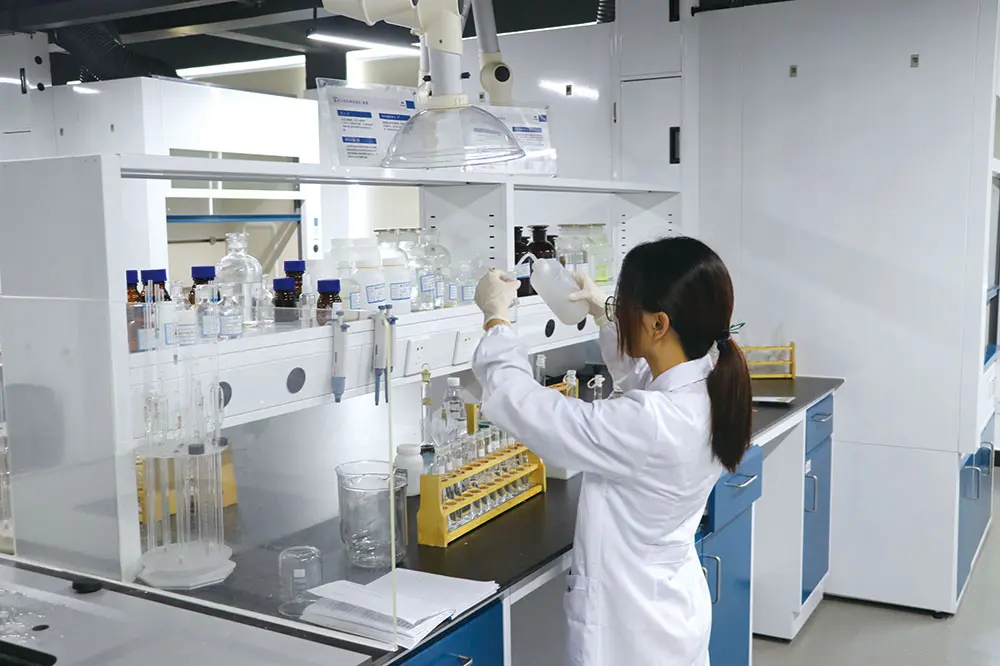
Established in 2006, Guangdong Ever Ray Environmental Material Co., Ltd. is a premier high-tech enterprise focusing on the R&D and manufacturing of high-performance oligomers for UV curable resin. Our comprehensive portfolio includes epoxy acrylate, polyurethane acrylate (water-borne, aliphatic urethane, aromatic urethane), polyester acrylate, pure acrylate, and custom modified acrylate oligomers designed to optimize polymerization rates and crosslinking density.
By focusing on custom formulation design and ecological sustainability, Ever Ray enables precision performance in various downstream applications, including high-definition stereolithography (SLA) 3D printing, flexible electronics encapsulation, optoelectronics, industrial wood coatings, and complex substrate adhesives.
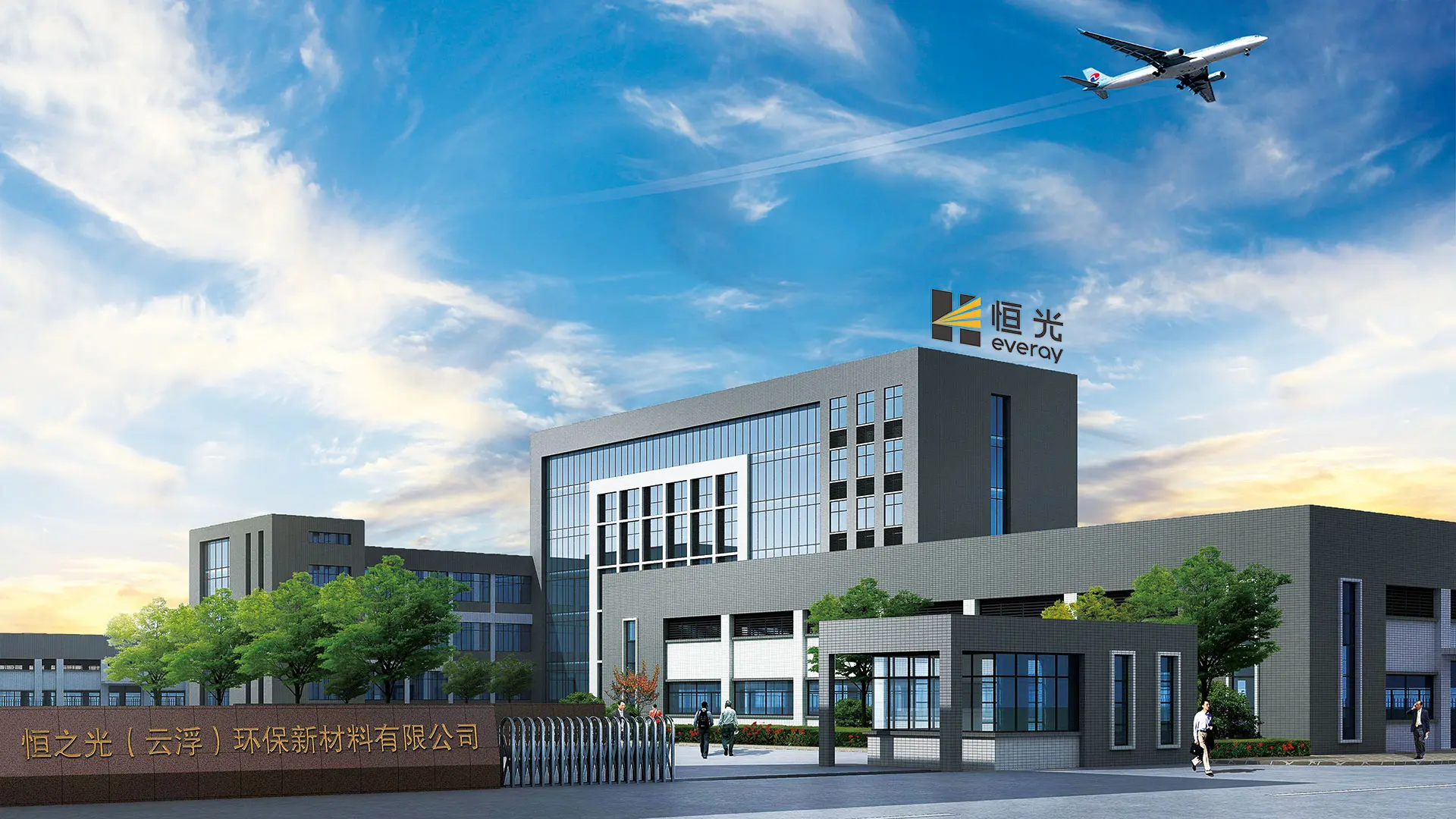
Stability, safety, and strict quality control systems for multi-scale requirements.
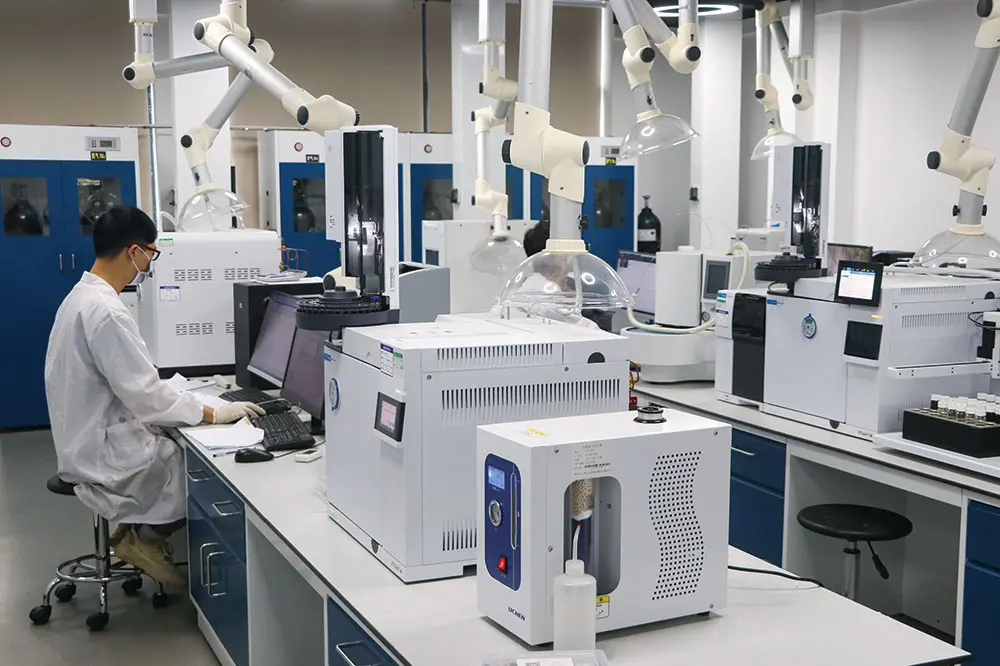
Our dual production bases (Jiangmen: 10,000 m²; Yunfu: 40,000 m²) feature over 10 fully automated production lines. Operating under the ISO9001 Quality Management System and ISO14001 Environmental Management System, the facilities utilize an advanced, fully computerized Distributed Control System (DCS). This ensures absolute batch-to-batch consistency, minimizes operator deviation, and guarantees process safety.
By selecting premium global chemical precursors and partnering with domestic UV material research institutes, Ever Ray balances structural reactivity with manufacturing efficiency. We deliver bulk solutions that comply with REACH and RoHS standards, protecting downstream margins and complying with international regulations.
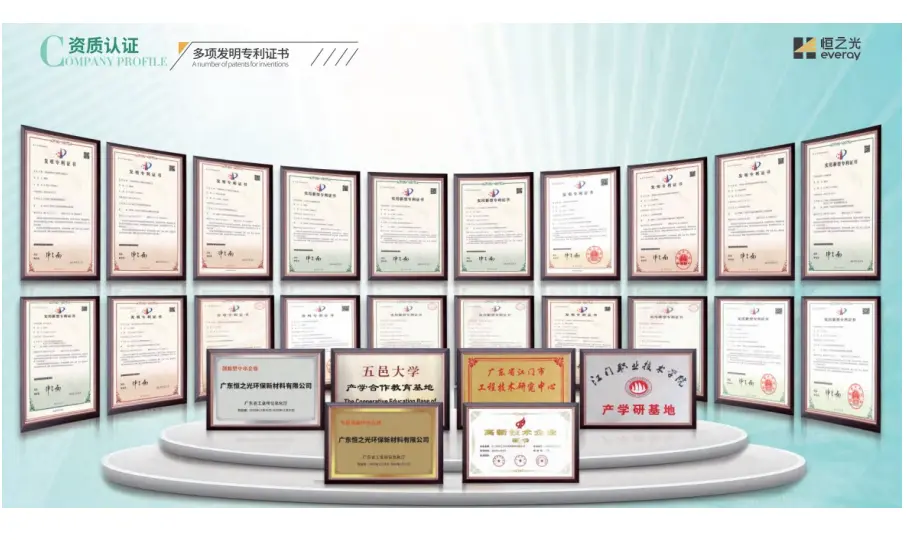
An in-depth look into the chemical evolutions, procurement strategies, and functional adaptations driving the 3D photopolymer market.
Modern industrial SLA/DLP printing requires high curing rates and low shrinkage. Custom-modified aliphatic polyurethane and epoxy acrylates provide the necessary toughness, chemical resistance, and yellowing resistance required for durable end-use components.
Global manufacturers require chemical suppliers that offer logistics security, regulatory clearance, and cost efficiency. Dual-base facilities like Ever Ray help mitigate supply chain vulnerabilities through strategic raw material stockpiles and fully computerized DCS automation.
Eco-friendly chemistry is becoming a regulatory necessity. The market is shifting from solvent-borne formulations to water-borne UV-polyurethane dispersions and low-odor acrylates, reducing environmental impact while maintaining product durability.
"The shift from prototyping to industrial-scale manufacturing in additive production depends entirely on the consistency of the underlying photopolymer chemistry. Oligomers are the structural backbone of this evolution."
| Oligomer Type | Key Performance Indicators (KPIs) | Core Disadvantages | Typical Additive Manufacturing Applications |
|---|---|---|---|
| Epoxy Acrylates (e.g., 6100D) | High reactivity, exceptional hardness, chemical resistance, high gloss. | High shrinkage, limited flexibility, brittle profiles. | Rigid 3D models, high-brightness varnishes, optical clear coats. |
| Polyurethane Acrylates (e.g., 7913) | Superb flexibility, impact resistance, non-yellowing, anti-abrasion. | Higher viscosity, elevated production cost. | ABS-like engineering resins, flexible structural parts, dental aligners. |
| Polyester Acrylates (e.g., 5502B) | Low viscosity, excellent pigment wetting, cost-efficient. | Moderate weatherability, slower curing speeds. | UV inks, graphic art varnishes, general prototyping resins. |
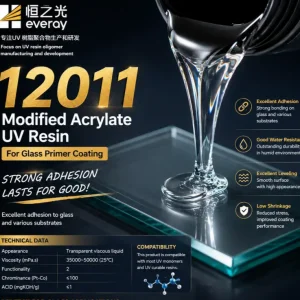
| Special Modified Acrylates (e.g., 12011) | Substrate adhesion (glass/metal), boiling water resistance, low shrinkage. | Highly specific formulation requirements. | Water transfer printing, glass primer coatings, multi-substrate bonding. |
Designed for industrial applications, our advanced monomers provide targeted viscosity control and curing efficiency.
Common questions regarding photopolymer chemistry, custom formulations, and commercial logistics.
 Ever Ray