Premium functional monomers and modified acrylates engineered for excellent substrate adhesion, optical clarity, and chemical resistance.
A comprehensive examination of global chemical compliance, formulation mechanics, and technological advancements shaping the modern radcure ecosystem.
The global photopolymerization market is undergoing a structural transition toward zero-VOC profiles. Industrial coatings, packaging inks, and electronics display systems are demanding instant curing speeds to bypass thermal ovens.
Strict regional mandates like EU REACH regulations and EPA clean air standards are driving formulation migrations from solvent-borne formulations to solvent-free radcure oligomers.
Oligomer structure determines the base physical limits of the cured film. Epoxy acrylates offer rapid cure and mechanical hardness but suffer from high shrinkage and weathering issues.
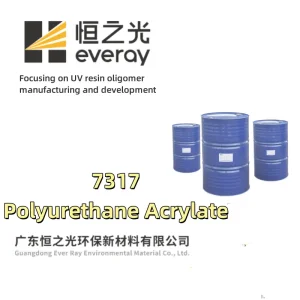
Polyurethane acrylates (PUA) provide excellent flexibility, chemical resistance, and non-yellowing characteristics. Aliphatic versions are chosen for automotive exterior applications, whereas aromatic variants balance budget with functional durability.
Climate factors such as seasonal humidity and application temperatures significantly impact curing efficiency and viscosity behaviors. Industrial coats in tropical zones require tail-end formulation adjusters to avoid micro-porosity.
Our global engineering teams work directly with regional manufacturers to custom-tailor reactive diluent ratios, optimizing viscosity for stable localized processing.
Guangdong Ever Ray Environmental Material Co., Ltd., established in 2006, is a high-tech enterprise focusing on the R&D and manufacturing of oligomers for UV curable resin such as epoxy acrylate, polyurethane acrylate (water-borne, aliphatic urethane, aromatic urethane), polyester acrylate, pure acrylate, and other special functional modify acrylate oligomers.
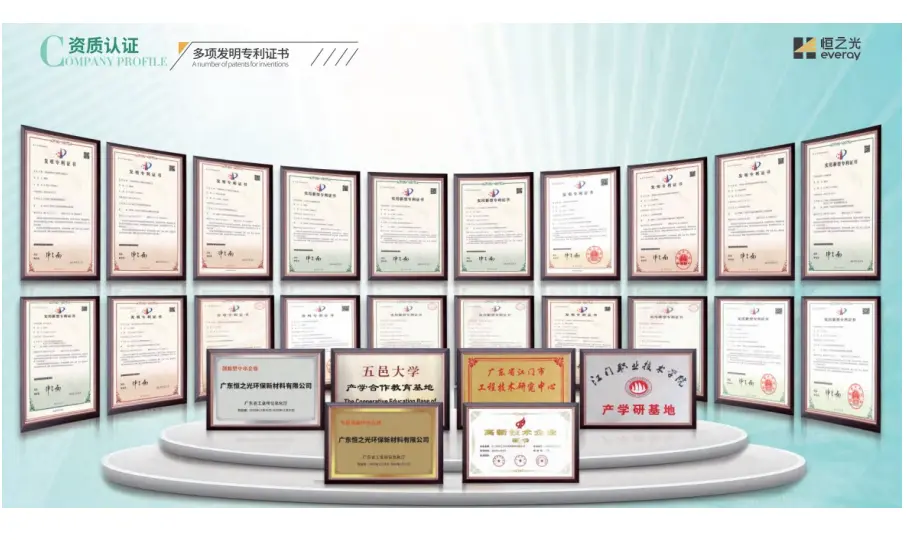
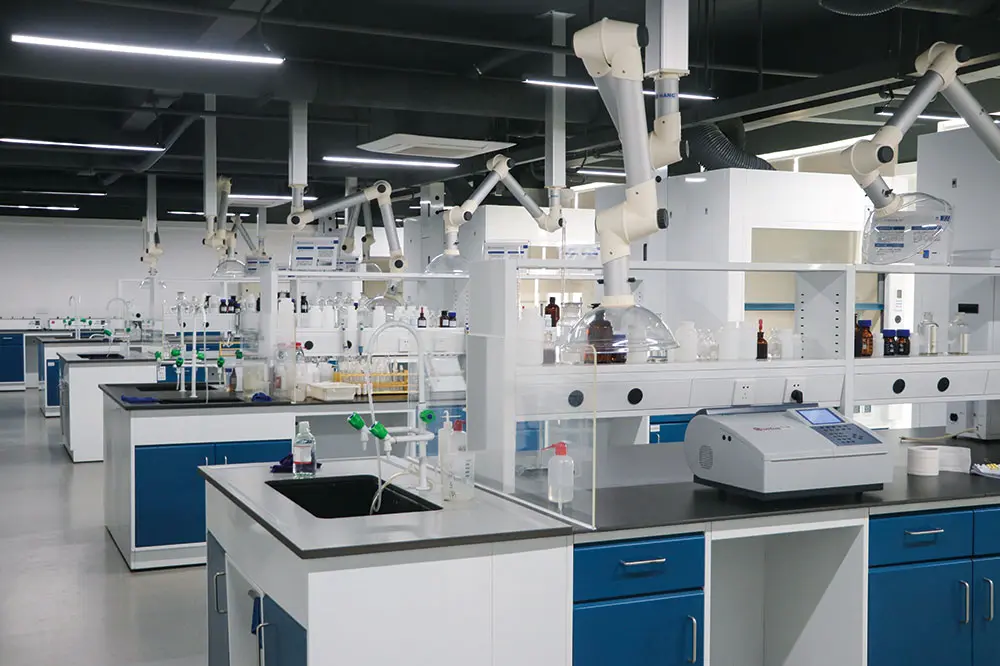
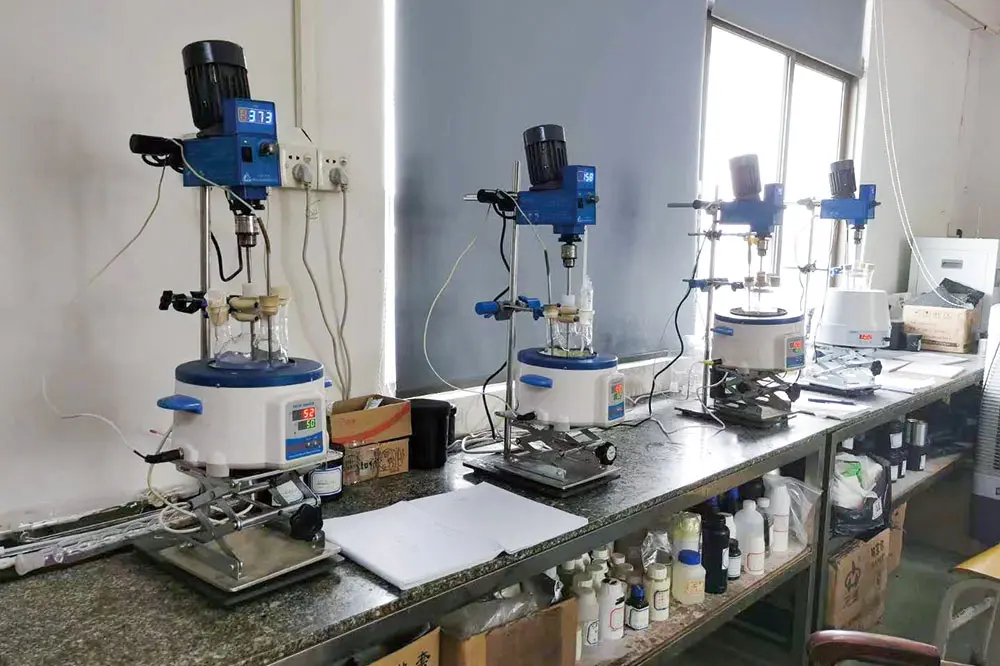
With more than 10 invention patents and practical utility patents, our R&D division is staffed by over 15 senior technicians. We provide high reactivity, chemical resistance, and high gloss characteristics to formulations across many applications, including wood coatings, plastics, printing inks, and industrial adhesives. We focus on cost savings and application compatibility, ensuring technology and environmental safety coexist in harmony.
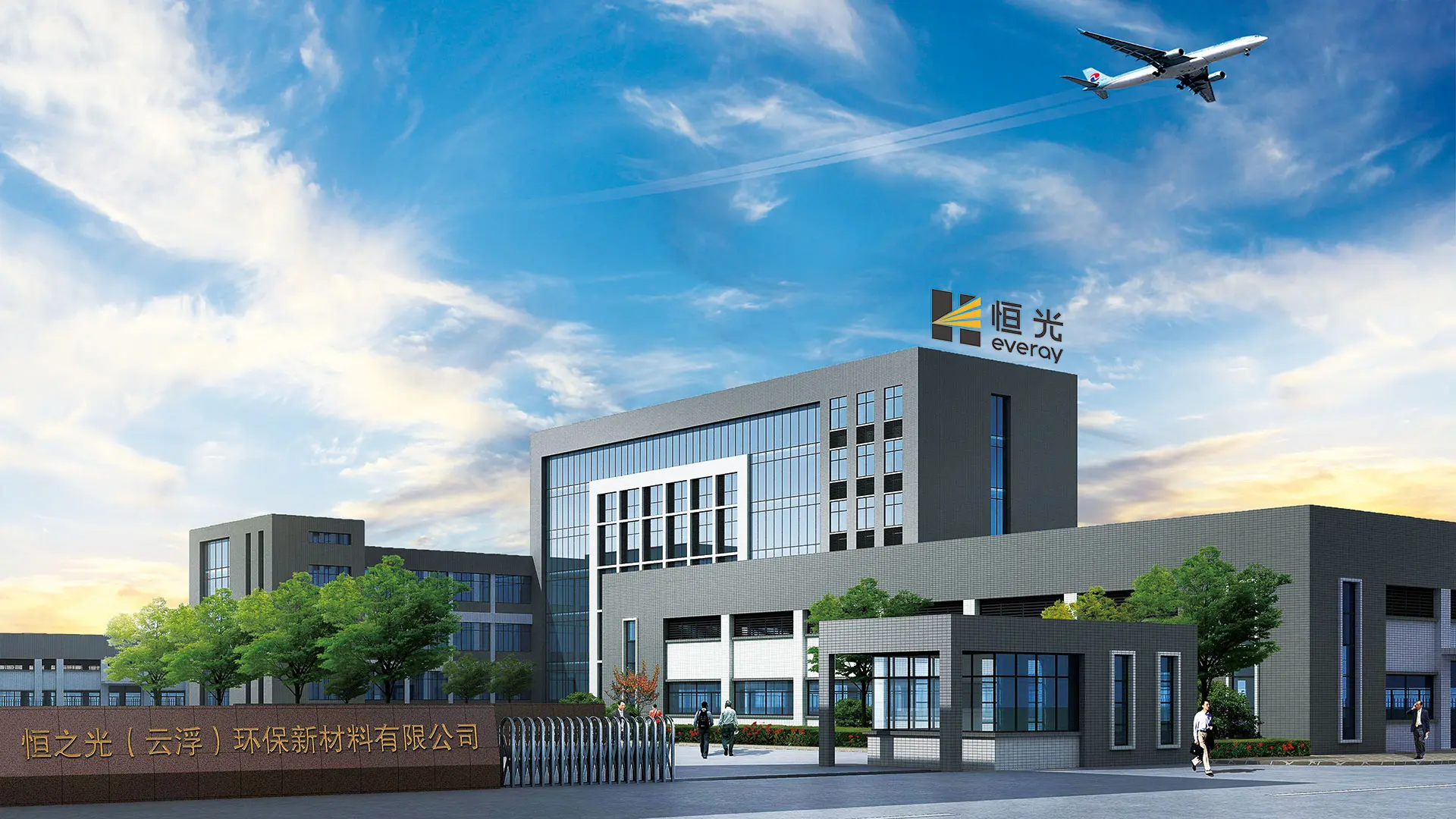
We operate two production bases: one in Jiangmen, Guangdong, covering 10,000 square meters, and a larger facility in Yunfu, Guangdong, covering approximately 40,000 square meters. These bases are equipped with complete quality control, storage, and logistics supporting systems, producing an annual capacity exceeding 20,000 tons across 10 fully operational production lines.
Our production facilities utilize a DCS fully computerized control system to ensure consistency. Operating under both the ISO9001 Quality Management System and ISO14001 Environmental Management System, we select raw materials from high-quality global and domestic partners and consult with industry experts to maintain production safety and product stability.
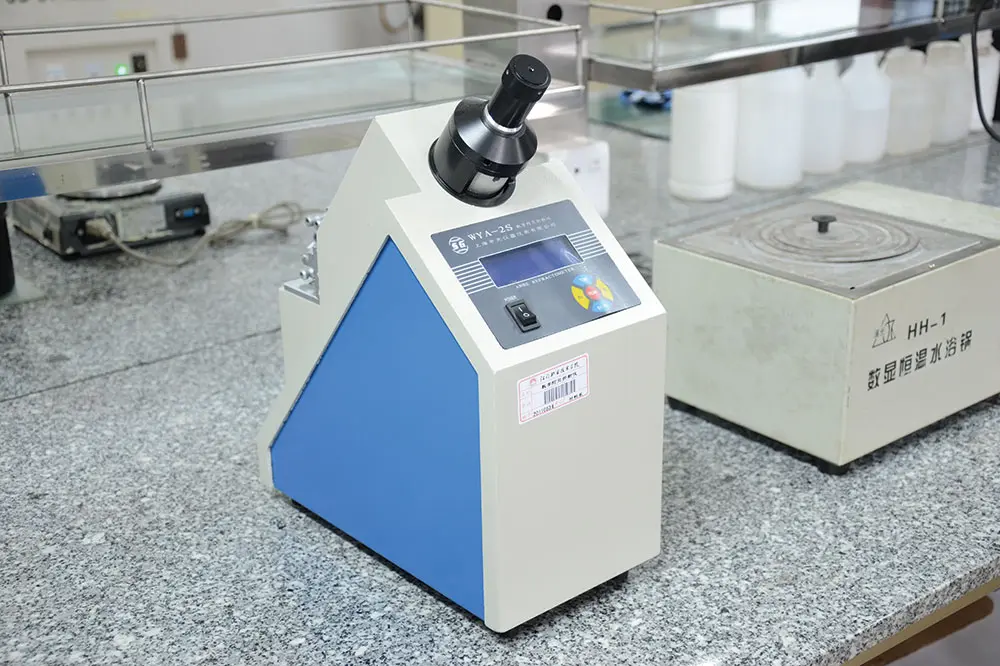
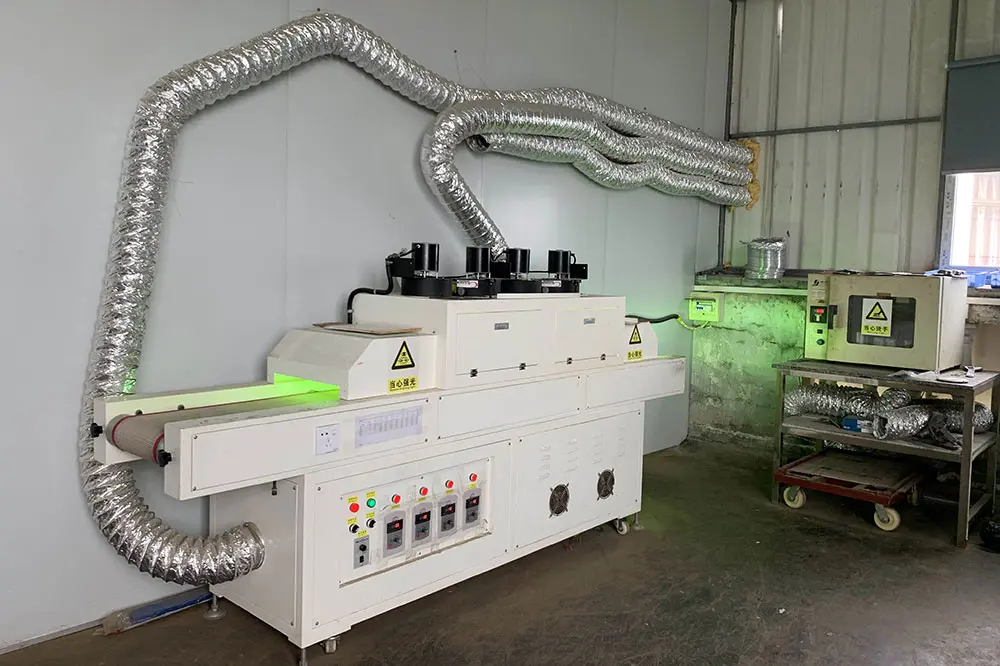
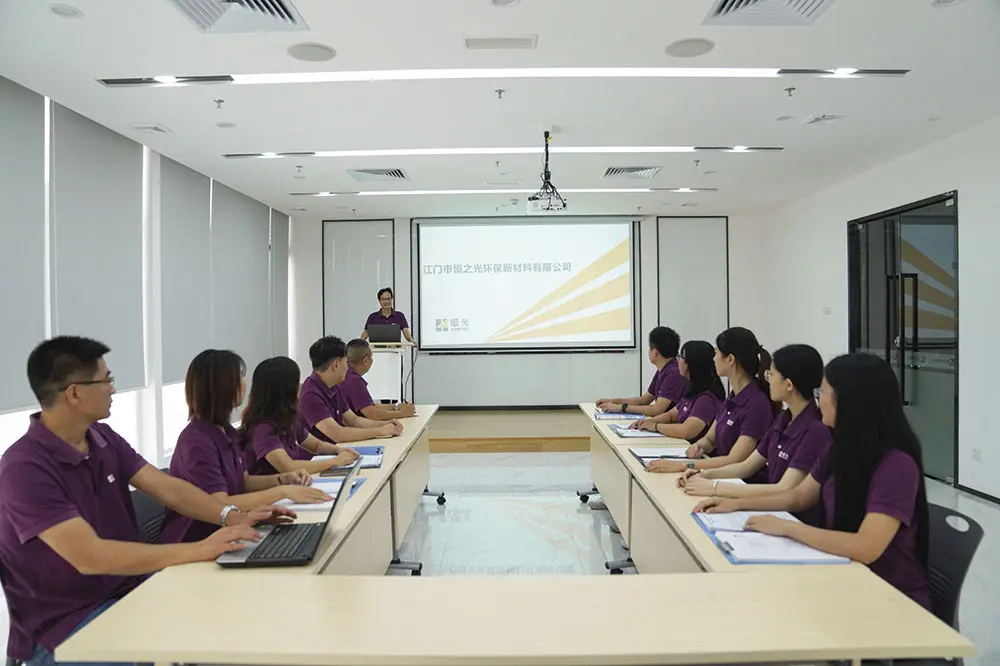
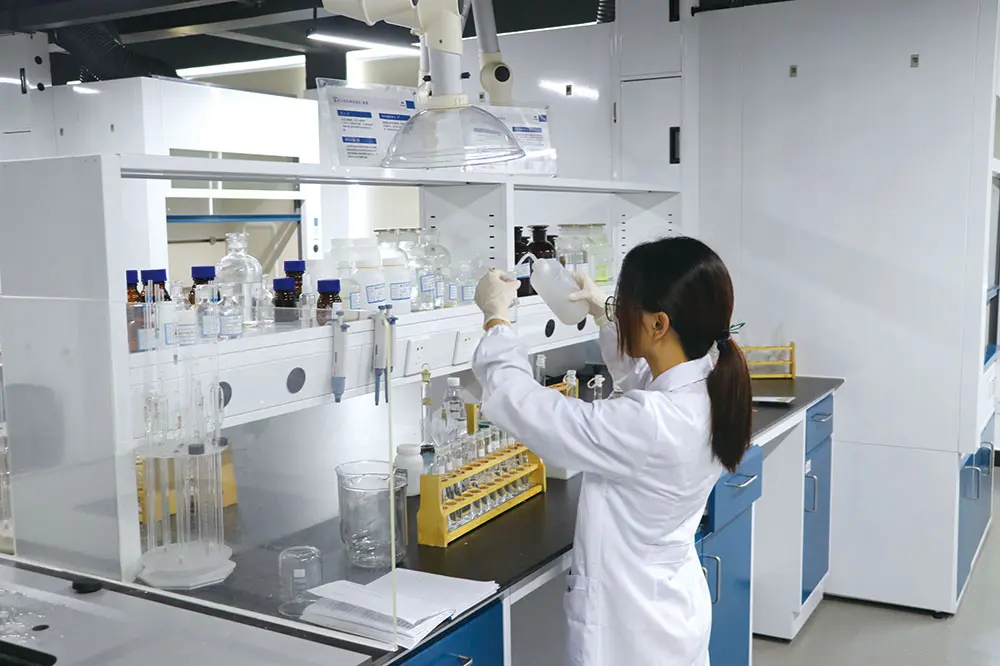
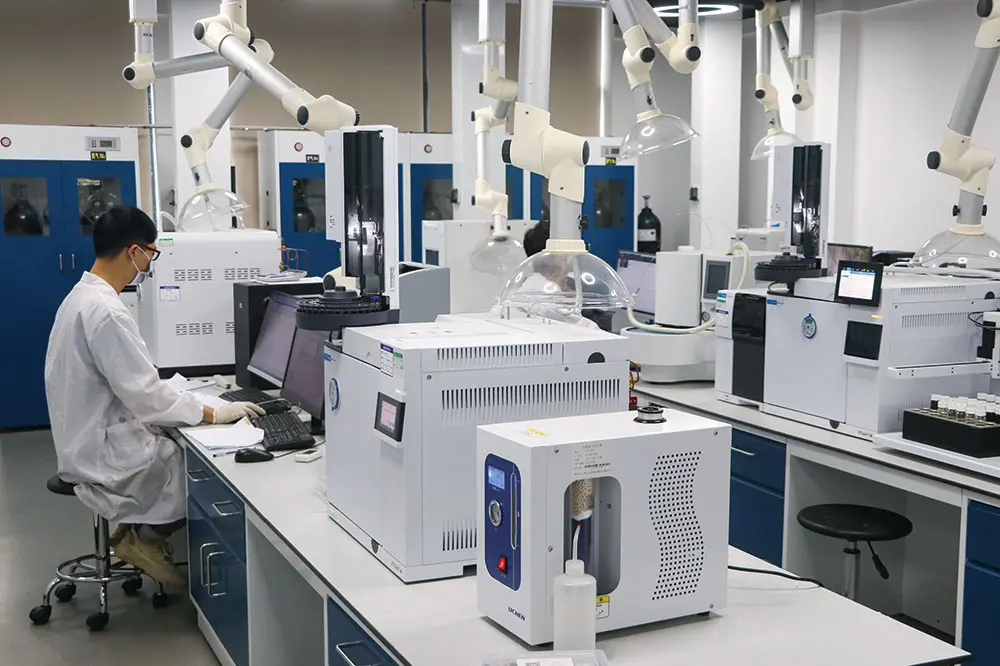
Evaluating chemical composition profiles, crosslinking dynamics, and environmental trends for global supply chain integration.
Choosing the correct oligomer is key to designing high-performance UV coatings. Epoxy acrylates, such as our Epoxy Acrylate 92001, exhibit rapid surface cure speed, high hardness, and chemical resistance. However, they are prone to yellowing, show poor outdoor weatherability, and have higher shrinkage rates due to their rigid bisphenol A backbone.
Conversely, polyurethane acrylates offer excellent toughness, high impact resistance, and weatherability. Aliphatic polyurethane acrylates are the standard for high-durability coatings due to their aliphatic diisocyanate structure, which prevents UV-induced yellowing.
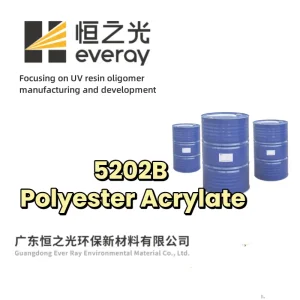
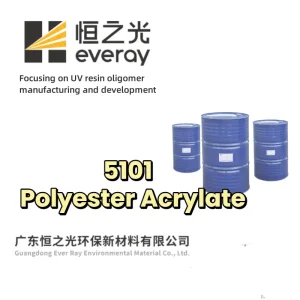
Polyester acrylates, such as Polyester Acrylate 5377A and 5335F, are essential in printing ink applications due to their balance of low viscosity and excellent pigment wetting. By reducing the reliance on monomer diluents, they help manufacturers decrease odor, skin irritation, and the risk of migration in food-grade packaging.
These oligomers also show good flow and levelling properties, which are critical for high-speed printing presses (such as offset, flexographic, and gravure processes) where ink transfer must remain stable under high shear stress.
Our chemical R&D focuses on three primary goals: LED-UV Curing Optimization, Water-Borne UV Dispersion Chemistry, and Bio-based Carbon Content.
Expert answers addressing the chemistry, performance, and process optimization of UV-curable systems.
Advanced polyester and polycarbonate acrylates formulated to meet high flexibility, weathering, and abrasion resistance standards.
 Ever Ray