Select from our premium range of UV-curable prepolymers optimized for industrial coatings, high-definition printing inks, electronic packaging, and tough protective varnishes.
The global demand for high-performance engineering resins, especially UV-curable monomers and oligomers, is experiencing a fundamental technological shift. Traditional solvent-borne coatings are rapidly being phased out due to stringent international environmental regulations concerning volatile organic compounds (VOCs). The contemporary industrial chemical ecosystem relies heavily on radical and cationic photopolymerization mechanisms to drive efficiency, maximize throughput, and achieve superior material performance.
In regions such as North America, the European Union, and Asia-Pacific, regulatory bodies (including the EPA and REACH) are mandating clean chemistry alternatives. This push has elevated UV curable resin oligomers—such as epoxy acrylates, polyurethane acrylates (PUAs), and polyester acrylates—from niche formulations to mainstream commercial standards. As a result, global manufacturing platforms require custom-designed prepolymers that offer targeted physical-chemical profiles: high crosslinking density, minimal volumetric shrinkage, superior optical clarity, and robust resistance to mechanical wear and chemical exposure.
Our role as a primary manufacturer centers on bridging the gap between raw chemical synthesis and localized engineering application. By controlling molecular weight distributions, oligomer backbone configurations, and double-bond density, we supply global formulation markets with highly stable, bulk-manufactured raw materials that outperform standard industry baselines.
Established in 2006, Guangdong Ever Ray Environmental Material Co., Ltd. is a high-tech enterprise focusing on the R&D and manufacturing of oligomers for UV curable resin such as epoxy acrylate, polyurethane acrylate (waterborne, aliphatic urethane, aromatic urethane), polyester acrylate, pure acrylate, and other special functional modified acrylate oligomers.
We are dedicated to providing high reactivity, chemical resistance, and high gloss properties to formulations designed for a wide variety of industrial applications. Our solutions are actively integrated into wood coatings, plastic substrates, advanced printing inks, structural adhesives, optoelectronics, and micro-potting resins. Beyond raw product characteristics, we partner closely with downstream formulators to deliver bespoke custom formulations that optimize performance while reducing raw material expenditures.
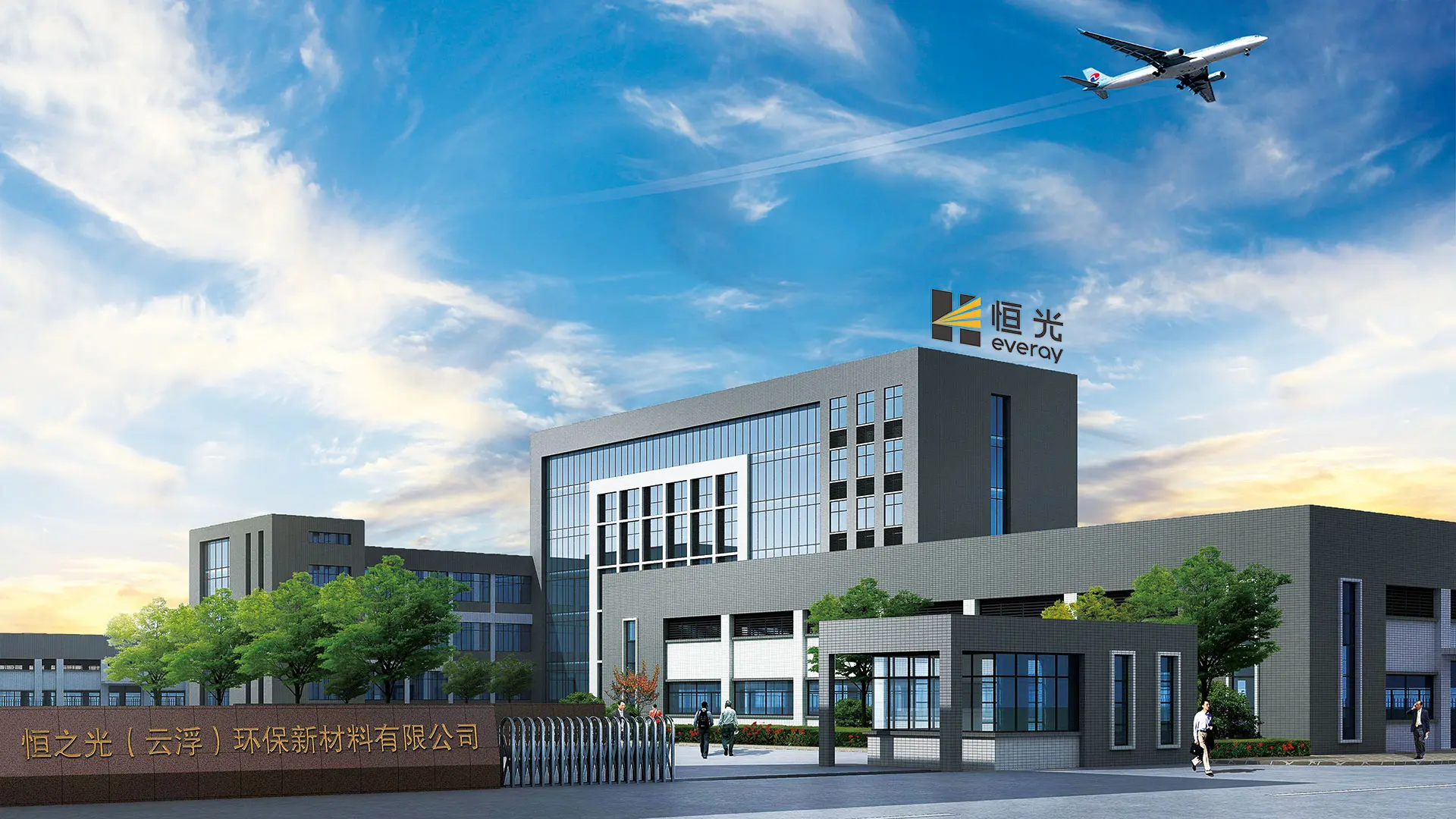
To secure a reliable supply chain for large-scale global wholesale operations, we have established two advanced production bases:
Guangdong Base
Guangdong Base
Annual Yield
Both production hubs are complete with advanced quality control, storage, and logistics supporting facilities. The manufacturing environments operate under the rigorous guidelines of the ISO9001 Quality Management System and the ISO14001 Environmental Management System. Our operations leverage a flexible, advanced DCS (Distributed Control System) which guarantees full computer automation across chemical charging, polymerization reactions, temperature monitoring, and final filtration. By selecting premium domestic and foreign raw materials and collaborating with esteemed UV material experts, we sustain safety, consistency, and unparalleled batch-to-batch reproducibility.
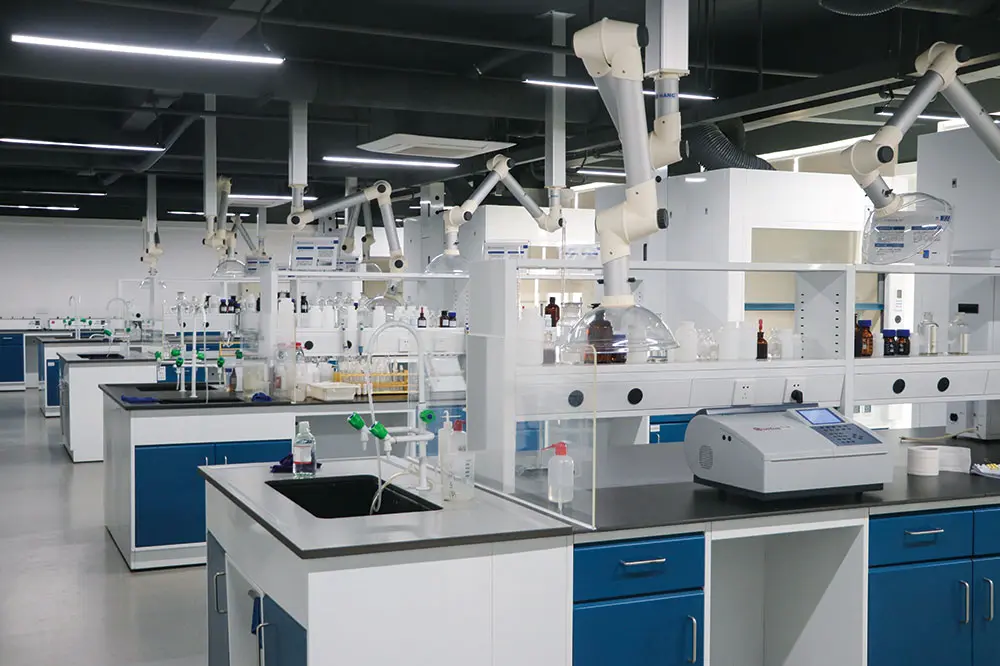
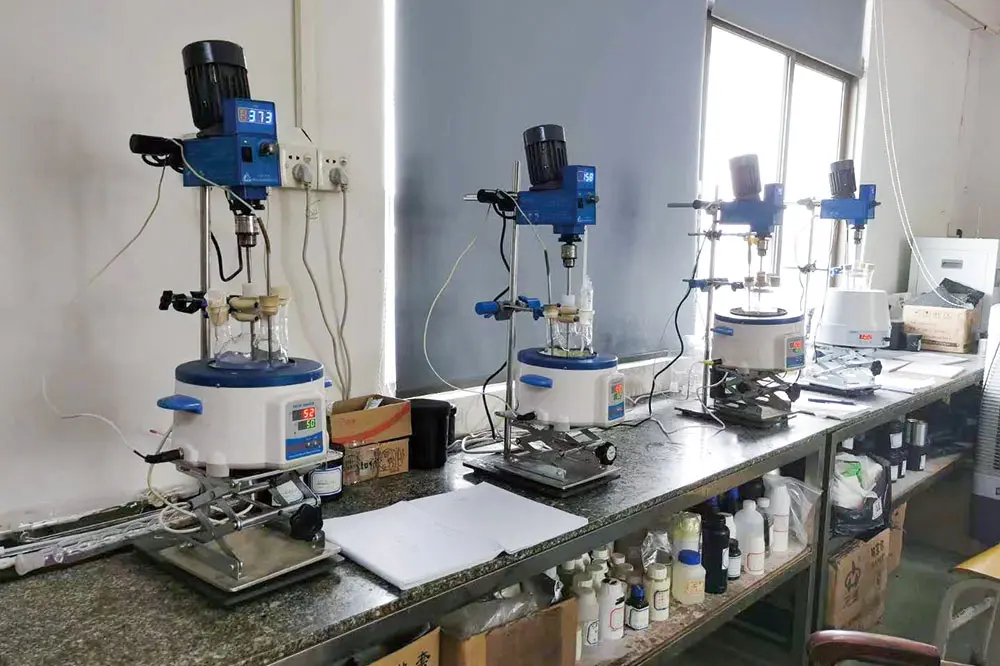
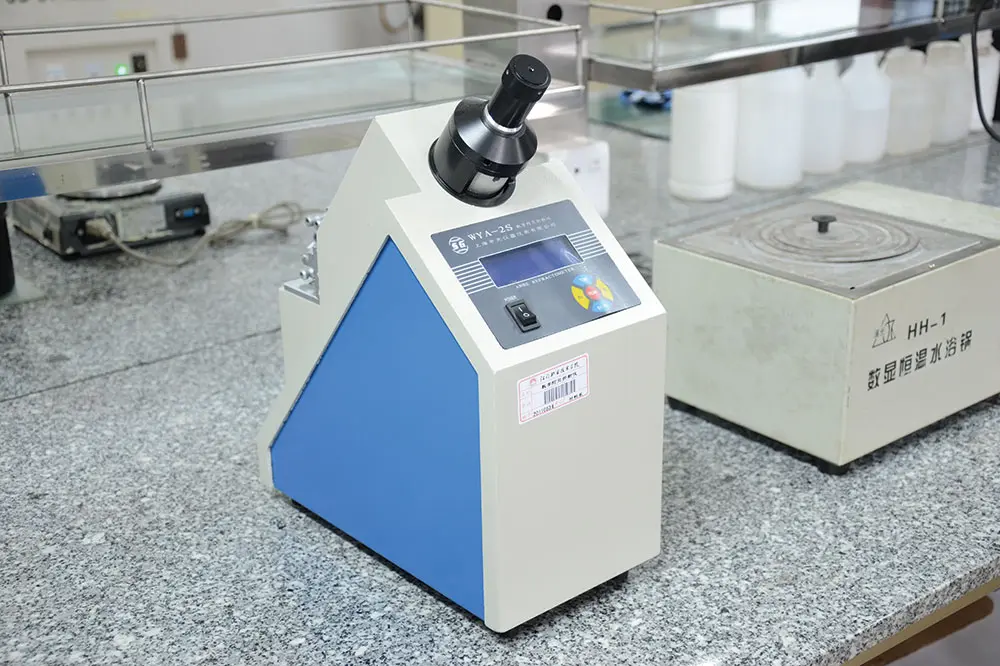
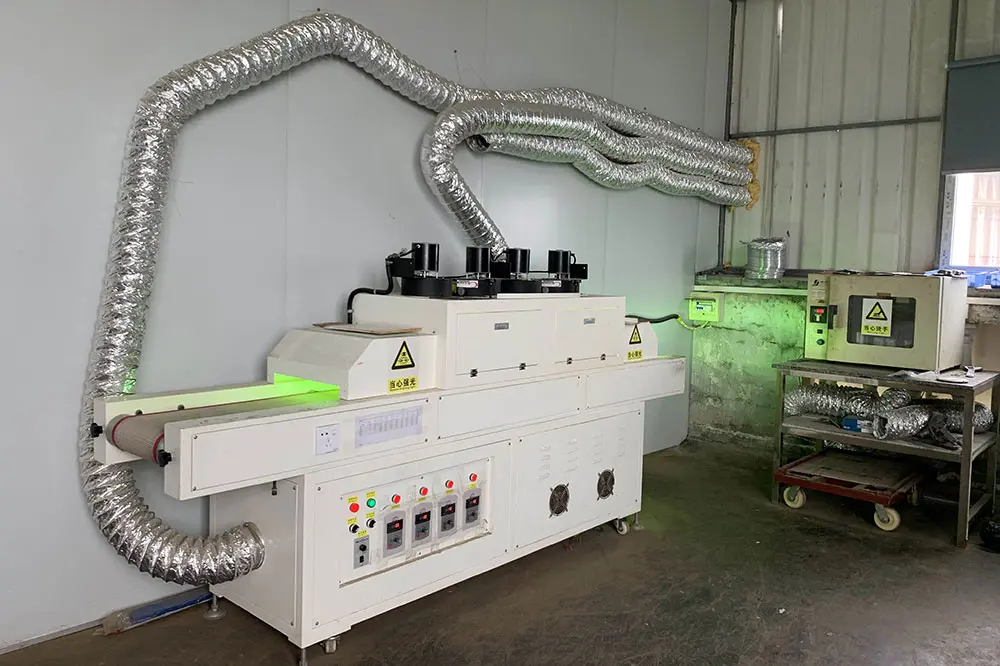
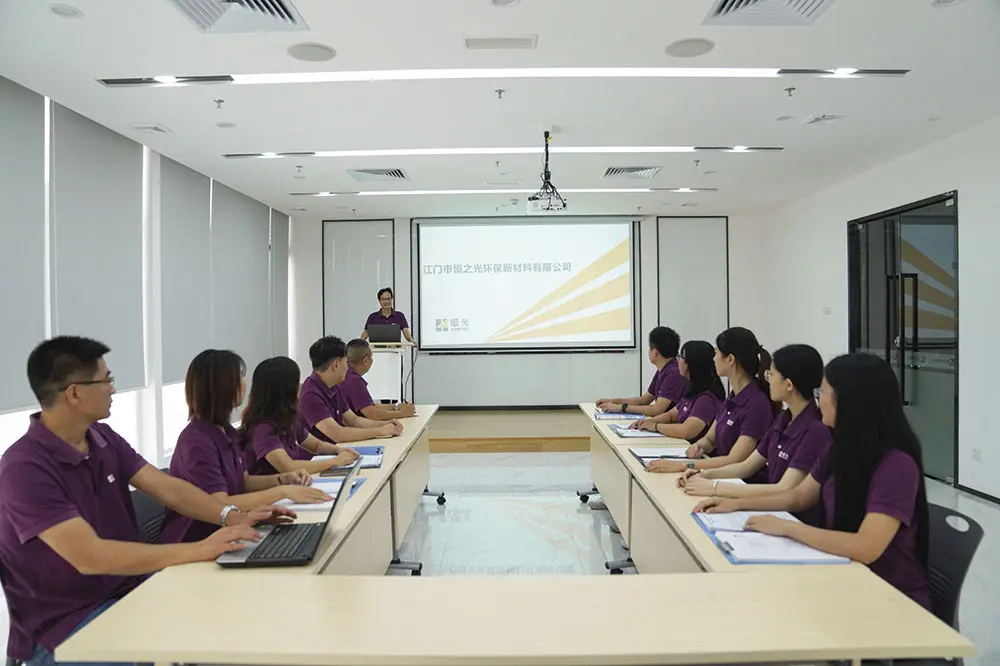
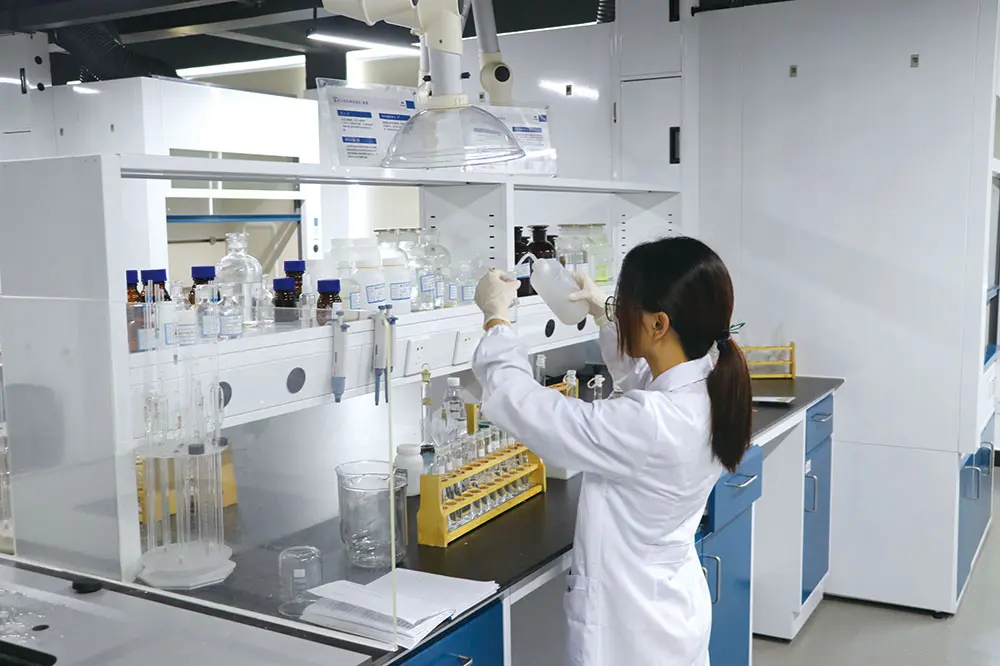
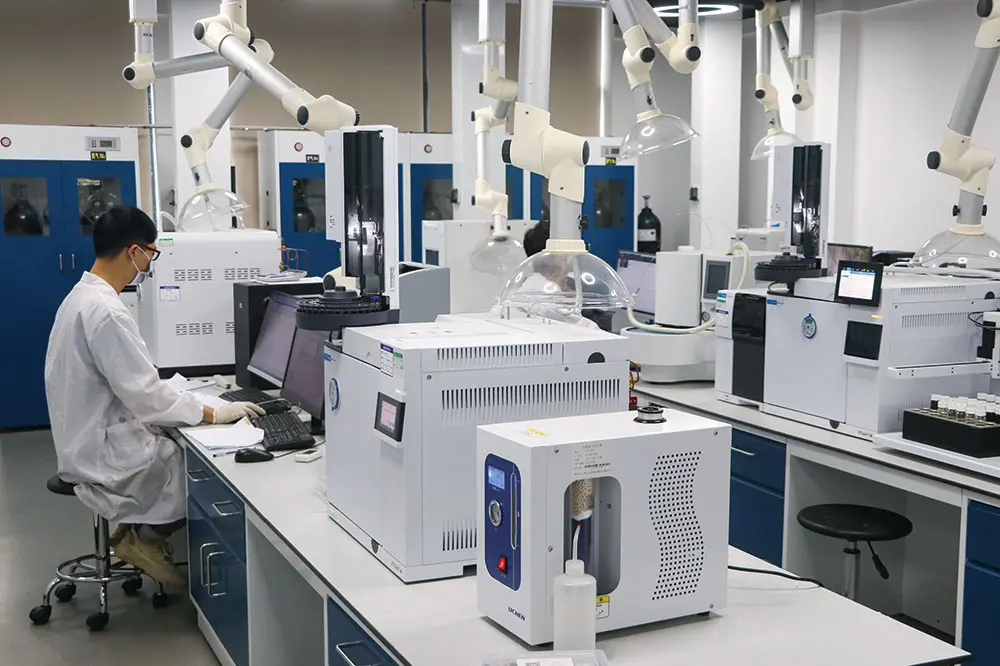
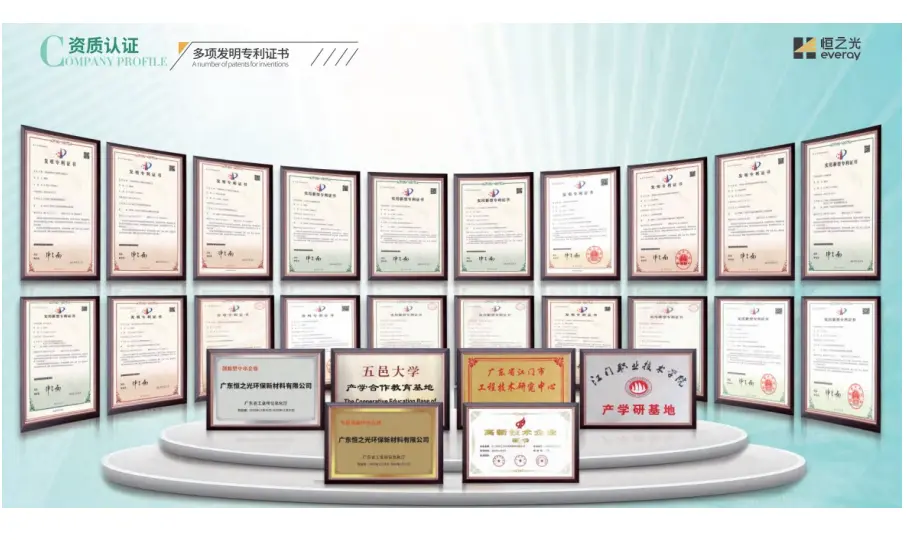
Intellectual property and application development are handled directly by our dedicated R&D team, comprised of 15+ highly skilled technical specialists. Armed with over 10 utility and invention patents, we focus on engineering harmony between technological progress and sustainable ecological practices. We recognize green, sustainable living as the core criteria of our corporate trajectory, translating to safer chemical design and reduced carbon outputs at every stage.
Understanding oligomeric molecular structure is crucial for predicting cured film dynamics and formulating optimal coatings.
Typically synthesized through the addition reaction of acrylic acid with bisphenol-A diglycidyl ether. Known for their rapid curing speeds, high hardness, excellent gloss, and outstanding chemical resistance.
Synthesized by reacting diisocyanates, polyols, and hydroxyl-functional acrylates. Offered in both aliphatic (non-yellowing) and aromatic varieties, allowing precise control over the polymer network.
Synthesized by the esterification of polybasic carboxylic acids and polyhydric alcohols with acrylic acid. Typically feature low viscosity, providing solid wetting behavior on structural substrates.
Modern photopolymer application is highly localized based on environmental requirements, mechanical stressors, and substrate properties. Below we examine key areas where custom-tailored oligomers provide exceptional results.
Vehicles require exceptional defense against UV radiation, acid rain, stone impacts, and industrial cleaners. Aliphatic polyurethane acrylates (such as the 7913 series) provide high anti-scratch, anti-fouling, and self-healing properties without yellowing over time.
Consumer electronics rely on thin, robust adhesive barriers to guard internal circuit boards and display layers. Low-shrinkage PUAs (such as 73008) protect delicate solder joints, prevent display yellowing, and resist moisture ingress, preventing delamination.
In high-speed food and consumer goods packaging, inks must dry instantly, exhibit zero offset, and yield no toxic outgassing. Polyester acrylates and modified epoxy acrylates (like 5650F or 6231) deliver excellent cure speeds, deep pigment wetting, and extremely low residual odor.
As the polymer industry progresses toward ecological compatibility, the future of engineering resins hinges on green chemistry and energy-efficient processing.
We are steering our ongoing R&D efforts toward three core technology vectors:
Expanding renewable raw materials by introducing bio-derived carbon content into aliphatic urethane and epoxy matrices, ensuring compliance with USDA BioPreferred guidelines.
Optimizing oligomer structures to eliminate monomer dilution, lowering total VOC emissions and mitigating skin irritation risks during formulation handling.
Incorporating functional nanoparticles into oligomeric backbones to create self-healing, electrically conductive, and highly flame-retardant industrial photopolymers.
Explore additional advanced prepolymers formulated for stability, low shrinkage, chemical resistance, and specialty adhesive performance.
In-depth responses to critical formulations and processing challenges in UV curation and chemistry.
Aliphatic polyurethane acrylates are synthesized using non-aromatic diisocyanates (such as IPDI or HDI). Because they lack benzene rings, they are highly stable under solar radiation and resist UV-induced oxidative degradation, preventing yellowing. Aromatic polyurethane acrylates (typically using TDI or MDI) contain aromatic structures, offering faster cure speeds and higher tensile strength at a lower cost, though they will yellow when exposed to outdoor UV light.
We mitigate polymerization shrinkage (often observed in radical UV polymerization) by modifying the molecular weight of our prepolymers, lowering double-bond density, and incorporating oligomers with highly branched or bulky ring segments (such as our 73008 resin). This design minimizes volumetric contraction, preserving adhesion to sensitive metal and plastic substrates in electronic potting applications.
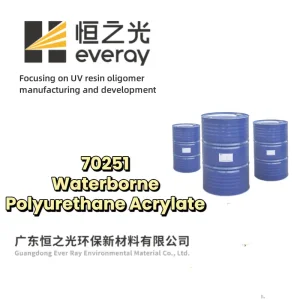
Yes. Modern waterborne UV resin technologies, such as our 70251 series, offer high mechanical performance once the water phase evaporates prior to UV exposure. This system allows for thin, uniform coatings and low viscosity without relying on monomeric reactive diluents, making it highly effective for eco-friendly wood varnishes and 3D printing applications.
The ester linkages and bisphenol-A aromatic rings in standard epoxy acrylates make them prone to UV degradation and yellowing when exposed to outdoor sunlight. For applications requiring weatherability, we recommend blending with aliphatic polyurethane acrylates or incorporating UV stabilizers (HALS) to protect the cured matrix from photo-oxidation.
Our DCS (Distributed Control System) provides centralized computer monitoring of temperatures, pressure, feeding speeds, and chemical addition sequences. Minimizing manual intervention ensures that parameters remain uniform across batches, preventing differences in viscosity, color index, and double-bond conversion rates.
 Ever Ray