Discover our advanced range of fast-curing, high-hardness, and chemical-resistant oligomers designed for high-performance industrial coatings, PCB protection, and photoresist applications.
In the global electronics manufacturing paradigm, Epoxy Resin stands as the ultimate chemical backbone. As the principal matrix component in Glass-Reinforced Epoxy Laminates (specifically FR-4), epoxy resin formulations directly govern the thermal stability, mechanical rigidity, and dielectric parameters of modern Printed Circuit Boards (PCBs). In an era characterized by 5G telecommunication networks, Advanced Driver-Assistance Systems (ADAS), and IoT miniaturization, the industry requires epoxy resins that deliver exceptional low dielectric loss (Df), low dielectric constant (Dk), high glass transition temperatures (Tg > 170°C), and uncompromising halogen-free flame retardancy.
Furthermore, the performance of physical printed circuit boards hinges on the quality of their protective chemistry. Epoxy acrylates and modified oligomers serve as the core materials for solder masks, primary resist patterns, and protective conformal coatings. These materials must survive intense thermal cycling and chemical exposure during manufacturing while maintaining exceptional adhesion to copper traces and dielectric substrates.
A circuit board is only as reliable as its chemical bonds. When epoxy resin formulations contain traces of ionic impurities or lack uniform molecular weight distribution, PCBs risk failure via conductive anodic filamentation (CAF), high-frequency signal dispersion, or delamination under lead-free reflow temperatures (exceeding 260°C). Precise molecular engineering of epoxy acrylate oligomers prevents micro-cracking and ensures uniform UV-curing kinetics.
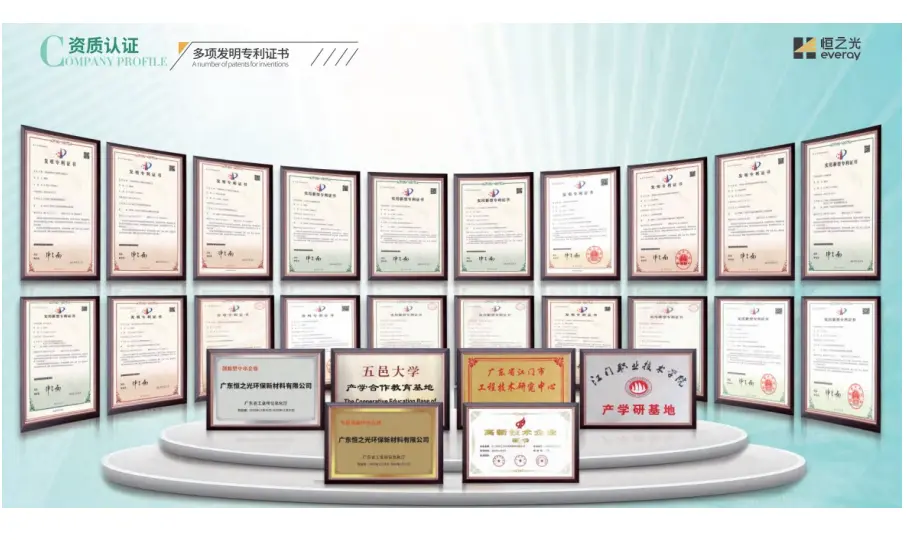
Established in 2006, Guangdong Ever Ray Environmental Material Co., Ltd. is a premier national high-tech enterprise dedicated to the research, development, and high-volume synthesis of high-performance oligomers for UV-curable systems. Our specialized chemical portfolio includes epoxy acrylate, polyurethane acrylate (water-borne, aliphatic, and aromatic variants), polyester acrylate, pure acrylate, and custom functional modified acrylate oligomers designed for critical industrial applications.
With a firm commitment to technology and ecological harmony, we supply premium formulations to electronic manufacturing, automotive, packaging, and high-end printing industries. Through state-of-the-art chemical engineering, we bridge the gap between high performance and cost-efficiency.
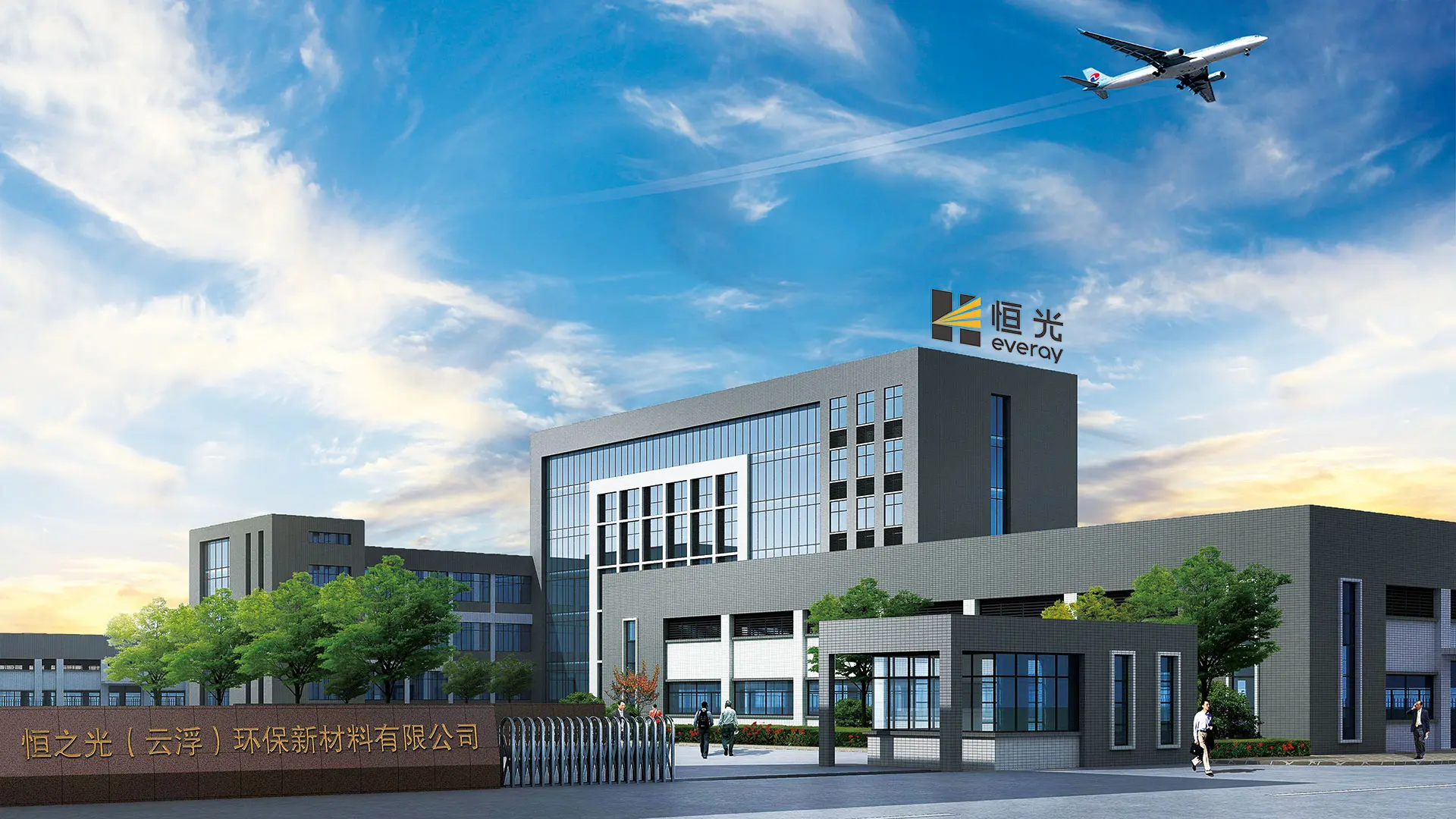
Ever Ray operates two modern manufacturing hubs in Guangdong Province. Our Jiangmen facility covers 10,000 square meters, serving as a nimble, specialized manufacturing plant. Our massive Yunfu facility encompasses 40,000 square meters, housing advanced high-volume synthesis lines, expansive warehouse storage, and sophisticated quality control labs. Both sites operate under strict ISO9001 and ISO14001 guidelines, driven by a state-of-the-art Distributed Control System (DCS) for absolute batch-to-batch consistency.
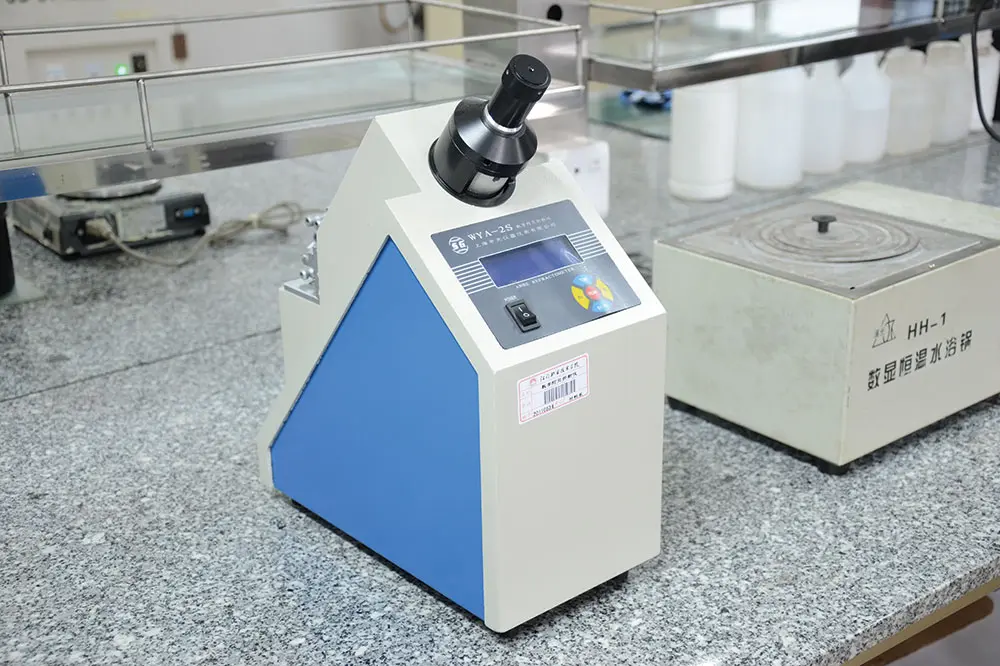
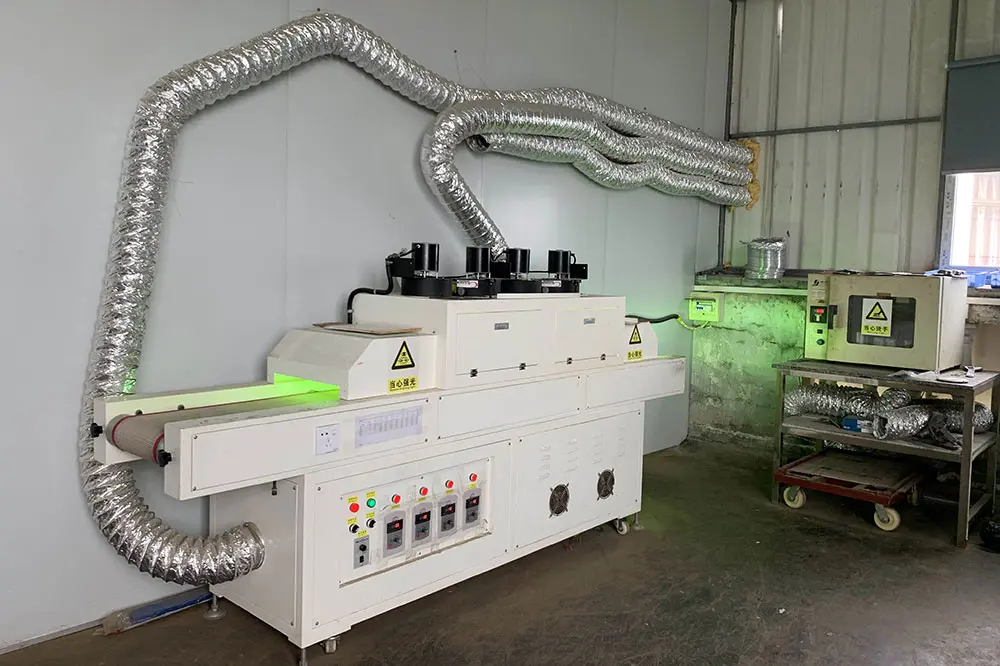
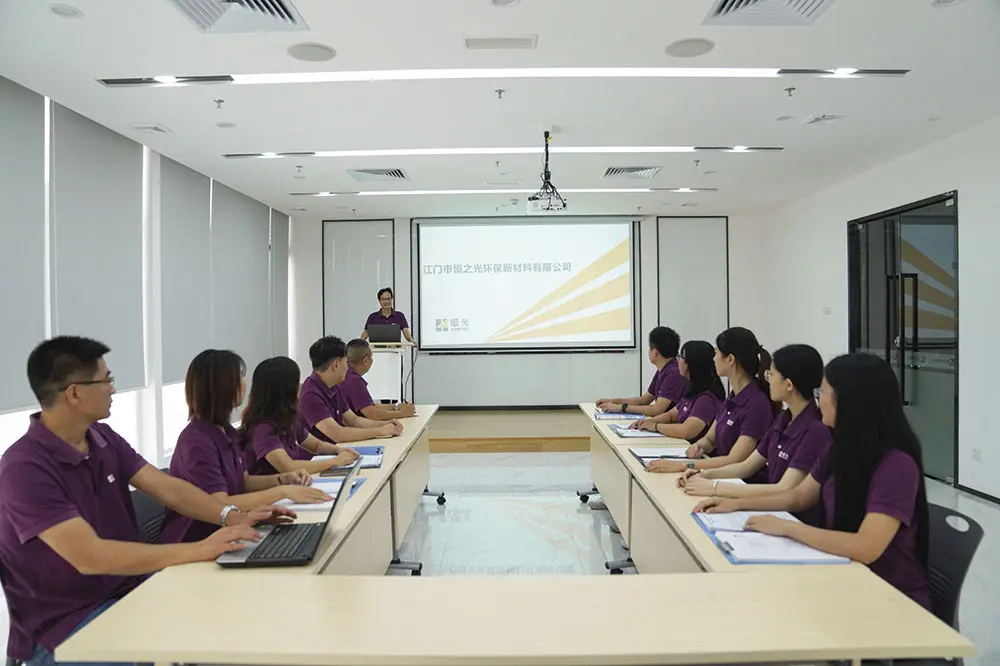
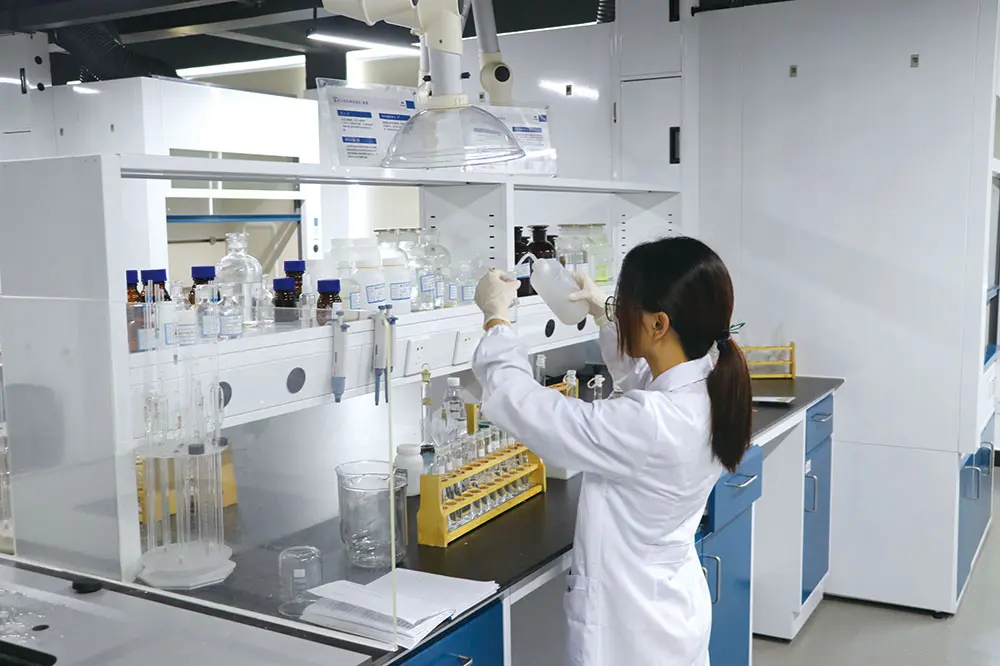
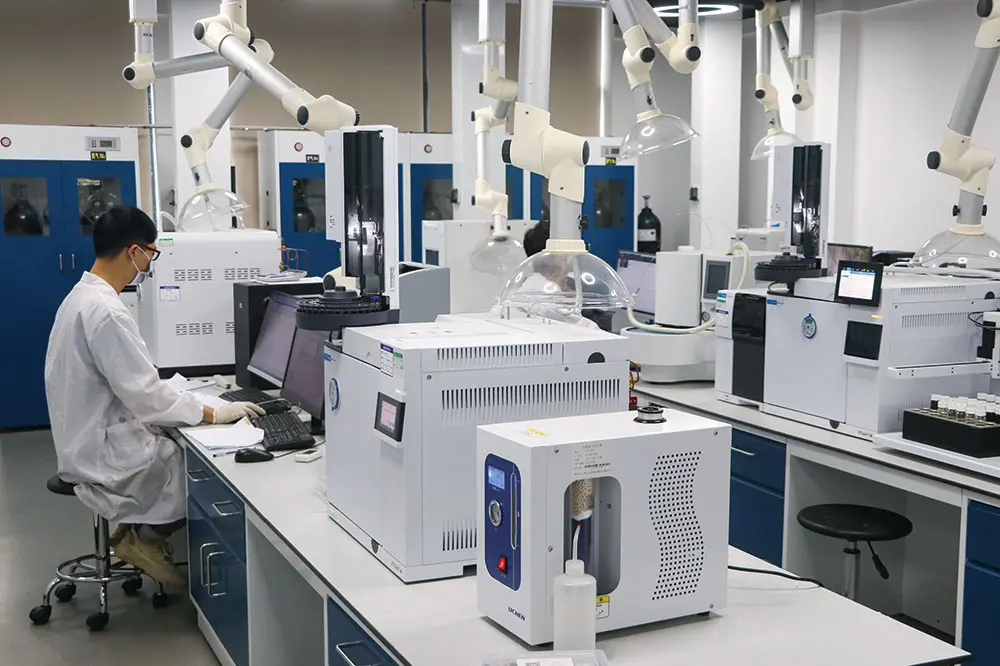
How Ever Ray leverages raw material access, automation, and geographic proximity to deliver unmatched value to the global PCB value chain.
Our Yunfu and Jiangmen factories operate under automated DCS (Distributed Control Systems). Computer-controlled heating curves, precise raw material dosage, and real-time monitoring eliminate human error during chemical synthesis, resulting in optimal molecular weight control and batch consistency.
Situated in Guangdong, the world's most integrated industrial cluster for electronics manufacturing, we secure high-grade raw materials directly. This strong vertical integration allows us to bypass global shipping bottlenecks and negotiate stable raw material costs.
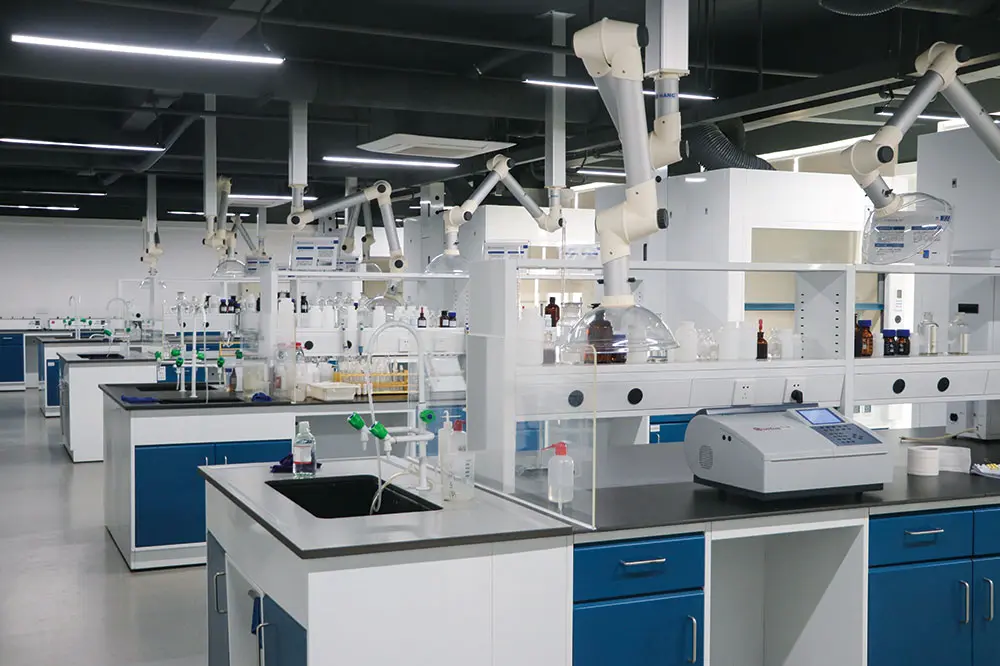
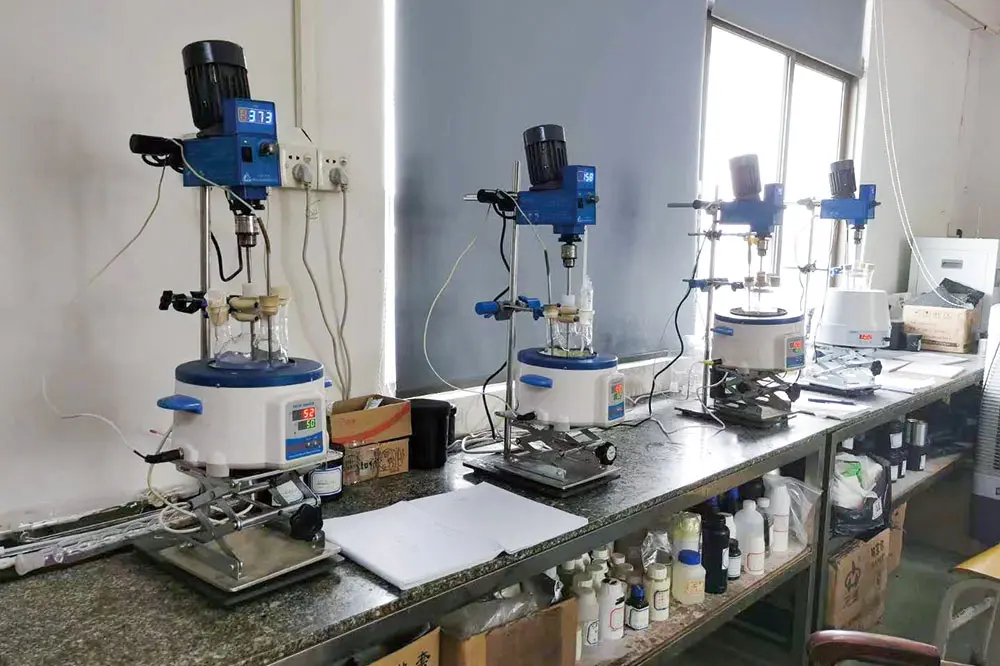
Every manufacturing step undergoes testing. From gas chromatography-mass spectrometry (GC-MS) to viscosity analysis, our R&D and QC departments ensure our oligomers comply with demanding electrical and eco-friendly standards.
The demand for electronic devices that operate in hostile environments dictates the chemistry of their circuit boards. In automotive electronics, components under the hood endure temperature extremes and humidity. Our modified polyurethane acrylates and epoxy acrylates provide high toughness, low volume shrinkage, and chemical resistance. These properties prevent delamination and mechanical stress on solder joints.
In the aerospace and high-reliability industrial automation sectors, PCB substrates must mitigate the risk of conductive anodic filamentation (CAF). By deploying low-viscosity, highly reactive UV-curable resins, manufacturers can formulate ultra-thin, bubble-free conformal coatings that perfectly seal the complex geometries of multi-layer circuit boards.
Future Technology Trends: The electronics industry is shifting toward green and halogen-free components. High-efficiency photo-thermal dual-curing resins (such as our model 72017) are gaining traction, allowing deep curing in shadowed areas of 3D printing and complex component topologies. Biodegradable and bio-based epoxy resins are also under active R&D to meet strict global environmental mandates.
A professional guide for procurement officers and chemical formulators sourcing high-grade oligomers for PCB production.
Global buyers need products that satisfy REACH, RoHS, and TSCA regulations. Our clean Yunfu facility performs regular audits to guarantee our materials are free of restricted substances, including toxic phthalates and heavy metals.
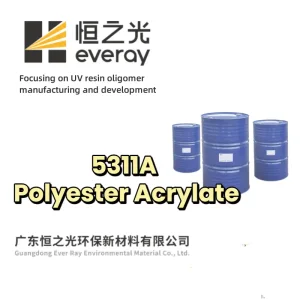
Operating high-capacity chemical bases near major maritime shipping routes allows us to manage bulk shipping safely. We offer customized packaging options, including IBC drums and steel drums, paired with temperature-controlled shipping.
Our 15-person technical team collaborates with buyers to design customized oligomers. Whether you need to adjust curing speed, lower viscosity, or enhance flexibility, we deliver fast prototyping and piloting.
Answers to technical and commercial inquiries about our epoxy acrylates, UV oligomers, and procurement workflows.
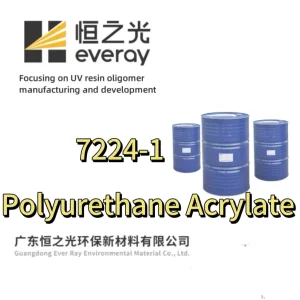
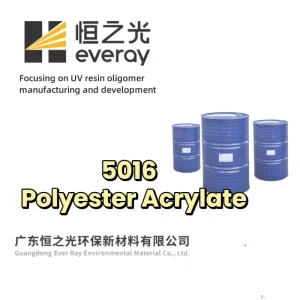
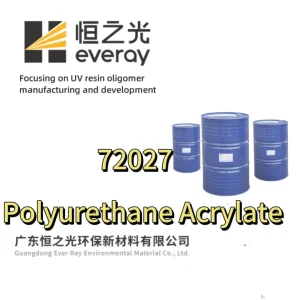
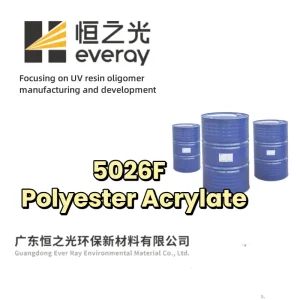
Review our secondary portfolio of high-impact polyurethane acrylates, low-shrinkage polyester resins, and weatherproof oligomers.
 Ever Ray