Explore our top-tier wholesale functional acrylates formulated to enhance adhesion, reduce shrinkage, and optimize processing efficiency across challenging substrates.
Navigating environmental regulations, mechanical requirements, and polymer chemistry changes in advanced coating and adhesive markets.
Traditional epoxy resin architectures provide outstanding thermal resistance and shear strength, but frequently suffer from brittleness. Modern industrial demands require high impact resistance, thermal expansion compatibility, and flexibility, driving the evolution of modified elastomeric oligomers.
The chemical industry is pivoting rapidly toward zero-VOC formulations. By pairing modified flexible epoxy oligomers with high-efficiency UV photopolymerization, manufacturing facilities can bypass thermal curing ovens, reduce carbon footprints, and meet strict clean-air regulatory frameworks.
From microelectronics packaging requiring low-stress encapsulants to automotive plastics needing scratch resistance, flexible UV-curable materials prevent delamination during thermal cycling, resolving interfaces with mismatched coefficients of thermal expansion (CTE).
Understand how modified acrylates and epoxy oligomers balance cure speed, adhesion, toughness, and shrinkage.
| Oligomer Class | Primary Technical Advantage | Elongation Range | Shrinkage Rate | Common Substrate Adhesion | Key Application |
|---|---|---|---|---|---|
| Modified Epoxy Acrylate (e.g., 61163, 6803A) | High curing speed, superior chemical resistance, low viscosity | 5% - 25% | Moderate to Low | Glass, Metal, Plastics | Boiling water resistant glass primers, UV Inks, rigid varnishes |
| Aliphatic Urethane Acrylate (e.g., 7200-1) | Excellent weathering, non-yellowing, high flexibility, scratch resistance | 30% - 150% | Low | PVC, Polycarbonate, ABS | Resilient wood finishes, premium furniture coatings |
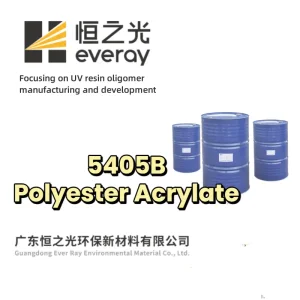
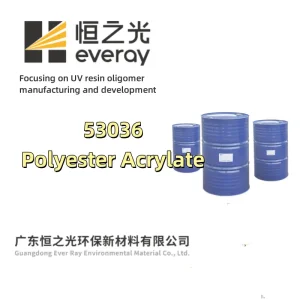
| Polyester Acrylate (e.g., 5405B, 53036) | Excellent pigment wetting, skin-feel surface texture | 10% - 40% | Low | Paper, Plastics, Wood | Excimer laser coatings, matte varnishes, packaging inks |
| Photo-Thermal Dual-Curing Oligomers (e.g., 72017) | Shadow curing in complex structures, extreme toughness | 15% - 80% | Minimal | Composite substrates, resins | High-precision 3D printing, complex micro-assembly bonding |
How worldwide manufacturers and formulators leverage Ever Ray's chemical systems to solve real structural and decorative issues.
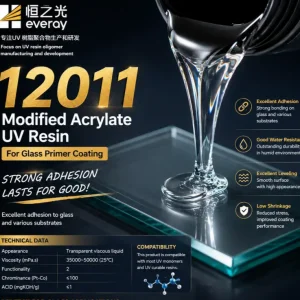
Using our 12011 Modified Acrylate UV Resin, industrial mirror fabricators produce thin protective primers that withstand boiling water immersion testing. This prevents edge corrosion and guarantees chemical adhesion to non-porous glass surfaces under humid conditions.
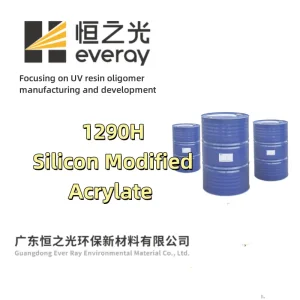
Heavy foot traffic causes micro-cracking and yellowing on luxury vinyl tiles. The deployment of Low Shrinkage 1290H prevents curling at tile margins during high-intensity UV curing, yielding durable protective layers with high elastic memory.
High-end cabinetry demands anti-fingerprint, ultra-matte, soft-touch coatings. Using 53036 Polyester Acrylate UV Resin under excimer laser irradiation forms a micro-folded surface structure, achieving low gloss levels without large amounts of silica matting agents.
An analytical view of the material science developments guiding the next generation of flexible resin development.
Integrating plant-derived fatty acids and isosorbide structures directly into flexible epoxy networks. The target is to reduce reliance on petroleum inputs by 30% by 2028 while maintaining high conversion speeds and chemical resistance.
Developing novel Photo-Thermal Dual-Curing Polyurethane Acrylate Resins for use in shaded areas. Rapid light exposure secures the primary matrix, while subsequent thermal cycles ensure complete curing in complex, light-blocked geometries.
Using hyperbranched polymer architectures to reduce resin viscosity without using excessive reactive diluent monomers. This yields formulations with high solid contents and low shrinkage.
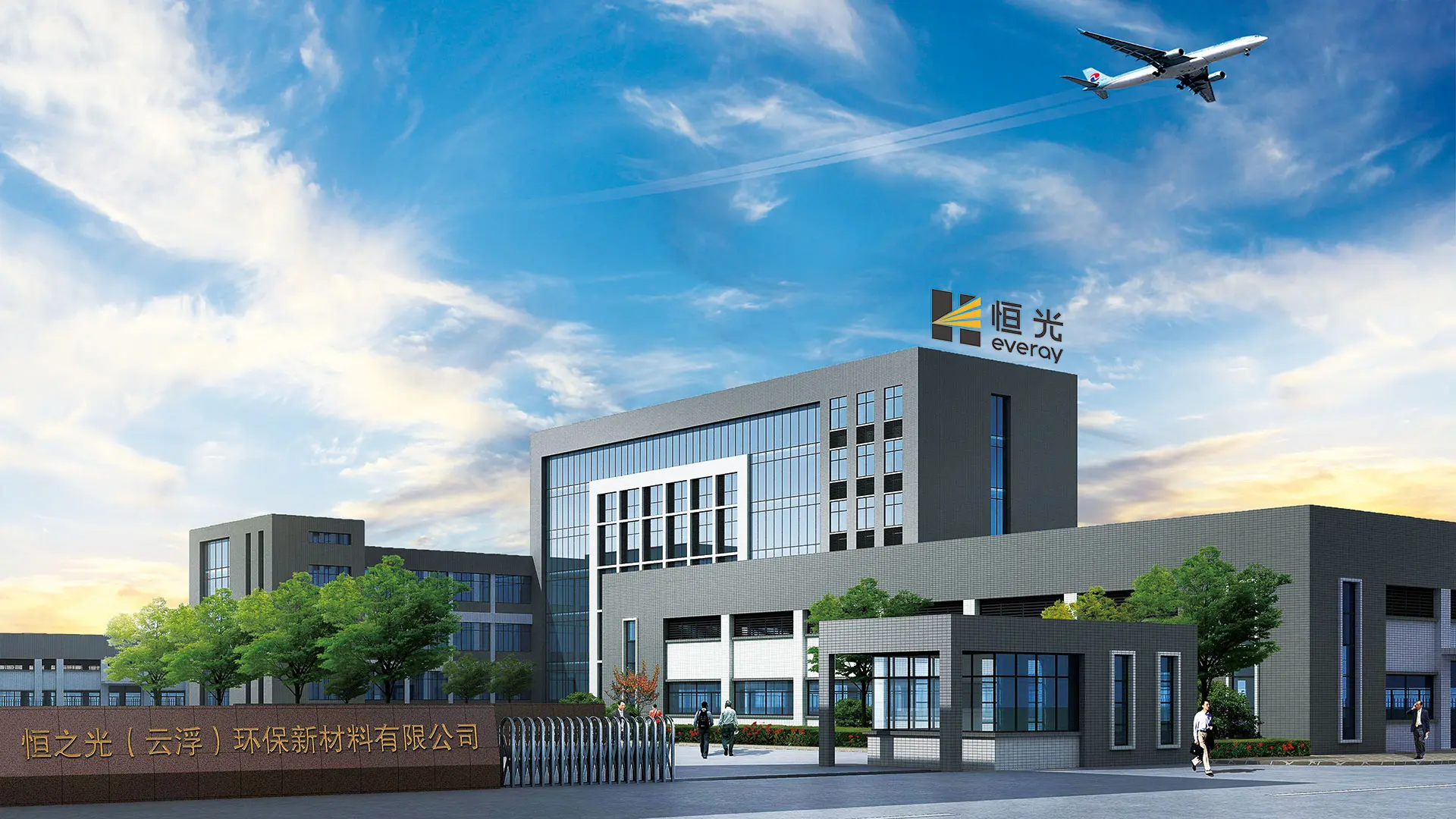
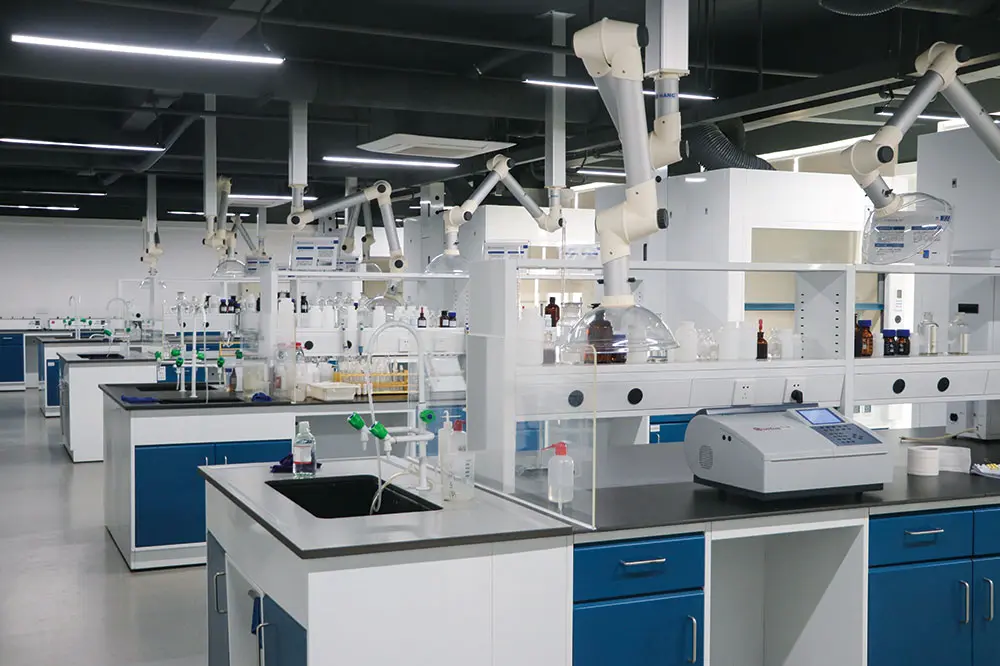
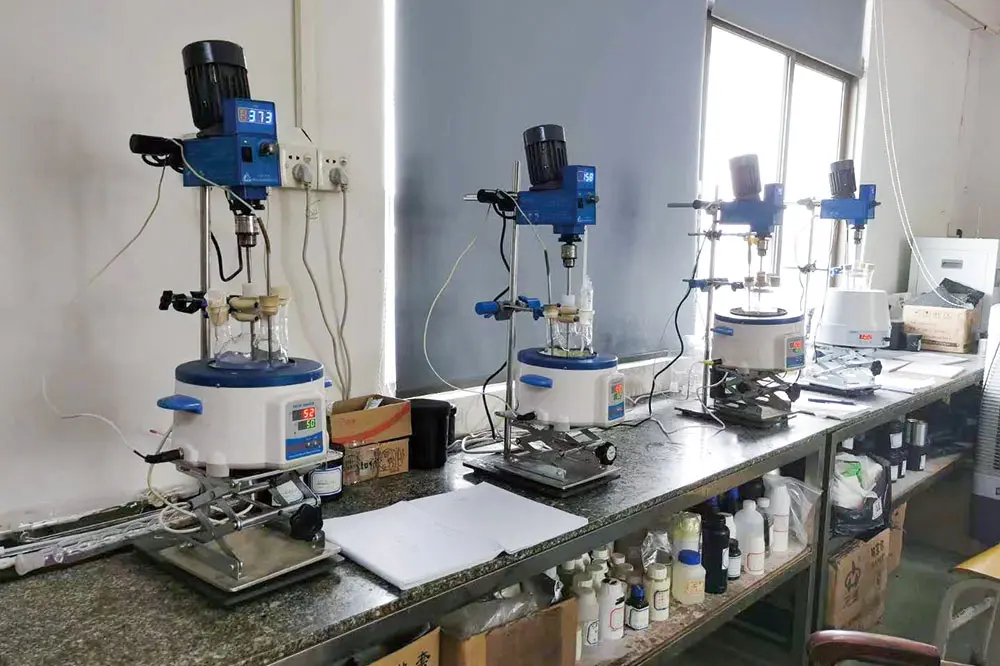
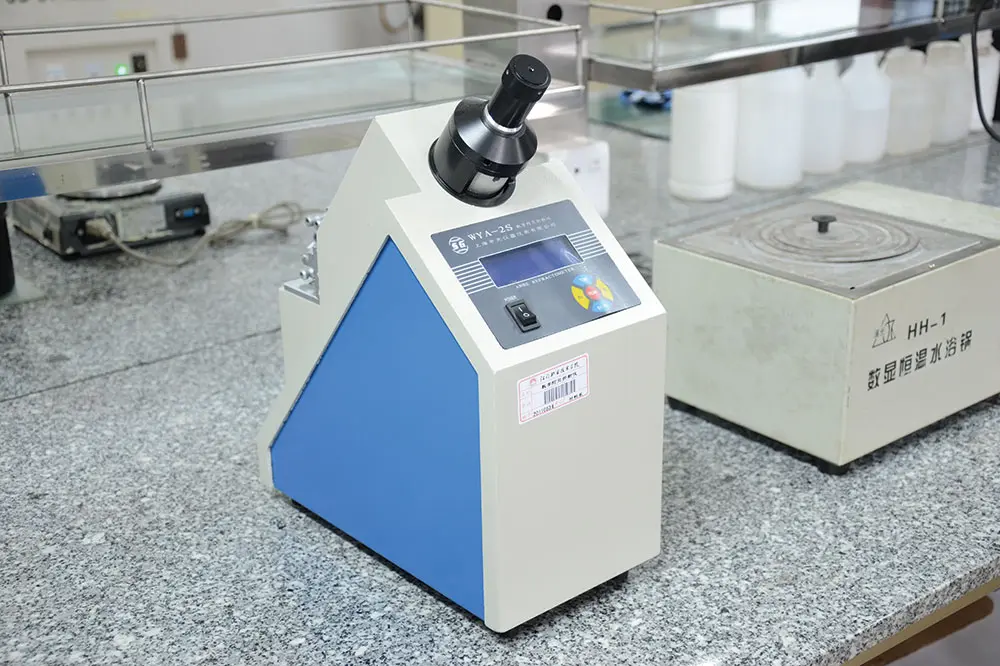
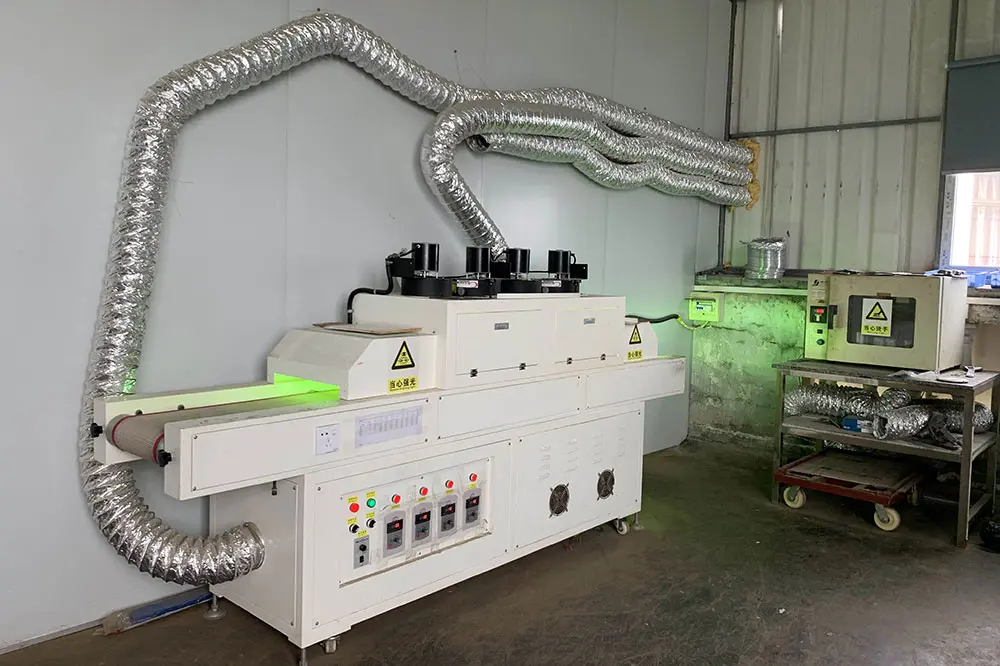
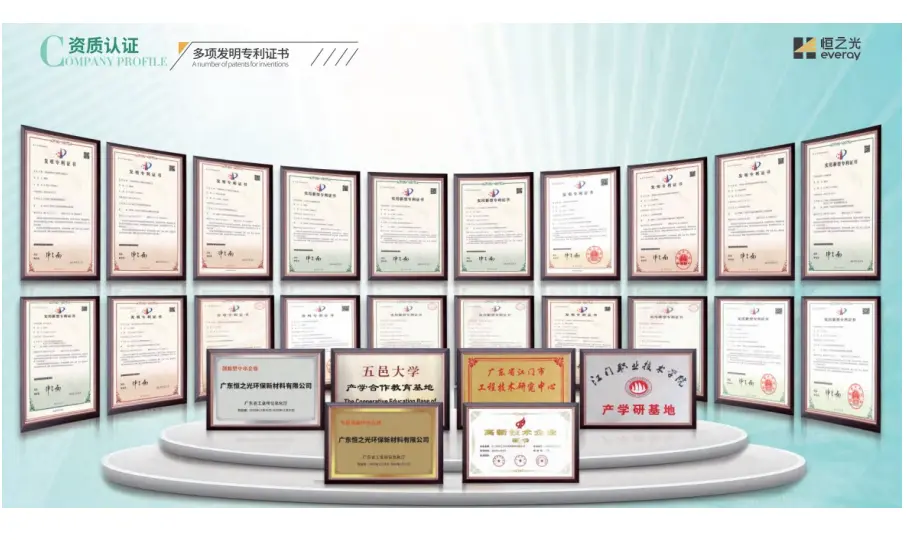
Established in 2006, Guangdong Ever Ray Environmental Material Co., Ltd. is a high-tech enterprise specializing in the research, development, and manufacture of high-performance oligomers for UV-curable systems. Our product portfolio includes epoxy acrylates, polyurethane acrylates (waterborne, aliphatic, aromatic), polyester acrylates, pure acrylates, and special modified functional monomers.
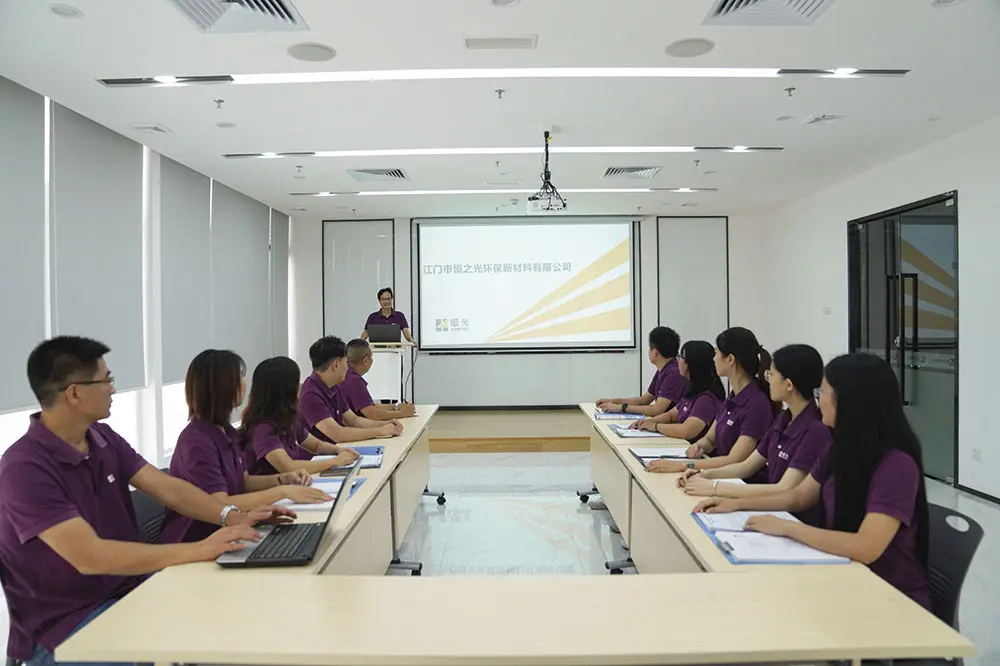
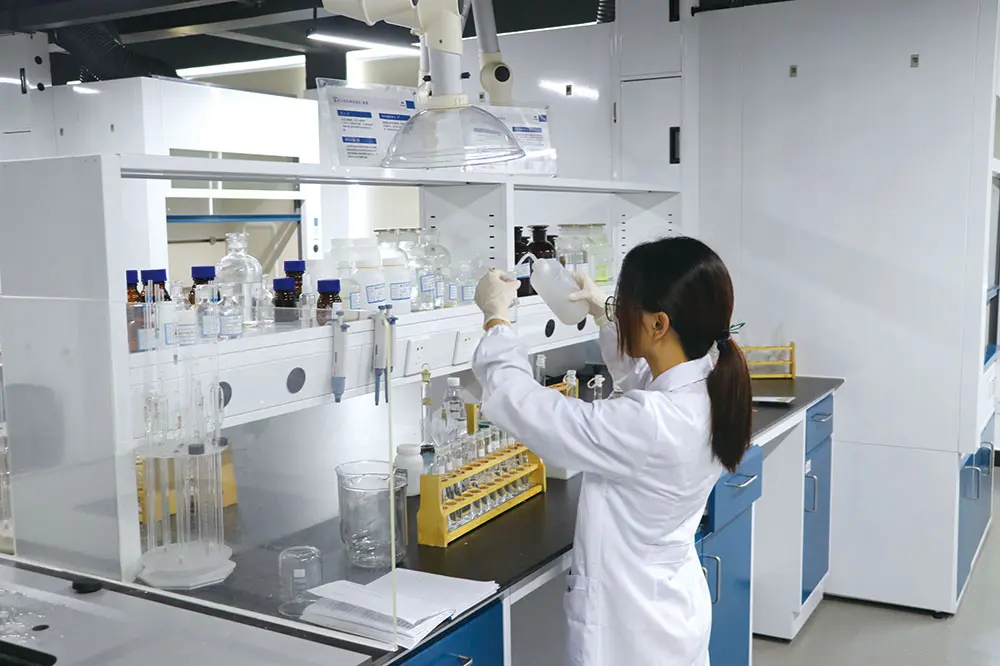
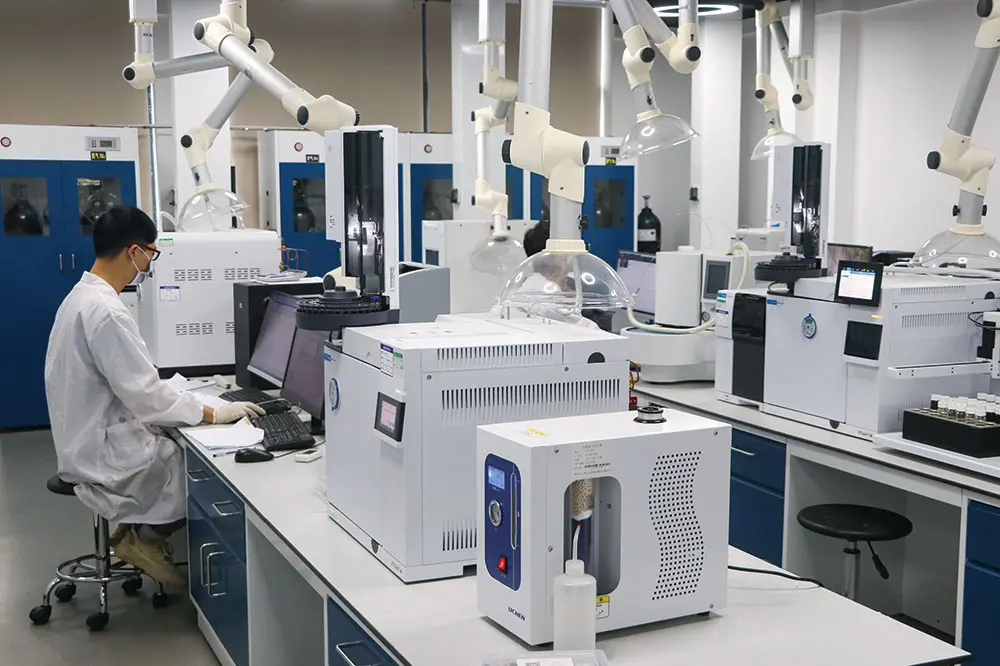
By prioritizing technical innovation and environmentally sound manufacturing, we help global clients achieve performance goals and cost savings. Our R&D team consists of more than 15 chemical technicians holding 10+ patents. We design customized formulations to address complex substrates, varying cure speeds, and specific gloss requirements.
Ever Ray operates two modern manufacturing sites in Guangdong Province:
Both facilities are certified under the ISO9001 Quality Management System and the ISO14001 Environmental Management System. We use a fully computerized Distributed Control System (DCS) to monitor reaction kinetics, temperatures, and raw material feeds, helping to ensure consistent quality across all batches.
Answers to technical questions from process engineers and industrial chemical buyers.
This balance is managed by pairing long-chain, low-Tg oligomers (like aliphatic polyurethane acrylates or modified flexible epoxy acrylates) with highly functional monomers that increase crosslink density at the surface. Dual-stage curing and modified hybrid backbones help retain elasticity in the bulk layer while achieving a scratch-resistant surface.
Yellowing is primarily caused by the degradation of aromatic rings (such as those in Bisphenol-A) under solar or UV exposure. To prevent this, we modify the backbone with cycloaliphatic or aliphatic structures and incorporate specialized stabilizers (HALS/UV absorbers) to maintain optical clarity in outdoor applications.
We use controlled polymerization techniques to produce oligomers with narrow molecular weight distributions. This allows us to keep viscosity relatively low without over-diluting the system with low-molecular-weight monomers, which can degrade tensile strength and cause shrinkage.
Stored in original, unopened containers in a dry, ventilated area below 35°C (away from direct sunlight and heat sources), our oligomers typically have a shelf life of 6 to 12 months. Since these materials are photo-reactive, keeping them sealed and dark is essential to prevent premature gelation.
Yes. We regularly adjust formulations to help clients comply with regional chemical standards, including EU REACH, RoHS, and US TSCA. Our R&D lab can modify monomer selections and photoinitiator packages to meet regional volatile organic compound (VOC) limits.
Our specialized product range is designed for demanding industrial coatings, vacuum metallizing, 3D printing, and high-performance adhesives.
 Ever Ray