Explore our premium grade UV-curable resins, formulated for unmatched adhesion, fast reactivity, and chemical resistance across global industrial pipelines.
An in-depth whitepaper analysis of current industrial applications, formulation challenges, and rheological advances.
High viscosity photopolymers prevent resin migration on microcircuitry, providing robust insulation and environmental protection for automotive sensors, semiconductors, and smartphones.
Formulated for thick-film application on parquet and furniture, delivering remarkable scratch, chemical, and stain resistance in a single, high-efficiency pass.
Enables instantaneous bonding under UV exposure without drip or sag, serving high-precision assembly lines in electronics, optics, and general industrial manufacturing.
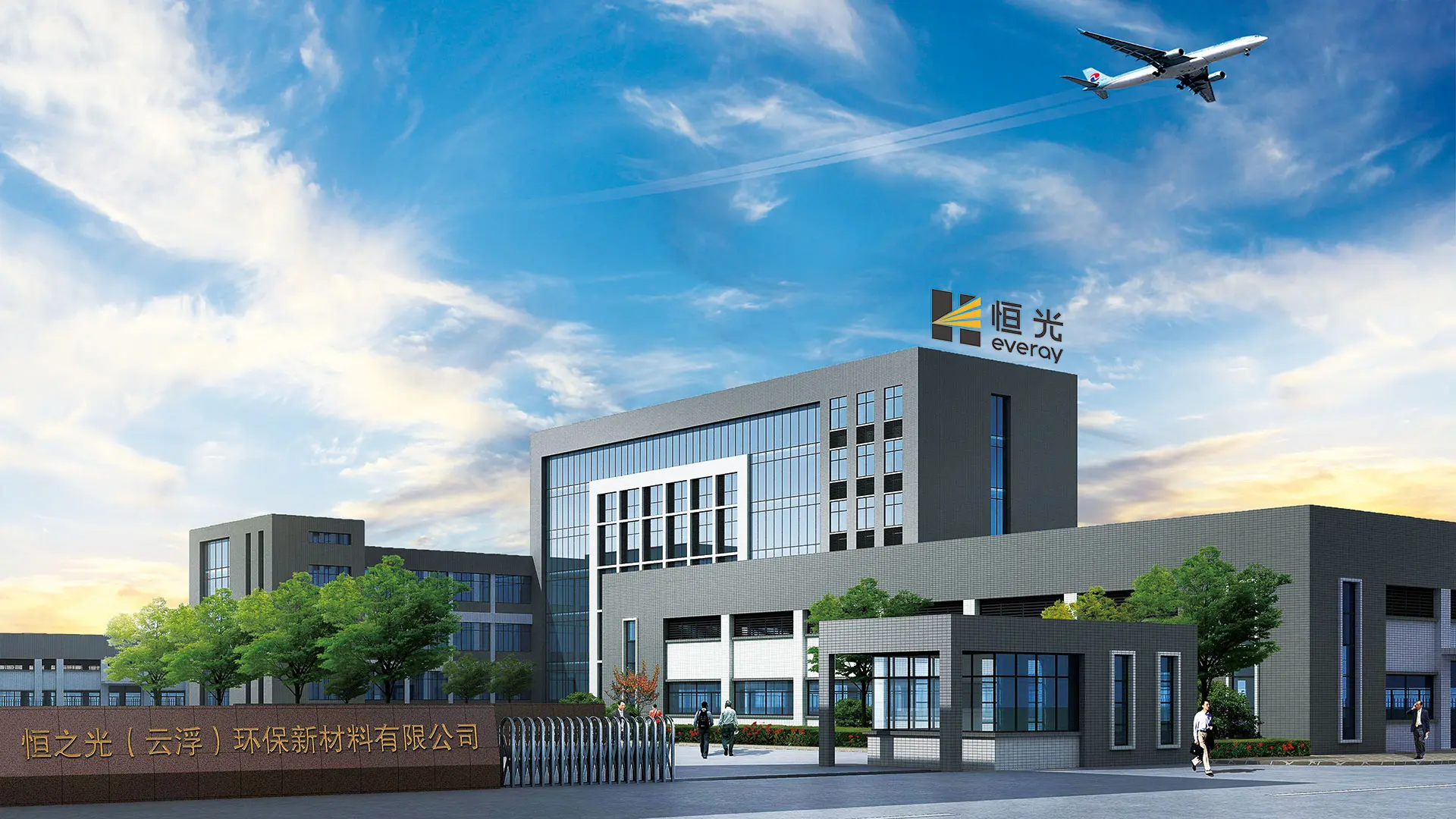
Guangdong Ever Ray Environmental Material Co., Ltd., established in 2006, is a high-tech enterprise focusing on the R&D and manufacturing of oligomers for UV curable resin. Our extensive product portfolio includes epoxy acrylate, polyurethane acrylate (water-borne, aliphatic urethane, aromatic urethane), polyester acrylate, pure acrylate, and other special functional modified acrylate oligomers.
We design high-reactivity, chemically resistant, and high-gloss formulations tailored to a wide variety of industrial settings, including wood coatings, plastics, printing inks, and structural adhesives.
We operate two advanced production bases: our 10,000 square meter facility in Jiangmen, Guangdong, and a massive 40,000 square meter facility in Yunfu, Guangdong. Together, they are equipped with comprehensive quality control, storage, and logistics facilities.
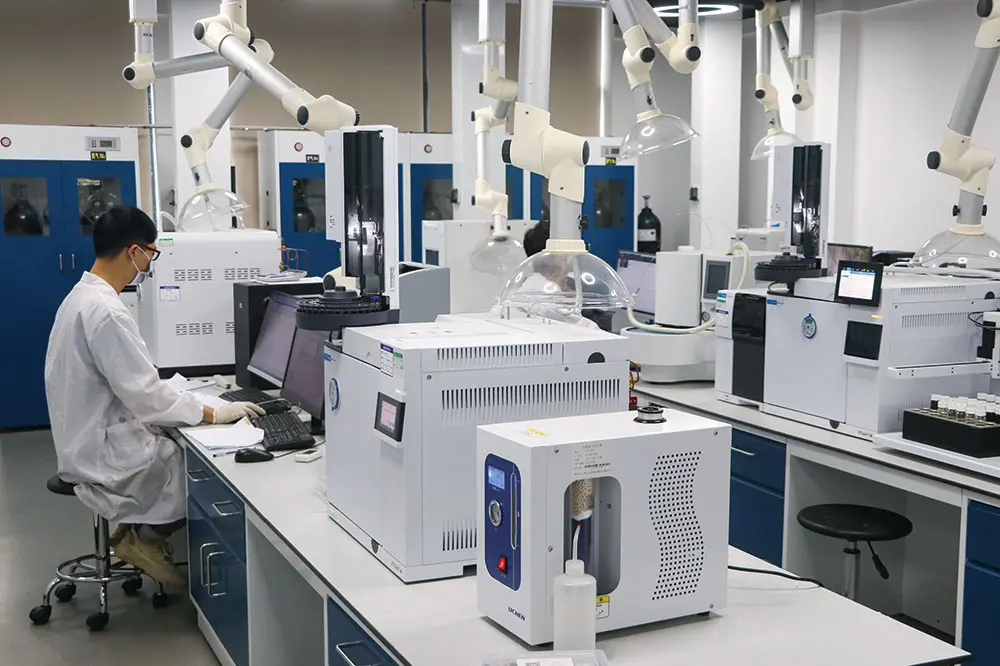
With an annual production capacity exceeding 20,000 tons across more than 10 modern production lines, we ensure steady supply chains for our wholesale customers. Our operations run under the ISO9001 quality management system and the ISO14001 environmental management system, managed via a flexible DCS fully computerized control system.
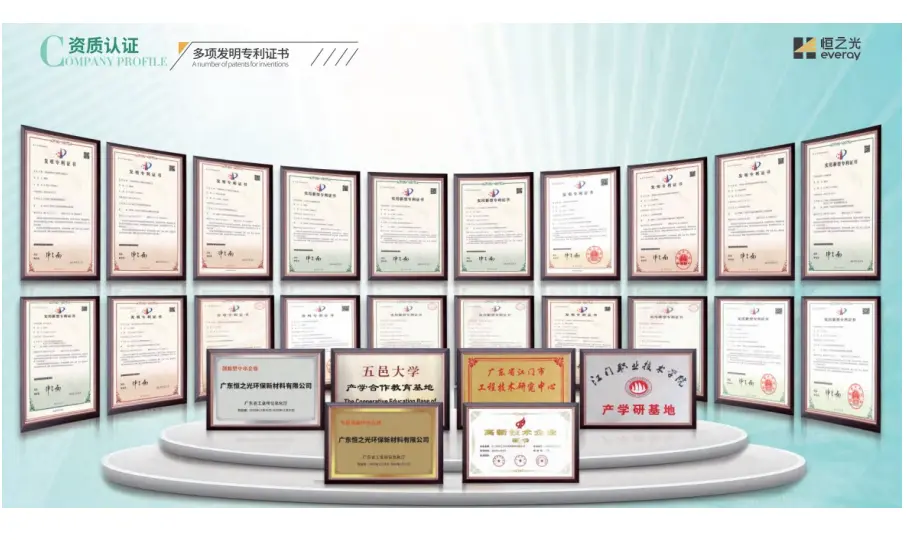
By sourcing premium raw materials globally and consulting with leading domestic UV specialists, we guarantee excellent safety and consistent product quality. Additionally, our R&D department features more than 15 dedicated technicians holding over 10 invention and utility patents.
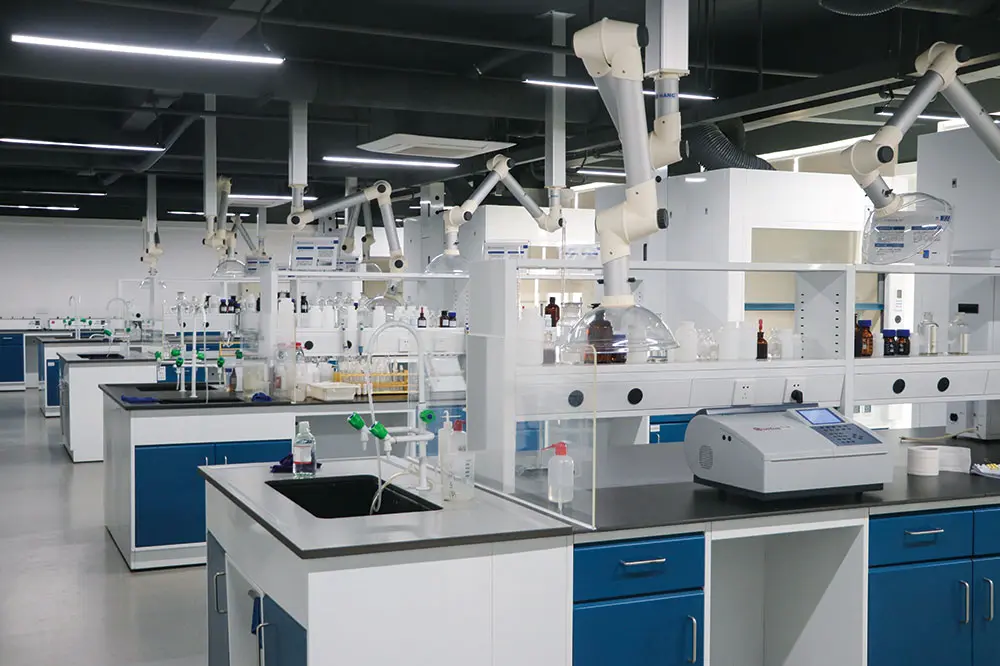
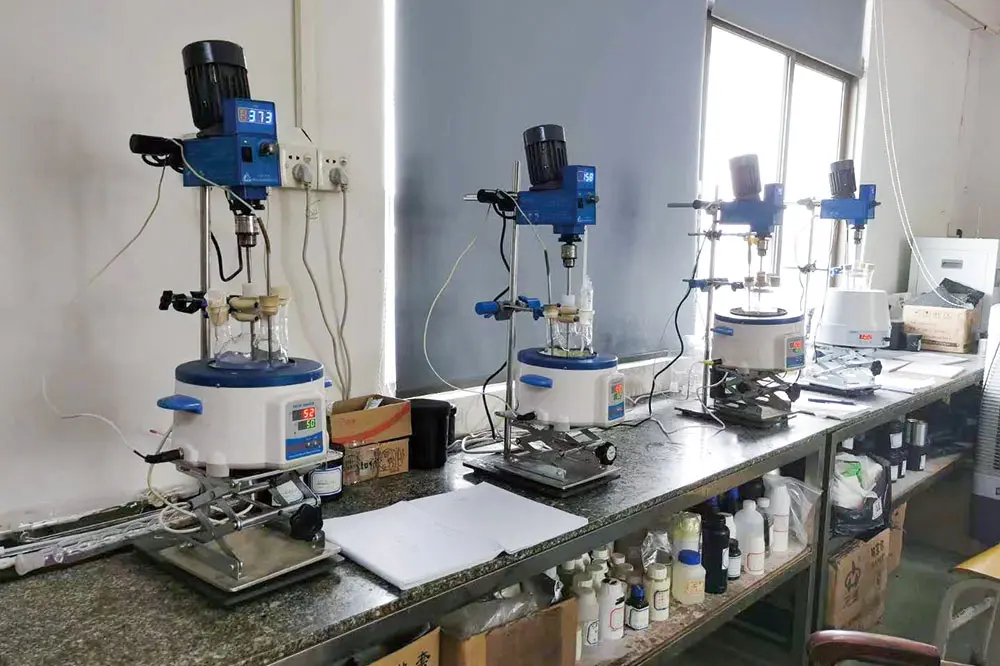
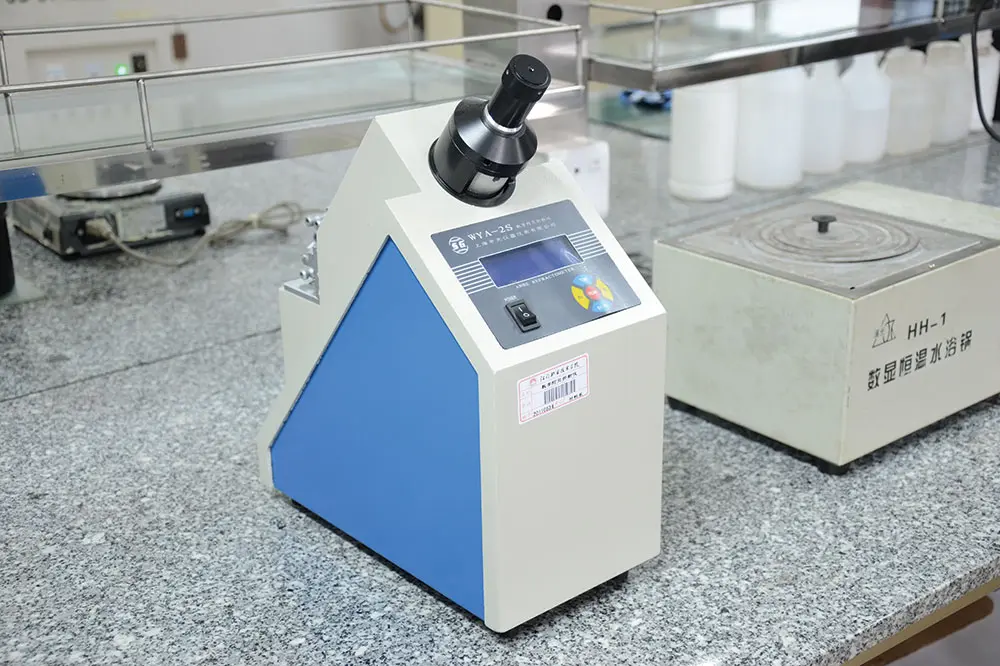
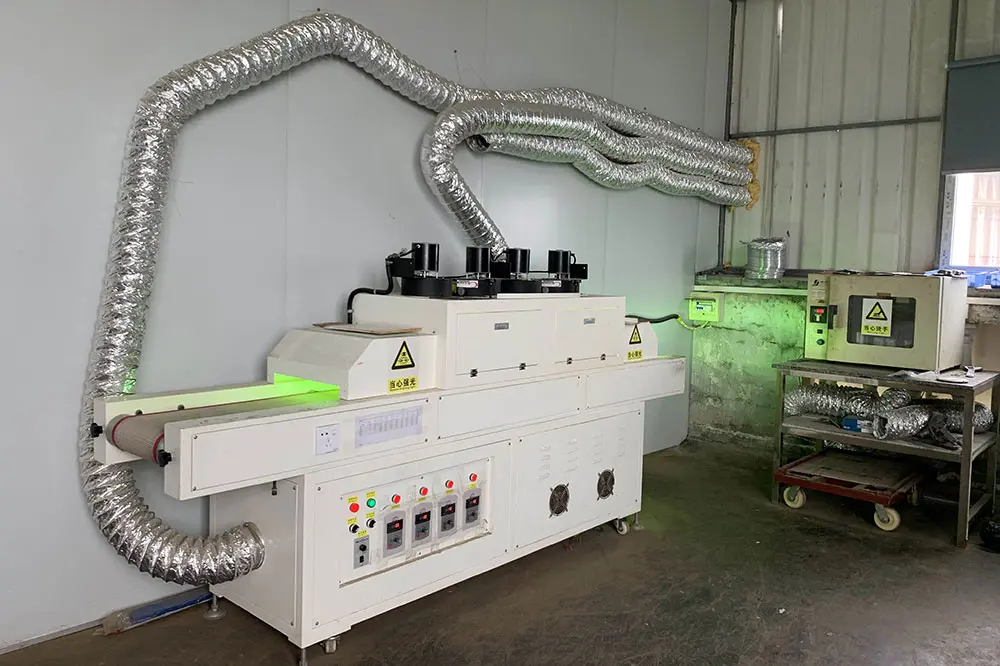
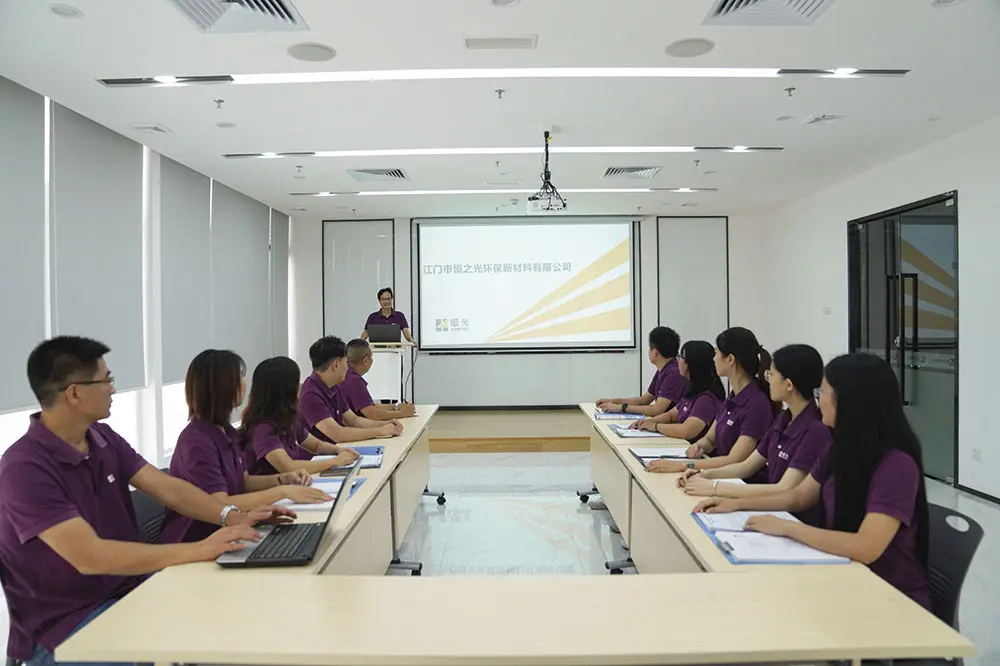
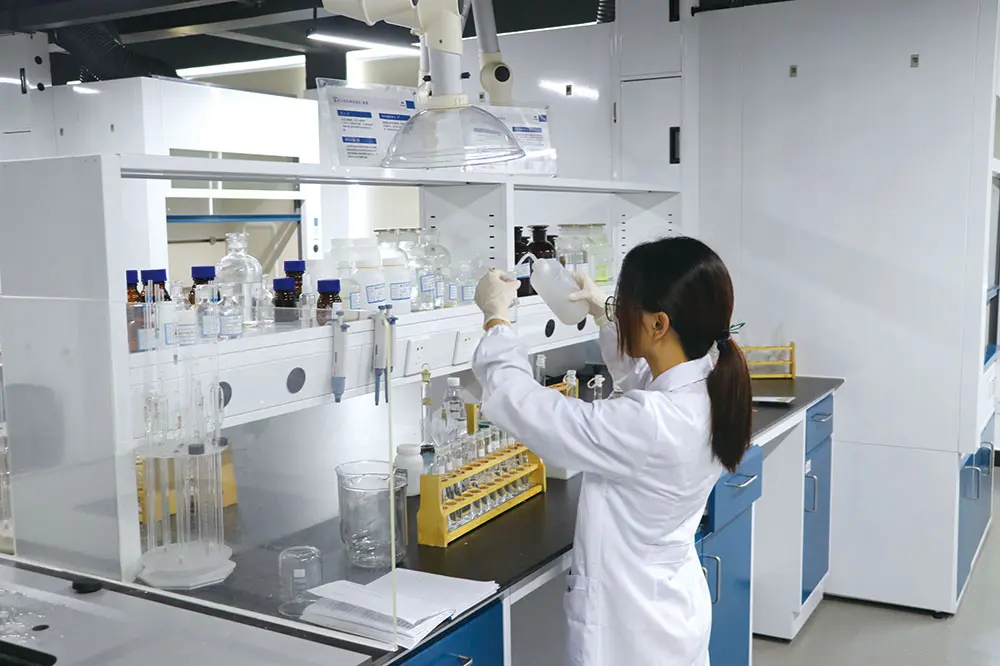
We believe that technology and environmental protection should coexist in harmony. Backed by 10+ patents, we supply unique formulations designed to optimize cost efficiency and high-speed reactivity without sacrificing performance.
How we engineer chemical networks to meet the high viscosity challenges of the next decade (2025–2030).
Transitioning toward renewable raw materials, targeting up to 45% bio-content in modified epoxy and polyester acrylates to lower carbon footprints.
Tailoring oligomers for high absorption at 365nm and 395nm wavelengths, allowing low-power LED systems to fully cure thick-film applications.
Integrating secondary thermal or moisture-cure systems into high-viscosity resins, ensuring total cure in shadow zones of complex 3D profiles.
Designing intelligent, shear-thinning oligomers that flow smoothly under application pressure but set quickly once applied to prevent run-off.
Solving core formulation issues for coating engineers, paint manufacturers, and industrial users worldwide.
High-viscosity formulations naturally reduce oxygen diffusion into the curing layer. We optimize this property, allowing complete surface cure under standard atmospheric conditions without nitrogen inerting.
By using higher molecular weight oligomers, we reduce the density of acrylic double bonds, minimizing volume shrinkage and improving adhesion to plastics and metals.
Our oligomers show clean dilution profiles when blended with monomers (such as IBOA, TMPTA, or TPGDA), allowing formulators to dial in the exact application viscosity they need.
Addressing the technical issues faced by R&D chemists, production managers, and purchasing teams.
Complete your formulation design with our range of polyurethane, epoxy, and dual-cure resins.
 Ever Ray