Premium grade UV curable resins with unmatched clarity, adhesion, and mechanical performance.
Understanding the molecular structures driving the optical clarity and strength of modern coatings.
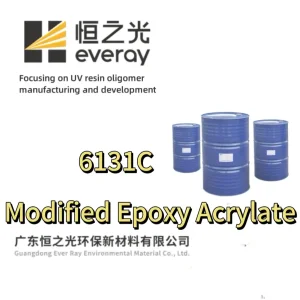
Characterized by fast curing speeds, high surface hardness, and superior chemical resistance. Highly popular for wood floor coatings, rigid plastic finishes, and screen-printing inks. The bisphenol A epoxy backbone delivers excellent thermal and physical robustness, serving as the foundational raw material for modern high-durability liquid glass formulations.
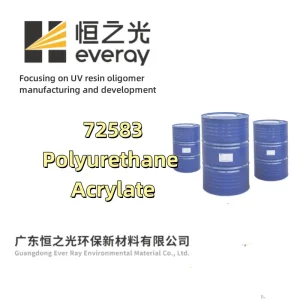
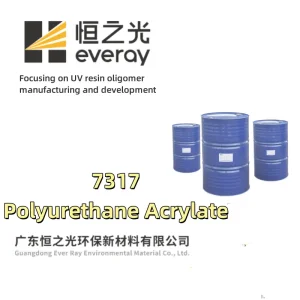
Available in aliphatic and aromatic variants. Aromatic versions excel in cost-effective structural strength, whereas aliphatic urethane acrylates provide outstanding anti-yellowing performance and flexibility. This unique combination makes PUA the gold standard for premium automotive clear coats, mobile device housing, and protective architectural coatings.
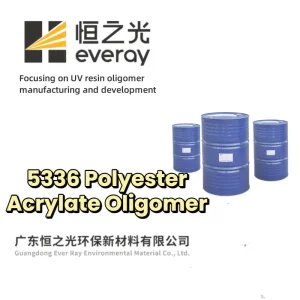
Boasting ultra-low viscosity and high dilution capacity, these oligomers are essential for optimizing the rheological properties of uv flexographic and lithographic inks. They balance rapid crosslinking density with excellent pigment wetting properties, eliminating the need for excessive volatile organic solvents.
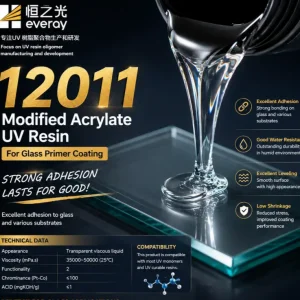
In the field of high-performance surface modification, Liquid Glass Epoxy has transitioned from simple decorative pouring applications to highly sophisticated industrial surface technology. The key to this transition lies in advanced UV-curing oligomer systems. By replacing traditional thermo-curing epoxies with photocurable acrylate-modified epoxies, manufacturers achieve curing times of mere seconds rather than hours, reducing energy consumption and boosting production lines.
Our engineered systems combine the crosslinking density of traditional epoxy resins with the rapid reaction kinetics of acrylic monomers. The resulting hybrid network provides high transparency, a glass-like refractive index, and excellent water resistance, ensuring that substrates are protected against oxidation, mechanical abrasion, and chemical attack.
A trusted global pioneer in UV curable oligomer research, manufacturing, and technical supply chain services.
Established in 2006, Guangdong Ever Ray Environmental Material Co., Ltd. is a leading high-tech enterprise dedicated to the R&D and manufacture of premium-grade oligomers for UV-curable systems. Our product portfolio includes high-stability epoxy acrylates, aliphatic/aromatic polyurethane acrylates (including waterborne variants), polyester acrylates, and specialty functional monomers designed for industrial-scale coatings, inks, adhesives, and electronics.
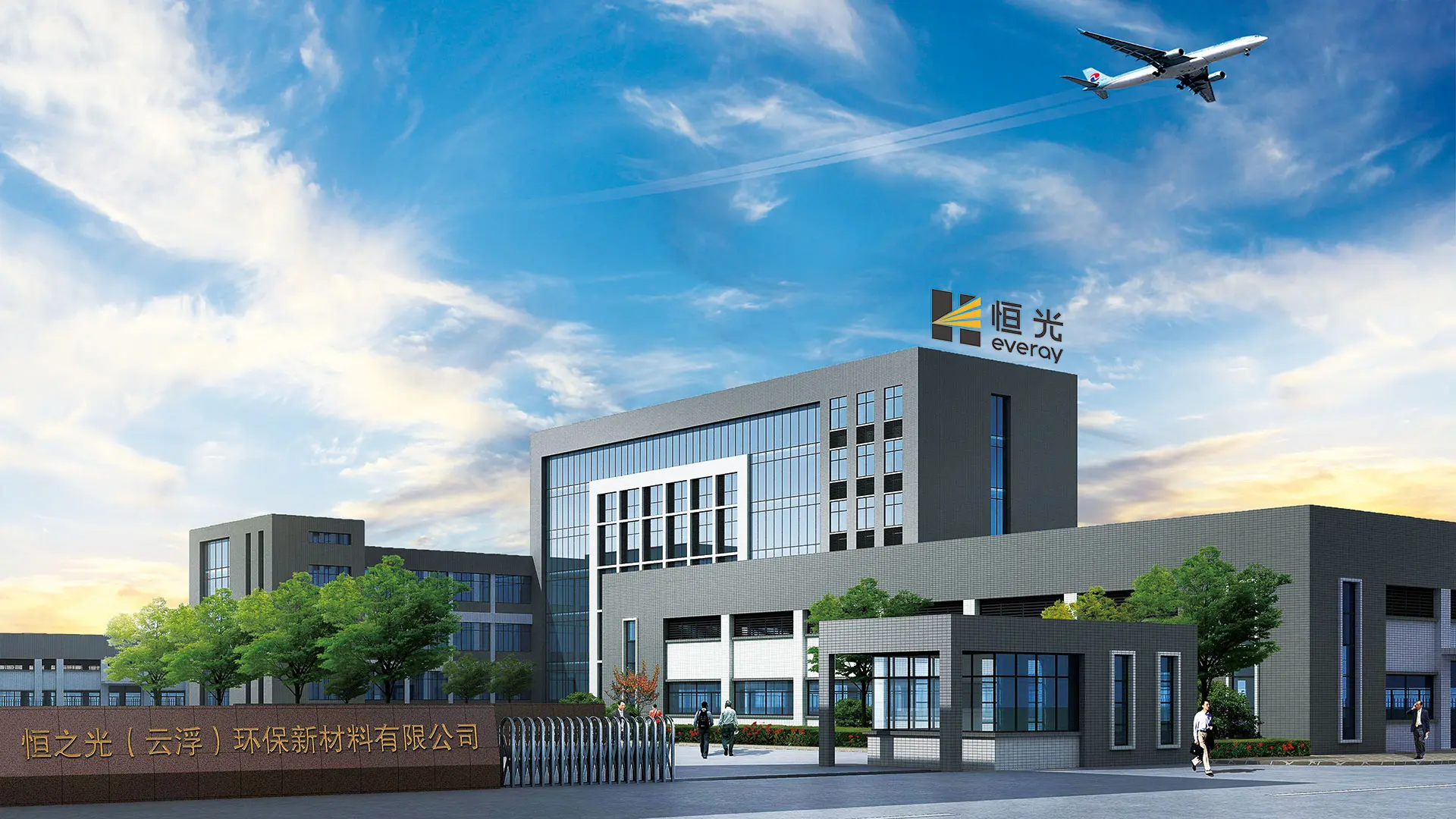
To support global supply chains, we operate two large-scale manufacturing bases in Guangdong province. The first facility, located in Jiangmen, spans 10,000 square meters, while the second, high-output facility in Yunfu covers an impressive 40,000 square meters. Featuring over 10 fully automated production lines, our annual capacity exceeds 20,000 tons.
Every step of our process is managed via a Distributed Control System (DCS) fully computerized platform. This ensures high precision in raw material loading, temperature curves, and polymerization timing, achieving batch-to-batch consistency. Our operations are fully certified under ISO9001 and ISO14001, highlighting our commitment to safety, quality, and environmental stewardship.
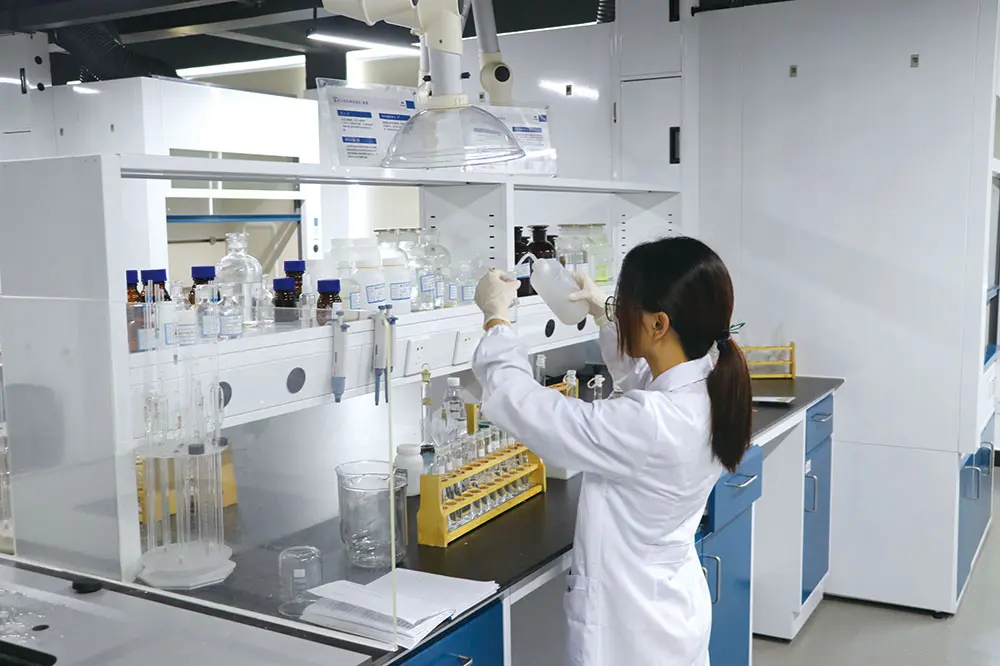
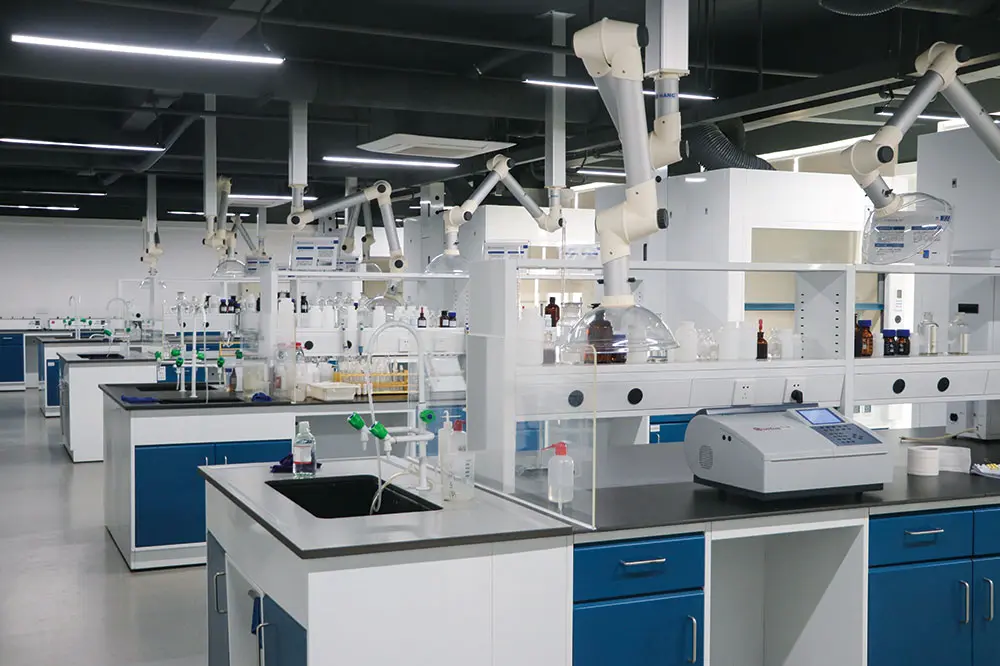
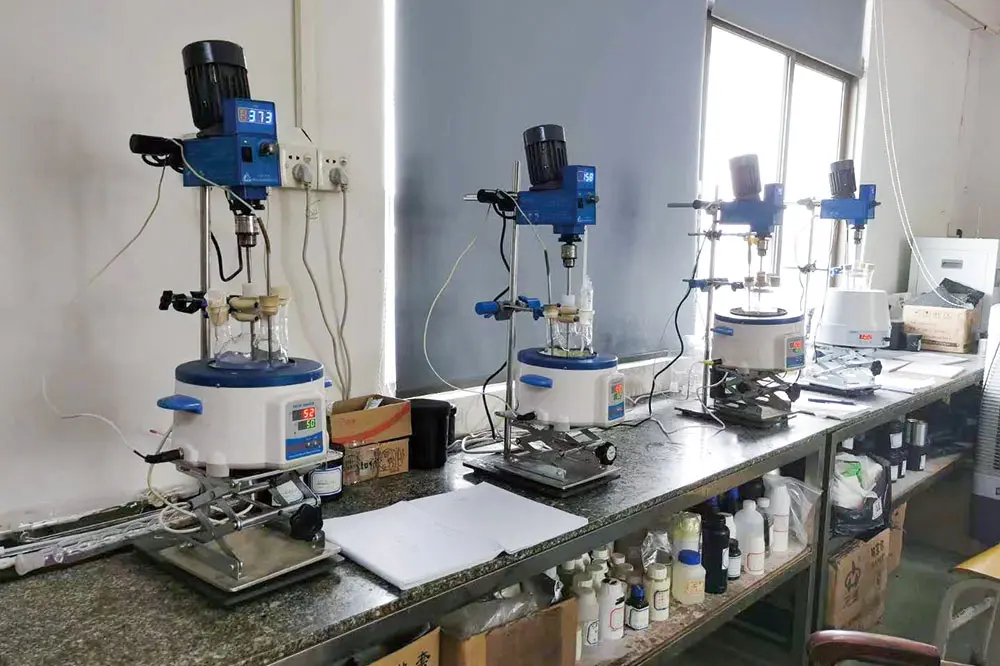
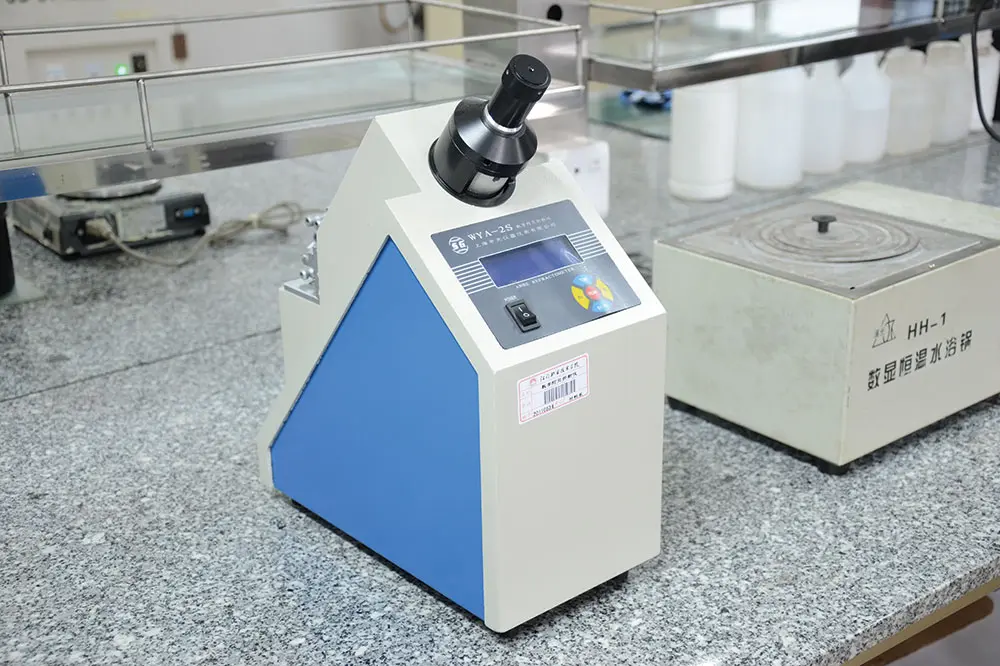
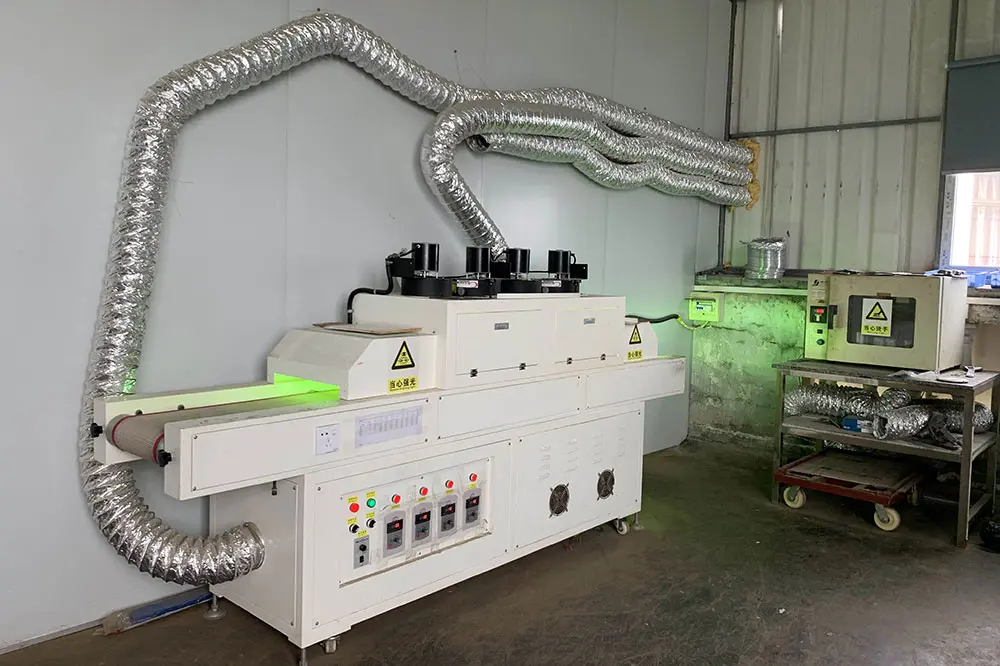
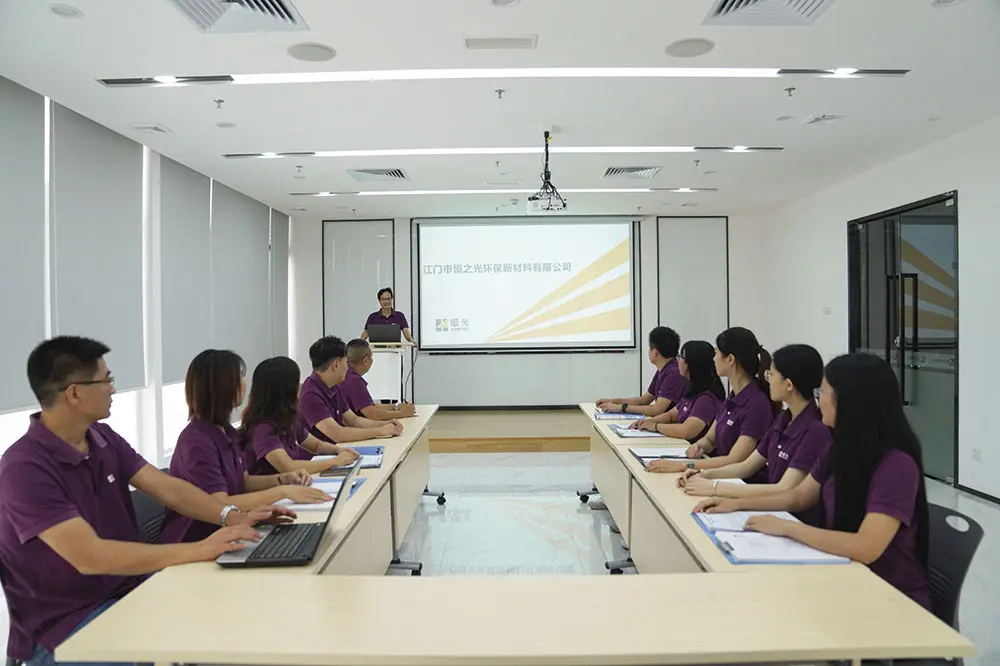
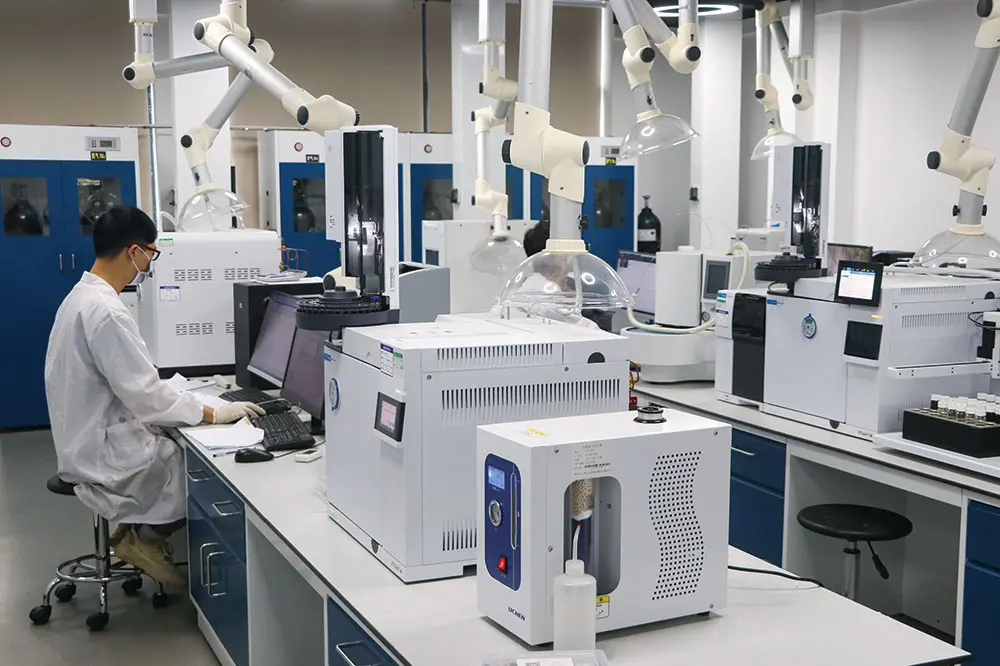
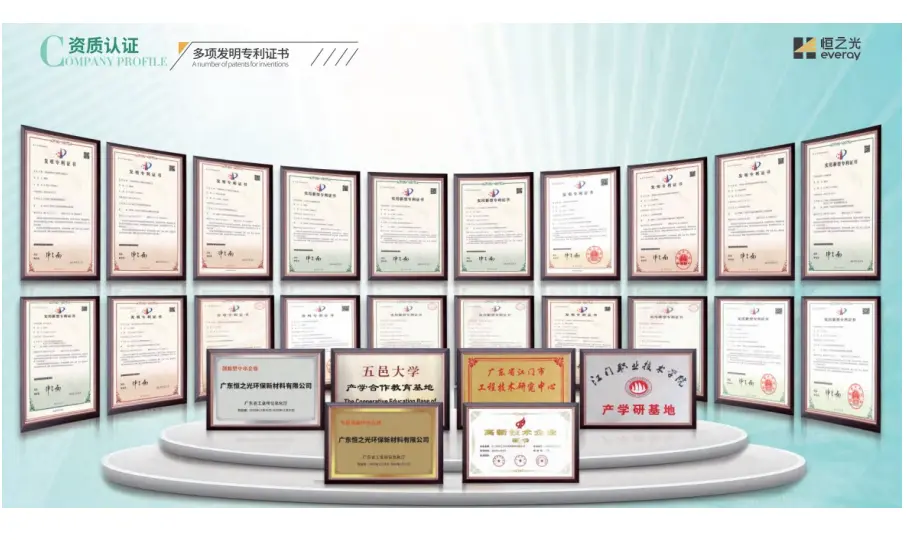
With 15+ dedicated R&D chemists, we are continuously pushing the boundaries of photocurable systems. Our technology focus allows us to supply customized formulations that meet demanding performance targets while ensuring cost savings and safety compliance.
Why Tier-1 industrial buyers rely on Ever Ray for direct-from-factory chemical supply.
Based in Guangdong, the chemical manufacturing heartland of South China, we secure raw materials directly from key domestic suppliers. This, combined with our automated DCS system and bulk material handling, reduces conversion costs and allows us to offer competitive wholesale pricing to global formulators.
We provide full documentation for local compliance. Our product series adhere to standard safety and environmental regulations, including REACH, RoHS, and low VOC protocols, facilitating smooth import clearance in European, North American, and Asian jurisdictions.
No two manufacturing processes are identical. Our technical center specializes in structural modification, customizing parameters such as viscosity, curing reactivity, yellowing resistance, flexibility, and adhesion characteristics to match your specific application requirements.
How our oligomer portfolio translates into high-value solutions across industries.
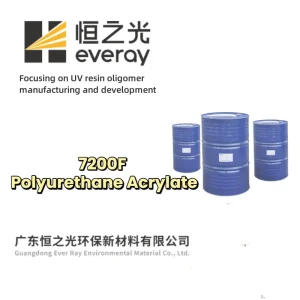
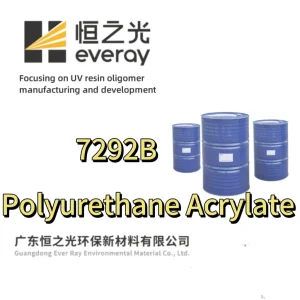
Industrial wood finishing requires rapid processing. Utilizing fast-curing polyurethane acrylates (such as our Durable 7200F) allows factory lines to achieve high UV cure speeds. This provides scratch-resistant, non-yellowing protective layers that mimic the optical clarity of thick liquid glass pourings on premium table slabs.
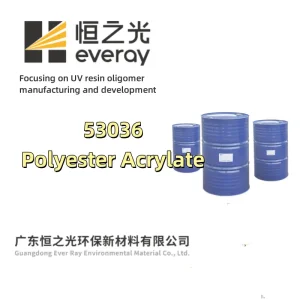
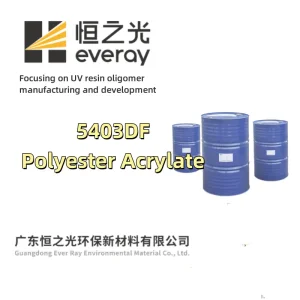
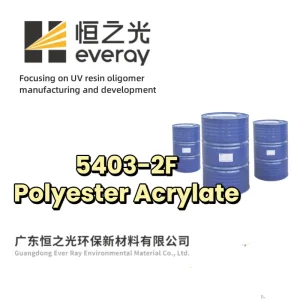
Modern packaging requires high press speeds without ink migration or smearing. Polyester acrylate systems (like 5403DF and 5336) offer optimal rheology and fast photopolymerization rates under mercury vapor or UV LED lamps, providing chemical resistance and excellent ink transfer properties.
For electronic circuit assemblies, consumer nail gel systems, and optical adhesives, low-shrinkage and low-exotherm systems are vital. Our low heat release polyurethane and epoxy acrylates offer high crosslinking density while preventing substrate warping or cracking under intense curing cycles.
Insights from our R&D chemists to help optimize your formulations and processes.
Epoxy acrylates (such as Bisphenol A types like 9105A-80) are generally harder, cure faster, and offer superior cost-performance and chemical resistance. However, they can yellow under UV light. Polyurethane acrylates (especially aliphatic types) provide excellent flexibility, weathering, and anti-yellowing performance, making them suitable for long-term outdoor applications.
Yes, as an exporter serving global markets, we support compliance processes. We work closely with our European distributors to ensure that our main-volume oligomer imports are registered in accordance with REACH, RoHS, and relevant regional regulatory frameworks.
Our Yunfu and Jiangmen factories operate under ISO9001 quality management guidelines. We use a DCS (Distributed Control System) to automate raw material charging, reaction temperatures, and pressure levels. This minimizes human variation and delivers highly consistent chemical specifications from batch to batch.
Standard laboratory modifications (adjusting viscosity, reactivity, or pigment wetting) typically take 1 to 2 weeks for trial sample verification. Once approved, industrial-scale runs are scheduled, with manufacturing and port delivery taking an additional 2 to 3 weeks depending on raw material availability.
Premium solutions for wood coatings, plastic coatings, glass primers, and industrial ink applications.
 Ever Ray