Explore our high-activity monomers and functional oligomers engineered to elevate crosslinking density, scratch resistance, and curing speed for professional nail gels and industrial varnish applications.
In the cosmetics and protective coatings industry, the transition from traditional solvent-based lacquers to radiation-cured systems represents a monumental shift. As premium wholesale nail varnish suppliers, we recognize that the foundational chemistry of any formulation relies on its oligomer core. The balance between flexibility, adhesion, gloss, wear resistance, and safety (low skin irritation) is governed strictly by the crosslinking kinetics of polyurethane acrylates (PUA) and epoxy acrylates (EA).
Aliphatic and aromatic urethane oligomers provide outstanding flexibility, yellowing resistance, and toughness. Aliphatic structures like PUA 7291B are crucial for premium top coats, ensuring long-term solar resistance without compromising the glossy sheen expected in high-end nail salons.
Epoxy acrylates, including modified formulations like 6160M-3 and 6100D, are prioritized for their fast curing kinetics, superior surface hardness, and chemical resistance. These properties form the basis of durable base coats that bind strongly to keratinaceous surfaces.
By blending specialized modifiers (such as anti-fouling oligomer 1291B-1 or low-viscosity monomer diluents), formulators can fine-tune critical physical metrics like viscosity, leveling, shrinkage, and easy-off removal capability (soak-off speed).
The global nail varnish raw material market is shifting rapidly due to safety protocols and consumer expectations. We are pioneering chemical synthesis processes aligned with the next five years of regulatory and performance innovations.
Driven by the European Chemicals Agency (ECHA) regulations, modern cosmetics must move away from highly sensitizing monomers like HEMA (Hydroxyethyl methacrylate) and photoinitiators like TPO. Our research division is developing macromolecular alternatives with larger molecular weights that maintain low irritation scores (PII < 1.0) while delivering comparable curing efficiency.
To reduce dependence on petroleum derivatives, we are integrating plant-derived polyols (such as soybean, castor, and dimer acids) into our polyurethane acrylate synthesis. These bio-sourced oligomers achieve up to 45% bio-based carbon content without compromising chemical resistance or optical clarity.
For applications where shadow areas prevent UV light exposure, photo-thermal dual-curing oligomers (like 72017) combine light-triggered radical initiation with secondary thermal crosslinking. This makes them ideal for hybrid 3D printing and structured varnish coating systems.
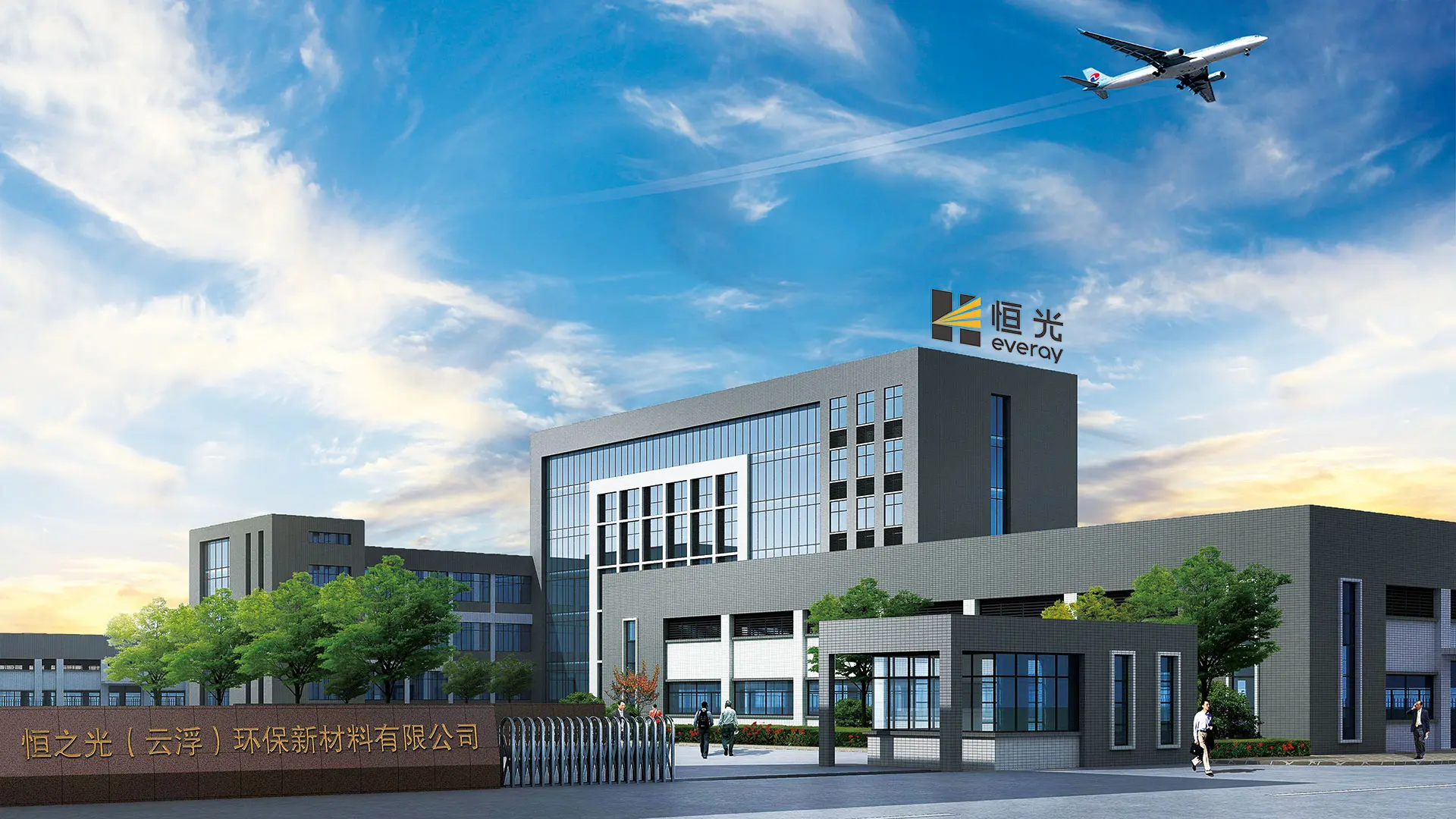
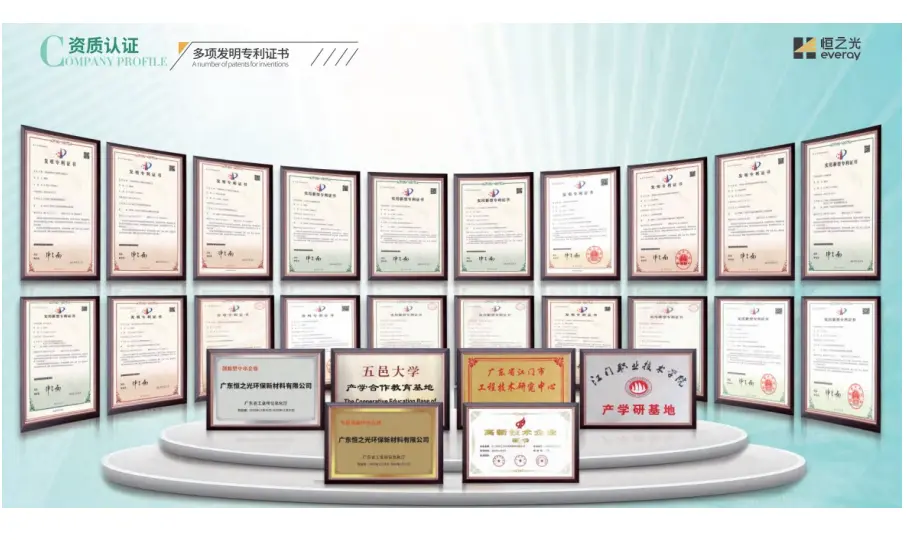
Established in 2006, Guangdong Ever Ray Environmental Material Co., Ltd. is a national high-tech enterprise dedicated to the R&D and manufacture of premium oligomers for UV curable systems. We specialize in producing epoxy acrylates, polyurethane acrylates (water-borne, aliphatic, and aromatic), polyester acrylates, and custom functional modifiers.
With two smart production bases in Jiangmen (10,000 sqm) and Yunfu (40,000 sqm), our operations are integrated with computerized DCS control systems. This automation ensures precision control over esterification, polymerization, and purification processes. This systematic control guarantees batch-to-batch consistency—a critical requirement for cosmetic brands that require consistent viscosity and color profiles across their product lines.
Our factories operate under the ISO9001 Quality Management System and ISO14001 Environmental Management System. This structure ensures that environmental protection, safe handling of chemicals, and technological innovation coexist sustainably.
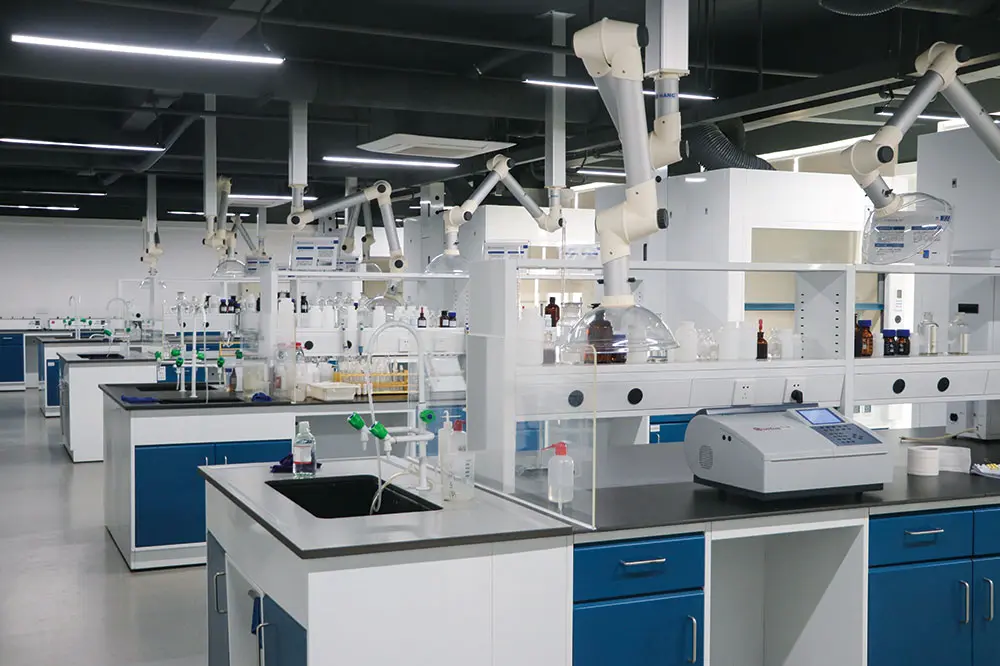
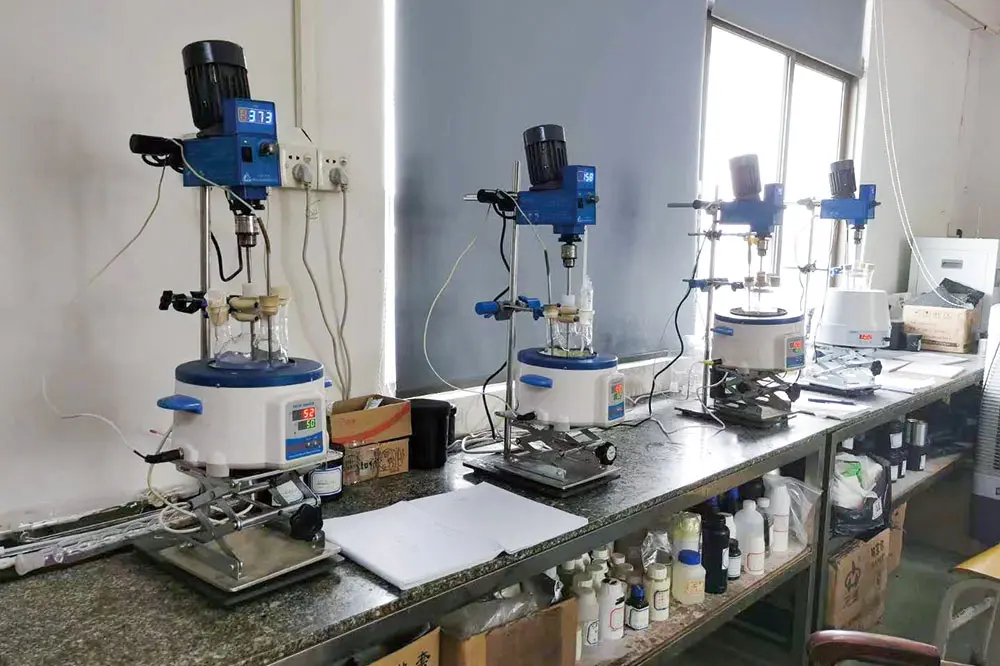
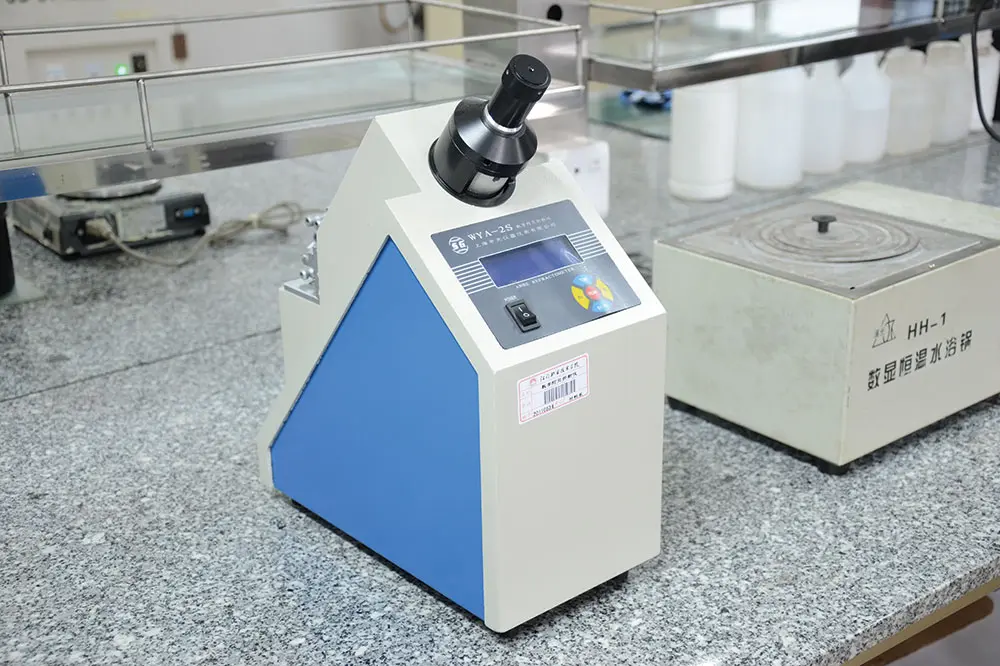
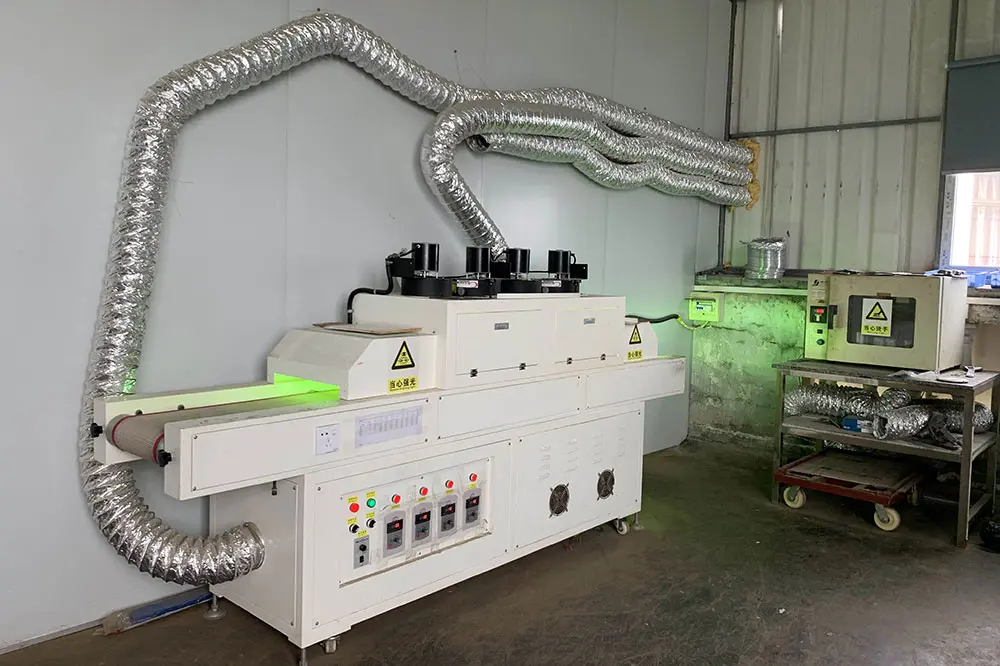
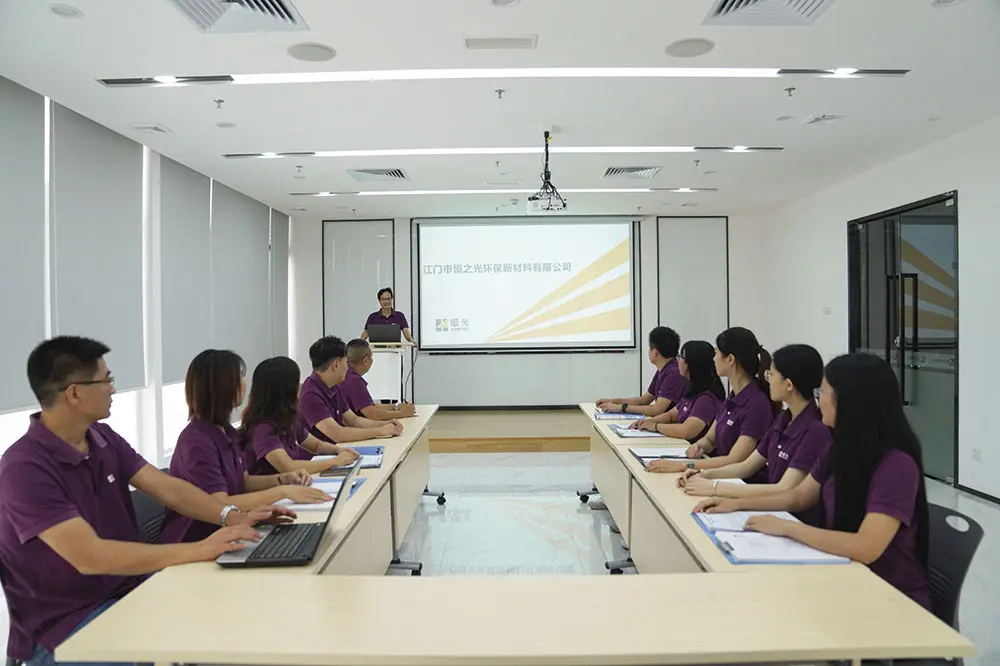
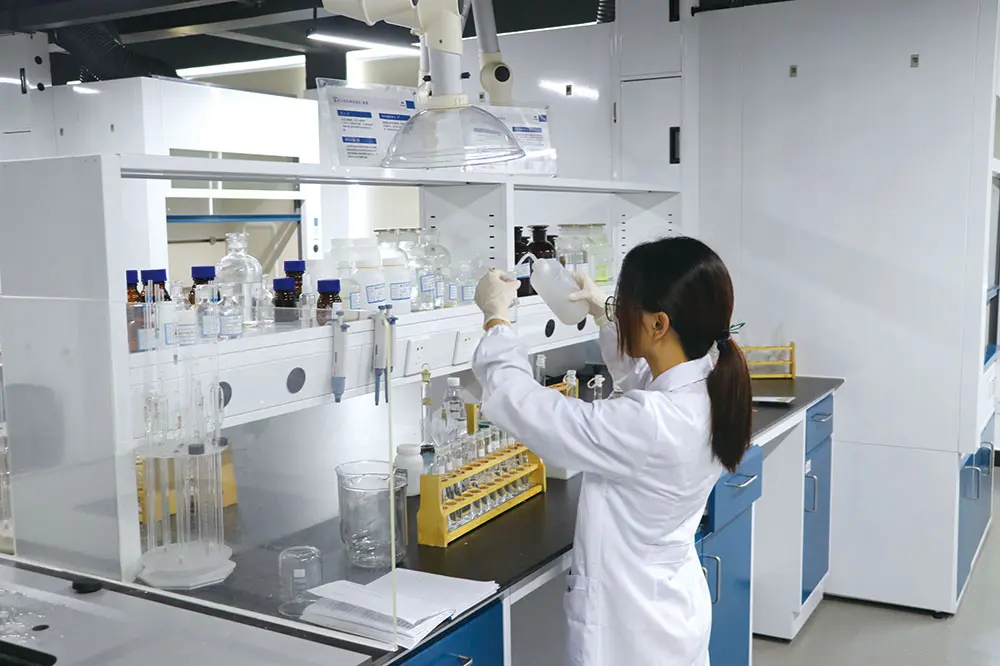
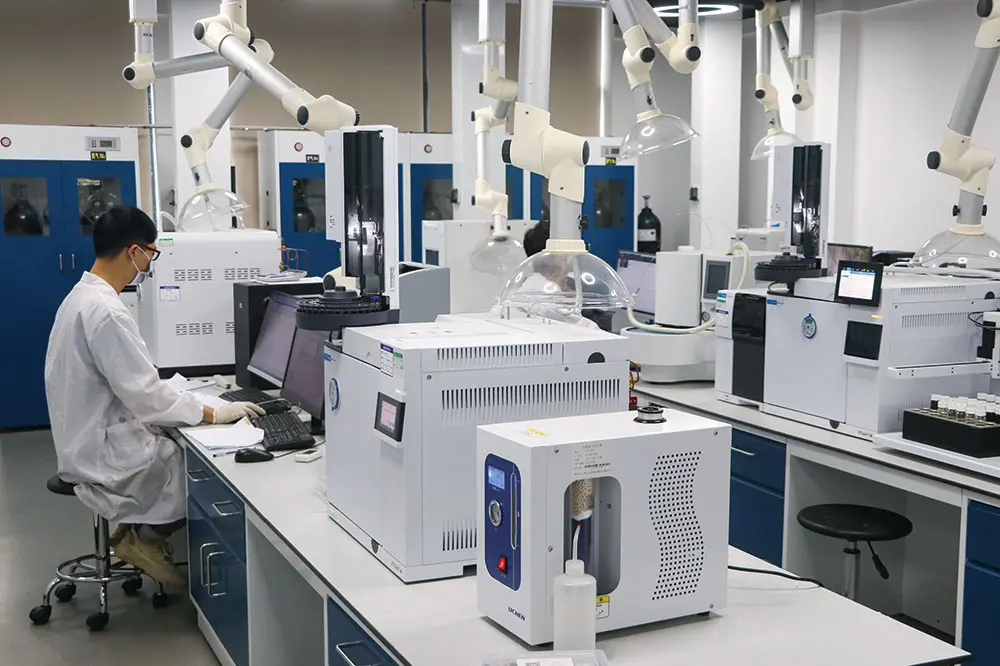
Operating as a tier-one supplier to global industrial paint and cosmetic formulation houses, we resolve common manufacturing challenges through optimized chemical design.
Traditional aromatic epoxy resins suffer from discoloration when exposed to atmospheric UV rays. We mitigate this through aliphatic backbones and radical scavenger additives, ensuring that light pastel shades and clear topcoats remain crystal clear throughout their lifetime.
High crosslinking density often leads to high volumetric shrinkage, causing the coating to lift or curl at the edges. By utilizing flexible polyurethane segments (such as PUA 7911), we reduce internal cure stress, maintaining strong adhesion to the substrate.
A major bottleneck for formulators is managing viscosity without relying on hazardous thinners. Our high-solids, low-viscosity resins (like 7411B) allow for sprayable, brushable, or roll-coated application profiles while maintaining 100% reactive solids.
Exporting chemical materials worldwide requires strict compliance with international safety standards. Our products undergo third-party certification to ensure seamless integration into European, North American, and Asian production chains.
Direct answers from our senior lab chemists on optimization, application, and polymer selection.
Our specialized portfolio includes photo-thermal resins, high-toughness oligomers, and low-viscosity monomers designed to optimize performance, chemical resistance, and ease of application.
 Ever Ray