Premium UV-curable resins engineered for vacuum plating, high-flexibility nail gel, and chemical-resistant industrial coatings.
In-depth structural breakdown of radical-polymerized polyurethane acrylates (PUA) and their high-performance applications.
Polyurethane acrylates (PUA), widely recognized as crucial elements in the UV-curing field, integrate the high-toughness, chemical resistance, and superb adhesion of polyurethane chemistry with the rapid curing rates of acrylates. By synthesizing diisocyanates, polyols, and hydroxyl-functionalized acrylates, polymer chemists tailor the chemical architecture to achieve exact mechanical profiles. The resulting prepolymers possess a urethane backbone (providing flexible hydrogen bonding domains) capped with photo-reactive acrylate groups. Under ultraviolet irradiation, these photo-reactive sites undergo rapid free-radical polymerization, converting liquid oligomers into tough, three-dimensional thermoset matrices in seconds.
Guangdong Ever Ray Environmental Material Co., Ltd. has developed high-performance oligomers to resolve conventional coating problems: shrinkage stress, yellowing under environmental exposure, and adhesion failure on challenging substrates like metal, glass, and low-surface-energy plastics. Understanding the molecular mechanics of these oligomers is critical to selecting the appropriate material for specific industrial systems.
Aliphatic polyurethane acrylates, synthesized from isocyanates such as IPDI or HDI, exhibit superior UV stability and weatherability, making them optimal for exterior coatings, automotive clearcoats, and high-end nail gel products. Aromatic PUAs, derived from TDI or MDI, offer higher tensile strength and cost efficiency, suited for interior applications, heavy industrial machinery, and structural adhesives where yellowing under sunlight is not a critical constraint.
Multi-functional PUAs (tri-functional to hexa-functional) yield highly crosslinked polymer networks. This structure improves surface hardness, scratch resistance, and chemical resistance against aggressive solvents. However, higher functionality increases cure shrinkage, which can cause substrate warping or adhesion failure. Modulating this balance requires combining high-functionality oligomers with flexible, low-shrinkage polyester acrylates.
High molecular weight PUAs are naturally highly viscous due to inter-chain hydrogen bonding. To achieve coatable viscosities for spray, roller, or gravure applications, formulators integrate active diluents (monomers like IBOA, TMPTA, or TPGDA). Ever Ray designs oligomers with optimized molecular weights to maximize dilution efficiency, reducing the volume of reactive diluents needed and retaining the core performance properties of the polyurethane backbone.
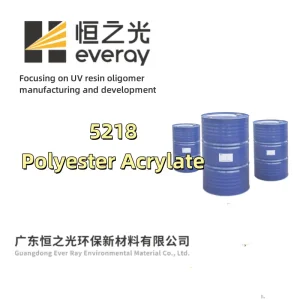
Moreover, the integration of epoxy acrylates, pure acrylates, and polyester acrylates into formulation systems enables the customization of key performance features. For instance, combining Ever Ray's 5218 Polyester Acrylate (noted for high pigment wetting and compatibility) with highly reactive polyurethane acrylates results in stable, intensely pigmented UV inks that do not suffer from cure inhibition or phase separation over time.
A leading pioneer in R&D and production of advanced UV-curable oligomers and polymer urethane systems.
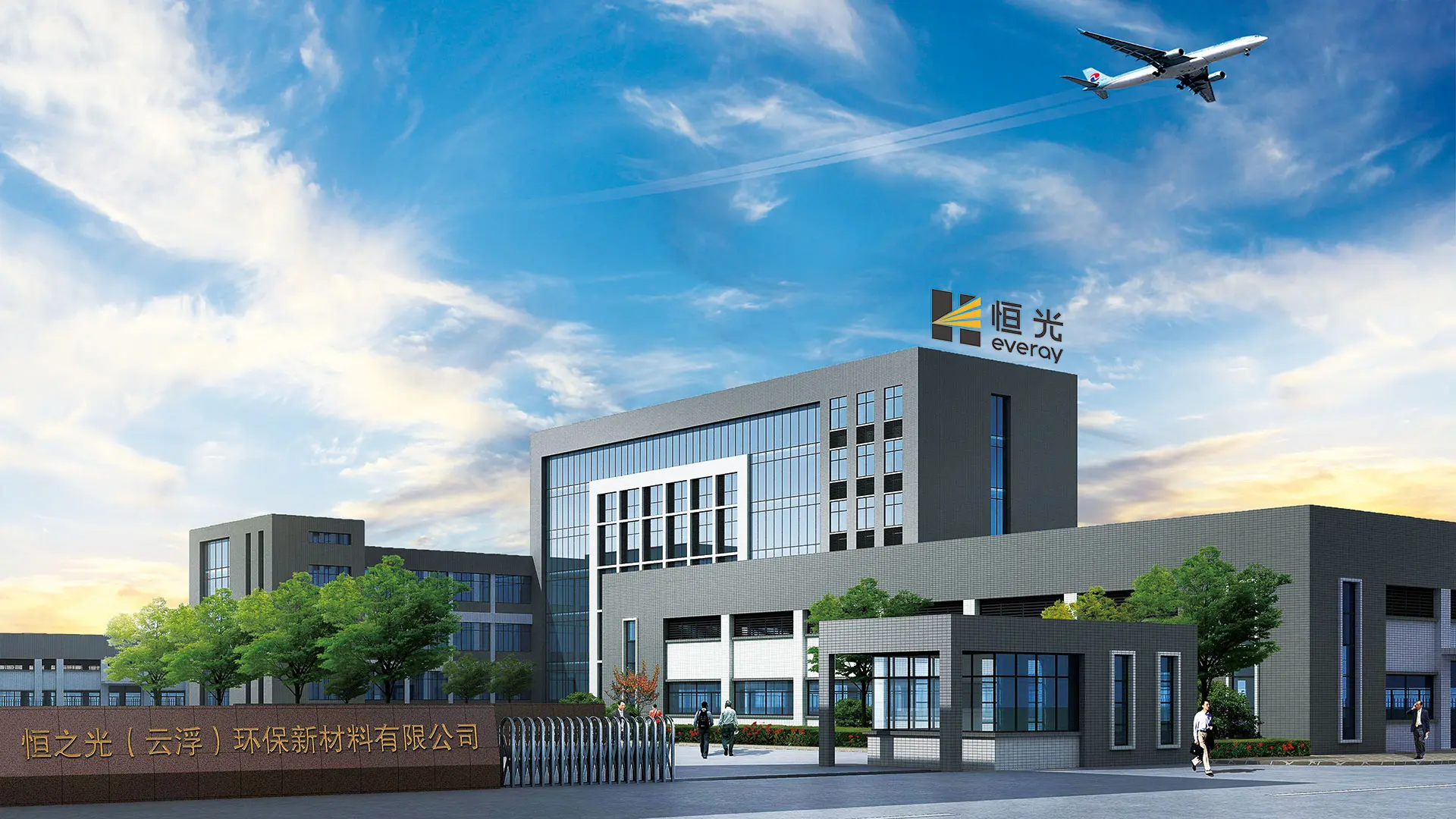
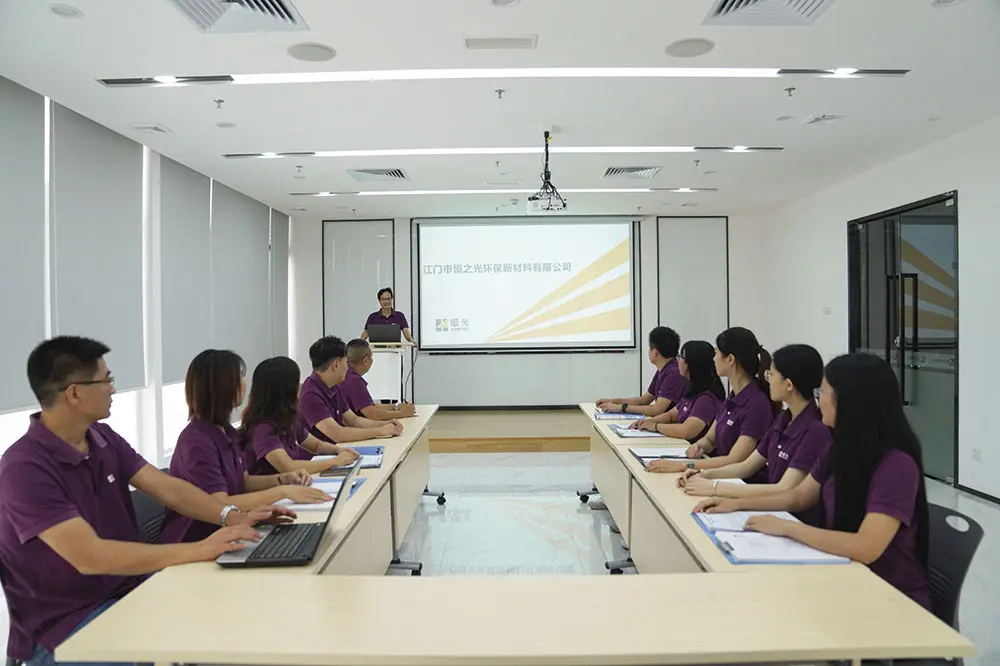
Established in 2006, Guangdong Ever Ray Environmental Material Co., Ltd. is a high-tech enterprise focusing on the R&D and manufacturing of oligomers for UV curable resin. Our extensive product portfolio includes epoxy acrylate, polyurethane acrylate (waterborne, aliphatic urethane, aromatic urethane), polyester acrylate, pure acrylate, and other specialty functional modified acrylate oligomers.
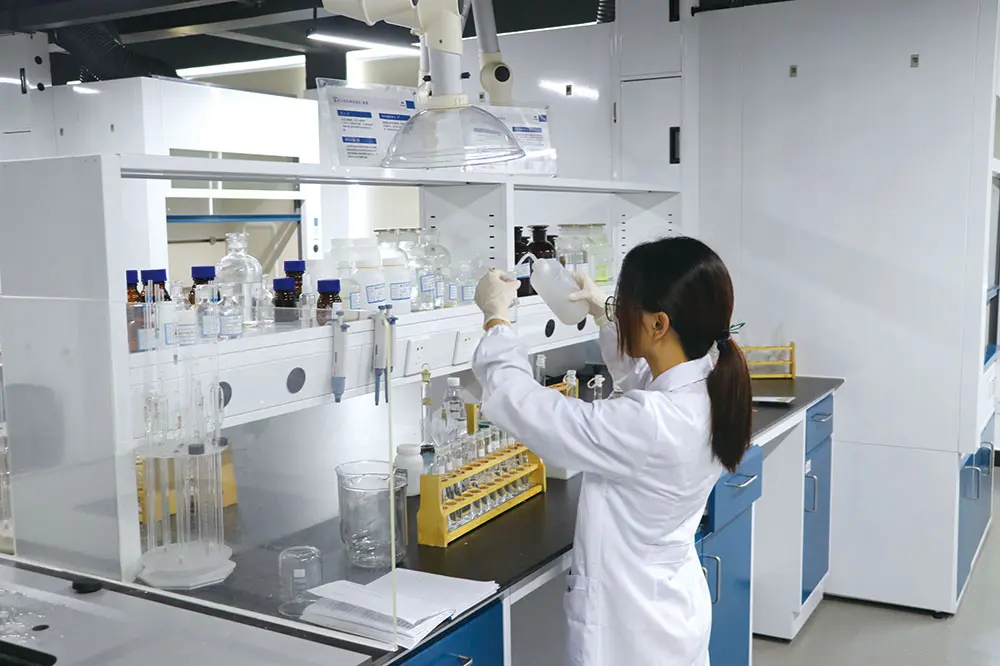
We operate two modern production bases: one located in Jiangmen, Guangdong, with a production area of approximately 10,000 square meters; and another in Yunfu, Guangdong, covering an area of around 40,000 square meters. Complete with quality control, storage, and logistics supporting facilities, our annual production capacity exceeds 20,000 tons across more than 10 advanced production lines.
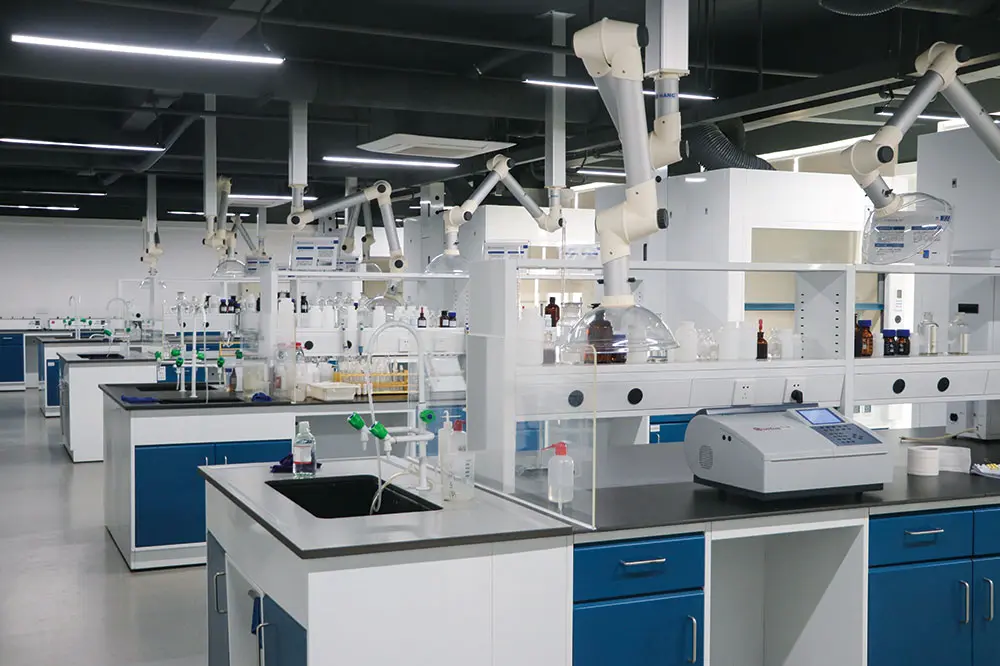
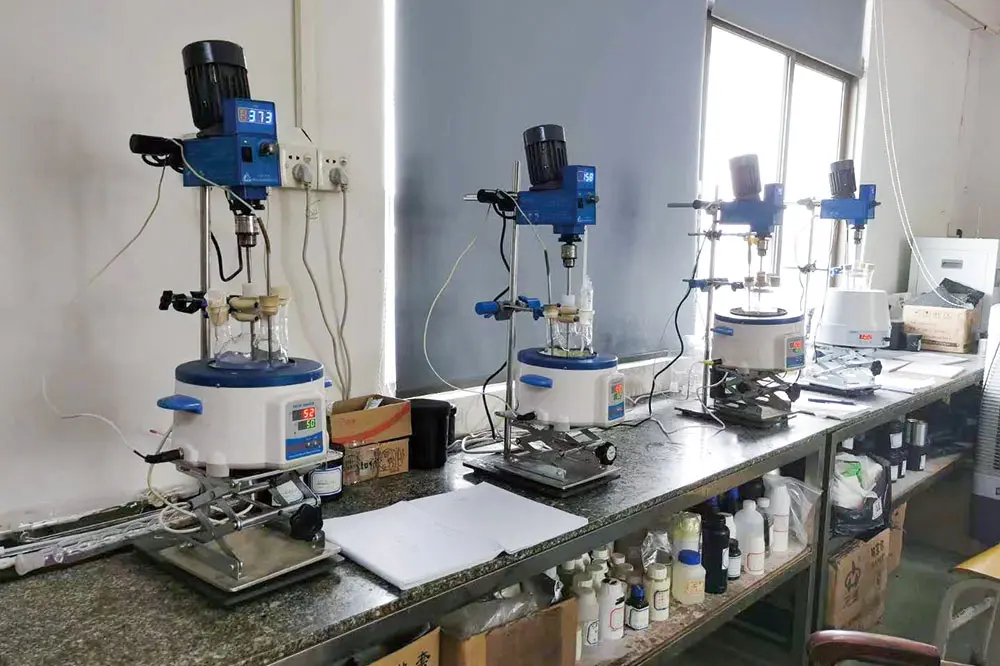
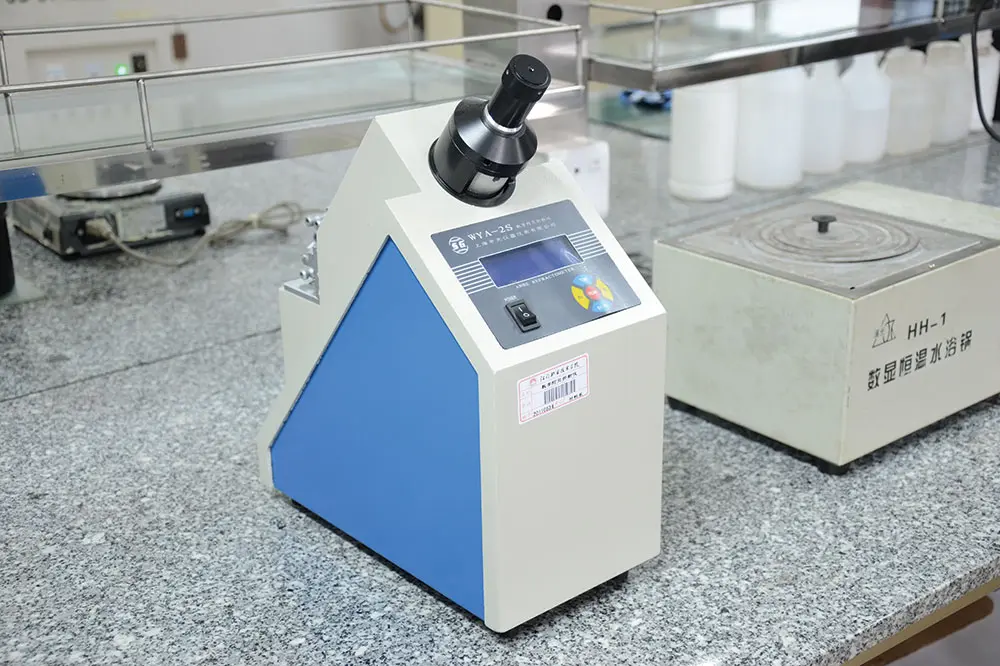
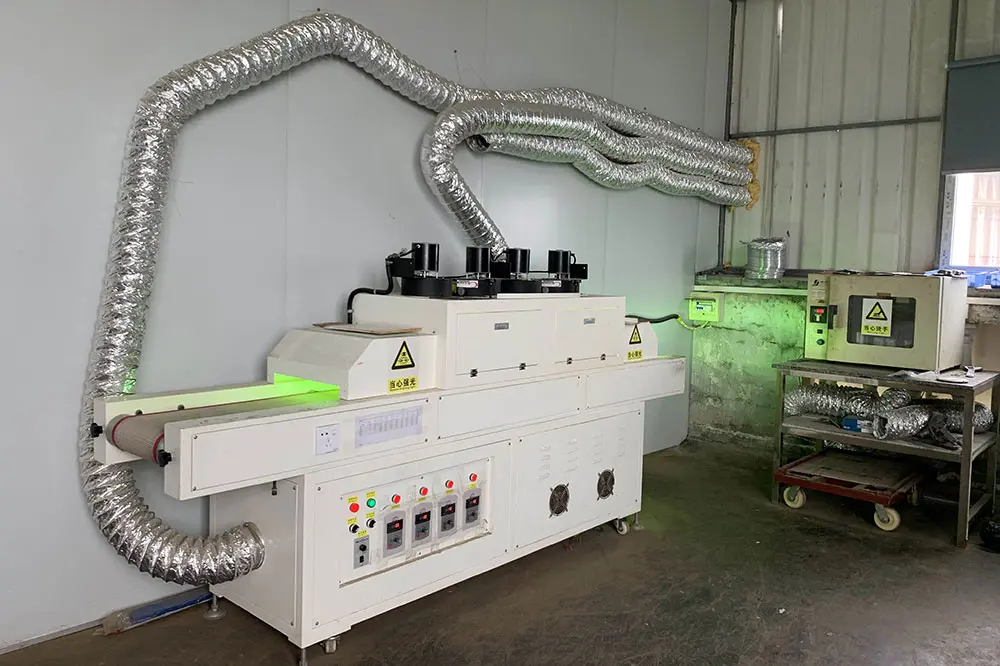
Pioneering the next generation of eco-friendly, ultra-reactive, and sustainable oligomer chemistries.
The industrial landscape for UV-curable polymer urethanes is undergoing rapid transformation, driven by environmental legislation, energy cost pressures, and the demand for higher performance on diverse substrates. Ever Ray's technical development roadmap is built around three pillars: transitioning to bio-based raw materials, optimizing waterborne UV systems, and refining dual-cure mechanisms.
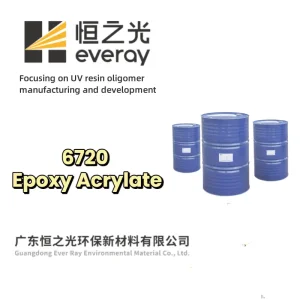
Historically, polyurethane resins relied on petrochemical-derived polyols and isocyanates. In response to carbon neutrality goals, Ever Ray is developing bio-sourced polyols derived from vegetable oils and agricultural waste, such as our Epoxidized Soybean Oil Acrylate 6720. By utilizing renewable carbon inputs, we help clients reduce their environmental footprint without sacrificing mechanical performance or curing efficiency. The target is to increase bio-renewable content in our standard PUA range by 25% by 2028.
Another major trend is the reduction of skin irritation and odor linked to traditional low-molecular-weight monomer diluents. Modern formulation demands waterborne UV polyurethane dispersions (UV-PUDs) that use water as a viscosity modifier rather than volatile monomer diluents. Waterborne systems are ideal for spray coating wood and complex plastic parts, providing low viscosity, thin-film applications, and zero VOC emissions. Ever Ray's R&D team is focused on improving the early water resistance and drying efficiency of these dispersions, reducing physical energy demands during industrial processing.
Lastly, dual-cure systems—which combine UV photo-curing with moisture-curing or thermal-curing mechanisms—are expanding PUA applications into new markets. In electronics assembly or automotive coatings where parts have complex, three-dimensional shapes, shadowed areas do not receive direct UV light. Dual-cure polyurethane acrylates ensure that shadowed regions undergo a slower secondary thermal or moisture cure, ensuring complete polymerization and preventing uncured liquid resin from compromising the component's integrity.
Engineered formulations designed to solve performance challenges across diverse global sectors.
Modern automotive components require high-performance finishes with strong adhesion, scratch resistance, and weatherability. Vacuum plating processes demand primer coatings that level out substrate imperfections and provide a highly reactive, smooth surface for metal deposition. Ever Ray’s 7230E polyurethane acrylate is engineered for vacuum plating, providing high adhesion to both the plastic substrate and the deposited metal layer, preventing delamination under thermal stress.
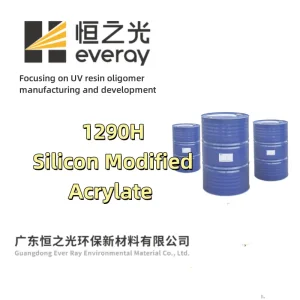
Commercial wood and PVC flooring endure constant wear, high foot traffic, and exposure to cleaning chemicals. Traditional coatings often crack or peel due to high shrinkage during curing. By combining low-shrinkage oligomers like 1290H PVC floor coating resin with high-hardness polyester acrylates, manufacturers produce coatings with high scratch resistance, low shrinkage, and excellent flexibility to withstand wood expansion and contraction.
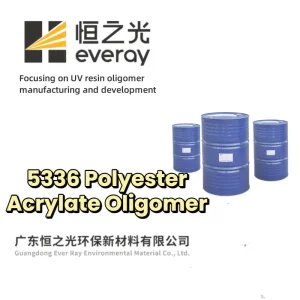
High-speed printing lines require UV inks that dry instantly, wet pigments effectively, and maintain stability on high-speed presses. Ever Ray's range of polyester and pure acrylates, such as 5336 Polyester Acrylate, is designed for high-performance offset, flexographic, and gravure inks. These products provide excellent ink-water balance, pigment compatibility, and low odor, satisfying the rigorous demands of consumer packaging.
Leveraging state-of-the-art DCS automation and vertical raw material integration to ensure uninterrupted global supply.
Global manufacturers require supply chain predictability, consistent batch quality, and price stability. Operating from our production hubs in Jiangmen and Yunfu, Guangdong Ever Ray utilizes advanced digital automation to address these needs, setting a high standard in chemical manufacturing.
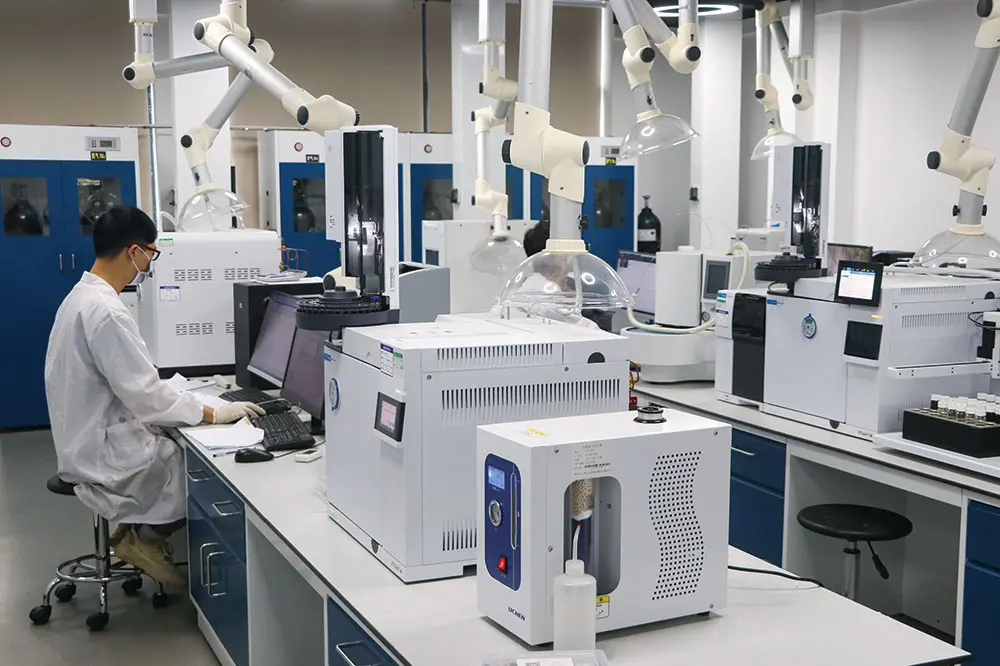
Our plants employ a DCS (Distributed Control System) fully computerized process control network. The DCS monitors and regulates chemical feed rates, reactor temperatures, pressure dynamics, and reaction runtimes in real time. By automating chemical synthesis, we minimize human error and achieve batch-to-batch consistency. Each batch of polyurethane or polyester acrylate is tested against strict specifications for viscosity, color value, acid value, and double-bond density before leaving our facility.
In addition, our strategic location in Guangdong provides access to key chemical feedstocks, monomers, and intermediate inputs. This geographic advantage reduces transportation times, mitigates regional logistics risks, and buffers our operations from macro-market pricing volatility. Backed by an annual production capacity of over 20,000 tons and extensive warehouse facilities, we maintain safety stocks of high-demand resins, enabling rapid shipping to customers in North America, Europe, and the Asia-Pacific region.
Tailored oligomer synthesis engineered to meet exact physical and rheological specifications.
Standard off-the-shelf resins do not always satisfy the performance demands of specialized industrial lines. For complex projects, Ever Ray provides dedicated customization and technical support to match products with specific application requirements.
Our technical team works directly with clients' formulation laboratories to identify and modify key resin parameters:
From initial laboratory synthesis and trial batches to full industrial production, our R&D department ensures customized solutions are scaled up efficiently, safely, and with consistent quality control.
Adhering to international safety, environmental, and chemical registration protocols.
Navigating global chemical regulations is critical to international procurement. Guangdong Ever Ray ensures that its products comply with environmental regulations in all target markets.
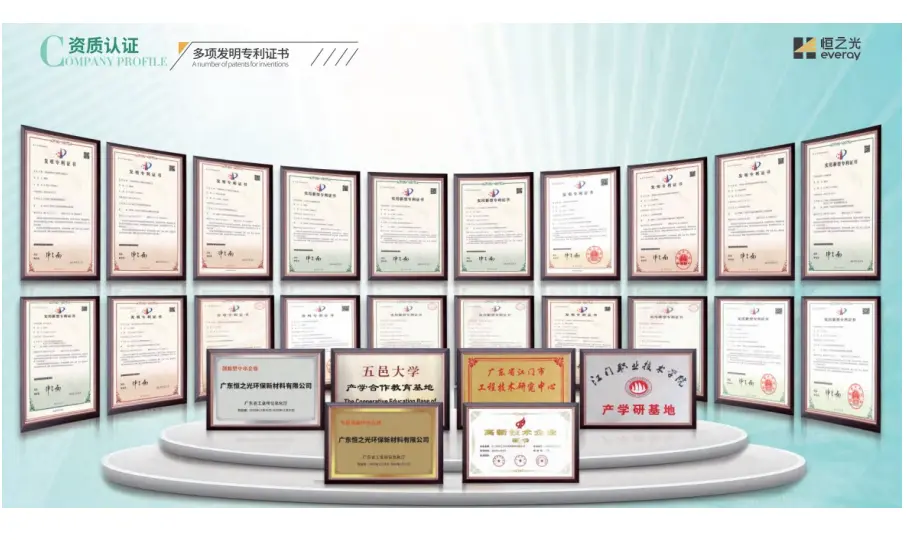
Our production facilities operate under the ISO 9001 Quality Management System and the ISO 14001 Environmental Management System. We track international chemical inventories to ensure our oligomers comply with REACH (Europe), TSCA (USA), IECSC (China), and other regional regulatory standards. Every shipment is accompanied by detailed Safety Data Sheets (SDS) and Certificates of Analysis (COA), ensuring compliance with customs and hazard communication requirements.
To support our global customers, we partner with regional distribution networks to provide local technical assistance, stock warehousing, and logistical support, reducing import lead times and simplifying supply chain management.
Advanced polyester acrylates, UV inks, and low-shrinkage resins optimized for high-speed industrial production.
Expert insights on troubleshooting viscosity, adhesion, yellowing, and curing efficiency.
The primary difference lies in the isocyanate structure. Aliphatic PUAs (utilizing IPDI, HMDI, or HDI) contain saturated carbon rings or chains, which do not absorb ultraviolet radiation, preventing photochemical degradation and yellowing. Saturated aliphatic structures are optimal for outdoor coatings, automotive finishes, and nail gels. Aromatic PUAs (derived from TDI or MDI) contain conjugated benzene rings that absorb UV light, leading to eventual yellowing. However, aromatics offer higher tensile strength, fast cure rates, and lower raw material costs, making them suitable for wood primers, industrial adhesives, and dark-colored screen-printing inks.
This balance is managed by modulating crosslinking density and incorporating flexible structures. High-functionality oligomers (such as hexafunctional polyurethane acrylates) provide high surface hardness and scratch resistance, but can become brittle and suffer from cure shrinkage. To maintain flexibility, we modify the polymer network by blending in lower-functionality oligomers (difunctional or trifunctional PUAs) or adding polyester acrylates with flexible backbones (such as aliphatic polyester diols). This blend manages shrinkage stress while maintaining surface toughness.
Vacuum metallization requires a smooth, high-surface-energy base coat to ensure uniform metal vapor deposition. The 7230E resin is formulated to level out substrate imperfections and cure to a glass-like finish. It contains polar functional groups that improve adhesion to plastic substrates (like ABS or polycarbonate) and metal layers (like aluminum or chromium). This prevents the metallic finish from cracking, peeling, or forming bubbles during thermal cycling or moisture exposure.
Consistency is managed through DCS computerized process control across our Jiangmen and Yunfu plants. The DCS monitors key parameters (temperature, vacuum pressure, raw material feeding speed, and catalyst addition) in real time. Following synthesis, each batch undergoes strict QC testing, verifying viscosity, color index (Gardner), acid value, and double-bond density to ensure products meet historical standard curves before packaging.
Yes. Traditional UV curing relies on medium-pressure mercury lamps that emit across a wide spectrum (including short-wave UV-C). LED lamps emit at narrow wavelengths, typically 365nm, 385nm, or 395nm. To adapt our resins for LED curing, we modify the oligomers to maximize reactivity and recommend matching photoinitiators (such as TPO or BAPO) that absorb in the longer UV-A range. This ensures complete surface and through-curing under LED setups.
Under recommended storage conditions (cool, dry, dark environment, temperature below 30°C, and in original sealed containers), our PUA oligomers have a shelf life of 6 to 12 months. Because these resins contain highly reactive acrylate groups, exposure to direct sunlight, UV sources, or high temperatures can trigger premature polymerization. We add trace amounts of inhibitors, such as hydroquinone monomethyl ether (MEHQ), to prevent thermal polymerization during transport and storage while maintaining the resin's reactivity under UV curing lamps.
 Ever Ray