UV-curable resins represent the vanguard of green industrial chemistry. Unlike traditional solvent-borne systems that dry through the evaporation of Volatile Organic Compounds (VOCs), ultraviolet curing leverages photopolymerization. At the center of this rapid chemical reaction are oligomers—pre-polymers that establish the primary physical properties of the cured film, such as hardness, chemical resistance, flexibility, and adhesion.
Oligomers are generally classified into distinct chemical classes, each offering unique functional advantages:
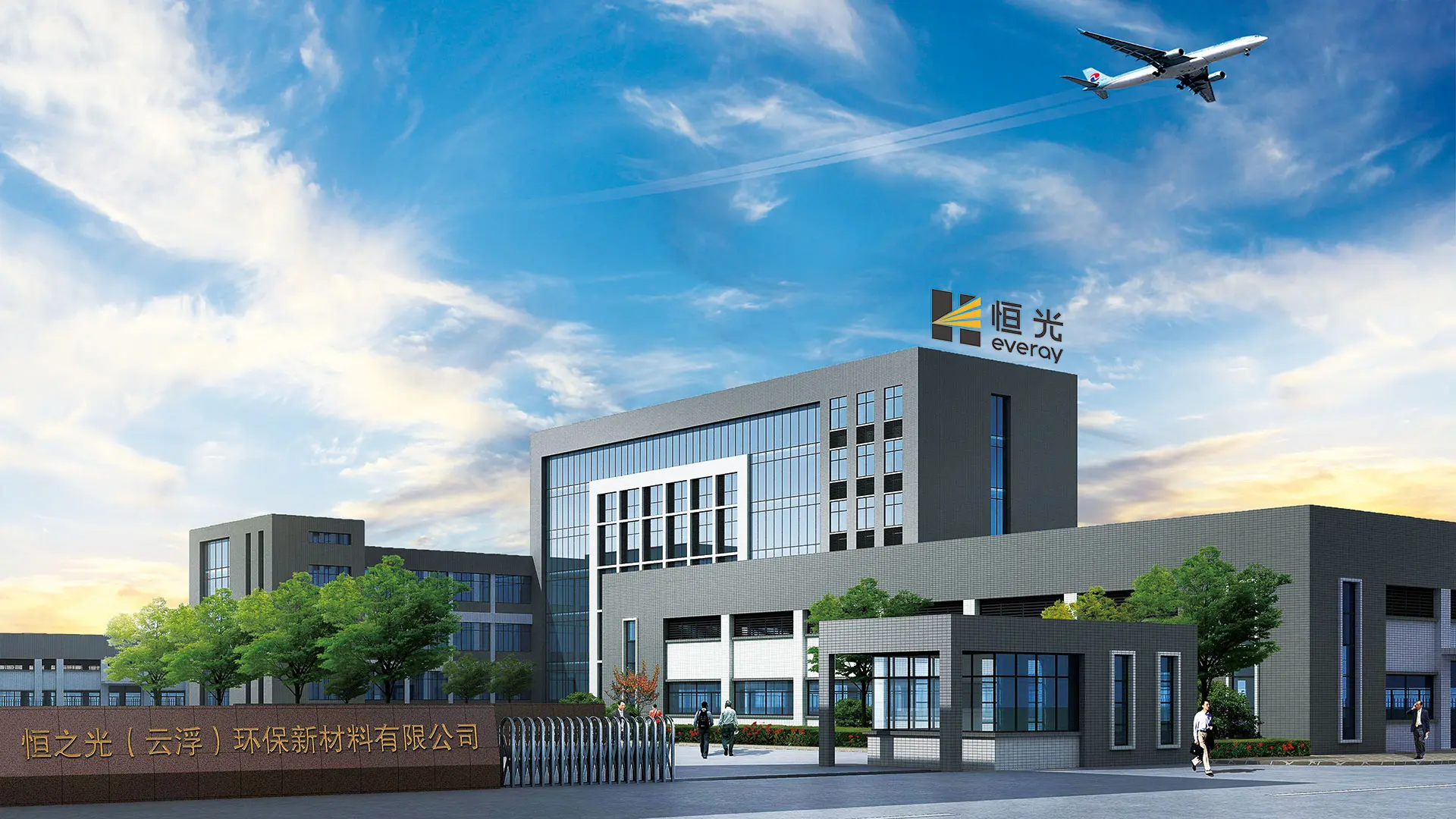
Established in 2006, Guangdong Ever Ray Environmental Material Co., Ltd. is a high-tech enterprise dedicated to the research, development, and mass manufacturing of premium oligomers for UV curable resin. Over nearly two decades, we have established ourselves as an industry leader, offering high-performance epoxy acrylates, aliphatic/aromatic polyurethane acrylates (including waterborne systems), polyester acrylates, pure acrylates, and special functionalized oligomers customized to meet the demands of global manufacturers.
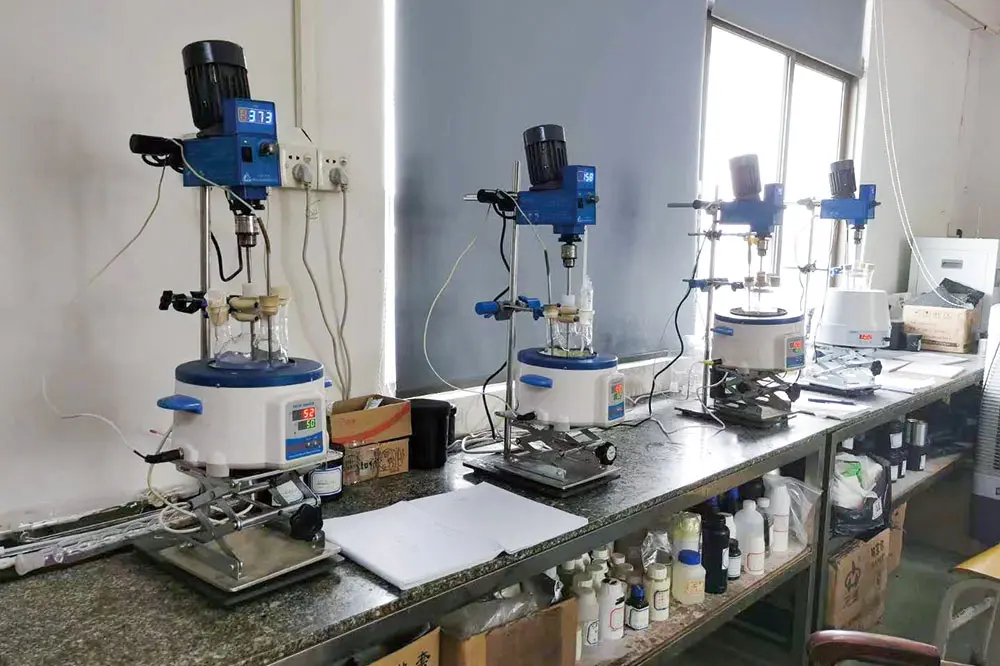
Ever Ray operates two modern manufacturing hubs in Southern China, integrating advanced automation and computerized Distributed Control Systems (DCS):
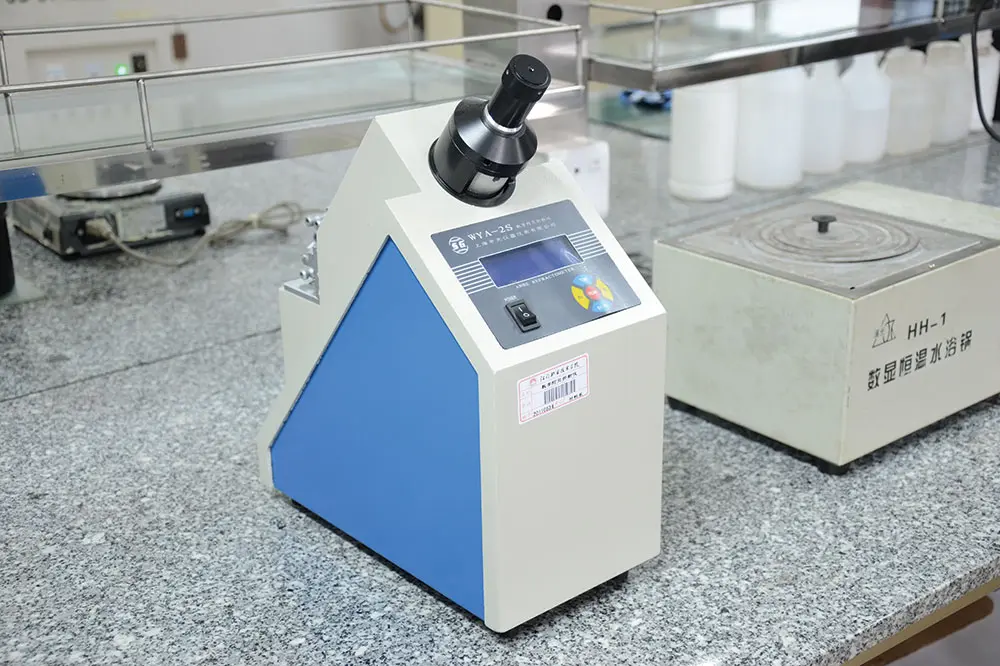
Both sites are operated in strict accordance with the ISO9001 Quality Management System and ISO14001 Environmental Management System. Through meticulous raw material sourcing, automated batch dosing, and guidance from leading domestic chemical materials specialists, we ensure that every drum of UV resin delivered meets the most stringent purity, viscosity, color value, and reactivity tolerances.
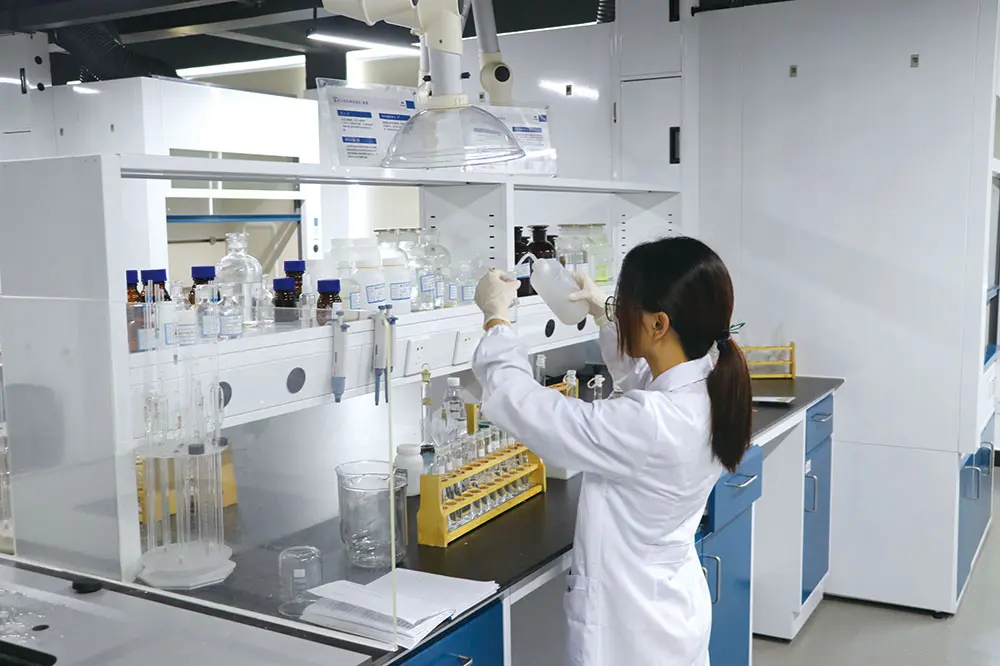
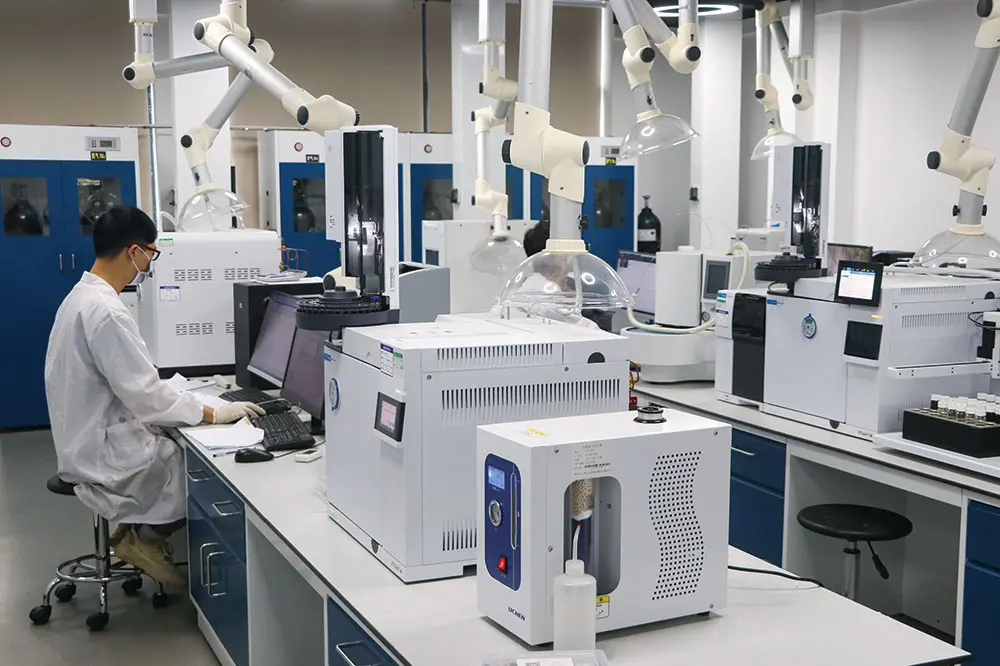
UV-curable chemistries cannot be implemented as one-size-fits-all solutions. Local production lines, regional substrates, application environments, and curing machinery determine the optimal oligomer blend. Below is a detailed breakdown of how Ever Ray products are utilized in localized manufacturing settings across the globe:
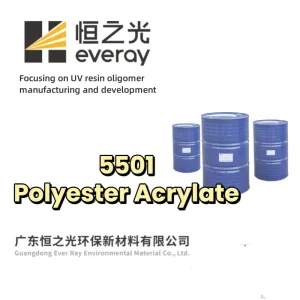
Used widely in European and Southeast Asian furniture hubs. Formulations utilizing polyester acrylates like Polyester Acrylate 5501 offer low viscosity, enabling smooth application on high-speed roller coaters, followed by instantaneous LED-UV cure. This allows manufacturers to stack and pack wooden components immediately, eliminating drying bottlenecks and reducing factory footprints.
For print houses in North America and Asia, offset packaging inks demand rapid surface cure and high gloss. Products such as 6805A-1 and A150 are engineered to resist pigment inhibition, offering high reactivity under mercury and LED-UV light. This guarantees crisp, smudge-resistant printing on paperboards and synthetic packaging films at speeds up to 500 meters per minute.
Automotive trim, consumer electronics (such as laptop shells), and metal cans require durable barriers. Oligomers like 6203F and 2600UV provide high crosslink density, shielding plastic and metal substrates from abrasion, chemical spills, and cosmetic damage, while preventing delamination under thermal cycling.
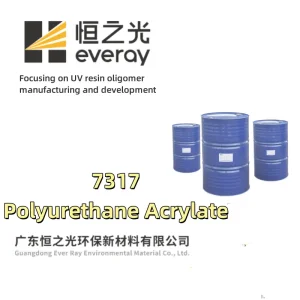
Modern laminates require adhesives that are both flexible and chemical-resistant. Ever Ray's polyurethane acrylate oligomers combine low shrinkage with high peel strength, preventing the curling of thin film substrates during the curing phase while maintaining optical clarity.
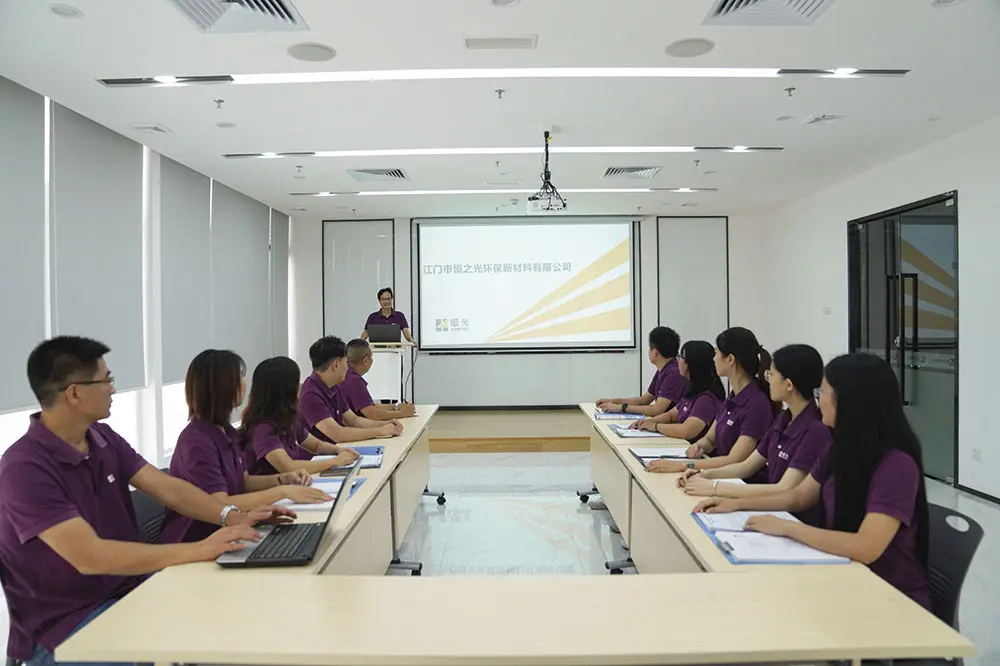
As the regulatory landscape tightens and production efficiencies must increase, the radiation curing industry is undergoing key transitions. Ever Ray’s R&D department (comprising 15+ dedicated technical experts) focuses on three technical pathways:
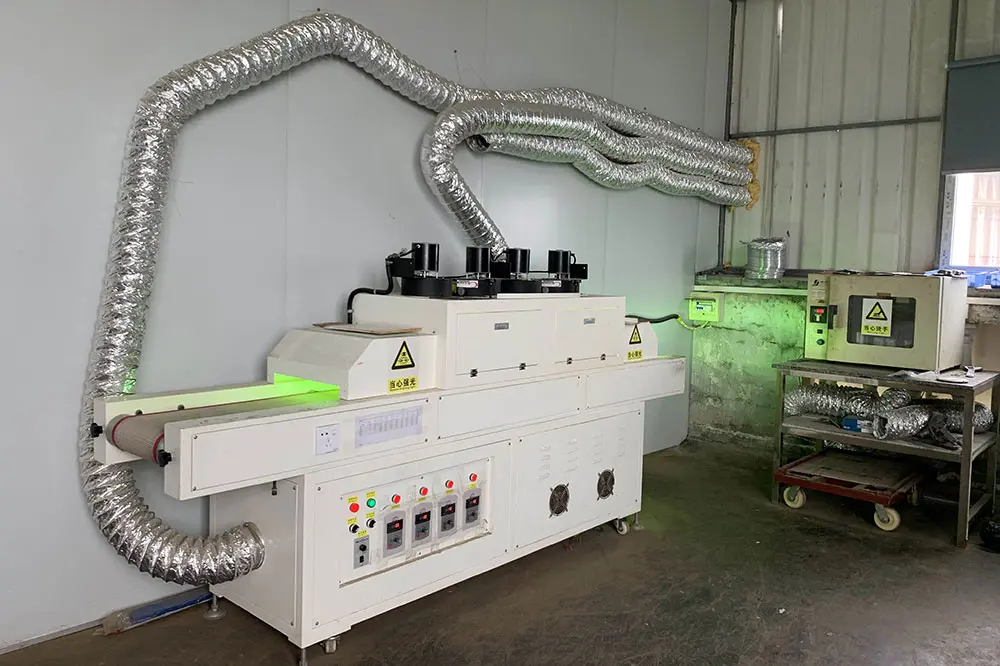
Traditional medium-pressure mercury lamps generate ozone and high heat, which limits their use on heat-sensitive thin-film plastics. LED-UV curing, operating typically at 365nm, 385nm, or 395nm wavelengths, cuts energy consumption by up to 75% and produces zero ozone. However, the lack of short-wavelength UV-C output makes surface curing difficult due to oxygen inhibition. Ever Ray is addressing this by synthesizing highly reactive, self-initiating amine-modified acrylates and tailored polyester acrylates to ensure rapid surface cures under LED lamps.
Waterborne UV systems combine the environmental advantages of waterborne formulations (ultra-low viscosity without monomer diluents) with the high-performance characteristics of radiation-curable coatings. Ever Ray’s polyurethane waterborne dispersions (UV-PUDs) allow formulators to coat complex three-dimensional components, flash off the water, and achieve instant crosslinking under UV lamps.
To reduce dependency on petrochemical feedstocks, Ever Ray is developing oligomers synthesized from bio-based raw materials, such as soybean oil, castor oil, and cardanol-based epoxies. These bio-resins match the technical performance of their petroleum-derived counterparts while lowering carbon footprints, helping global brands meet ESG goals.
Our focus is on the harmony of advanced technology and ecological balance. Ever Ray currently holds over 10 invention and utility patents. We design products that reduce energy demands during manufacturing and end-use curing, helping build a more sustainable future.
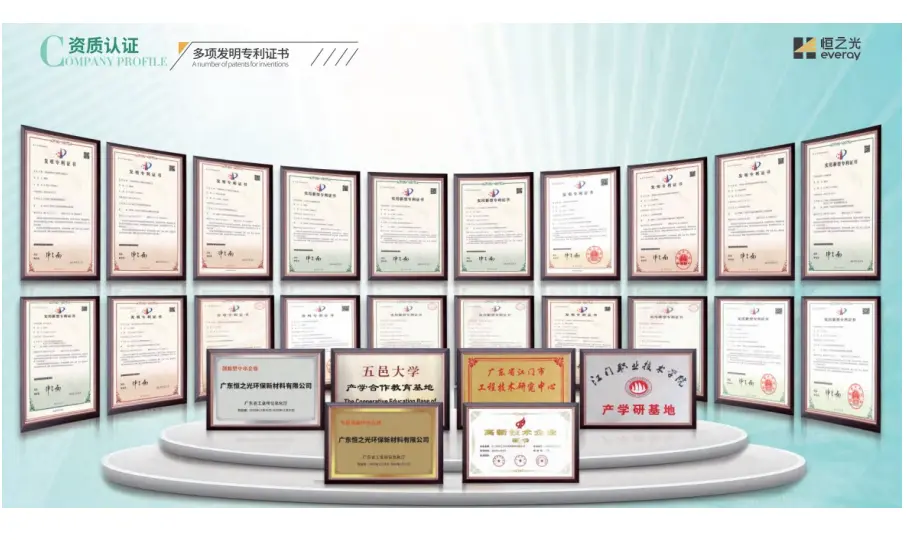
The global chemical supply chain has faced significant challenges in recent years. Ever Ray leverages Guangdong's industrial cluster advantages to ensure supply chain resilience, consistency, and cost-efficiency for our international partners:
For international buyers, navigating local chemical inventories, environmental regulations, and safety standards is critical. Ever Ray ensures your formulations remain compliant and your production lines run smoothly:
Our oligomers and monomers are systematically registered and cleared on key chemical inventories, including EU REACH, US TSCA, Chinese IECSC, and other regional equivalents, facilitating cross-border shipping.
Formulations intended for consumer electronics or food packaging comply with European RoHS directives, SVHC (Substances of Very High Concern) lists, and halogen-free directives, ensuring safety in sensitive applications.
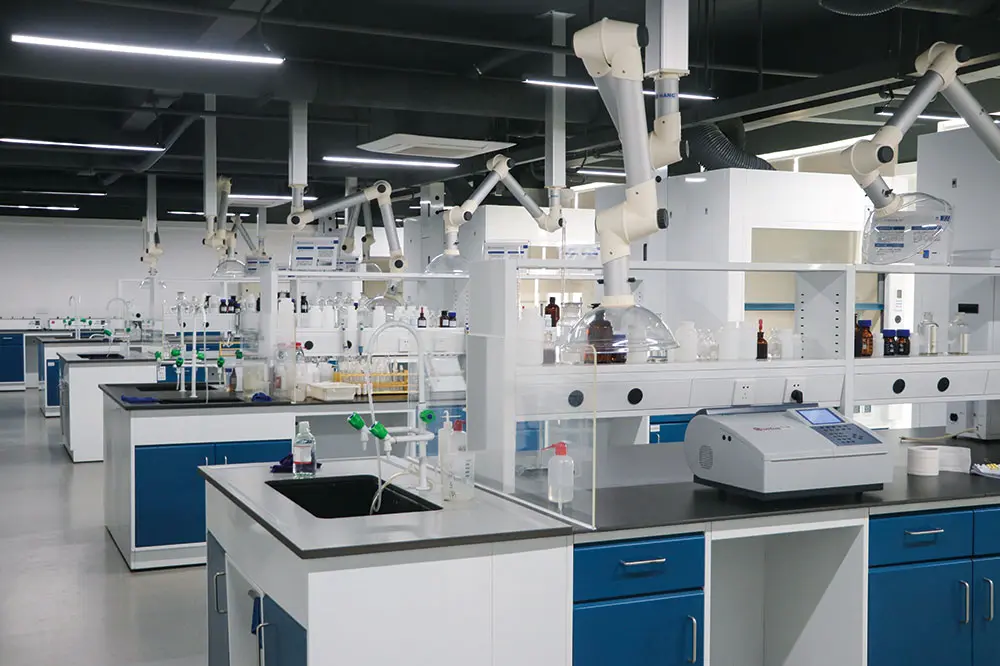
Our technical team provides localized assistance, adjusting oligomer functionality, photoinitiator suggestions, and monomer ratios to match your local curing equipment, substrate characteristics, and climate conditions.
 Ever Ray