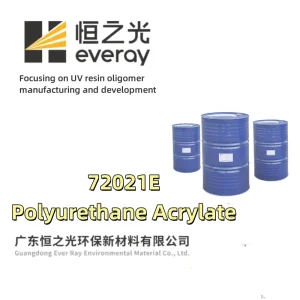
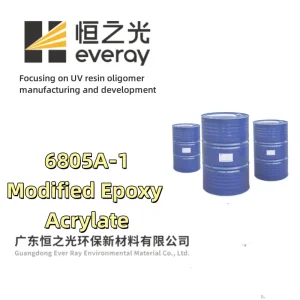
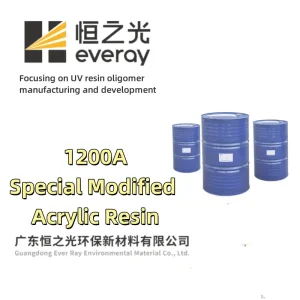
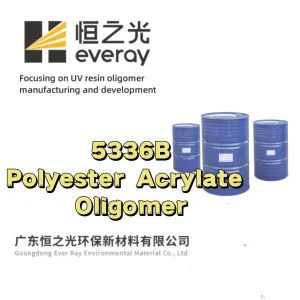
Wholesale UV Resin for Glass Primer & Modified Acrylate for Glass Coating

High Adhesion Oligomers • Boil Water Resistance • Industrial Manufacturing Excellence

EXECUTIVE SUMMARY: THE EVOLUTION OF UV-CURED GLASS COATINGS

In modern industrial manufacturing, glass remains one of the most challenging substrates for chemical adhesion. Glass surfaces are inherently hydrophilic, prone to micro-moisture absorption, and possess high surface energy combined with lack of porous anchoring structures. To bridge the interface between organic UV-cured polymers and inorganic silicate networks, advanced UV glass primer coatings and glass adhesion UV oligomers are required. This whitepaper analyzes the mechanical, physical, and chemical interactions required to achieve dynamic, boil water resistant UV coatings utilizing specialized modified acrylates for glass coating.

1. The Interfacial Chemistry of Glass Substrates

Glass is comprised of a continuous network of silicon-oxygen covalent bonds with silanol (Si-OH) groups populating the surface. Under atmospheric conditions, these silanol groups rapidly hydrogen-bond with water vapor, generating a permanent microscopic moisture layer. When traditional UV resin is applied, this water barrier prevents direct molecular contact, causing catastrophic delamination upon exposure to mechanical stress or humidity.

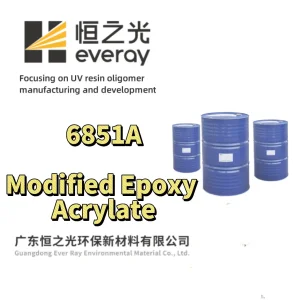
Our research and development program at Guangdong Ever Ray Environmental Material Co., Ltd. has focused on addressing this core chemical issue through the synthesis of modified acrylates for glass coating. By introducing highly reactive organofunctional groups (such as phosphate esters and alkoxysilane functionalities) directly into the oligomer backbone, we achieve displacement of the adsorbed moisture. This facilitates chemical covalent linkages directly to the silicon oxide glass matrix (Si-O-Si bonds), ensuring robust adhesion that does not decay over time.

2. Technical Roadmaps to Boil Water Resistant UV Coatings

Achieving boil water resistance is the ultimate industry benchmark for high-performance glass decoration, particularly for cosmetic glass bottles, high-end spirit packaging, and automotive glass trims. Standard UV coatings suffer from hydrolytic degradation when exposed to boiling water, as moisture diffuses through the polymer matrix and disrupts the physical bonding at the interface.

To construct a truly boil water resistant UV coating, we employ a three-tier molecular strategy:

  • Hydrophobic Shielding: Integrating alicyclic structures and long-chain hydrocarbon segments within the modified urethane acrylate oligomer to reduce water vapor transmission rates (WVTR).
  • Dynamic Cross-linking Density: Balancing multi-functional acrylates with flexible, low-shrinkage monomers. Overly dense networks crack under rapid thermal expansion, whereas under-cured matrices permit rapid water penetration.
  • Active Silane Functionalization: Designing oligomers with built-in moisture-curable groups that continue to form additional cross-links when exposed to boiling water or heat, effectively curing further under stress.

3. Macro Industry Applications & Solutions

Our specialized range of UV resins caters to three distinct macro-industry verticals:

I. Decorative and Cosmetic Glass: High-speed screen printing inks demand fast cure rates and instant scratch resistance. Our UV resin with excellent glass adhesion ensures that inks pass the demanding cross-hatch tape test immediately after curing, with no post-heating required.

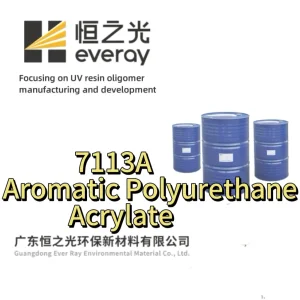
II. Industrial and Electronics Glass: Smart screen displays and touch glass demand optically clear bonding. We offer highly transparent, non-yellowing epoxy and urethane modified acrylates that exhibit low shrinkage to prevent screen distortion or warpage.

III. Architectural & Automotive Coatings: For exterior-facing glass elements, UV stability and weatherability are critical. Our aliphatic polyurethane acrylates withstand rigorous QUV accelerated weathering tests while maintaining robust adhesion properties.
Key Performance Metrics

ADHESION (Cross-Hatch)
5B Grade (100% Retained)
BOILING WATER TEST (100°C)
>4 Hours (Zero Delamination)
CURE SPEED (UV LED/Mercury)
>25 m/min line speed
SHRINKAGE RATE
<1.8% Low Stress Range

Formulation Recommendations

For optimized glass primer inks, combine:

  • Modified Acrylate Oligomer: 40-50%
  • Monofunctional Adhesion Promoter: 15-20%
  • Diluting Monomers (IBOA/TPGDA): 25-30%
  • Photoinitiators (TPO/184): 4-8%
  • Silane Coupling Additive: 1-3%
50,000 m²
Total Production Footprint
20,000+ T
Annual Output Capacity
10+
Registered Invention Patents
15+
Senior R&D Scientists

About Our Company

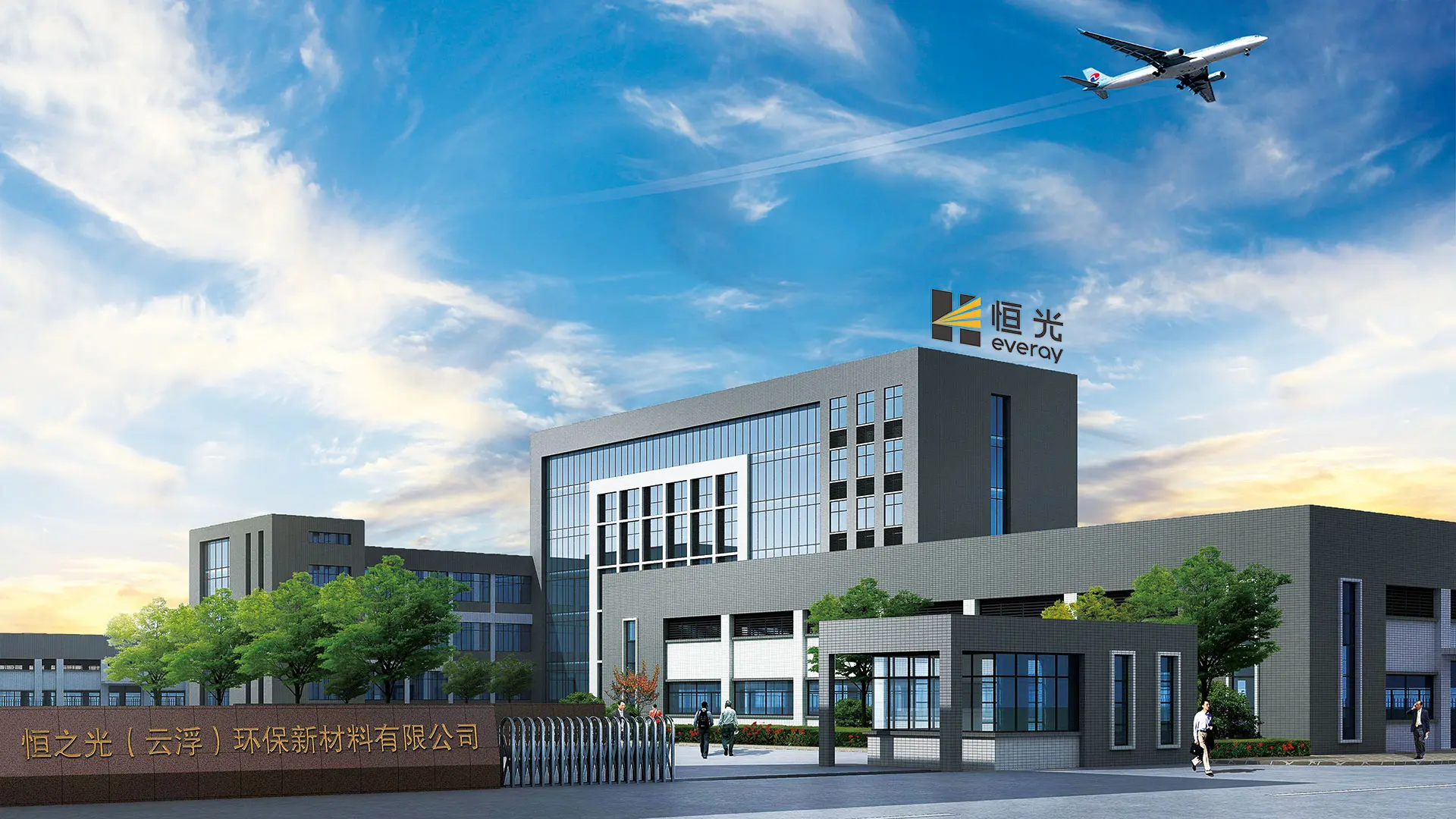
Guangdong Ever Ray Environmental Material Co., Ltd. - Established 2006

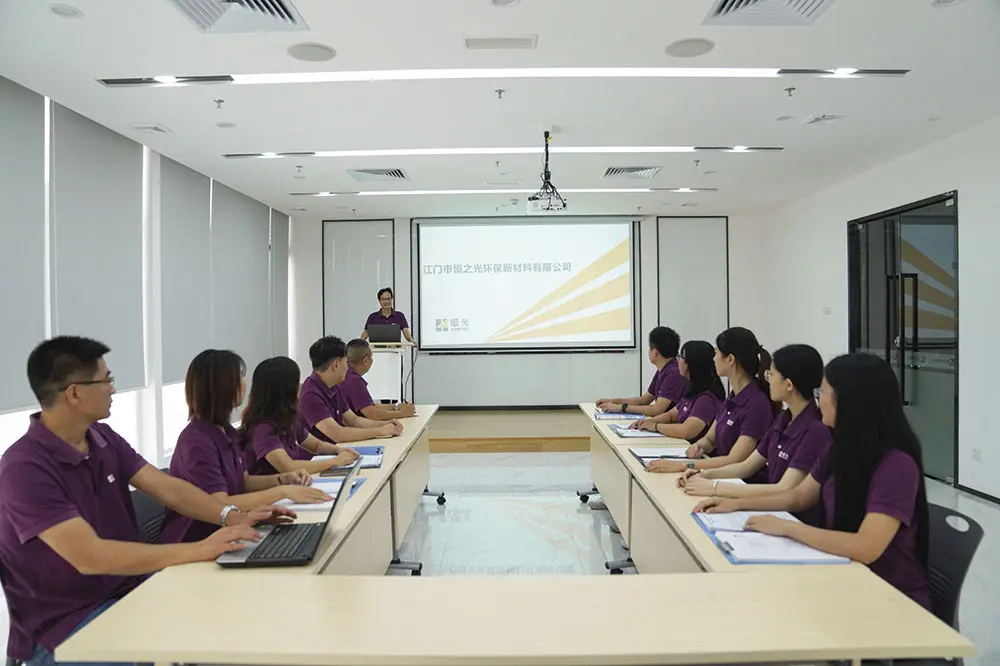
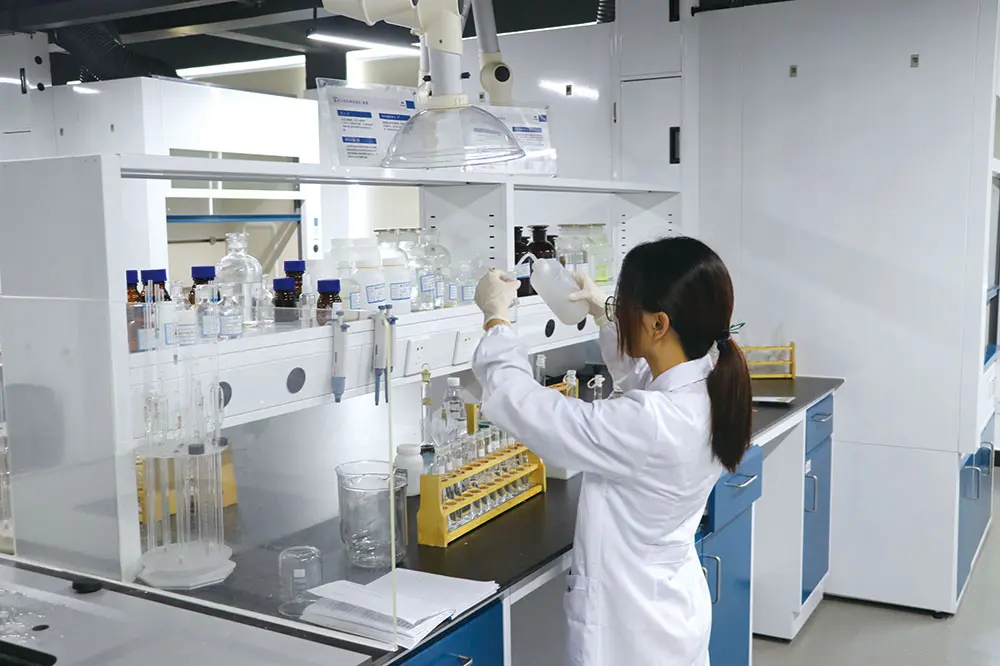
Ever Ray Environmental Material Office

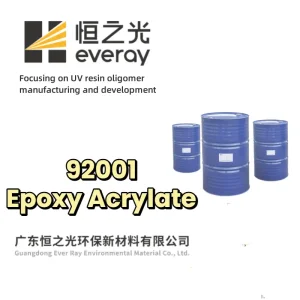
Guangdong Ever Ray Environmental Material Co., Ltd. established in 2006, is a high-tech enterprise focusing on the R&D and manufacturing of oligomers for UV curable resin such as epoxy acrylate, polyurethane acrylate (water borne, aliphatic urethane, aromatic urethane), polyester acrylate, pure acrylate and other special functional modify acrylate oligomers.

Productive Capacity & Technology

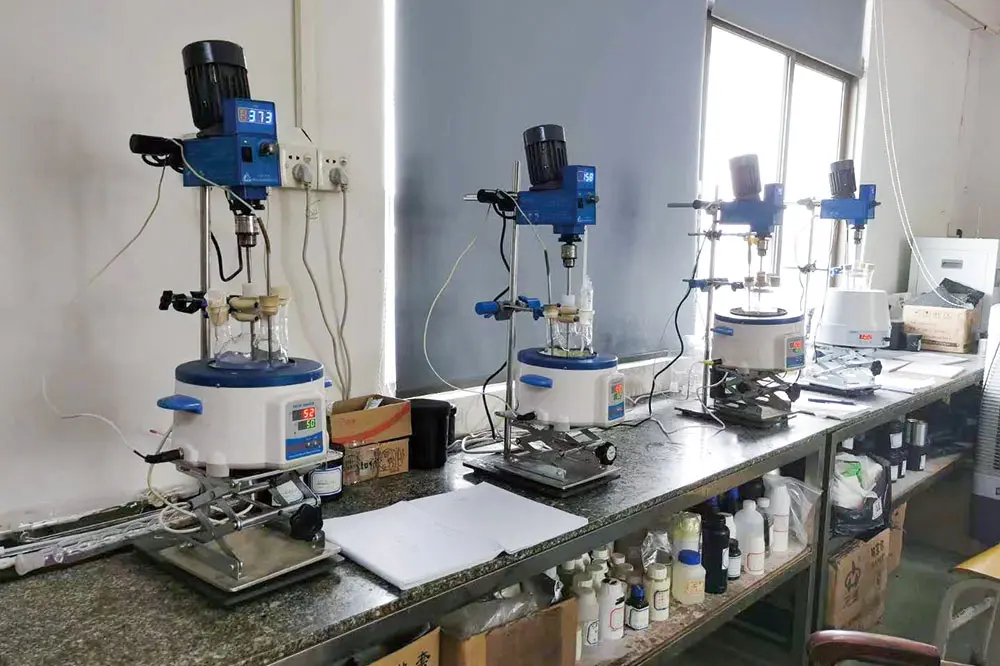
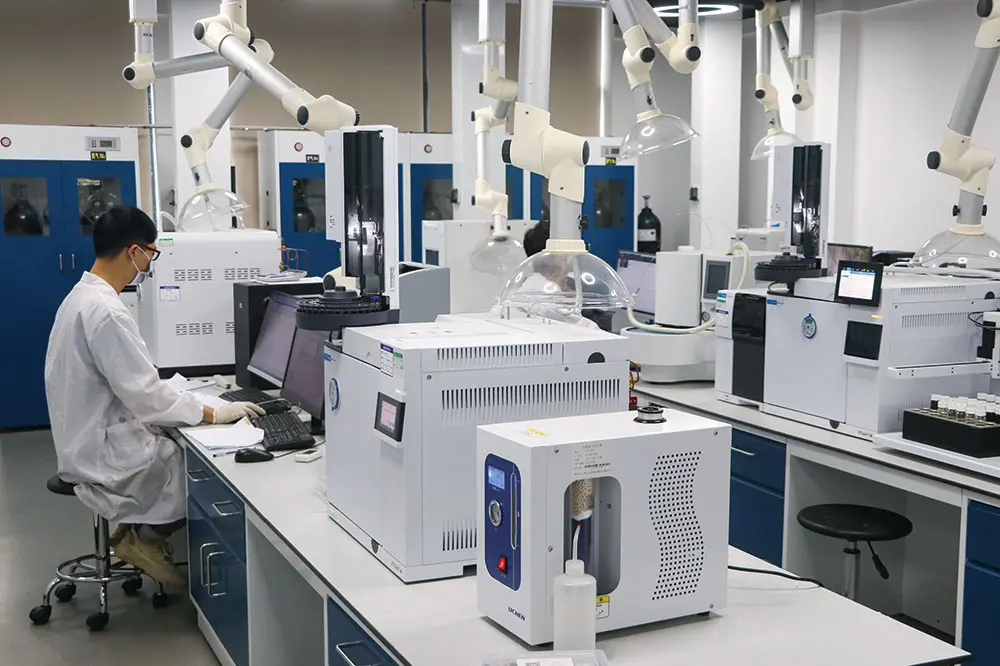
We have two production bases, one is in Jiangmen, Guangdong, production area is about 10,000 square meters, while the other is in Yunfu, Guangdong which production area is around 40,000 square meters, complete with quality control, storage and logistics supporting facilities, annual production capacity is more than 20,000 tons with more than 10 production lines.

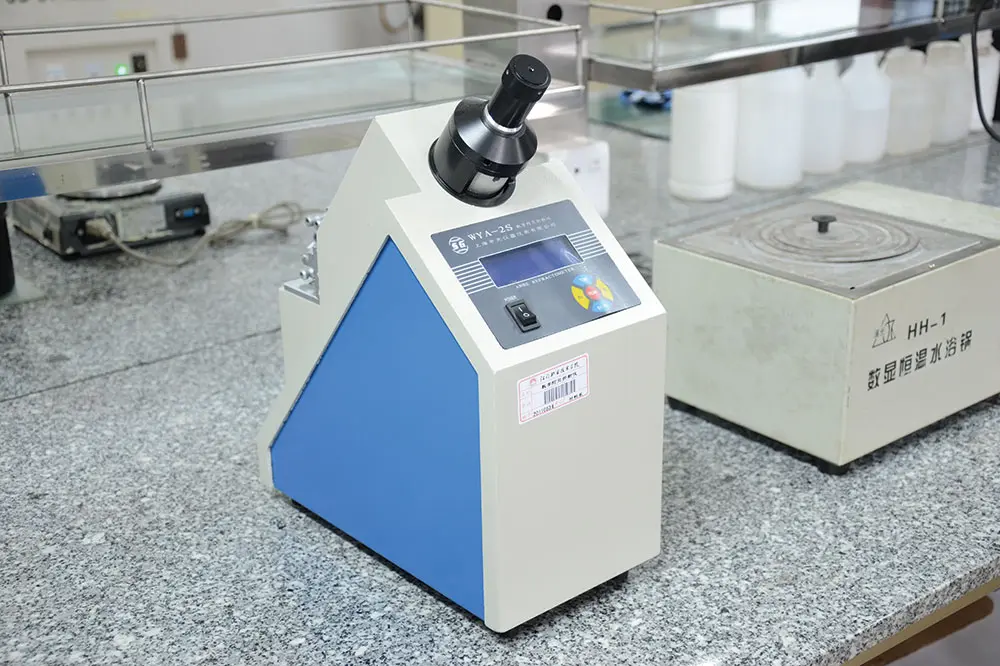
To ensure the quality control, factory is under the ISO9001 quality management system and ISO14001 environmental management system together with flexible and advanced DCS fully computerized control system. Moreover, we select high-quality domestic and foreign raw materials, adopt advanced scientific management methods, and hire domestic UV material experts for guidance to ensure production safety and product quality stability.

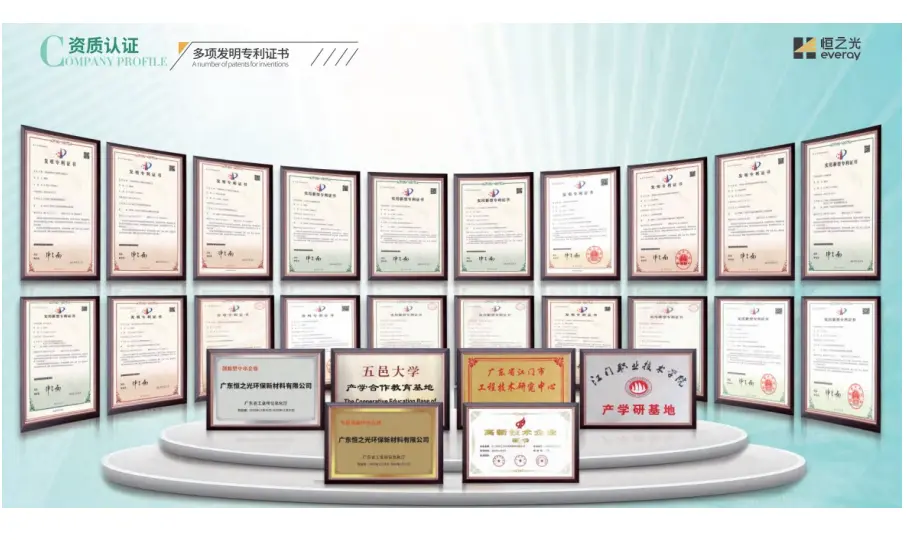
Ever Ray Patent Certifications

Patents & Sustainable Green Development

We have more than 10 invention patents and practical utility patents. With more than 15 dedicated technicians in our R&D department, we focus on providing high reactivity, chemical resistance, and high gloss properties to formulations for a wide variety of applications, including wood coatings, plastics, inks, adhesives, and glass coatings.

We are supplying customized formulations to help customers meet their requested performance targets and achieve significant cost savings. By focusing on the harmony between chemical technology and environmental protection, we take scientific advancement as our core driving force, pursuing excellence to maintain a sustainable green living environment.

Global Procurement & Supply Chain Resilience

Providing international enterprises with stability, volume scale, and regulatory compliance

China Industry 4.0 Production Advantages

By shifting to DCS (Distributed Control System) automation, our Yunfu and Jiangmen factories guarantee batch-to-batch consistency. The DCS monitors reactor temperature, monomer feed rate, and pressure profiles in real-time, eliminating human error from the polymerization process. For procurement managers, this translates to predictable formulation viscosity, color value, and curing performance, saving extensive time on QA testing.

Global Compliance & Certifications

Our raw materials comply with major global regulatory networks. We provide complete paperwork including SDS (Safety Data Sheets) with proper GHS labeling, REACH registration documentation for EU importers, RoHS reports, and TSCA compliance certifications for the North American market. Our logistics network handles hazardous cargo packaging and custom clearance smoothly.

Technical Q&A: Troubleshooting Glass Adhesion

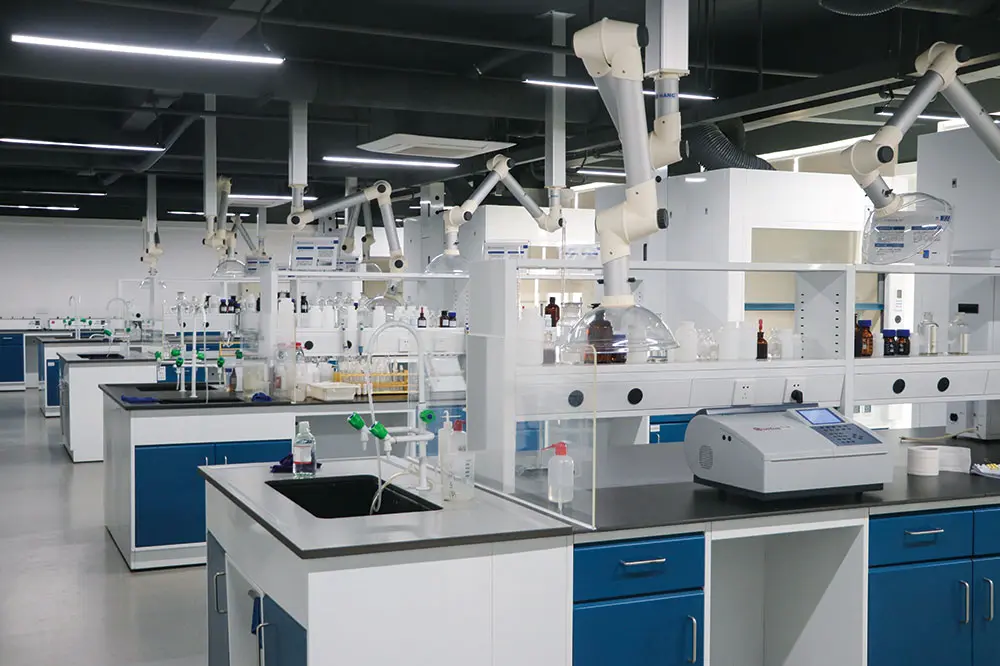
Insights from our R&D laboratory to help chemical formulators resolve common issues

Q1: Why does my UV glass primer exhibit high initial cross-hatch adhesion but fail after 24 hours?

This is a classic issue of shrinkage stress relax-decay. When UV resin cures, density increases, causing polymer shrinkage. Initially, physical electrostatic forces hold the matrix to the glass. However, as inner stresses build up over hours, they exceed the interfacial bond strength, leading to spontaneous delamination. To resolve this, blend in low-shrinkage monomers like IBOA or use our modified acrylates for glass coating designed to reduce internal stress while promoting flexible dynamic interfaces.

Q2: How do silane coupling agents behave inside a single-pack UV ink vs. a two-pack (2K) system?

In single-pack formulations, free silanes tend to undergo hydrolysis over time, reacting with trace moisture in monomers and causing viscosity increases or gelling in the container. To prevent this, we recommend utilizing oligomers where the silane moiety is pre-reacted or protected within the polymer backbone, or using a 2K system where the silane promoter is added just prior to application.

Q3: What makes a resin "boil water resistant"? How is it tested?

Boil water resistance means that even as heat increases kinetic molecular motion and water vapor penetrates the coating, the chemical covalent bonds (Si-O-Si) remain unbroken. The standard industry test is immersion of coated glass in boiling deionized water (100°C) for 1 to 4 hours, followed by dry-wiping and performing a cross-hatch tape test (ASTM D3359). Our boil water resistant UV coatings maintain a 5B rating post-test.

Q4: What is the optimal cure energy required for UV glass primers?

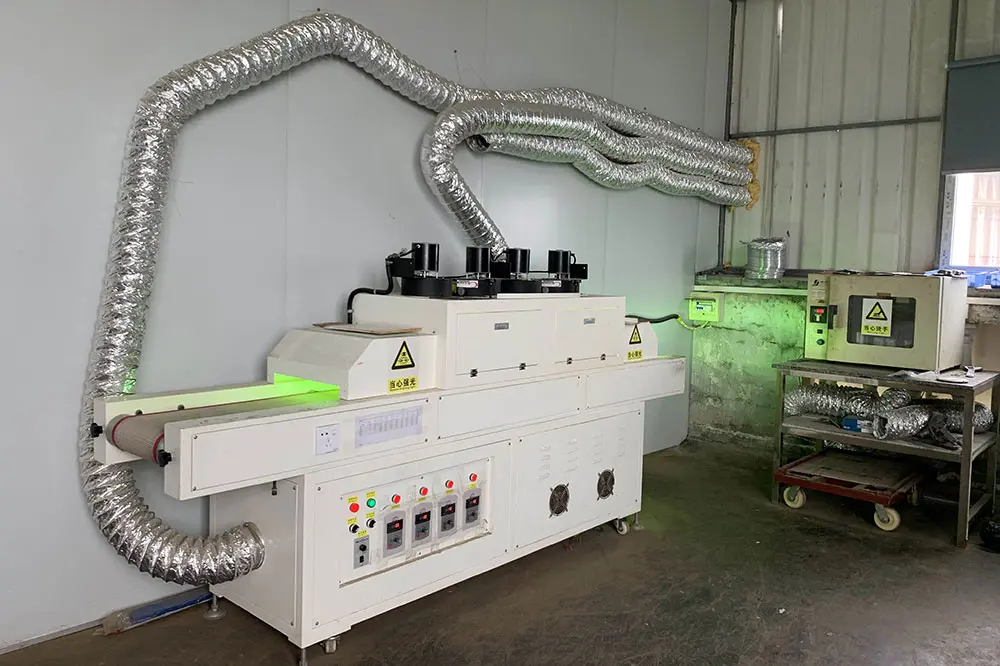
Generally, a cure energy of 350-500 mJ/cm² using high-pressure mercury lamps or 395nm UV LED is recommended. Achieving thorough cure at the bottom of the coating (the glass-resin interface) is vital. If cure energy is too low, the bottom layer remains liquid or gelled, resulting in immediate adhesion failure.