In modern coatings, adhesives, and polymer engineering, the transition from traditional solvent-borne systems to environmentally responsible alternatives is no longer just a trend—it is a critical industrial mandate. Waterborne Polyurethane (WPU), also known as polyurethane dispersion (PUD), has emerged as one of the most versatile solutions to bridge the gap between high chemical performance and environmental regulations.
Solvent-based coatings historically dominated heavy industrial, wood, and automotive coating sectors due to their fast drying times, high hardness, and superior chemical resistance. However, their high concentration of volatile organic compounds (VOCs) and hazardous air pollutants (HAPs) has faced strict regulations worldwide. Global regulatory frameworks, including the EU’s REACH registration, environmental protection agency (EPA) guidelines, and China's national volatile standard policies, have pushed manufacturers to adopt cleaner alternatives.
Waterborne polyurethane disperses polyurethane chains in an aqueous phase using hydrophilic monomers. This allows the synthesis of customized molecules that offer the flexibility, impact resistance, and durability of standard polyurethanes while running on a water-based carrier. This reduces VOC emissions to near-zero levels, addressing safety challenges in application environments.
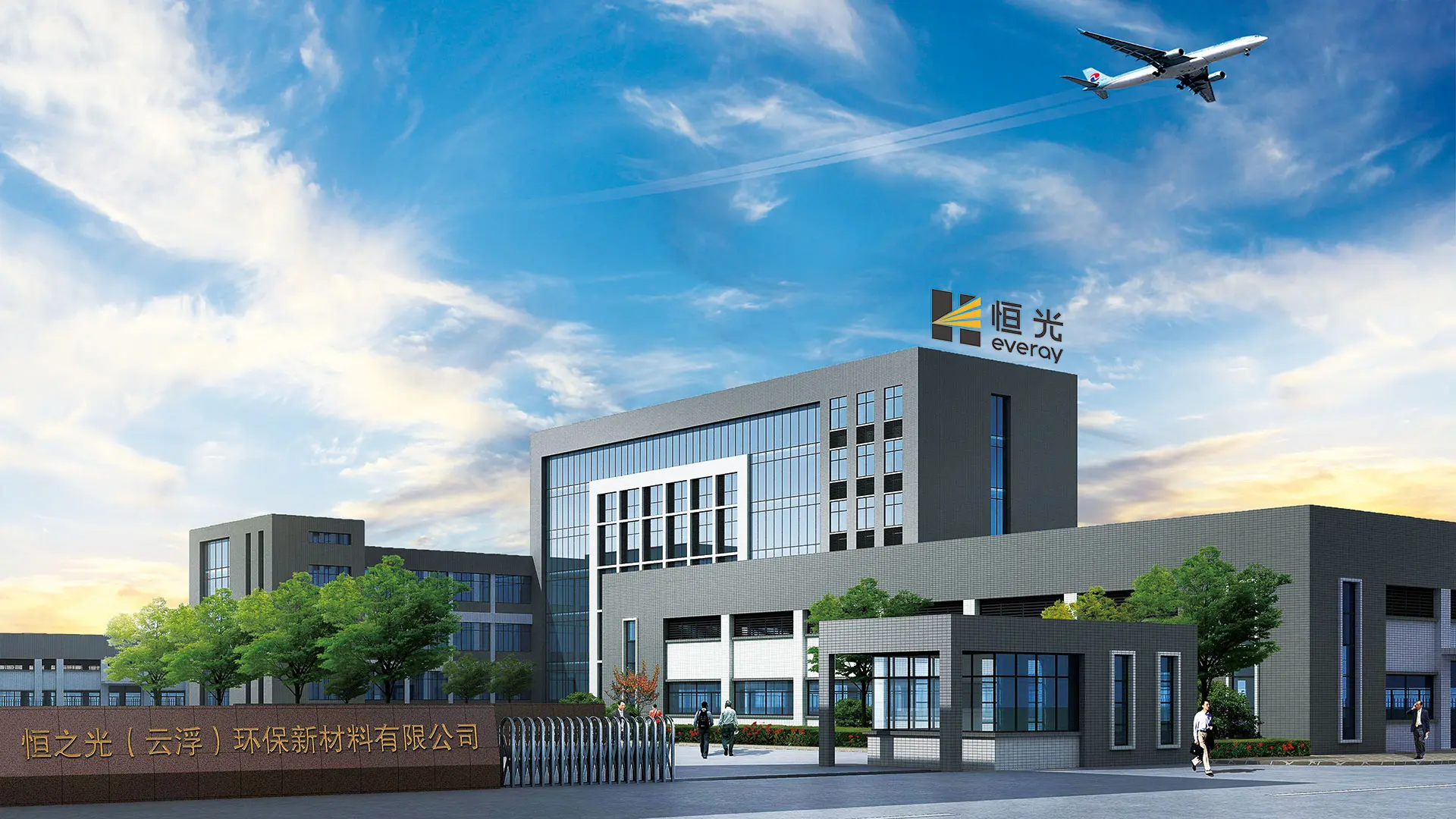
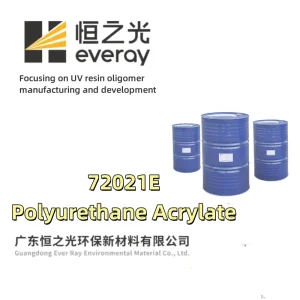
Established in 2006, Guangdong Ever Ray Environmental Material Co., Ltd. is a national high-tech enterprise focusing on the R&D, custom formulation, and chemical synthesis of high-end oligomers for UV-curable and waterborne resin applications.
Our company operates two modern chemical manufacturing facilities. The first plant, located in Jiangmen, Guangdong, covers approximately 10,000 square meters, serving as a rapid-response manufacturing base. To meet growing global demand, our second facility in Yunfu, Guangdong, expands across 40,000 square meters.
Equipped with more than 10 highly automated production lines, the plants operate under fully computerized DCS (Distributed Control System) architectures. This guarantees process precision, minimizing batch-to-batch variance in chemical kinetics, viscosity, and molecular distribution. Both facilities operate under ISO9001 quality management and ISO14001 environmental management certifications.
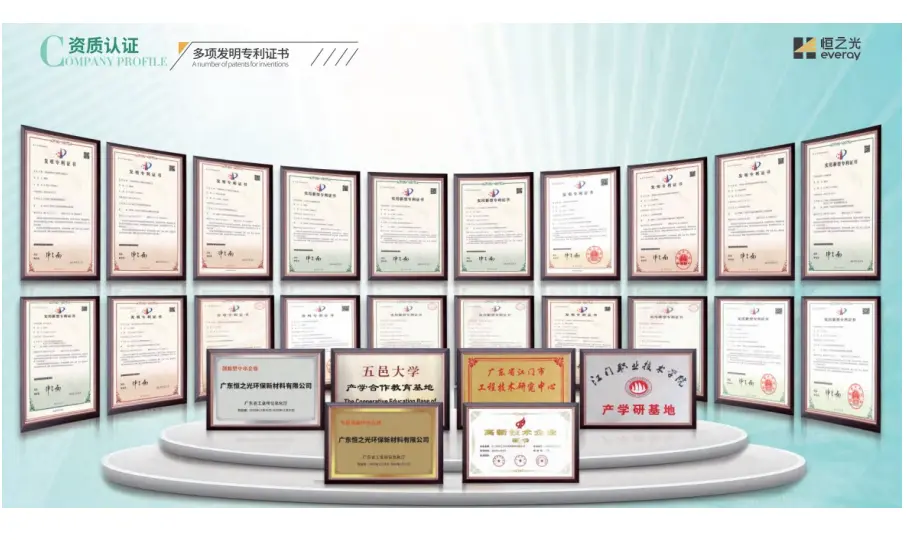
Ever Ray’s research division consists of over 15 senior chemical engineers and materials scientists. They have secured more than 10 invention and utility patents, driving the market toward high-reactivity, chemical-resistant, and high-gloss waterborne and UV curable oligomers.
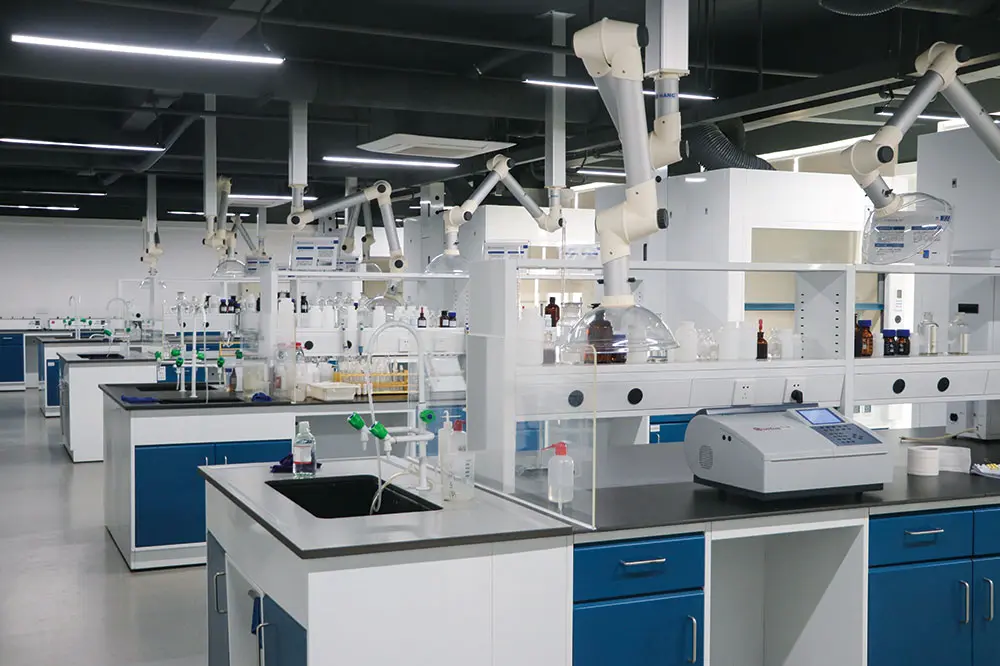
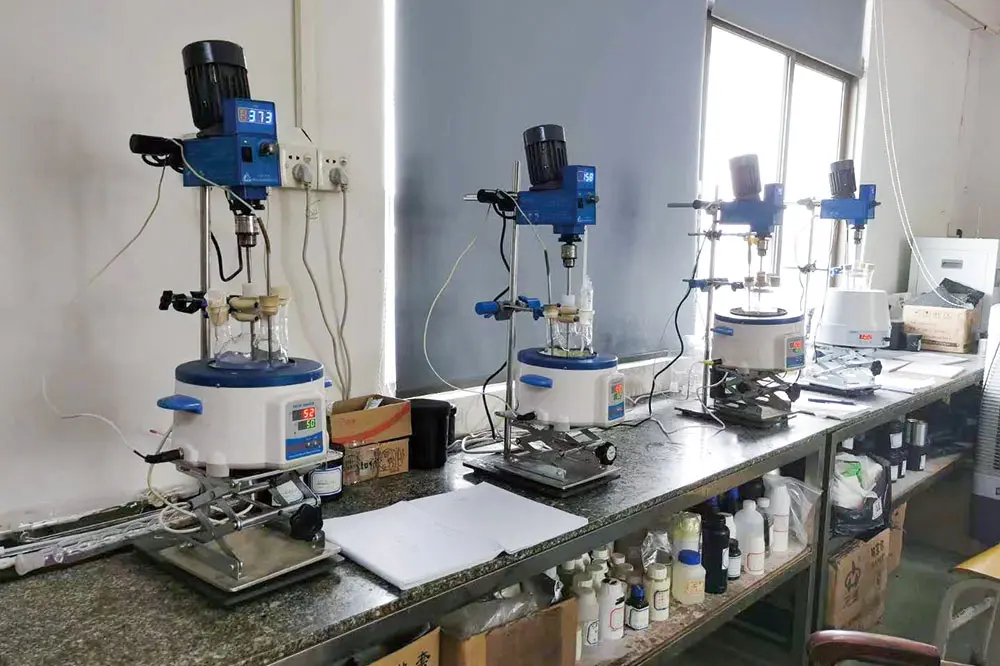
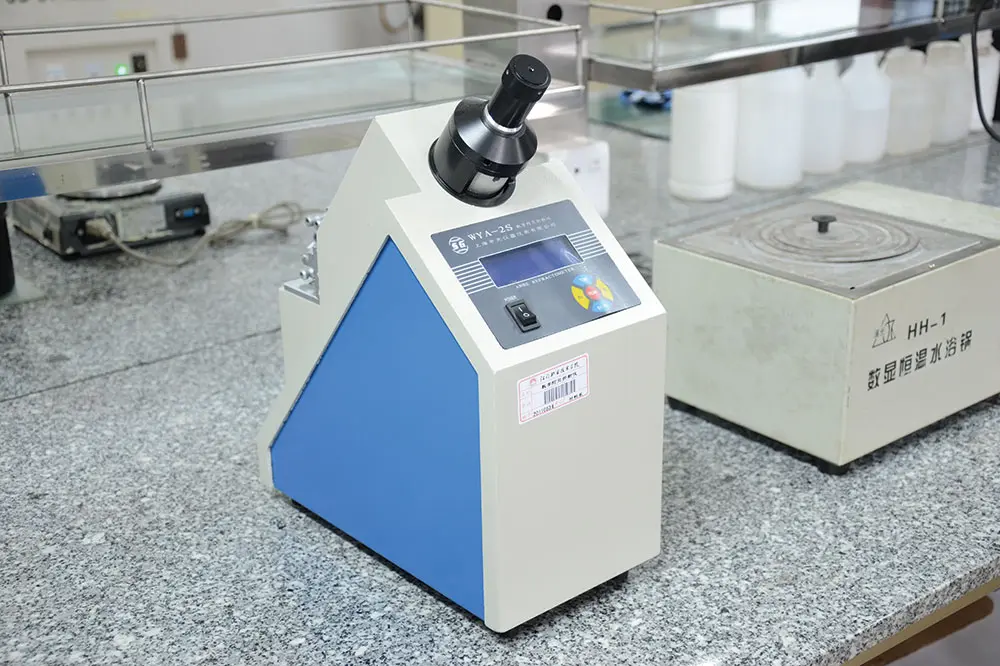
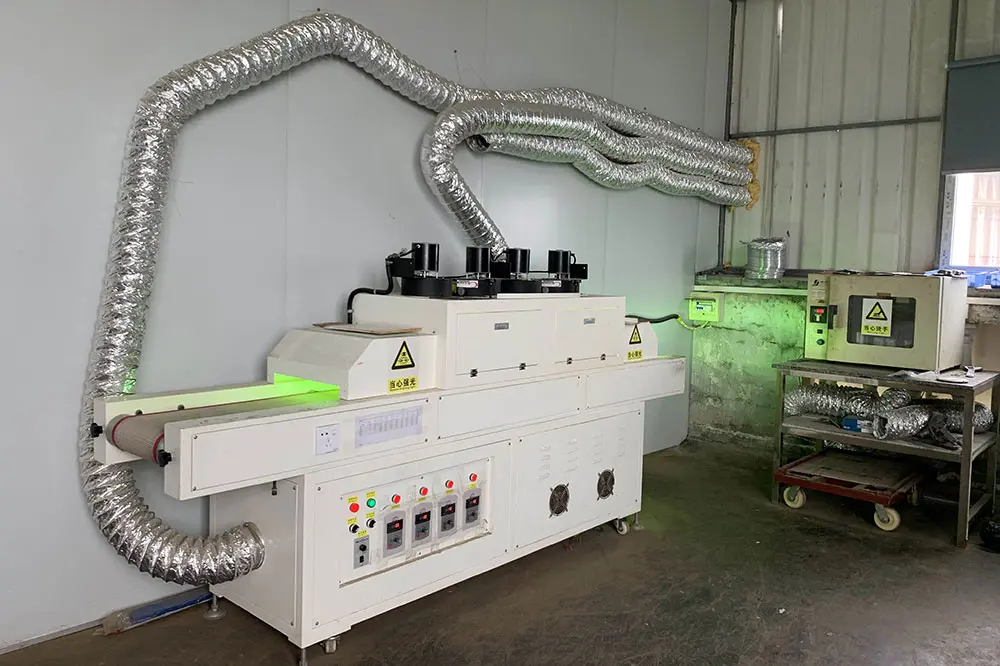
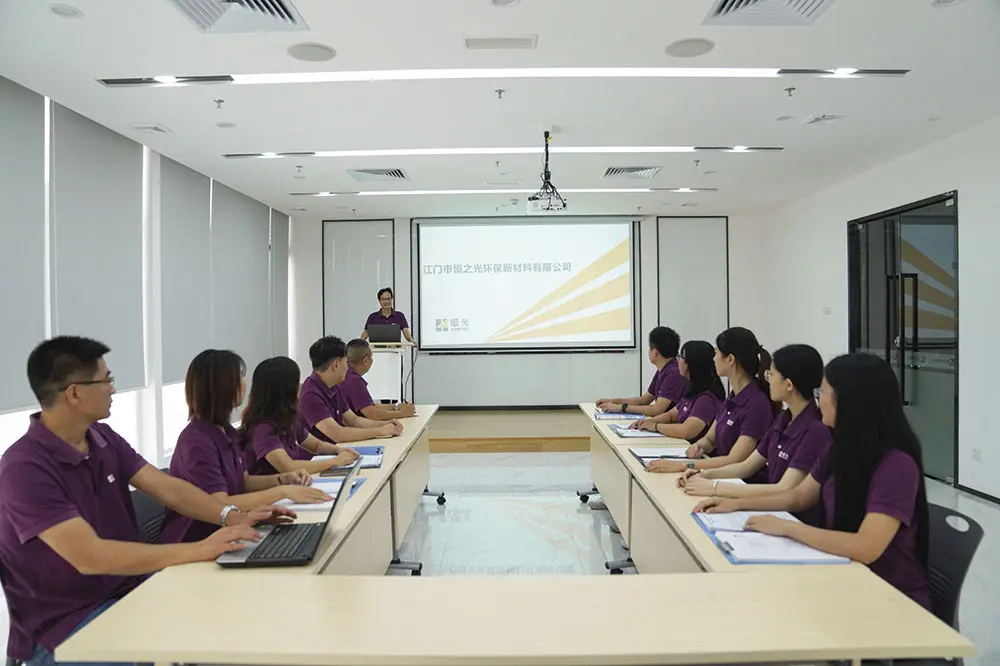
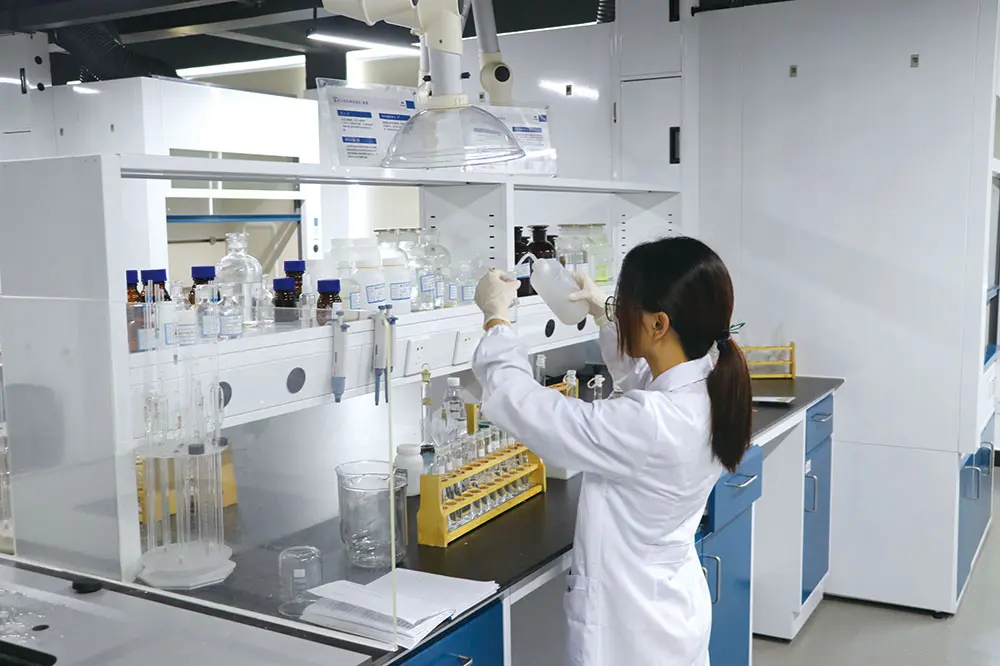
Guangdong's Pearl River Delta region hosts one of the world's most advanced chemical supply chains. Ever Ray leverages this infrastructure to deliver performance, cost, and logistics benefits.
Direct proximity to major upstream producers of isocyanates (IPDI, HDI, TDI), polyols, and specialty acrylates reduces logistical transit costs and ensures a stable material supply, even during global shortages.
Our computerized DCS automation controls critical reaction parameters like temperature, monomer addition rates, and vacuum pressure. This guarantees chemical consistency and molecular weight distribution.
Located near the ports of Shenzhen, Guangzhou, and Hong Kong, our warehouses facilitate fast international dispatch in standard IBC totes, drums, or ISO tanks.
Our waterborne polyurethane resins and UV oligomers are engineered to meet specific localized performance criteria across global markets.
In European markets, regulations demand low-emission wood finishes. Ever Ray's polyurethane acrylates (PUA) provide high wood grain definition, scratch resistance, and fast water release, making them suitable for furniture and parquet floors.
East Asian consumer electronics manufacturing demands high adhesion on difficult plastic substrates like polycarbonate (PC), ABS, and PMMA. Our oligomers deliver excellent adhesion and chemical resistance against cosmetic oils, sweat, and solvents.
In North America and Asia-Pacific packaging industries, waterborne UV resins are used to formulate low-migration, low-odor inks. They provide high pigment dispersion stability, fast curing, and adhesion on flexible polyethylene films.
Global rapid prototyping sectors require SLA/LCD resins with low shrinkage and high tensile strength. Ever Ray's 70250 and 70251 oligomers are optimized for 3D printing formulations, balancing resolution and mechanical properties.
Outdoor signages, tapes, and decals require pressure-sensitive adhesives (PSA) that resist UV degradation. Model 72027 provides high tack, low yellowing, and weather resistance for demanding outdoor applications.
Our aliphatic urethane acrylates provide excellent stone chip resistance, high gloss retention, and resistance to environmental etching, meeting automotive OEM testing requirements.
Modern synthesis is transitioning from petrochemical precursors to bio-renewable building blocks. Ever Ray's research focuses on incorporating plant-derived polyols and bio-based dicarboxylic acids into our polyurethane backbone. This reduces the carbon footprint without sacrificing chemical resistance or mechanical performance, satisfying Scope 3 carbon reduction targets for international buyers.
Traditional UV curing requires a direct line-of-sight from the light source. To resolve shadow-curing limitations in complex 3D parts and thick assemblies, dual-cure waterborne systems are gaining traction. These systems utilize an initial thermal or moisture-cure mechanism followed by a final UV-crosslinking stage, ensuring complete curing throughout the film.
Traditional linear acrylates often struggle with high viscosity when seeking high molecular weight. Our hyperbranched acrylic UV resins (such as the 4600 series) feature a globular molecular structure. This provides low viscosity alongside high vinyl density, leading to faster curing and reduced shrinkage.
Developing waterborne UV oligomers requires stabilizing polyurethane backbones in water without using external organic co-solvents. Ever Ray utilizes self-emulsifying technology, resulting in stable dispersions with long shelf lives and zero VOC emissions.
When sourcing industrial volumes of UV-curable and waterborne resins, procurement managers must evaluate several technical metrics beyond cost. Supply chain disruptions and batch variances can impact production efficiency. Here is how Ever Ray addresses these procurement challenges:
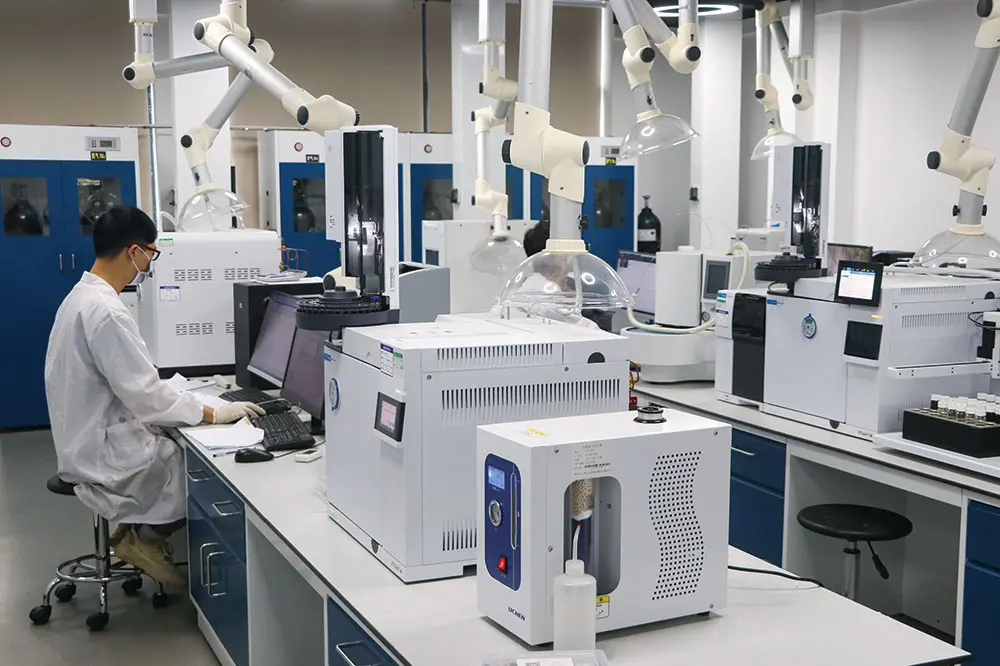
Gel Permeation Chromatography (GPC) controls molecular weight distribution. Uncontrolled variations can alter curing rates and the mechanical performance of the final coating.
Viscosity drift during shipping and storage is a common issue with polyurethane dispersions. Ever Ray tests shear stability and viscosity retention under accelerated thermal aging conditions.
Using Real-time FTIR spectroscopy, we measure double-bond conversion rates under UV radiation, ensuring our oligomers meet the reaction speeds required for high-speed printing and coating lines.
 Ever Ray