Premium grade raw materials custom-engineered to meet the technical standards of the European and Dutch coating industries.
The Netherlands sits at the absolute epicenter of the European chemical logistics network. Supported by the Port of Rotterdam—the largest port in Europe—and integrated pipelines connecting to Germany’s Ruhr region, the Dutch chemical industry is defined by high efficiency, strict quality controls, and a rapid transition toward ecological sustainability.
For manufacturers operating within this market, finding reliable suppliers of active amines and raw oligomers is critical. Active amines serve as fundamental co-initiators in UV-curing technology, actively mitigating oxygen inhibition during radical polymerization. This chemical property is crucial for the high-speed processing lanes typical of Dutch graphic arts, electronics, and automotive manufacturing clusters near Eindhoven and Utrecht.
Furthermore, European Union regulations (specifically REACH and RoHS standards enforced aggressively by the Dutch inspectorate ILT) require that imported chemicals possess trace-level monomers and minimal volatile organic compounds (VOCs). Active amines used as synergists must meet stringent environmental parameters without compromising the quick-dry, low-viscosity, and scratch-resistant attributes expected by premium surface finish industries.
Understanding the kinetic interaction between active amine synergists and oligomers determines coating longevity, speed, and safety.
In typical UV formulation chemistry, tertiary amine synergists play a dual role. Firstly, they act as hydrogen donors. During photoexcitation, Type II photoinitiators abstract hydrogen atoms from the carbon atom adjacent to the nitrogen in the amine group, creating highly reactive aminoalkyl radicals that initiate free-radical polymerization. Secondly, they consume oxygen molecules which otherwise inhibit radical polymerization, forming less reactive peroxide radicals that are quickly converted to safe compounds. This mechanism allows thin-film formulations—such as overprint varnishes and flexible packaging inks—to cure completely under low UV dosages, including modern LED-UV systems.
| Oligomer/Amine Group | Kinetic Reaction Rate | Oxygen Inhibition Resistance | Dutch Industry Fit | Primary Technical Goal |
|---|---|---|---|---|
| Aliphatic Urethane Acrylates | Ultra-High | Excellent (when paired with Active Amines) | Maritime Anti-fouling & Yacht Coatings | Yellowing resistance & high flexibility |
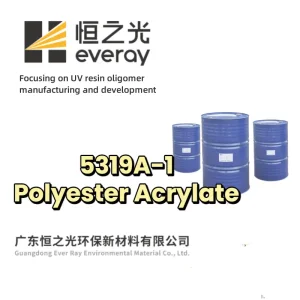
| Polyester Acrylates | Medium to High | Good (requires tertiary amine co-initiators) | Wood Flooring & Packaging Inks | Low viscosity & exceptional printability |
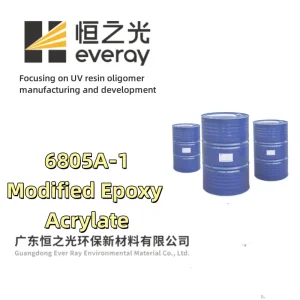
| Epoxy Acrylates | High | Moderate (high film thickness compensates) | Rigid Plastics & Metal Finishes | Tensile strength, surface hardness |
| Active Amine Synergists | Catalytic | Exceptional (Primary Agent) | High-Speed Offset Printing in Utrecht | Elimination of surface tackiness |
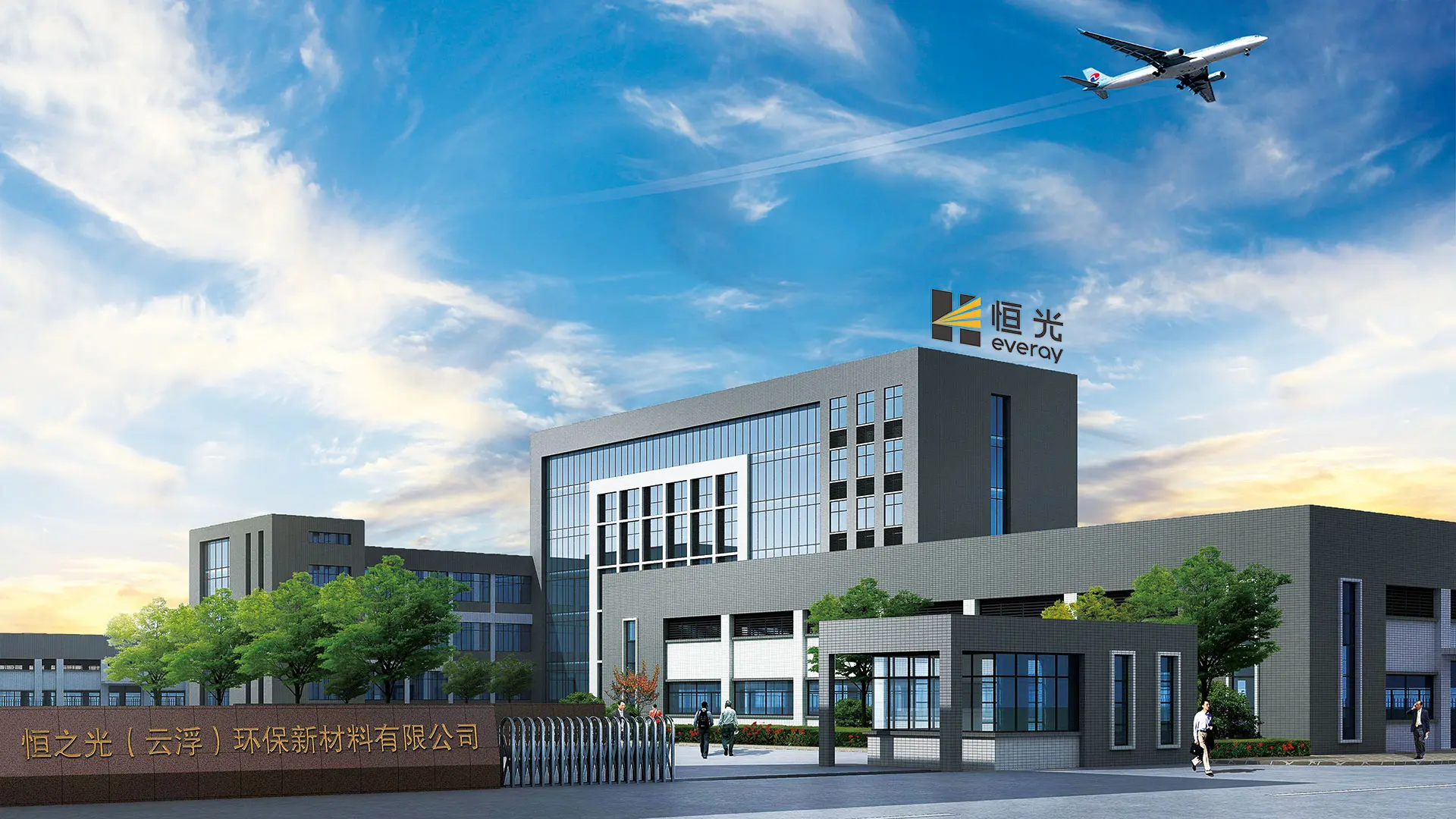
Established in 2006, Guangdong Ever Ray Environmental Material Co., Ltd. is a state-level high-tech enterprise focusing on the R&D and advanced manufacturing of oligomers for UV-curable systems. Our product portfolio includes epoxy acrylates, polyurethane acrylates (waterborne, aliphatic urethane, and aromatic urethane), polyester acrylates, pure acrylates, and special functional modified acrylate oligomers designed to optimize active amine performance.
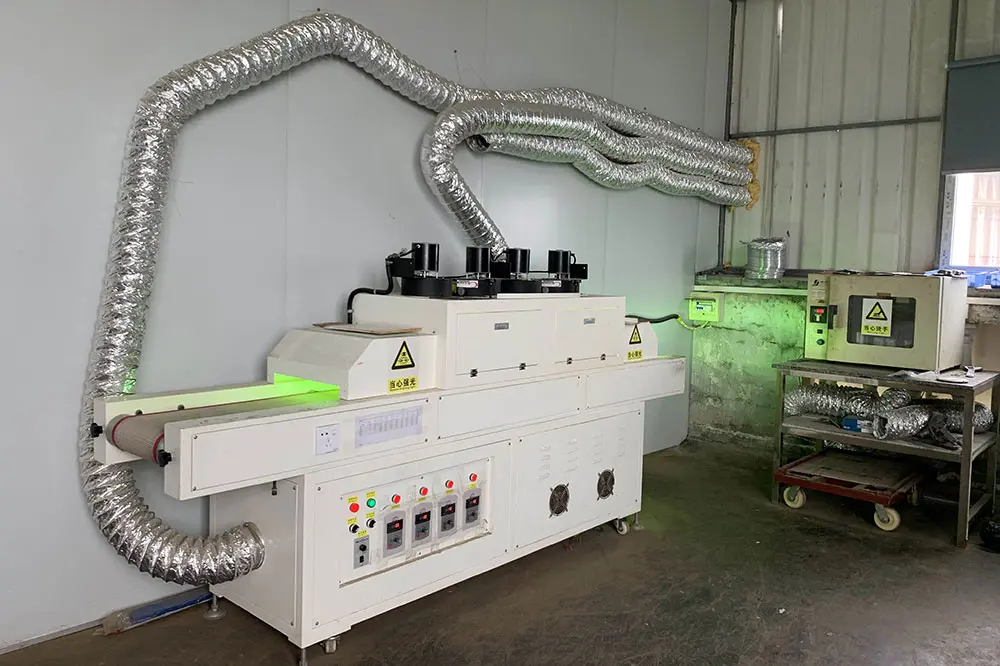
We operate two modern production bases in Guangdong province. The Jiangmen facility occupies an area of 10,000 square meters, while our flagship facility in Yunfu spans 40,000 square meters. Outfitted with comprehensive quality control, storage, and logistics facilities, we boast an annual production capacity of over 20,000 tons run across more than 10 highly automated production lines.
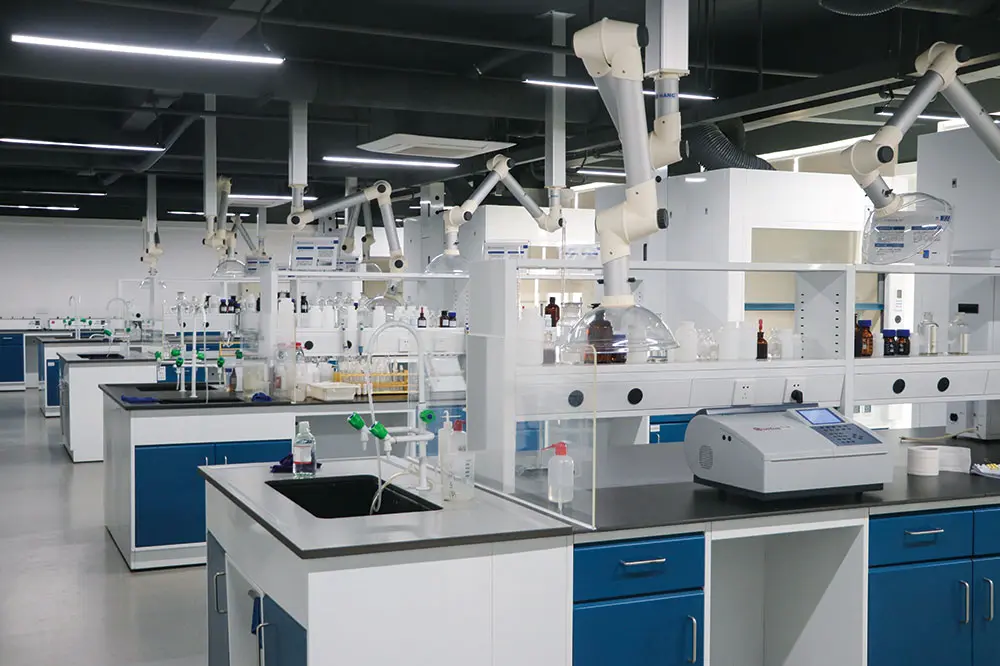
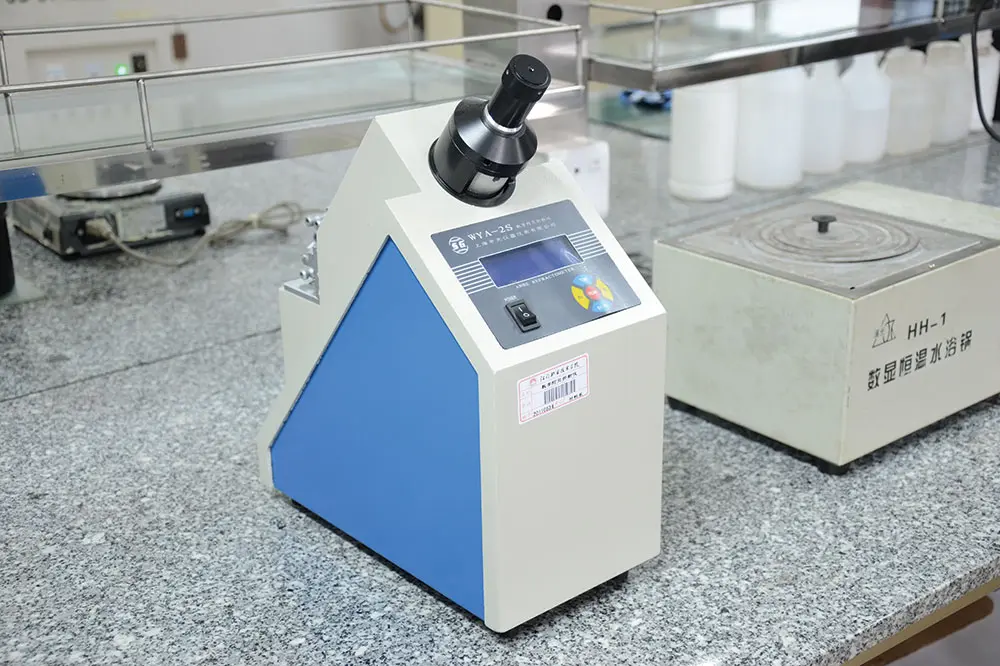
To assure our global partners of our operational excellence, our production processes are governed strictly by the ISO9001 Quality Management System and ISO14001 Environmental Management System. We run our lines using a DCS fully computerized control system, minimizing human error and batch-to-batch variation while maximizing environmental safety.
How Ever Ray's chemical products address specific challenges within Dutch high-tech, marine, and logistics businesses.
Developing highly durable, UV-curable, anti-fouling yacht and commercial vessel coatings for the Rotterdam port region. Featuring marine-tested polyurethane acrylates that stand up to constant salt-water exposure and abrasive wear.
Meeting the food-packaging and low-odor constraints set by food safety agencies in Western Europe. Perfect for high-speed printing presses that require instantaneous curing with zero residual odor.
For modern Dutch furniture, flooring, and cabinet manufacturers implementing excimer laser curing. Yields extremely low-gloss matte surfaces with high stain resistance and a pleasant tactile feel.
Premium functional resins developed to improve film hardness, curing kinetics, and finish quality in accordance with ISO quality standards.
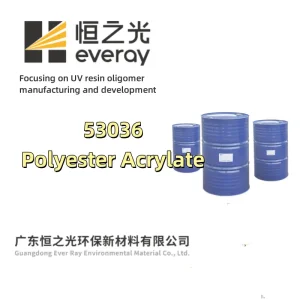
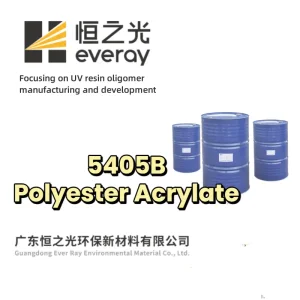
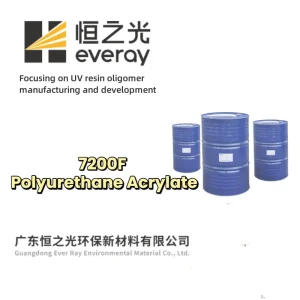
Discover how the integration of active amine chemistry aligns with the ecological transition within the global raw materials market.
The UV-curing market is shifting rapidly from conventional mercury arc lamps to light-emitting diode (LED) configurations. LED-UV systems generate narrow-band emission profiles (typically at 365, 385, or 395 nm), which requires matching photoinitiator systems and higher concentrations of active amine synergists to offset lower intensity outputs.
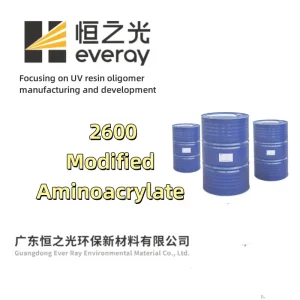
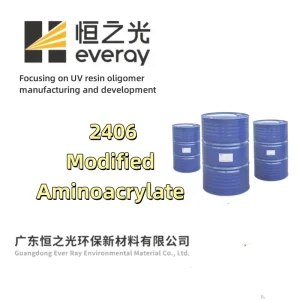
Additionally, the industry is moving away from low-molecular-weight amine monomer synergists (which present issues due to high volatility, intense odor, and potential migration) toward polymerizable amine synergists and amine-modified acrylates. Amine-modified acrylates embed the active amine group directly into the oligomer backbone. Once cured, the amine becomes part of the crosslinked matrix, rendering it non-migratable. This technical breakthrough is a high priority for Dutch and European food-packaging converters who must conform with strict European Food Safety Authority (EFSA) mandates.
Addressing core technical questions from industrial formulators regarding material performance, regulatory compliance, and optimization.
During UV exposure, oxygen molecules inside the curing film react with carbon radicals, producing peroxy radicals. These peroxy radicals are unreactive and stall chain propagation, leaving a sticky residue on the surface. Active amines contain abstractable hydrogen atoms on the carbon adjacent to the nitrogen atom. The amine donates a hydrogen atom to convert the inactive peroxy radical into an alkyl hydroperoxide, regenerating a highly active aminoalkyl radical in the process. This re-initiates radical chain polymerization, ensuring a dry, hard, scratch-resistant surface.
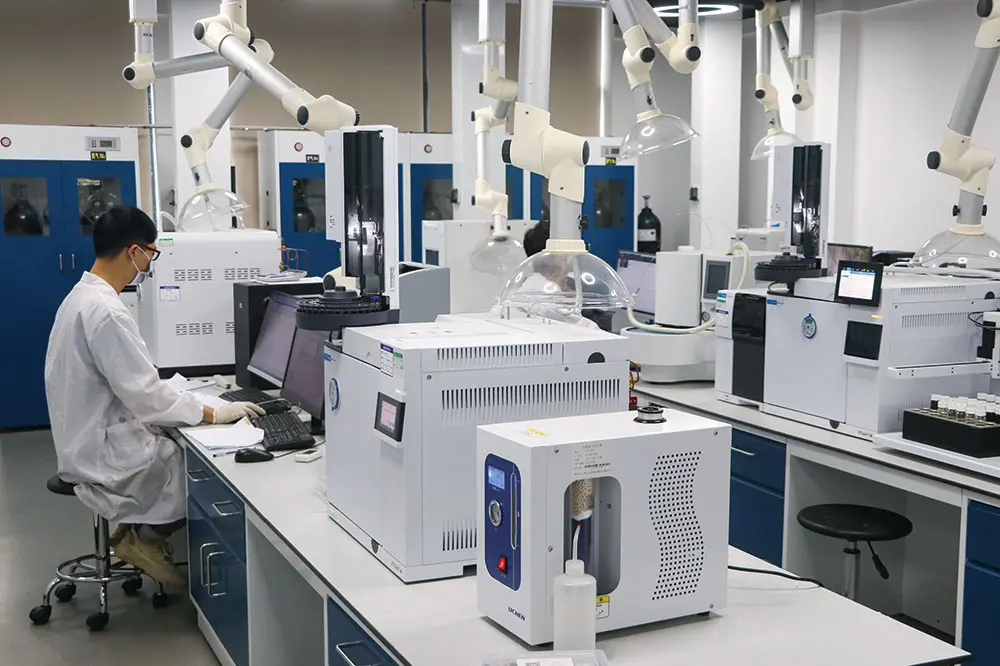
Yes. Ever Ray is committed to international regulatory alignment. We work alongside European import partners to verify REACH registration requirements and ensure compliance. Our production facilities maintain ISO9001 and ISO14001 certification. We focus on producing resins with low volatile organic compounds (VOCs) and low residual monomer content to comply with strict EU safety regulations.
Liquid amine monomers often exhibit volatility, unpleasant odor, and high migration rates. When the cured film comes into contact with food or skin, these monomers can leach out. In contrast, amine-modified acrylates bind the amine group directly to the oligomer chain. During UV curing, the amine becomes crosslinked into the polymer network. This makes it non-migratable, virtually odorless, and resistant to yellowing—qualities essential for high-performance packaging and consumer electronics applications.
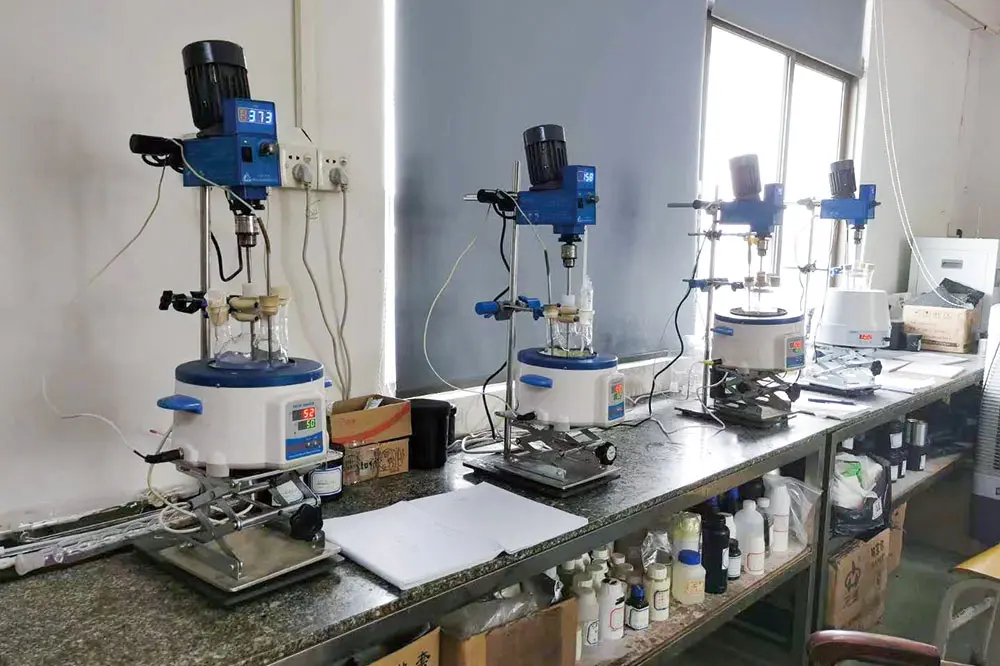
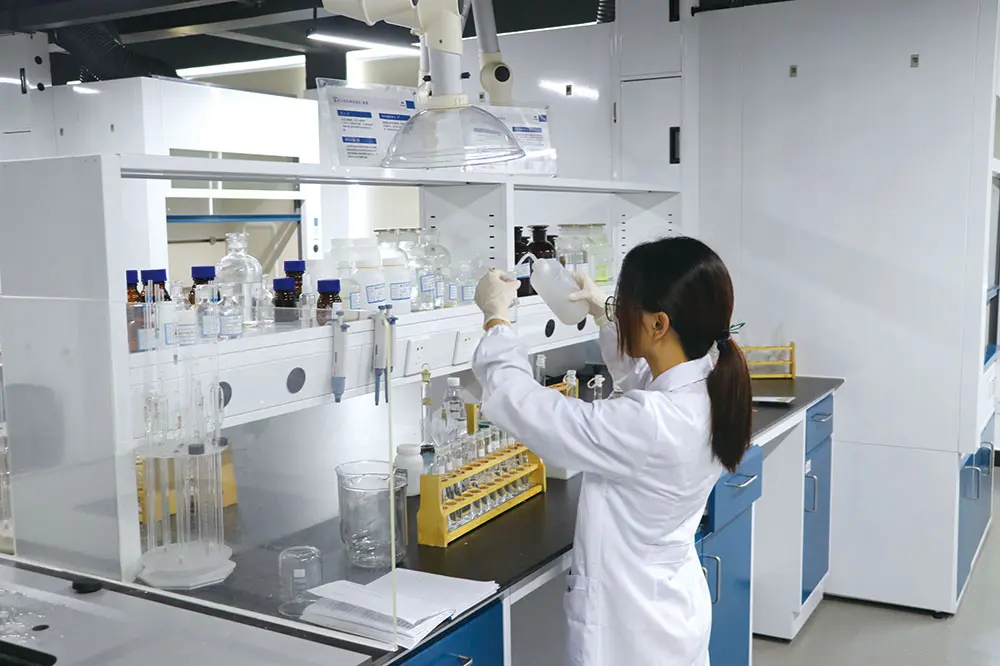
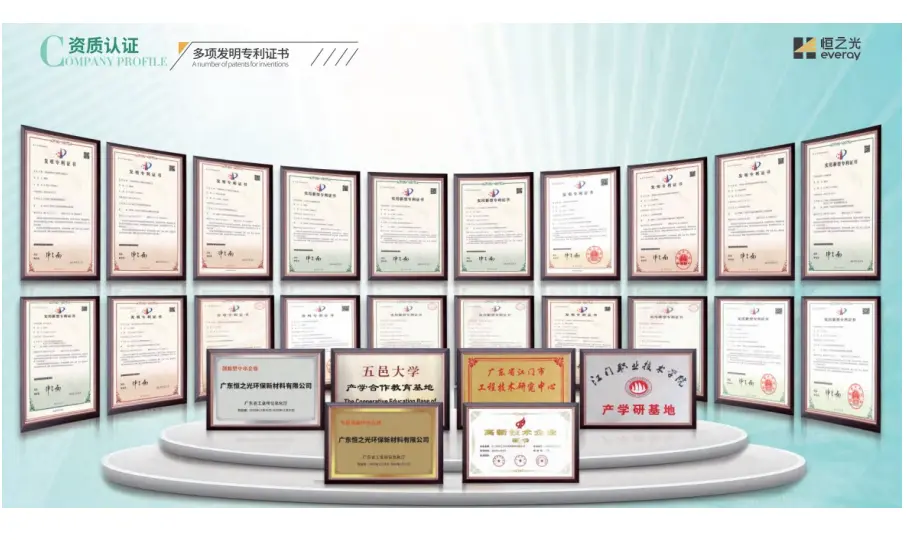
Yes. Backed by over 15 experienced R&D chemists and 10 patents, Ever Ray excels at developing custom formulations. We adjust chemical structures (such as aliphatic vs. aromatic backbones), viscosity profiles, and functionality levels to match our clients' needs for adhesion, chemical resistance, and cost efficiency.
Leveraging our production hubs in Jiangmen and Yunfu (with a combined capacity exceeding 20,000 tons annually), we supply international markets via ocean shipping. Standard deliveries ship through major commercial channels directly to the Port of Rotterdam, where local distributors manage inland shipping to chemical hubs across the Netherlands, Germany, and Belgium.
Ready to optimize your UV formulation? Connect with our technical engineering team for samples and pricing details.
Send Inquiry Now Ever Ray