Engineered for extreme UV durability, excellent adhesion, and rapid curing speeds under Brazilian industrial processing conditions.
In the global coatings, adhesives, and inks formulation landscape, Aliphatic Polyurethane Acrylate (PUA) Oligomers stand as the gold standard for performance polymers. Characterized by their exceptional weather resistance, non-yellowing tendencies, and robust mechanical flexibility, these materials are formed by the reaction of aliphatic diisocyanates (such as IPDI, HDI, or H12MDI) with hydroxyl-functional acrylates and polyols. The resulting chemical structure lacks the aromatic rings that render standard bisphenol-A based epoxy acrylates or aromatic urethane acrylates susceptible to photolytic cleavage and discoloration under solar ultraviolet (UV) radiation.
For high-intensity UV environments like Brazil, this chemical distinction is not merely advantageous—it is mission-critical. This whitepaper analyzes the structural demand for Aliphatic PUA Oligomers in Brazil, the macroeconomic factors driving South American industrial coatings transformation, the unique scale and efficiency of Chinese chemical manufacturing, and technical criteria for local application formulation.
Chemical Insight: The absence of benzene rings in aliphatic structures eliminates the conjugated structures that absorb UV-A radiation, thereby preventing photo-oxidation. This enables long-term outdoor stability, structural integrity, and gloss retention in high-exposure regions.
Brazil represents the largest industrial coatings market in South America. The country's demand for high-performance resins is shaped by its geographical location, trade dynamics within the Mercosur region, and internal regulatory and industrial shifts.
Brazilian environmental protection agencies, notably IBAMA, have tightened controls on VOC (Volatile Organic Compound) emissions. Traditional solvent-borne systems face strict licensing rules and high disposal fees. Consequently, local manufacturers are shifting to 100% solids UV-curable systems or waterborne UV dispersions. Aliphatic PUA oligomers are critical to these formulations, offering low viscosity profiles and high reactivity to achieve fast line speeds without solvent emissions.
With regions experiencing up to 3,000 hours of sunshine annually, coatings applied to exterior surfaces in Brazil (automotive parts, building facades, and architectural glass) must withstand high UV exposure. Standard aromatic oligomers yellow within months. Aliphatic PUA systems provide the necessary durability to maintain clear, high-gloss finishes under these conditions.
The geographic distribution of the Brazilian market demands local formulation agility. Primary hubs driving UV-curable resin consumption include:
The global trade of functional UV oligomers relies on supply chain reliability, raw material access, and technical support. Historically dominated by European and North American chemical firms, the market has shifted toward advanced Chinese manufacturers.
Global supply chain fluctuations highlight the risks of single-source production. Guangdong Ever Ray Environmental Material Co., Ltd. addresses this by operating two modern production bases in Guangdong province. Our 10,000 square meter facility in Jiangmen and our 40,000 square meter plant in Yunfu ensure a stable supply of materials to international markets like Brazil.
To guarantee batch-to-batch consistency—critical for automated industrial coating lines in Brazil—our manufacturing plants utilize DCS (Distributed Control System) automation. By automating feed rates, reaction temperatures, and pressure levels, we minimize human error and ensure that oligomers like the 7200-1 or 7230E maintain stable viscosity and reactive performance.
Our proximity to local petrochemical hubs in South China provides access to critical monomers (like HEA, HEMA, and various acrylates) and diisocyanates (IPDI, HDI). This supply security helps protect Brazilian formulators from price spikes and material shortages.
Aliphatic polyurethane acrylate oligomers are versatile building blocks. Depending on their molecular weight, functionality (ranging from di-functional to deca-functional), and polyol backbone, they can be configured for specific applications:
Brazil's wood panel industry relies on UV roller coatings for high line speeds. Using our 7200-1 Aliphatic PUA UV Resin provides the cured film with high scratch resistance and flexibility. This flexibility prevents cracking when the underlying wood panel expands and contracts with changes in seasonal humidity.
In vacuum-metallized plastics (commonly used in automotive trim and cosmetics packaging), adhesion to untreated ABS, polycarbonate, or metallized layers is a common challenge. The 7230E Polyurethane Acrylate UV Resin is engineered with polar functional groups that promote adhesion to these substrates without causing stress cracking.
The Brazilian cosmetics market is one of the largest in the world. Nail gel polish formulations require fast curing speeds, chemical resistance to solvents and warm water, and low skin irritation. The 7296C UV Resin offers high gloss and wear resistance, while our low-heat release 72583 Polyurethane UV Resin helps prevent patient discomfort under UV/LED curing lamps.
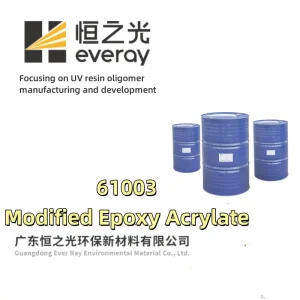
Curing on temperature-sensitive plastic substrates (such as PVC, PMMA, and polystyrene) requires low-shrinkage resins. Standard resins can shrink up to 15% upon curing, causing substrate warpage. Our 61003A UV Resin and 72021E UV Resin are designed with lower shrinkage profiles and low viscosity to protect sensitive plastic substrates during application.
The UV curing industry is transitioning toward more efficient and sustainable technologies. Formulators in Brazil can leverage these trends to optimize their production processes:
Importing chemical specialties into Brazil requires careful planning due to complex customs regulations (the "Custo Brasil") and logistics requirements. Working with a structured supplier like Guangdong Ever Ray helps simplify this process:
Our technical team provides the necessary safety documentation, including SDS (Safety Data Sheets) in Portuguese, GHS labeling, and chemical composition details required for Brazilian import declarations. This ensures smooth clearance through ANVISA and IBAMA checks.
We work with established shipping lines to offer competitive ocean freight options from Guangzhou or Shenzhen ports directly to major Brazilian maritime gateways. Products are packaged in steel drums (200kg) or IBC containers (1000kg) with secure bracing to prevent leakage during transit.
Common questions regarding the application, properties, and procurement of aliphatic polyurethane acrylate resins for the South American market.
Aromatic polyurethane acrylates contain benzene rings that absorb ultraviolet radiation, leading to photo-oxidative degradation, yellowing, and loss of mechanical properties. Aliphatic polyurethane acrylates are formulated with aliphatic diisocyanates (such as IPDI, HDI, or H12MDI) that do not contain these aromatic structures. This makes them highly resistant to UV yellowing and degradation, making them suitable for long-term outdoor exposure under Brazil's high solar UV levels.
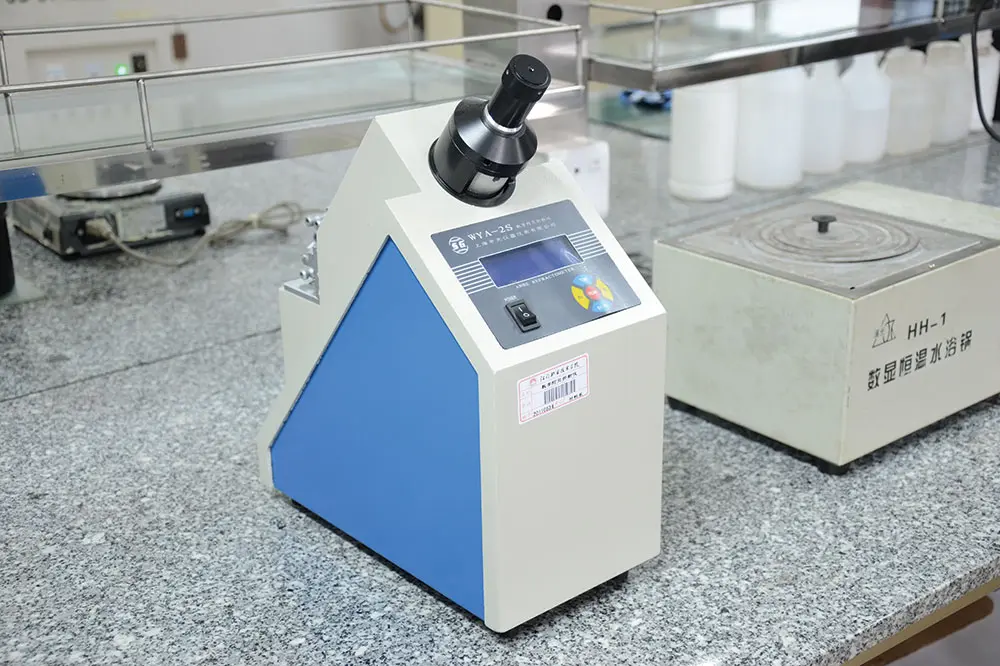
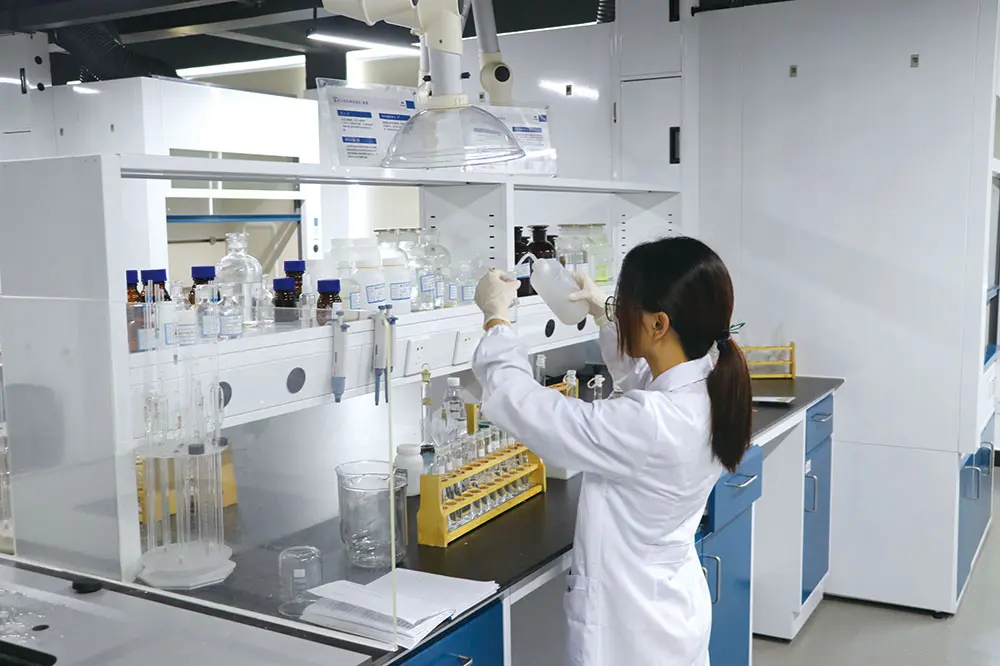
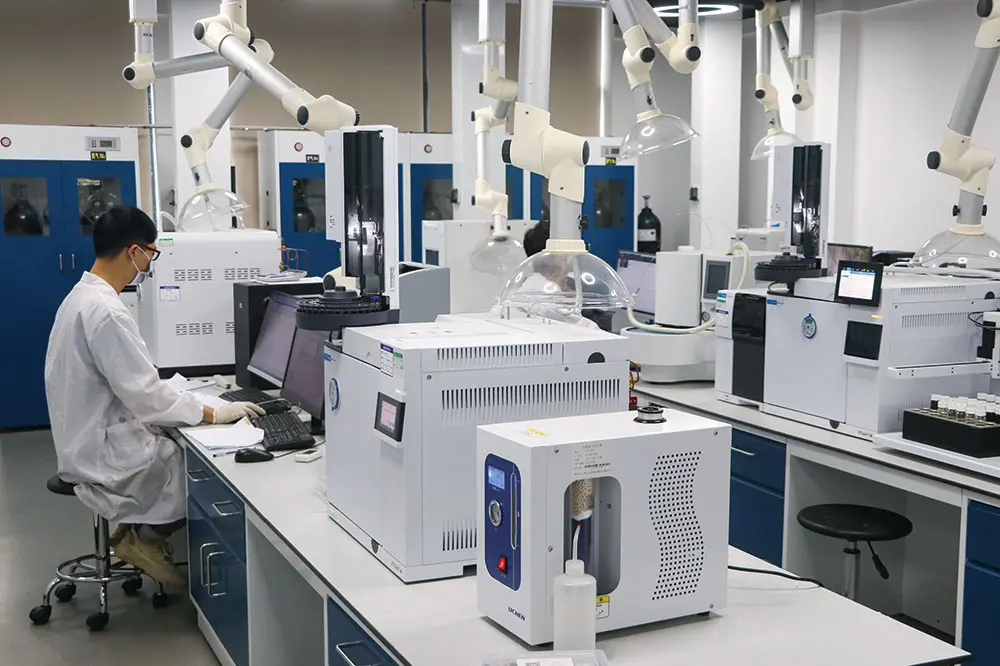
We operate under ISO9001 and ISO14001 quality management systems. Our production processes utilize fully computerized DCS (Distributed Control Systems) to monitor temperatures, pressures, and addition rates. Each production batch undergoes quality control testing for viscosity, color (Gardner scale), acid value, water content, and curing speed before shipping. We also retain reference samples from every batch for trace analysis.
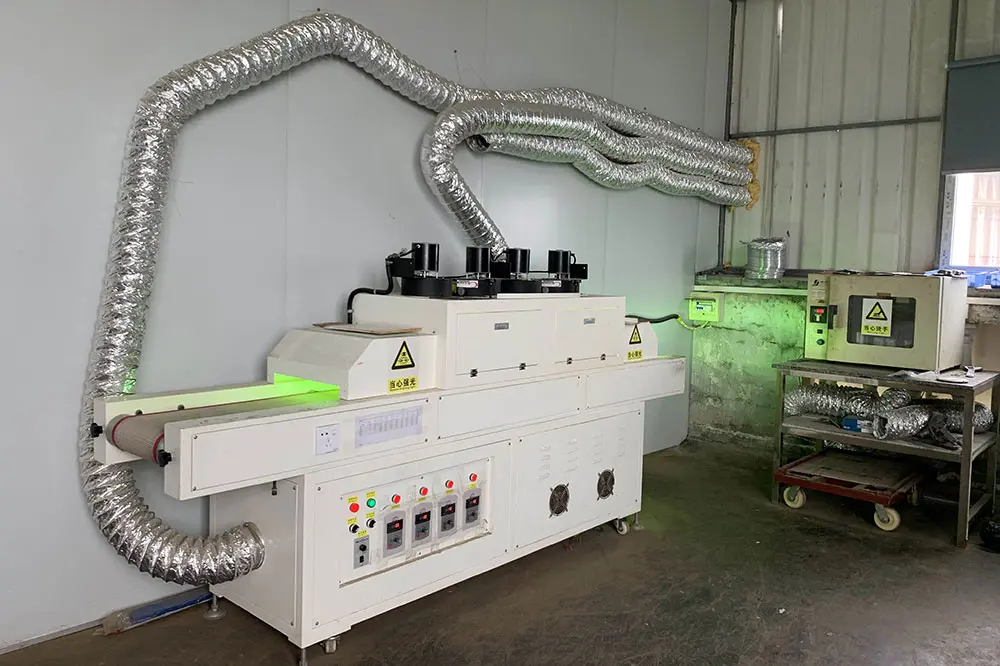
Yes, many of our oligomers, including the 7402 and 61003A, are designed for LED-UV curing. For LED curing applications, which use narrow wavelengths (typically 385nm or 395nm) without the short-wavelength UV-C range of mercury lamps, we recommend pairing our high-reactivity oligomers with suitable photoinitiators (such as TPO, TPO-L, or DETX) and amine synergists to overcome oxygen inhibition.
The transit time from Southern China ports (Shenzhen/Guangzhou) to major Brazilian ports (Santos, Paranaguá, Itajaí) is typically 35 to 45 days. Our oligomers are stabilized with polymerization inhibitors (such as MEHQ) and have a shelf life of 12 months when stored in their original, unopened packaging in a cool, dry place below 30°C, away from direct sunlight.
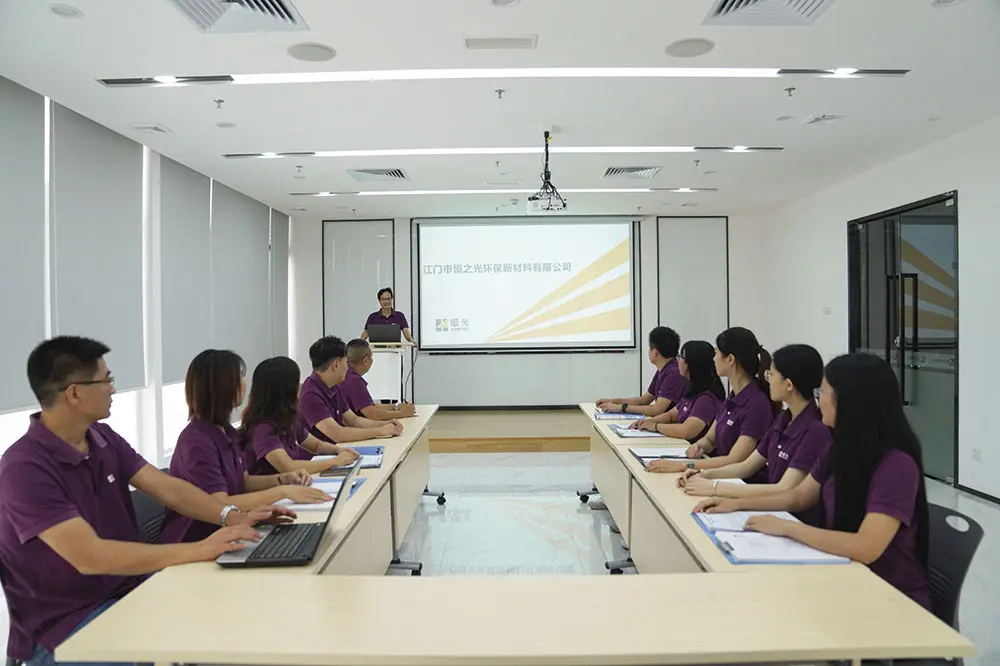
A leading high-tech enterprise dedicated to the research, development, and manufacturing of UV-curable oligomers since 2006.
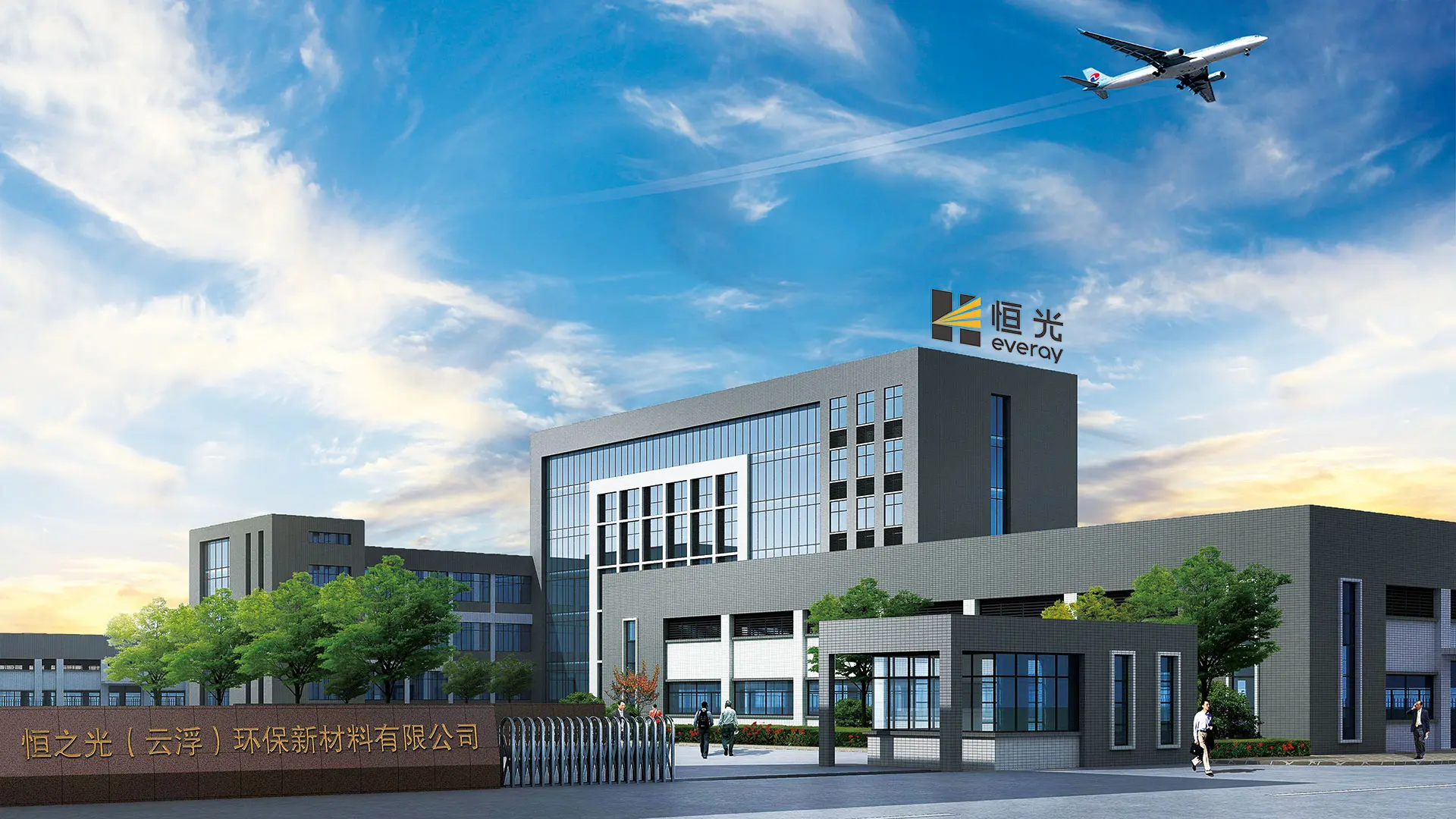
Established in 2006, Guangdong Ever Ray Environmental Material Co., Ltd. is a high-tech enterprise focusing on the R&D and manufacturing of oligomers for UV-curable resins, including epoxy acrylates, polyurethane acrylates (waterborne, aliphatic urethane, aromatic urethane), polyester acrylates, pure acrylates, and other custom-modified acrylate oligomers.
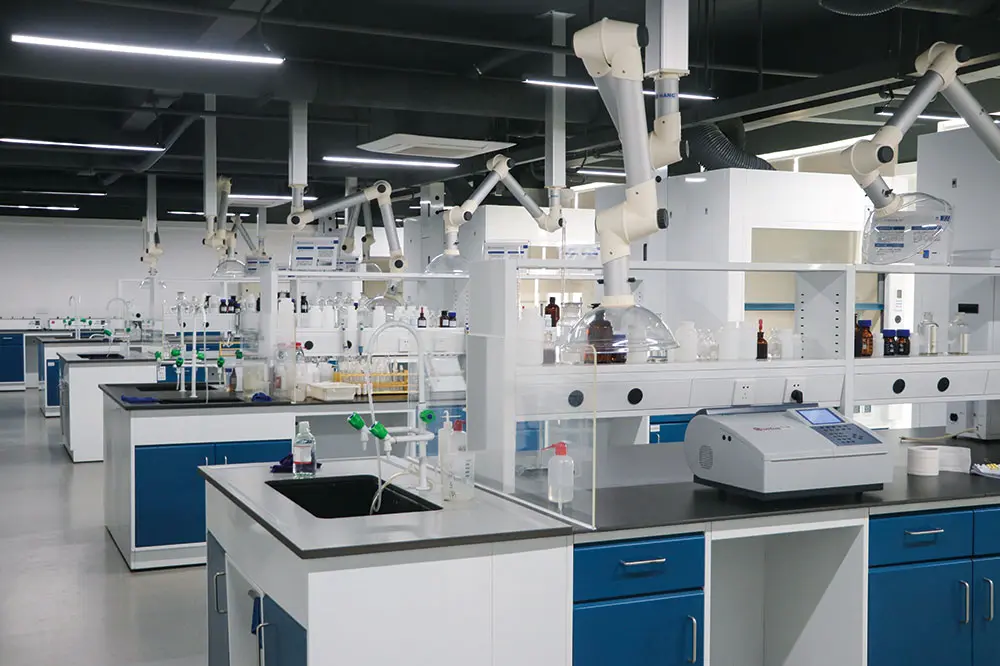
We operate two production bases in Guangdong province. Our Jiangmen facility covers 10,000 square meters, and our Yunfu facility spans 40,000 square meters. Equipped with quality control, storage, and logistics facilities, our annual production capacity exceeds 20,000 tons across more than 10 production lines. The factories operate under ISO9001 and ISO14001 standards, utilizing a DCS fully computerized control system to ensure consistent product quality.
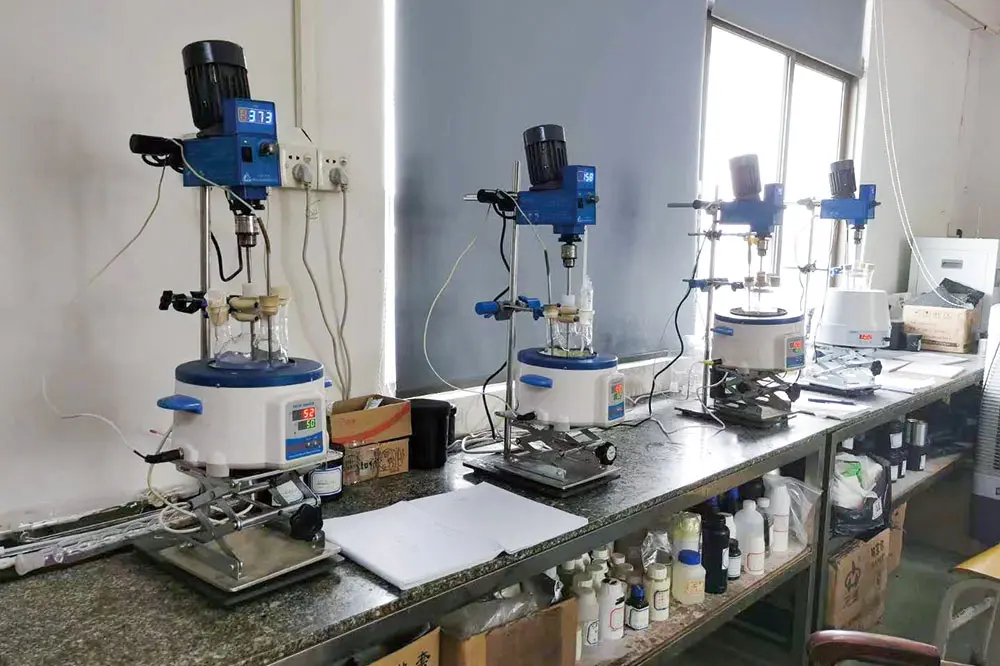
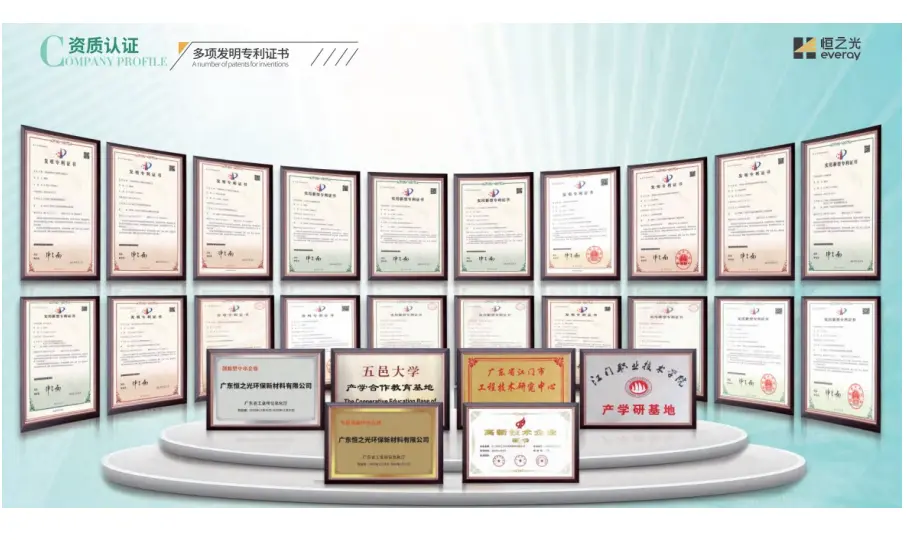
We source raw materials from established domestic and international suppliers and work with industry experts to maintain production safety and product stability. With 15+ technicians in our R&D department and more than 10 patents, we design formulations that offer high reactivity, chemical resistance, and gloss for applications in wood coatings, plastics, inks, and adhesives.
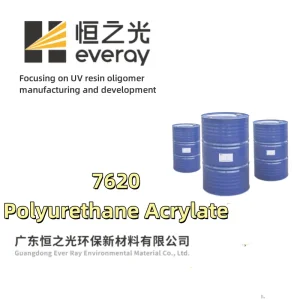
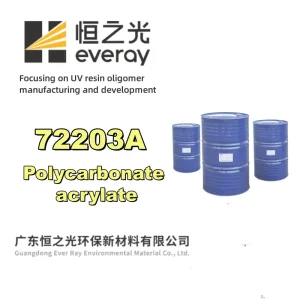
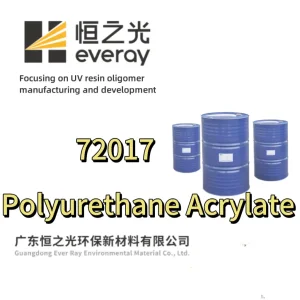
Explore our full range of UV-curable resins, engineered to meet demanding technical specifications for industrial applications.
Partner with an established manufacturer to source reliable aliphatic polyurethane acrylates for your business in Brazil.
Send Inquiry Now Ever Ray