Engineered to deliver exceptional UV resistance, rapid curing, and extreme mechanical durability across specialized applications in France.
Navigating the green transition and strict regulatory frameworks of the French manufacturing sector.
France is a hub for high-performance chemical engineering, luxury cosmetics, premium packaging, automotive components, and aerospace industries. Driven by the stringent European Union REACH regulations and France's national environmental roadmap (Stratégie Nationale Bas-Carbone - SNBC), French industrial manufacturers are rapidly phasing out traditional solvent-borne systems. The market is shifting decisively toward UV-curing and electron-beam (EB) technologies.
Aliphatic Polyurethane Acrylate (APUA) oligomers are key components in this transition. Unlike aromatic counterparts, APUA chemistry offers unparalleled UV stability, preventing yellowing when exposed to outdoor solar radiation. This property is crucial for French luxury glass packaging, clear plastic coatings, and automotive exterior varnishes.
For chemical formulators in French regions like Île-de-France (packaging), Auvergne-Rhône-Alpes (plastics and automotive), and the Cosmetic Valley (beauty and personal care), finding reliable suppliers of high-purity aliphatic polyurethane acrylates is critical. Procurement departments look for suppliers who provide:
Advanced functional oligomers designed to optimize curing efficiency, adhesion, and film toughness.
Combining Chinese scale, advanced chemical engineering, and global logistics to serve French manufacturers.
Established in 2006, Guangdong Ever Ray Environmental Material Co., Ltd. is a high-tech enterprise focusing on the R&D and manufacturing of oligomers for UV-curable resins. Our product portfolio includes epoxy acrylates, polyurethane acrylates (waterborne, aliphatic urethane, aromatic urethane), polyester acrylates, pure acrylates, and specialty modified functional monomers.
By partnering with a Chinese chemical manufacturer like Ever Ray, French formulation laboratories and industrial users benefit from optimized supply chains and chemical design expertise.
We operate two production bases: our original site in Jiangmen (10,000 m²) and a modern facility in Yunfu, Guangdong (40,000 m²). Both sites feature advanced quality control lab facilities, automated storage, and high-efficiency logistics networks.
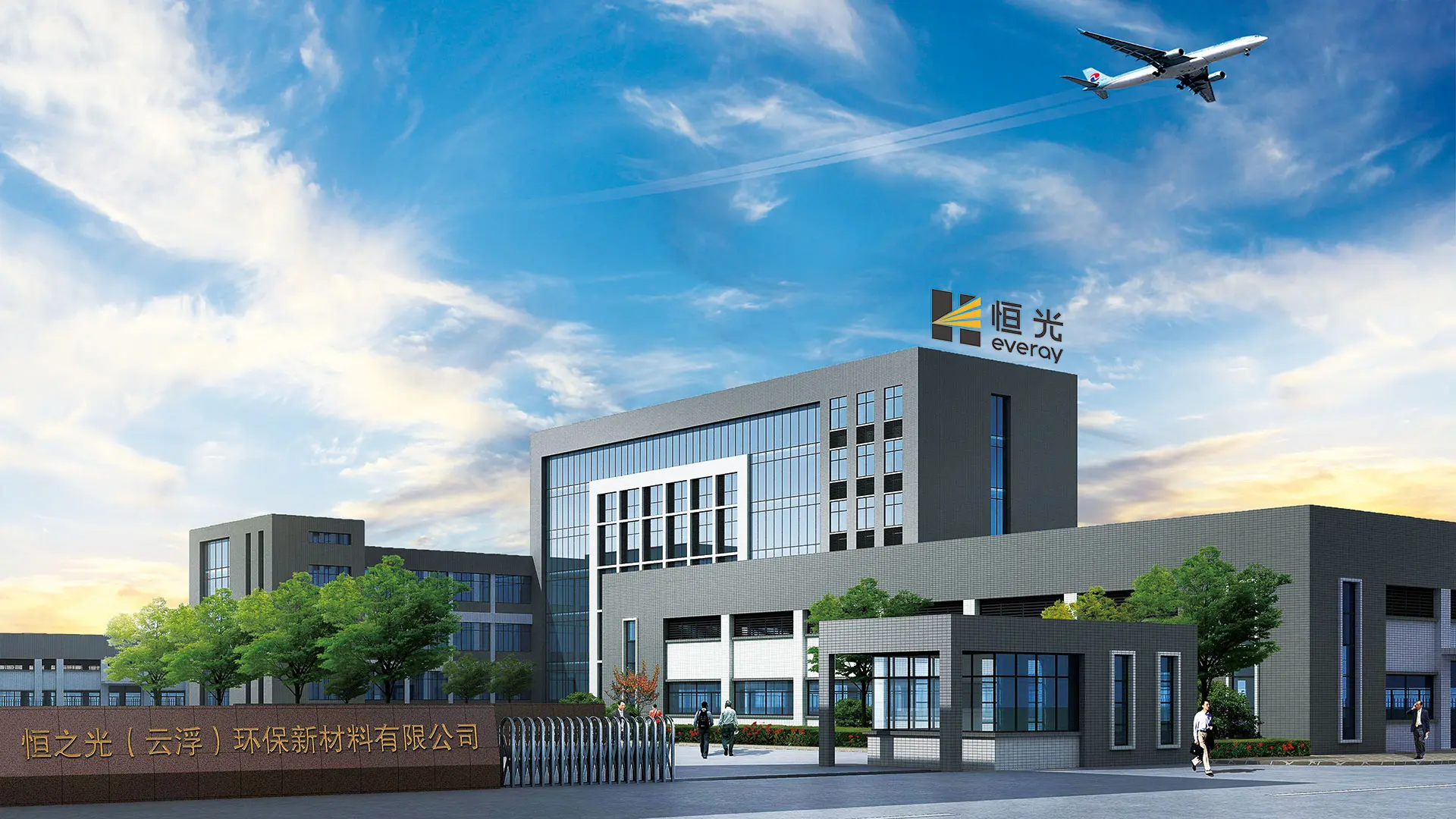
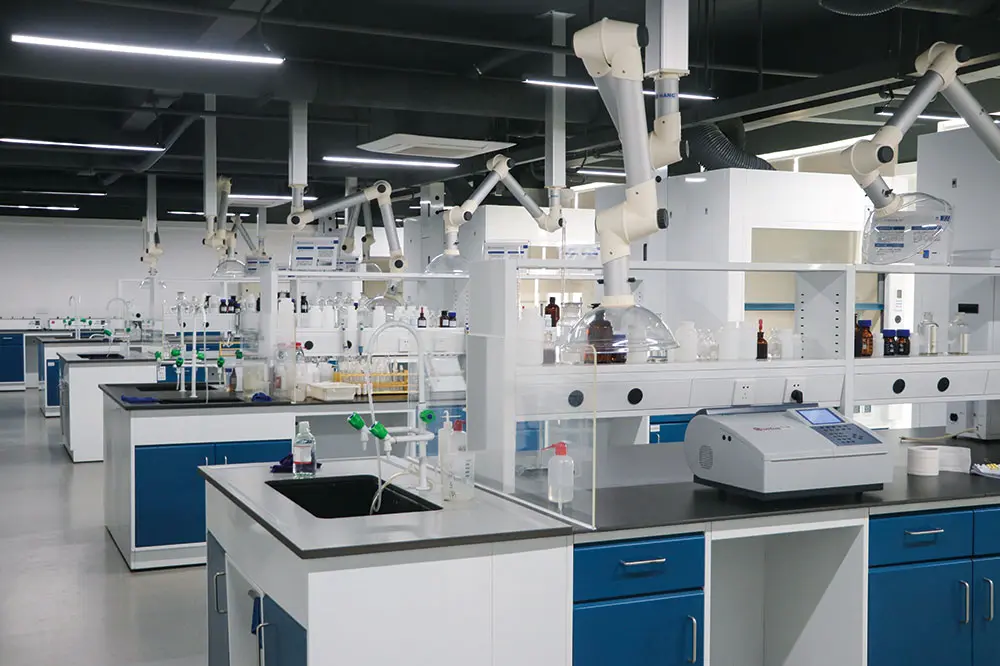
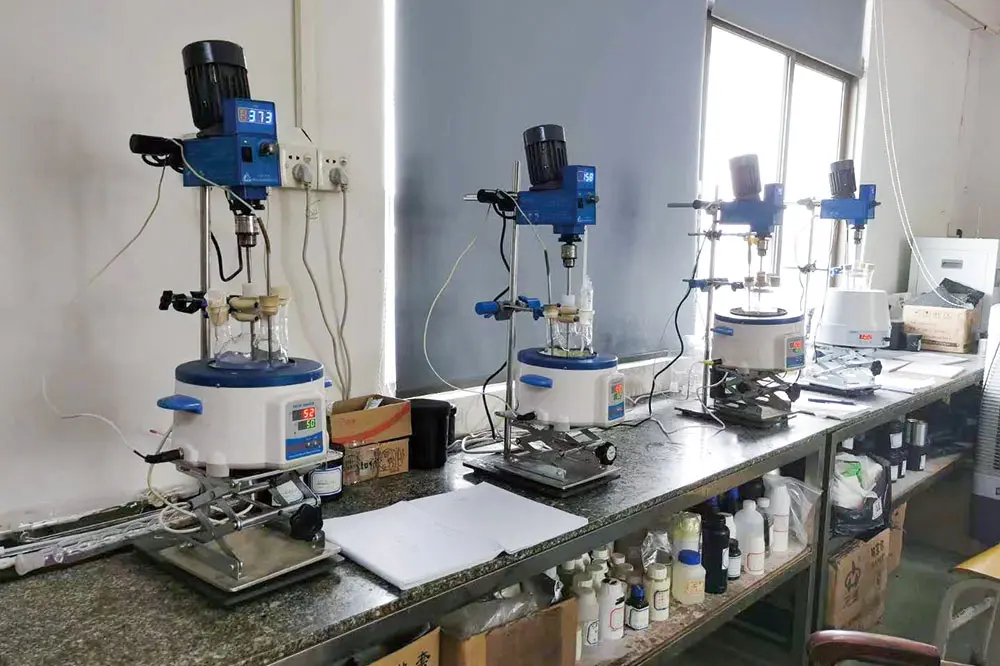
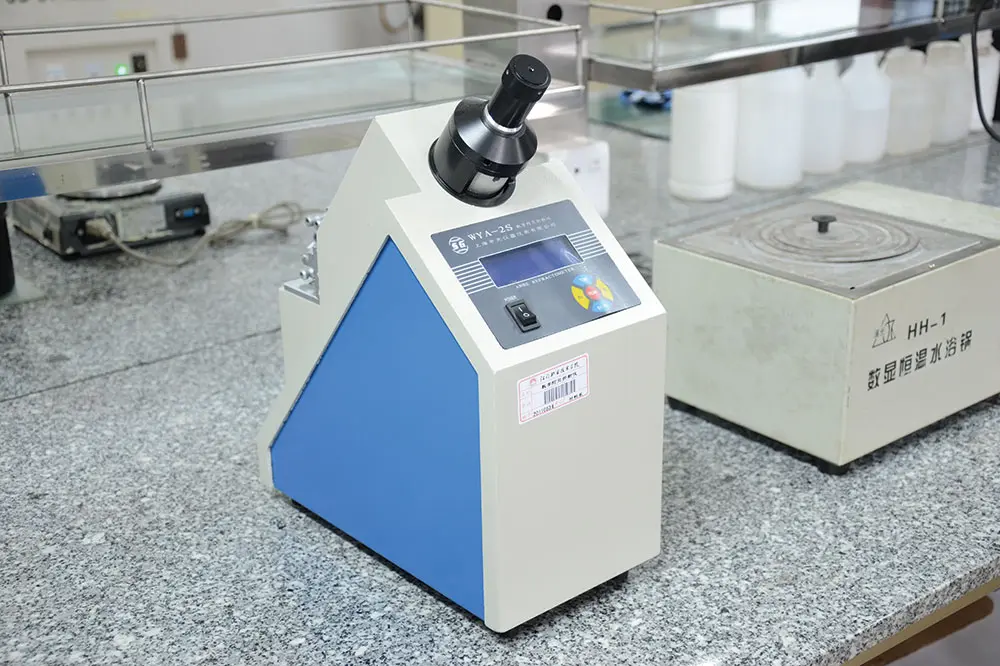
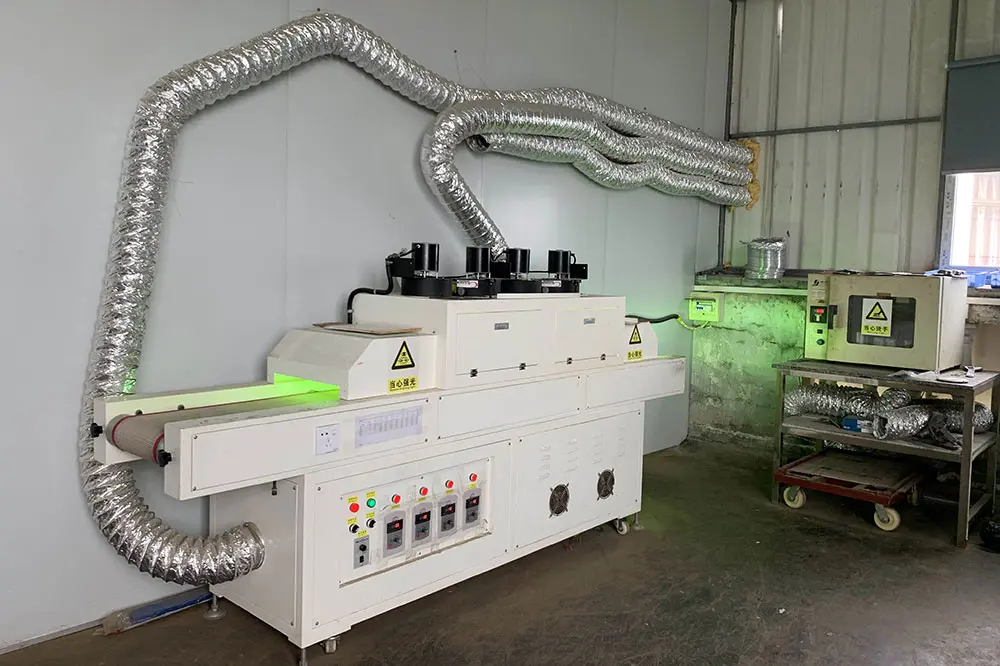
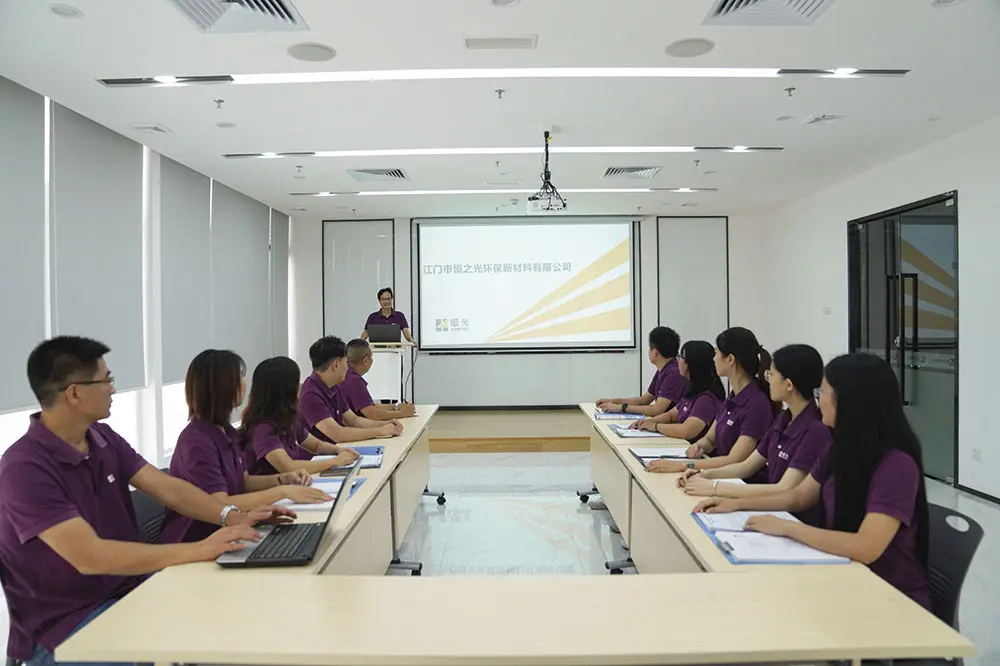
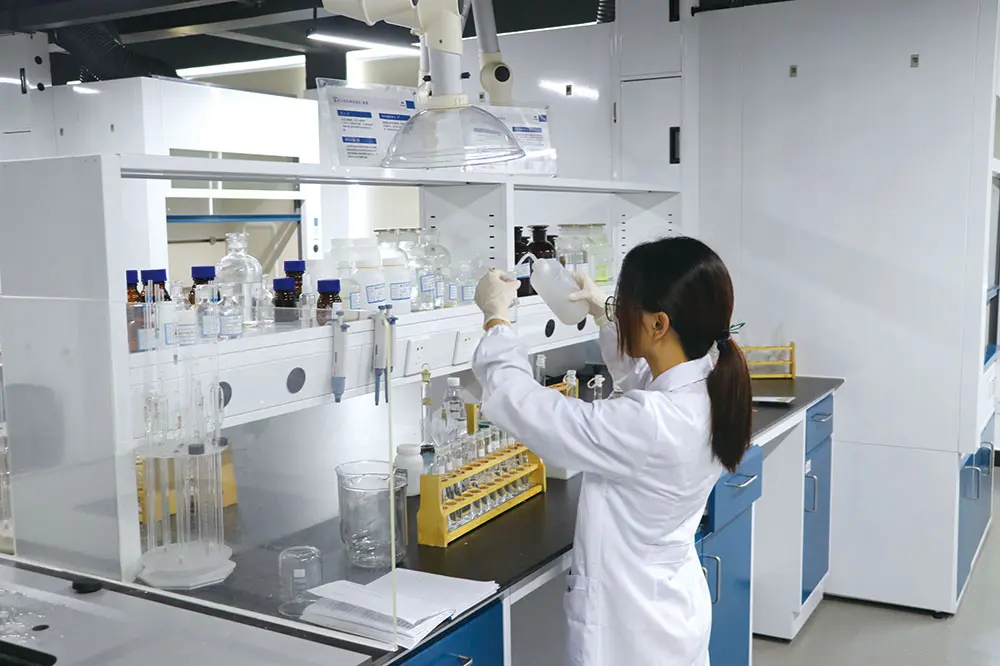
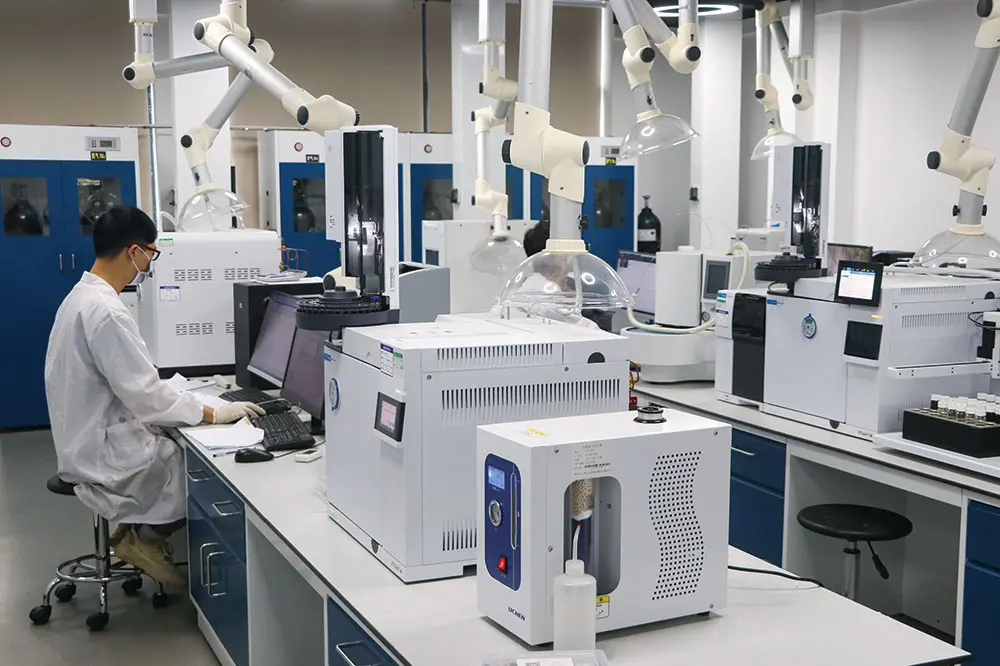
We hold more than 10 invention and utility model patents, and our R&D team features over 15 experienced technicians. Ever Ray works with domestic polymer scientists to continuously develop new resins that offer higher reactivity, improved chemical resistance, and precise gloss control. We help customers balance performance requirements with cost-saving goals.
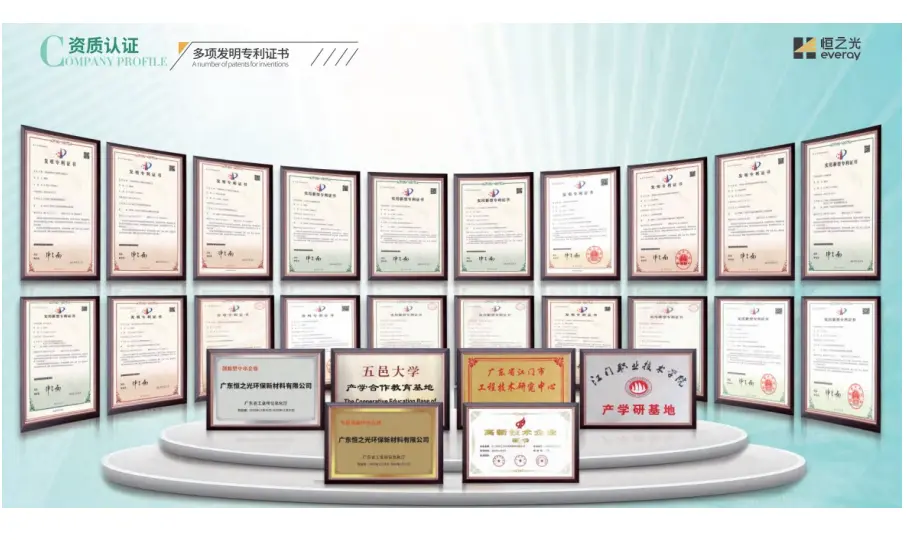
Tailoring Aliphatic Polyurethane Acrylate chemistry to the specific demands of French manufacturing industries.
France leads the global luxury market in cosmetics, perfumes, and high-end spirits. Brands in Paris, Lyon, and Grasse require coatings that combine visual clarity with high chemical resistance to essential oils, alcohol, and fragrance formulations.
Aliphatic polyurethane acrylate resins (like 7230E) provide the adhesion and gloss needed for metalized plastics and glass containers without yellowing under store lighting.
French wood furniture manufacturers and flooring companies in regions like Auvergne-Rhône-Alpes require fast-curing coatings that resist mechanical wear. Traditional solvent-based lacquers are increasingly replaced by UV-curable wood varnishes.
Oligomers like 7200-1 provide high hardness, scratch resistance, and elasticity to accommodate the natural expansion and contraction of wood.
With major automotive hubs in northern France and around Paris, Tier-1 suppliers need interior trim coatings that resist heat, moisture, and cleaning chemicals.
Aliphatic PUAs offer excellent flexibility and impact resistance, helping exterior plastics and interior trims withstand thermal cycling and physical abrasion.
French professional nail salons require fast-curing, flexible, and skin-safe nail extension gels. Formulators use low-heat-release aliphatic PUAs (like 72583) to prevent thermal discomfort during UV/LED curing.
In aerospace and biomedical prototyping hubs like Toulouse and Bordeaux, 3D printing resins require low shrinkage and high toughness. Ever Ray's dual-curing oligomer (72017) provides the mechanical property stability needed for precision printing.
Understanding the molecular dynamics that determine weatherability, elasticity, and adhesion.
Polyurethane acrylate oligomers are prepared by reacting diisocyanates with polyols and capping the terminal groups with hydroxyl-functional acrylates (such as HEA or HEMA). The choice between aliphatic and aromatic isocyanates defines the final performance profile of the cured film:
Aliphatic chains lack benzene rings, which makes them highly resistant to UV-induced degradation. When exposed to sunlight, they do not form conjugated quinoid chromophores, preventing yellowing and cracking. They are the ideal choice for clear varnishes, high-gloss finishes, and outdoor applications.
Aromatic structures are more cost-effective and cure faster. However, their benzene rings degrade under UV radiation, causing yellowing and loss of surface properties. They are typically used for dark primers, indoor coatings, or adhesives where UV exposure is minimal.
When formulating coatings or adhesives, chemistry teams select oligomers based on several key parameters:
Ensuring compliance, stable lead times, and seamless logistics from South China to French ports.
We work closely with French and European partners to provide REACH-compliant chemical data. Ever Ray supplies comprehensive SDS (Safety Data Sheets) in French, along with toxicological studies, to support local regulatory declarations.
Oligomers can be packaged in 20kg steel pails, 200kg steel drums, or 1000kg IBC containers. Since polyurethane acrylates are sensitive to temperature and light, all packaging is designed to prevent light infiltration, with temperature-controlled shipping available upon request.
Located near ports in Guangzhou, Shenzhen, and Hong Kong, we ship directly to main French ports like Le Havre, Marseille, and Dunkirk. Standard transit times range from 30 to 40 days, with air freight options for urgent sampling and evaluation.
Expert technical answers regarding the application, storage, and customization of Ever Ray oligomers.
Preserving our original product catalog with specialized solutions for printing inks, industrial coatings, adhesives, and 3D printing.
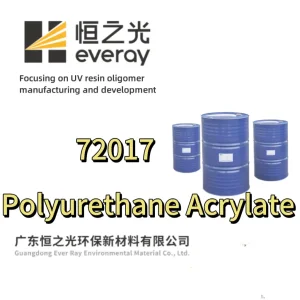
Connect with our engineering and procurement team for custom polymer synthesis, REACH documentation, and pricing details.
 Ever Ray