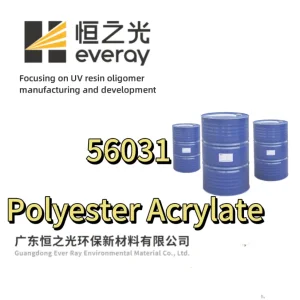
Highly engineered oligomers featuring high functionality, low viscosity, and extreme scratch resistance specifically curated for the Peruvian packaging and wood varnishing sectors.
In the current global industrial economy, chemical innovation serves as the baseline for performance enhancement. In South America, and specifically in Peru, the manufacturing sector is witnessing a paradigm shift. Rising strictness in local environmental laws combined with a demand for superior physical finishes has pushed industries toward UV curable technologies. Central to this transition is the use of hyperbranched acrylate oligomers.
Traditional linear acrylates have long dominated the market, but their intrinsic limitations—namely the trade-off between viscosity and molecular weight—restrict their effectiveness in modern high-speed printing and high-durability coatings. Hyperbranched acrylate oligomers, due to their dendritic, highly branched 3D architectures, present a breakthrough. They offer exceptionally low viscosity even at high molecular masses, bypassing the need for excessive monomer diluents while providing multi-functional reactivity points for ultra-fast curing speeds.
Peru's chemical and packaging sectors, heavily concentrated around the metropolitan hub of Lima and the port of Callao, are under continuous pressure to upgrade coating standards. Furthermore, Peru’s expanding export sectors—ranging from premium agricultural packaging (blueberries, avocados, grapes) to high-wear mining machinery and components—demand surface coatings that resist mechanical wear, extreme UV irradiation, and humidity.
The transition from traditional solvent-borne systems to radiation-curable (UV/EB) coatings is also fueled by regulatory pressures. As the Peruvian Ministry of Environment (MINAM) and municipal entities tighten VOC emissions controls, local factories are forced to transition to green chemistry solutions. Hyperbranched acrylates provide a clear path forward, allowing formulation of 100% solid, VOC-free coatings with unparalleled scratch resistance and adhesion profiles.
When choosing components for photocurable formulations, understanding the structural differences between linear and hyperbranched molecules is crucial. The table below outlines how hyperbranched systems excel in crucial metrics:
| Property | Traditional Linear Oligomers | Hyperbranched Acrylate Oligomers | Benefit for Peruvian Formulation Engineers |
|---|---|---|---|
| Viscosity Profile | High (requires heavy monomer dilution) | Ultra-Low (minimal monomer needed) | Better VOC control, safe application in packaging |
| Curing Speed | Moderate (fewer reactive end-groups) | Extremely Rapid (multi-functional arms) | Accelerated production line speeds in printing factories |
| Volume Shrinkage | High (typically 8% - 15%) | Very Low (<3%) | Excellent adhesion to metals and plastic substrates |
| Oxygen Inhibition | Highly susceptible | Significantly reduced susceptibility | Tack-free surface curing even under ambient oxygen |
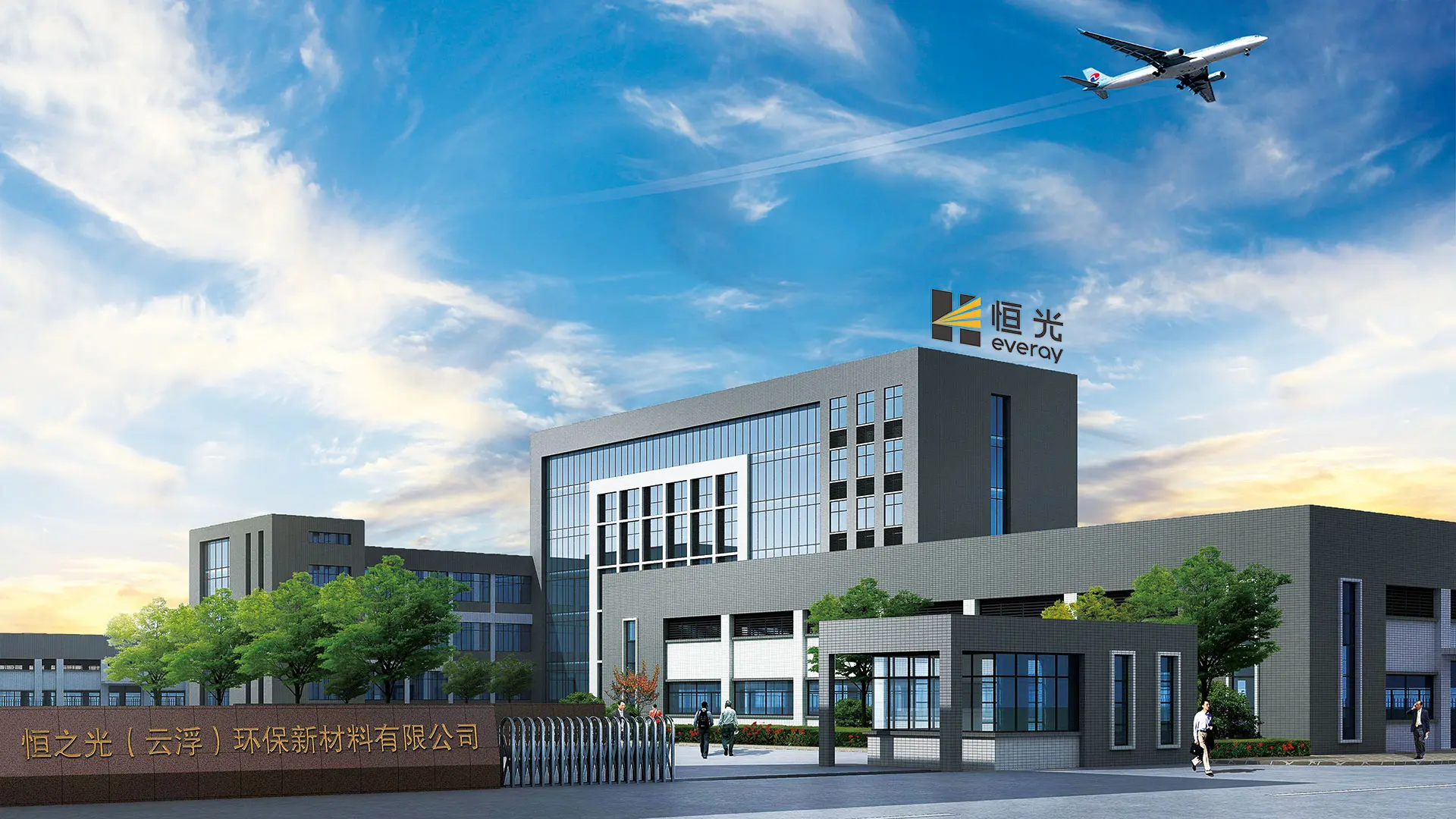
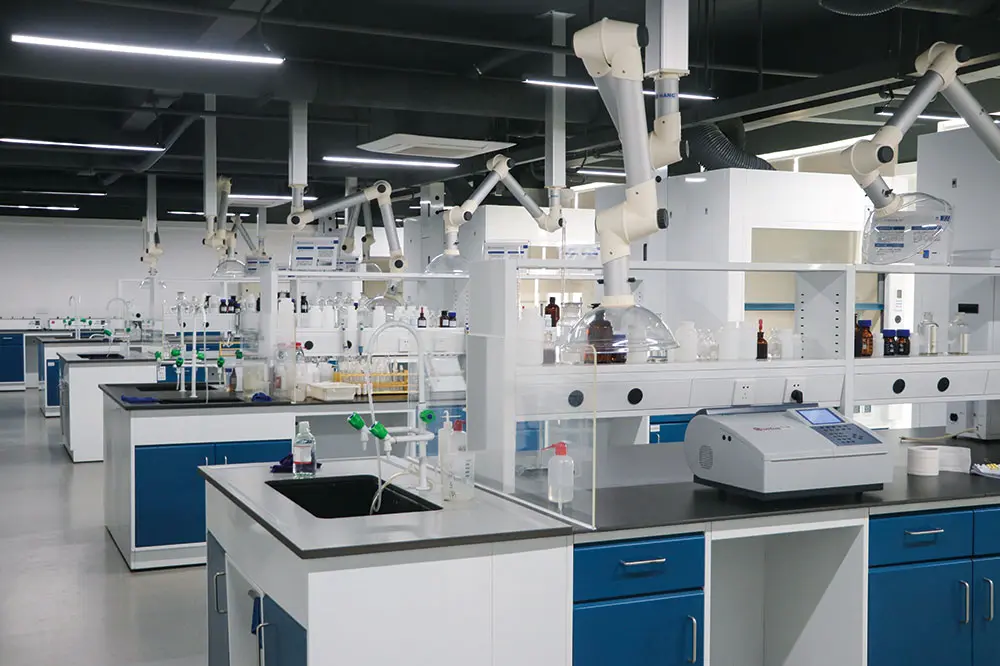
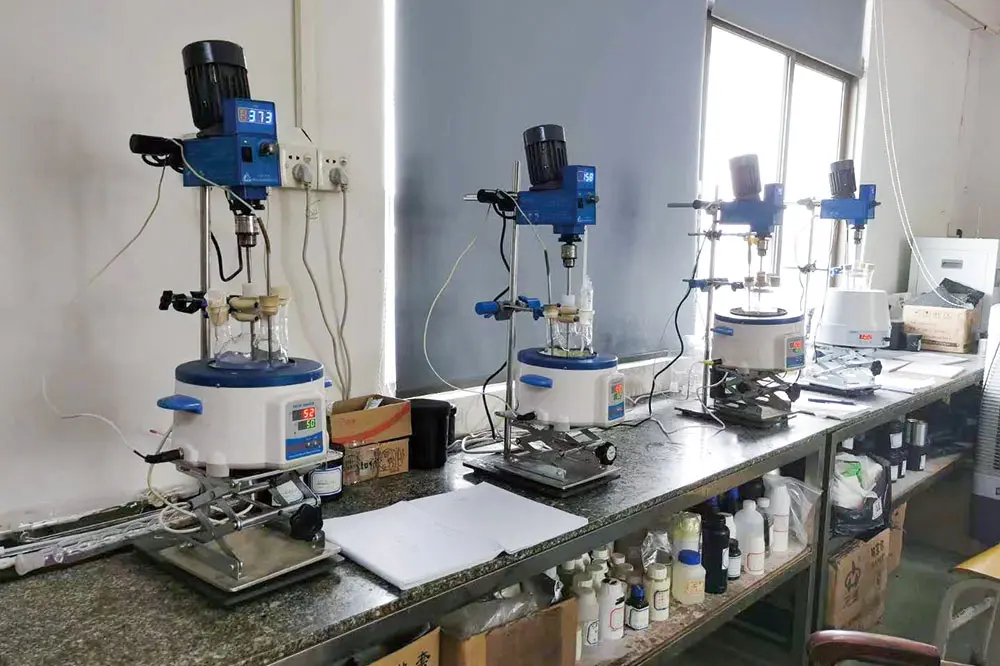
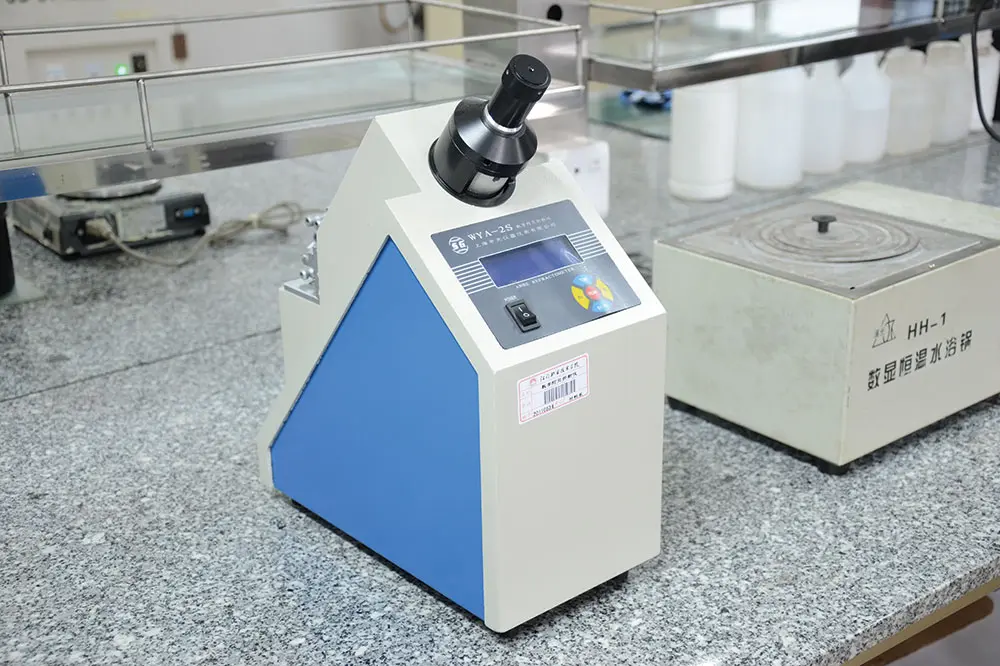
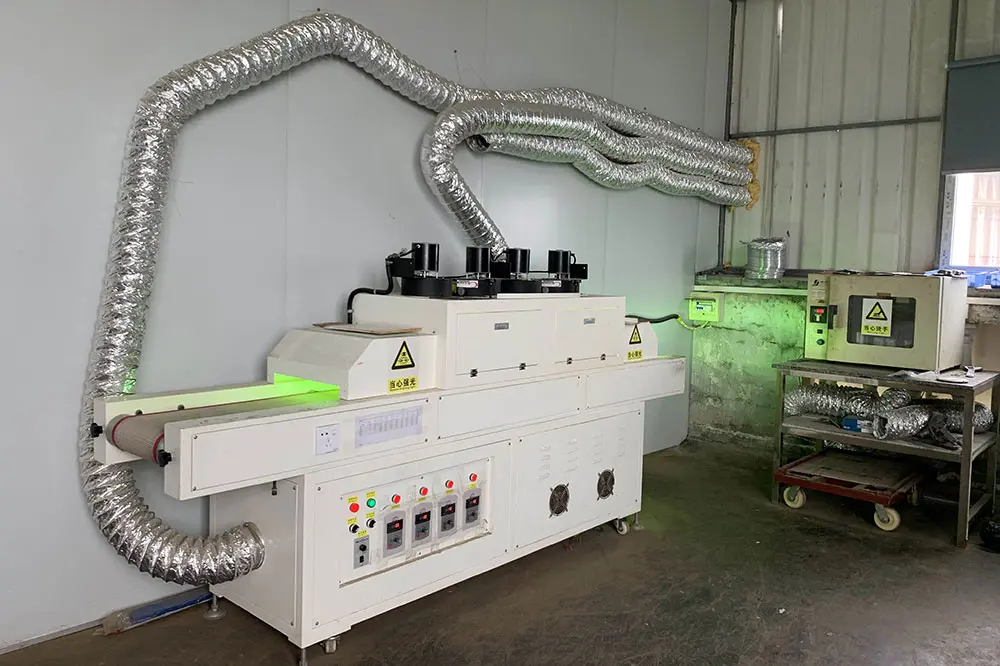
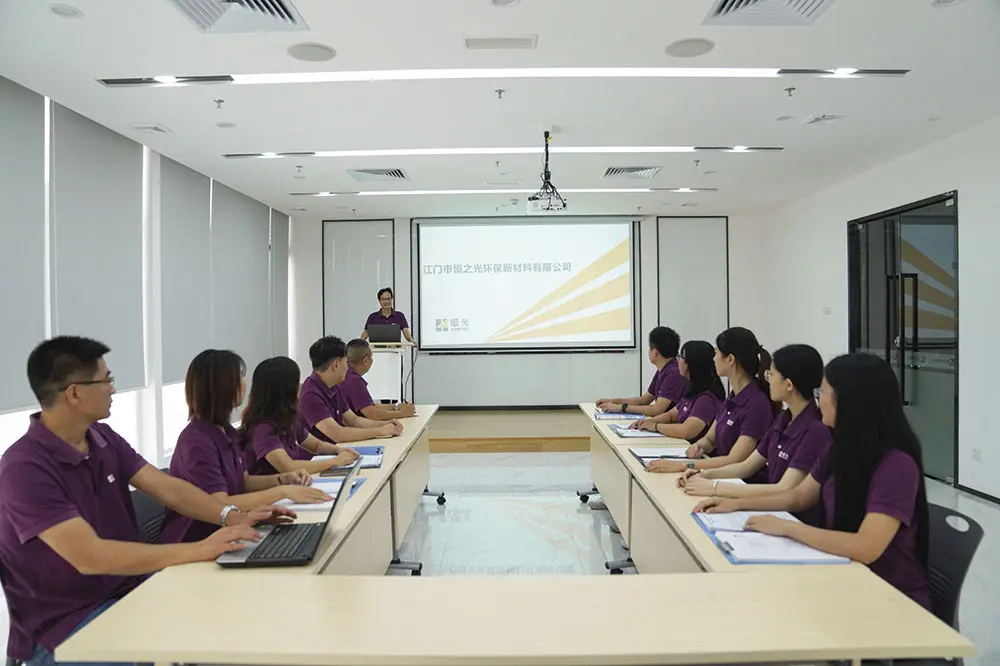
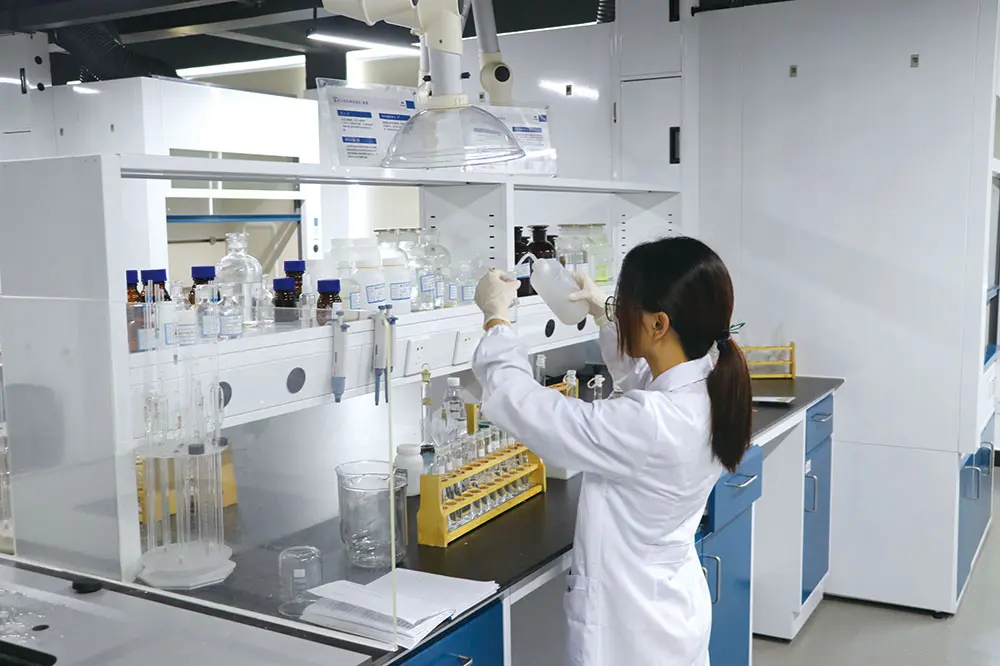
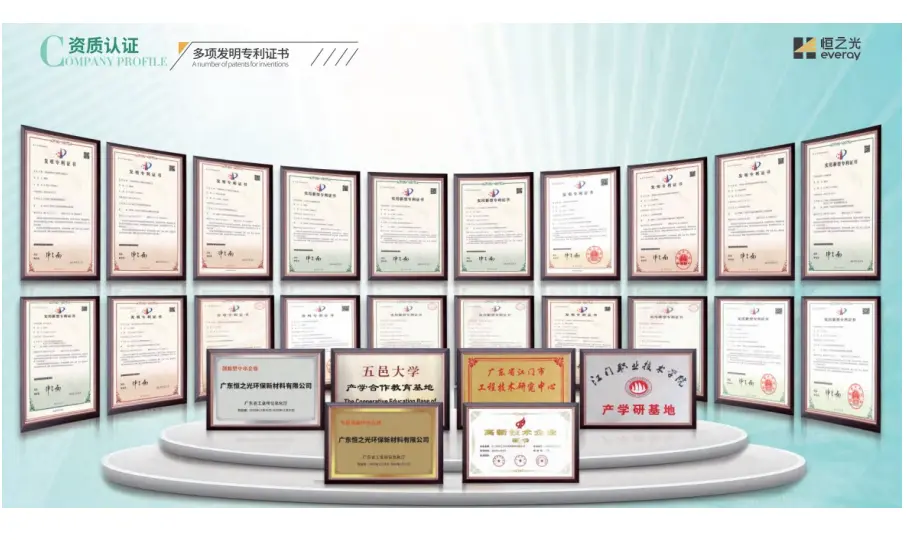
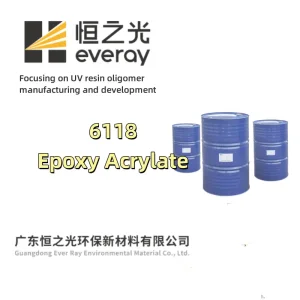
Guangdong Ever Ray Environmental Material Co., Ltd., established in 2006, is a high-tech enterprise focusing on the R&D and manufacturing of oligomers for UV curable resin such as epoxy acrylate, polyurethane acrylate (water-borne, aliphatic urethane, aromatic urethane), polyester acrylate, pure acrylate and other special functional modified acrylate oligomers.
We operate two production bases: our facility in Jiangmen, Guangdong, spans approximately 10,000 square meters, while our larger facility in Yunfu, Guangdong, encompasses around 40,000 square meters. Both facilities feature quality control, storage, and logistics supporting infrastructure. Our annual production capacity exceeds 20,000 tons across more than 10 production lines.
To ensure consistent quality, our factories operate under the ISO9001 Quality Management System and ISO14001 Environmental Management System. Operations are managed using an advanced DCS fully computerized control system. We select premium domestic and foreign raw materials and consult with UV material experts to maintain safety standards and product stability.
With over 15 technicians in our R&D department and more than 10 invention and practical patents, we develop high reactivity, chemical resistance, and high-gloss formulations for wood coatings, plastics, inks, and adhesives. We focus on technological innovation and environmental protection, driving sustainable chemistry for our global client base, including our growing distribution networks in Peru.
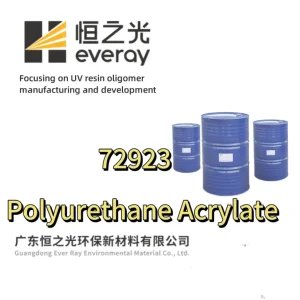
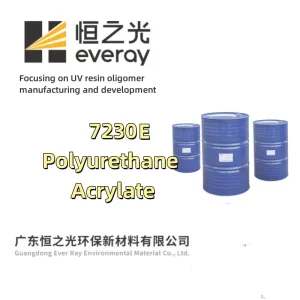
Explore our comprehensive selection of epoxy, polyester, and polyurethane acrylates engineered for high performance under challenging industrial conditions in South America.
How hyperbranched architectures are leading the next evolution in green chemical engineering and photopolymer science globally.
As food safety authorities in the EU, USA, and South America implement stricter regulations regarding molecular migration from inks into packaged foods, raw material chemistry must adapt. Standard linear monomers are small and prone to remaining unreacted in the polymer matrix, presenting a migration risk. Hyperbranched acrylates, due to their higher molecular size combined with multiple reactive end-groups, exhibit near-zero migration properties. This makes them suitable for formulations targeting international food safety compliance.
Traditional UV curing relies on medium-pressure mercury lamps, which consume significant power and generate heat and ozone. LED curing (operating primarily at 365nm, 385nm, or 395nm wavelengths) is increasingly adopted by industrial printing facilities. However, LED curing lacks the short-wave UVC energy that assists in overcoming oxygen inhibition at the surface. Hyperbranched oligomers, configured with highly dense acrylate groups, enable rapid surface curing under energy-efficient LED configurations.
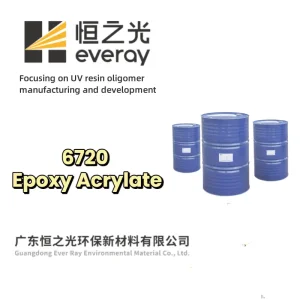
In line with global decarbonization goals, Ever Ray is developing bio-based raw materials, utilizing natural lipids and plant-derived polyols. Products like our Epoxidized Soybean Oil Acrylate 6720 represent this approach, helping industrial coaters in Peru reduce their environmental footprint without sacrificing performance.
Answers to common formulating and logistics questions regarding importing UV oligomers into Peru.
Hyperbranched acrylates feature highly branched, globular structures that result in lower viscosity relative to their molecular weight. They contain a high concentration of terminal reactive groups, which facilitates fast curing speeds, low volumetric shrinkage, and improved scratch resistance. This profile is beneficial for formulating VOC-free, low-viscosity UV varnishes.
We package our oligomers in sealed steel drums with polymerization inhibitors to prevent premature curing during transport. Shipments to Peru travel in temperature-controlled containers through the Port of Callao. We advise local distributors to store these materials in cool, well-ventilated warehouses below 35°C, away from direct sunlight and heat sources.
Oligomers like our 5336B and 5377A polyester acrylates are designed with high molecular weights to minimize migration. However, final compliance depends on the complete formulation, including the choice of photoinitiators and reactive monomers. We work with formulators to adjust these parameters to meet Nestlé guidelines and FDA standards.
With over 15 technicians in our R&D department, we can modify parameters such as viscosity, curing speed, chemical resistance, and adhesion to specific plastics or metal substrates. We offer custom synthesis services to help meet our customers' technical specifications and target material costs.
Optimize your UV curing process, request technical data sheets (TDS), or order free product samples for trial runs in your lab.
Send Inquiry Now Ever Ray