Formulations specifically optimized for Seoul's precision electronics, mobile screen coatings, and display supply chains.
The Greater Seoul Metropolitan Area (including Incheon, Suwon, and Pangyo Techno Valley) has evolved into the absolute epicentre of the global display, semiconductor, and advanced electronic packaging supply chains. Driven by tech giants like Samsung Electronics, LG Display, and Hyundai Motor Group, there is a continuously escalating demand for advanced coatings, optical adhesives, and ink technologies that can perform under extremely rigorous conditions.
Modified Acrylate Monomers represent the functional backbone of modern UV (Ultraviolet) and EB (Electron Beam) curable systems. Traditional monomer chemistries often fail to meet the delicate balances required by Seoul's high-tech manufacturing sector, such as low cure shrinkage, excellent adhesion to flexible glass substrates (UTG - Ultra-Thin Glass), superior optical transmittance, and robust thermal durability.
As a premier chemical manufacturer, our specialized functional monomers allow formulators in the Seoul region to modify curing speeds, mechanical properties, and cross-linking density. This structural tailoring guarantees that optical clear adhesives (OCA) and shadowless glues satisfy the precise demands of the next-generation micro-LED and flexible OLED displays.
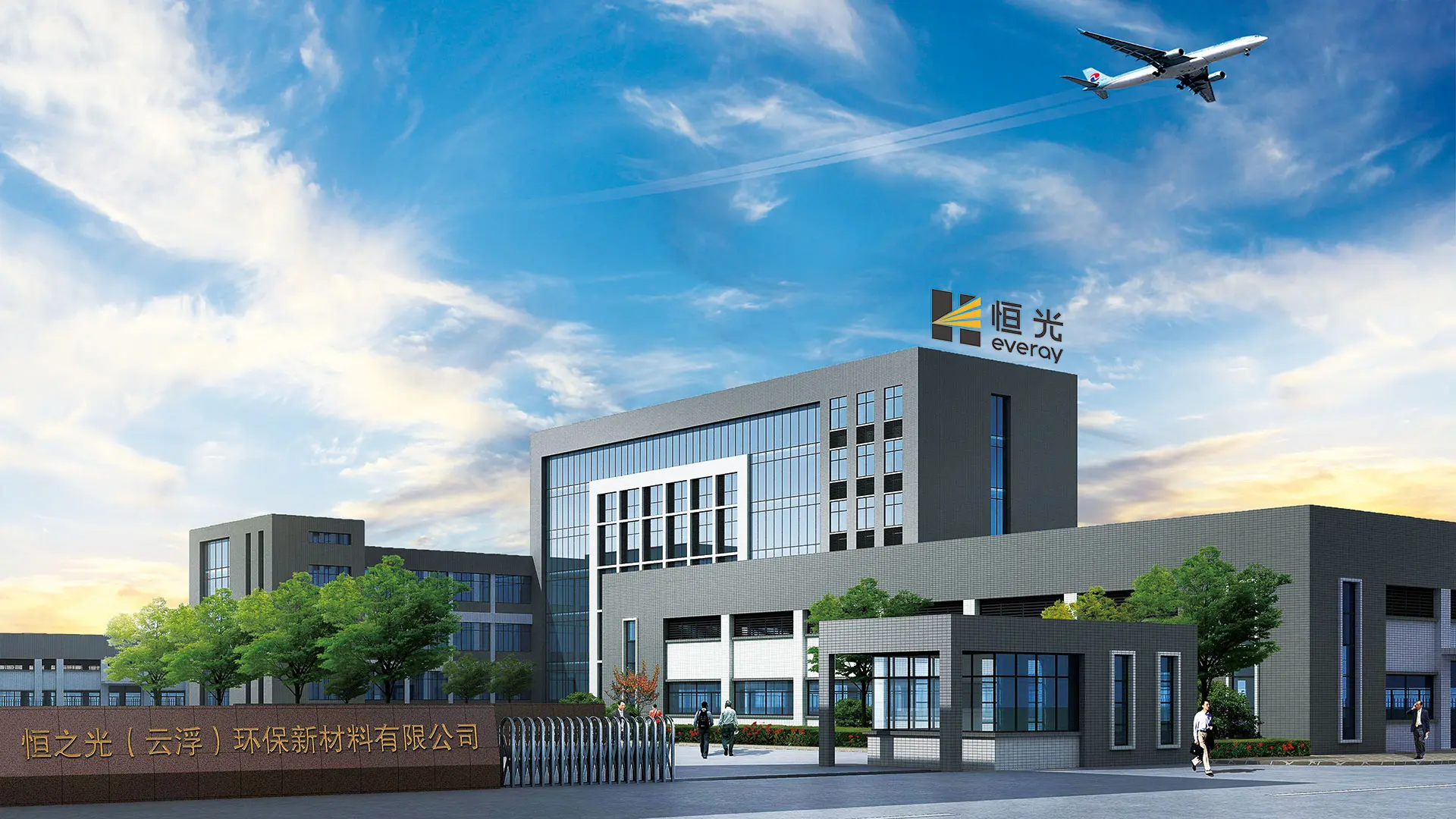
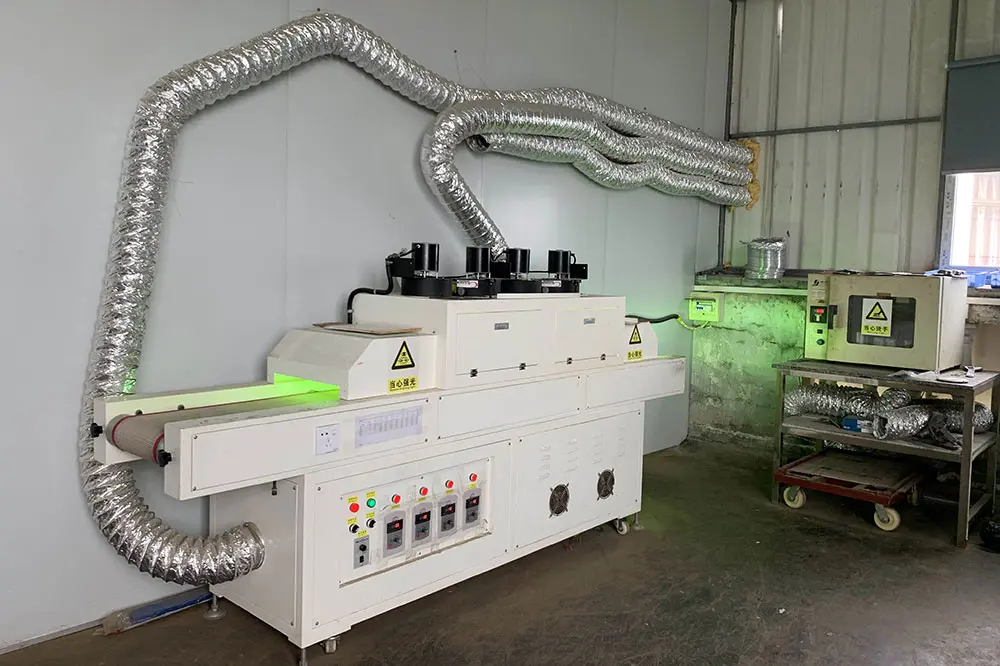
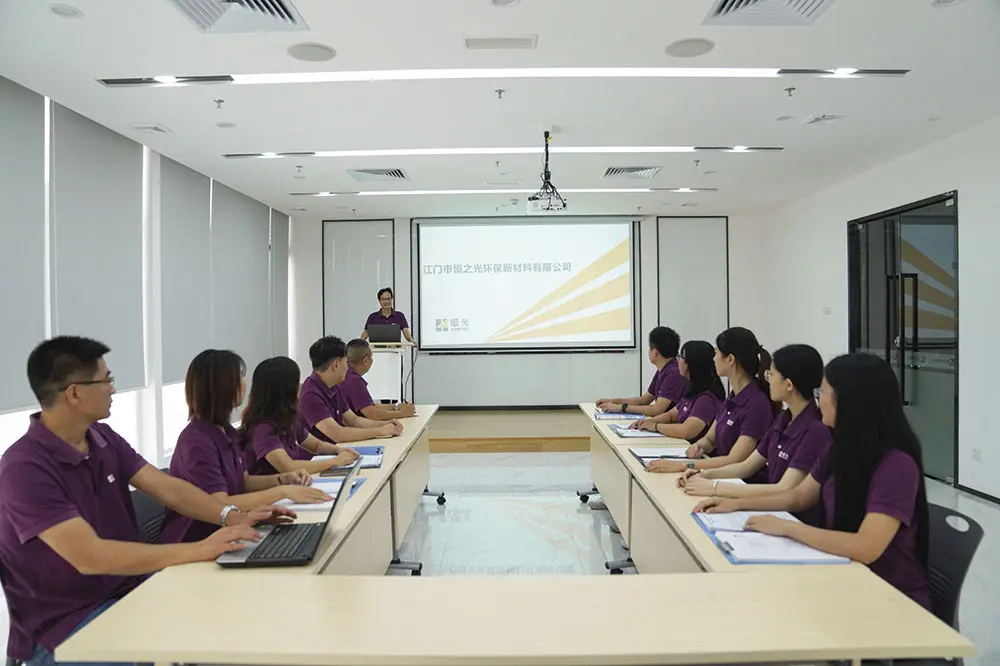
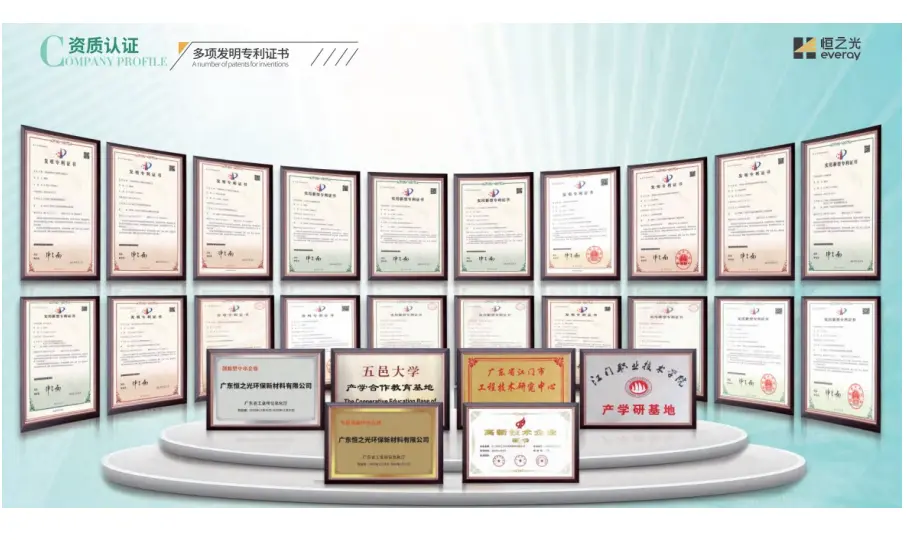
Guangdong Ever Ray Environmental Material Co., Ltd. (established in 2006) stands at the forefront of UV curable technology. Our commitment is backed by comprehensive R&D and massive digital production facilities.
To eliminate batch-to-batch deviations, our production units employ fully computerized DCS (Distributed Control System) automation. This enables exact temperature profiling, feed rate regulation, and real-time viscosity tracking during esterification and modification steps.
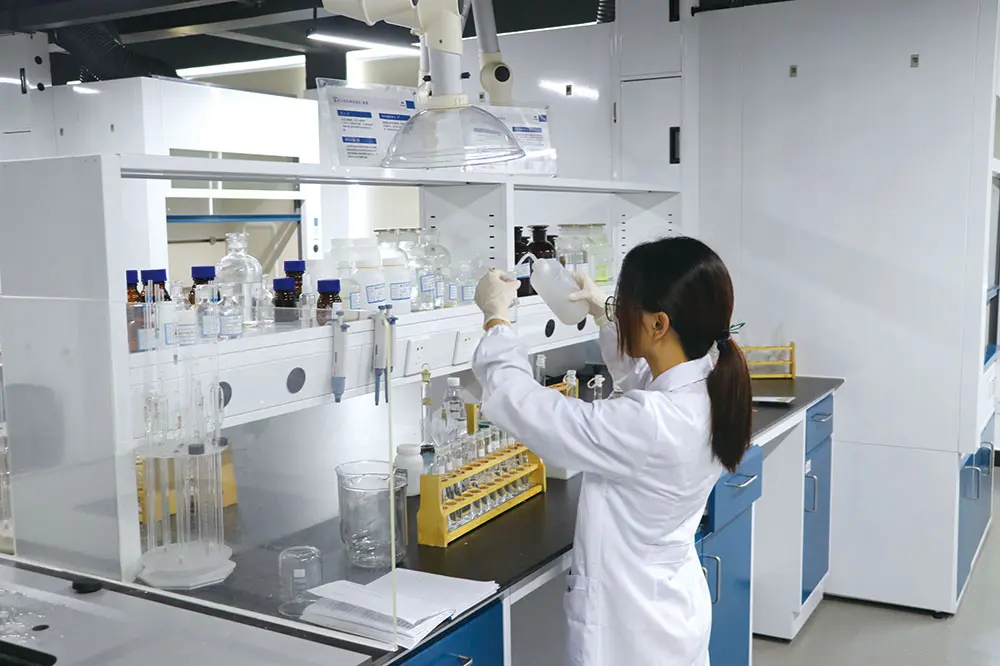
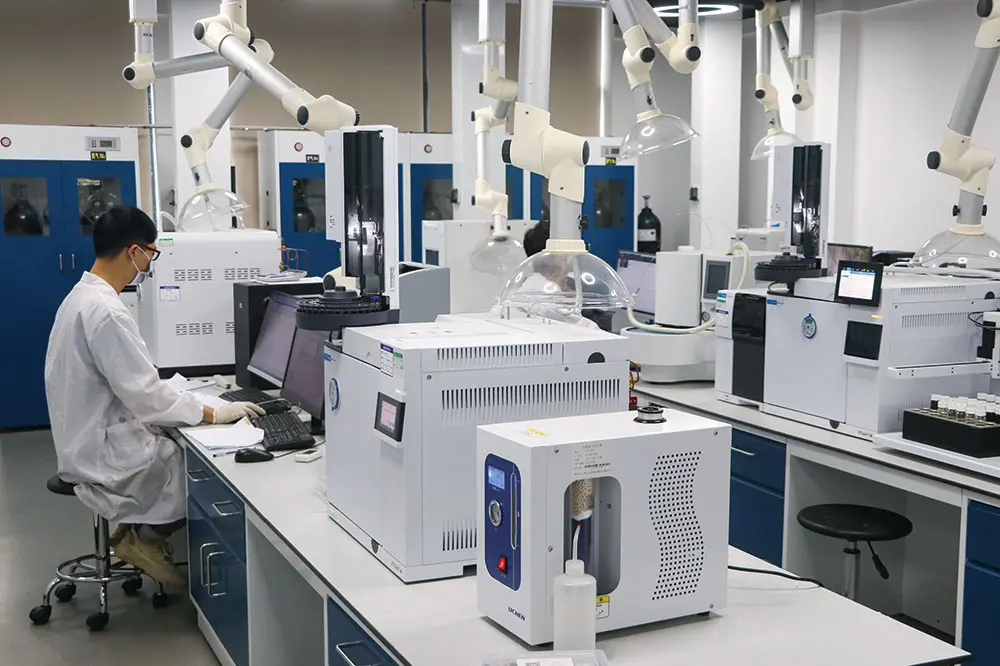
Equipped with high-performance GPC (Gel Permeation Chromatography), FTIR, gas chromatography, and real-time DMA (Dynamic Mechanical Analysis), our R&D technicians can design customized monomers with narrow molecular weight distributions and highly predictable glass transition temperatures (Tg).
With our Jiangmen facility (10,000 m²) and our massive Yunfu base (40,000 m²), we house more than 10 fully operational, automated production lines yielding over 20,000 tons of high-purity oligomers and modified monomers annually.
Integrating raw chemical materials into modern electronics production requires rigorous compliance validation. South Korea operates under strict chemical supervision frameworks, primarily governed by K-REACH (Act on Registration and Evaluation of Chemical Substances) administered by the Ministry of Environment. Our technical department partners with local Korean import agencies and regulatory representatives to guarantee that all supplied monomers undergo proper classification, pre-registration, or registration, depending on annual tonnage.
Our manufacturing plants operate strictly under the ISO9001:2015 Quality Management System and ISO14001:2015 Environmental Management System. This ensures that every shipment sent to the Port of Incheon or directly to warehouse hubs in Gyeonggi-do contains fully traceable documentation, RoHS test reports, and updated safety data sheets (SDS) matching GHS standards in the Korean language.
| Monomer Class / Identifier | Primary Function / Seoul Market Adaptation | Tg (°C) Range | Viscosity @ 25°C (mPa·s) | Target Application Industry |
|---|---|---|---|---|
| Special Modified Acrylate Oligomer | High water-resistance, outstanding glass leveling, non-yellowing | -10 to 15 | 1,200 - 3,500 | Optical displays, Smart Glass, Outdoor Signage |
| Low Shrinkage Epoxy Acrylate | Mitigates internal stress, provides high-adhesion to ITO & Glass | 45 to 65 | 12,000 - 18,000 | Flexible OLEDs, Water Transfer Inks |
| High Reactivity Polyester Acrylate | Fast surface cure speed under low-energy LED-UV lamps | 10 to 30 | 300 - 800 | High-Speed Offset & Gravure Ink |
| Aliphatic Urethane Acrylate | Extreme flexibility, anti-scratch coating, non-yellowing durability | -30 to 20 | 5,000 - 15,000 | Automotive Interiors, Smart Mobile Cases |
A statistical breakdown of our manufacturing strength, engineering assets, and supply capability.
During the polymerization (curing) phase of acrylate monomers, the transformation of weak van der Waals forces into tight covalent bonds inevitably leads to volumetric shrinkage. For display substrates, this shrinkage causes optical distortion, substrate bending, and delamination. Our Low-Shrinkage Polyurethane Acrylate Oligomers and modified monomers incorporate bulky cyclic groups and flexible ether/ester backbones that limit volumetric shrinkage to less than 2.0% while retaining high cross-linking speed. This balance is crucial for liquid optically clear adhesives (LOCA) used in manufacturing smartphones and curved dashboard displays in Seoul.
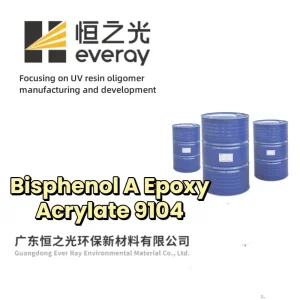
In the Guro and Gasan Digital Complexes, electronic manufacturing centers demand specialized coatings that resist stripping solutions, etching chemicals, and high soldering temperatures. Our Bisphenol A Epoxy Acrylates provide highly rigid molecular backbones and dense hydroxyl configurations. This molecular architecture gives cured coatings outstanding barrier protection against moisture, solder flux, and cleaning solvents, safeguarding fragile semiconductor circuitry and copper interconnects.
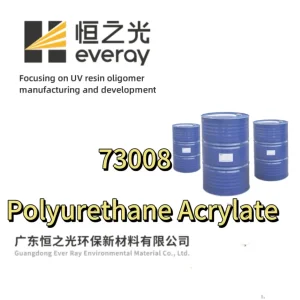
With the rapid adoption of Foldable Display technology and active Smart Glass (electrochromic glass) in Seoul’s commercial architectural projects, traditional acrylic resins struggle with thermal movement and UV exposure. Our Wholesale 17730A-2 Special Modified Acrylate Resin and Low-Shrinkage Polyurethane Acrylate Resin 73008 solve these challenges. They offer excellent elasticity, prevent yellowing under long-term sunlight, and ensure superior adhesion to ITO (Indium Tin Oxide) glass, optical films, and hard plastic films.
In packaging print shops across Incheon and Seoul, high-speed UV flexography requires monomers with exceptional pigment wetting and low viscosity. If the system is too viscous, print patterns become uneven. Our Polyester Acrylate 5403-3F provides optimal water-ink balance, allowing gravure inks to achieve maximum color depth and fast cure speeds, even on non-porous polymeric food packaging films.
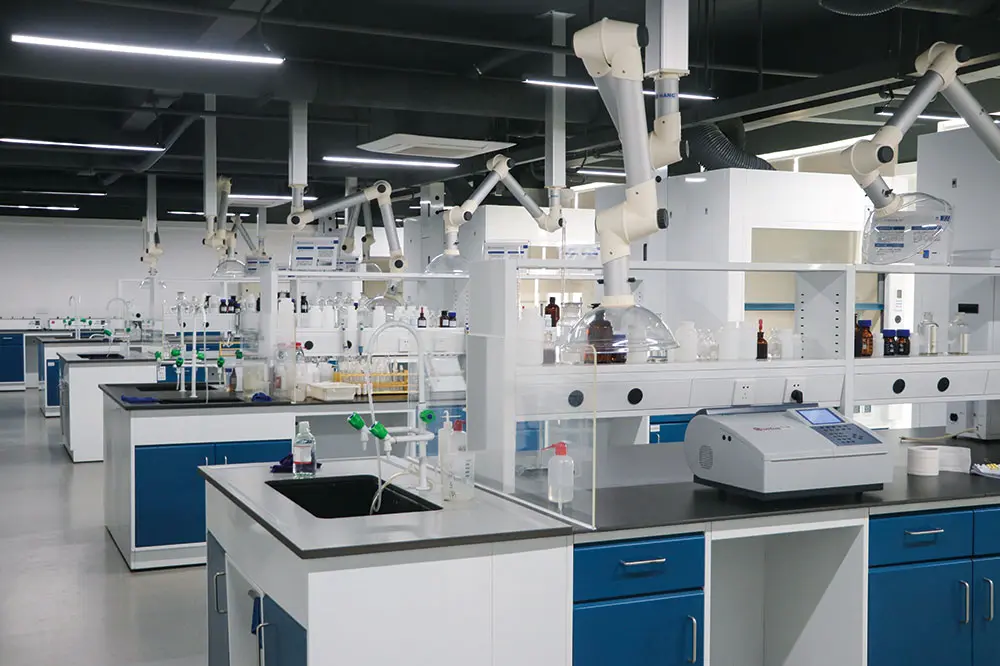
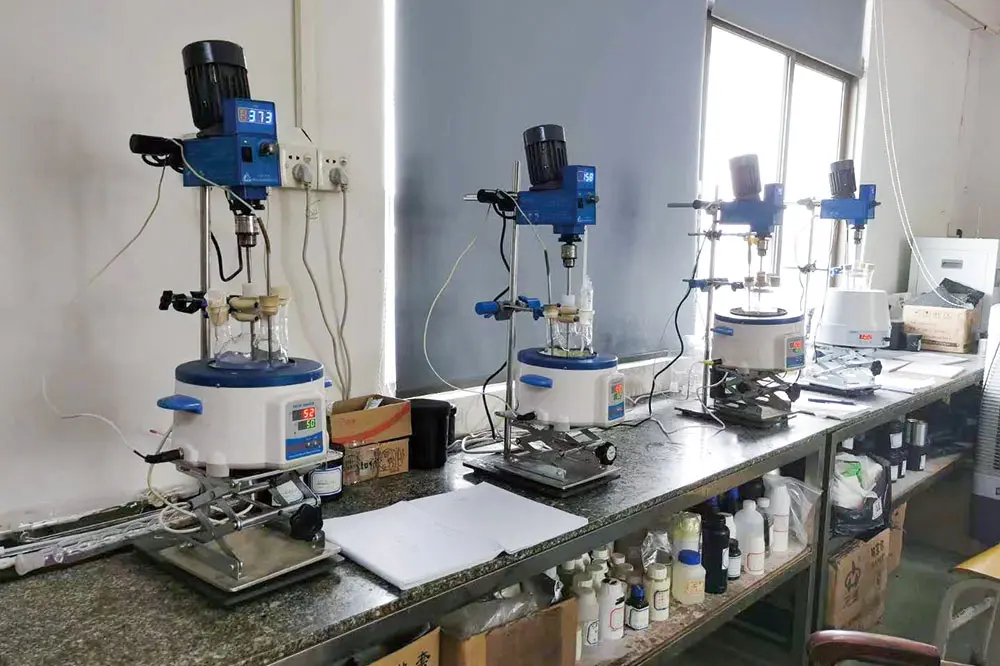
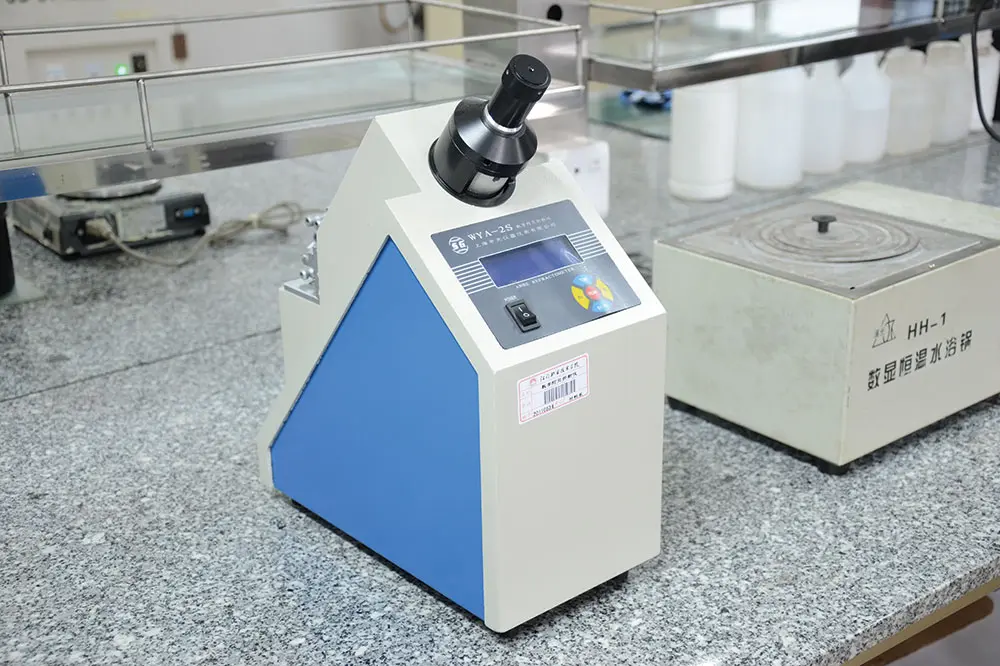
As South Korea accelerates its transition toward carbon neutrality and enforces stricter regulations on Volatile Organic Compounds (VOCs), the coatings industry is actively seeking alternatives to solvent-borne products. In response, Ever Ray’s R&D department is focusing on several key technical pathways:
By aligning our monomer research with South Korea’s Green New Deal and global ESG (Environmental, Social, and Governance) targets, Ever Ray ensures that our partners in Seoul remain competitive and compliant with international environmental standards.
Key insights for chemical engineers and raw material procurement managers sourcing for the Seoul metropolitan region.
Explore our full line of industrial resins, epoxy acrylates, and specialty materials available for bulk delivery to Seoul.
 Ever Ray