High-purity specialized monomers and modified oligomers optimized for wood coatings, packaging, glass printing, and automotive components across Jakarta, Surabaya, and Tangerang manufacturing hubs.
Indonesia, the largest economy in Southeast Asia, is witnessing a massive industrial transformation. As the nation pivots toward advanced manufacturing, high-performance chemical formulations—specifically ultraviolet (UV) curable systems and **Modified Acrylate Monomers**—have become critical enablers. Under the national roadmap "Making Indonesia 4.0", sectors such as food and beverage packaging, automotive assembly, electronics, wood processing, and high-end furniture manufacturing are shifting away from traditional solvent-borne coatings. This shift is driven by strict environmental regulations regarding volatile organic compounds (VOCs) and the pursuit of rapid processing cycles.
Modified acrylate monomers act as reactive diluents and polymer network builders in UV-curable systems. They are engineered to address the classic limitations of standard acrylates: volume shrinkage, poor adhesion to inert substrates (such as glass, polyethylene, and polypropylene), slow cure speeds under low-energy light sources, and susceptibility to yellowing. In tropical climates like Indonesia—characterized by high humidity and sustained high temperatures—the selection of these chemical building blocks requires meticulous evaluation of Tg (Glass Transition Temperature), weatherability, and cure stability.
1. Packaging and Labeling Boom: The exponential growth of e-commerce and retail in cities like Jakarta and Surabaya has driven demand for high-speed UV flexographic and offset inks. Modified polyester and epoxy acrylates provide the required flexibility and adhesion for plastics (BOPP, PET) used in food wrap and labels.
2. Premium Wood and Furniture Finishing: Central Java (Jepara) and Sumatra are globally renowned for premium wood processing. The transition to UV-curable wood coatings utilizing polyurethane acrylate (PUA) ensures instant curing, extreme scratch resistance, and zero formaldehyde emission, paving the way for easier compliance with European and US import regulations.
3. Glass and Electronics Coatings: Automotive and architectural glass decorative inks require polymers with superior water and chemical resistance. Specialized modified acrylates are formulation linchpins to maintain adhesion under humid, coastal atmospheric conditions.
Optimized to deliver fast curing speeds, chemical resilience, and tailored crosslinking density under challenging industrial curing lines.
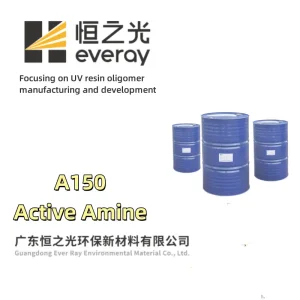
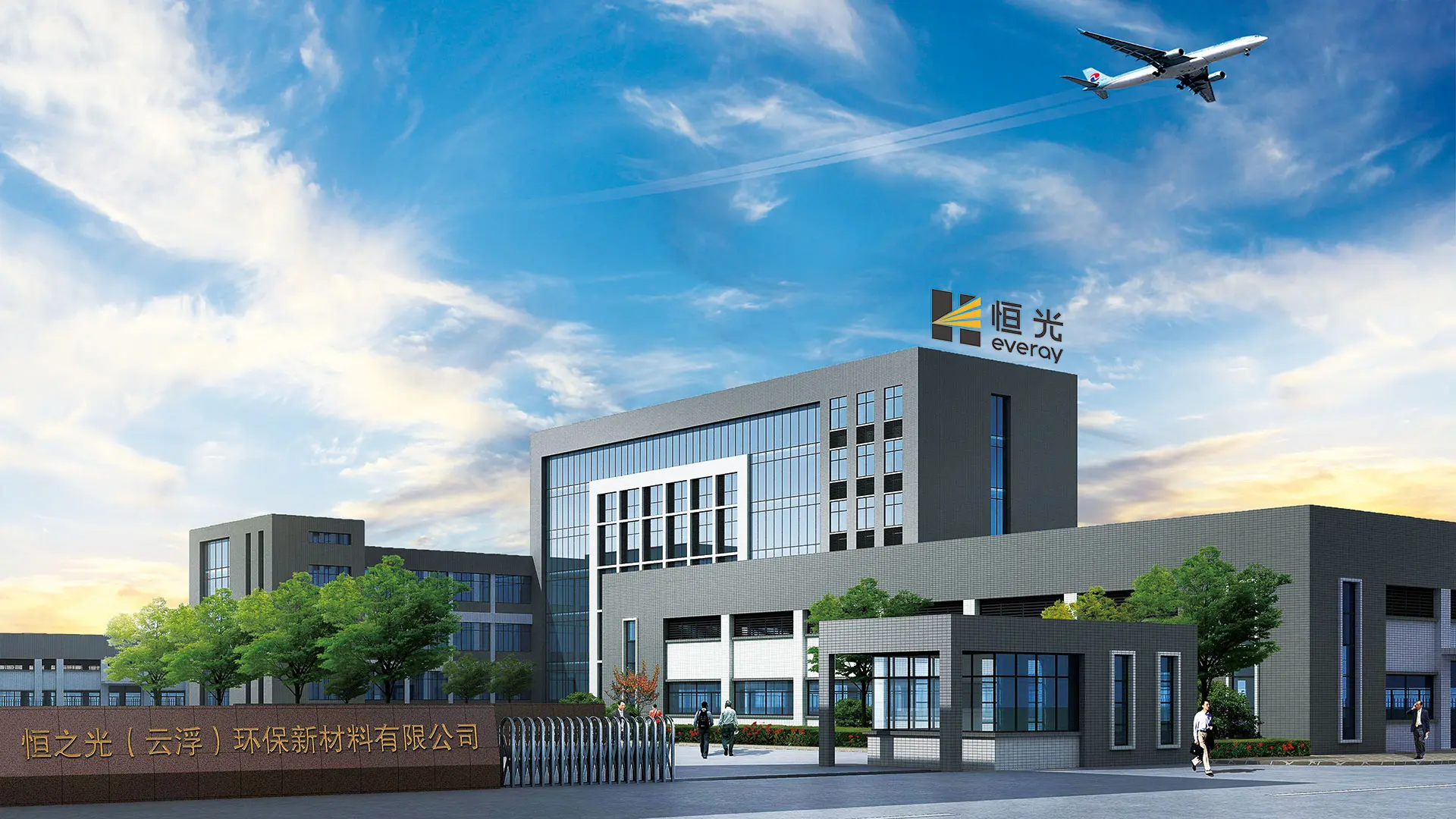
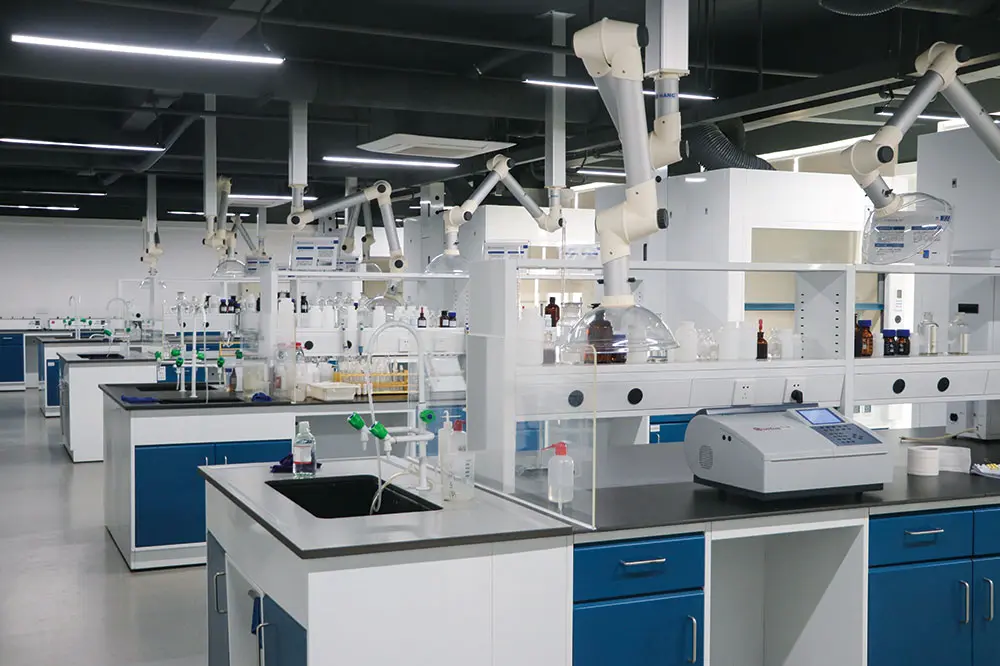
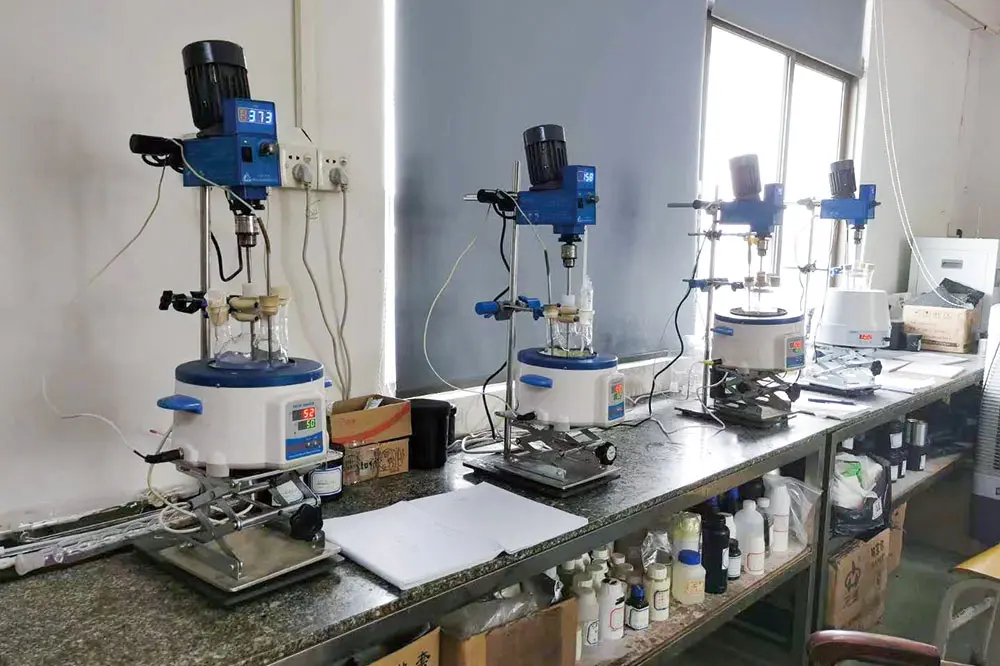
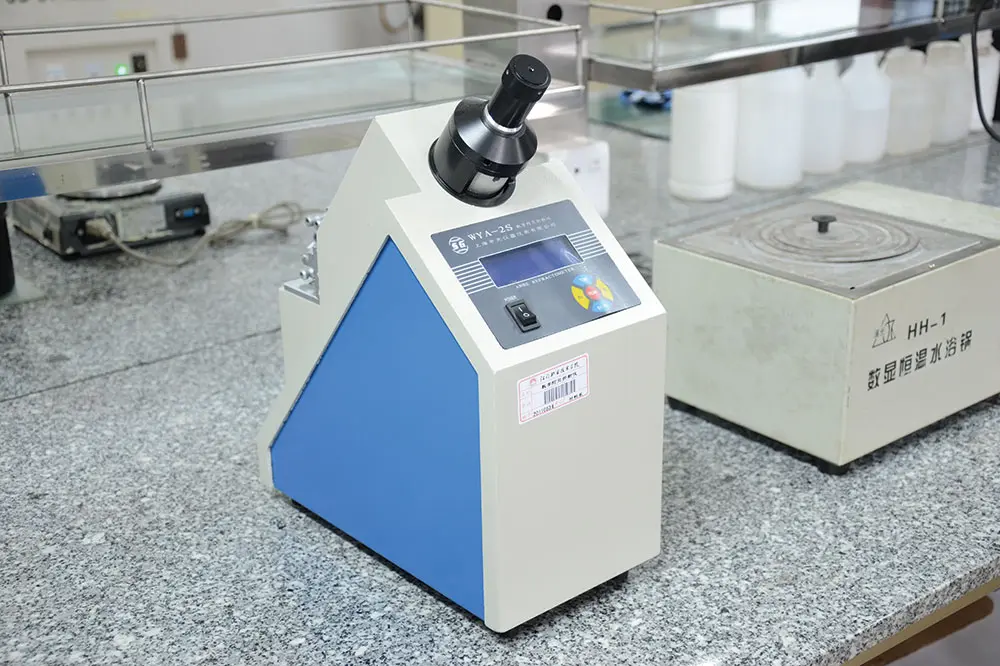
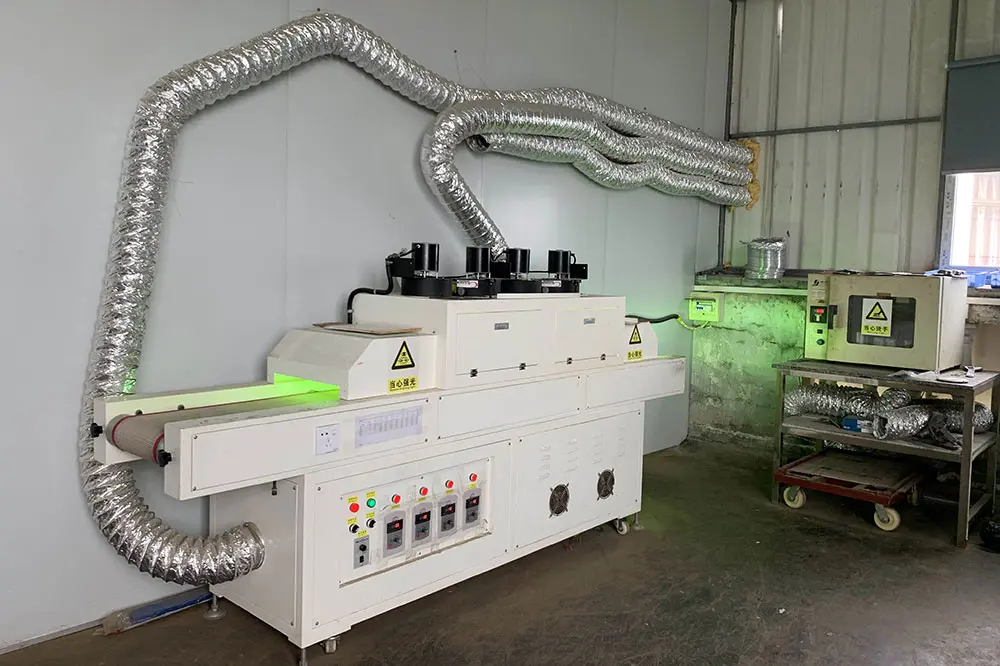
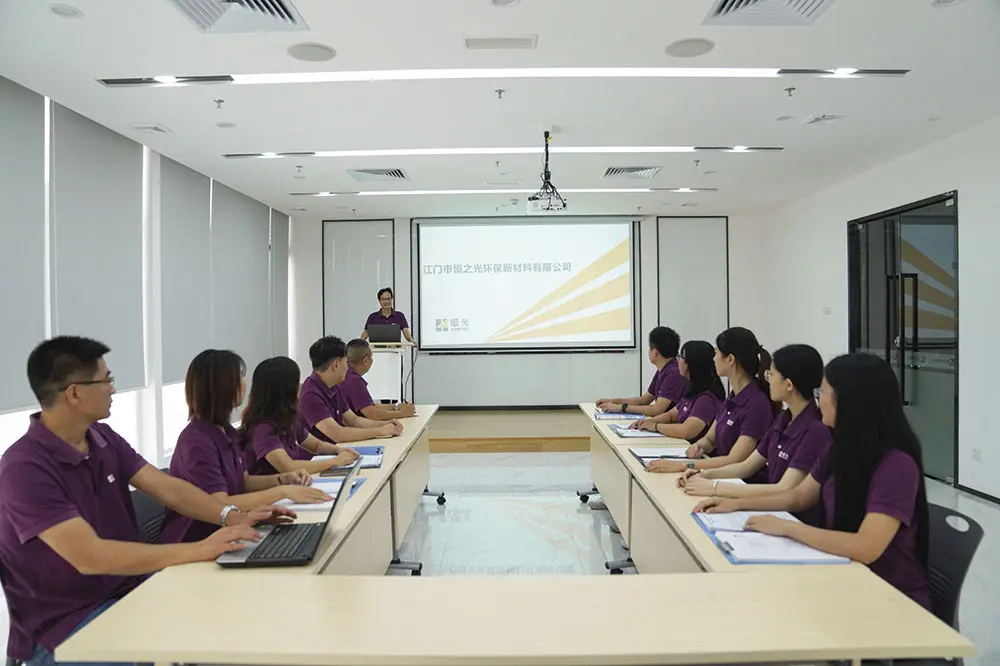
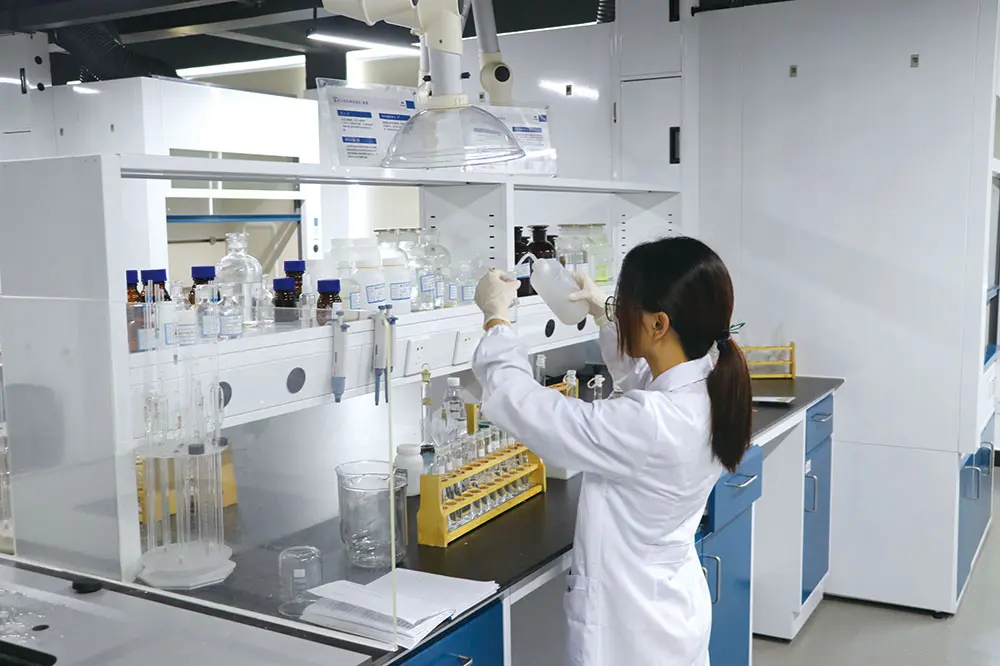
Guangdong Ever Ray Environmental Material Co., Ltd., established in 2006, is a premium high-tech enterprise focusing on the R&D and manufacturing of oligomers for UV curable resins. Our diverse portfolio includes epoxy acrylate, polyurethane acrylate (waterborne, aliphatic urethane, aromatic urethane), polyester acrylate, pure acrylate, and other special functional modified acrylate oligomers.
To meet the growing import demands of Southeast Asia, especially Indonesia, we operate two major production bases in Guangdong province. The first facility, located in Jiangmen, spans 10,000 square meters. The second, located in Yunfu, covers an expansive 40,000 square meters. These sites are equipped with complete quality control, storage, and logistics facilities. Driven by more than 10 advanced production lines, our annual production capacity exceeds 20,000 tons.
To guarantee absolute batch consistency and safety, our factories operate under the ISO9001 Quality Management System and ISO14001 Environmental Management System. We deploy a flexible, state-of-the-art DCS fully computerized control system. By selecting premium raw materials and hiring top UV material experts, we ensure chemical stability that stands up to demanding applications.
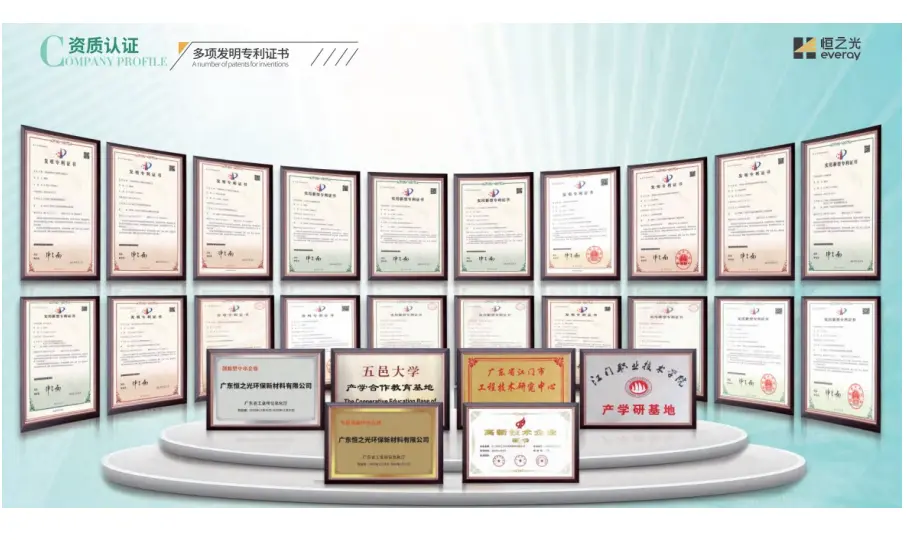
With more than 10 invention and practical patents, and a dedicated team of over 15 technicians in our R&D department, Ever Ray focuses on supplying high reactivity, chemical resistance, and high-gloss formulations. Our products support diverse global applications, including wood coatings, plastic treatments, inks, and adhesives. We work closely with our Indonesian partners, customizing formulation properties to balance functional capabilities with cost-efficiency. In harmony with nature, we take science and green technology as our driving force toward a sustainable lifestyle.
Why do leading Indonesian formulators rely on Chinese chemical manufacturing giants like Ever Ray for modified acrylate monomers? The answer lies in the structural efficiencies, raw material access, and technological agility of China’s chemical zones.
The UV-curing industry is transitioning away from conventional mercury vapor lamps toward UV LED curing. This change minimizes energy consumption and prevents substrate thermal distortion, which is key when coating thin plastic films. However, UV LED systems typically emit light at a narrow wavelength (typically 365nm, 385nm, or 395nm), which can cause surface cure issues due to oxygen inhibition.
To solve this, modern modified acrylate monomers are synthesized with built-in amine-synergist structures or higher acrylic functionality. These modifications promote faster free-radical polymerization even under low-energy LED light, reducing oxygen inhibition and helping Indonesian print shops achieve high line speeds.
From flexible polyurethane acrylates to chemical-resistant epoxy acrylates and specialty polyester resins, find the exact chemistry for your application.
The performance of modified acrylate monomers is best understood when applied to real-world, localized manufacturing challenges in Indonesia.
Glass packaging and cosmetic bottle printing factories in metropolitan areas like Jakarta and Surabaya require coatings that can endure long periods of condensation. Standard epoxy acrylates tend to hydrolyze over time, resulting in film peeling.
Our Solution: By using our **17730A-2 Special Modified Acrylate Resin**, which features hydrophobic modification, formulators can build coatings with superior water barrier properties. This chemistry maintains adhesion to glass surfaces even after a 72-hour warm water immersion test, preventing peeling on commercial glass packaging.
Jepara furniture manufacturers need finishes that can withstand shipping and retail handling without scratching. They require oligomers that balance hardness with flexibility to prevent the coating from cracking as the wood naturally expands and contracts.
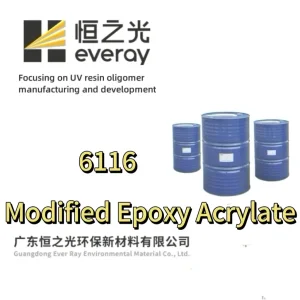
Our Solution: Formulating with our **6116 Low Viscosity UV Curing Epoxy Oligomer** allows local manufacturers to achieve high hardness and crosslink density while maintaining the flexibility needed to resist impact cracking. Its low viscosity also reduces the need for volatile monomer diluents, improving air quality in manufacturing facilities.
Flexible packaging lines in Karawang operate at speeds exceeding 200 meters per minute. Standard monomers can cause high volumetric shrinkage, leading to substrate curling or poor adhesion on polyethylene (PE) and oriented polypropylene (OPP) films.
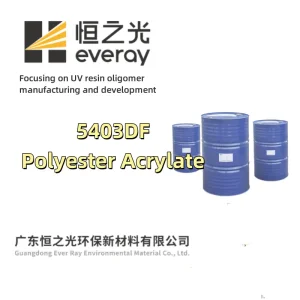
Our Solution: Formulating inks with our **5403DF Polyester Acrylic UV Resin** provides a balance of low volume shrinkage and pigment wetting. This allows converters to run lines at top speeds without compromising ink transfer quality or adhesion.
Technical answers for procurement officers, chemical engineers, and formulation specialists importing UV oligomers into Indonesia.
 Ever Ray