The global chemical market is undergoing a structural paradigm shift driven by stringent environmental mandates (such as VOC reduction directives) and the continuous seek for energy-efficient industrial processing. At the center of this transformation lies the radiation-curing technology (UV/EB systems). Over the last two decades, acrylate oligomers have established themselves as the fundamental backbone of radical polymerization formulas. Buying directly from a certified acrylate oligomer factory has transitioned from a basic supply chain decision to a core strategic advantage for formulators, converters, and industrial chemical consumers worldwide.
By shifting to advanced UV monomer/oligomer networks, processing facilities reduce curing times from several minutes (in thermal lines) to milliseconds, resulting in a dramatic carbon footprint contraction. Globally, the demand for varied chemistries—ranging from classical bisphenol-A epoxy acrylates to highly complex polycarbonate acrylates—is expanding. In high-stakes industries like consumer electronics, automotive interiors, aerospace components, and flexible packaging, standard materials fail to meet performance guidelines. Modern formulations require exact tailoring of crosslinking density, double-bond conversion percentage, molecular weight distribution, and functional structures to endure extreme conditions.
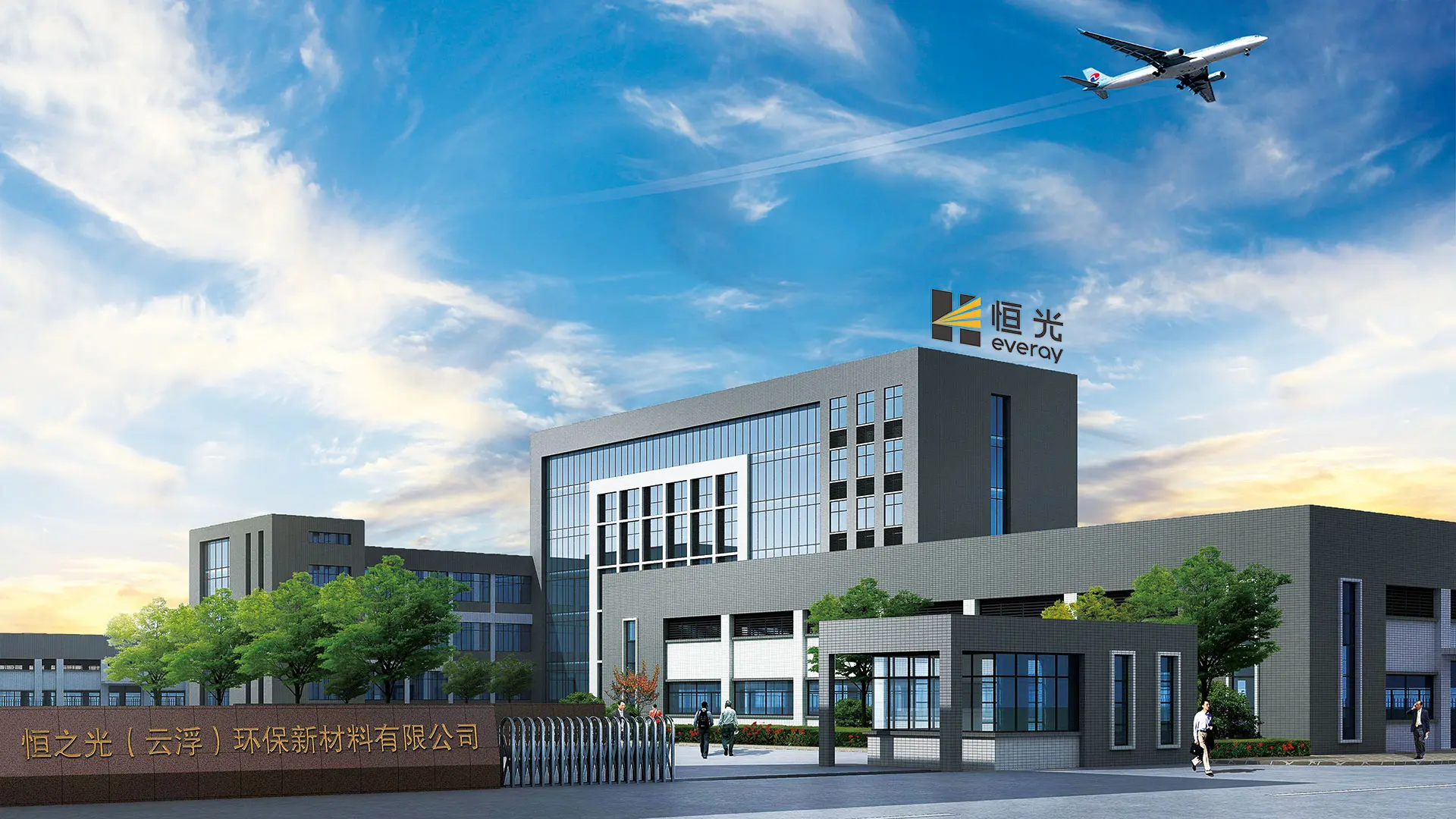
Established in 2006, Guangdong Ever Ray Environmental Material Co., Ltd. is a premier high-tech enterprise dedicated to the research, development, synthesis, and manufacturing of oligomers for UV-curable systems. Our intensive product portfolio covers epoxy acrylates, polyurethane acrylates (including waterborne, aliphatic, and aromatic urethane acrylates), polyester acrylates, pure acrylates, and specialty functionalized modified acrylate oligomers.
To support growing domestic and international markets, we operate two state-of-the-art production bases in Guangdong province:
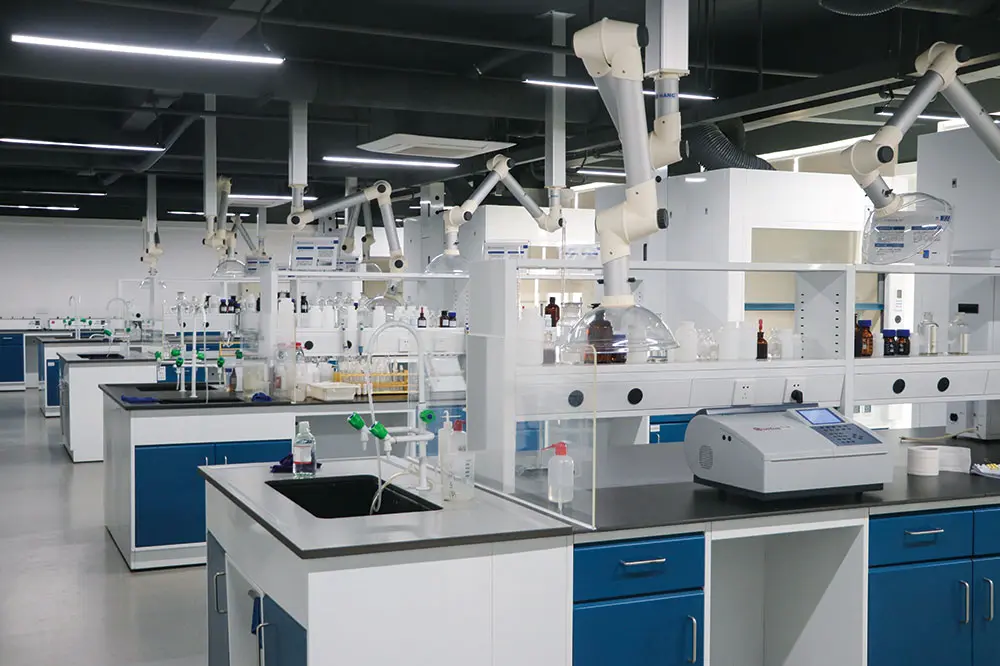
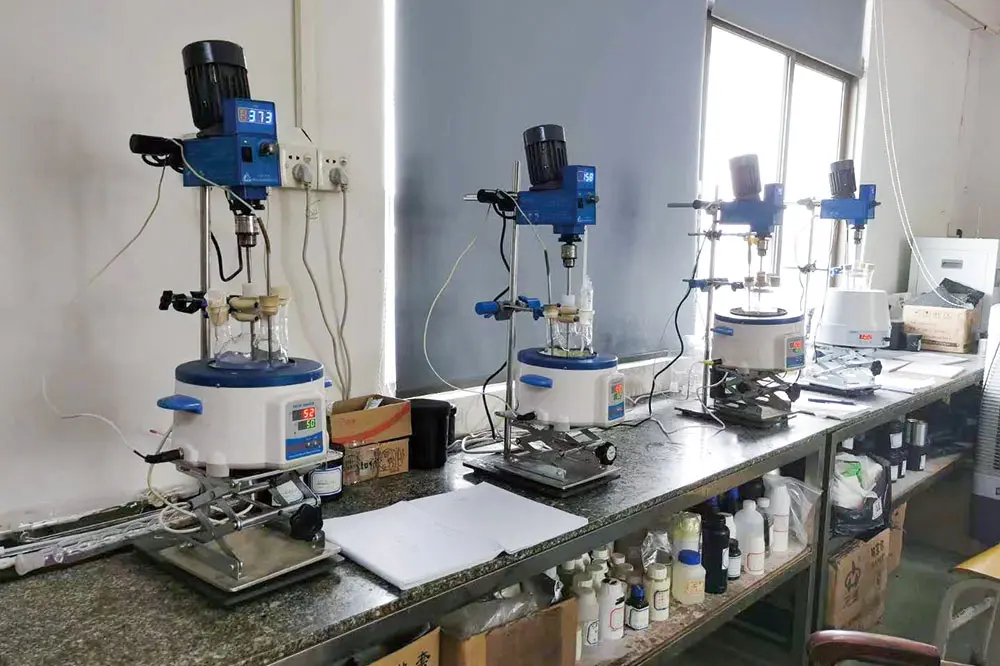
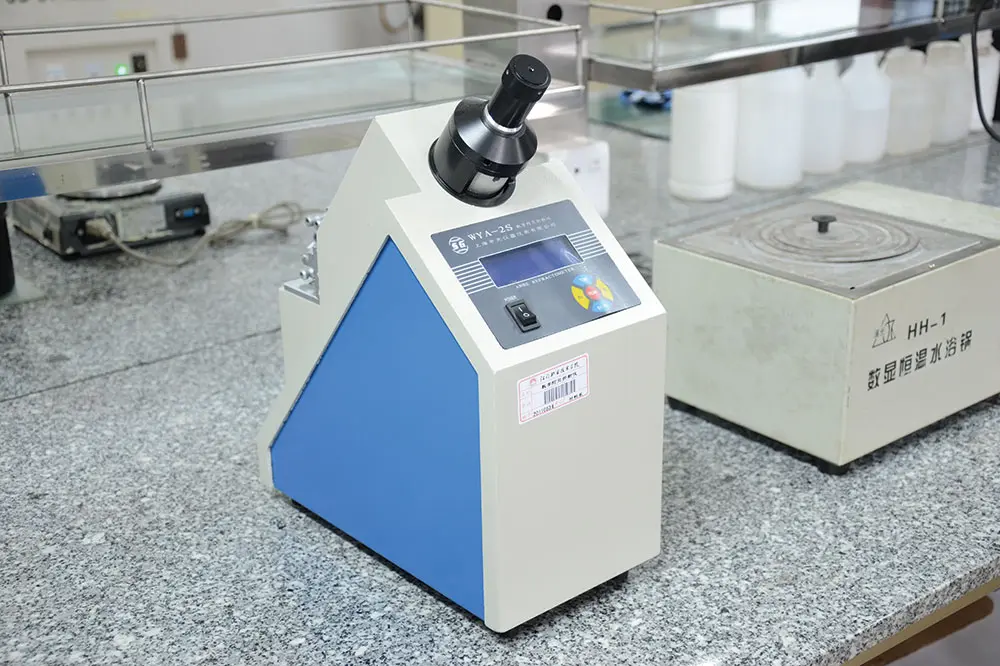
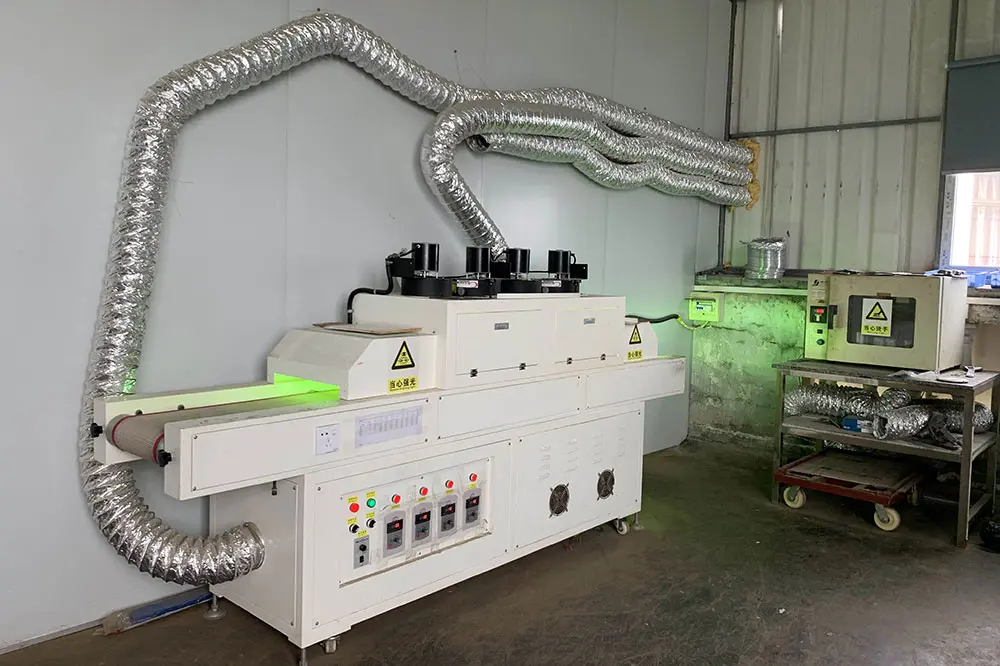
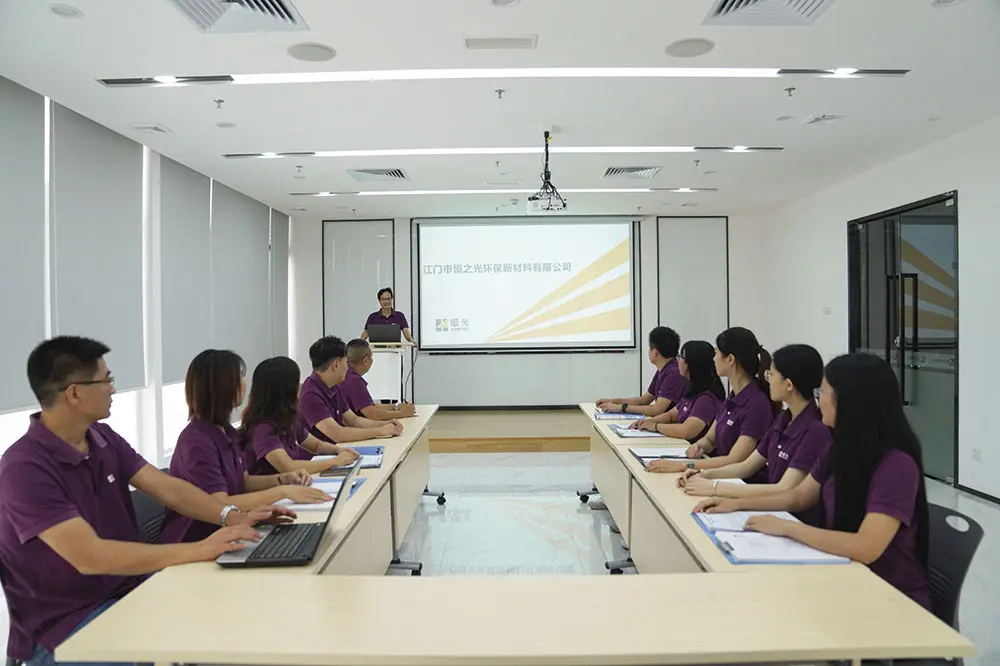
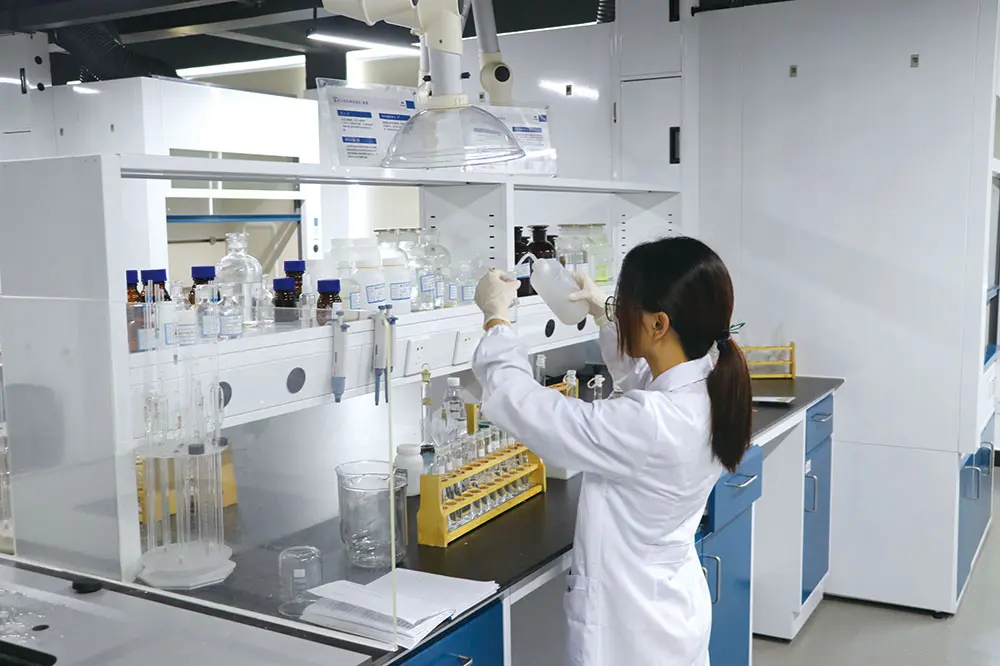
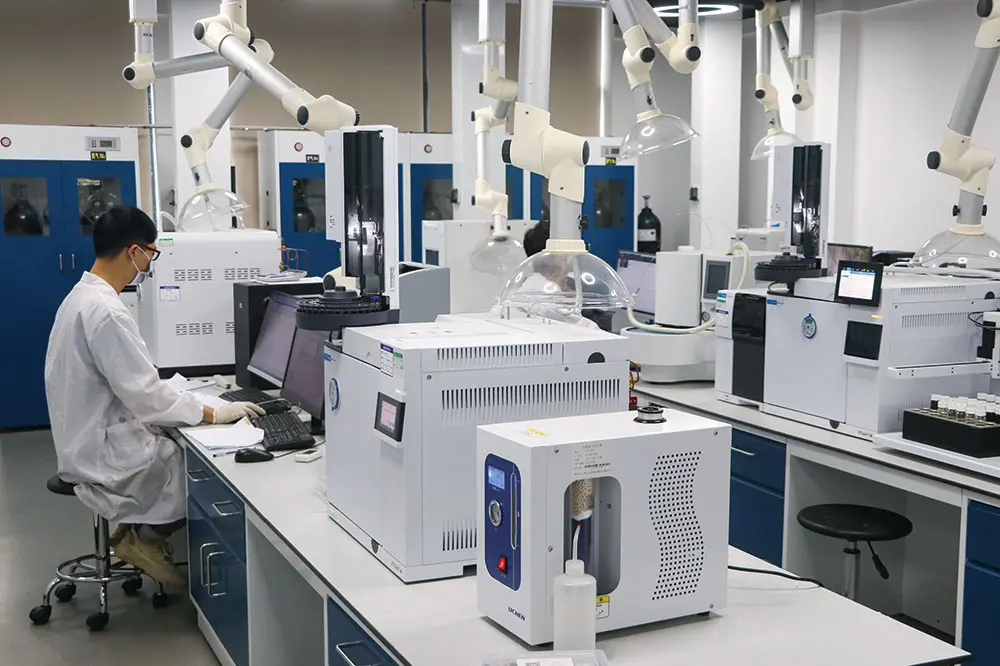
We work in tandem with domestic UV material research centers to incorporate scientific developments into our industrial manufacturing. Our R&D team consists of more than 15 dedicated chemical engineers who hold more than 10 invention patents and practical patents. We deliver tailored parameters such as fast curing speeds, high chemical resistance, scratch protection, and gloss optimization while maintaining raw material cost efficiency.
Understanding the structure-property relationships of acrylate oligomers is crucial for optimizing formulations. The chemical composition of the oligomer backbone directly defines the mechanical, optical, and chemical resistance thresholds of the cured matrix. Below, we discuss the primary chemical structures synthesized in our factories:
Typically synthesized via the ring-opening esterification of epoxy resins (such as Bisphenol-A diglycidyl ether) with acrylic acid. EAs are characterized by high cure rates, exceptional hardness, high gloss, and high chemical resistance. Perfect for overprint varnishes, wood coatings, and rigid plastic primers.
Combining polyurethane flexibility with acrylate reactivity, PUAs are synthesized using diisocyanates, polyols, and hydroxyl-functional acrylates (HEMA/HEA). Aliphatic PUAs offer outstanding exterior durability, yellowing resistance, and toughness. Aromatic variants yield cost-effective industrial performance.
Synthesized through condensation polymerization of polybasic acids and polyols, followed by acrylation. These offer low viscosity, rapid cure times, and excellent pigment wetting, making them ideal for high-resolution lithographic and offset inks. Our bio-derived variants utilize sustainable soy oil backbones.
| Oligomer Class | Key Structural Property | Key Industrial Applications | Primary Performance Advantage |
|---|---|---|---|
| Bisphenol A Epoxy Acrylate (e.g., 9104) | High reactivity, rigid aromatic backbone | Wood varnishes, high-gloss paper coatings, PCB solder masks | Hardness, chemical barrier properties |
| Aliphatic Polyurethane Acrylate (e.g., 7200-1) | Urethane segments, low yellowing index | Automotive refinishes, plastics, protective outdoor films | Elasticity, scratch and UV resistance |
| Dual-Curing Elastomers (e.g., 72017A-8) | Isocyanate & acrylate functionalities | 3D printed footwear, elastomeric engineering prototypes | Ultra-low shrinkage, excellent memory recall |
| Epoxidized Soybean Oil Acrylate (e.g., 6720) | Bio-based polyol framework | Eco-friendly packaging inks, sustainable wood finishes | Reduced carbon footprint, low skin irritation |
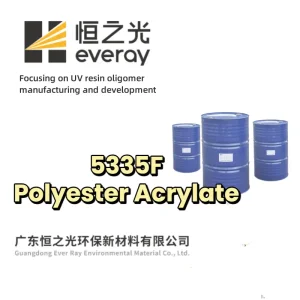
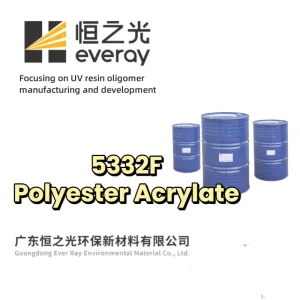
| Polyester Acrylate (e.g., 5335F, 5332F) | Polyester chains, high ink transferability | High-speed offset inks, lithographic print substrates | Pigment dispersion, balanced wetting profiles |
Acrylate oligomer technology demands close integration with regional application parameters, local curing machinery, and regional substrate dynamics. Ever Ray works closely with localized production lines, custom-tailoring rheology and curing speeds to meet local variables:
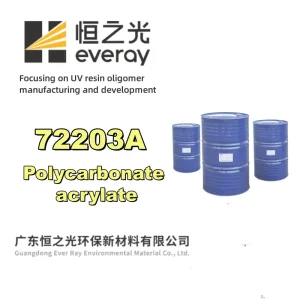
1. Consumer Electronics Protective Coatings: Mobile phone cases, laptops, and smart home appliances rely heavily on thin-film UV coatings to resist daily wear and tear. Utilizing specialized polycarbonate acrylates (like our 72203A) provides a soft-touch texture while offering chemical barrier protection against sweat, cosmetics, and household cleaning products.
2. 3D Printing & Additive Manufacturing: The additive manufacturing sector, particularly photopolymer stereolithography (SLA/DLP), demands rapid cure rates, high green-strength, and low volume shrinkage to prevent warp. Our dual-curing resins (such as 72017A-8) are engineered specifically for elastomeric 3D-printed footwear components. They combine rapid radical polymerization with secondary network post-cures to optimize elasticity, elongation at break, and fatigue resistance.
3. Heavy-Duty Industrial Wood & Furniture Finishes: Modern woodworking requires coatings with high production line speeds and immediate stackability. Aliphatic polyurethane acrylates combined with epoxy acrylates deliver finishes that are highly resistant to moisture, impacts, and temperature cycling, complying with strict residential indoor air quality limits.
Technology Roadmap & Future Outlook: Our research continues to prioritize green chemistry and high-performance applications. We are currently developing bio-based raw materials, such as epoxidized soybean oil acrylates (ESOAs) and starch-derived polyols, to achieve up to 60% bio-content without compromising mechanical performance. In tandem, we are expanding our waterborne UV-curable polyurethane dispersion (UV-PUD) technology. This system eliminates monomer thinners entirely, allowing low-viscosity, VOC-free applications on thermal-sensitive substrates like leather and plastics.
Procuring raw materials from a Chinese acrylate oligomer factory provides significant structural advantages. Thanks to integrated industrial zones, local chemical suppliers have direct access to key upstream petrochemical inputs—such as acrylic acid, epoxy resins, and diisocyanates. This raw material security stabilizes prices and cushions against sudden supply shocks in the international market.
Additionally, our advanced DCS automation reduces variable production costs while maintaining high batch-to-batch consistency. Located in Guangdong, our factories are positioned near global logistics hubs like Guangzhou, Shenzhen, and Hong Kong ports. Supported by local storage, bulk delivery infrastructure, and streamlined shipping lanes, we ensure reliable delivery schedules and short lead times for international buyers.
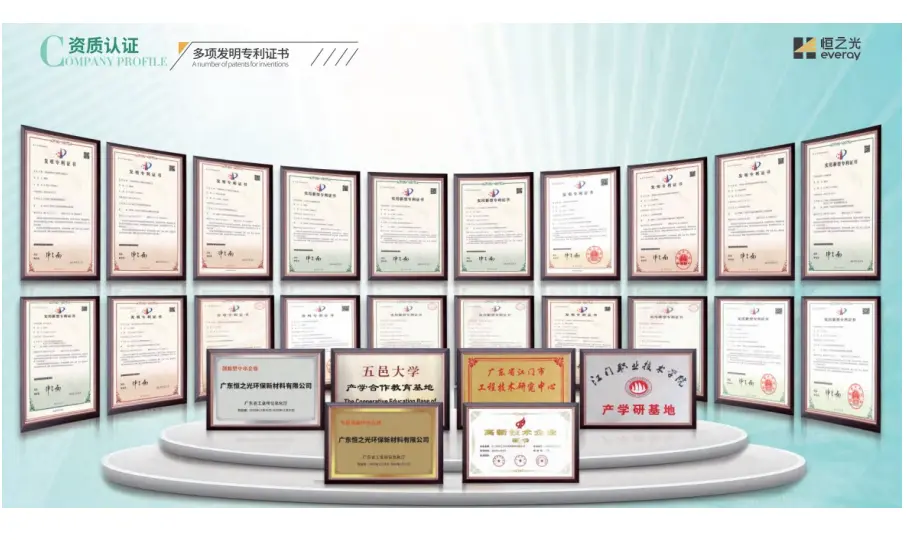
Industrial chemical sourcing requires strict adherence to global safety and environmental regulations. Our production lines operate under ISO 9001 and ISO 14001 certifications to guarantee consistent chemical performance. Furthermore, our raw materials and finished oligomers are processed to comply with leading international chemical inventories:
Beyond regulatory compliance, we provide comprehensive technical support. We offer customized product variations to meet specific viscosity, density, color index, and curing speed requirements. Our technical service team is always available to help troubleshoot curing issues, adjust monomer diluents, and optimize photoinitiator packages.
For standardized products, shipping is typically arranged within 7-14 days from our main warehouses in Guangdong. For custom adjustments—such as modification of molecular weight, viscosity tuning, or special functional additions—the R&D pilot synthesis and quality validation process takes approximately 3 to 4 weeks.
We run our production lines using a fully computerized DCS (Distributed Control System), which precisely regulates parameters like reactor temperature, pressure, raw material feed rates, and agitation speeds. In addition, we run analytical tests on each batch (using GPC, FTIR, and rheological measurements) to ensure molecular weight distribution and viscosity stay within tight tolerance limits.
For lithographic and offset printing, we recommend polyester acrylates like our 5335F and 5332F. These grades offer excellent pigment wetting properties, compatibility with common amine synergists, and a balanced viscosity profile to prevent ink-water emulsification on high-speed printing presses.
Yes, our aliphatic polyurethane acrylates (such as the 7200-1 series) are synthesized using aliphatic diisocyanates (IPDI/HDI). These structures do not contain conjugated benzene rings, ensuring excellent UV color stability, non-yellowing performance, and weathering resistance.
We work closely with certified international logistics partners who specialize in the transport of industrial chemicals. Every shipment is accompanied by complete documentation, including ISO9001/ISO14001 safety data sheets (SDS), COA certificates, GHS-compliant container labeling, and customs declaration files.
 Ever Ray