Engineered for precise performance, durability, and multi-industry applications.
Evaluating the core pillars of chemical manufacturing dominance, supply chain efficiency, and high-performance oligomer innovation.
China hosts the world's most integrated upstream chemical supply chains. Key intermediates such as acrylic acid, butyl acrylate, methyl methacrylate (MMA), and specialty polyols are produced locally at large scales. This reduces chemical processing margins, guarantees consistent raw material purity, and offers global purchasers an insuperable pricing advantage without sacrificing material properties.
Unlike rigid western chemical supply systems, Chinese factories excel at bespoke molecular synthesis. Whether your system requires a specific hydroxyl value, customized glass transition temperature (Tg), or tailored viscosity profiles for high-speed printing, advanced labs design and synthesize modified epoxy acrylates, aliphatic urethanes, and pure acrylic polymers tailored specifically to client equipment settings.
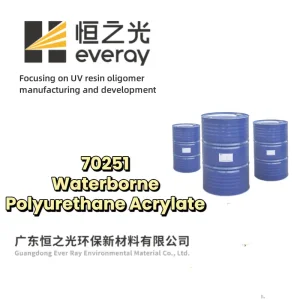
Under tight global emission limits, Chinese manufacturers have driven structural changes towards solvent-free chemistries. Advanced waterborne UV-curable polyurethane acrylates (such as the 70251 series) utilize modern aqueous dispersion methodologies. They dramatically lower Volatile Organic Compound (VOC) emissions, aligning with rigorous REACH, RoHS, and EPA guidelines while retaining high cure rates and film toughness.
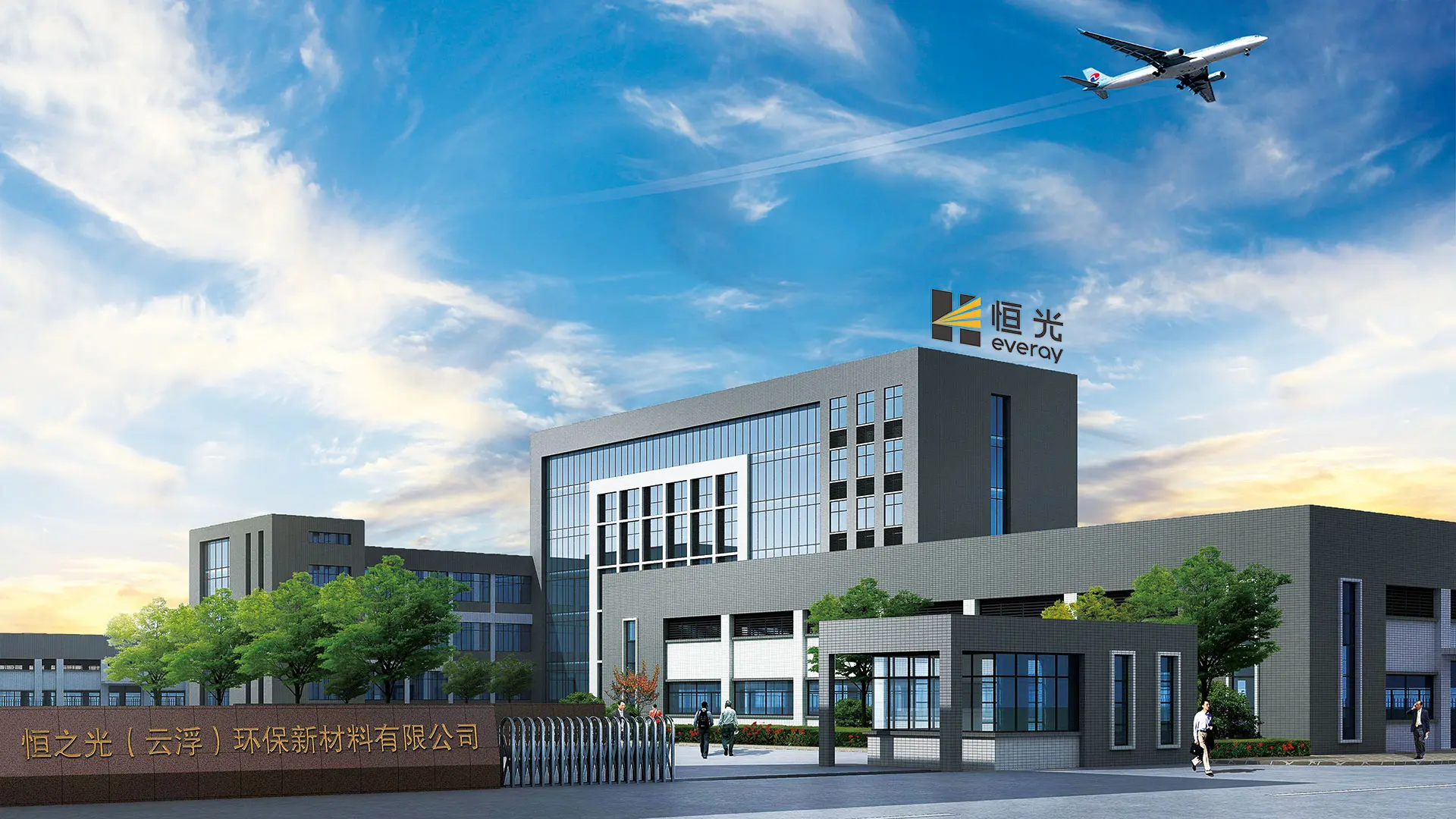
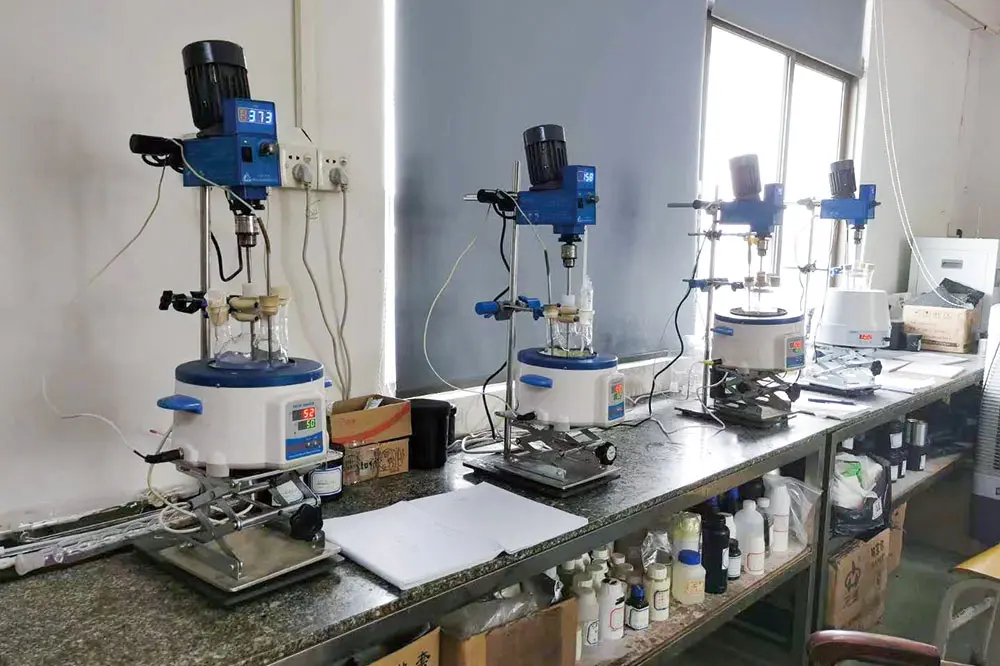
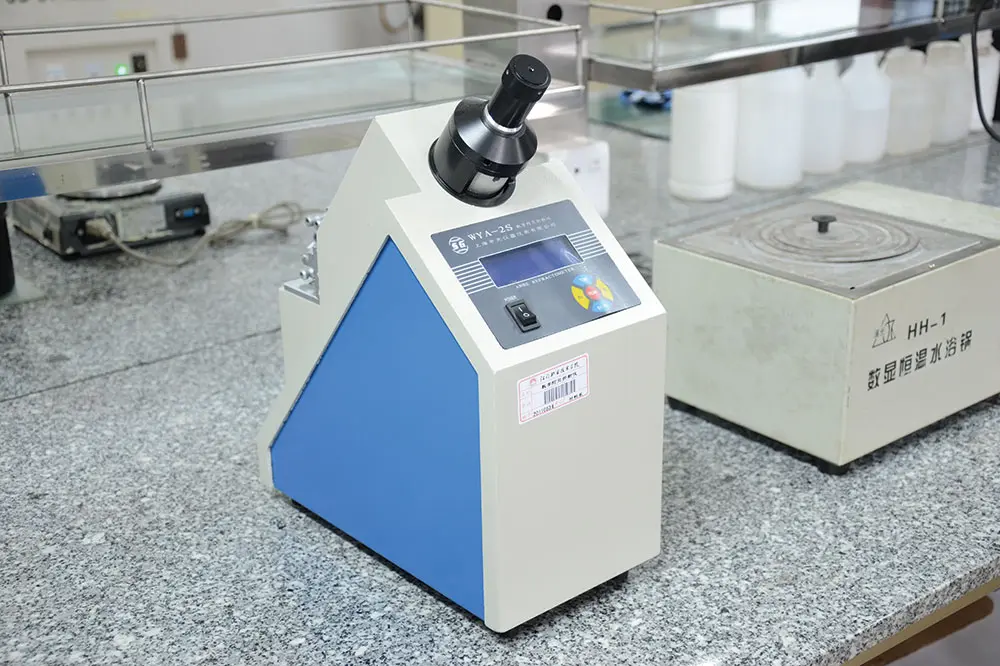
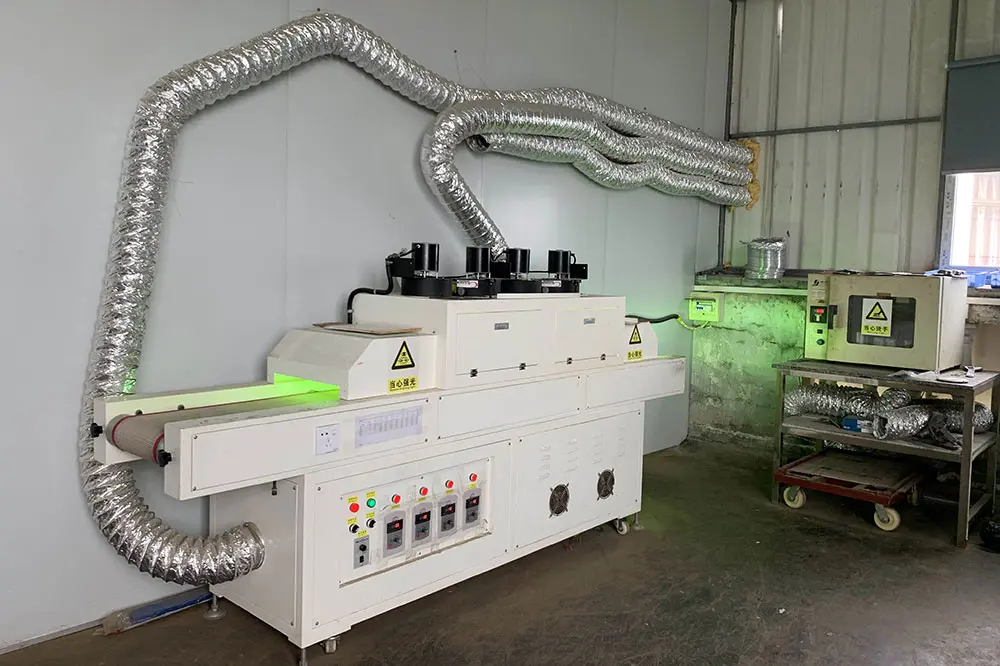
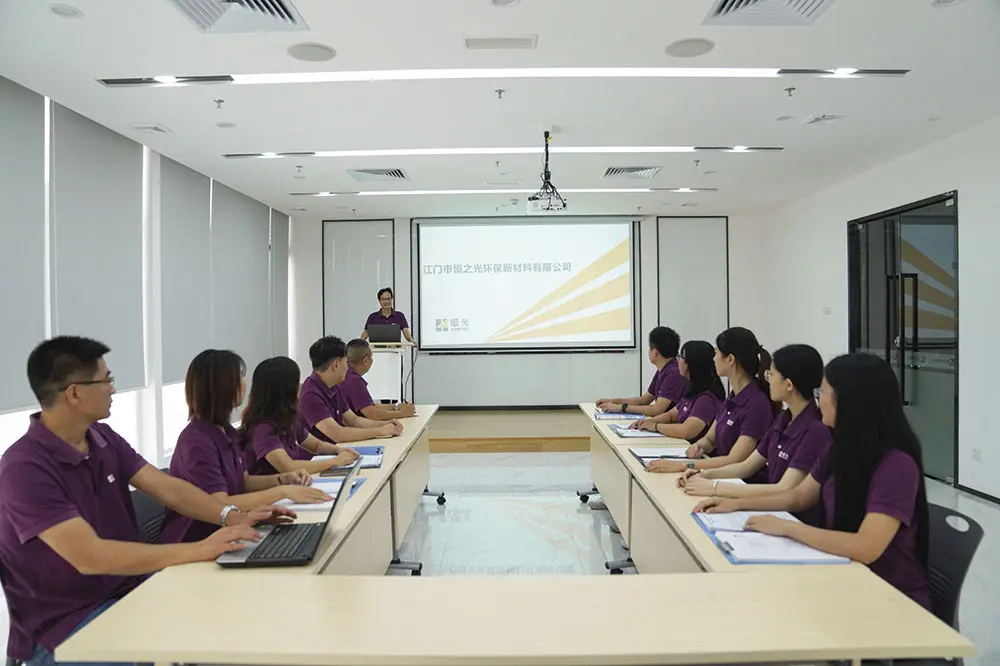
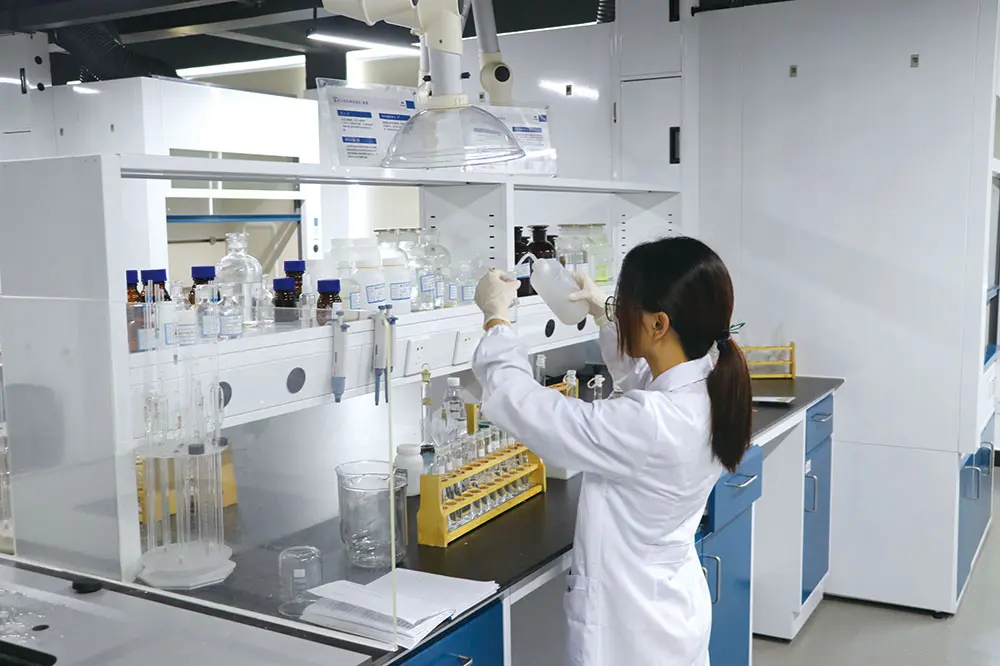
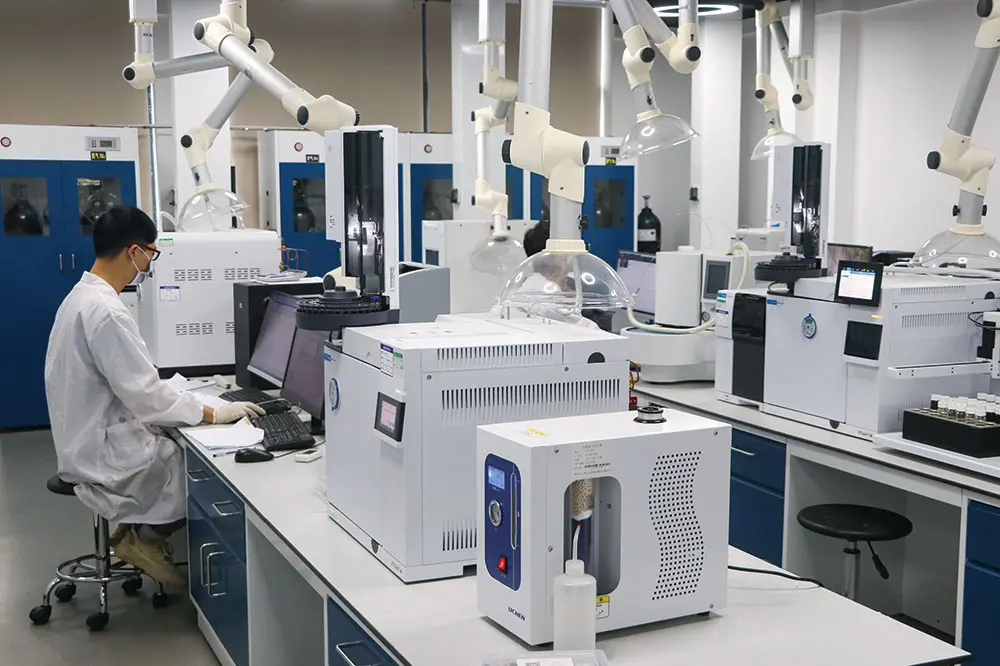
Established in 2006, Guangdong Ever Ray Environmental Material Co., Ltd. is a recognized high-tech enterprise focusing heavily on the R&D and precision synthesis of oligomers for UV curable resins. Our diverse portfolio spans epoxy acrylate, polyurethane acrylate (including advanced waterborne, aliphatic, and aromatic urethane variants), polyester acrylate, pure acrylate, and specialty functional modified acrylate oligomers designed for high-performance matrices.
To ensure high chemical consistency and scalable supply chains, we operate two state-of-the-art chemical production hubs:
Our operations are managed via a DCS (Distributed Control System) computerized matrix, which monitors thermal, pressure, and mass flow properties in real-time. This digital integration guarantees strict batch-to-batch consistency. Operating strictly under ISO9001 Quality Management Systems and ISO14001 Environmental Management Systems, we work alongside national polymer specialists to secure production stability and reduce our chemical manufacturing footprint.
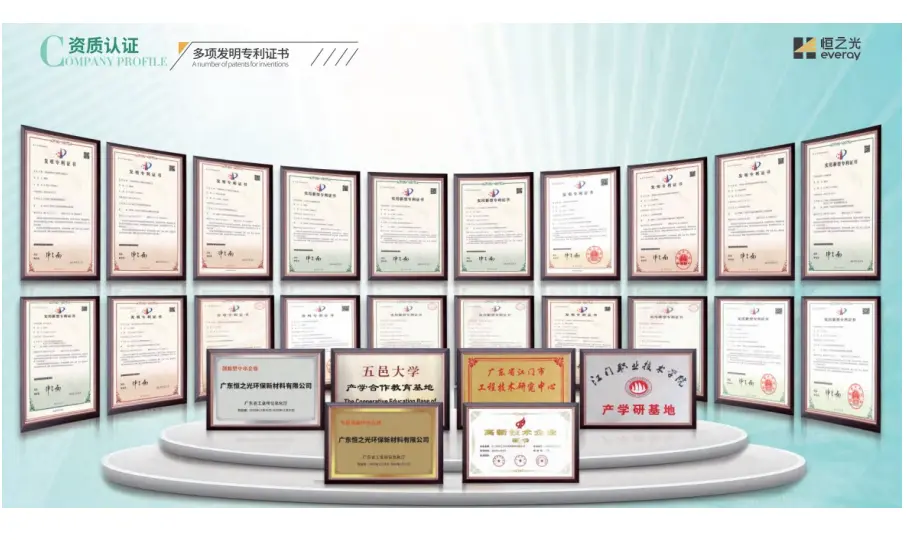
Holding over 10 invention and utility patents, our 15-person dedicated technical team works relentlessly to refine oligomer performance. We deliver resins offering fast curing speeds, outstanding chemical resistance, high surface hardness, and superior optical clarity for wood coatings, plastic matrices, inks, industrial adhesives, and beyond.
Discover how our specialized acrylic polymers optimize substrate interactions across various demanding industries.
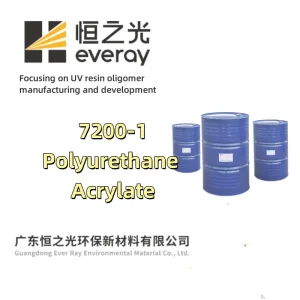
Industrial wood processing calls for fast-curing coatings that resist scratches, household chemicals, and mechanical wear. Our 7200-1 Aliphatic Polyurethane Acrylate UV Resin delivers outstanding non-yellowing characteristics, high flexibility, and great adhesion to natural wood fibers and composite substrates. This makes it ideal for high-speed industrial roller coating and spray coating production lines.
Obtaining metallic designs on plastic components requires basecoats and topcoats that secure excellent intercoat adhesion and fast cure speeds without warping the plastic substrate. Resins like the 7620 UV-curing Resin are formulated specifically for UV vacuum metallization on plastics like ABS, PC, and PMMA, creating high-gloss finishes with great thermal stability.
Modern offset, flexo, and screen printing systems operate at high mechanical speeds. Resins must provide quick pigments wetting and stable rheology. Our 5403-3F Polyester Acrylate balances water and ink compatibility in lithographic UV inks, preventing emulsion issues and ensuring crisp dot reproduction and clean printing runs.
Additive manufacturing and low-VOC wood coatings demand materials with low shrinkage and high curing speeds. The Waterborne 70251 UV-resin combines water-solubility with rapid radical polymerization. It helps formulators create low-odor, eco-friendly systems that maintain excellent print resolution and mechanical strength post-curing.
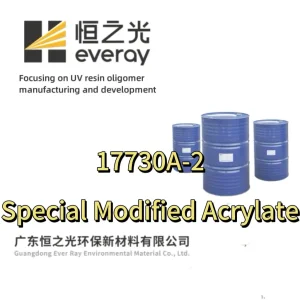
Glass and metal present challenges for UV-curing due to their high surface energy and minimal mechanical anchoring sites. Our 17730A-2 Special Modified Acrylate Resin contains specific functional groups that coordinate with inorganic surfaces, delivering excellent moisture resistance, high clarity, and reliable adhesion under challenging environmental conditions.
Essential chemical parameters and procurement checklists for industrial buyers securing bulk acrylic resins.
When sourcing bulk UV oligomers or acrylic resins, QA laboratories must verify key chemical and physical properties to ensure process compatibility:
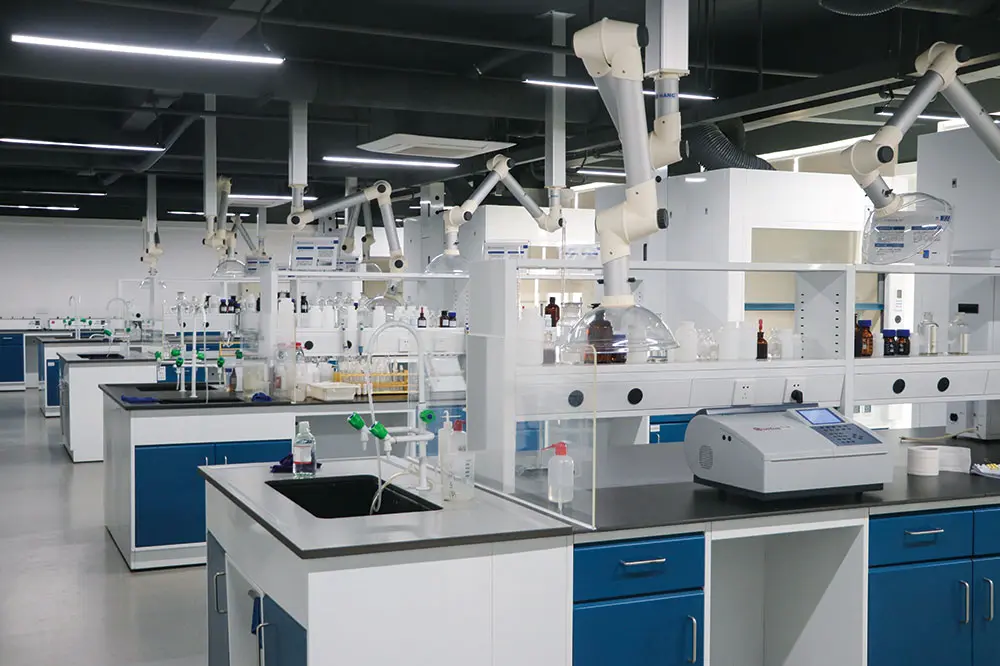
At Guangdong Ever Ray, we verify every production run using state-of-the-art laboratory testing. Our QC chemists monitor critical performance indices:
Explore our specialized resins designed to tackle demanding industrial coating and adhesion challenges.
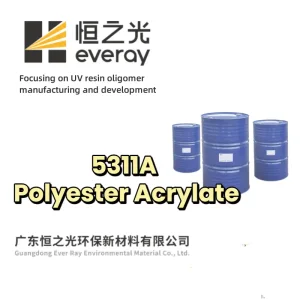
Strategic insights from chemical industry experts guiding the transition toward eco-friendly, fast-curing polymer matrices.
Increasing environmental regulations and carbon emission taxes are driving chemical plants to transition from petroleum-derived monomers to bio-based alternatives. Manufacturers are incorporating materials derived from vegetable oils, cardanol, and organic waste into acrylic resins. This shift reduces the product carbon footprint (PCF) without compromising high cure speeds or chemical resistance.
Pure UV curing relies on a direct line of sight from the light source, which can leave shadow areas uncured in complex 3D parts. Sourcing departments are increasingly seeking dual-cure oligomers that combine photopolymerization with thermal or moisture curing. This dual approach ensures reliable curing throughout deep recesses and complex structures.
Traditional mercury vapor lamps are being replaced by energy-efficient UV LED systems (typically operating at 365nm, 385nm, or 395nm). This transition requires oligomers designed for long-wavelength excitation. Formulators rely on modified epoxy and polyurethane acrylates to prevent surface tackiness and ensure thorough through-curing under LED setups.
Packaging manufacturers must prevent ink component migration into food products. Modern resins require high molecular weights or built-in polymeric photoinitiators to lock cured structures in place, satisfying FDA and European Food Safety Authority (EFSA) regulations.
Smart coatings are using specialized polyurethane elastomers to gain self-healing features. Tiny scratches on automotive films, electronics, or wood coatings heal themselves when exposed to heat or sunlight. This process utilizes dynamic polymer networks to repair light surface damage automatically.
Technical answers to common questions about formulation compatibility, production capabilities, and sourcing logistics.
The key difference lies in their chemical backbone. Aliphatic polyurethane acrylates utilize aliphatic diisocyanates (such as IPDI or HDI), which do not contain benzene rings. This structure makes them highly resistant to ultraviolet radiation, preventing yellowing during outdoor use. In contrast, aromatic polyurethane acrylates (which use TDI or MDI) contain aromatic structures that tend to yellow under UV exposure. However, aromatic resins are often selected for indoor applications due to their cost efficiency, high hardness, and fast curing speeds.
We use a computerized DCS (Distributed Control System) to monitor temperature, pressure, and monomer feed rates during chemical synthesis. Every production batch undergoes extensive quality testing, including viscosity verification, acid value titration, water content analysis, and GPC molecular weight tracking. We retain reference samples of every batch for two years to ensure complete traceability for our global buyers.
Shrinkage happens when monomer molecules form tight covalent bonds during polymerization. To mitigate this, formulators can blend high-molecular-weight oligomers like our low-shrinkage polyurethane acrylates or pure acrylates. Reducing the amount of high-functionality monomers (such as TMPTA) and incorporating linear or branched monofunctional monomers also helps relieve stress build-up, protecting adhesion on delicate substrates like plastics and glass.
Yes, we manufacture specialized waterborne UV-curable resins (such as the 70251 series) that disperse easily in water. These resins must be stored in a cool, well-ventilated warehouse, away from direct sunlight and heat sources, at temperatures between 5°C and 35°C. Keep them in their original sealed containers to prevent accidental light exposure and premature polymerization.
For our standard catalog products, we maintain consistent safety stock, allowing us to ship orders within 7 to 10 working days. For custom resin syntheses or tailored viscosity requests, the process—including laboratory scale-up, pilot trials, and quality verification—typically requires 3 to 4 weeks. Shipping times vary depending on the destination port and final shipping method.
 Ever Ray