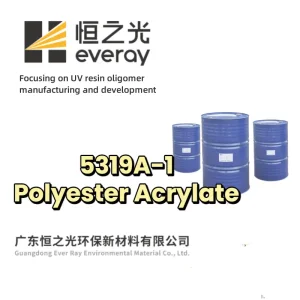
Explore our top-tier formulation components designed for UV coating systems, optical clarity, low VOC applications, and tough physical protection.
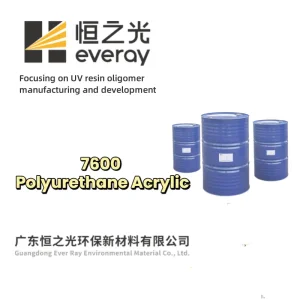
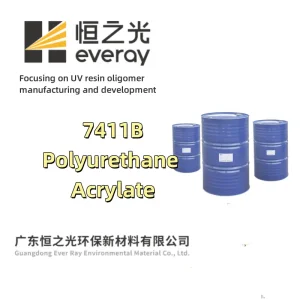
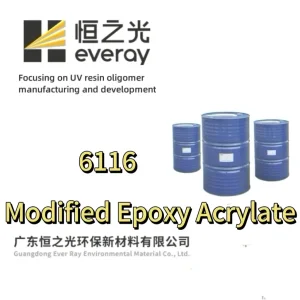
Analyzing the shifts in polymer architecture, environmental compliance, and high-performance requirements shaping modern chemical supply chains.
Aliphatic polyurethanes (APUs) represent the pinnacle of light-stability, chemical durability, and mechanical toughness within the coating and polymer industries. Unlike their aromatic counterparts based on MDI or TDI, which possess conjugated benzene rings prone to solar UV absorption and subsequent yellowing, aliphatic polyurethanes utilize saturated structures derived from aliphatic diisocyanates such as HDI (hexamethylene diisocyanate), IPDI (isophorone diisocyanate), and H12MDI (dicyclohexylmethane diisocyanate).
On a global commercial scale, the demand for aliphatic polyurethane systems—particularly UV-curable urethane acrylate oligomers—is expanding rapidly. This growth is heavily driven by stringent regulatory frameworks limiting Volatile Organic Compounds (VOCs) and the automotive sector's unrelenting requirement for long-lasting, scratch-resistant clearcoats. As industries pivot toward high-durability, long-lifecycle coatings, the role of experienced suppliers who can deliver customized oligomers with tight quality controls becomes vital.
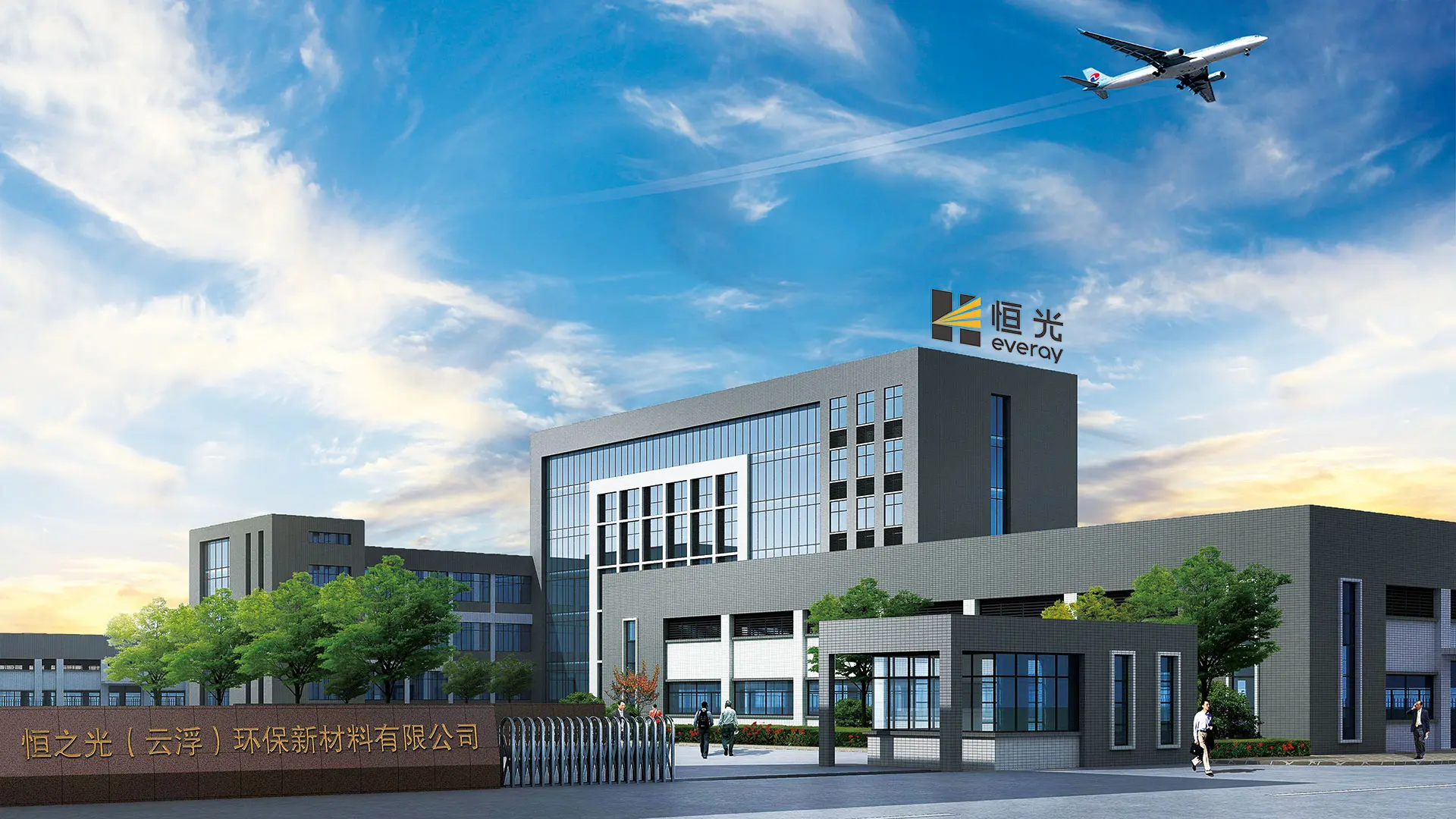
Guangdong Ever Ray Environmental Material Co., Ltd., established in 2006, is a high-tech enterprise focusing on the R&D and manufacturing of oligomers for UV curable resin. Our extensive chemical portfolio includes epoxy acrylate, polyurethane acrylate (waterborne, aliphatic urethane, aromatic urethane), polyester acrylate, pure acrylate, and other special functional modified acrylate oligomers.
By harmonizing technology and environmental sustainability, we drive scientific progress to create high-reactivity, highly chemical-resistant, and high-gloss formulations tailored to client performance and cost requirements.
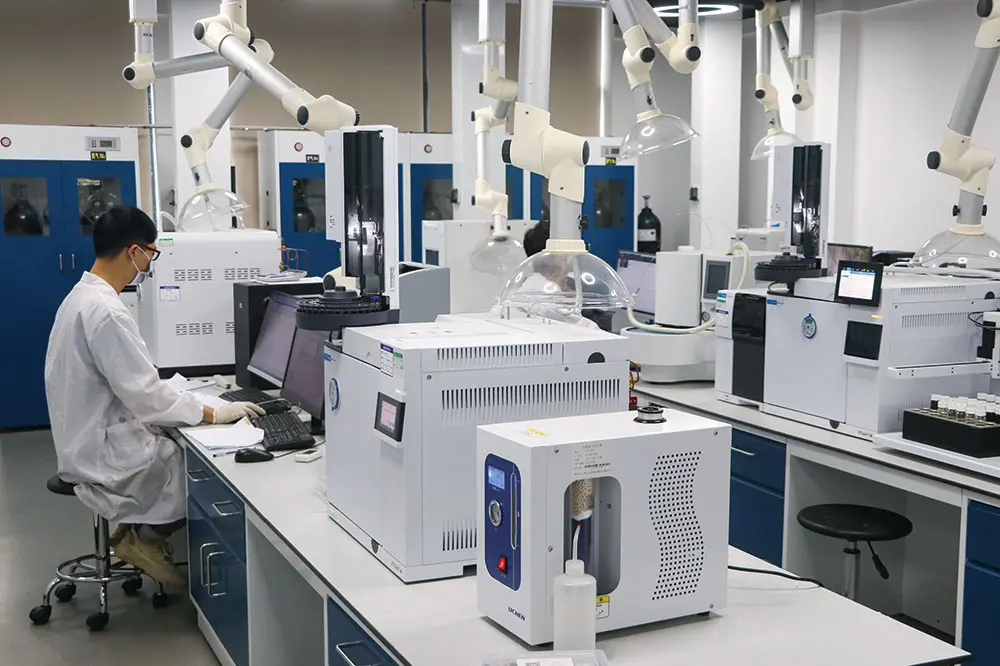
We operate two advanced production bases in Guangdong province. The Jiangmen base spans approximately 10,000 square meters, while the Yunfu base covers 40,000 square meters. Both facilities feature comprehensive quality control, modern storage, and logistics supporting systems. Our annual production capacity exceeds 20,000 tons, running across more than 10 highly automated production lines.
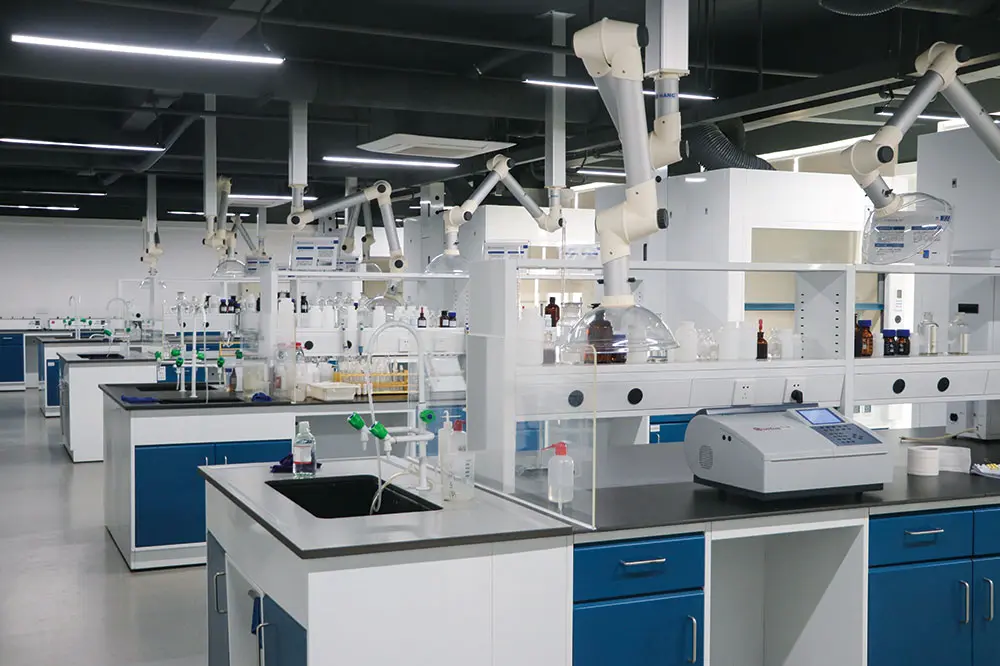
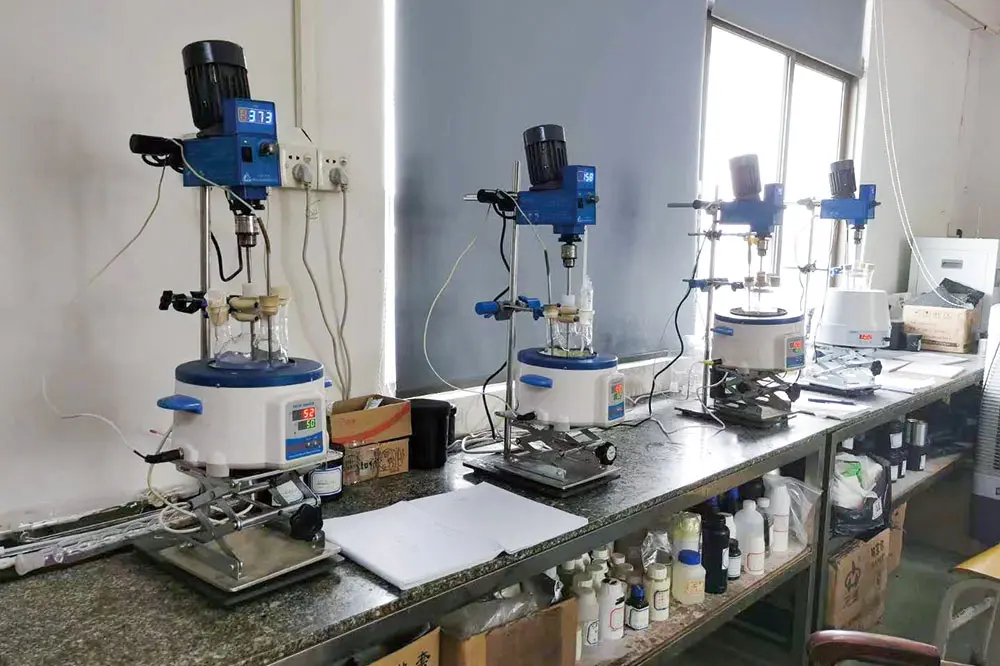
To guarantee unwavering stability and chemical safety, our factories operate under the ISO9001 quality management system and ISO14001 environmental management system, using a DCS fully computerized control system. We source high-grade raw materials internationally and domestically, employing prominent UV material experts to guide our development processes.
Established Year
Production Footprint
Annual Output Capacity
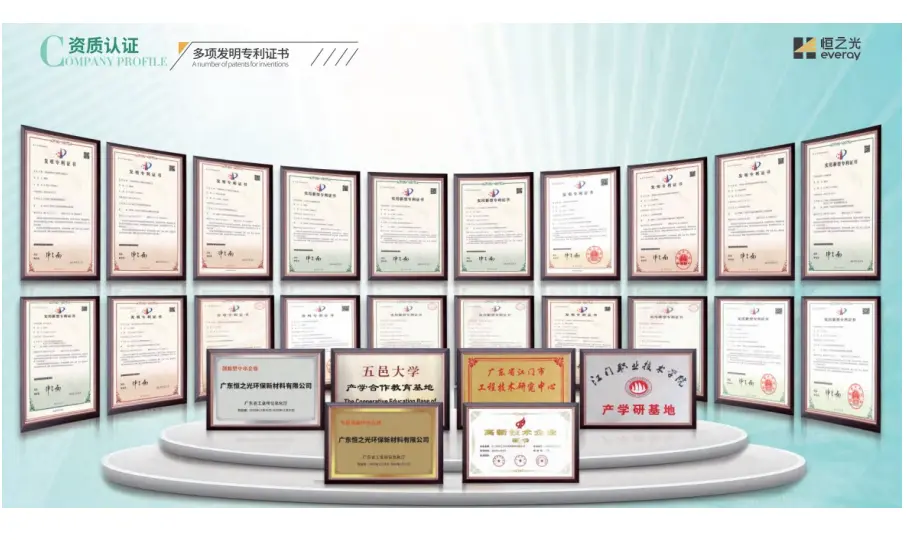
Invention Patents
How ecological mandates, UV-LED curing parameters, and mechanical expectations shape current research and raw material selection.
Synthesizing aliphatic polyurethanes with bio-based succinic acid, bio-glycerol, or oil-derived polyols. This preserves performance while lowering carbon footprint and minimizing dependency on petrochemical streams.
Developing oligomers with secondary thermal or moisture-cure networks. This allows coatings to dry completely in shadow regions of complex 3D substrates where direct UV-light exposure is restricted.
Formulating low-viscosity urethane acrylates to reduce reactive monomer content, lowering skin sensitivity risks and residual odors while maintaining high curing rates.
From durable industrial wood finishes to resilient automotive clearcoats, our resins adapt to rigorous processing conditions.
Unprotected wood structures exposed to outdoor environments degrade rapidly under UV exposure. Formulating wood coatings with aliphatic urethane acrylates provides structural elasticity and solar protection, preventing yellowing and cracking while preserving wood texture.
In graphic arts and packaging, aliphatic polyurethane acrylates provide flexibility and excellent adhesion. They ensure printed designs on flexible packaging, plastics, and offset films remain vibrant and peel-resistant over long periods.
Modern plastics like polycarbonate and ABS demand protective clearcoats that prevent surface scratches and resist harsh household cleaners. Our low-shrinkage resins provide high cross-linking density, maintaining adhesion to plastic substrates without causing structural warping.
PVC floor coverings encounter consistent foot traffic and chemical contact. Utilizing aliphatic urethane acrylates ensures high gloss, scratch resistance, and low dirt pickup, extending the lifespan of vinyl floor systems.
Delivering reliable raw materials designed to protect critical surfaces in challenging operating environments.
Providing clearcoats with self-healing elastic properties, acid rain defense, and stone-chip protection for consumer vehicles and commercial transport fleets.
Developing oligomers with high weatherability that endure intense solar radiation, ozone exposure, and marine saltwater environments.
Supplying high-purity, low-shrinkage resins for touchscreens, mobile casings, and optical adhesives, ensuring long-term light transmission without yellowing.
Our engineering objectives focus on polymer sustainability, advanced cross-linking chemistries, and expanding production automation.
Scaling up the use of bio-based polyols and diisocyanates to achieve a carbon-reduction path, lowering our carbon footprint while matching the physical properties of fossil-derived oligomers.
Optimizing oligomer backbones to lower intrinsic viscosity. This minimizes solvent use in application systems, supporting the industrial transition to zero-VOC formulations.
Synthesizing self-healing coatings and stimulus-responsive polymers that repair surface damage under warm sunlight or air contact, expanding the functional life of coatings.
Technical insights, processing guidelines, and chemical property considerations for polyurethanes and UV-curable systems.
Our diverse inventory supports custom application systems, screen printing inks, and protective industrial coatings.
 Ever Ray