Explore our primary array of high-purity clear UV-curable resins, custom-formulated for low viscosity, extreme yellowing resistance, and high-performance industrial coatings.
Unveiling the shifts in photopolymer technology, sustainability, and demand criteria governing modern B2B clear UV resin supply chains.
Rapid curing speed and optical clarity are paramount. The industry is shifting from standard acrylic monomers to modified aliphatic polyurethane acrylates and epoxy acrylates that offer zero yellowing (Low Delta E) and high abrasion resistance for electronics packaging and premium automotive clearcoats.
Regulatory agencies such as REACH and EPA are pushing for Zero-VOC formulations. Waterborne UV-curable resins (like our 70601 Waterborne UV oligomer) allow formulation of high-performance coatings with close-to-zero emissions, catering to wood flooring, consumer electronics, and sustainable cosmetics packaging.
Formulators require exact viscosity parameters to suit different application techniques: low viscosity (50-200 mPa.s) for rapid inkjet printing and gravure varnishes, and higher viscosities with modified epoxy acrylates for robust protective topcoats and high-build coatings.
A structured comparison of mechanical and chemical properties of primary UV-curable oligomer classes manufactured by Guangdong Ever Ray.
| Oligomer Type | Curing Velocity | Tensile Strength (MPa) | Yellowing Resistance | Substrate Adhesion | Primary Industrial Use Case |
|---|---|---|---|---|---|
| Modified Epoxy Acrylate | Ultra-Fast | 45 - 60 | Moderate | Metal, Glass, Plastics | High-gloss offset inks, heavy-duty protective varnishes |
| Aliphatic Polyurethane Acrylate | Fast to Moderate | 25 - 40 | Exceptional (No-Yellowing) | ABS, PC, PVC, Wood | Automotive coatings, mobile housing, premium clearcoats |
| Polyester Acrylate | Excellent | 15 - 30 | Good | Paper, Cardboard, Plastics | Gravure varnish, flexo inks, high-speed paper glazing |
| Waterborne UV Resin | Controlled | 20 - 35 | High | Porous Woods, Textiles | Eco-friendly wood floors, custom 3D printing inks |
For industrial buyers, paint formulators, and ink factories, choosing a clear UV resin supplier goes beyond unit pricing. The criteria below ensure minimal production disruption and maximum field stability:
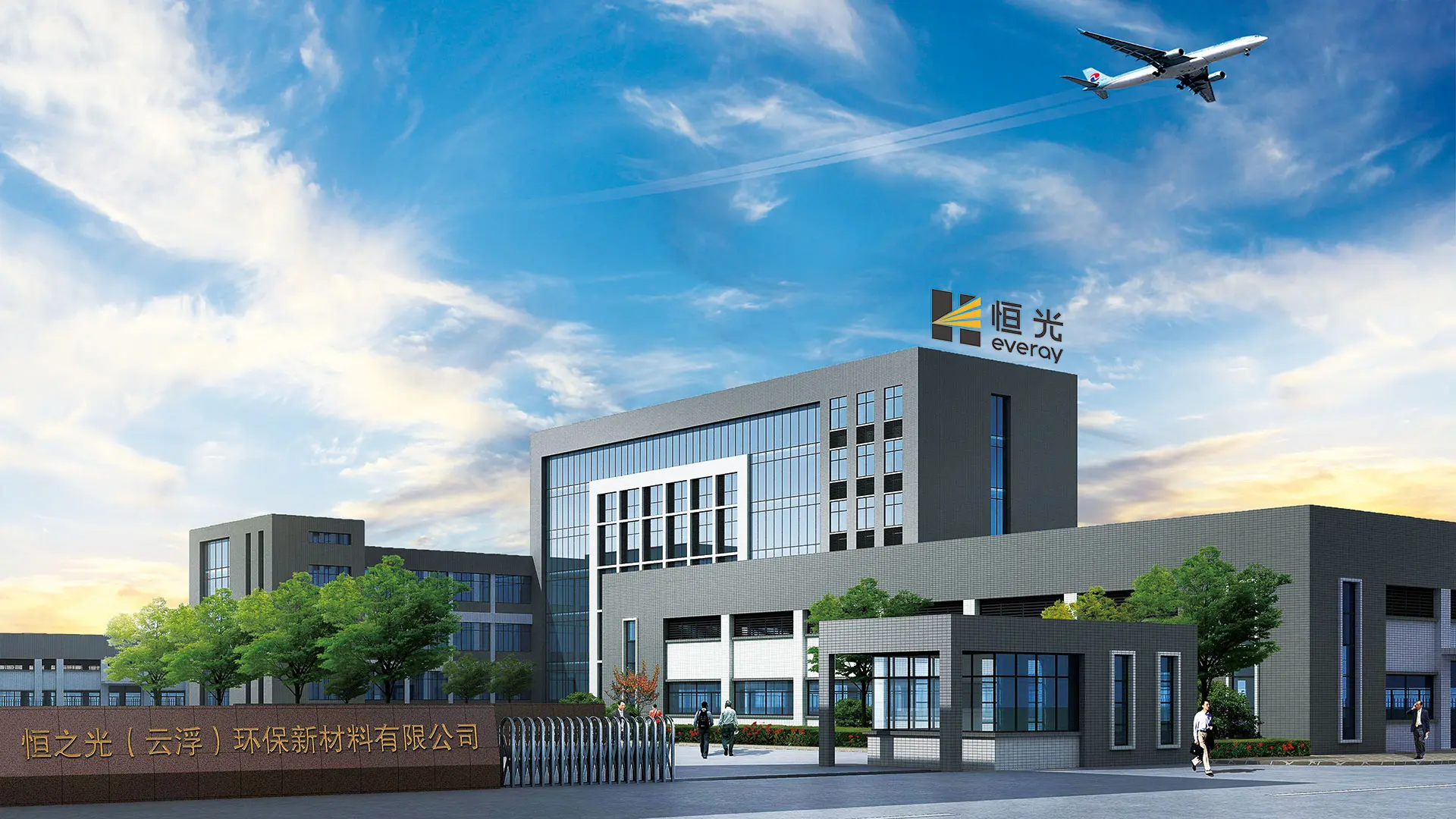
Established in 2006, Guangdong Ever Ray Environmental Material Co., Ltd. is a premier high-tech enterprise dedicated to the research, development, and manufacturing of high-quality UV-curable oligomers.
With an annual production capacity exceeding 20,000 tons and more than 10 fully automated production lines managed via advanced DCS computerized control systems, we meet the scale demands of global coating manufacturers.
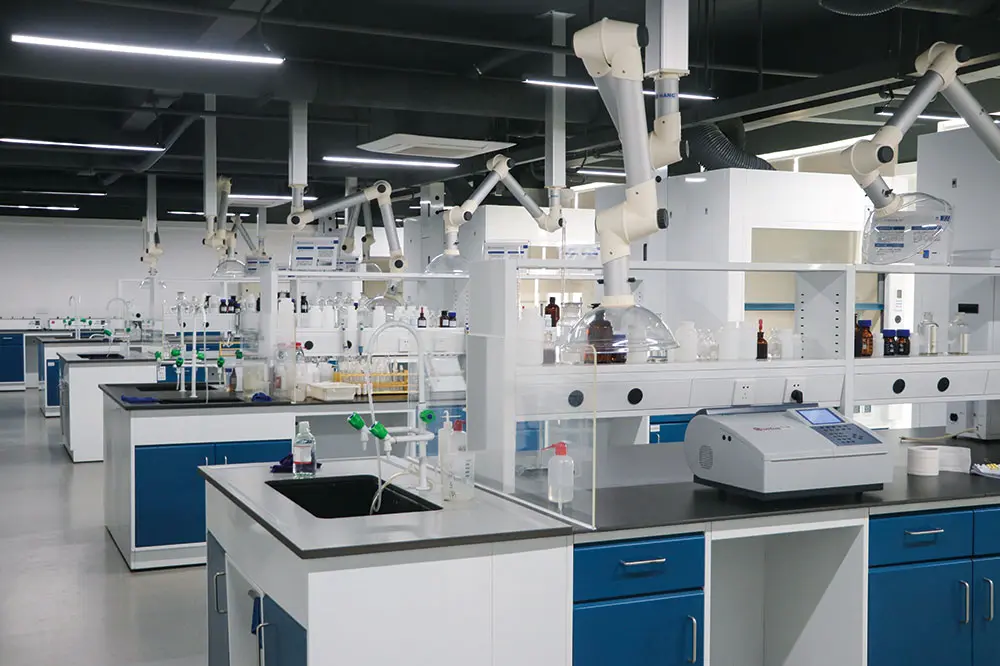
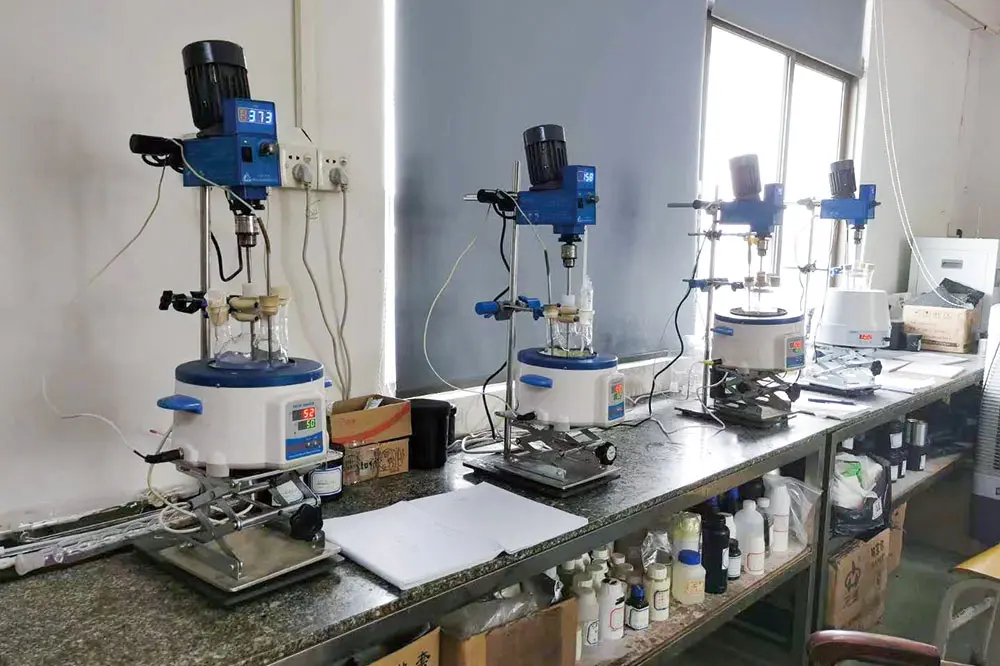
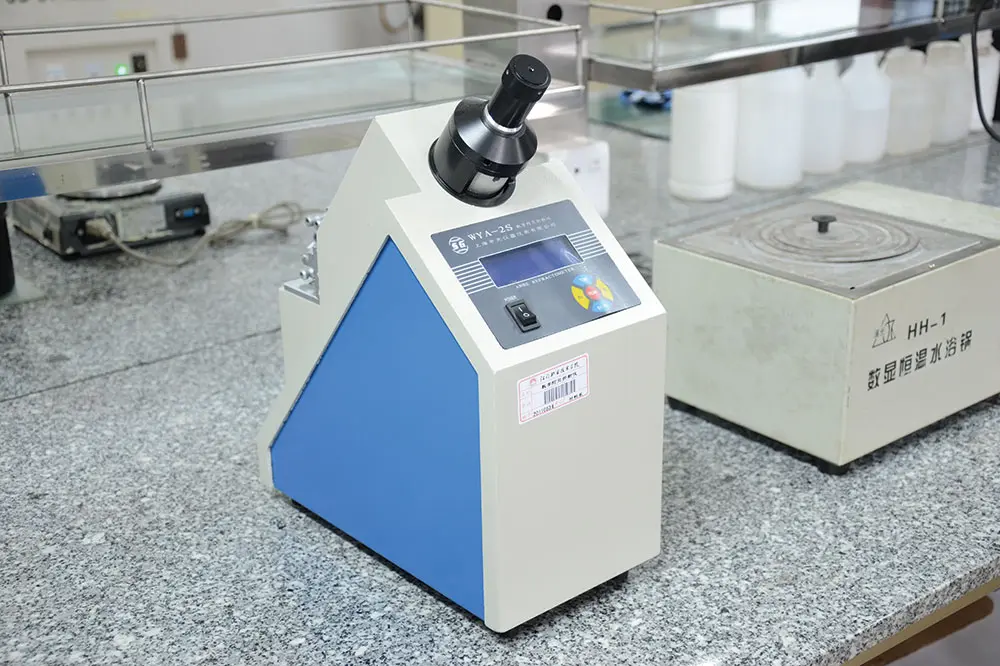
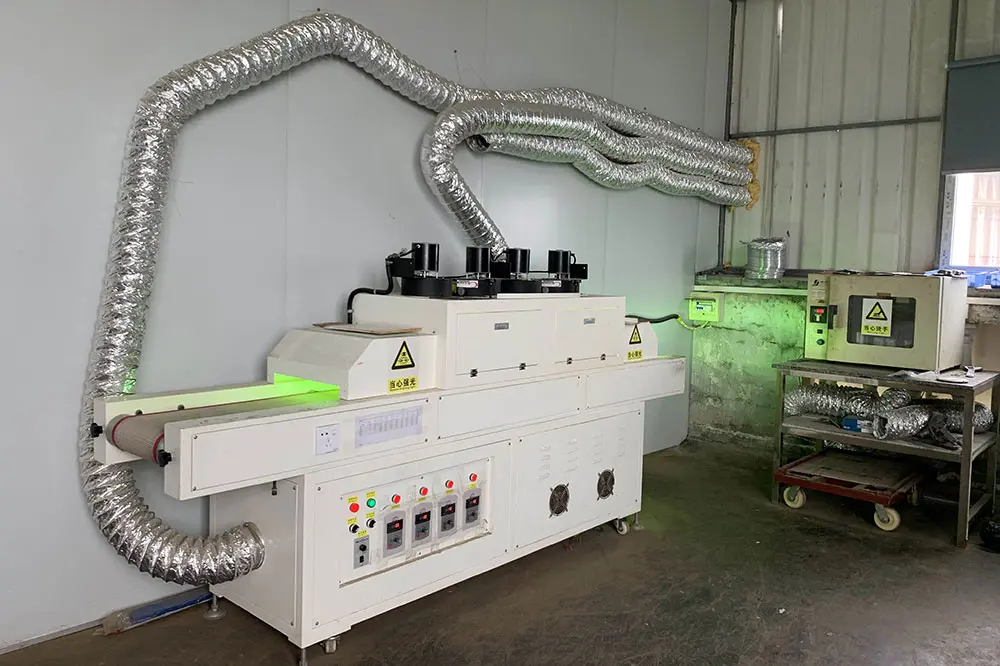
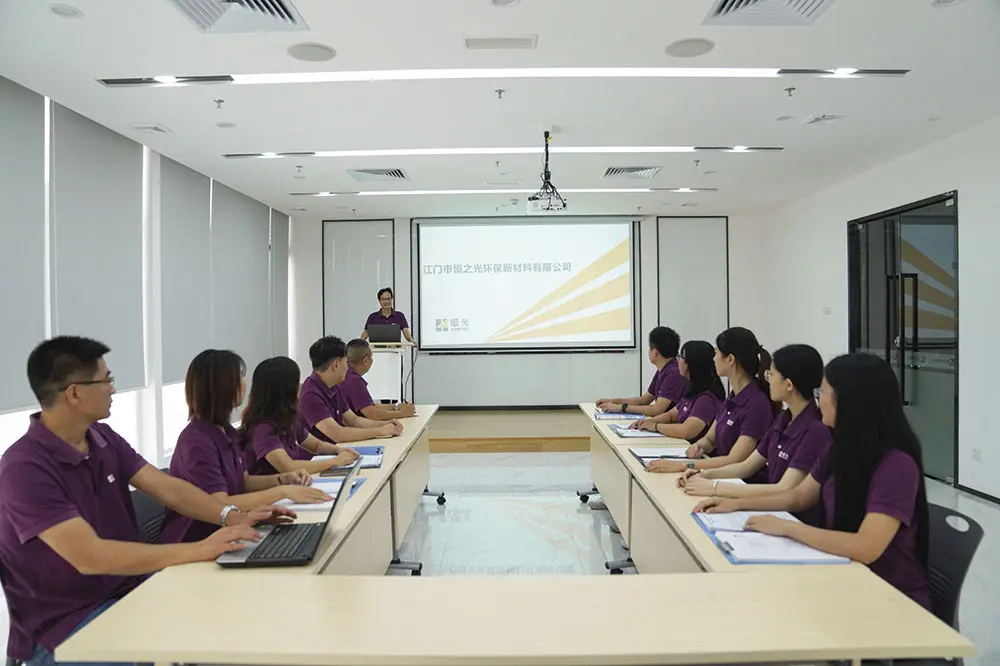
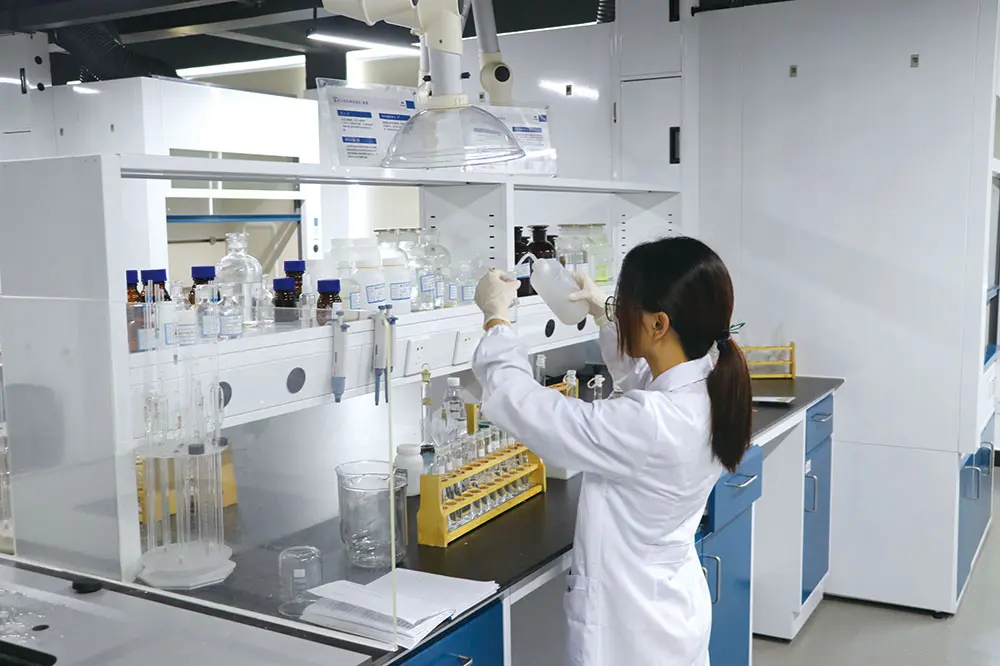
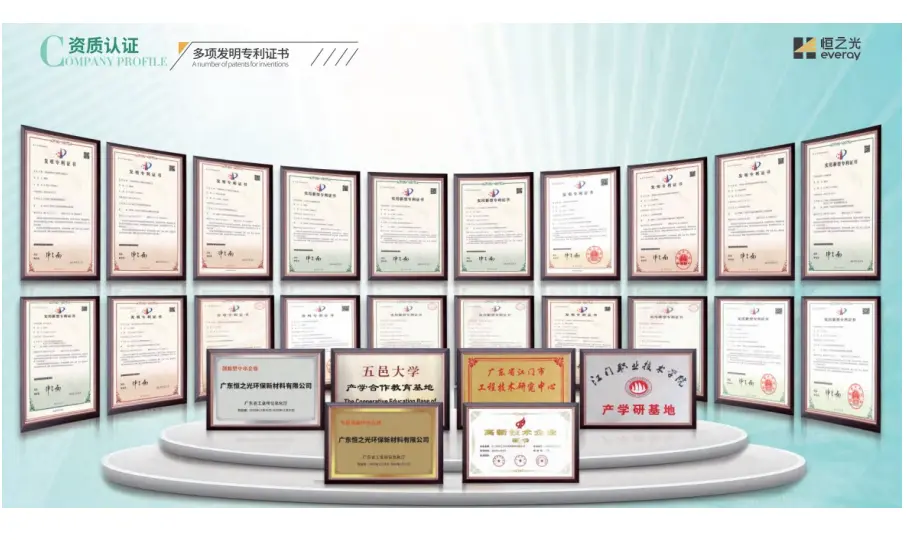
From protective coatings on wood to rapid curing packaging inks, our functionalized oligomers form the backbone of modern industrial finishes.
UV-cured wood varnishes offer unmatched hardness and scratch resistance. Using low-shrinkage epoxy acrylates like our 6102 UV Resin ensures excellent leveling and deep wood-grain enhancement without structural stress cracking.
Soft-touch and high-gloss topcoats for mobile devices require polymers with excellent elasticity and chemical resistance. Polycarbonate acrylates such as 72203A prevent micro-abrasions while offering resistance to sweat and cosmetic oils.
Overprint varnishes (OPV) demand ultra-low viscosity and fast cure cycles for packaging lines processing thousands of impressions per minute. Our 56031 low-viscosity polyester acrylate is optimal for gravure and flexographic printing inks.
Find authoritative answers to common inquiries concerning UV oligomer characteristics, application challenges, and shipping protocols.
Additional high-grade technical resins designed for extreme adhesion, flexible soft-touch feel, and specialized substrates like glass and polycarbonate.
 Ever Ray