Explore our high-performance modified acrylates engineered for rapid cure, adhesion, and durability.
The global industrial coatings paradigm is transitioning rapidly from traditional solvent-borne systems toward radiation-curable (UV/EB) technologies. As regulatory pressures surrounding Volatile Organic Compound (VOC) emissions tighten globally, procurement managers and formulators require raw materials that deliver not only compliance but superior physical characteristics.
Currently, the demand for Cure UV Resin oligomers is driven by the explosive growth in high-speed, high-resolution printing, micro-electronics packaging, automotive interior coatings, and sustainable packaging. Advanced oligomers, such as modified epoxy acrylates and polycarbonate acrylates, act as the backbone of these formulations. They dictate the ultimate coating properties: crosslinking density, polymerization rate, chemical resistance, flexibility, and substrate adhesion.
Developing resins designed to respond effectively under narrow-spectrum UV LED lamps (365nm to 395nm), eliminating surface tackiness caused by oxygen inhibition.
Oligomers tailored for line speeds exceeding 150m/min, maintaining critical optical clarity and resistance qualities without micro-cracking.
Waterborne UV oligomers that combine low viscosity with zero reactive monomer requirements, addressing safety and dermatological concerns.
Procuring high-quality UV-curable raw materials requires balancing batch-to-batch consistency with tailored performance attributes. Industrial-scale manufacturers must navigate key compounding challenges:
As a primary producer, Guangdong Ever Ray focuses on customizing the chemical backbones of our prepolymers (e.g., introducing specialty modifiers into bisphenol A epoxy acrylate structures) to drastically lower volume shrinkage while sustaining high tensile strength.
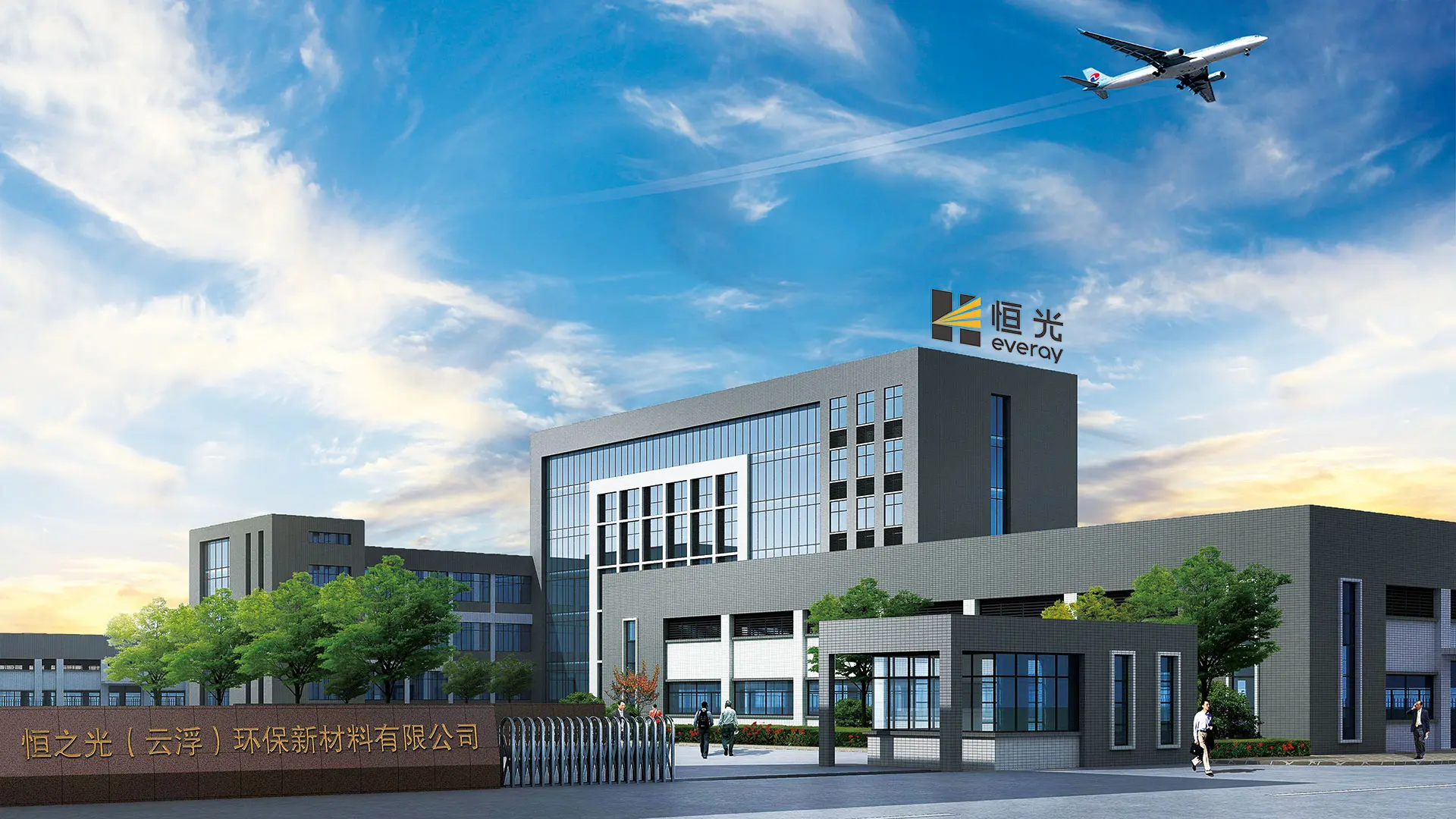
Guangdong Ever Ray Environmental Material Co., Ltd., established in 2006, is a high-tech enterprise focusing on the R&D and manufacturing of oligomers for UV curable resin such as epoxy acrylate, polyurethane acrylate (water-borne, aliphatic urethane, aromatic urethane), polyester acrylate, pure acrylate, and other special functional modified acrylate oligomers.
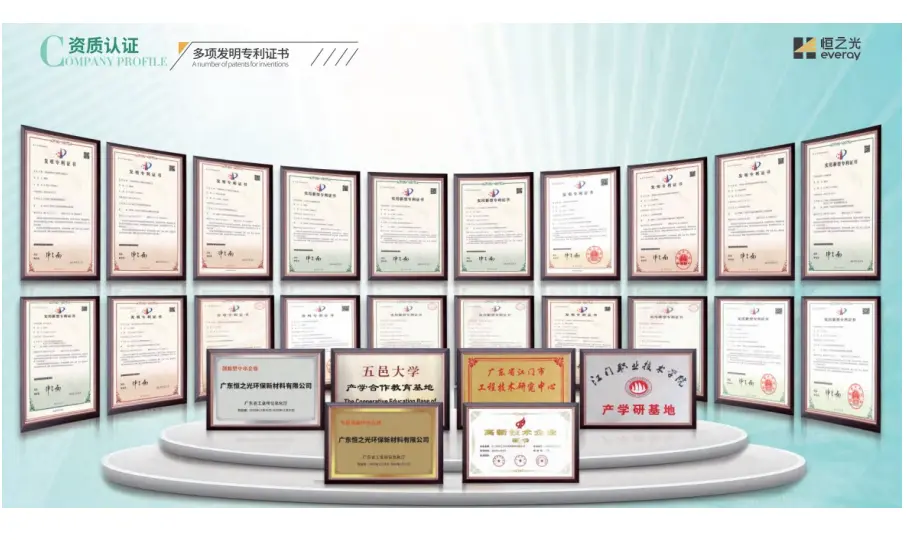
We hold more than 10 invention patents and practical patents. With over 15 dedicated technicians in our R&D department, we focus on delivering high reactivity, chemical resistance, and high gloss properties to formulations for a wide variety of applications, including wood coatings, plastics, inks, adhesives, and electronics. We supply optimized formulations for customers to meet their technical requirements not only from a product functional capability standpoint but also from a cost-saving aspect. We focus on technological innovation and environmental protection coexisting in harmony, firmly taking science and technology as our driving force to maintain a sustainable, green living environment.
We operate two advanced production bases: one is in Jiangmen, Guangdong, with a production area of about 10,000 square meters; the other is in Yunfu, Guangdong, with a production area of approximately 40,000 square meters. Both bases are fully equipped with state-of-the-art quality control, storage, and logistics supporting facilities. Our annual production capacity exceeds 20,000 tons, distributed across more than 10 automated production lines.
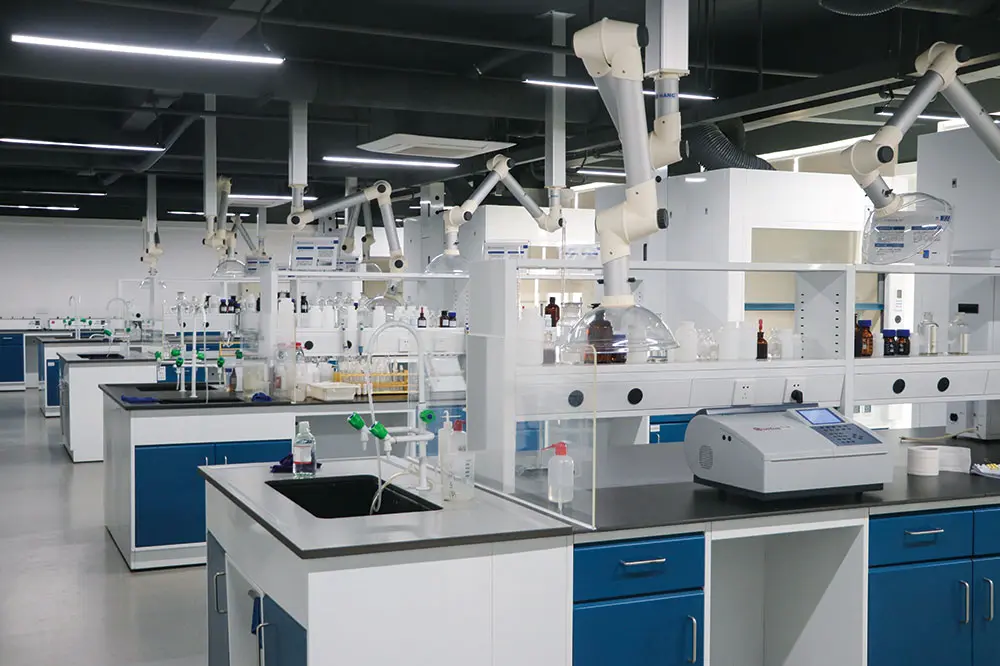
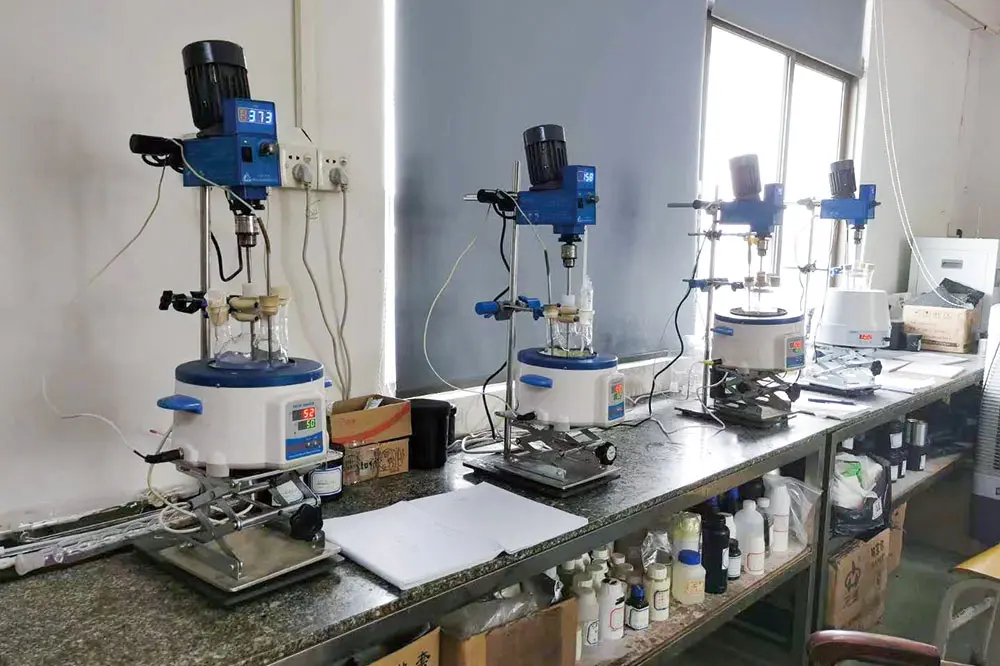
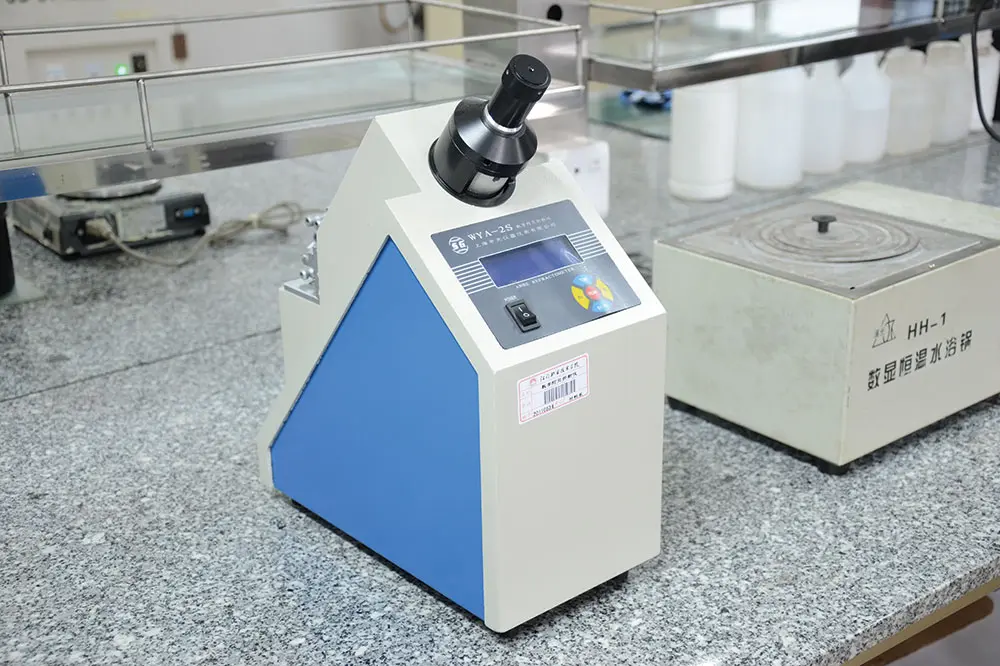
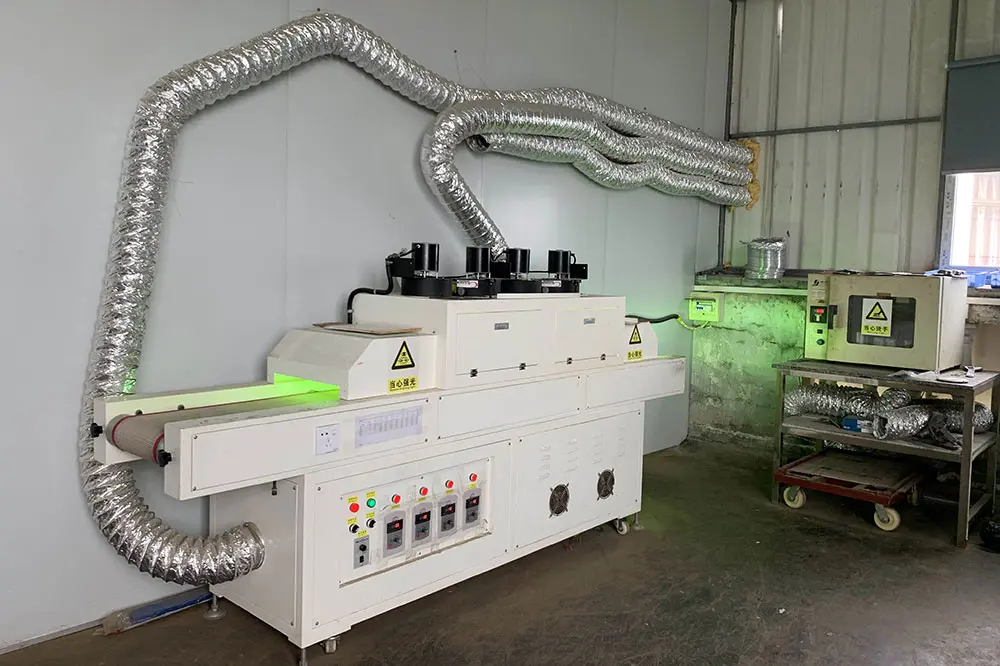
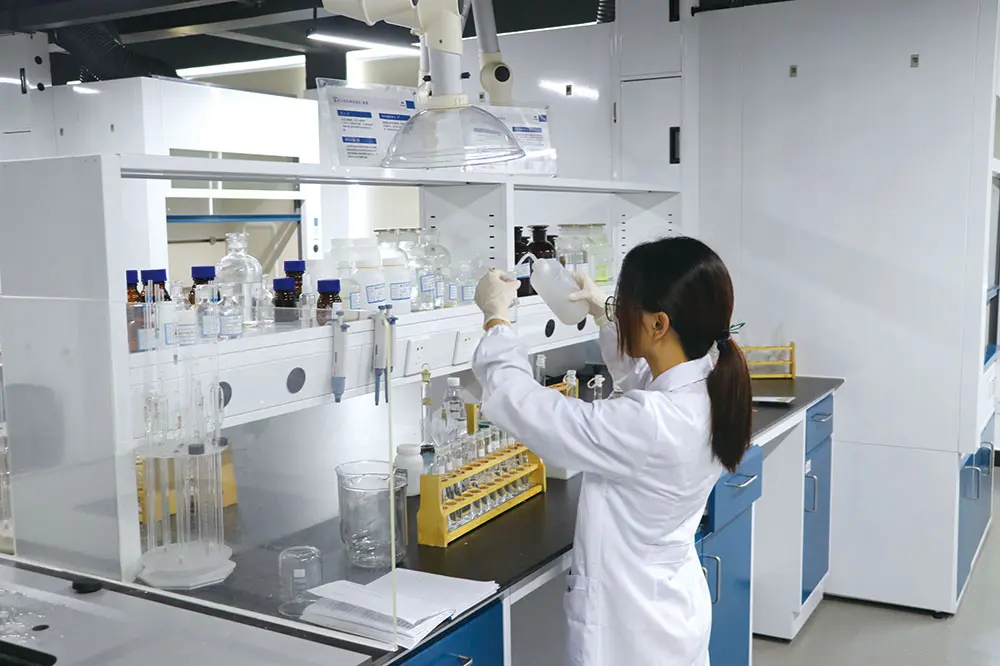
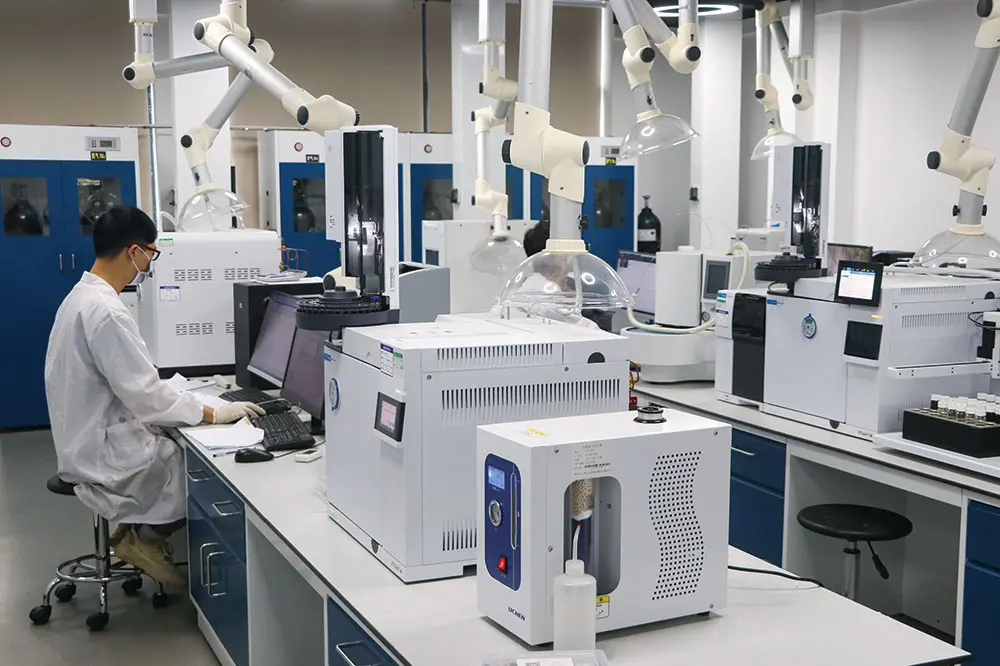
To ensure consistent quality, our factories are operated under the ISO9001 Quality Management System and ISO14001 Environmental Management System. We run a highly flexible and advanced DCS fully computerized control system. Moreover, we select premium domestic and international raw materials, adopt advanced scientific management methods, and consult with domestic UV material experts to ensure production safety and consistent product quality stability.
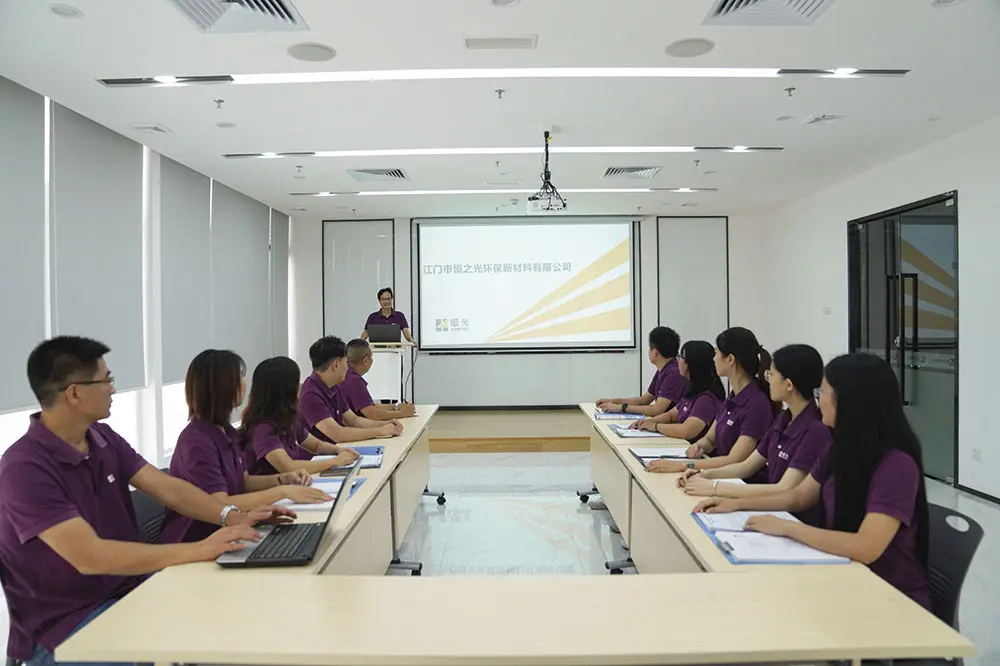
Matching the right molecular design with demanding application environments.
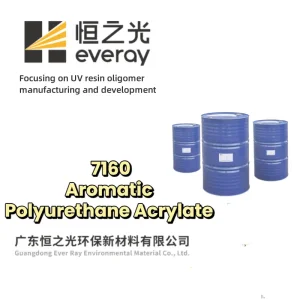
Our Aromatic PA UV-resins (like 7113A and 7160) deliver excellent adhesion to treated and untreated plastics (PC, ABS, PMMA) and are designed for primer/basecoat application in thermal and sputtering vacuum metallization layers.
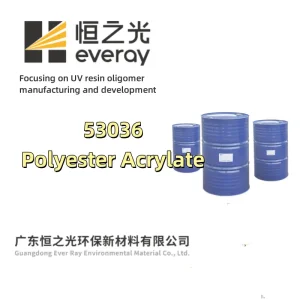
Our specialty 53036 Polyester Acrylate is formulated for excimer laser matting (172nm), producing a super-matte, scratch-resistant surface with an exceptional soft touch / skin feel for premium consumer products.
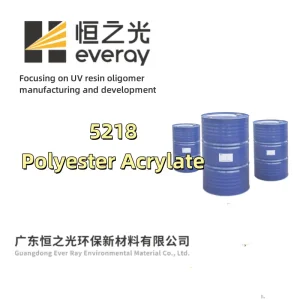
Polyester acrylates (such as 5403-2F and 5218) offer excellent pigment wetting properties, stable rheology, and minimized misting on high-speed offset, flexographic, and screen-printing presses.
Our research division focuses on two major technology fronts: Bio-based Carbon Content and Dual-Cure Systems. Over the next three years, Ever Ray plans to introduce renewable raw materials into our aliphatic polyurethane acrylate chains, increasing the bio-based content of the oligomer structure to over 35% without degrading cure speed or surface hardness.
Additionally, to resolve line-of-sight curing limitations on three-dimensional substrates, we are refining our moisture/UV dual-cure and thermal/UV dual-cure systems. These developments ensure that shadowed areas on complex automotive parts or electronic assemblies achieve complete cure over time.
Operating within international markets requires adherence to environmental and chemical supply regulations. Our production facilities maintain ISO9001:2015 and ISO14001:2015 certifications. We actively register our products for global compliance:
We support our global clients through strategic partnerships, delivering technical consulting, custom molecular modification, and direct support to match formulations with regional manufacturing setups.
Direct answers to complex formulating challenges when using UV curable acrylates.
Engineered for high adhesion, chemical resistance, and optimal pigment wetting.
 Ever Ray